
Bringing a new kitten into your home is an exciting milestone, but one of the first hurdles every pet parent faces is kitten litter training. While cats are instinctively clean animals, setting them up for success requires more than just a box in a corner. Understanding your kitten’s preferences for privacy, cleanliness, and ease of access is the secret to a mess-free home.
Choosing the Right Hardware for Kitten Litter Training
Before you bring your new friend home, you need to ensure their “bathroom” is physically accessible.
Size Matters
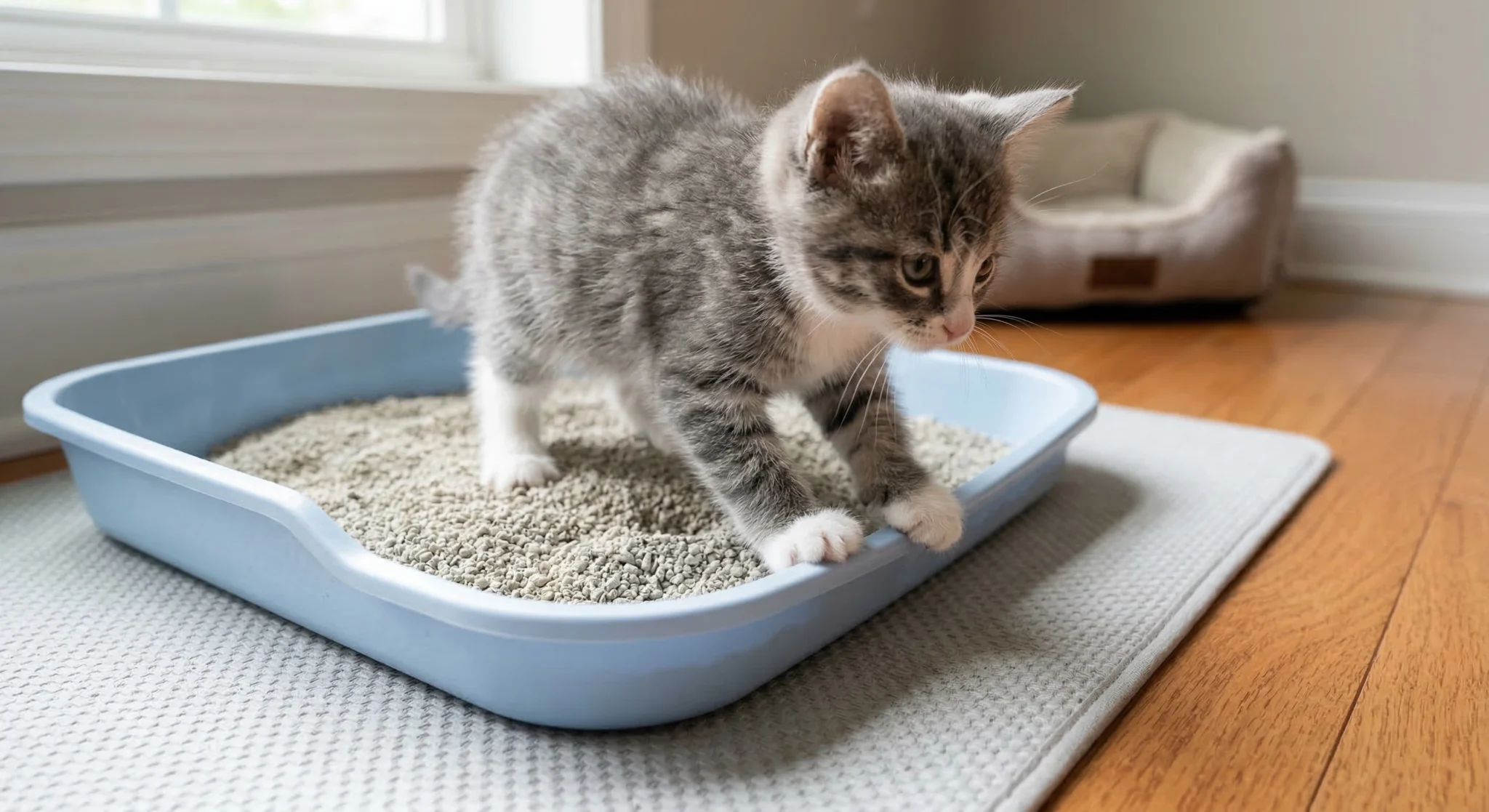
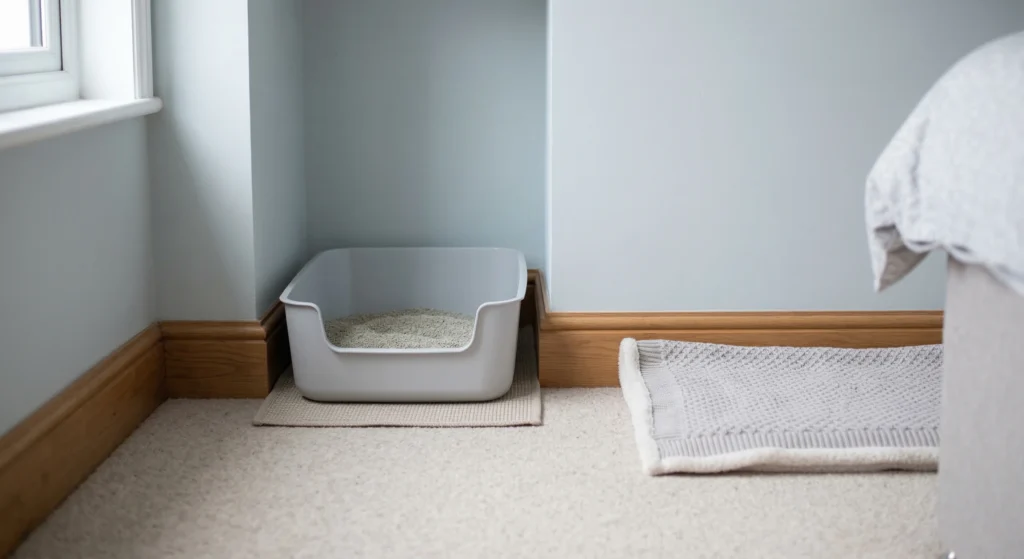
For a young kitten, size is everything. If a litter tray is too deep, your kitten will struggle to climb in and out, which may lead them to find a more convenient (and likely carpeted) spot.
- Start Shallow: Purchase a shallow tray for the early months.
- Upgrade Later: Once your kitten grows into an adult, you can transition to a deeper tray to help contain scattered litter.
The Problem with Hooded Trays
Many owners prefer hooded trays to hide odors, but from a cat’s perspective, these can be a nightmare. Imagine how strong the odor becomes trapped inside that small space! Because cats are so clean, a smelly hooded tray may cause them to refuse to use it entirely. Stick to open trays to keep the air fresh and your kitten comfortable.
Finding the Perfect Litter Tray Position
Where you place the tray is just as important as the tray itself. To ensure successful kitten litter training, follow these location rules:
- Accessibility: Keep the tray close to their bedding, but not touching it.
- Privacy: Avoid high-traffic areas like the kitchen or hallway.
- Quiet: Keep trays away from loud appliances like washing machines or flushing toilets. A sudden noise can startle a kitten, making them too afraid to return to that room.
- The “Dining” Rule: Never place a litter tray near food or water bowls. As the saying goes: Would you want to eat in the toilet?
The Golden Rule: How Many Trays?
A common mistake is having only one tray. For a harmonious household, you should provide two litter trays for every one cat. Many cats refuse to share a tray with a housemate, and some even prefer to use one tray for liquids and another for solids.
Hygiene and Maintenance Tips
Kittens are fastidious. Some may even refuse to use a tray if it has been soiled just once. To keep them happy:
- Avoid Harsh Chemicals: Cats have sensitive noses. Strong chemical smells can drive them away.
- Use Natural Cleaners: Wash the tray with very hot water or an enzyme-based cleaner (like Bio-Zet).
- Sun Dry: After washing, let the tray stand in the sun to dry naturally.
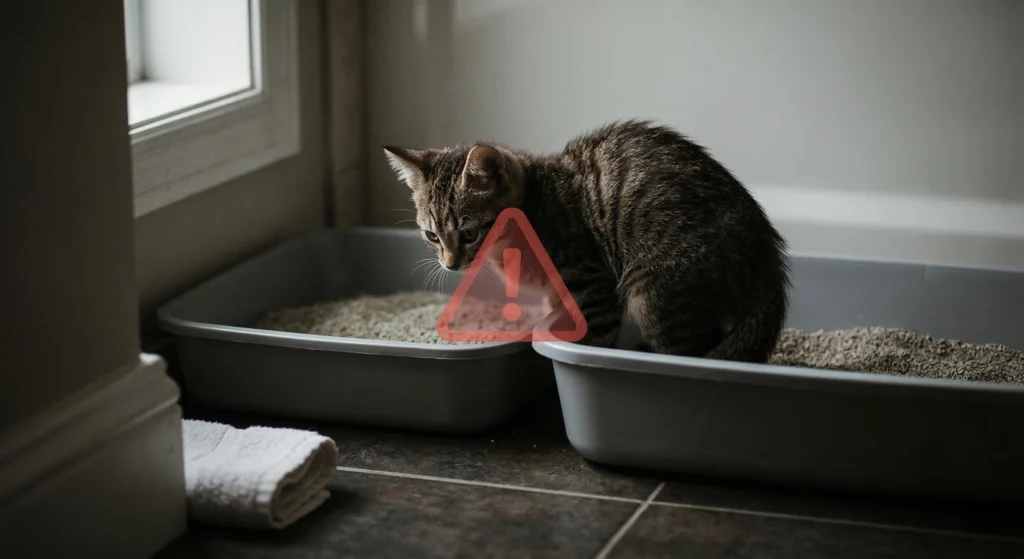
⚠️ Expert Advice: When It’s Not a Training Issue
If you notice your cat straining in the litter tray, contact your veterinarian immediately. This could be a sign of Feline Lower Urinary Tract Disease (FLUTD), which can be fatal if left untreated. Inappropriate urination isn’t always “bad behavior”—it can be a medical cry for help.
Troubleshooting: What to Do if They Won’t Use the Tray
If your kitten is having accidents, don’t panic. Try these practical adjustments:
- Change the Litter Type: Some cats are fussy about the texture under their paws.
- Clean More Frequently: Increase your scooping schedule.
- Add More Trays: Ensure you are meeting the “two trays per cat” requirement.
- Move the Tray: Relocate it to a quieter, more private area.
Conclusion
Successful kitten litter training comes down to empathy—viewing the environment through your kitten’s eyes. By providing a clean, quiet, and easily accessible space with the right type of litter, you are setting the foundation for a lifetime of good habits. Remember, patience is key, and when in doubt, a quick check-up with the vet can rule out any underlying health issues.
Frequently Asked Questions (FAQ)
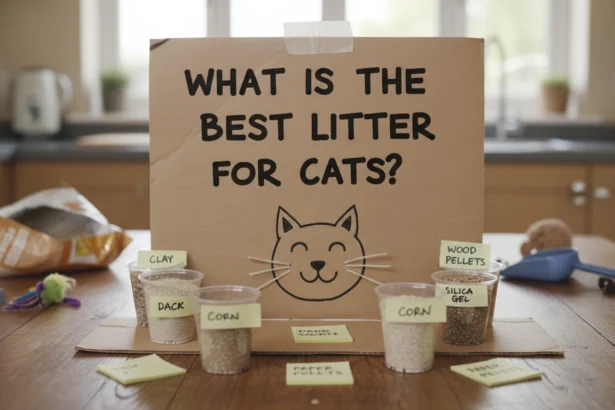
1. What type of litter should I use for my kitten? Kittens can be very picky! You may need to try several varieties—from clay to paper or wood pellets—to see which one your kitten prefers.
2. Why is my kitten suddenly not using the litter tray? This could be due to a dirty tray, a change in litter brand, or a noisy environment. However, it can also indicate a urinary tract infection, so a vet visit is recommended if the behavior persists.
3. Can I use a covered litter box for a kitten? It is best to avoid them. Hoods trap odors and can make the kitten feel trapped or overwhelmed by the smell, leading to litter box avoidance.
4. How do I clean the tray safely? Avoid bleach or harsh disinfectants. Use hot water or an enzyme-based laundry detergent (like Bio-Zet) to remove odors without leaving behind a strong chemical scent.