Look I’m typing this quick while my own dog is finally napping but honestly people miss the signs every single day and it drives me nuts. I was over at Phillip’s place on Fincher Rd—you know, in Perth—and his lab was practically vibrating.
Phillip thought she was just happy because her tail was going. It wasn’t happy. It was stiff. Like a metronome. If you wait for the growl you’ve already missed ten other things she tried to tell you.
Seriously. Stop looking for the big blowup and start looking for the tiny stuff because that’s where the real communication happens. People get so caught up in the alpha junk or trying to fix things fast but it doesn’t work like that.
You gotta have Patience and you gotta have Consistency. It’s hard, I get it. Your dog is acting out and you’re tired. But they aren’t being bad, they’re just totally overwhelmed and don’t have the words to tell you they’re drowning.
I put together a quick breakdown of what people usually get wrong when they look at a dog’s body language.
| What You See | What You Think It Means | What The Dog Is Actually Saying |
|---|---|---|
| Fast Tail Wag | They are happy to see me | I am very over-excited or tense |
| Big Yawn | They are just sleepy | I am trying to handle this stress |
| Licking Lips | They want a treat | I am feeling very uncomfortable |
My Take
Don’t just look at the tail. You have to look at the ‘whole dog’ from nose to toes to get the real story.
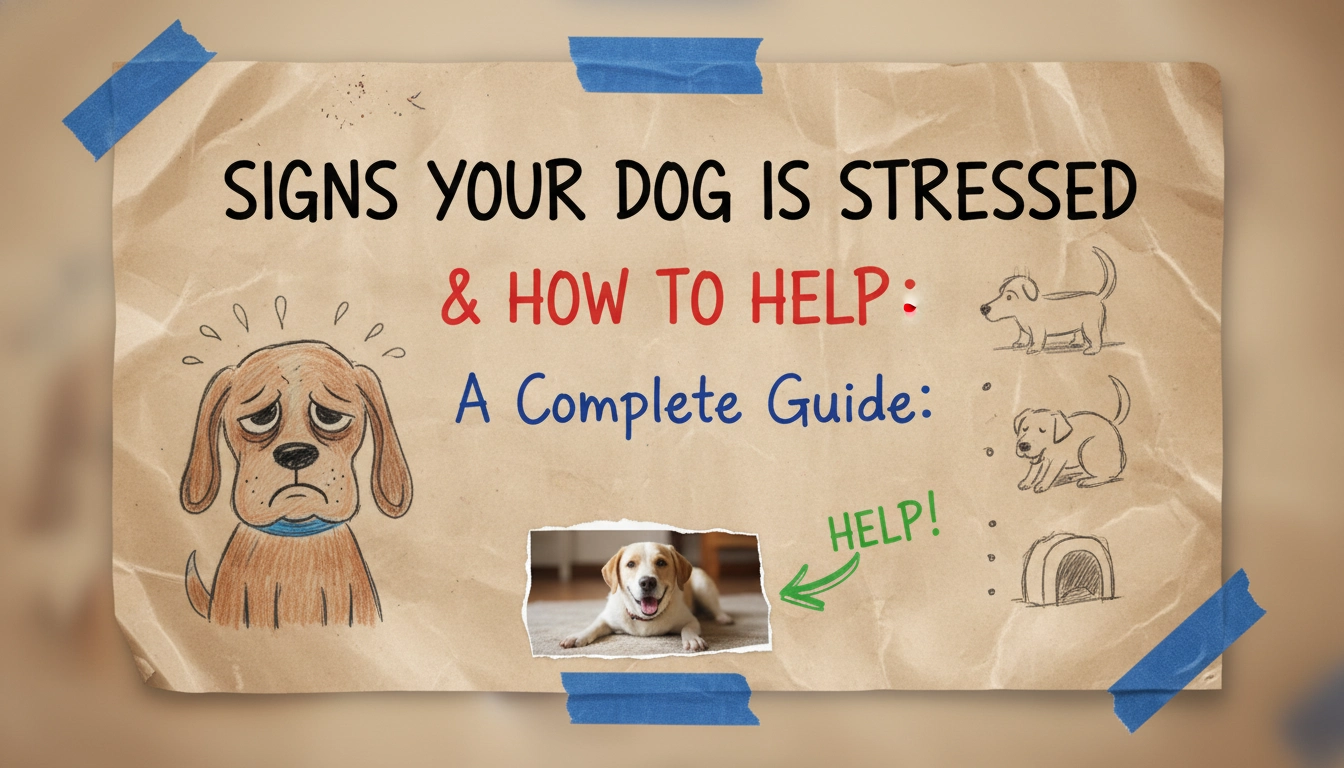
These are the subtle whispers of a nervous system under pressure. Understanding the signs your dog is stressed and how to help is the first step toward restoring peace in your home.
I have spent years watching how dogs communicate their internal world through tiny shifts in body language. It is easy to miss a lip lick or a subtle yawn, but these signals are a cry for support.
When we learn to listen, we can transform a difficult dog into a confident companion. This guide will break down the complex language of canine anxiety and provide actionable solutions.
Quick Access
This guide covers physical symptoms, behavioral triggers, and immediate calming techniques. Use these ‘signs your dog is stressed and how to help’ to improve your pet’s quality of life today.
Understanding the Basics of Canine Stress
Before we get into the weeds of what to look for, we have to talk about what stress actually is. It isn’t just a feeling. It is a whole body thing. A physiological response to a threat. Or just a change.
Dogs love a plan. When the plan changes, their brain goes into fight, flight, or freeze mode. Think about it like this. Their brain sends out an alarm. Suddenly, the body is flooded with hormones.
Cortisol. Adrenaline. It’s the stuff that makes them ready to run or fight for their life. The problem happens when those levels stay high. If your dog is always on edge, that cortisol just sits there.
It makes them jumpy. It makes them sick. A little stress is fine—like when I get out a new squeaky toy and the dog goes nuts—but the chronic stuff is the killer. It ruins their immune system.
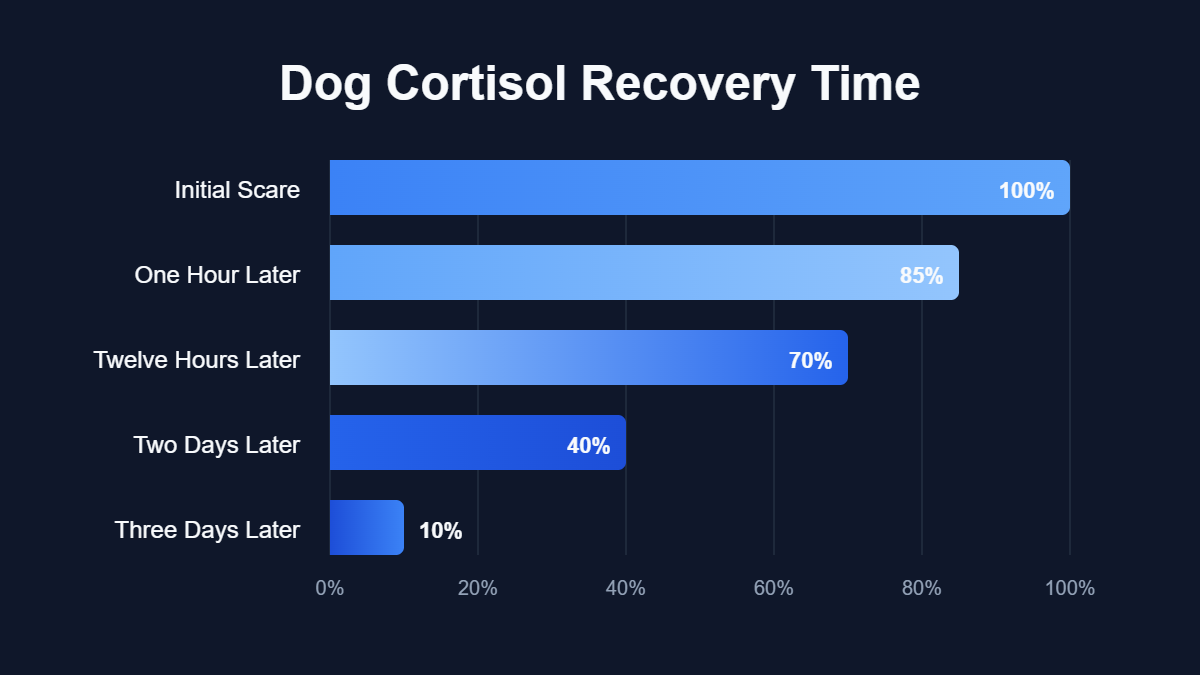
It makes it almost impossible for them to learn a new trick or even just relax on the rug. Most folks don’t realize how long it takes for a dog to actually come down from a big scare.
My Take
If your dog has a major scare on Monday, their brain is still ‘on fire’ until Thursday. Keep things very quiet during that recovery window.
The Cortisol Spike
Did you know it can take up to seventy-two hours for a dog’s cortisol levels to return to normal after a significant scare? This is why one bad experience can affect behavior for days.
Identifying Signs Your Dog Is Stressed and How to Help
If you want to master the signs your dog is stressed and how to help, you have to become a bit of a detective. Most people wait for the barking or the growling. By then? You’re late.
The party’s over. The dog is already past their limit. You have to look for the quiet signs. I call them displacement behaviors. It’s basically when a dog does something normal but at a totally weird time.
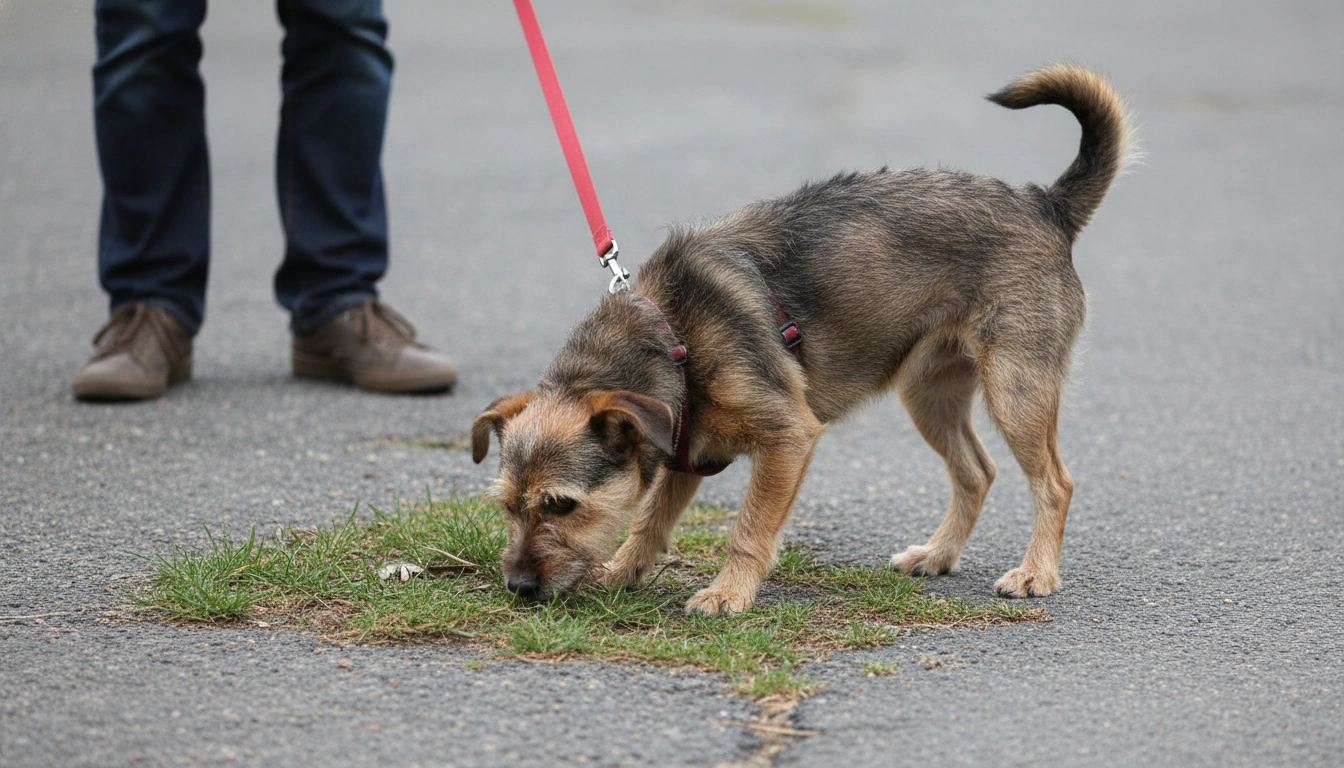
Imagine you’re at a party and you don’t know anyone, so you just keep checking your phone even though you have no messages. That’s what your dog is doing when they suddenly start sniffing random grass.
Or they start licking their paw out of nowhere. They are trying to give themselves a job to do so they don’t have to deal with the scary thing. If you see this, move them away. Give them space.
Physical Symptoms of Stress in Dogs
The body is a snitch. It tells on the brain every time. One of the big ones is panting. Not the I just ran three miles panting, but that weird, dry, shallow panting when it’s actually pretty cool in the room.
That’s a high heart rate talking. Then there’s the eyes. We call it whale eye. It’s when you can see the whites of their eyes in a little crescent shape. If you see that, the dog is likely feeling very trapped.
- Shaking. Not from being cold, but that internal vibration you feel when you touch them.
- Drooling. Sometimes it’s just a little string of spit, even if there’s no food around.
- Blowing the coat. You’ll pet them and suddenly your hand is covered in hair. That’s a stress response.
- The tail. If it’s tucked so hard it’s touching their belly, they’re terrified.
- Pinned ears. If they look like they’ve lost their ears entirely, they’re trying to look small.
Behavioral Changes That Indicate Stress
Some dogs get sticky. I had a client once, Silas, whose dog became a total velcro dog the second the suitcases came out. He wouldn’t let Silas go to the bathroom alone.
Other dogs do the opposite. They find a hole. Under the bed, behind the couch. If your dog is hiding, let them hide. Don’t drag them out. And then there’s pacing.
If you hear those claws clicking back and forth, back and forth, and the dog won’t settle even if you tell them to? They are vibrating with nervous energy. Their brain won’t let them sit down.
- They stop eating. Even the good stuff. If they turn down a piece of bacon, something is wrong.
- They jump at every little sound. A car door shuts outside and they hit the ceiling.
- Chewing the house down. If you come home and the door frame is shredded, they weren’t being spiteful.
- Constant yawning. They aren’t tired. They’re trying to calm themselves down.
- Looking away. If you try to look at them and they keep turning their head, they’re asking for space.
I created a quick guide to help you distinguish between a dog that is just busy and a dog that is actually stressed.
| Normal Behavior | Stressed Behavior |
|---|---|
| Sniffing to find a spot to go | Sniffing to avoid looking at a stranger |
| Barking at the mailman then stopping | Barking and unable to stop for minutes |
| Sleeping deeply on their side | Sleeping lightly or hiding under furniture |
My Take
The biggest clue is ‘recovery time’. A happy dog bounces back fast. A stressed dog stays ‘stuck’ in the mood.
Why Dogs Get Stressed: Common Causes
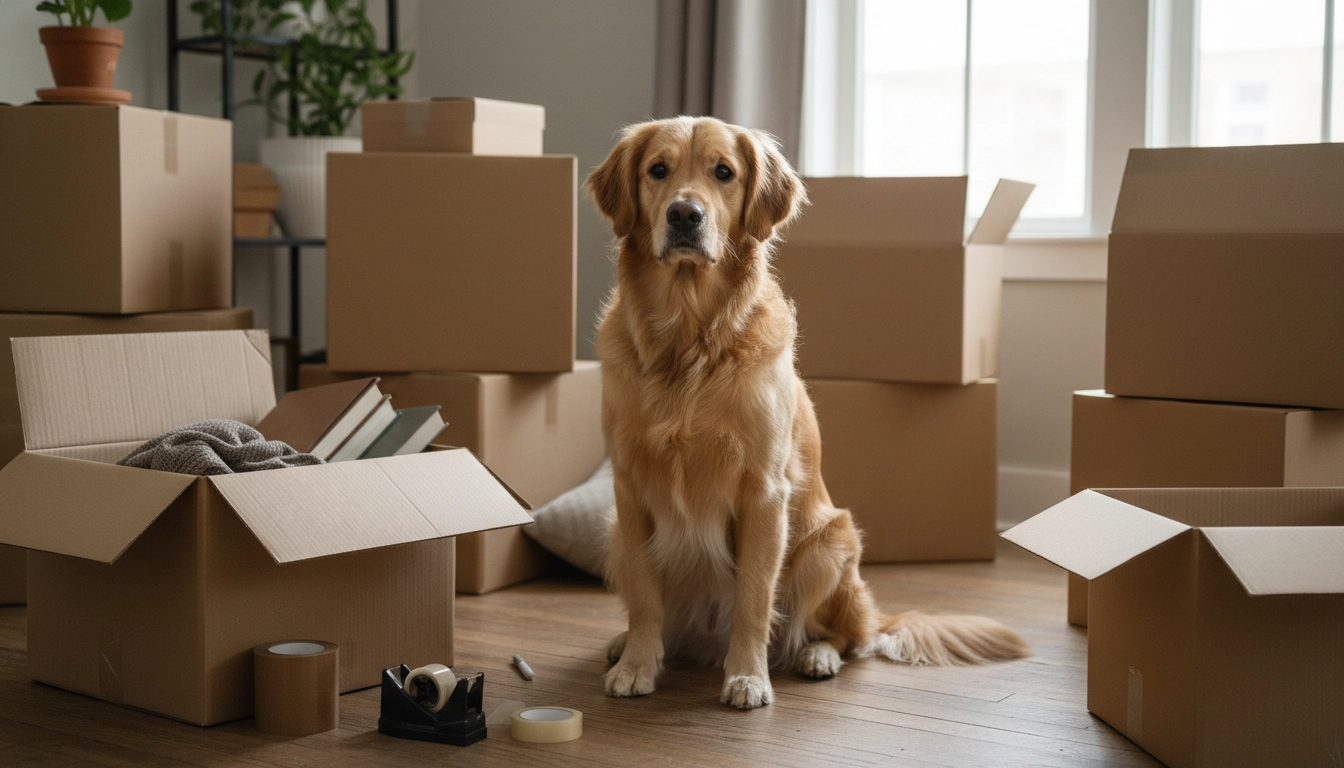
Consistency. I keep saying it because it’s the truth. Dogs love a boring life. When things get exciting or new, they get worried. Moving house is a massive deal.
I remember when I moved last year, my dog didn’t eat for two days. He didn’t know where the safe spots were yet. Then you have family changes. New babies are huge. A new cat.
Even a change in when you leave for work. If you used to leave at 8:00 and now you leave at 7:00, their whole internal clock is broken. They don’t have a watch. They just have the routine.
Environmental Triggers
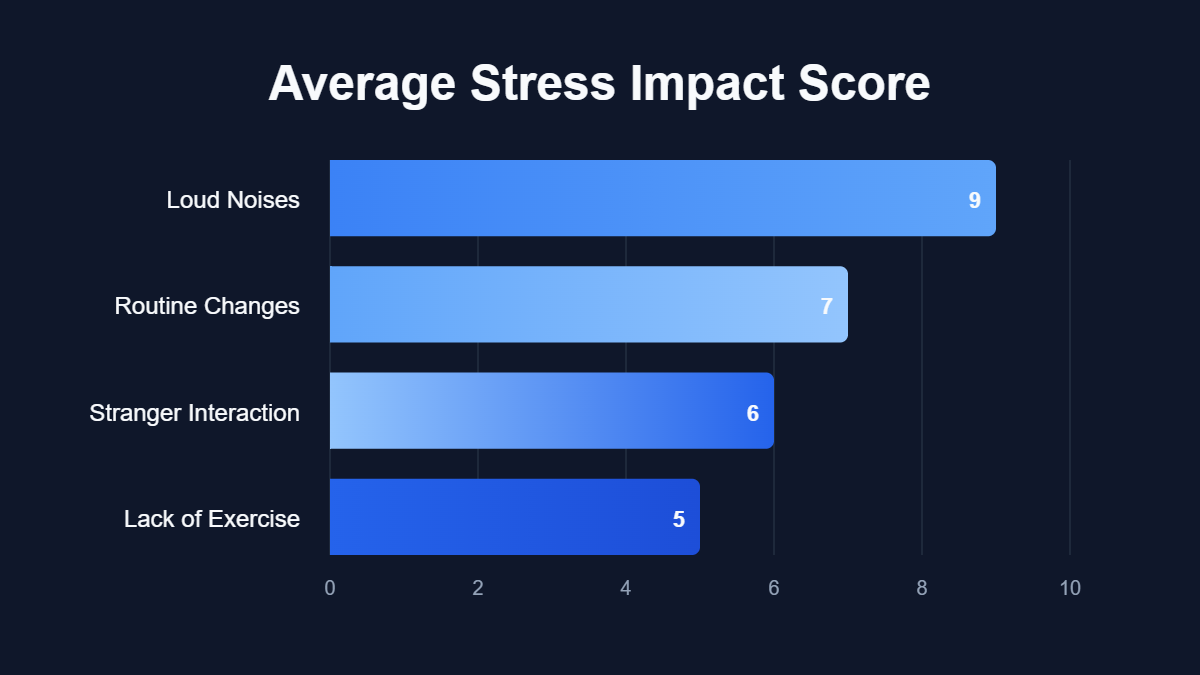
Loud noises like thunderstorms or fireworks are the most common acute stressors. Always ensure your dog has a muffled, safe space to retreat to during these events.
How to Calm a Stressed Dog Quickly
If things are hitting the fan right now, you need to act. First rule: get out. Take the dog out of the room. If there’s a vacuum cleaner running and they’re losing it, turn it off or move the dog.
Talk to them. But don’t do that high-pitched Oh it’s okay baby thing. That usually just winds them up more. Use a low, boring, calm voice. Like you’re telling them the weather report.
Sometimes just sitting on the floor near them—not touching them, just being there—is enough. You’re like an anchor. You’re calm, so maybe they can be calm too.
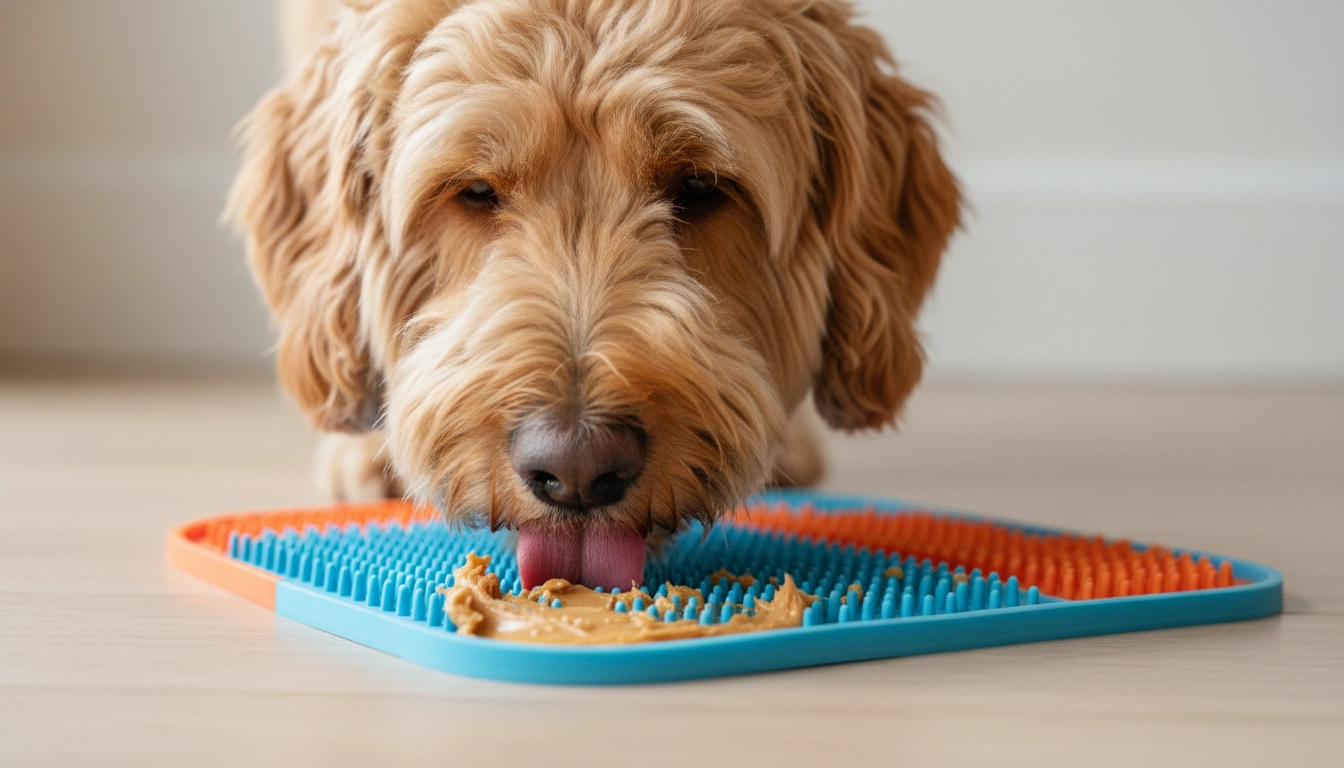
- Try a licky mat. Licking actually releases soothing chemicals in their brain.
- Pressure. Like a ThunderShirt or even just a tight t-shirt. It’s like a hug for their nervous system.
- Music. Not heavy metal. Put on some soft stuff or just a white noise machine to block the outside.
- The slow blink. Look at them and slowly close and open your eyes.
- Give them a win. Ask for a sit or something they know cold. It gives them something to focus on.
Long-Term Ways to Reduce Stress in Dogs
You want resilience. That’s the goal. You want a dog that can handle a little chaos without falling apart. To get there, you need Patience. I’m a huge fan of nose work.
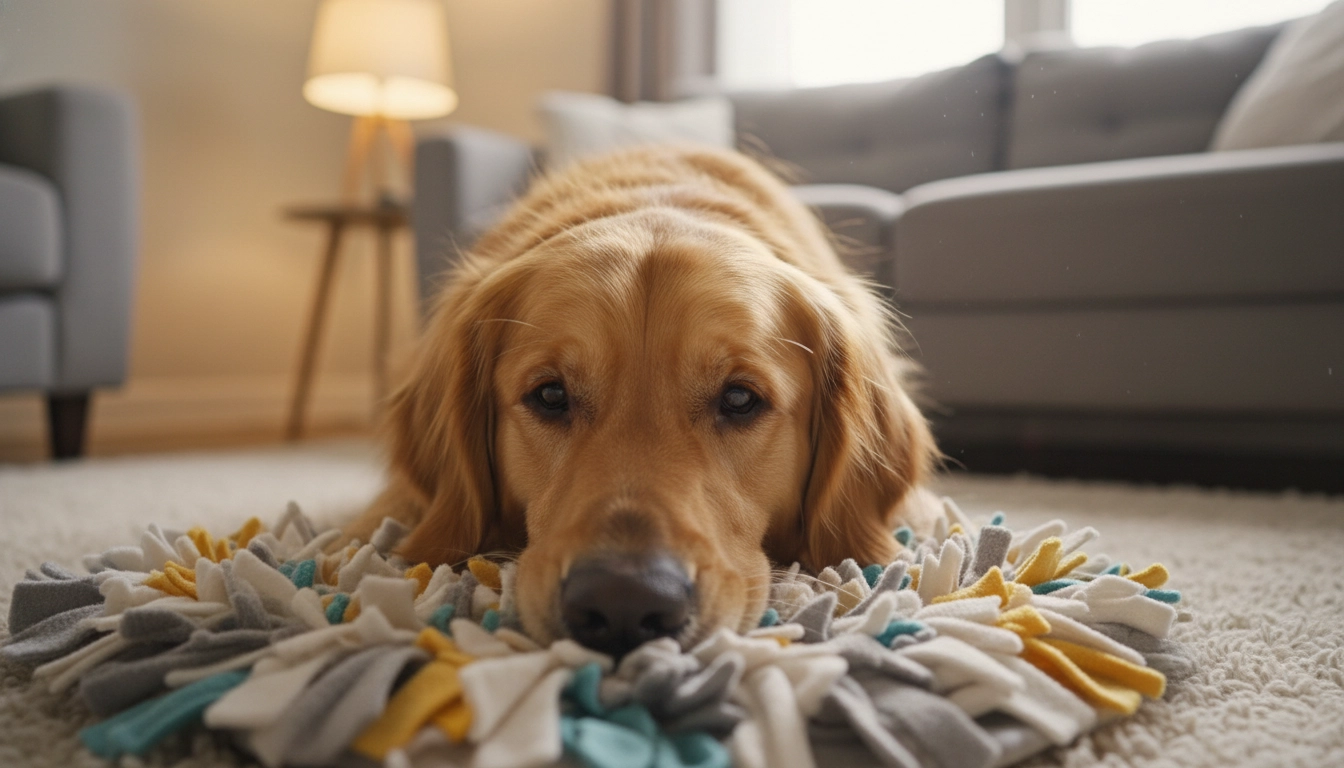
I tell all my clients this. Hide some treats around the living room. Let them sniff. Sniffing actually lowers their heart rate. It’s like meditation for dogs. And look at your schedule.
Is it a mess? Try to feed them at the same time. Walk them at the same time. When they can predict the day, they can relax. Also, look in the mirror.
If you’re stressed, they’re stressed. They are emotional sponges. If you’re running around the house screaming because you can’t find your keys, don’t be surprised when the dog starts barking.
I’ve ranked the most common things that mess with a dog’s peace of mind so you know what to prioritize.
My Take
Routine is the ‘number one’ way to fix a nervous dog. If they know what happens next, they don’t have to worry about it.
When to Worry About Your Dog’s Stress
Look, sometimes this isn’t just about feelings. Sometimes it’s medical. If your dog is usually chill and suddenly they’re snapping at the air or hiding under the table, call the vet.
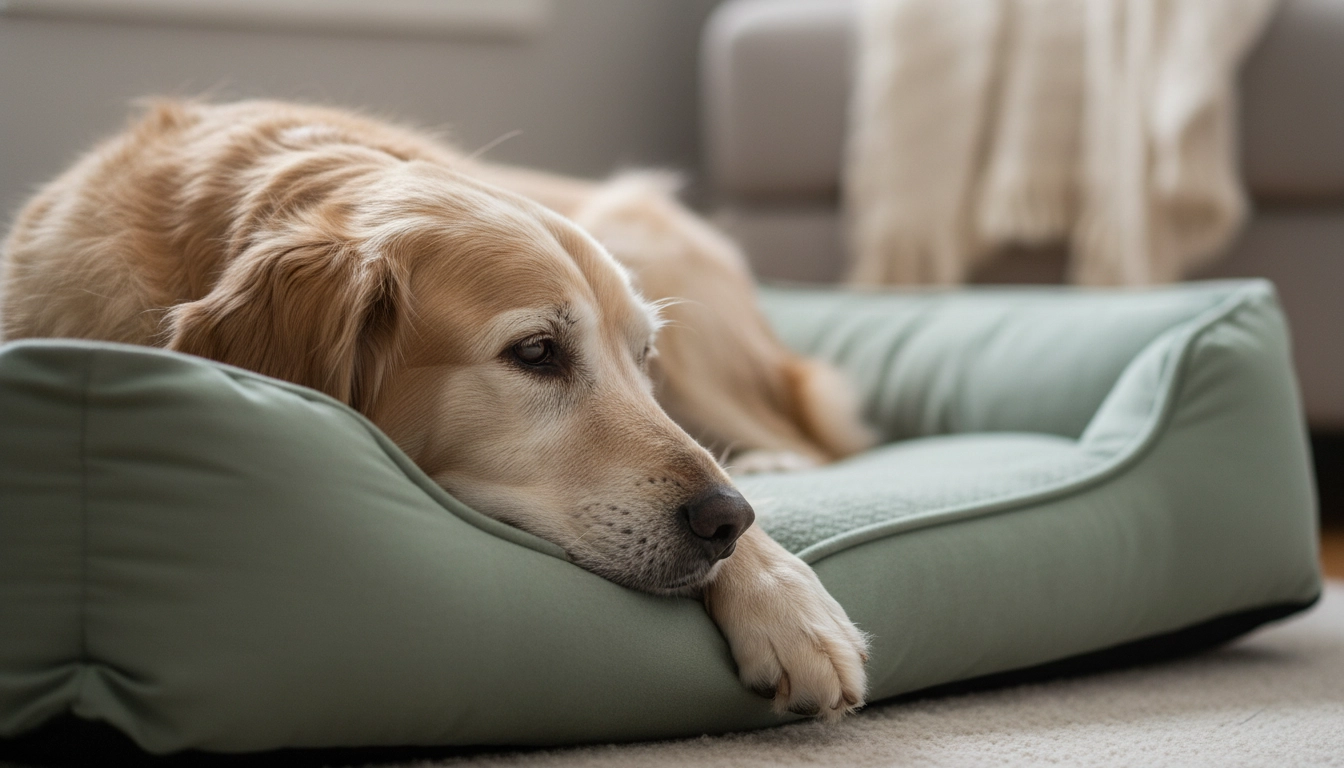
Pain makes everyone cranky. Older dogs especially. If their hips hurt, they’re going to be more anxious because they know they can’t run away if something happens.
If the stress turns into aggression, don’t try to be a hero. Get professional help. Safety is the most important thing here. Don’t put your family at risk.
Keep a Journal
Track when your dog shows signs of stress. You might notice a pattern, such as stress peaking on ‘garbage day’ or when certain neighbors are outside.
How to Prevent Stress in Dogs
It starts when they’re young, but it’s never too late. Socialization doesn’t mean meeting every person and dog on the street. That actually causes more stress for some dogs.
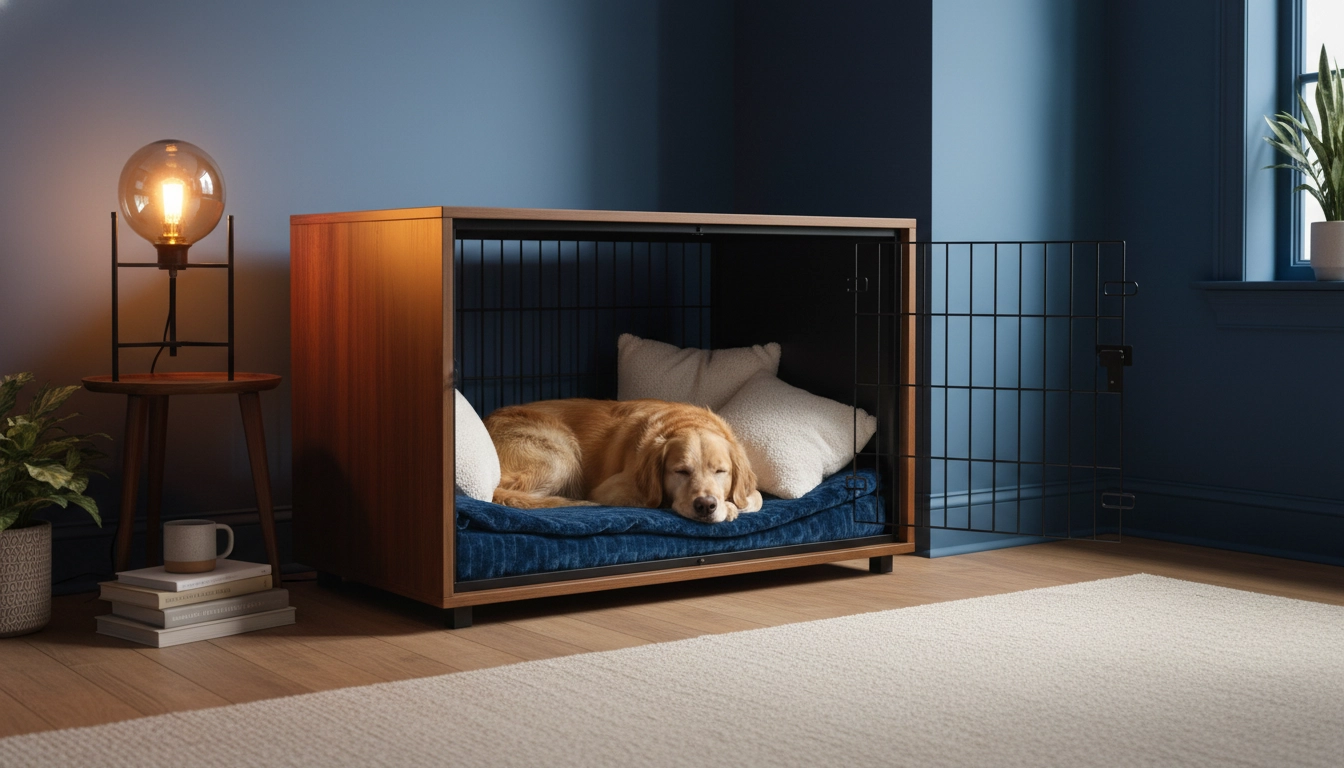
It means letting them see the world from a safe distance. Low-pressure exposure. Teach them a place command. It’s like their own private island.
If the house gets too loud or there are guests over, they go to their place and they know nobody is going to bother them there. It’s an emotional safety net.
- Keep paths clear. Don’t trap them in a corner.
- Good food matters. A cheap diet can mess with their gut, and gut health is linked to brain health.
- Let them sleep! Dogs need way more sleep than we do. Like 10 hours of the good, deep stuff.
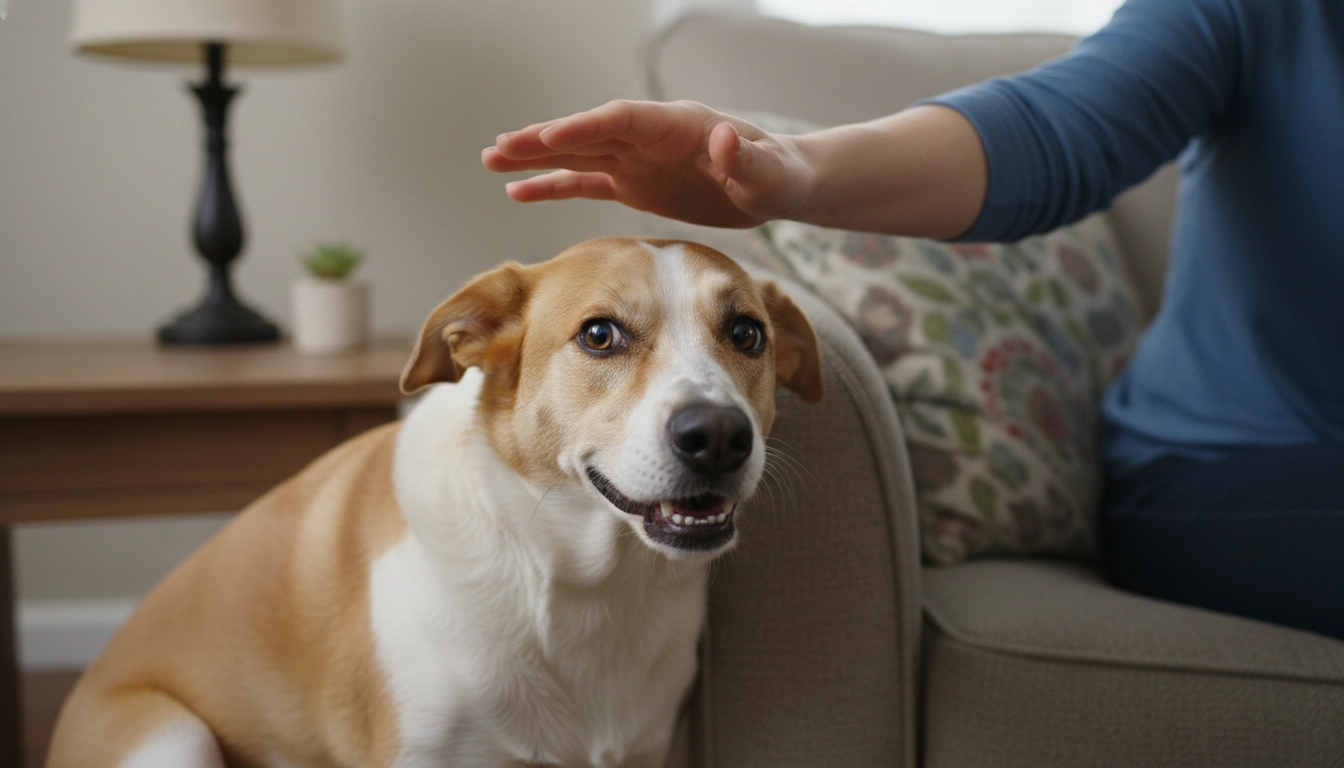
- Be their advocate. If someone wants to pet them and the dog looks stiff? Say no.
- Don’t over-schedule. Sometimes a day of just hanging out is better than a huge hike.
Mistakes Owners Make When Their Dog Is Stressed
The absolute biggest mistake? Yelling at them for being scared. If your dog is barking at a trash can because it’s scary, and you yell at them, you just proved the can is dangerous.
Now they’re scared of the can AND you. Don’t punish the symptoms. The bark is just the smoke. The stress is the fire. You have to put out the fire.
And please, stop forcing them to be social. Oh, he just needs to know the mailman is nice. No. If he’s terrified of the mailman, shoving him toward the guy is just going to lead to a bite.
| Common Mistake | Why It Fails | Better Approach |
|---|---|---|
| Forcing interaction | Increases the fear level | Allow the dog to choose distance |
| Yelling to stop barking | Adds more stress to the room | Calmly remove the dog from the area |
| Over-petting a stiff dog | Can feel like a trap to the dog | Give them space and a quiet voice |
My Take
We often try to ‘fix’ the dog when we really need to ‘fix’ the environment. Change the room, change the mood.
- Petting them frantically when they’re scared. Sometimes this makes them think you’re scared too.
- Thinking they’ll grow out of it. They won’t. They’ll just get better at hiding it until they explode.
- Taking a nervous dog to a loud brewery. Why? They don’t want a craft beer. They want to be on their bed.
- Comparing them to your last dog. My old dog loved fireworks. Well, this one doesn’t.
Conclusion
Getting a handle on the signs your dog is stressed and how to help is basically a full-time job of just being a good roommate. Every dog is different.
What Phillip’s dog did on Fincher Rd might be totally different from what your dog does. But the core is the same. Be consistent. Be calm. It’s a long game.
You won’t fix a year of anxiety in a weekend. It takes Patience. But when you see that first real, deep-breath sigh? It’s worth it. You’re building a bond based on trust.