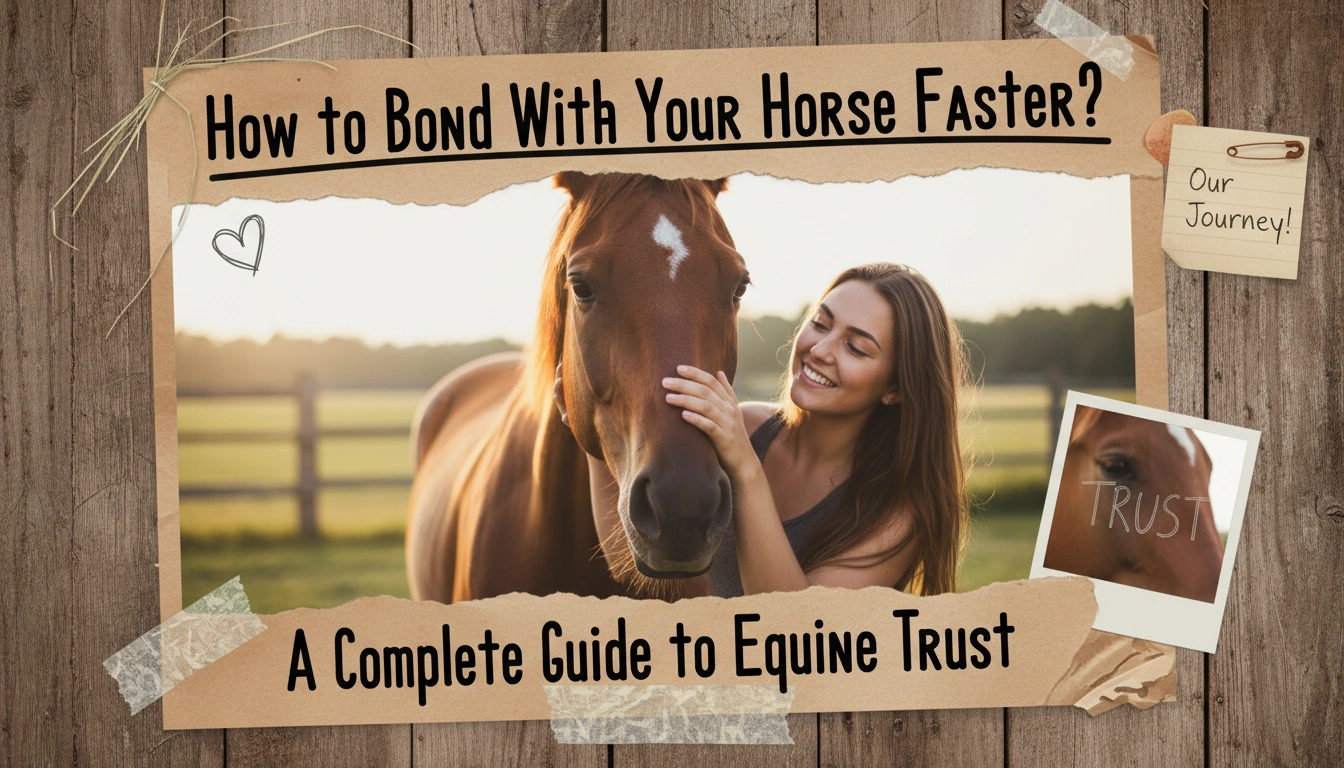
Look, horses don’t care about your five-year plan or that promotion you’re chasing. They really don’t. They live in the right now.
I was talking to Melvin—he’s got a place over on Woodland St in Hobart—and he was losing his mind because his new gelding wouldn’t let him within ten feet in the paddock.
I told him to stop walking in there like he was trying to catch a bus. You gotta just… be. My phone is vibrating in my pocket but this is more important.
If you’re revved up, the horse is revved up. It’s basic physics. Stop trying to fix the horse and start fixing your own vibe. Seriously.
Just sit on a fence and shut up for a second. That’s the secret. The truth is that real connection isn’t something you can buy with a bag of expensive carrots.
It is not about a fancy leather halter. It’s about the rhythm. It’s about that quiet space between you and a thousand pounds of muscle and bone.
This is a creature that could crush you but chooses not to. We’re going to talk about how to stop being a stranger. This isn’t about control.
It’s about moving together. You need to change how you look at the world. Shift the focus.
When you stop acting like a boss and start acting like a reliable part of their world, things move fast. Faster than you’d think.
It’s about getting on their level, literally and figuratively.
Understanding Horse-Human Bonding
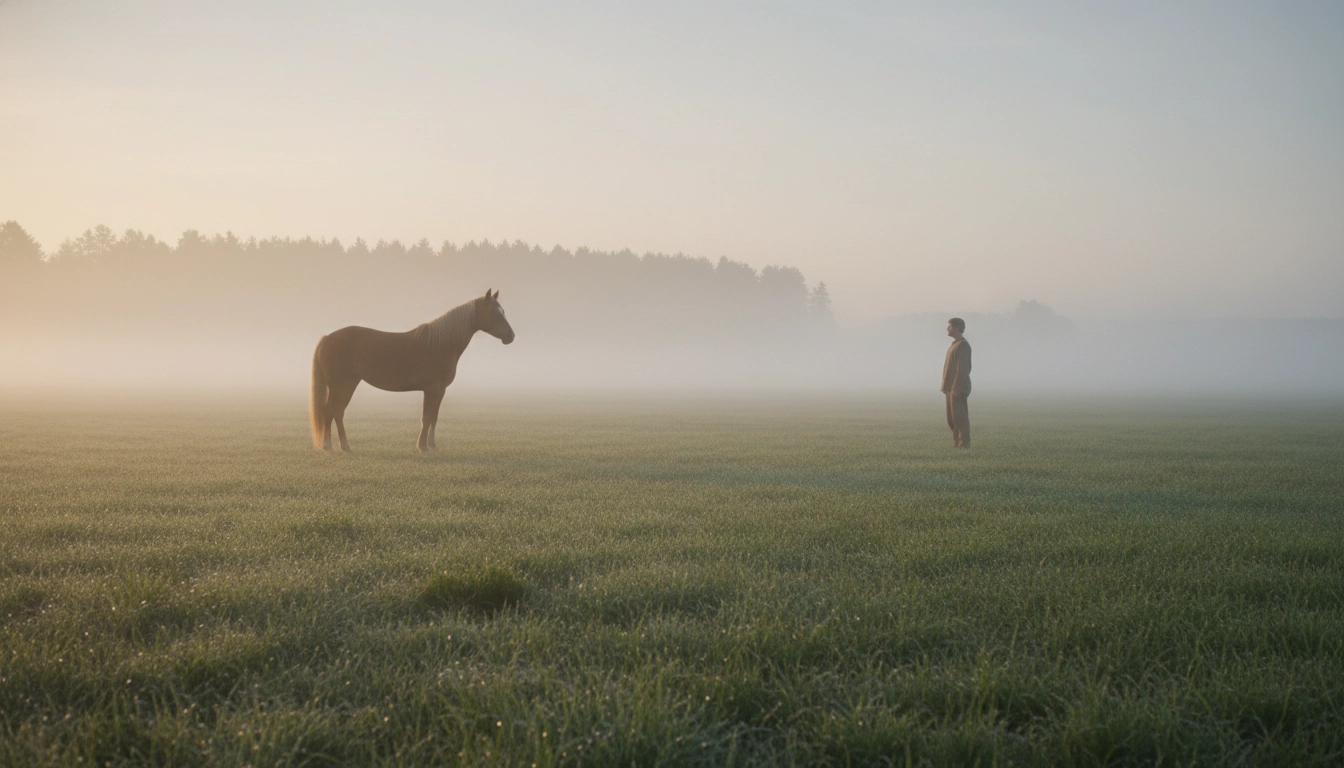
A horse sees the world in shades of will it eat me? or can I eat it? That’s the reality of a prey animal.
They don’t have the luxury of our human logic where we assume everyone is nice until proven otherwise. For a horse, safety is everything.
To bond faster, you have to prove—not just say, but prove—that you are a safe harbor. It’s a slow burn that turns into a bright flame if you do it right.
Trust is the only currency that matters in the barn. You don’t get it by being loud. You get it by being boringly predictable.
If you’re one person on Tuesday and a different, stressed-out person on Wednesday, the horse is going to stay guarded. They track the tightness in your jaw.
They hear your boots hitting the dirt. When you align your movements with what they naturally expect from a herd mate, the walls come down.
It’s like a lock clicking into place. You stop being the weird bipedal creature and start being a partner. It takes guts to be that vulnerable.
How horses naturally build trust
In the wild, horses don’t have meetings. They don’t have performance reviews. They have proximity. They just stand near each other. For hours.
It sounds boring to us, but for them, it’s the glue of their society. One horse watches the horizon while the other naps. That’s the deal.
They lean into each other. They touch manes. This is what we call passive time. It’s the bedrock. Then there’s the scratching.
The scientists call it allogrooming. It’s a physical conversation. When they use their teeth to itch that spot on the other’s neck, it releases feel-good chemicals.
It lowers the heart rate. It says, I’ve got your back. When we do this, we’re tapping into a language that’s thousands of years old.
We aren’t reinventing the wheel. We’re just finally learning how to turn it. You don’t need a PhD to do this. You just need to be present.
Why bonding is important for training and safety
Think about a plastic bag blowing across a trail. To you, it’s litter. To a horse without trust, it’s a mountain lion disguised as a grocery sack.
If that horse doesn’t trust you, they’re going to rely on their own instincts. This usually involves running over the top of you to get away.
Safety isn’t about a stronger bit; it’s about a stronger bond. When you have that connection, the horse stops looking at the bag and starts looking at you.
They ask, Hey, are we dying? and you say, No, we’re good, and they believe you. That’s the emotional tether. It makes everything easier.
Without it, you’re just fighting. Every request is a battle. But with it? With it, the horse tries for you.
Even when they’re confused, they’ll give you that extra inch because they know you wouldn’t lead them into a hole. It’s the difference between a job and a friendship.
Signs your horse already trusts you
You’ll know it’s working when the head drops. A horse that keeps its head high is a horse that’s ready to bolt.
When they lower it, they’re saying their world is okay. Or they’ll let out a big, dusty sigh. That’s the sound of a nervous system resetting.
Pay attention to the eye. You want a soft eye, not a hard, staring one. Sometimes a horse will just follow you. No rope. No grain.
Just following because they want to be in your bubble. It’s the coolest feeling in the world. It means you’ve become a point of interest.
Look for a lack of tension in the muzzle. If they’re not clenching their teeth, they’re relaxed.
If they approach you in the field while their buddies are off eating, you’ve won. That’s the gold standard.
Melvin finally got his gelding to do this last week. He almost cried.
I put this together so you can see the difference between a horse that is just there and a horse that is with you.
| Physical Sign | What It Means | Trust Level |
|---|---|---|
| Lowered Head | Relaxation and safety | High |
| Deep Sigh | Releasing tension | High |
| Soft Eye | No longer scanning for danger | Medium |
| Licking and Chewing | Processing information | High |
| Cocked Back Hoof | Resting and comfortable | Medium |
My Take
Watch the eyes. They tell the truth when the rest of the body is trying to hide it.
The Heartbeat Connection
Research shows that a horse’s heart rate can actually synchronize with a human’s during calm interaction. This ‘co-regulation’ is why staying grounded and breathing deeply is the fastest way to soothe a nervous horse.
Proven Strategies on How to Bond With Your Horse Faster Through Daily Presence
The biggest mistake people make is only showing up when they want something. They show up, they tack up, they ride, they leave.
It’s a transaction. The horse feels like a lawnmower. If you want to bond faster, you have to show up for nothing. Just exist.
Consistency is the drumbeat. A horse loves a routine because a routine is safe.
If they know exactly what’s going to happen when you walk through that barn door, they can relax.
Their brain can turn off the danger switch and turn on the social switch. When you become a steady, reliable fixture, you stop being an outsider.
You become part of the scenery, but the good kind. The kind they want to see. This is how you build the shared rhythm.
Why consistency builds stronger connection
Horses are masters of memory. They remember the person who got angry three years ago, and they remember the person who brought a brush every Friday.
If you’re predictable, you’re safe. Inconsistency is what breeds anxiety. A horse can’t handle a wild card personality. They need a partner who is emotionally level.
If you’ve had a bad day at work, leave it in the car. Don’t bring that static into the stall.
Your consistency allows the horse to stop watching your face for signs of a blow-up and start watching your hands for guidance.
It’s about being the same person, every single time. It sounds simple, but it’s the hardest part for most humans. We’re messy.
Horses aren’t. They’re honest. Be honest back.
Simple daily routines to follow
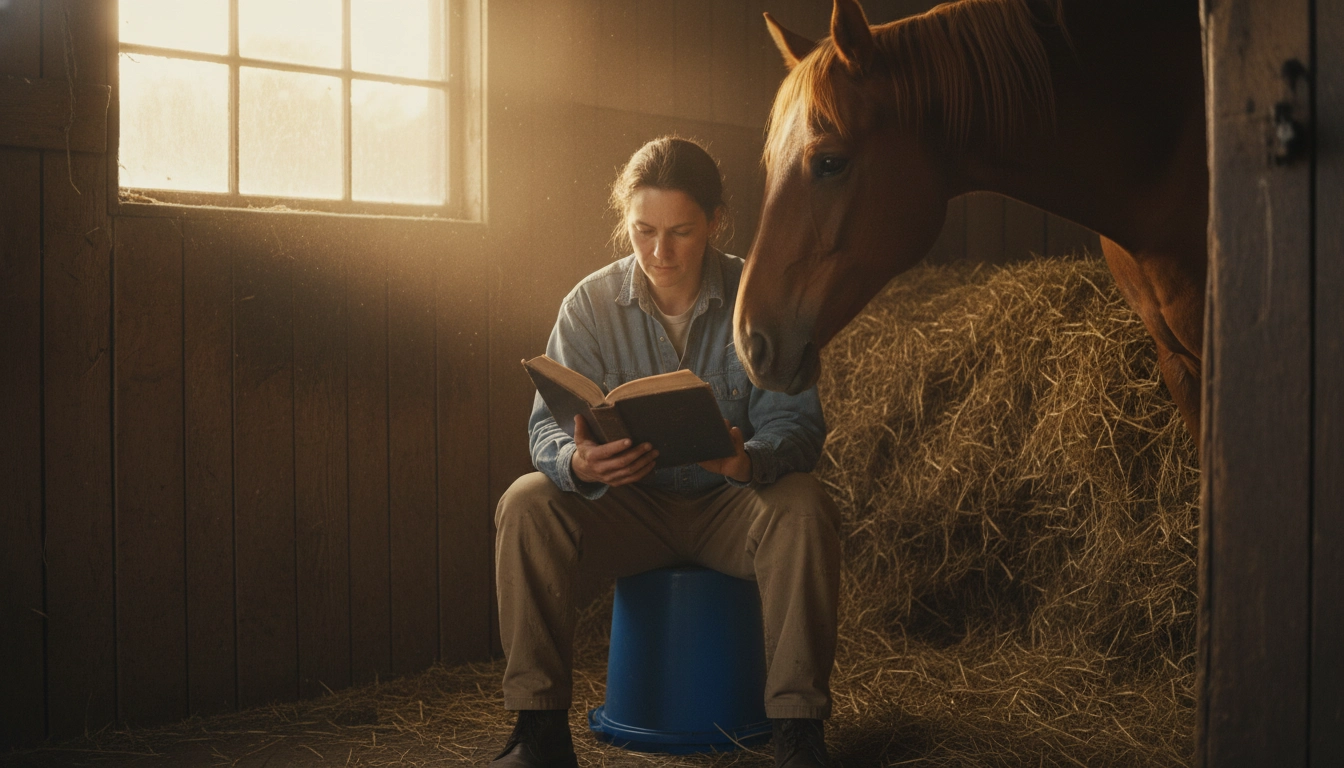
Grab a bucket. Sit on it. That’s it. Sit in the stall or just outside the paddock and read a book. Don’t look at the horse.
Don’t call them. Just be there. This lack of pressure is like a magnet for them. They’ll eventually get curious.
They’ll come over and sniff your hat. Let them.
- Clean the water. Nothing says I care like a fresh, cold drink without green slime in the bottom.
- Walk the perimeter. Just wander together. No destination.
- Give a forehead rub if they ask. Don’t force it.
- Just watch them. See who they like in the herd. Learn their drama. It matters.
Best time of day to interact with your horse
The edges of the day are best. Early morning when the dew is still on the grass and the world is quiet.
Or late evening when the sun is dipping and everything turns that weird, soft orange. The barn is usually still then. The distractions are gone.
During the golden hour, horses tend to be more reflective. They’re done with the day’s business. Avoid the feeding frenzy.
If you try to bond while the grain cart is rattling, you’re invisible. All they see is the bucket. Wait until they’ve eaten.
When they’re standing in the sun, half-asleep with one hoof cocked—that’s your window. They’re open then. They’re willing to share that space.
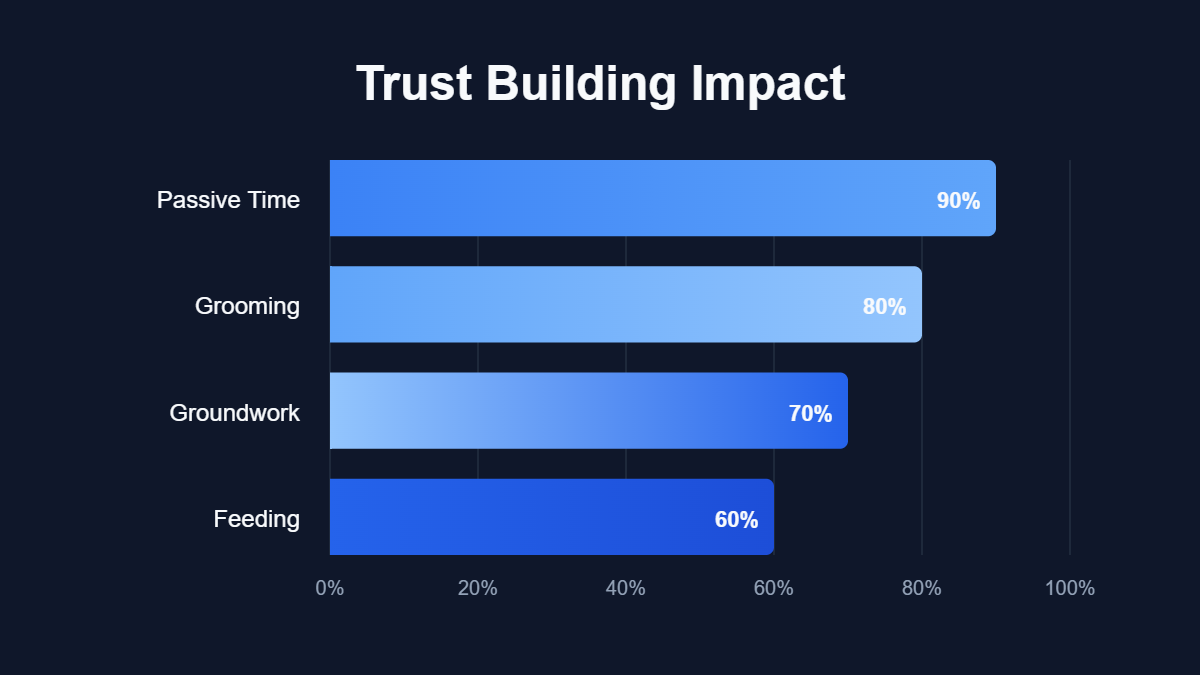
People ask me what moves the needle the most, so I put the numbers together based on what I see in the barn.
My Take
Being there for nothing is worth more than a thousand carrots.
Use Calm and Gentle Communication
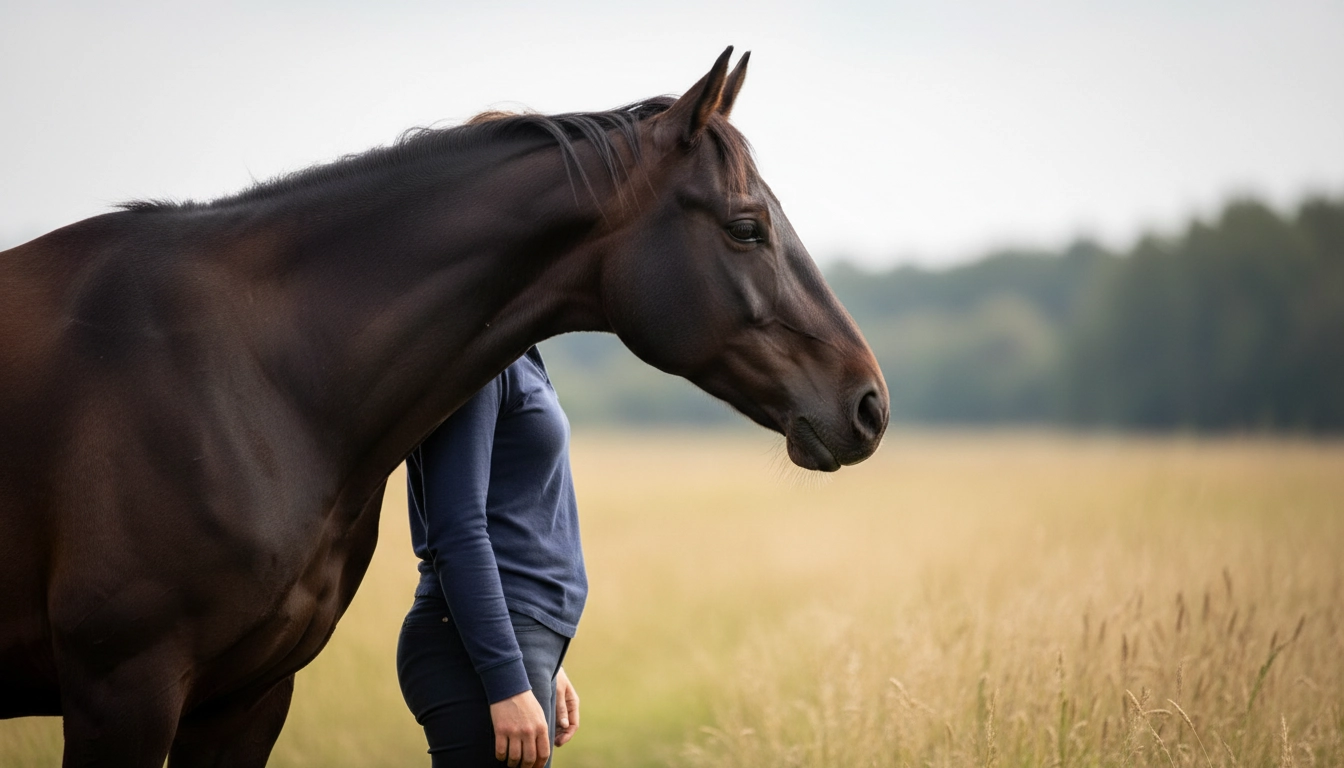
Most of what you say to a horse, you say with your shoulders. If you’re tight, they’re tight. You have to learn to track the silence.
Watch how they react to your posture. If you’re standing square and staring at them, you look like a wolf. Soften up.
Turn your body slightly. Gentle communication is a conversation. You ask a question with a little bit of pressure, and then you wait.
You have to give them time to think. If you just keep yelling (with your body or your voice), they just shut down.
This respect for their processing time is a huge trust builder. It shows you’re not just a dictator. You’re someone who listens.
When they realize you’re paying attention to their whispers, they won’t feel the need to shout at you.
How your body language affects your horse
Your gaze is heavy. Think about that. If you stare directly into a horse’s eyes, it’s intense. It’s confrontational. Use a soft focus.
Look at their shoulder or their knees. This signals that you aren’t a threat. Walk with a grounded, heavy step. Not aggressive, just… solid.
If you’re flitting around like a butterfly, you’re going to spook them. Horses trust things that are grounded. They trust the earth. Be like the earth.
If you move too fast, their flight response kicks in. It’s not a choice they make; it’s a reflex.
By controlling your own limbs, you become a calm anchor. They’ll start to hook into your energy. It’s a powerful thing.
Speaking softly vs. loud commands
They don’t know English. Or French. They know the vibration of your voice. A low, steady hum can settle a horse that’s about to blow.
A sharp, high-pitched Hey! is like a physical slap. Keep your voice in your chest. Use the same sounds for the same things.
If you always use a soft cluck to move forward, they’ll gain confidence because they know the vocabulary.
Clarity is what kills fear. When a horse knows what the rules are, they stop worrying about being wrong.
And when they stop worrying, they start bonding. It’s a straight line from clarity to connection.
Avoiding sudden movements that scare horses
Speed kills trust. At least, sudden speed does. If you need to reach for something, do it deliberately. Don’t snatch.
Snatching is what predators do. If you have to move fast—maybe a gate is swinging—tell them first. Use your voice to announce it.
Think of your movements as being underwater. Slow. Fluid. This shows the horse you’re a refined partner.
You aren’t some chaotic element in their world. You’re a deliberate presence. This grace is what separates the people horses love from the rest.
Watch the Shoulders
If a horse turns their hindquarters toward you, they are expressing a lack of trust or a boundary. Never approach a horse from the rear; always move toward the shoulder where they can see you clearly.
Feeding as a Bonding Method
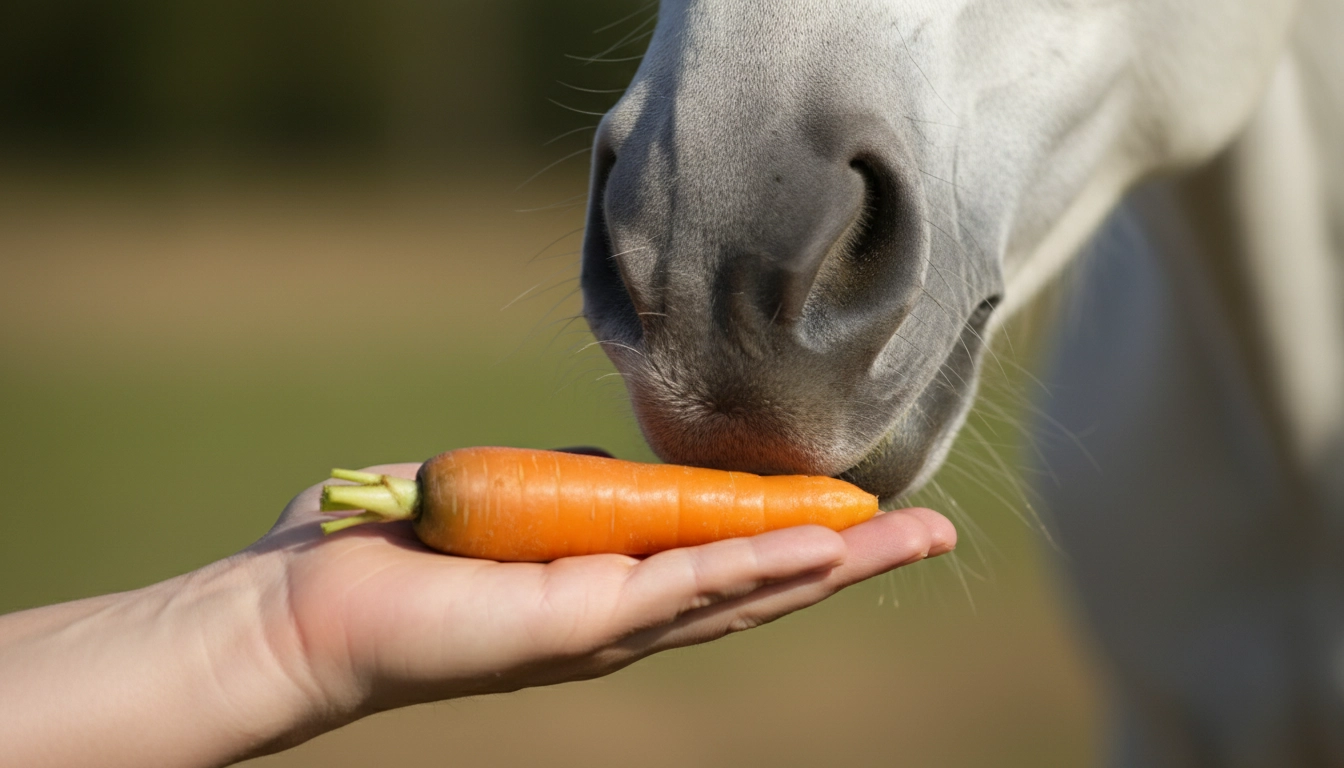
Food is a big deal. Obviously. It’s survival. When you’re the one bringing the hay, you’re the hero. But there’s a line.
You don’t want to be a walking vending machine. That’s not a bond; that’s a mugging. You have to set boundaries.
The horse should respect your space while you’re holding the treats. If they start nosing your pockets, the bond is moving in the wrong direction.
It’s turning into a demand. When you do it right, feeding creates a positive association. They see you and they think good things happen.
It’s a bridge. Use it to cross over to their side, but don’t live on the bridge.
How feeding builds trust naturally
In a herd, the boss decides who eats where. By providing the food, you’re taking on a nurturing role.
It’s a subtle way of saying you’ve got everything under control. You’re the provider. This builds a subconscious gratitude.
It’s not that they’re saying thanks for the oats, but they feel the security of a full belly and they associate that with you.
It’s also a chance to practice patience. Make them wait a second. Let them find their quiet before you drop the bucket.
It teaches them that being calm is the way to get what they want.
Safe ways to hand-feed your horse
Don’t lose a finger. Flat palm, always. Tucking your thumb in is a good habit. Keep the treat in the middle of your hand.
If you hold it with your fingers, you’re asking to get nipped. Hold your hand a little low.
It makes them reach down, which stretches their topline and helps them relax. It’s a submissive posture for them, which is good for their brain.
- Stick to carrots or apples. Don’t go crazy with the sugary stuff.
- Make them step back. Your space is your space.
- No feeding through fences. It’s a bad habit that leads to biting.
- Let them finish. Don’t rush them to the next thing while they’re still chewing.
Mistakes to avoid during feeding interaction
Over-treating is the fastest way to ruin a horse’s manners. If they think you’re just a dispenser, they won’t value you as a leader.
They’ll just value your pockets. You want them to like you for you. Not for the peppermint.
If they start mugging you—pushing into you, biting at your sleeves—stop the treats immediately. They need a reset.
Never reward a horse that’s pinning its ears. If they’re being a jerk and you give them a cookie, you just told them that being a jerk works.
You’re training them to be dangerous. Only give when they’re soft.
Grooming to Strengthen Trust
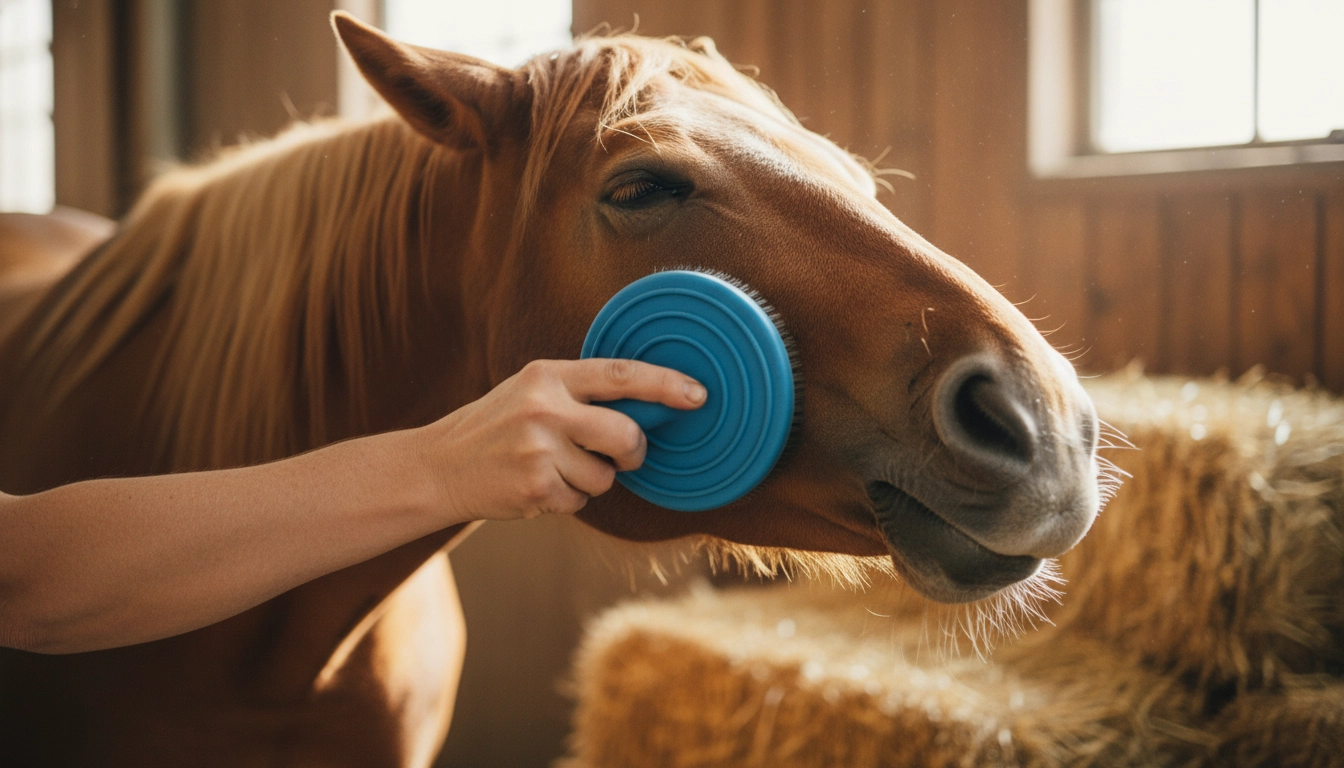
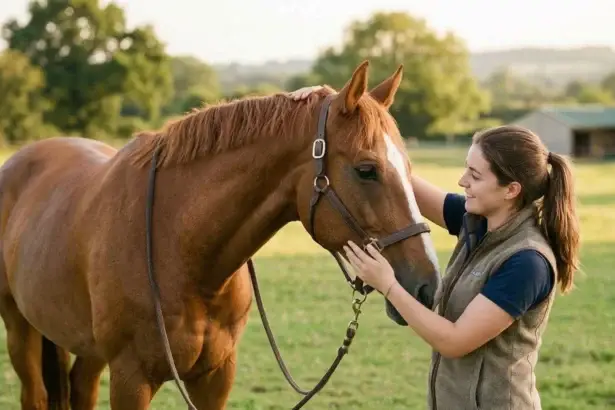
Grooming is basically a massage you give your best friend. It’s physical. It’s intimate.
It’s a time when you aren’t asking for work, just offering comfort. That’s huge for a horse.
When you’re brushing them, you’re looking for what hurts and what feels good. It’s a sensory experience.
You can feel their heart rate drop as you get that mud off their belly. It’s meditative for both of you. It forces you to slow down.
You can’t rush a good grooming session. It’s a lesson in patience. You match their rhythm, and suddenly you’re both breathing at the same speed.
Why grooming helps emotional connection
The rhythm of the brush is like the rhythm of the herd. You’re removing the dust, but you’re also removing the day’s stress.
It’s a positive feedback loop. They feel good, so they like you more. It gives them a way to talk to you.
If they lean into the brush, they’re saying Yes, right there. If they move away, they’re saying No, not today.
Listening to those signals is how you build the bond. It proves you’re a partner who actually pays attention.
You aren’t just a machine doing a task; you’re a friend helping them out.
Step-by-step bonding grooming routine
Start at the neck. Use a soft curry comb. Big, slow circles. Watch the ears. If they start to flop, you’re doing it right.
Move to the shoulders. This is where they usually groom each other. Don’t rush. If the horse moves, just stay with them.
Don’t get annoyed. It’s all part of the process.
- Use a stiff brush for the heavy mud. Be firm but not mean.
- Finish with a soft brush. This is the polish phase.
- Wipe the face with something soft. Be careful. The eyes are sensitive.
- Take your time with the mane. It’s a great way to just hang out.
Areas horses enjoy being brushed
The withers. Almost every horse loves having their withers scratched. It’s the sweet spot. It’s like a delete stress button.
When you find it, you’ll see their lip start to wiggle. The chest is another big one. They can’t reach it well themselves.
But be careful. Some are ticklish. You have to read the horse, not the manual. Respect the no.
If they don’t want their belly touched, don’t touch it. Pushing past their boundaries doesn’t build trust; it builds resentment.
Grooming is not just about mud; it is about finding the spots that make them feel heard.
| Grooming Spot | Why They Like It | The Reaction |
|---|---|---|
| Withers | Mimics social grooming | Lip wiggling and leaning in |
| Chest | Hard to reach for them | Stretching the neck out |
| Behind the Ears | High tension area | Dropping the head |
| Lower Neck | Social bonding zone | Softening of the eyes |
My Take
Do not rush the withers. That is where the real conversation happens.
The Itch Test
When you find a horse’s favorite itchy spot, they will often try to groom you back by nibbling at your shoulder. This is a massive sign of trust! Just gently nudge them away if the nibbling gets too firm.
Groundwork Training for Better Relationship
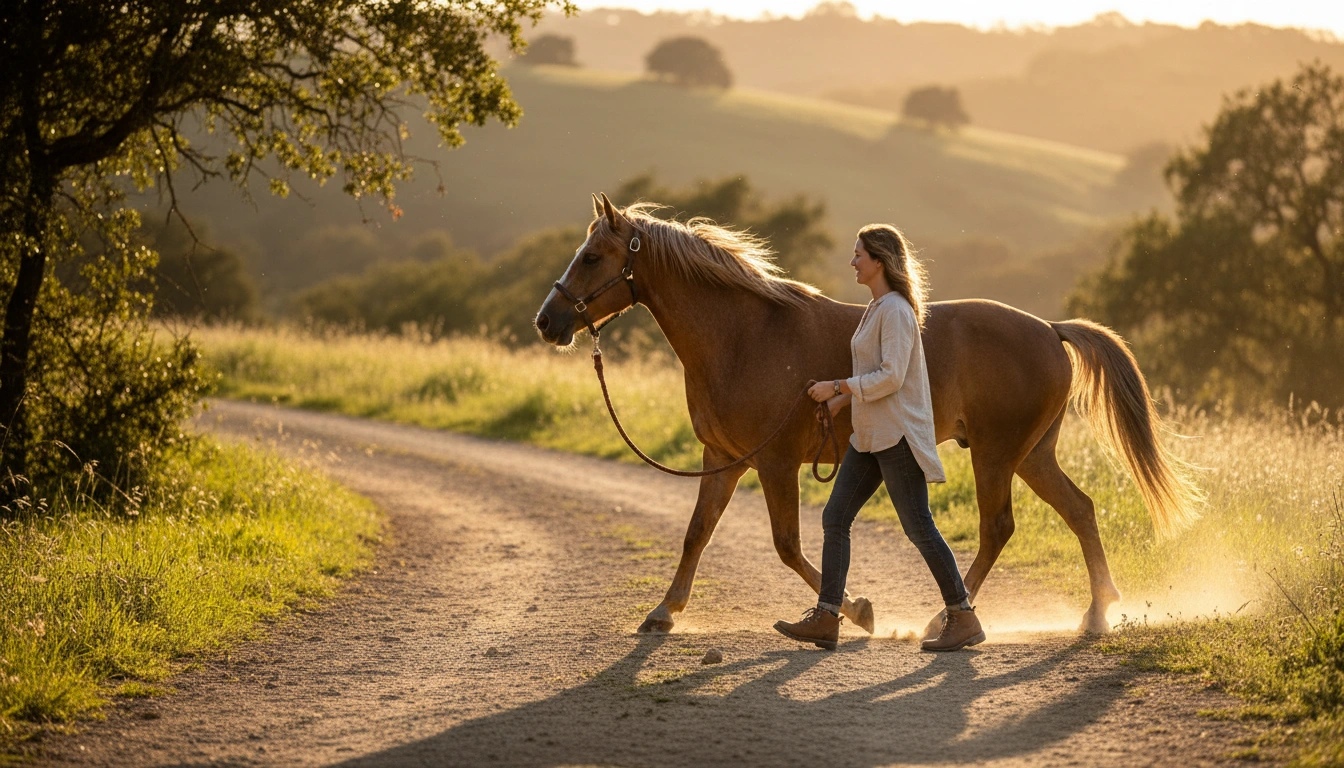
Groundwork isn’t about making them do tricks. It’s about movement. In the horse world, the one who moves the other’s feet is the leader.
It’s that simple. When you ask a horse to step back and they do it, they’re acknowledging you.
It’s not about being a bully; it’s about being a fair leader. A horse feels safer when someone else is in charge.
It builds a foundation of logic. When things get scary, the horse can fall back on the patterns you’ve taught them.
It gives them something to do instead of panicking.
Basic groundwork exercises for beginners
Yielding the hindquarters is the big one. Ask them to cross those back legs. It’s like putting the car in park.
It disengages their ability to run away. Do it with soft energy. As soon as they take that step, stop.
Release the pressure. That’s where the learning happens. It’s the release that teaches, not the pressure.
Backing up is another great one. It establishes your bubble. It says, This is my space, please respect it.
A horse that respects your space is a horse that is paying attention to you.
Leading and stopping exercises
A horse shouldn’t be dragging you, and you shouldn’t be dragging them. You should be walking together.
Their shoulder should be right there next to your arm. Like a dance. Practice stopping just by breathing out.
Don’t pull the rope. Just stop your own body and see if they notice. It’s a great way to see how tuned in they are.
- Change directions. Don’t just walk in circles. Keep it interesting.
- Walk over a pole. Shared challenges build trust.
- Stand still. Just stand. It’s harder than it looks for both of you.
- Give them a rub after every good effort.
How training builds respect and trust
When a horse understands the game, their anxiety disappears. They don’t have to guess what you want anymore.
Groundwork provides the map for the relationship. They start to see that following your lead results in comfort.
And comfort is what every horse wants. Respect is the bridge. You can’t have trust without it.
By being consistent in your training, you become a stable point in their world. They can rely on you.
That’s the secret to bonding. Melvin’s mare finally stopped running away because he started doing groundwork. It changed everything.
Groundwork is the logic that holds the relationship together when things get western.
| Exercise | Purpose | Desired Result |
|---|---|---|
| Backing Up | Sets personal boundaries | Respect for your space |
| Hindquarter Yield | Disengages the engine | Attention focused on you |
| Shoulder Yield | Improves steering | Better control and softness |
| Leading at a Walk | Establishes partnership | Matching your pace and rhythm |
My Take
Movement is the language of the herd. Learn to speak it clearly.
Reading Your Horse’s Body Language
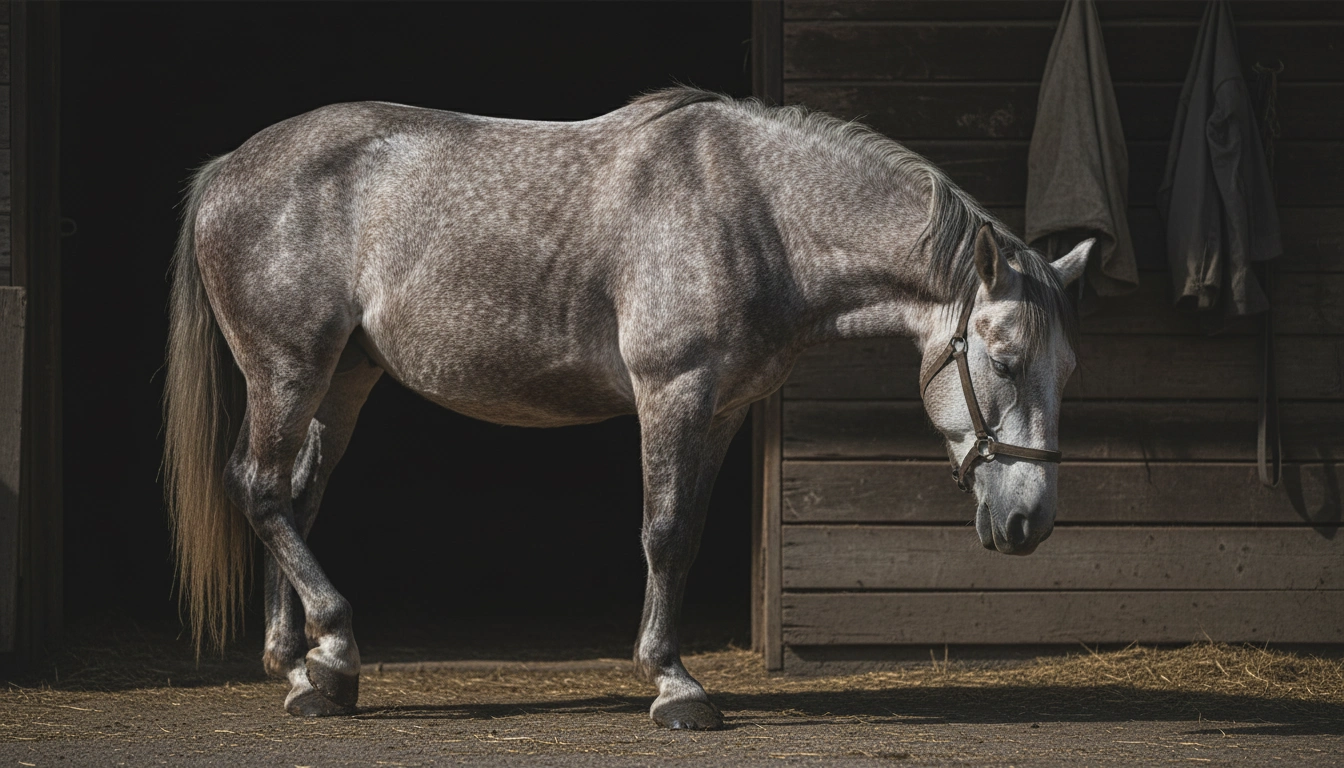
You have to become a student of the ears. And the tail. And the eyes.
Every part of the horse is talking to you, all the time. If you don’t listen, they’ll stop talking.
It’s the difference between a forced relationship and a real one. When a horse realizes you speak their language, they open up.
They stop being defensive. They start to see you as a thinking partner. Someone who gets it.
This is how you move from being a rider to being a horseman.
Signs of comfort and relaxation
The cocked hoof is the classic sign. It means they aren’t ready to run. They’re off the clock.
The floppy lower lip is another one. It looks silly, but it’s a sign of total relaxation.
Licking and chewing is the big one. It means they’ve processed a thought or a stressor and they’re back to a neutral state.
It’s the sound of a lightbulb going off. If they’re blinking softly and their ears are tilted, they’re in a good place.
Signs of fear or stress
Tightness. Tight eyes, tight nostrils, tight mouth. If you see the whites of their eyes, they’re panicking.
If the tail is clamped down hard, they’re scared or about to kick. A high head means they’re looking for a way out.
They’re scanning for predators. If their ears are pinned flat against their neck, they’re angry or very defensive.
Take a step back. Don’t ignore these. If you push through fear, you’re just proving you aren’t safe.
Stop. Breathe. Let the horse find its feet again.
How to adjust your behavior accordingly
If the horse is stressed, you need to be the zero on the scale. Be still. Be quiet. Lower your energy.
Don’t keep pushing for the task. Sometimes you just need to walk away for a minute. Let the horse reset.
When they’re relaxed again, you can try again. It’s not losing to stop; it’s being smart.
End on a good note. Even if it’s just a small thing. You want the horse to remember the last moment as being successful and calm.
Learning to read them is like learning a new language where nobody says a word.
| Signal | The Mood | Your Move |
|---|---|---|
| Pinned Ears | Anger or Defense | Stop and give them space |
| High Head | Alert or Fearful | Breathe deep and lower energy |
| Licking Lips | Thinking or Relaxing | Release all pressure |
| Shifting Weight | Uncertain or Anxious | Wait for them to settle |
My Take
If the ears go flat, you need to change your approach immediately.
The Danger of Anger
Never work with your horse when you are angry or stressed from your day. Horses are ’emotional mirrors’ and will reflect your frustration back at you, often leading to dangerous misunderstandings.
Avoiding Common Bonding Mistakes
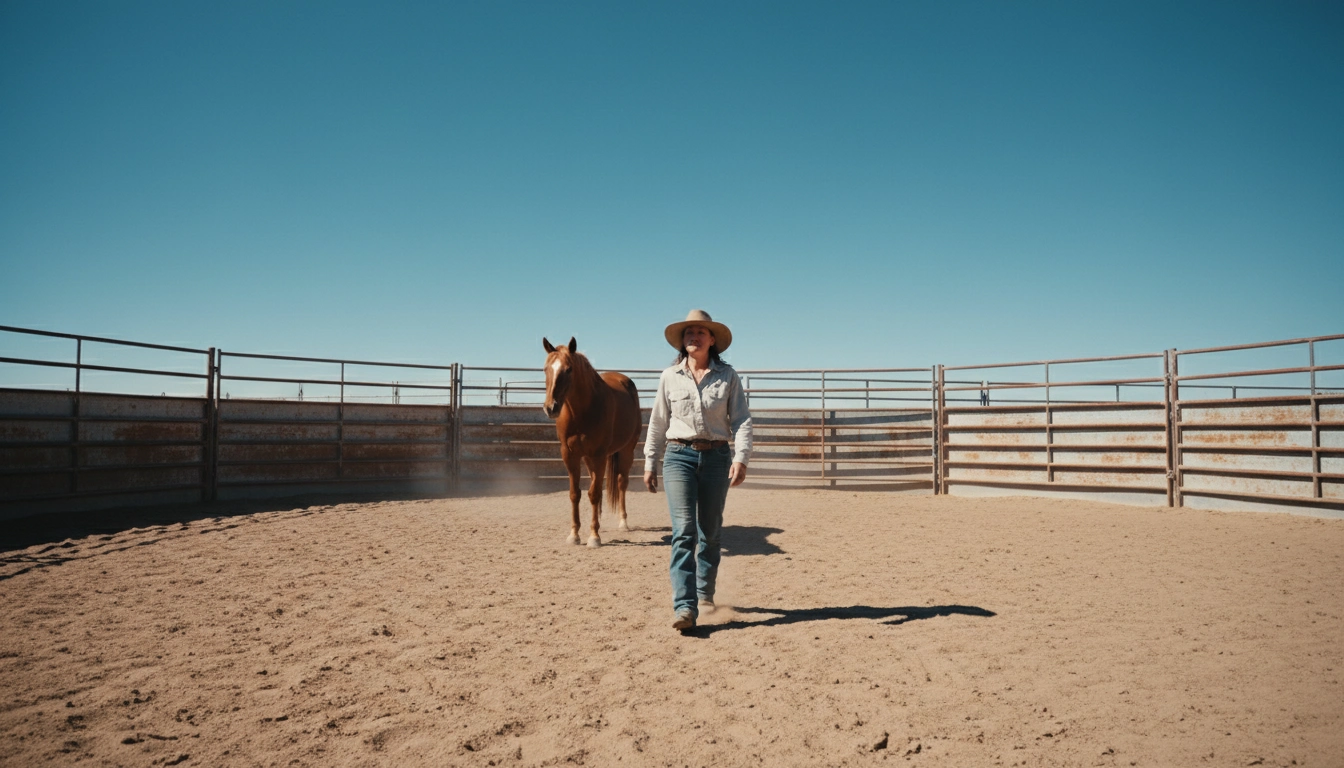
It’s easy to mess this up. We’re humans; we’re impatient. We want results now. But horses don’t have a watch.
They move at the speed of trust, and trust is slow. Ego is the biggest hurdle. We want to win.
We want to show everyone we can handle the horse. But the horse doesn’t care about your ego.
They just care if you’re being a jerk. If things aren’t working, it’s usually us. It’s our energy or our lack of clarity.
Be humble enough to change your approach. The horse is always right about how it feels.
Being impatient with progress
You can’t rush a bond. It’s like trying to make a flower grow by pulling on the petals. You just end up with a dead flower.
Celebrate the tiny things. A look. A sigh. If you’re frustrated, the horse knows. They can feel the heat coming off you.
If you can’t be calm, go home. Try again tomorrow. A lifetime of trust is built in those small, boring moments.
Don’t overlook them. They’re the foundation for everything else you want to do.
Using punishment instead of trust
Punishment doesn’t work for bonding. It just doesn’t. It creates a horse that works out of fear, not willingness.
And a fearful horse is a dangerous horse. Use dispassionate corrections. If they step into your space, move them out.
No hitting, no yelling. Just move them. It’s a boundary, not a battle. When they do it right, give them the release.
That’s the reward. It keeps the emotional space safe. They know they aren’t going to get attacked for making a mistake.
Ignoring horse comfort signals
If a horse is acting up, check the saddle. Check the teeth. Check the feet.
A lot of bad behavior is just a horse trying to say I’m in pain. If you ignore their pain, you’re the villain in their story.
Be their advocate. If they’re sour about work, find out why. Your dedication to their comfort is what makes them trust you.
They know you won’t ask for something that hurts. That’s a deep, deep level of connection.
Building a Long-Term Strong Bond
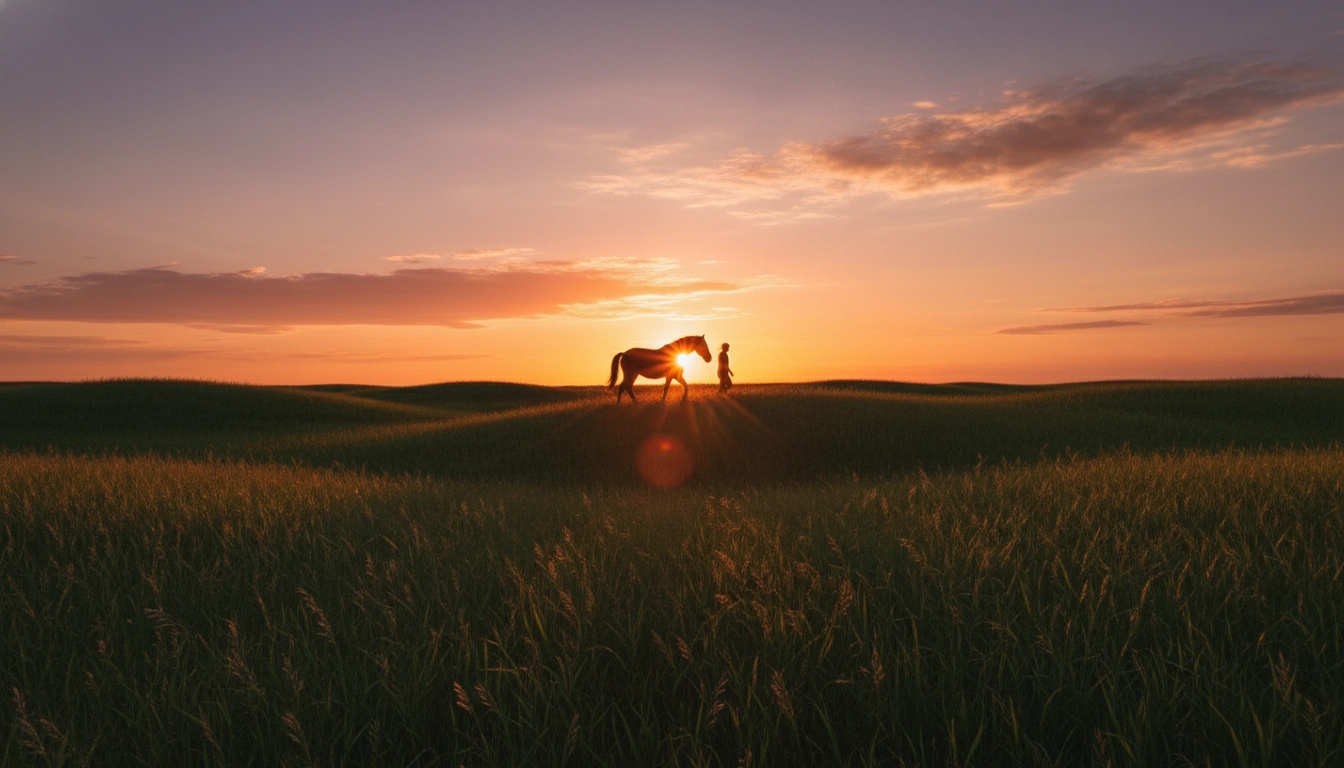
A real bond is a long game. It’s not about one weekend of training. It’s about the next twenty years.
It’s a garden you have to water every single day. Over time, you’ll develop a shorthand.
You won’t even have to move; you’ll just think about moving and the horse will feel it. That’s the goal. That’s the magic.
It’s a state of unity. Two species, one rhythm. It’s worth every struggle and every muddy afternoon.
Why bonding takes time and consistency
Time proves who you are. You have to show up when it’s raining. You have to show up when you’re tired.
The horse sees that. They see the effort. Consistency gives them a map.
When the rules never change, they can finally let go of their survival instincts and just be with you. It’s a gift.
It allows for total surrender. Not in a broken way, but in a shared way. That’s where the real horsemanship starts.
How to maintain trust daily
Check in every day. Don’t just start working. Ask them how they are. Watch their ears when you walk up.
Are they happy to see you?
- Do the groundwork even when they’re perfect.
- Keep the grooming sessions long.
- Let them be horses. They need pasture time.
- Listen to their feedback. Always.
Final tips for a lifelong connection
Love the horse more than the ribbon. If their happiness is your main goal, the bond will happen on its own.
It’s inevitable. Stay curious. Keep learning.
Every horse has something new to teach you about yourself. Listen to the silence.
- Be the person they want to hang out with.
- Find the joy in the quiet.
- Trust your gut.
- Remember: slow is fast.
Conclusion
Bonding with your horse faster is really just about being a better human. It’s about passive presence and clear communication.
It’s about putting the horse first. When you start living the shared rhythm, everything changes.
The horse will start looking for you at the gate. The work will get lighter.
And you’ll realize that the bond was there all along; you just had to get out of the way.