
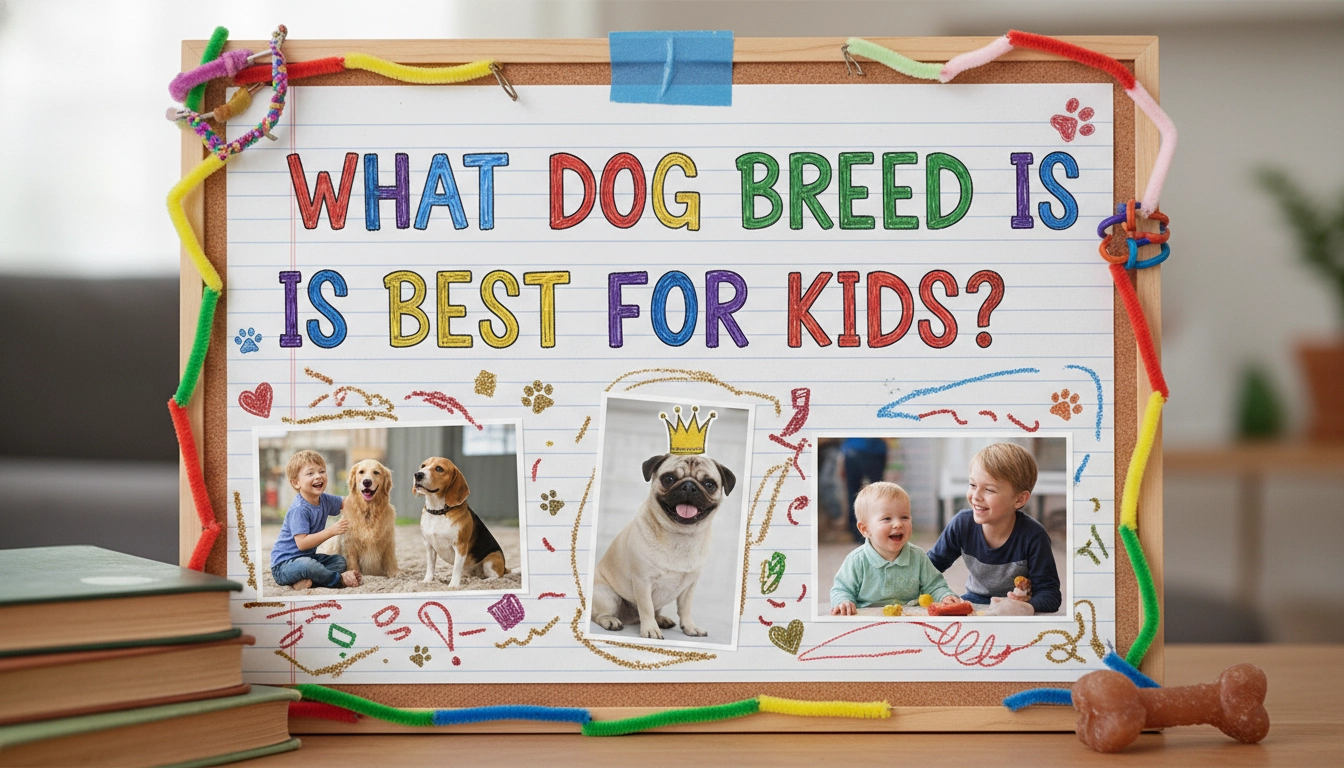
Look kids are sticky and have zero boundaries.
Honestly most dogs aren’t much better.
You gotta pick one that won’t snap when a two year old tries to ride it like a pony.
I was just talking to Roger over on Smokey Ln in Cincinnati.
His new beast was actually decent with the toddlers but the smell was awful.
It absolutely ruined the vibe of the room.
Anyway if you are going to ruin my peace by bringing a canine into the house you should at least do it right.
Most humans pick pets based on how they look in a window.
This is a total recipe for a ruined rug.
It is about the vibe and the patience.
It is about whether the thing is going to try and steal my spot on the velvet chaise.
The sound of a heavy tail thumping against my favorite velvet chaise lounge is enough to make any feline retreat.
My human staff recently spent hours debating a significant change to our quiet sanctuary.
They kept asking What dog breed is best for kids?
I watched from the shadows with a judgmental twitch of my whiskers.
It seems the household is expanding.
My peace is under threat by a potential canine intruder.
Choosing a companion for a household filled with small, unpredictable humans requires more than just a passing interest.
It is a strategic decision.
It affects the hierarchy of the home and the safety of the children.
Most importantly, this decision affects my own peace and quiet during my third daily nap.
The ideal candidate must possess a unique blend of patience and resilience.
They should also have a total lack of interest in chasing the elusive Red Dot.
I have rightfully claimed that laser as my own property.
In this guide, I will evaluate the most popular contenders from my perspective.
This will help you find a dog that fits your family without ruining the decor.
Or my mood.
Finding the right balance between energy and gentleness is the key to a successful multi-pet household.
I have broken down the essential traits to look for in a canine roommate.
Choosing What Dog Breed is Best for Kids
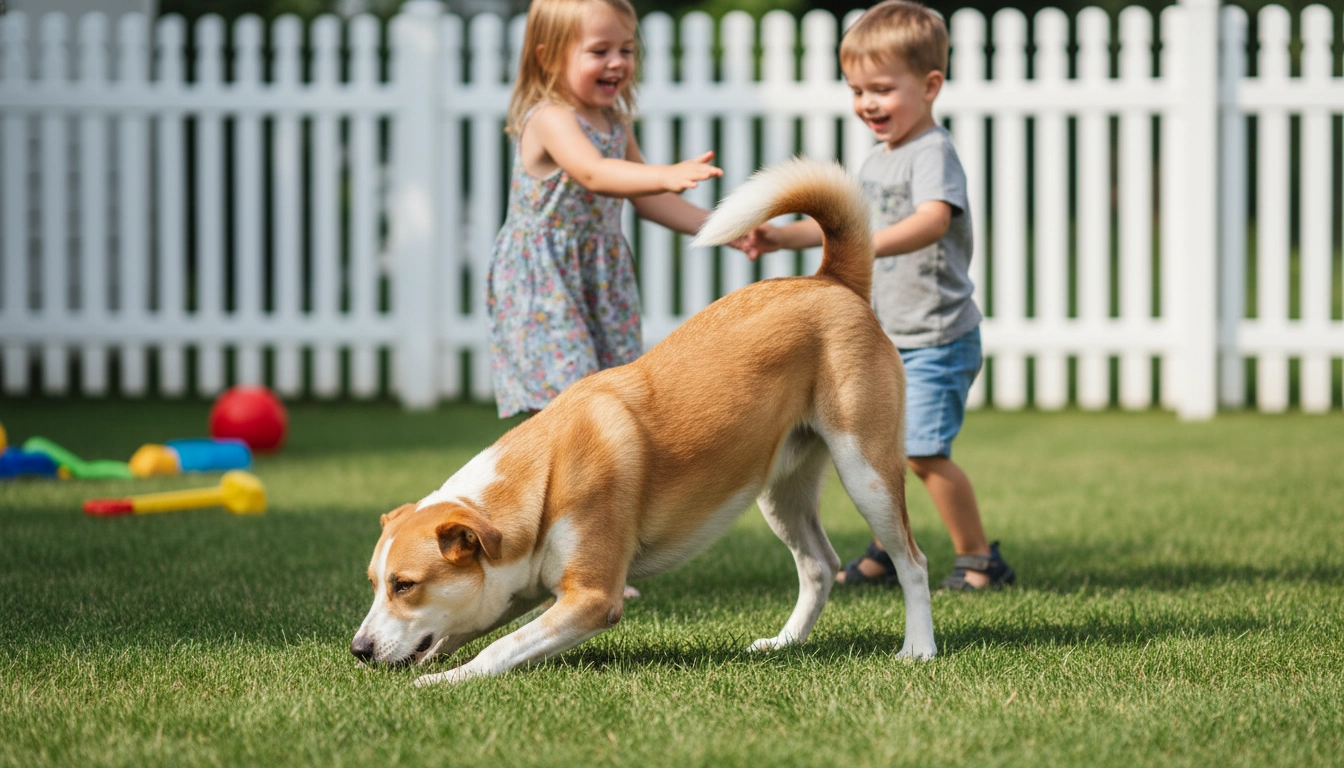
To understand What dog breed is best for kids? one must first define the specific traits that allow a dog to thrive.
A kid-friendly dog is not merely a passive creature.
The ideal dog possesses a high threshold for frustration and a naturally social disposition.
These animals must view a toddler pulling on their ears not as a threat.
They should see it as a somewhat clumsy form of affection.
We look for breeds with moderate to high energy levels.
They need to keep up with the frantic pace of a playground.
They must also possess an off switch for when it is time to relax in the living room.
Size also plays a significant role in this determination.
A dog that is too small might be accidentally injured by a boisterous child.
Conversely, a dog that is too large might inadvertently knock over a small human like a bowling pin.
Balance is essential for safety and harmony.
Since you humans seem to struggle with basic comparisons, I have organized these traits into a simple layout for your convenience.
| Trait Category | Why It Matters | Feline Impact |
|---|---|---|
| Patience | Prevents snapping at toddlers | Less noise for me |
| Energy Level | Matches child activity | Keeps them out of my hair |
| Size | Prevents accidental injuries | Doesn’t crush my chaise |
My Take
Pick a dog that matches the energy of your smallest human but has the brain to know when to quit.
The Feline Perspective
A dog that is good with children is often a dog that respects boundaries, which is a trait I highly value in any creature allowed to share my premium nap spots.
Understanding the Basics of Temperament
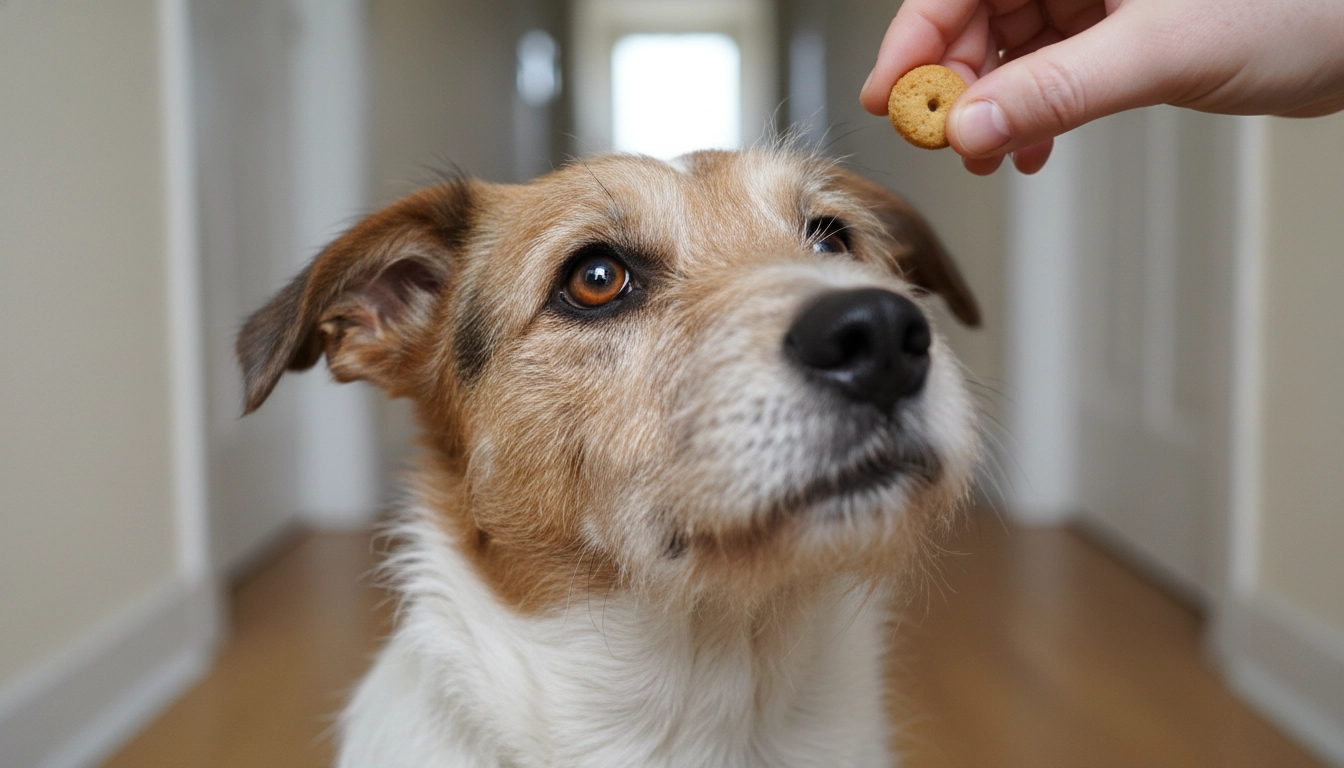
Before we get into specific breeds, we must discuss the genetic blueprint of temperament.
Every dog is an individual.
However, certain breeds have been carefully refined over centuries to exhibit specific behaviors.
When humans ask What dog breed is best for kids? they are usually searching for a dog with biddability.
This is the desire to work with and please their human companions.
This trait makes training much easier for the human staff.
It ensures the dog follows commands even when a chaotic game is occurring in the hallway.
Some dogs just don’t listen.
They are too busy sniffing things.
Avoid High Prey Drive
Breeds with an intense drive to hunt small moving objects may mistake a running child or a fleeing feline for prey, leading to unwanted chasing behaviors.
We must also consider the grooming and maintenance requirements of these breeds.
A dog that requires four hours of brushing every week will take time away from the human staff’s primary duties.
These duties include opening my tins of tuna or ensuring the sunbeams are unobstructed.
A low-maintenance coat is often a blessing for busy families with young children.
I do not want dog hair in my water bowl.
It is a matter of hygiene and dignity.
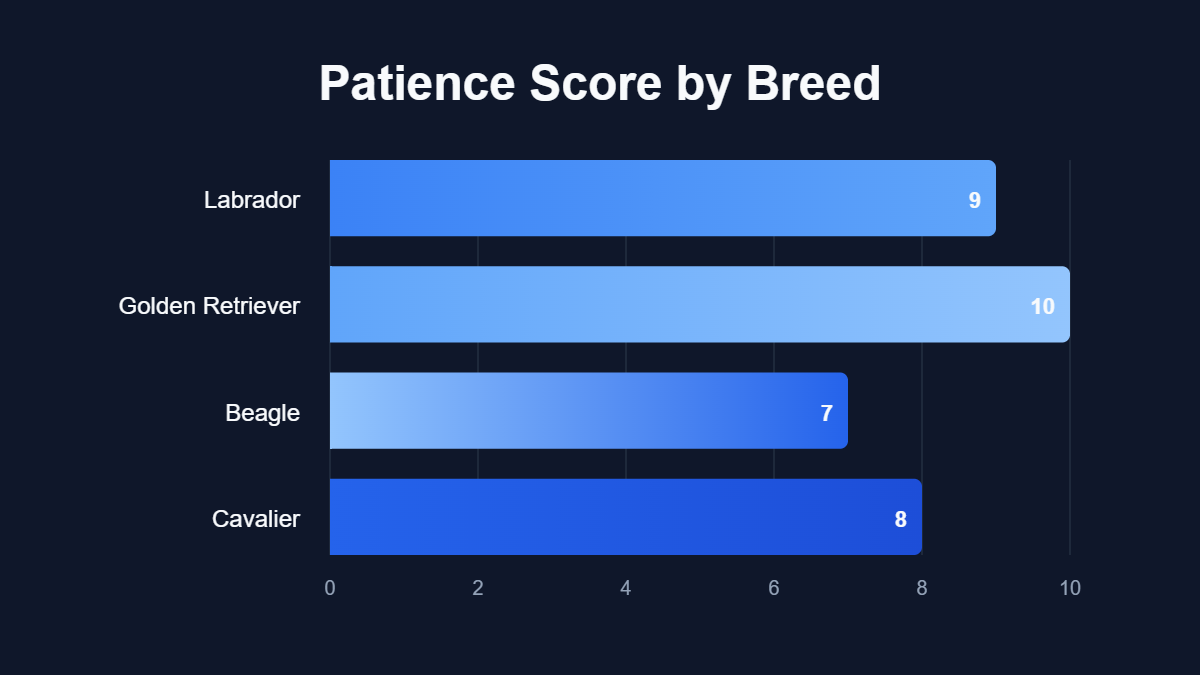
I have quantified the patience of these creatures so you do not have to guess which one is likely to lose its cool first.
My Take
The Golden Retriever is basically a saint in fur, while the Beagle is a bit more of a wildcard if they smell a sandwich.
Labrador Retriever: Friendly and Patient
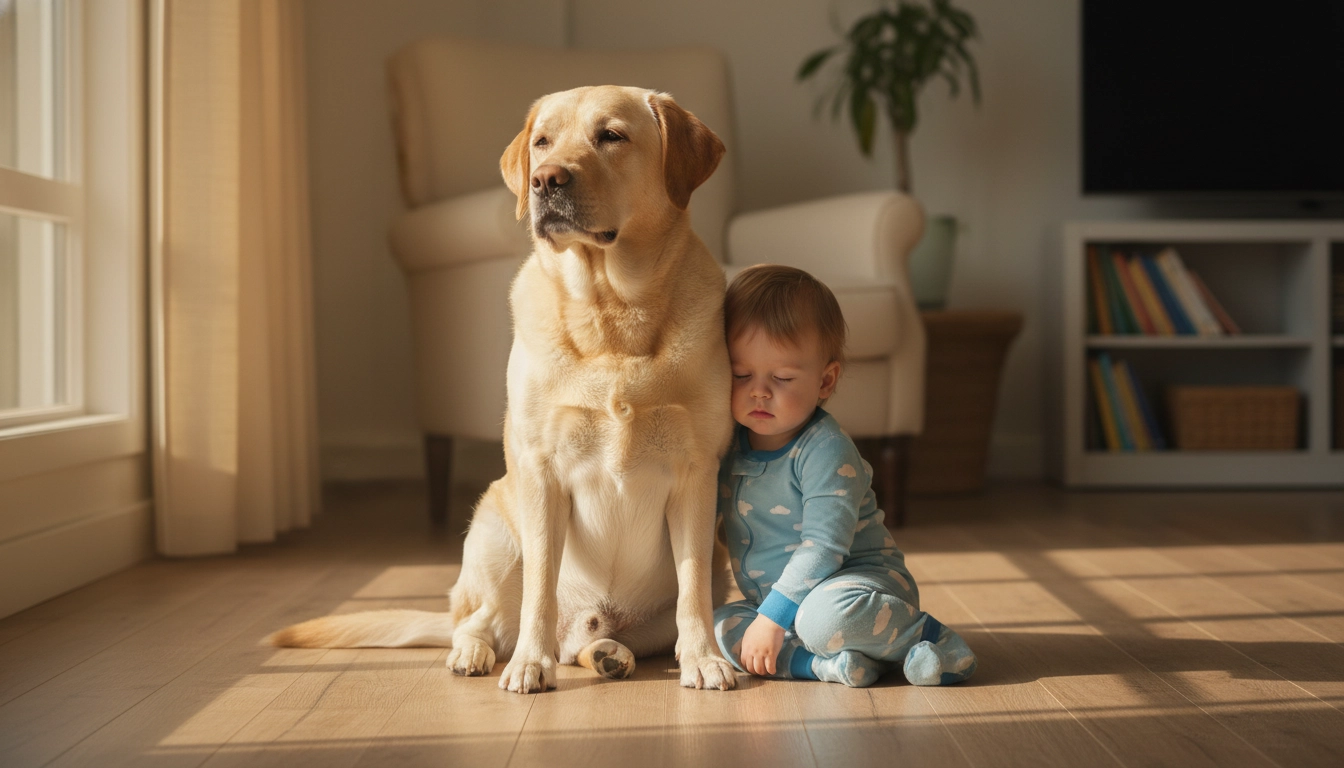
The Labrador Retriever is often the first name mentioned when families begin their search.
These dogs are essentially large, walking blankets of enthusiasm.
They seem to have no concept of a bad day.
Their patience is legendary.
This makes them an excellent answer to the question of What dog breed is best for kids?
This is especially true for children who might be a bit too hands-on during playtime.
A Labrador will often sit stoically while a toddler uses their flank as a pillow.
They only require the promise of a snack in the near future to remain compliant.
However, their high energy levels mean they require significant exercise.
A bored Labrador is a dog that might decide your expensive leather loafers are actually a sophisticated chew toy.
This is a tragedy I would prefer to avoid for the sake of the household budget.
Roger’s lab once ate a remote.
Energy Management
Ensure your Labrador gets at least an hour of vigorous play daily to keep their indoor behavior calm and respectful of your furniture.
From my vantage point, the Labrador is acceptable because they are generally too distracted by their own tails to bother me.
They are the jocks of the dog world.
They focus on balls and treats.
They leave the intellectual pursuits and high-shelf lounging to the superior feline residents.
Their happy-go-lucky attitude is hard to dislike.
Even if they do breath like a freight train.
Golden Retriever: Gentle and Trainable
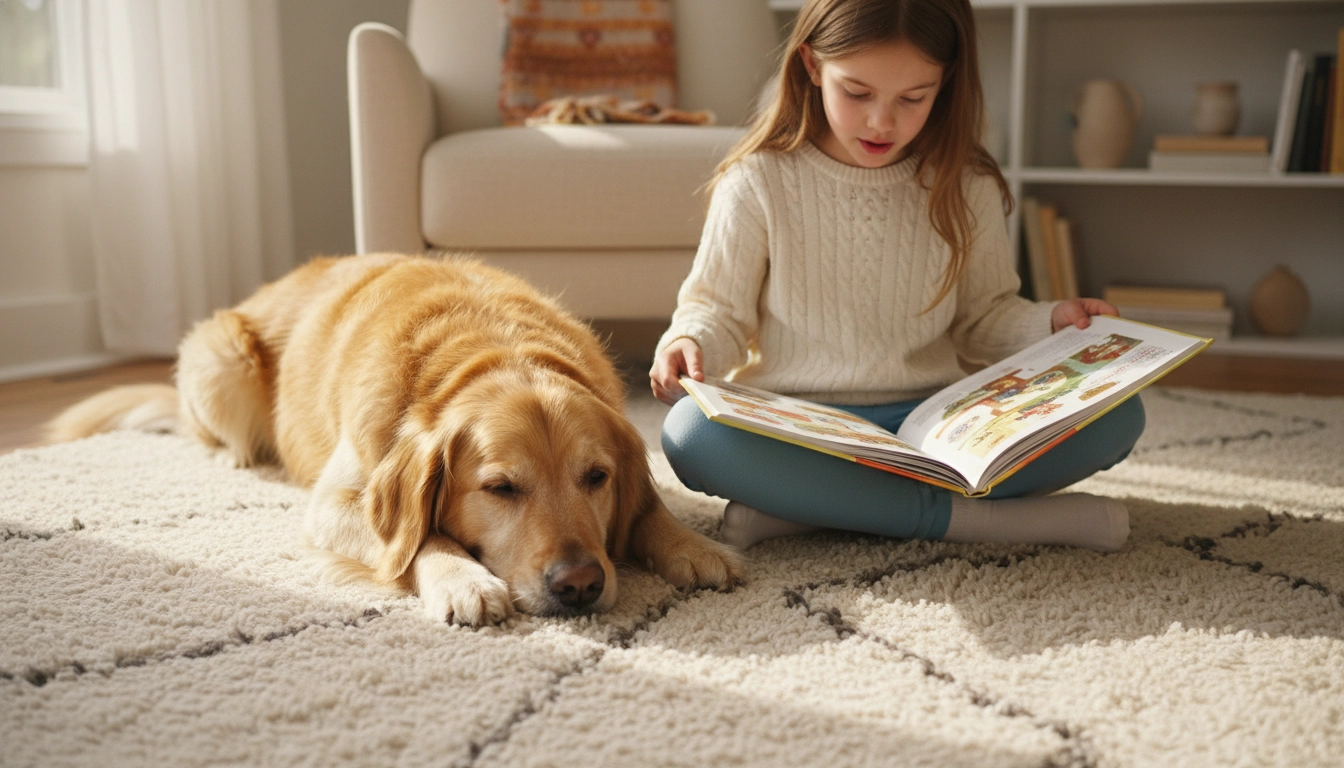
If the Labrador is the jock, the Golden Retriever is the valedictorian with a heart of gold.
These dogs possess an innate sensitivity to human emotions.
This makes them particularly well-suited for families with sensitive children.
Their gentle nature is not just a marketing slogan.
It is a core component of their being.
The Golden Retriever stands out because of their desire to be an integral part of the family.
They are highly trainable, which means they can quickly learn that my personal space is a restricted zone.
A well-trained Golden Retriever will offer a polite sniff and then move along.
This is the only acceptable way for a dog to interact with a Senior Feline Consultant.
One must be prepared for the shedding, however.
Their beautiful coat will leave golden glitter everywhere.
This requires a human staff that is dedicated to frequent vacuuming.
It ensures that my own sleek fur remains the highlight of the household aesthetic.
I will not have my black fur tainted by their golden mess.
If you are struggling to tell the difference between these two large, shedding beasts, I have prepared a comparison for you.
| Feature | Labrador Retriever | Golden Retriever |
|---|---|---|
| Main Vibe | Energetic and Silly | Gentle and Calm |
| Training Level | High | Very High |
| Coat Care | Low Maintenance | High Maintenance |
My Take
Go with the Golden if you have a vacuum cleaner that actually works and children who need a soft place to land.
Beagle: Playful and Curious Companion
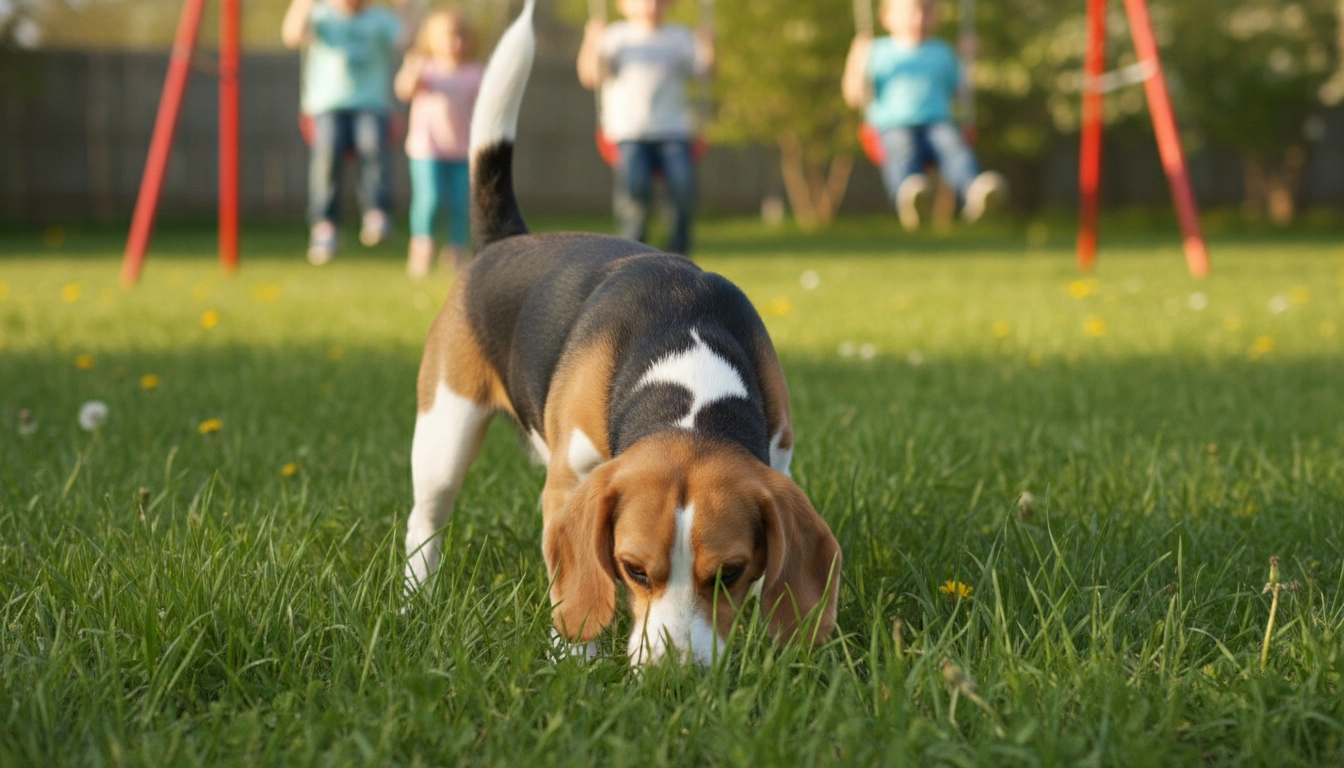
For families who prefer a smaller package, the Beagle offers a sturdy and playful alternative.
These hounds are incredibly social.
They possess a curious nature that matches the energy of an inquisitive young child.
Beagles are pack-oriented animals.
This means they view the family as their tribe.
They are rarely happier than when they are in the middle of a group activity.
This makes them a strong candidate for families who enjoy outdoor adventures and long walks.
They are noisy.
Very noisy.
The Vocal Hound
Beagles are known for their ‘baying’ or howling, which can be quite disruptive to a feline’s afternoon slumber if not managed through training.
Their scent-driven brains can sometimes lead them into trouble.
They will follow a trail with single-minded focus, ignoring everything else around them.
This includes the human staff calling their name or my own indignant hisses.
They are determined explorers by nature.
Despite their stubborn streak, their size makes them manageable for children to walk under supervision.
They are robust enough to handle rougher play without being easily injured.
They just need to learn when to stop howling.
It is quite gauche.
Cavalier King Charles Spaniel: Affectionate Choice
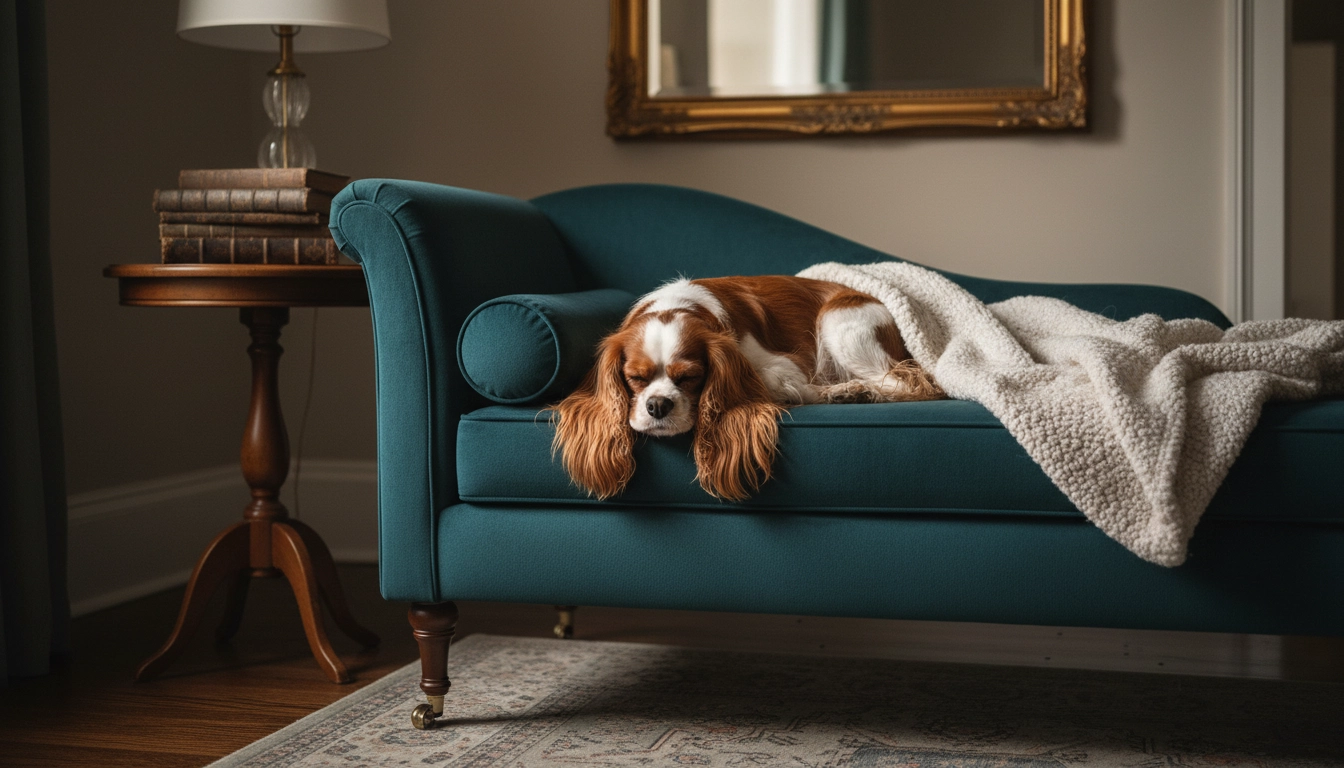
The Cavalier King Charles Spaniel is perhaps the most refined choice for a family living in a smaller home.
These dogs were bred specifically for companionship.
They take their job of being affectionate very seriously.
When humans ask What dog breed is best for kids? they often overlook this breed.
However, the Cavalier is a hidden gem.
They are incredibly gentle and seem to possess an intuitive understanding of how to behave.
They are often referred to as love sponges because they crave physical contact.
They will happily spend hours snuggling on the sofa with a child.
This makes them the perfect companion for a child who prefers reading.
They are adaptable to various energy levels.
They don’t feel the need to wrestle in the backyard constantly.
Space Efficiency
The Cavalier is an excellent choice for apartment living as they require less exercise than larger breeds and are generally very quiet indoors.
From my perspective, the Cavalier is the most feline-adjacent dog on this list.
They understand the value of a high-quality nap spot.
They do not feel the need to bark at every passing leaf.
This earns them a rare seal of approval from my department for maintaining household tranquility.
They are basically cats that didn’t quite get the memo on how to be elegant.
Safety and Training for a Harmonious Home
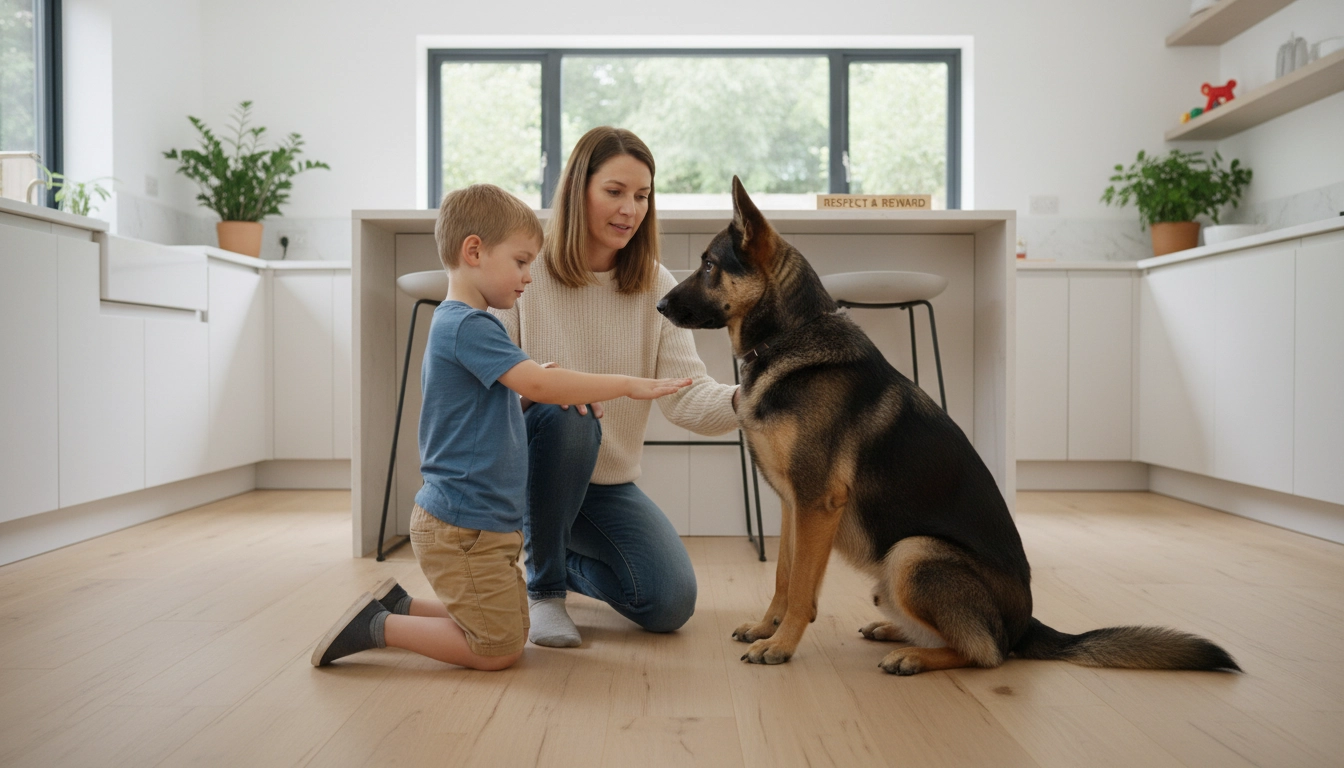
Regardless of the breed, the safety of the children and the animals is the top priority.
No dog should be left unsupervised with very young children.
Even the most patient dog has limits.
Training the humans is just as important as training the dog.
Everyone must understand mutual respect.
Children must be taught not to disturb a dog while it is eating or sleeping.
These are sacred times for any animal, including myself.
Proper socialization during the first few months of a dog’s life is critical.
It helps them become accustomed to the loud noises and sudden movements.
A well-socialized dog is a confident dog.
A confident dog is much less likely to react with fear or aggression.
Investing time in professional training classes can pay dividends for years to come.
It creates a common language between the species and establishes clear expectations.
If the dog