Why Is My Dog Not Eating But Drinking Water? A dog can survive for a surprisingly long time without a single bite of food. But the moment they stop drinking water, you are looking at a genuine medical emergency.
Honestly, I am typing this out quickly because I was just catching up with Layla. Her pup was doing this exact same thing recently. He was walking past the food bowl like it was a pile of laundry.
Then he hit the water dish for three minutes straight. It is incredibly stressful to watch. You sit there on the floor and maybe you even try to hand-feed them a piece of chicken.
They just give you that heavy, sad blink and turn away. It makes your stomach do flips. I hate that feeling of helplessness.
But we have to look at the facts. If they are drinking, their survival instinct is still firing. That is a start.
We just need to figure out why the fuel part of the equation has stalled out. We need to know why the coolant part is still running.
The sound of a tongue lapping at a ceramic water bowl is usually a comfort. But when it is the only sound coming from the kitchen, it starts to feel heavy. This situation is more common than you might think.
I have seen it in dozens of homes. It is a specific kind of worry. You are likely asking why your dog is not eating but drinking water because you want a clear answer right now.
The reality is that dogs are masters at hiding discomfort until they just cannot anymore. When the calories stop but the hydration continues, your dog is sending a signal.
They are trying to tell you that something in their internal machinery is out of alignment. We need to approach this with patience and a really consistent eye.
I want to help you figure out what that signal actually means. This way you can stop spiraling and start helping.
Understanding Canine Appetite and Hydration
When a dog refuses to eat, we use words like anorexia or hyporexia. But let us be real. It just means they are not hungry.
It is not like the human version of the word. It is a biological shutdown. Their body is saying no thanks to the work of digestion.
Digestion takes energy. A lot of it. Water, on the other hand, is easy.
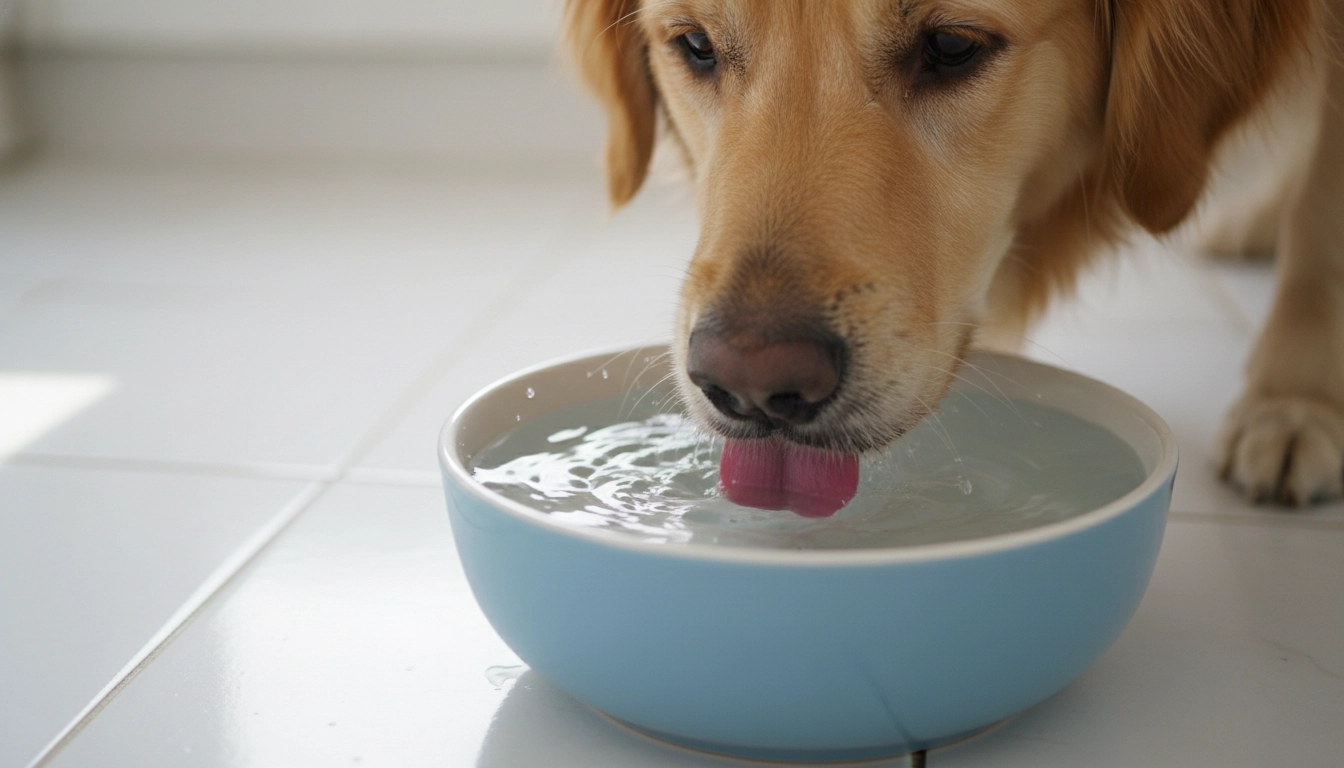
It goes down and it hydrates. It does not require the stomach to churn through proteins and fats. This is why a dog will keep drinking even when they feel like garbage.
The survival drive is a powerful thing. Even if they have a fever or a weird pain in their gut, the brain knows it needs fluid.
This tells us the dog has not given up. It just means there is a barrier in the way of their dinner. You have a strong connection with your pet.
You know their normal. If they usually act like a vacuum cleaner at mealtime and now they are acting like the food is invisible, trust that gut feeling.
A dog that drinks but avoids kibble is often managing some kind of internal pressure. Maybe it is nausea. Maybe it is something else.
We have to look at the consistency of their behavior over the next few hours.
Hydration vs. Nutrition
Dogs can survive much longer without food than they can without water. Their instinct to drink often remains strong even during illness.
Reasons Why Is My Dog Not Eating But Drinking Water?
If your dog is skipping meals but still visiting the water dish, they might be dealing with some serious nausea. Think about the last time you had a stomach bug.
You wanted water. You maybe wanted some ice chips. But a steak? No way.
Dogs feel that same sensory wall. Water is neutral. It is safe.
I put together a quick breakdown of what might be going on inside your dog’s head and body.
| Behavior | What It Might Mean |
|---|---|
| Drinking lots of water | The body is trying to flush out toxins or heat |
| Avoiding the food bowl | Digestion feels painful or the smell is nauseating |
| Sniffing food then walking away | They want to eat but something is physically stopping them |
My Take
If they are still drinking, do not panic just yet. It means their basic survival drive is still working and they are staying hydrated.
Conditions like kidney issues or liver changes often cause this exact pattern. The body is trying to flush out something it does not like.
This leads to what looks like a lopsided habit. They drink and drink to help their organs.
But they will not touch the bowl because their metabolism is sending sick signals to the brain. I have also seen this with simple infections.
A urinary tract infection can make a dog feel absolutely miserable. They might be thirsty because their body is fighting.
But the pain makes them lose interest in anything else. It is a confusing mix for an owner to watch.
Watch the Water Intake
If your dog is drinking significantly more water than usual while refusing food, it could indicate a serious condition like diabetes or kidney issues.
Sometimes the cause is what we call dietary indiscretion. That is just a fancy way of saying they found something gross in the grass and ate it.
Now their stomach is inflamed. The water feels cool on a burning throat or an upset belly. It is self-medicating, in a way.
Identifying Digestive Issues and Stomach Upset
Stomach problems are the number one reason for a hunger strike. If the digestive tract is irritated, food becomes the enemy.
I remember a dog who would not eat for two days. He had swallowed a small piece of a rubber seal from a container.
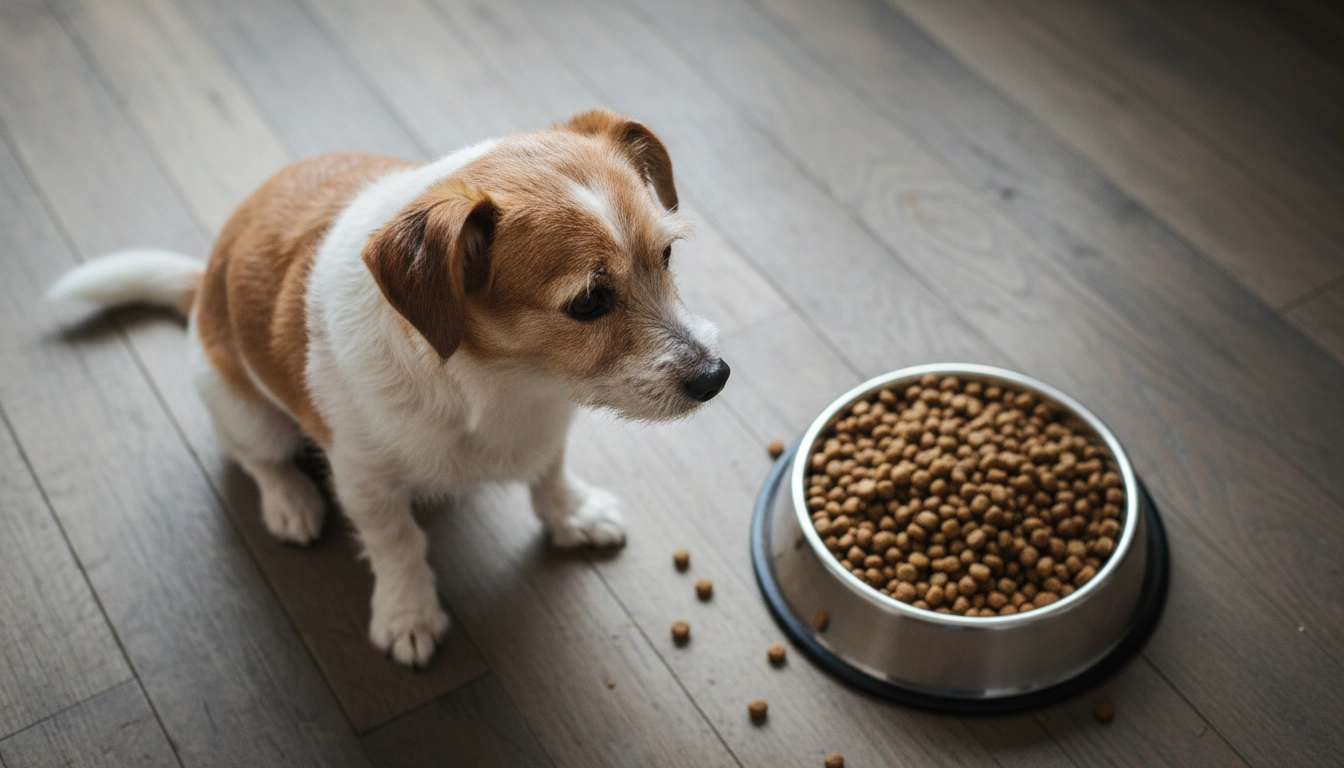
It was not a total blockage, but it made him feel off. He would walk to the bowl, sniff, and then walk away.
It was like he wanted to eat but his stomach was whispering do not do it. He kept drinking water because the water could still get past the irritation.
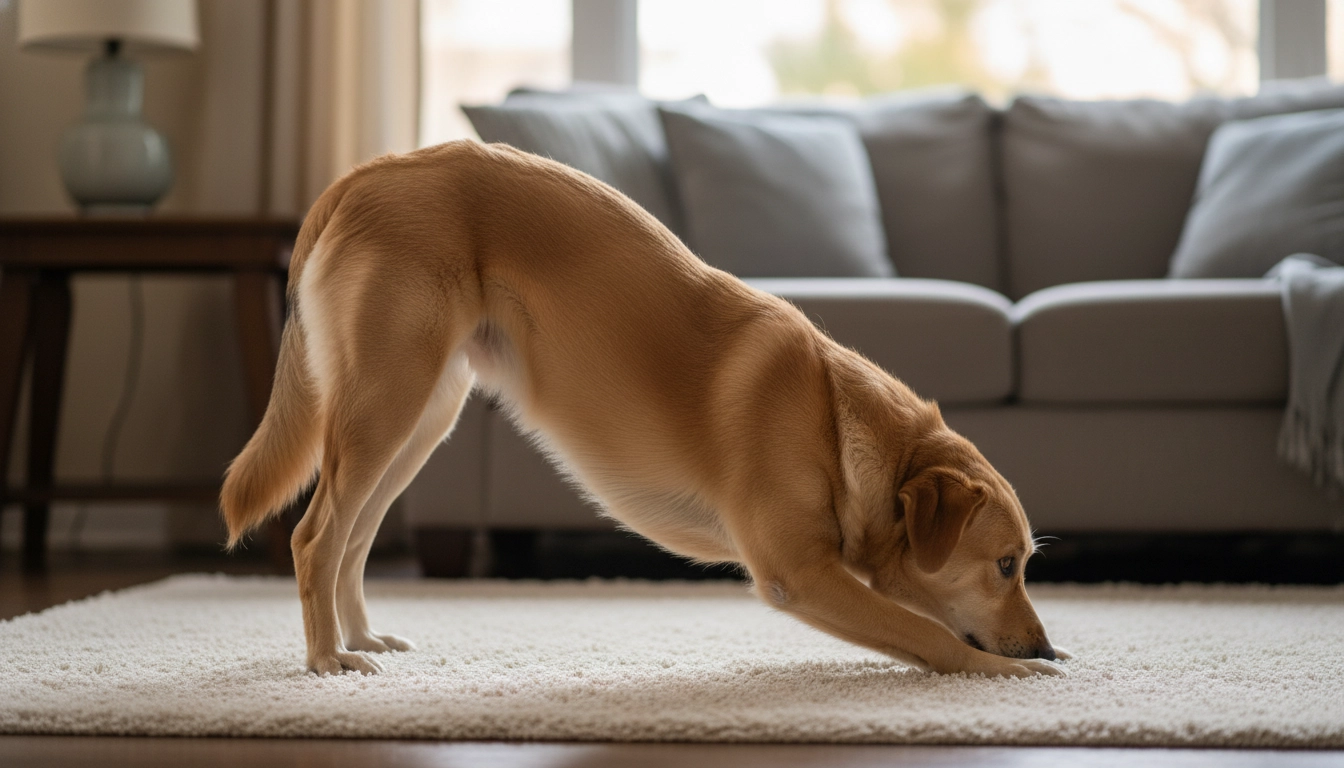
This happens a lot with gastritis too. You should look for consistency in their posture.
Are they hunched up? Do they look like they are guarding their belly? These are the little clues.
Don’t ignore them.
The 24 Hour Rule
If a healthy adult dog skips two meals but continues to drink and act normally, it is often safe to monitor them for 24 hours before heading to the vet.
We also have to think about foreign objects. Dogs are like toddlers. They put things in their mouths.
If something is stuck, water can sometimes still trickle down. But a big chunk of kibble is not going anywhere.
That creates a stoppers effect. It is a scary thought. But it is why we watch them so closely.
Managing Stress and Environmental Changes
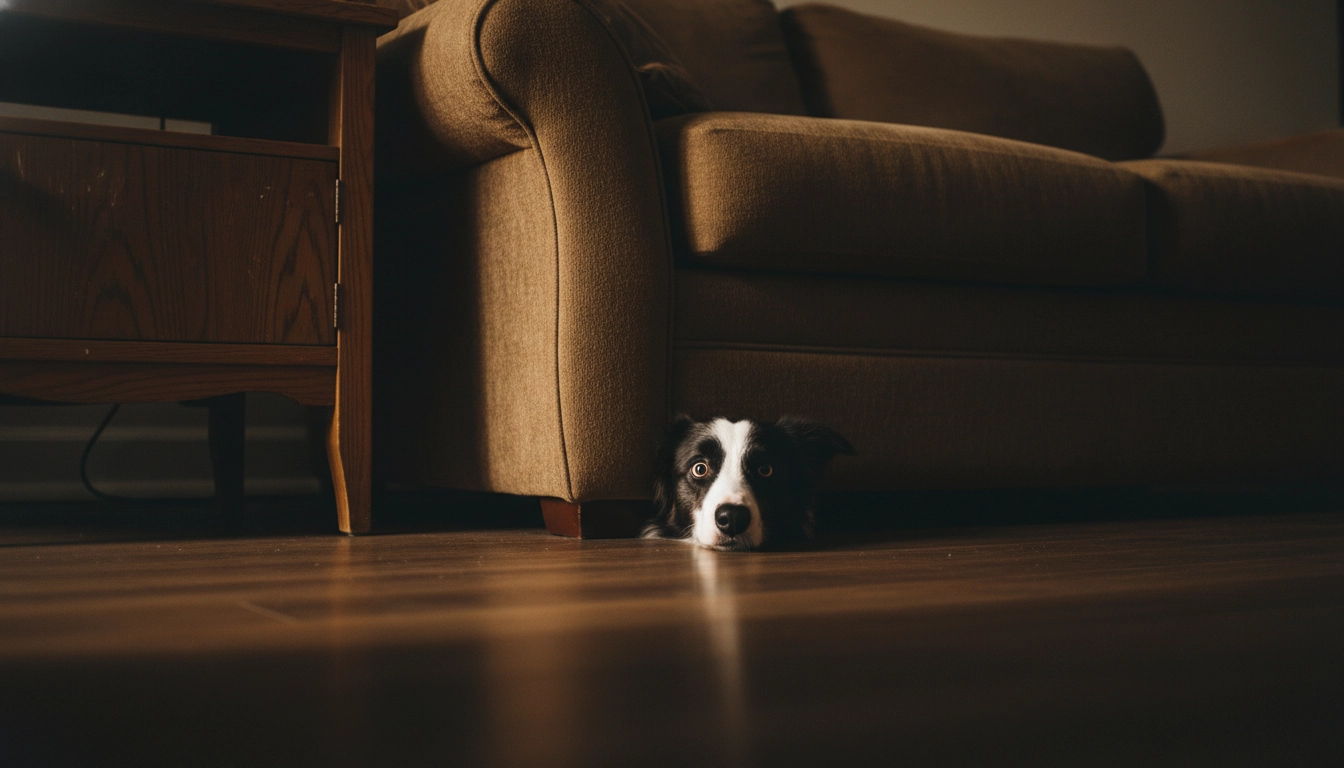
Dogs love their bubbles and their routines. If you pop that bubble, their appetite is usually the first thing to pop with it.
I saw this with a little terrier named Pip. Her owners got a new sofa. Just a sofa!
But Pip was so stressed by the change in the living room smell and layout that she went on a two-day fast. She still drank her water.
Water is a low-stakes activity. But eating requires a dog to feel safe.
They have to put their head down. They have to focus.
If they are in fight or flight mode because of a new baby or a loud neighbor, the stomach just shuts down. This is situational anxiety.
It is real. Their body diverts energy away from the gut and toward the muscles. Just in case they need to run.
It is a primal thing.
Emotional Eating
Just like humans, some dogs lose their appetite entirely when they are grieving the loss of a companion or dealing with separation anxiety.
Maybe you switched their food recently? Even if it is the same brand, sometimes companies change the recipe.
A dog’s nose is thousands of times more sensitive than ours. If it smells wrong or chemical to them, they will avoid it.
Then they might develop a bad vibe about the bowl itself. It takes patience to work through that.
Assessing Dental Pain and Mouth Problems
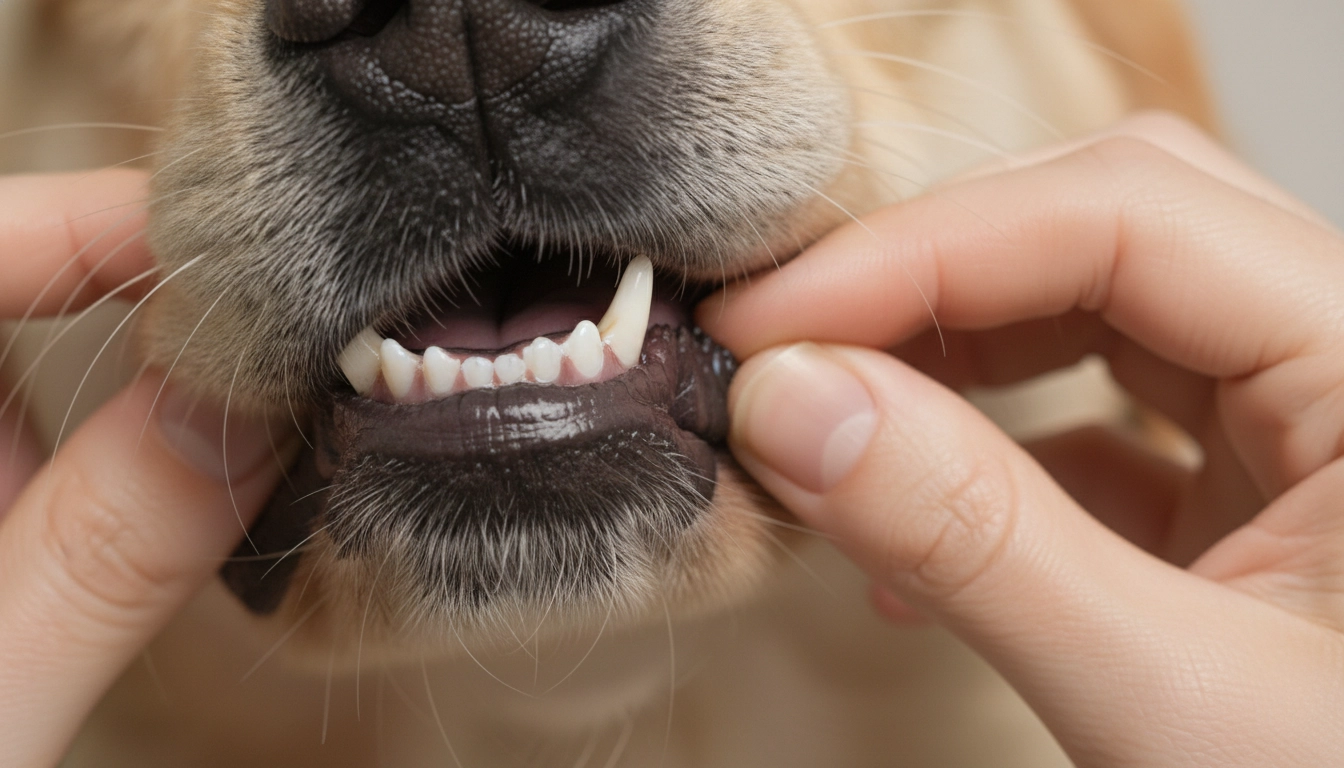
Check the mouth. I cannot say this enough. Sometimes we look for a big medical mystery when the answer is just a cracked tooth.
If it hurts to chew, they will not eat. It is that simple.
But drinking? They can lap up water without using their teeth.
I once worked with a dog who had a tiny splinter from a stick wedged in his gum. He was starving. You could see it in his eyes.
But every time he tried to bite, it poked him. He would yelp and walk away.
But he could drink a whole gallon of water because his tongue did not hit the splinter. Look for redness or swelling.
If their breath smells like something died in there, that is a huge red flag. Infections in the mouth can make a dog feel systemically ill, too.
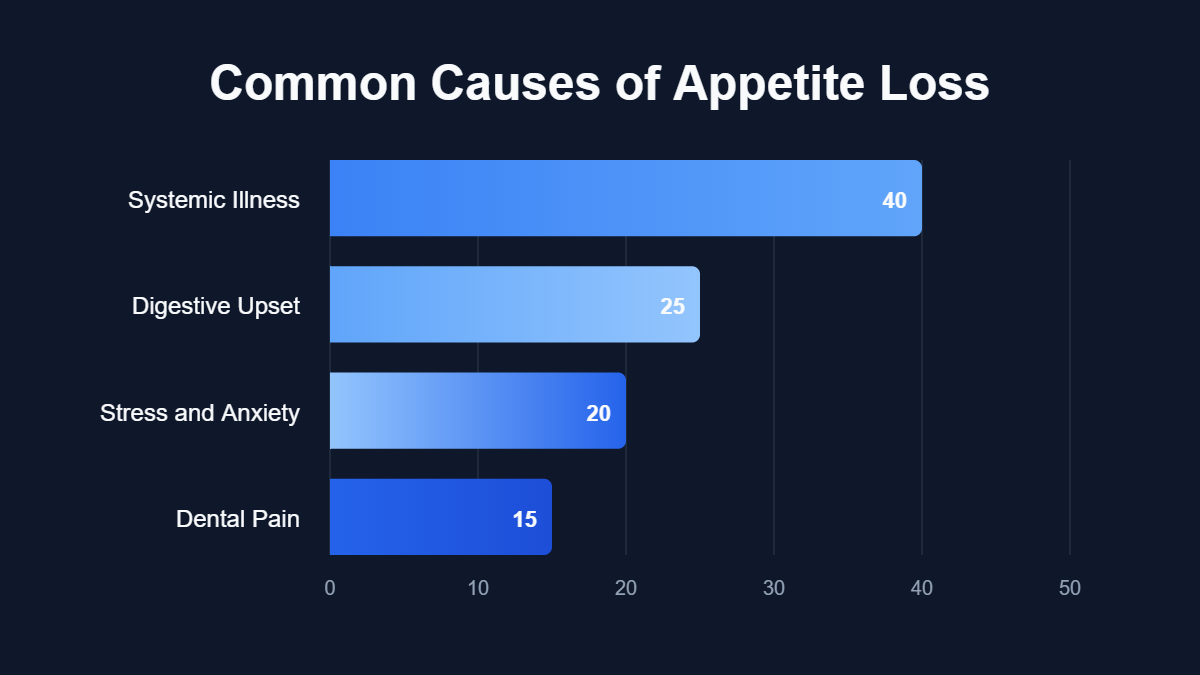
I have seen a lot of cases over the years and this is generally how the causes of appetite loss are distributed.
My Take
Notice that illness is the biggest factor. Always check for a fever first if you can before assuming it is just a dental issue.
Sometimes just adding a little warm water to the kibble helps. It turns the food into a mush that does not require hard chewing.
It is a good way to test if the problem is dental or internal. If they eat the soft stuff but not the hard stuff, you have your answer.
The Impact of Organ Health and Age
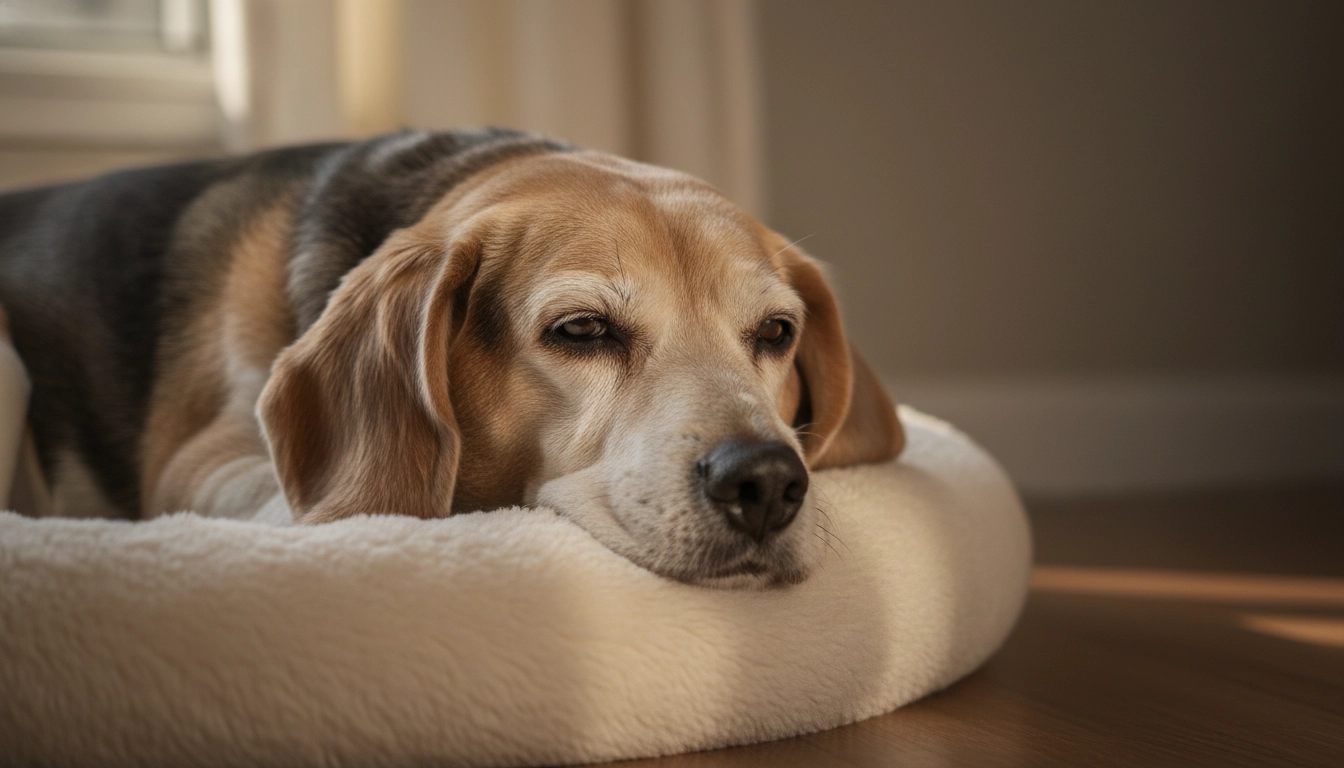
When dogs get older, things start to wear out. It is a hard truth. Kidney disease is a big one.
It makes dogs incredibly thirsty. They will stand at that bowl until it is empty.
But the toxins building up in their blood make them feel nauseous. This creates a cycle.
They drink to feel better. But they will not eat because they feel poisoned by their own system.
It is heartbreaking. Liver issues do the same thing.
You might see a little yellowish tint in their eyes if you look closely. Then there is pancreatitis.
This usually happens after they get into something fatty. Think bacon grease or a discarded burger.
The pancreas gets angry and inflamed. It causes massive abdominal pain.
A dog with pancreatitis will almost always say no to dinner. But they might still want water to try and stay hydrated through the pain.
This is one of those times where you need a vet, fast. Senior dogs do not have the buffer that puppies do.
They cannot afford to lose weight or get dehydrated.
Monitoring Your Dog at Home
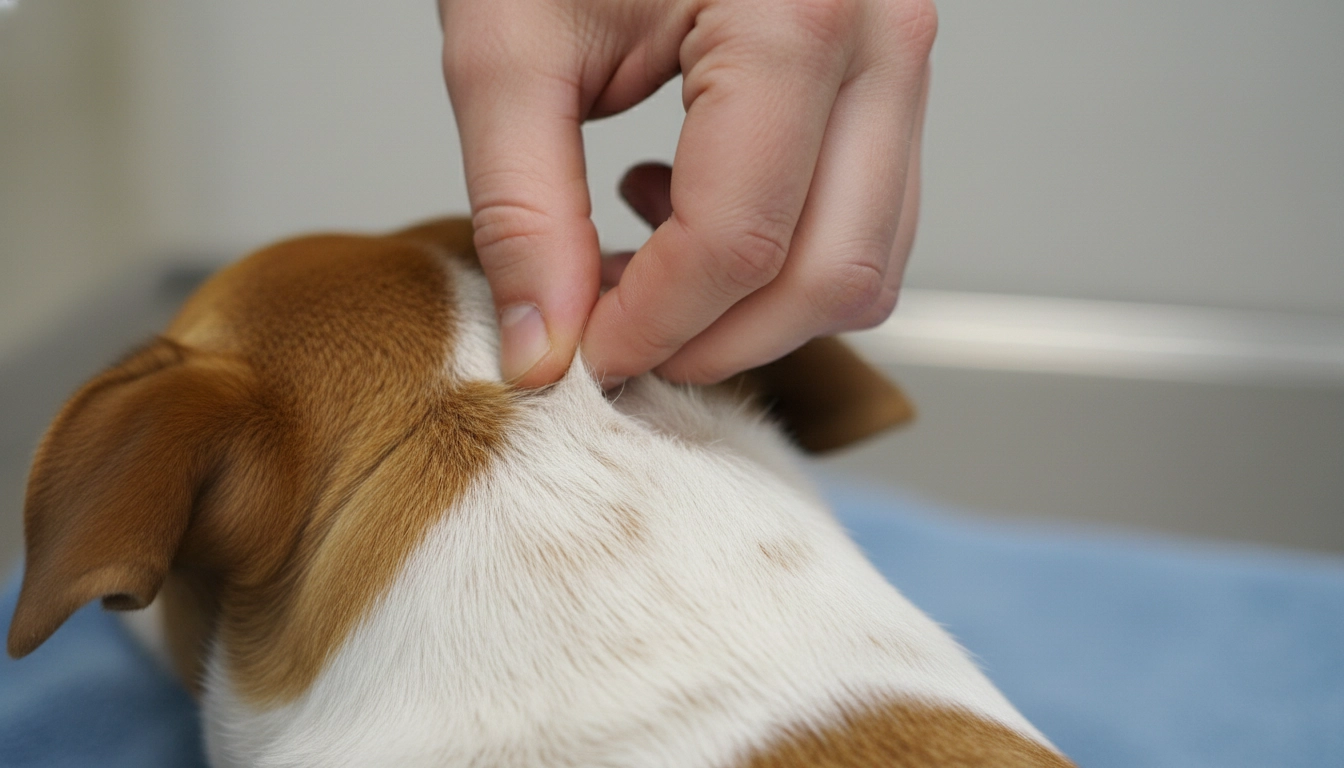
You are the detective here. You need to look at their gum color.
It should be pink, like bubblegum. If it is pale or muddy looking, something is wrong.
Do the pinch test on their skin. If it does not snap back, they are getting dry inside despite the drinking.
Use this quick checklist to see if your dog is showing signs of a bigger problem.
| Area to Monitor | Normal State | Red Flag State |
|---|---|---|
| Gums | Pink and moist | Pale, white, or dry |
| Belly | Soft and relaxed | Hard, bloated, or painful |
| Energy | Alert and curious | Lethargic and limp |
My Take
Checking the gums is the fastest way to see if your dog is in a state of shock or severe dehydration.
Watch their energy. Are they still following you to the bathroom?
Are they still interested in the mailman? If they are just a lump on the rug and will not get up, that is a different level of concern.
Keep a consistent log. How many times did they drink?
Did they pee? If they are drinking a lot but not peeing much, that is a huge sign.
Their body might be holding onto fluid for a reason. Or maybe their kidneys are struggling.
Record everything. It feels extra, I know.
But when you get to the vet and they ask how long this has been happening, you do not want to be guessing. Your patience in tracking these details will save time and money later.
Transitioning Back to a Regular Diet
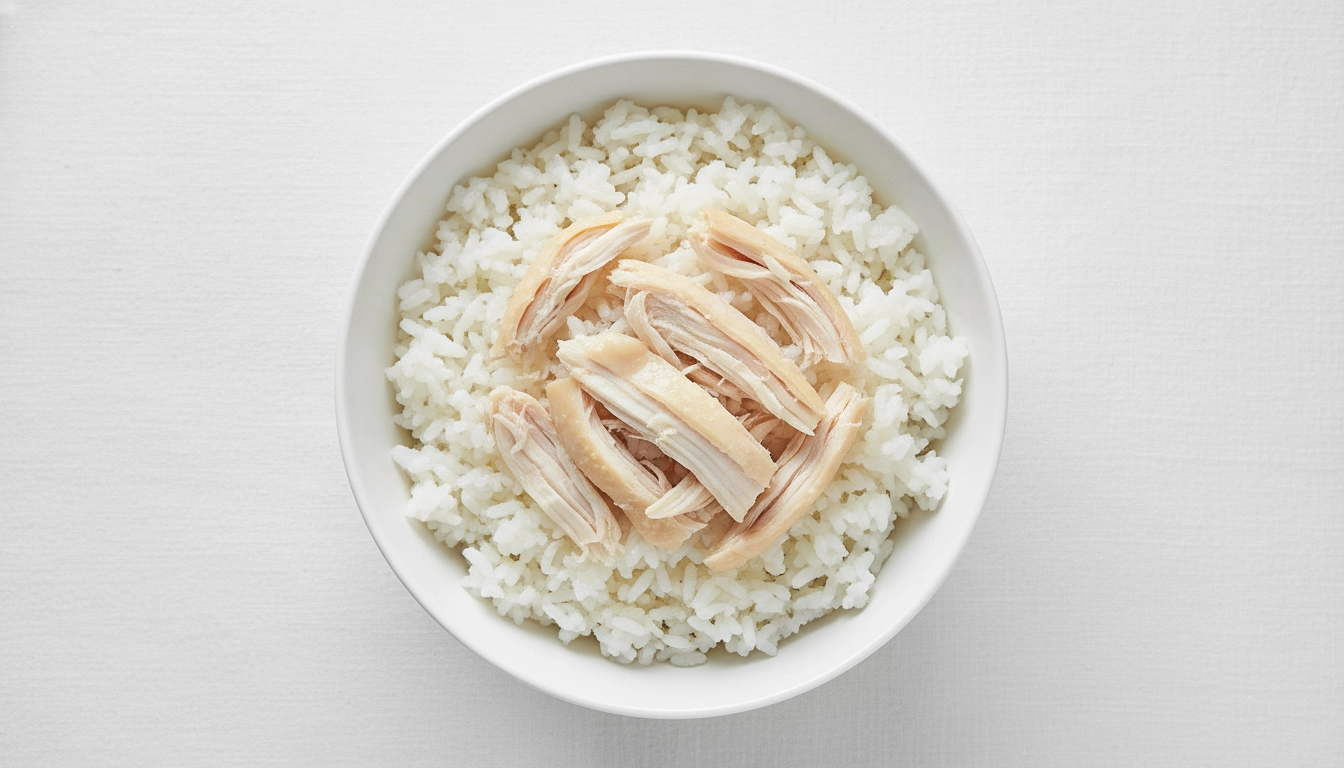
If things start to look up, do not just dump a pile of kibble back in the bowl. That is a recipe for a rebound vomit.
You have to be patient. Think bland.
Plain boiled chicken. No skin. No bones. No salt.
Mix it with some white rice. This is the safe meal for almost every dog.
It is easy on the gut and it smells good. Give them tiny amounts.
Like, a tablespoon at a time. See if it stays down.
If they keep it down for two hours, give them a little more. You are re-training the stomach to handle weight again.
It might take a few days. That is okay.
Consistency is better than speed here. If they refuse the chicken, you know you are not out of the woods yet.
If they eat it, you can slowly start mixing in their regular food over a week. Keep that water fresh.
Change it twice a day. Hydration is the engine that drives recovery.
A dog that is drinking has a fighting chance.
Conclusion
It is okay to be worried. It shows you care.
When you ask why your dog is not eating but drinking water, you are doing your job as a protector. You are looking out for that strong connection you have with your friend.
Most of the time, this is a hiccup. A minor bug or a day of feeling off.
But sometimes it is the start of something that needs a professional. Trust your intuition.
You know your dog better than any book or any expert. Be patient with them.
Be consistent in your care. They rely on you to be their voice when they cannot speak.
If you stay calm and observant, you will find the path forward. What has been going on with your pup lately?
Have you ever had a scare where they stopped eating but would not leave the water bowl alone? I would love to hear how you handled it.
We are all in this together, learning as we go.