Congratulations! You are embarking on one of the most rewarding journeys a pet lover can experience. Owning a horse is a dream for many, but it is also a significant responsibility that requires time, patience, and a bit of specialized knowledge. This Beginner Guide to Horse Care is designed to take the guesswork out of equine ownership, providing you with the foundational knowledge needed to ensure your new companion thrives.
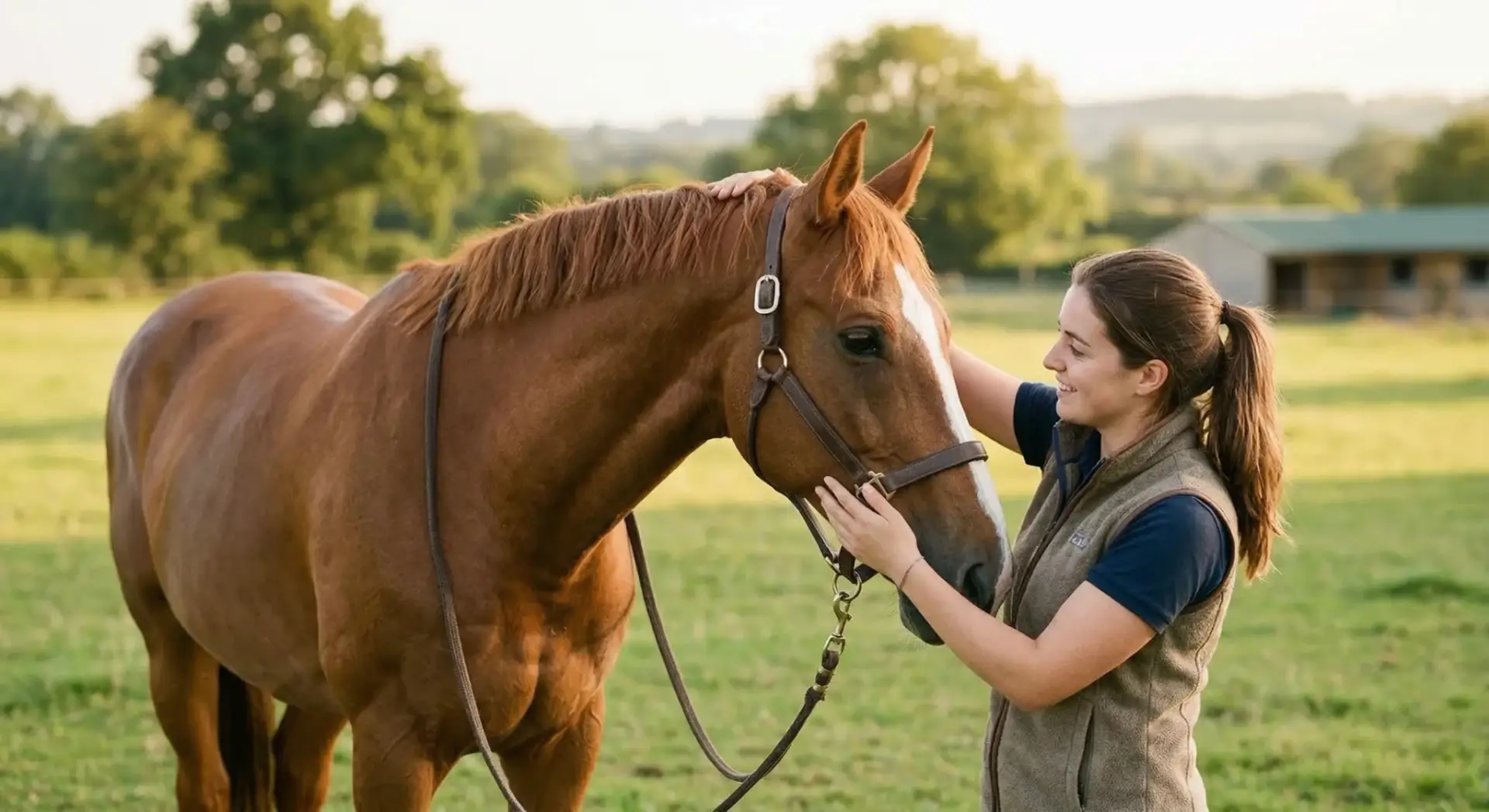
From understanding nutritional needs to mastering the art of grooming, caring for a horse is a lifestyle commitment. While it may seem overwhelming at first, breaking down daily tasks into manageable routines will help you build a strong, trusting bond with your horse. Let’s dive into the essentials of keeping your horse healthy, safe, and happy.
1. Creating the Perfect Living Environment
Before your horse even steps foot on your property (or at a boarding stable), their “home base” needs to be secure and comfortable. Horses are large animals with specific spatial and safety requirements.
Sheltering Your Horse
Horses need protection from extreme weather, including blistering sun, heavy rain, and freezing winds.
- Stables/Stalls: A standard horse stall should be at least 12′ x 12′ to allow the horse to turn around and lie down comfortably.
- Run-in Sheds: If your horse lives primarily in a pasture, a three-sided “run-in” shed provides vital shelter while allowing them to move freely.
- Bedding: Use wood shavings, straw, or rubber mats to provide cushioning and absorb moisture. Cleanliness is key to preventing respiratory issues and hoof rot.
Fencing and Pasture Management
Safety is the priority when it comes to fencing. Avoid barbed wire, which can cause devastating injuries. Instead, opt for:
- Wooden Post and Rail: Classic and highly visible.
- Electric Tape or Wire: Effective for keeping horses off the fence line.
- PVC/Vinyl: Low maintenance and attractive, though often reinforced with electric wire.
2. Essential Horse Care Tips for Nutrition
Feeding a horse isn’t as simple as dumping a bowl of kibble. As herbivores with unique digestive systems, horses are “hindgut fermenters,” meaning they need to eat small amounts frequently throughout the day.
The Importance of Forage
Forage (hay or pasture grass) should make up the bulk of your horse’s diet. A general rule of thumb is that a horse should eat roughly 1.5% to 2% of its body weight in forage daily.
- Grass Hay: Timothy or Orchard grass is excellent for most pleasure horses.
- Alfalfa: Higher in protein and calcium; usually reserved for growing horses or those with high energy demands.
Concentrates and Grains
If your horse is working hard or struggling to maintain weight, you may need to supplement their forage with grains or pelleted concentrates. However, be cautious—too much grain can lead to colic or laminitis.
Hydration and Salt
- Water: An average horse drinks 5 to 10 gallons of water a day. Ensure they have access to clean, unfrozen water 24/7.
- Salt Blocks: Horses lose electrolytes through sweat. Provide a salt block or loose minerals in their stall or pasture to help them maintain mineral balance.
3. Mastering Grooming and Hoof Care
Grooming is more than just making your horse look pretty; it is a vital part of health maintenance and a great way to bond.
The Daily Grooming Routine
Using a Beginner Guide to Horse Care checklist, you should aim to groom your horse before and after every ride.
- Curry Comb: Use in circular motions to loosen dirt and hair.
- Stiff Brush (Dandy Brush): Flick away the loosened dirt.
- Soft Brush: Smooth the coat and remove fine dust from the face and legs.
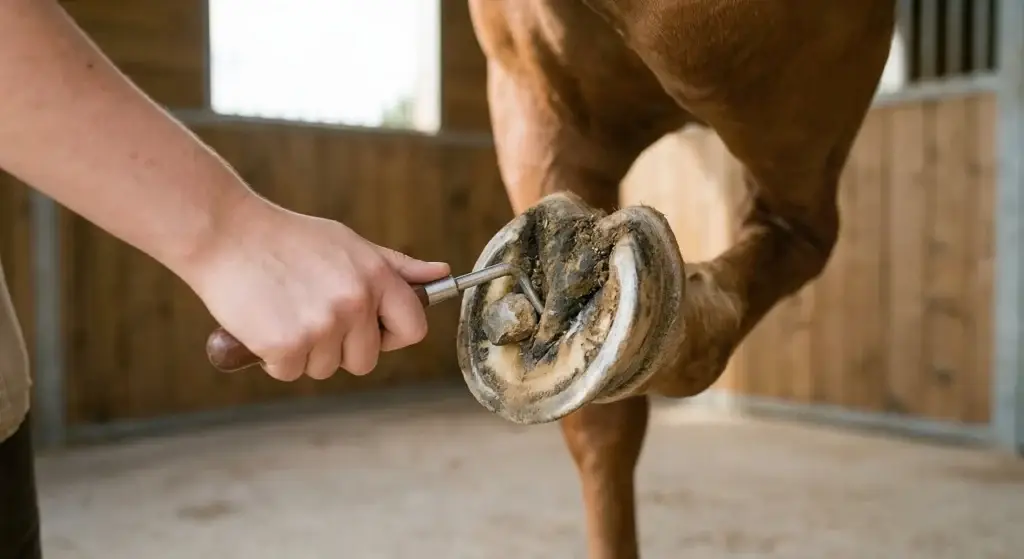
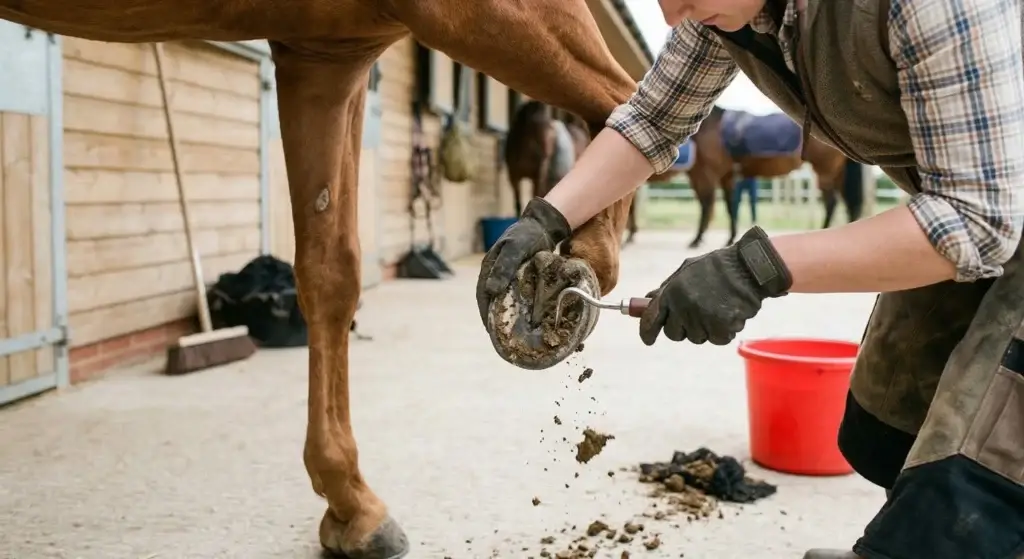
- Hoof Pick: This is the most important tool. Clean your horse’s hooves daily to check for stones, thrush (a fungal infection), or cracks.
Professional Farrier Visits
A horse’s hooves grow constantly, much like human fingernails. You will need a professional farrier to visit every 6 to 8 weeks to trim the hooves. Depending on your horse’s workload and hoof quality, they may need shoes, or they may remain “barefoot.”
4. Understanding Horse Behavior and Safety
To care for a horse properly, you must understand how they see the world. As prey animals, horses have a strong “fight or flight” instinct.
Basic Safety Rules
- Approach from the Shoulder: Never sneak up on a horse from directly behind or directly in front (their blind spots).
- Speak Softly: Let them know you are coming with a calm “Hey, horse.”
- Watch the Ears: Ears pinned back flat against the neck usually mean the horse is angry or feeling defensive. Forward ears indicate interest or alertness.
Training and Handling
Even if you don’t plan on riding, your horse needs “ground manners.” This includes leading quietly on a halter, standing still for the vet, and allowing their feet to be handled.
5. Routine Healthcare and Preventative Medicine
A proactive approach to health is one of the best horse care tips any expert can give. Emergency vet visits are expensive; preventative care is an investment.
Vaccinations and Deworming
Consult a local veterinarian to create a schedule tailored to your region. Common vaccinations include:
- Tetanus
- West Nile Virus
- Rabies
- Equine Influenza
For deworming, many owners now use “Fecal Egg Counts” to determine exactly which parasites are present before administering medication, preventing chemical resistance.
Dental Care (Floating)
Horses have “hypsodont” teeth, meaning they continue to erupt throughout their lives. They can develop sharp points that cause mouth sores. A vet or equine dentist should “float” (file down) these points once a year.
6. Exercise and Mental Stimulation
Horses are social, active creatures. Keeping them stalled 24/7 can lead to boredom-related behaviors like “cribbing” (chewing on wood) or “weaving” (swaying back and forth).
- Turnout Time: Ensure your horse spends several hours a day in a pasture or paddock.
- Consistent Exercise: Whether it’s riding, lunging, or going for a walk on a lead rope, regular movement keeps their joints limber and their heart healthy.
- Companionship: Horses are herd animals. They are happiest when they have a “buddy,” whether it’s another horse, a pony, or even a goat!
Frequently Asked Questions (FAQ)
How much does it cost to keep a horse per month?
Costs vary wildly based on location and whether you board the horse or keep it at home. On average, expect to spend between $400 and $1,200 per month on hay, grain, bedding, farrier services, and insurance.
How often should I bathe my horse?
You don’t need to bathe a horse frequently. In fact, too much soap can strip the natural oils from their coat. Usually, a good brushing is enough, with full baths reserved for hot days or before competitions.
What are the signs of a sick horse?
Watch for “Colic” (abdominal pain), which is a leading cause of death in horses. Signs include pawing at the ground, biting at their flanks, sweating, and refusing to eat. Other signs of illness include nasal discharge, coughing, or heat in the hooves.
Can beginners start with a foal (baby horse)?
Generally, no. The saying “green on green makes black and blue” holds true. Beginners are best suited for “schoolmaster” horses—older, well-trained horses that can teach you the ropes safely.
Conclusion: The Joy of Equine Companionship
Becoming a horse owner is a steep learning curve, but the rewards are immeasurable. By following this Beginner Guide to Horse Care, you are setting a foundation of safety, health, and mutual respect. Remember that every horse is an individual; what works for one may not work for another. Stay curious, ask your vet and farrier questions, and most importantly, enjoy the quiet moments of connection with your horse.