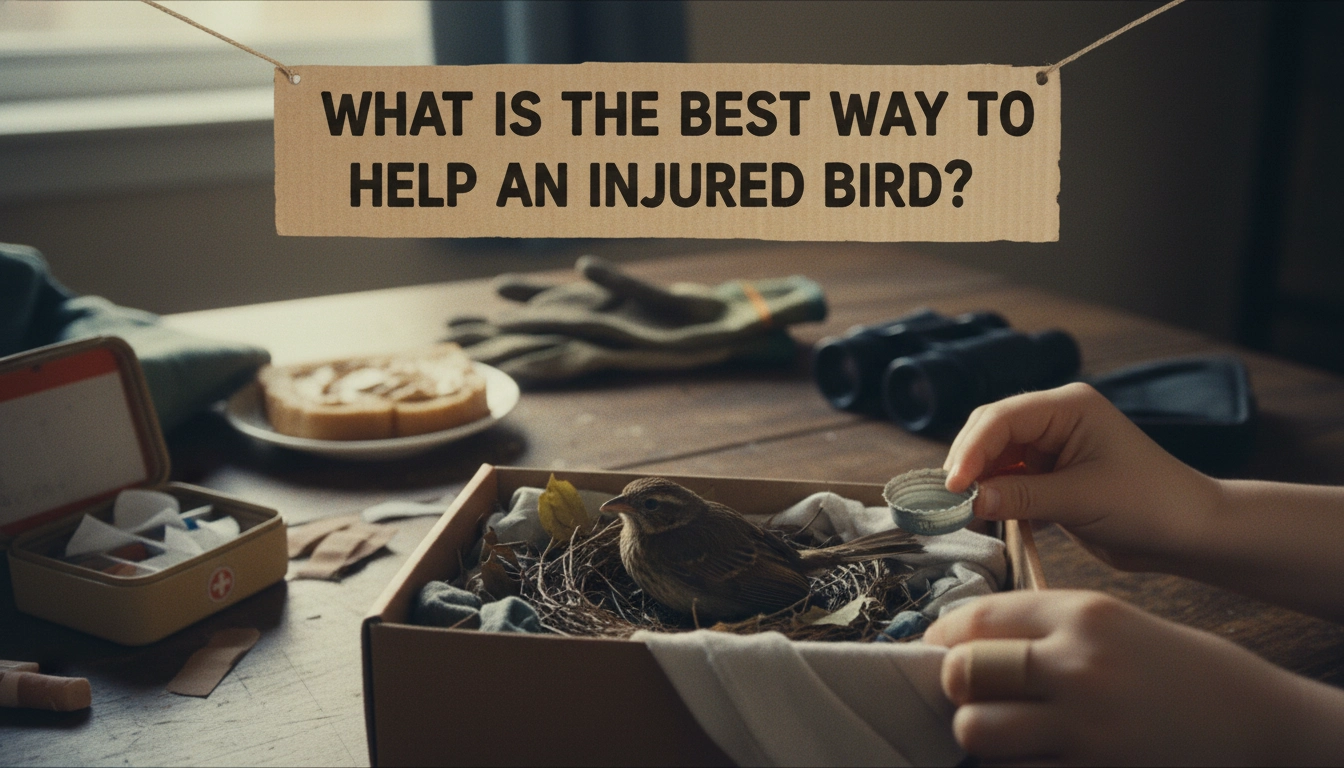

just saw another one. another bird dead because someone thought a cage was a good idea. honestly makes me sick. lois called me from her place on preston rd last week with a rescue that was basically a crime scene because of a wire cage and some old bread.
if you find an injured bird just stop. put the crackers down. stop talking to it. it thinks you are going to eat it. it is not your friend. it is a tiny dinosaur in a state of absolute system failure.
you think you are being sweet but you are just a giant predator breathing on it. stop. get a box. The reality is brutal. A bird on the ground is a bird that is failing.
It is an engine running on fumes, and your help is usually the spark that blows the whole thing up. When you see a bird with a wing dragging or a head tilted at some horrific, impossible angle, your heart rate goes up.
Theirs does too. But for them, that spike in heart rate is often a one-way ticket to cardiac arrest. You are not saving it yet. You are just looking at it.
The biological reality of the avian frame is built for flight, not impact. Those hollow bones? They do not just break. They shatter. They splinter into the surrounding tissue like glass.
Every time that bird moves or flutters in panic because you are standing over it like a monolith, it is shredding its own internal anatomy.
Quick Access: Emergency Steps
If you have found an injured bird, immediately find a cardboard box, line it with a paper towel, and place the bird inside. Keep the box in a dark, quiet, and warm location while you contact a local wildlife rehabilitator for professional guidance.
You have to understand the Biological Mirror. This is my core philosophy. The bird’s environment should be a reflection of its need for absolute invisibility.
If it can see you, it is dying. If it can hear your TV, it is dying. If it can feel the breeze from your AC, it is dying.
Understanding the Basics of Stabilization
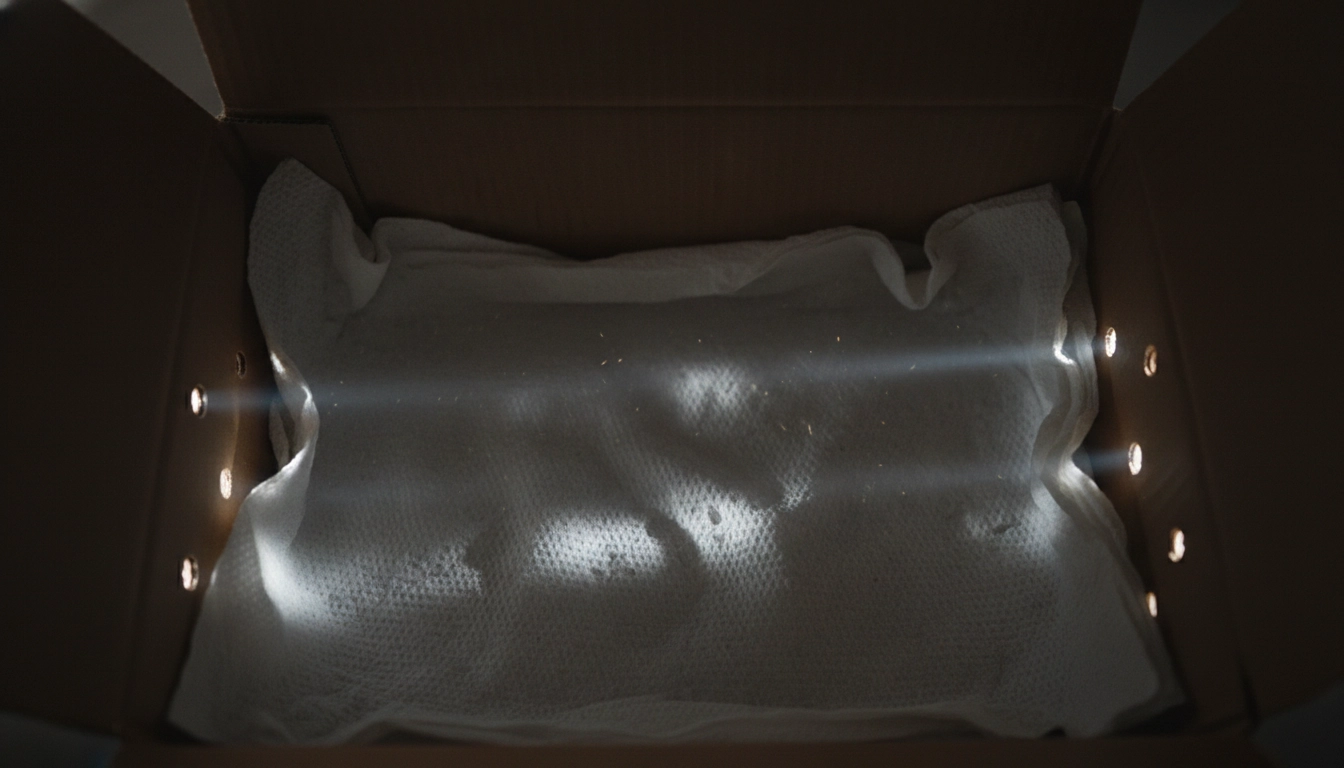
Stabilization is the only thing that matters in the first hour. It is not about surgery. It is not about fixing things. You are not a vet. You are a containment unit. A bio-vault.
Helping an injured bird is a cold, clinical process. Forget the Disney version of nature. The bird’s metabolism is screaming. It is trying to stay warm while its blood pressure is crashing.
This is why a box is better than a cage. A cage is a prison of light and exposure. A box is a sensory deprivation chamber.
Let us look at the Biological Mirror again. In the wild, a wounded bird crawls into the deepest, darkest thicket it can find. It wants to disappear from the world’s sight.
By putting it in a cardboard box, you are mimicking that thicket. You are giving its nervous system a chance to stop firing fight or flight signals into its muscles.
I have put together a quick look at why we prioritize these specific steps during that critical first hour of contact.
| Priority | Action | Biological Goal |
|---|---|---|
| One | Darkness | Lowers metabolic stress and heart rate |
| Two | Warmth | Prevents the bird from sliding into fatal shock |
| Three | Silence | Stops the release of toxic stress hormones |
| Four | Containment | Prevents further bone and tissue damage |
My Take
The ‘Biological Mirror’ is not just a theory. It is a survival mechanism that stops the bird’s heart from exploding while you figure out your next move.
- Stabilization: Killing the shock before it kills the bird.
- Containment: Locking down the movement. No fluttering. No more bone-splintering.
- Professional referral: Getting it to someone who actually knows how to handle a wing fracture.
- Environmental control: Managing the heat. Shock causes the body to go cold.
Shock is the silent reaper here. The circulatory system pulls blood away from the extremities to protect the heart. The bird gets cold. If you do not stop that slide, it is over before you even get the car keys.
Assess the Bird Condition Safely
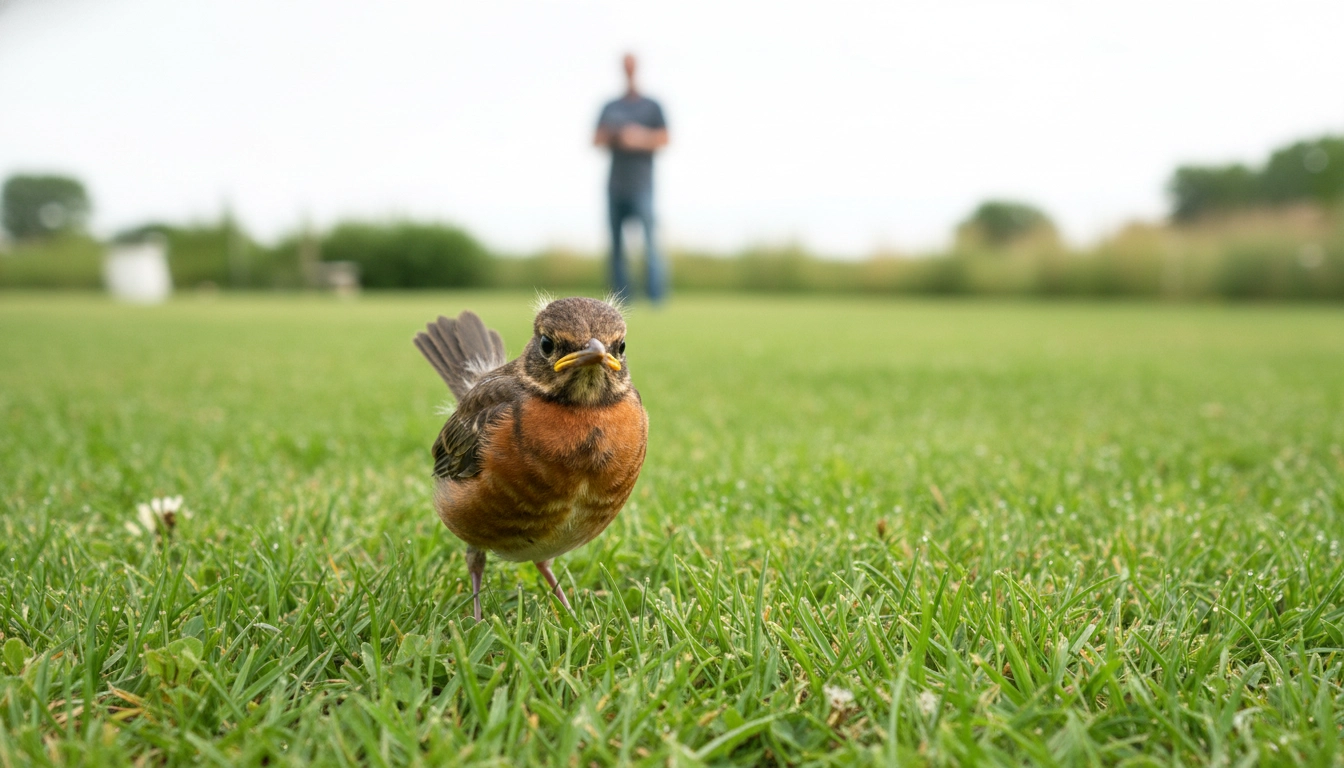
Do not just grab it. Perform a forensic audit from ten feet away. Is it actually hurt? Or is it just a teenager?
Take the Turdus migratorius—the American Robin. People rescue these things all summer when they should just walk away. A fledgling has feathers. It has a short, stubby tail.
It looks like a grumpy old man in a bird suit. It is supposed to be on the ground. Its parents are probably in the tree above you, wondering why this giant human is hovering over their kid.
If the bird is hopping and flapping, it is probably fine. Keep your cat inside. That is the best way to help.
But if you see blood? That is a different story. If you see a wing hanging like a broken umbrella, or the bird is doing the tilt—that neurological spin that suggests head trauma—then you act.
Distinguishing between a bird that needs your help and one that is just growing up is the most important skill you can have.
| Feature | Fledgling (Leave Alone) | Injured Adult (Rescue) |
|---|---|---|
| Feathers | Fully feathered but short tail | Full adult plumage |
| Wings | Symmetrical and tucked | One wing drooping or dragging |
| Eyes | Wide, bright, and alert | Squinting or closed in pain |
| Movement | Hopping and fluttering | Circling or unable to stand |
My Take
If you see a bird that looks like a ‘grumpy old man’ and it is hopping around, it is a fledgling. Leave it alone or you are just kidnapping a teenager.
- Look for asymmetrical wing positions. If one is up and the other is down, that is a break.
- Check for the squint. A bird in pain will not keep its eyes wide.
- Is it circling? That is brain damage. Likely a window strike.
- Check for cats. If a cat touched it, the bird is already poisoned by Pasteurella bacteria. It needs antibiotics within hours or it is a carcass.
A window strike is a high-velocity impact. Think about hitting a brick wall at thirty miles per hour with no airbag. That is what the bird did. It is concussed. It is frozen. It needs the box immediately.
The Fledgling Rule
If a bird has feathers and can hop, it is likely a fledgling. Unless it is in immediate danger from a cat or traffic, the best action is to leave it for the parents to tend.
Keep Your Distance and Avoid Stress
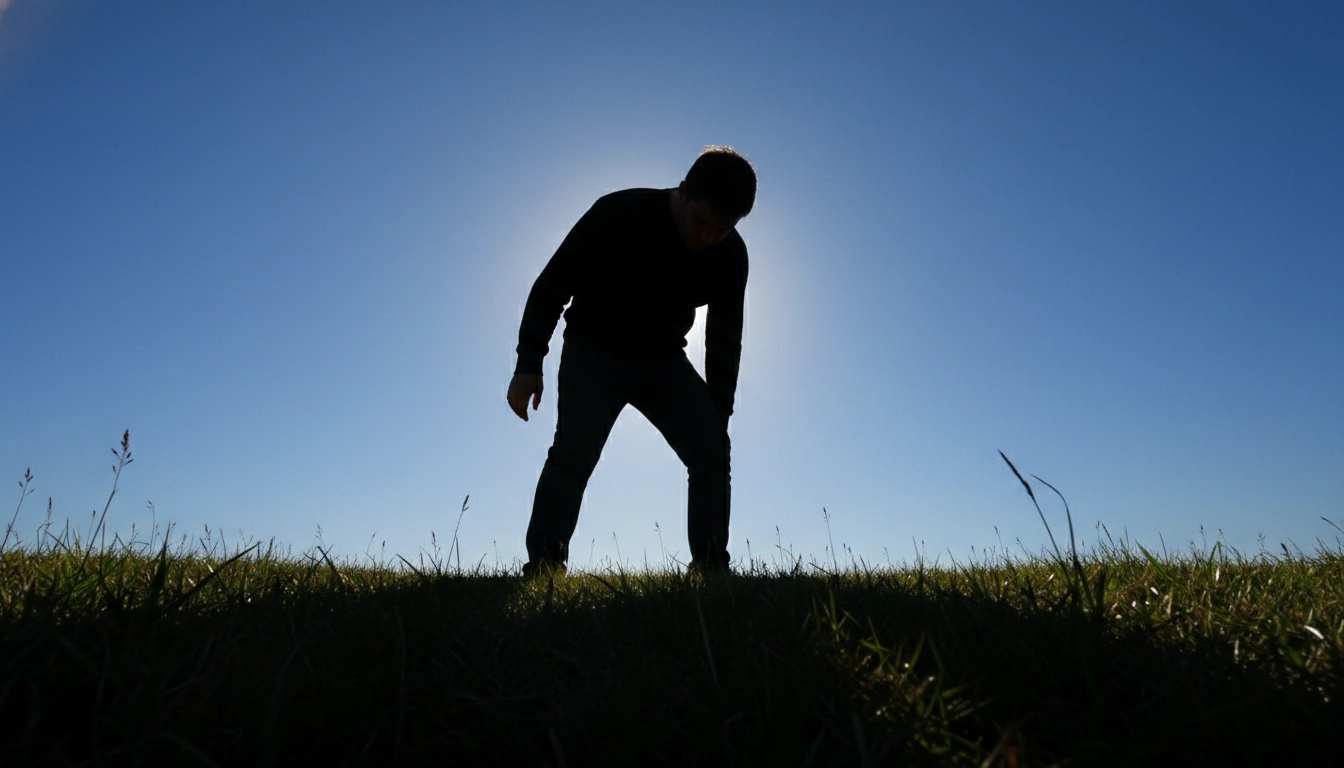
I cannot stress this enough: your voice is a weapon. You think you are being soothing. The bird thinks a predator is growling at it before the kill.
Stress is a physical weight. For an injured bird, it is a massive release of corticosterone. That is the stress hormone. Too much of it, and the heart literally stops.
I have seen birds drop dead just because a kid screamed in the same room. Slow motions. That is the key. If you move like a predator, you are a predator.
- Keep a ten-foot buffer.
- No children. No dogs. No look at the birdie moments.
- Do not look it in the eyes. In the avian world, a direct stare is a hunting gaze. Look at its feet. Look at the ground.
- Stop talking to it. Just stop.
Touch is not comfort. To a Zenaida macroura (Mourning Dove), your hand is a giant claw. Every time you pet it, you are rubbing off the powder and oils that keep its feathers waterproof.
You are destroying its integumentary system. You are making it harder for it to survive even if it heals.
What is the best way to help an injured bird?
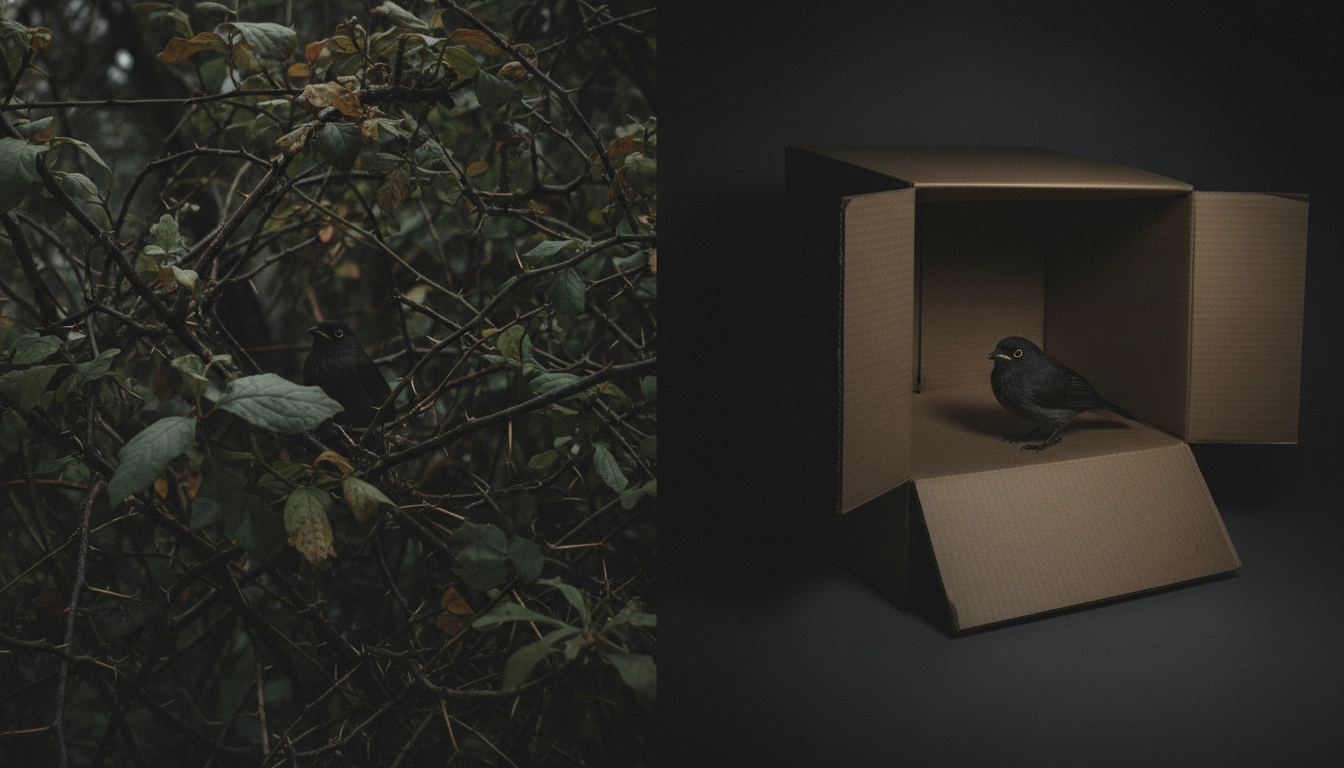
The best way is the most boring way. It is the way that involves the least amount of you. You are the driver. You are the box-provider. That is all.
You need to create a vacuum of stimulus. The Biological Mirror requires a total lack of light. Why? Because darkness tells the bird’s brain it is hidden.
Hidden means safe. Safe means the metabolic rate can drop from emergency back down to survival.
Handling Raptors
If the bird is a hawk or owl, do not attempt rescue without heavy gloves and eye protection. Their talons are their primary weapons and can cause severe injury.
Don’t be a hero with a hawk. I knew a guy who tried to save a Red-tailed Hawk with his bare hands. He ended up in the ER with a talon through his palm.
Use a thick blanket. Or better yet, call a professional. Their feet are built to crush bone. They do not know you are trying to help.
I have broken down the primary reasons birds end up in rehab centers to show you what they are usually up against.
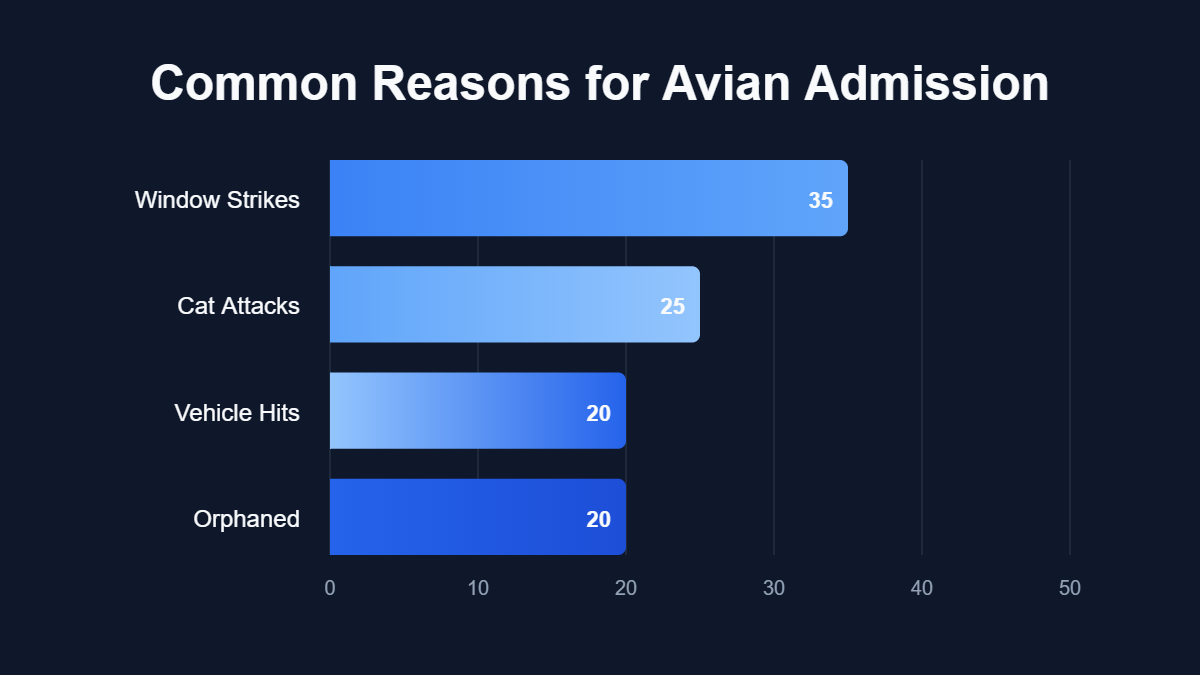
My Take
Window strikes are the ‘number one’ killer in suburbs. If a bird hits glass, it has a concussion. It needs darkness, not a snack.
Place the Bird in a Warm Quiet Box
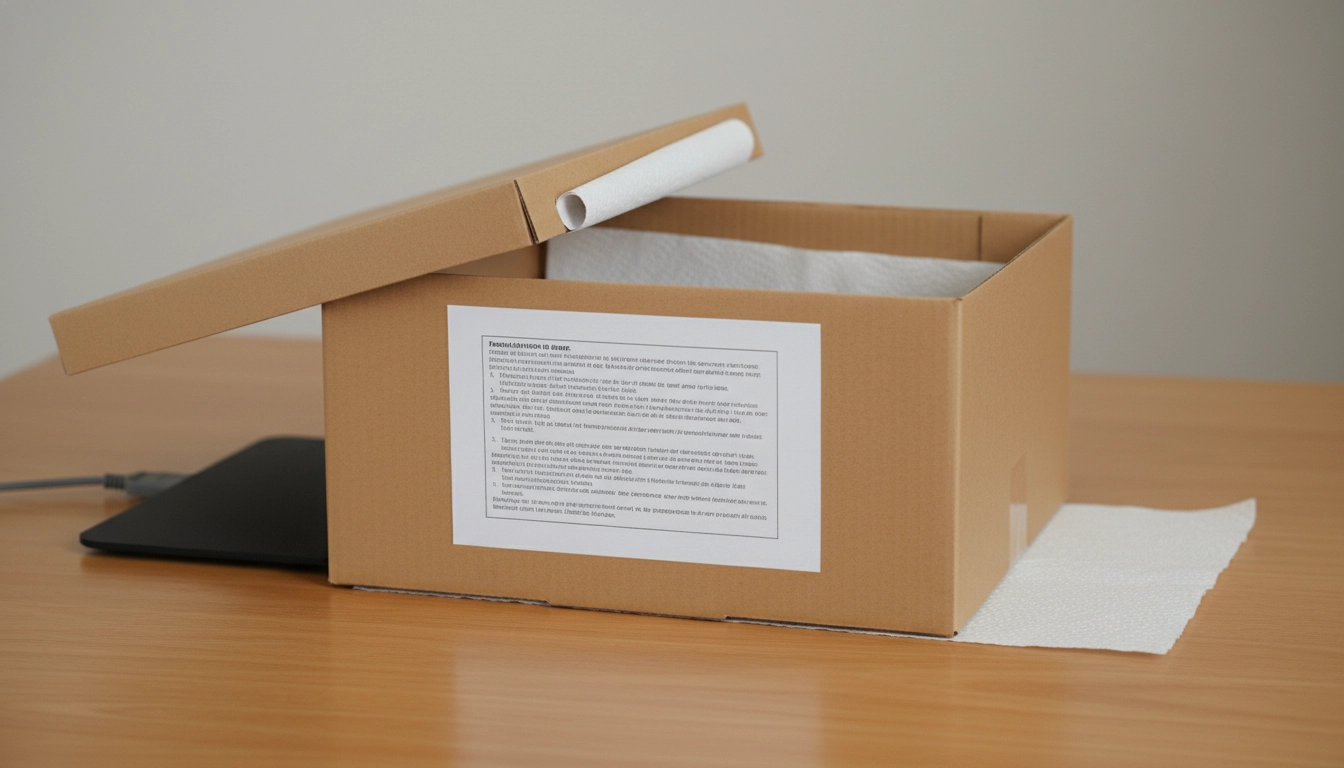
Cardboard. Not wire. I will say it until I am blue in the face. Wire cages are feather-shredders. A bird in a cage will panic and thrash.
It hits the wire. It breaks its primary flight feathers. Those feathers take months to grow back. You might fix the wing but leave the bird flightless because you used the wrong container.
The box needs to be just big enough for the bird to sit comfortably but not so big it can fly around inside. For a small songbird, a shoe box is the Biological Mirror at its finest.
Lining the box is critical. Paper towels. Not those fancy towels with the loops. Why? Because bird claws—the hallux—will snag on those loops.
The bird panics, pulls, and snaps its own leg. I have seen it happen. It is gruesome and avoidable.
Choosing the right housing is the difference between a bird that can be released and one that is permanently grounded.
| Housing Type | Verdict | Reasoning |
|---|---|---|
| Cardboard Box | Recommended | Provides total darkness and protects feathers |
| Wire Bird Cage | Dangerous | Causes feather breakage and facial abrasions |
| Plastic Crate | Acceptable | Good if covered with a thick, dark towel |
| Glass Tank | Dangerous | Poor ventilation and causes overheating |
My Take
Feathers are a bird’s ‘engine.’ If you put them in a wire cage, they will shred that engine to pieces trying to get out.
- Punch the holes before the bird is inside. Do not stab the box while the bird is in it. Use common sense.
- Use a light cloth to scoop the bird up. Drop it over them so they cannot see the world.
- Tape the lid. A stunned bird can wake up in five minutes and become a feathered projectile in your living room.
- Put the box in the bathroom or a closet. Away from the dog.
Heat. This is the tricky part. If the bird is cold, it is dying. But if you cook it, it is also dying. A heating pad on low under half the box.
This is the thermal gradient. If the bird gets too hot, it can hop to the other side.
Do Not Feed or Give Water Immediately
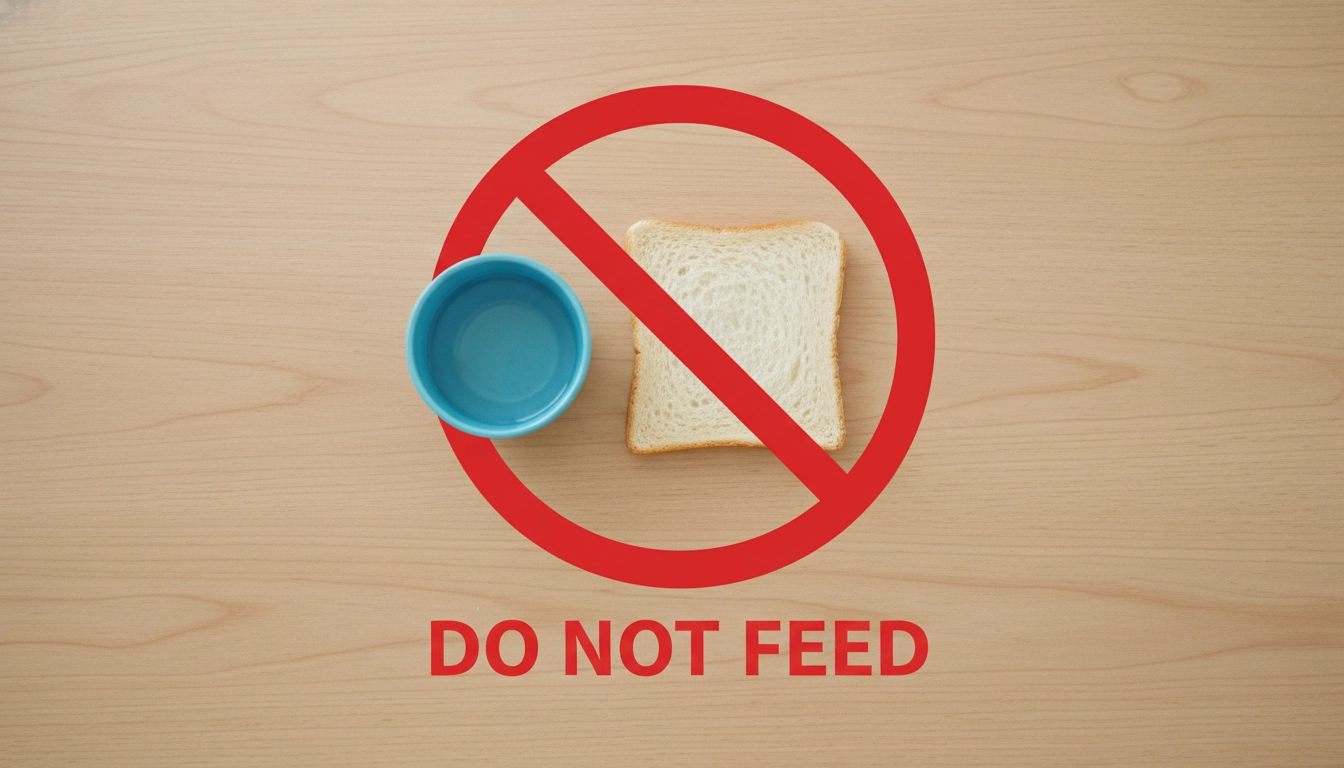
This is where everyone messes up. They want to give it strength. Listen: feeding an injured bird is often a death sentence.
When a body is in shock, the digestive system shuts down. The blood is at the heart and the brain. If you put food in the crop, it just sits there.
It ferments. It rots. The bird dies of sepsis or crop stasis while you are feeling good about yourself for giving it a cracker. And water? Never.
Birds do not drink like we do. They have a hole at the base of their tongue—the glottis. It goes straight to the lungs.
If you drop water into a bird’s mouth, you are not hydrating it. You are drowning it. It is called aspiration pneumonia, and it is a miserable way to go.
- No water in the beak. Ever.
- No bread. Bread is garbage. It is empty carbs that swell up and block the digestive tract.
- No milk. Birds are not mammals. They do not have the enzymes to process dairy. It is literally toxic to their gut.
If you have a hummingbird, that is different. They have a metabolism like a fighter jet. They burn through fuel in minutes. But even then, do not just guess. Call a rehabber.
Hydration Safety
A bird can survive for many hours without water, but it cannot survive water in its lungs. When in doubt, do not offer fluids.
Contact a Wildlife Rehabilitation Expert
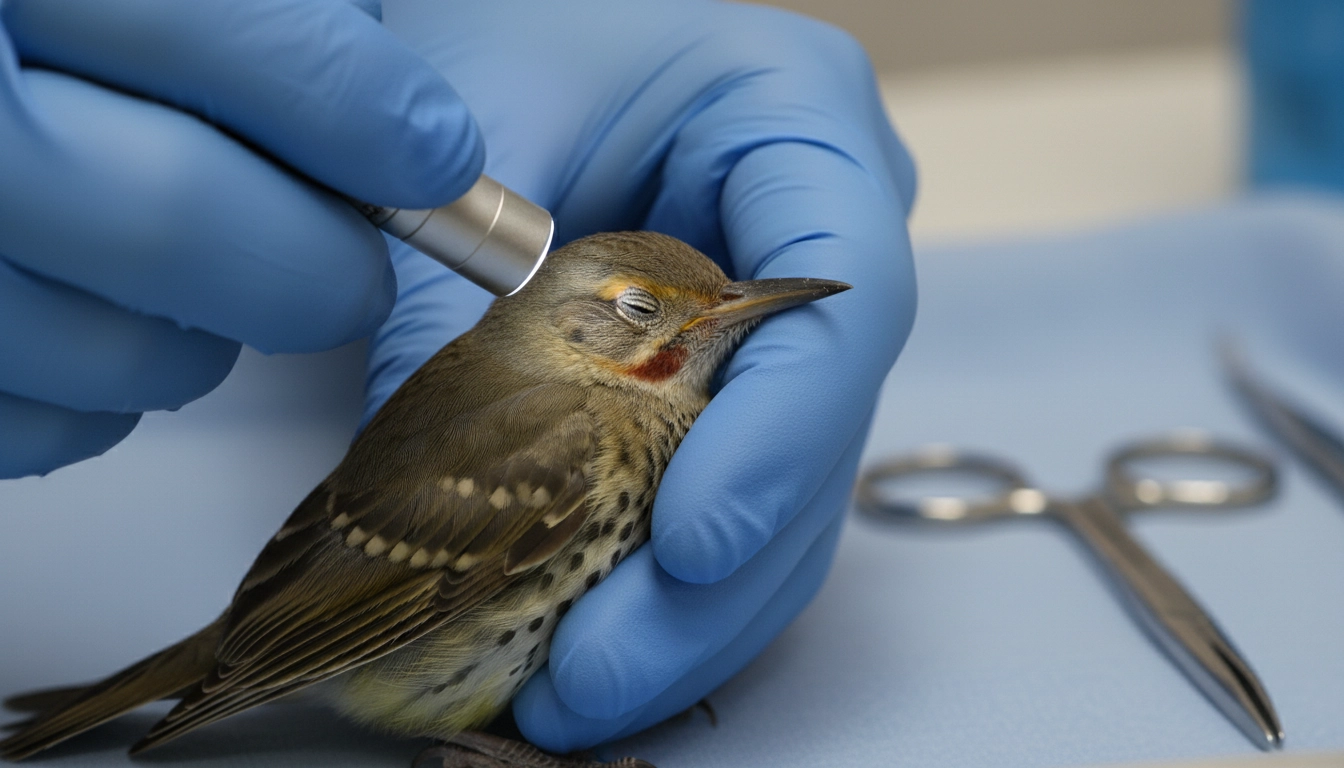
You are not the doctor. You are the ambulance. The most important thing you can do—the only thing that really matters—is finding someone with a license.
Why? Because they have the meds. They have the gavage tubes to feed them safely. They have the X-ray machines.
In most places, it is actually illegal to have that bird for more than 24 hours. The Migratory Bird Treaty Act does not care about your good intentions.
It cares about the bird. These laws exist because people try to keep owls as pets and the owls end up with metabolic bone disease because they were fed hamburger meat.
- Google wildlife rehab and your zip code.
- Call a local vet. They usually have a secret list of rehabbers who work out of their houses.
- Be precise. Tell them exactly where you found it. Preston Rd, near the big oak.
When you call, give them the forensic details. It is a dove. The right wing is drooping. It is alert but not flying. That helps them prioritize.
Transport the Bird Carefully
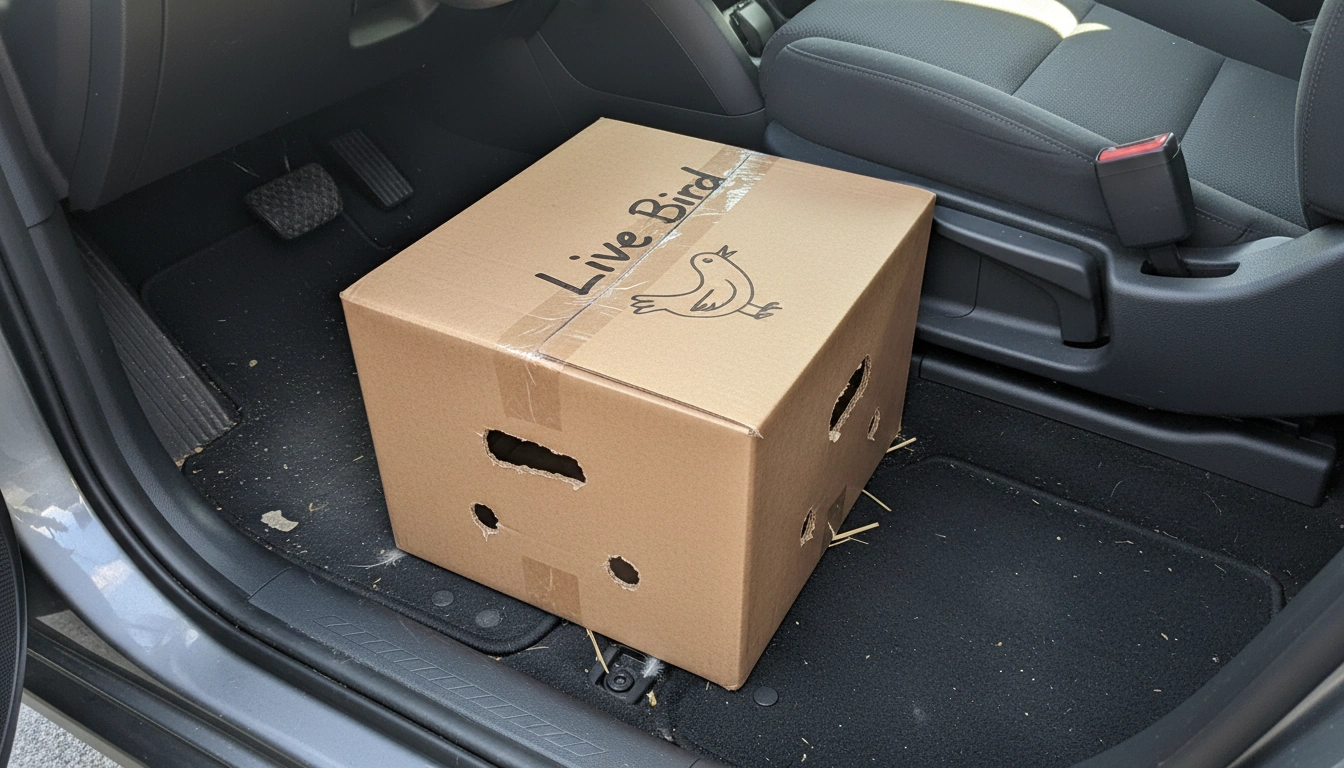
The car ride is the final hurdle. Turn off the radio. I do not care if you like the news or music. To the bird, that noise is just more predator vibration.
Keep the car quiet. Keep the AC at a reasonable level. Secure the box. Put it on the floorboards.
If you put it on the seat and slam on the brakes, that box becomes a catapult.
- Silence.
- Smooth turns.
- No checking on the bird.
I have had people open the box in the car to see how it is doing, and the bird flies out. Now you have a panicked hawk flapping around your head while you are doing 60 on the highway. Keep the lid shut.
Release Only If Fully Recovered
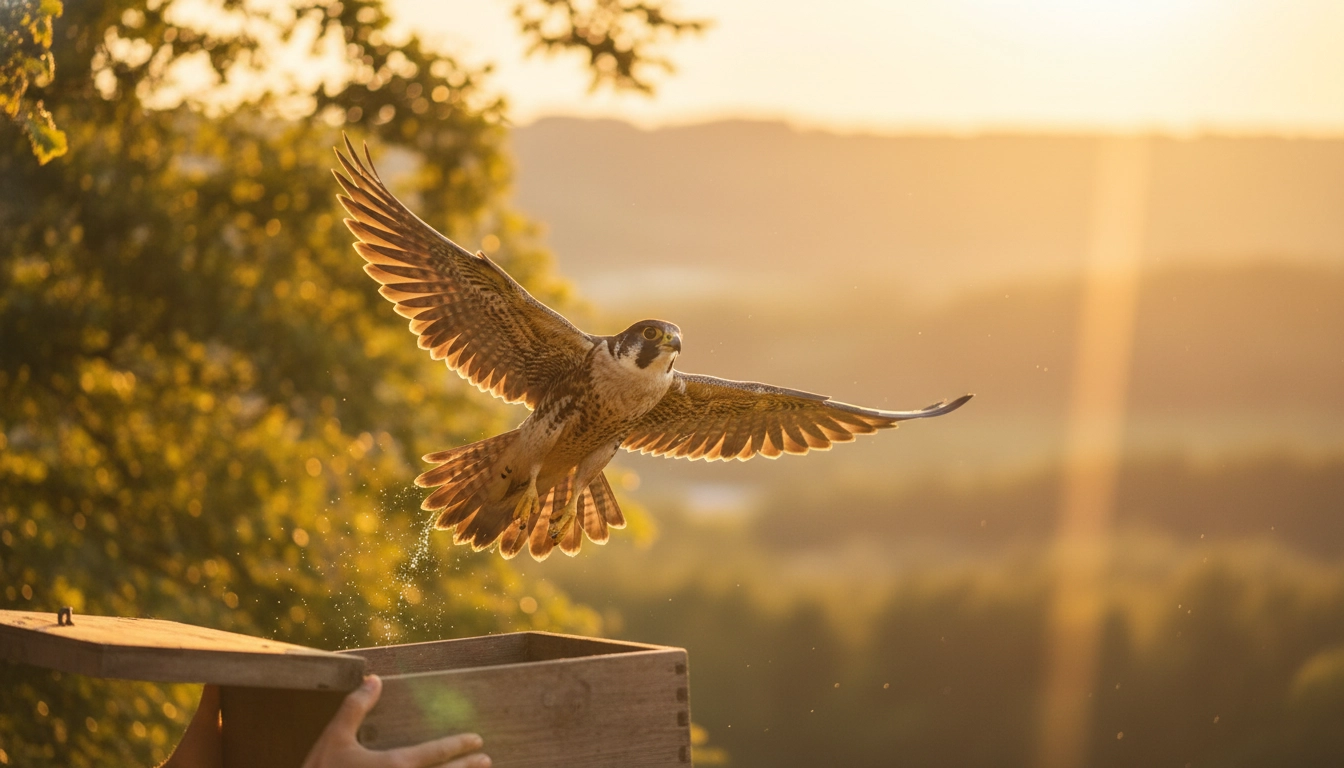
If it was just a window strike, the bird might wake up in an hour. But flying is not recovered.
If it flies and then hits a fence, it is not ready. If it flies and its tail is dragging, it is not ready.
- Take the box to a safe spot.
- Open it.
- Walk away.
If it does not leave the box in five minutes, it is not okay. If it flies ten feet and stops, it is not okay. Put it back in the box and call the professional.
A bird that cannot fly perfectly is just a snack for the neighborhood cat.
Conclusion
Knowing What is the best way to help an injured bird? is about discipline. It is about fighting your own urge to mother the animal.
Respect the Biological Mirror. Provide the darkness. Provide the silence. Get it to the experts.
You are the link in the chain that keeps that bird from becoming part of the 35 percent window strike statistic.
Be a good steward. Keep your hands off, keep the box dark, and let the specialists do the forensic work.