Humans are weirdly obsessed with magic numbers. They want a single digit that tells them they have done enough so they can go back to scrolling on their screens while I am trying to get some peace.
If you are looking for the absolute bare minimum, you are already failing the quality control standards I set for this household. I was watching Wesley earlier—he is an associate of mine over on Bridge Road.
The poor guy was literally pacing the floor while his human was busy with some important email. It is pathetic. Dogs do not have a snooze button on their bladders.
Thinking that three times a day is some gold standard is like me thinking one single kibble is a full meal. Totally ridiculous.
My battery is at 4 percent but I have to say this because the dog’s pacing is ruining the vibration of my favorite sun-warmed velvet spot. You cannot just put a living thing on an 8-hour timer.
You cannot expect the rugs to stay dry. It just does not work like that and frankly it makes the house smell like failure.
The sound of claws clicking on the floor is the sound of a looming disaster. I was perched on the high shelf, the one with the good view of the street.
I was observing the total lack of composure from the resident canine. He looks at the door. He looks at the human. The human does nothing. It is a tragedy in three acts.
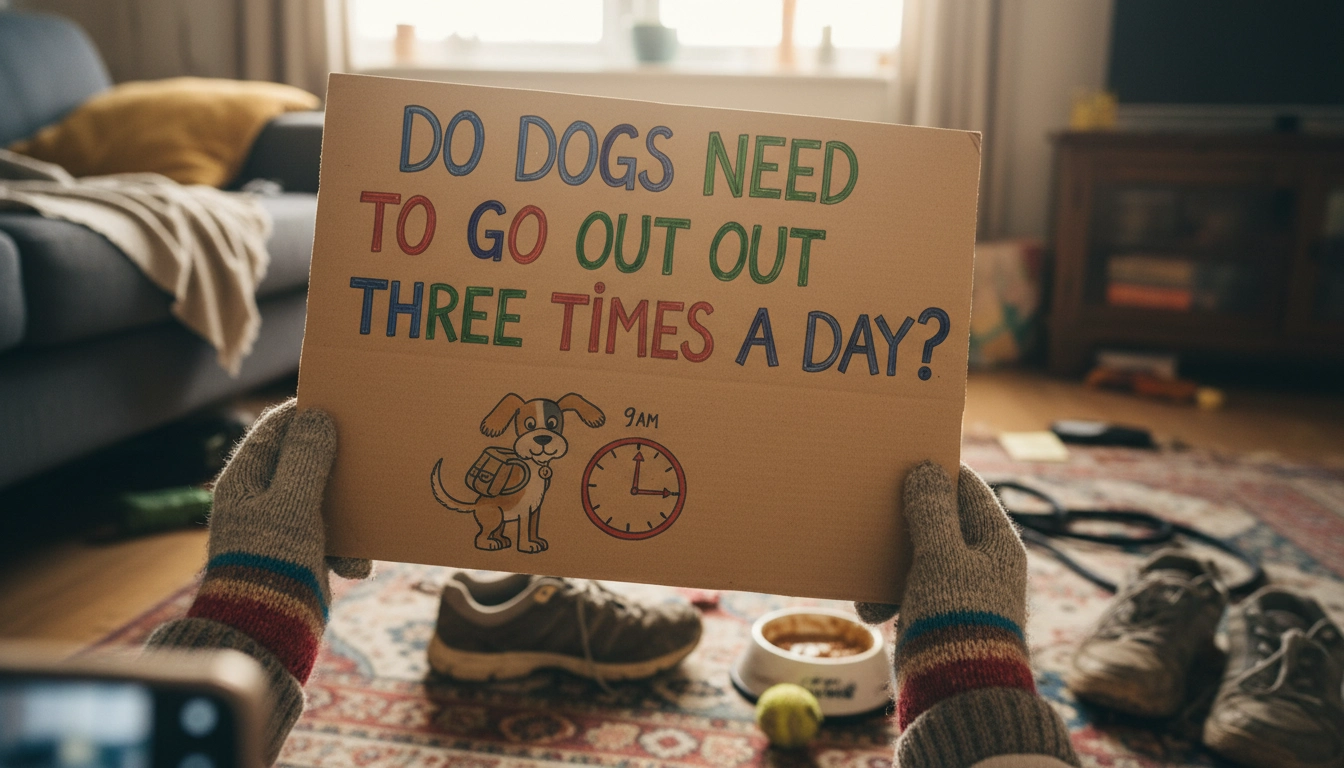
Many of my human staff members constantly ask, Do dogs need to go out three times a day? they want to balance their busy lives with the needs of a creature.
Dogs do not understand what a meeting is. From my view as a consultant who actually knows how to manage a schedule, the answer is way more complicated than just counting trips.
A cat manages things with dignity. We have the litter box. It is a system. The dog is a slave to your watch.
Quick Access
This guide explores whether ‘Do dogs need to go out three times a day?’ is an adequate standard for canine health and bathroom frequency.
Understanding the Basics of Canine Relief
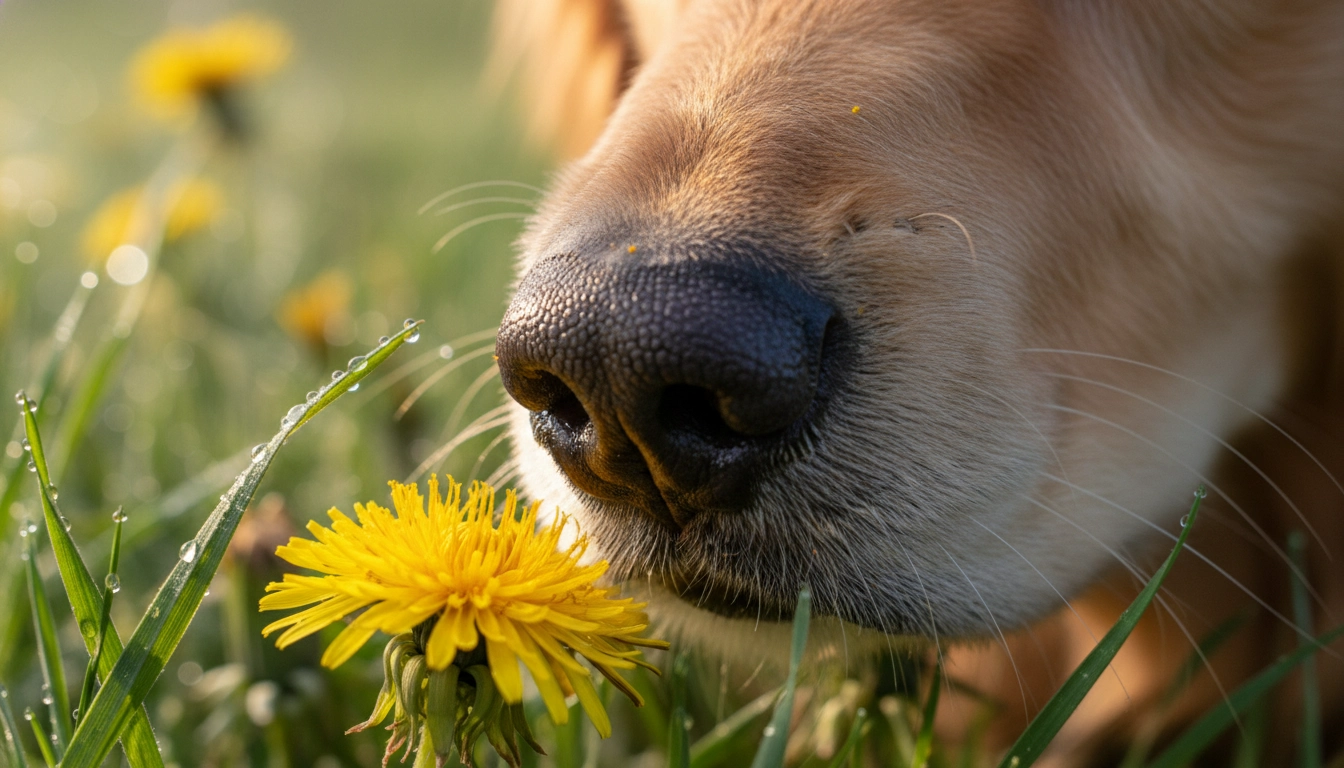
Before we even talk about numbers, we have to talk about what outside even means. Most humans think it is just a bathroom break. It is not.
For a dog, going outside is like reading the morning news, checking social media, and going to the gym all at once. They are not just emptying their bladders.
They are gathering data. They have to sniff everything. Every blade of grass and every fence post matters to them.
This scent-based communication is the only thing keeping them from losing their minds. It stops them from chewing on the legs of that antique chair I like to hide under.
A thirty-second dash to the curb is not a break. It is a tease. It is rude.
Dogs use scent marking to tell the other neighborhood dogs who was there and what they ate. It takes time and movement.
If you rush them, you are basically cutting off their internet mid-sentence. It leads to anxiety.
An anxious dog is a loud dog, and a loud dog ruins my afternoon nap. Also, the biological reality is that every dog is different, and the 3-3-3 Rule for Dogs proves it.
A huge dog might have a bladder like a water tank, but that does not mean they want to sit around with it full for ten hours. It is uncomfortable.
It is bad management. If you want a harmonious home, you have to provide more than just the bare minimum of maintenance.
Humans think going outside is simple, but I have observed a distinct difference between a quick dash and a real outing.
| Activity | Human Perception | Canine Reality |
|---|---|---|
| Sniffing | Wasting time | Reading the neighborhood news |
| Pacing | Being annoying | Searching for the perfect spot |
| Marking | Messy habit | Leaving a social media status update |
My Take
Stop rushing the process because your impatience is literally cutting off their only source of entertainment and social connection.
The Scent Connection
Dogs have up to 300 million olfactory receptors in their noses, compared to only six million in humans. Every trip outside is an opportunity for them to ‘read’ the environment.
Do Dogs Need to Go Out Three Times a Day?
When people ask this, they are usually looking for permission to be lazy, which is one of the 10 Common Mistakes Dog Owners Make. Is three times enough? No. Not really.
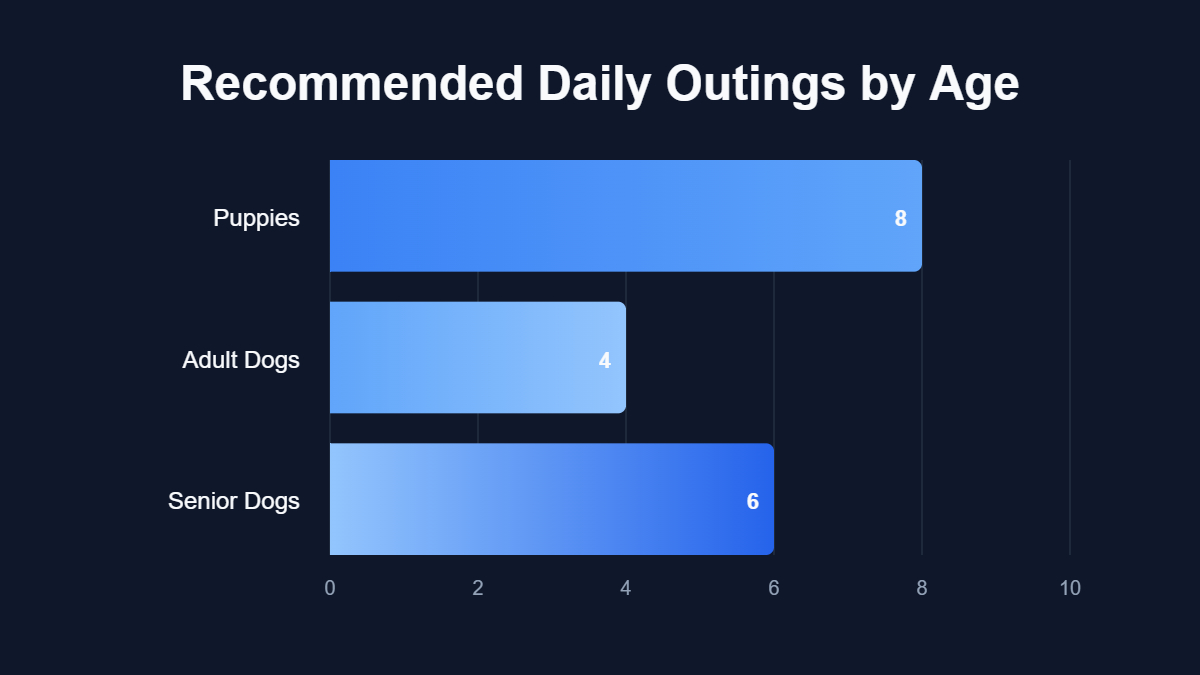
For a healthy adult dog, three trips is the survival floor. It is the point where they probably won’t explode, but they certainly are not happy.
If you only let a dog out three times, they are likely holding it for eight to twelve hours. Think about that next time you are sitting on the sofa with a giant glass of water.
It is unpleasant. It is borderline cruel. Most experts—and by experts, I mean me and the other felines—agree that four to five trips is the real requirement.
This higher frequency keeps the pressure on the bladder low. It prevents those long-term health issues that end up costing you more money anyway.
A dog that only goes out three times is a dog that is one loud noise away from making a spill on the expensive hardwood. And I am the one who has to smell it.
I do not care how busy the office is. If the dog is staring at the handle, you failed. Five times a day is the standard.
That is the number that keeps the floors clean and the dog from acting like a frantic mess when the Red Dot comes out later. It is about quality of life.
I see humans trying to do the bare minimum, so I have mapped out what actually happens versus what should happen.
My Take
The survival floor is not a goal and hitting the target frequency prevents your house from smelling like a swamp.
Is Three Walks a Day Enough for a Dog?
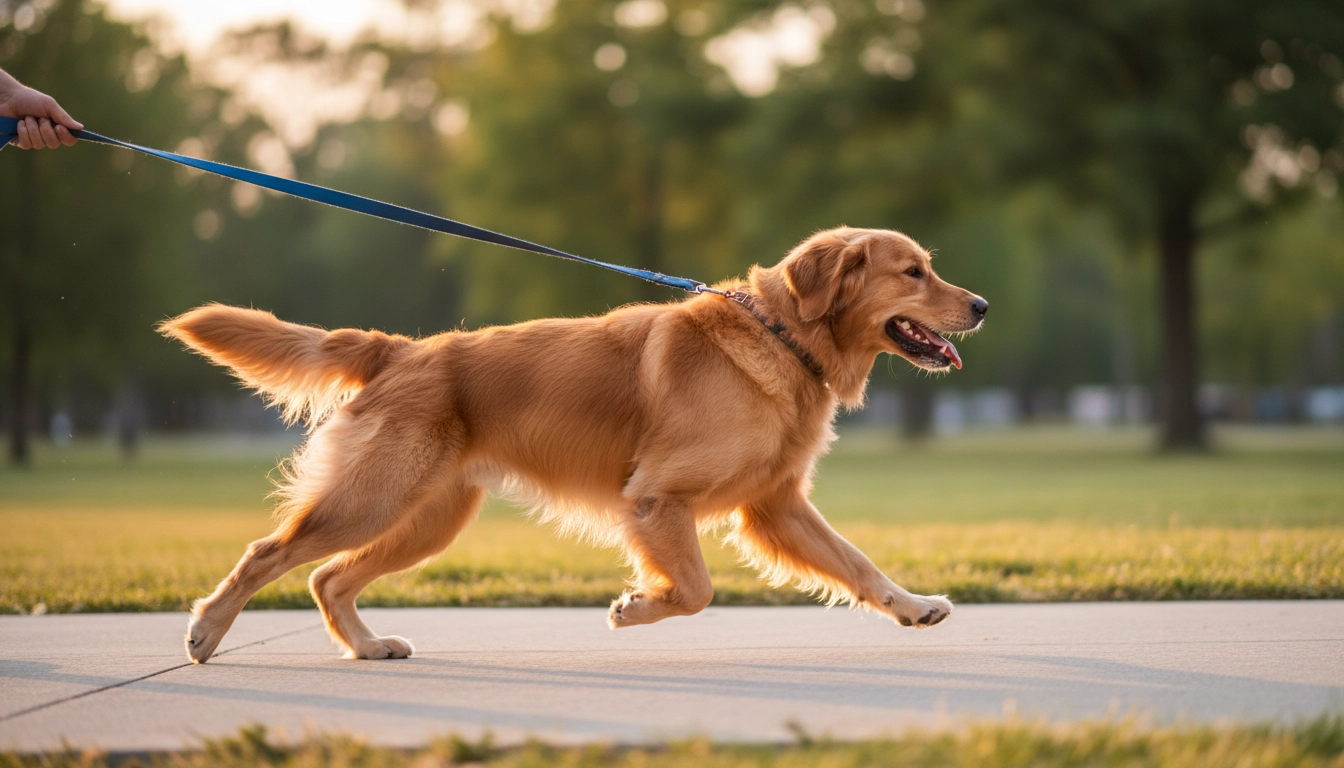
There is a huge difference between going out and going for a walk. Humans confuse this all the time.
An outing is a quick trip to the grass. A walk is actual effort.
If your three daily trips are just five-minute loops around the driveway, the answer is a hard no. A dog with too much energy is a pest.
They start pacing. They start looking for trouble. They might even try to chase the Red Dot with a level of aggression that is frankly embarrassing to watch.
I have grace. They have enthusiasm. Three walks can only work if one of them is actually long.
Like, thirty minutes of real movement. High-energy breeds need more. They need to run until their tongues hang out.
Otherwise, they become a ticking time bomb of boredom. And do not get me started on the mental side.
If they do not get to sniff new things, their brains turn to mush. Then they start bark-shouting at the mail carrier—knowing how to stop a dog from barking is mostly about preventing boredom—which wakes me up.
It is a domino effect of bad choices. Physical exertion is mandatory for canine stability.
A walk is not just a walk, and different breeds have different ways of ruining my peace if they are not tired out properly.
| Energy Level | Breed Example | Daily Walk Requirement | Consequence of Failure |
|---|---|---|---|
| Low | Basset Hound | One short stroll | Extra snoring |
| Medium | Golden Retriever | Two moderate walks | Pacing and staring |
| High | Border Collie | Three intense sessions | Total household destruction |
My Take
If you have a high-energy dog, you are basically living with a furry tornado unless you put in the daily work.
Quality Over Quantity
One long, thirty-minute walk filled with sniffing and exploration is often more beneficial than three five-minute dashes to the curb.
Factors That Affect a Dog’s Bathroom Needs
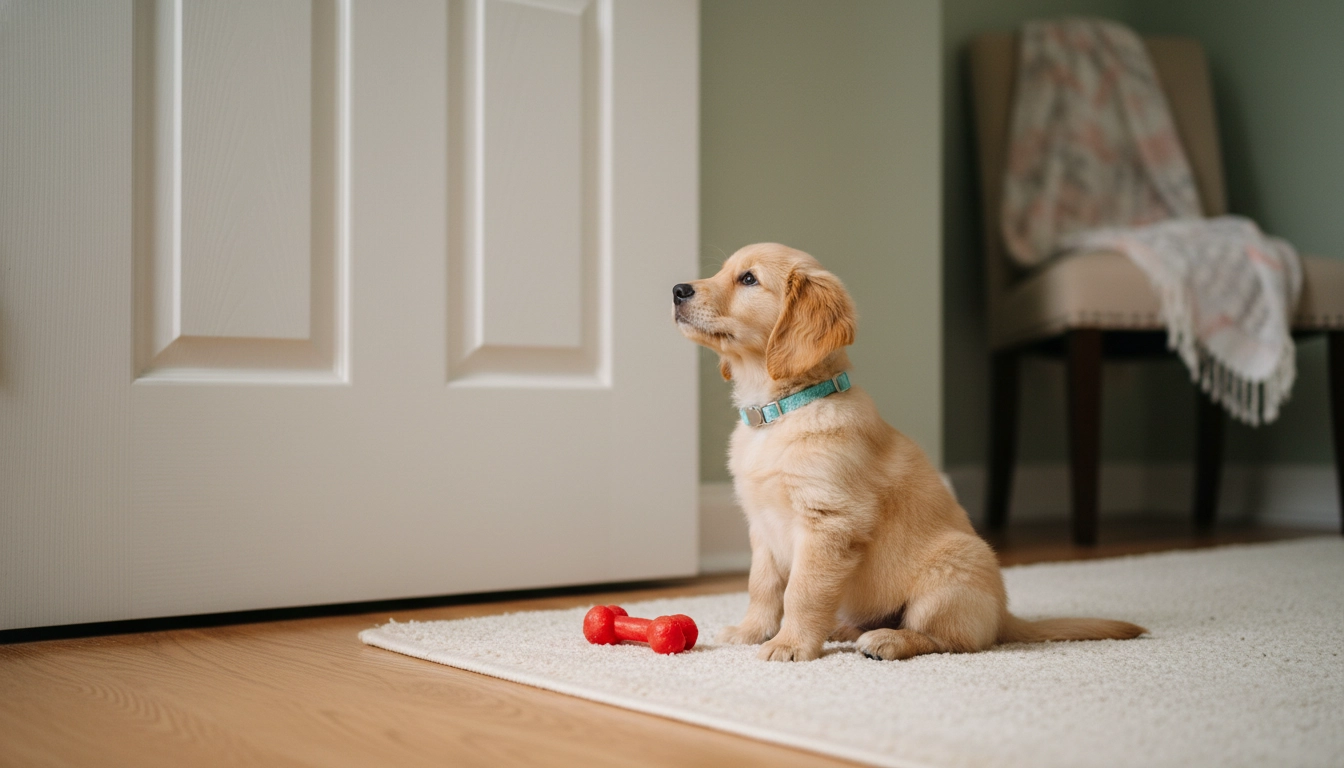
Not all dogs are built the same. Some are just high maintenance. Age is the biggest thing.
You cannot treat a puppy like an adult. You cannot treat a senior like they still have the muscular control of a two-year-old.
The Impact of Age on Frequency
Puppies are a nightmare for scheduling, and understanding How to Train a Puppy at Home is the only way to survive. Their bladders are the size of a grape. They need to go out every two hours.
Maybe more. If they sleep, they wake up and need to go. If they eat, they need to go.
If they look at you funny, they probably need to go. Then you have the seniors. They get incontinence.
Their joints hurt, so the walk to the door is a struggle. You have to be patient. You have to be attentive.
As they get older, the schedule has to get more flexible, not more rigid.
Age changes everything, and I have noted that the younger and older ones are the most likely to cause a scene.
| Life Stage | Holding Capacity | Frequency Needed |
|---|---|---|
| Puppy | One to two hours | Constant vigilance |
| Adult | Six to eight hours | Four to five times daily |
| Senior | Four to six hours | Frequent check-ins |
My Take
Do not expect a puppy or a senior to follow your rigid corporate schedule because biology does not care about your meetings.
Size and Physical Capacity
Size matters. It is just physics. A tiny dog has a tiny tank. They process everything faster.
My associate Wesley, for example—he is not a big guy. He cannot wait as long as a giant hound.
A Great Dane has the internal volume to wait a bit longer, but that does not mean they should. Size should not be a reason to ignore the daily routine.
It is just a factor in how much of an emergency it becomes when you are late.
Diet and Hydration Levels
What goes in must come out. If you feed them salty treats, they drink more. If they drink more, well, you do the math.
Wet food vs dry food also changes things. If the dog just finished a frantic session of chasing the Red Dot and drank an entire bowl of water, you better be ready to move.
Humans need to watch the input and output and choose healthy pet food. It is not rocket science, but sometimes the staff acts like it is.
Medical Alerts
A sudden increase in the frequency of your dog’s need to go out can be a sign of a urinary tract infection. Consult a professional if the routine changes.
Signs Your Dog Needs More Frequent Outdoor Time
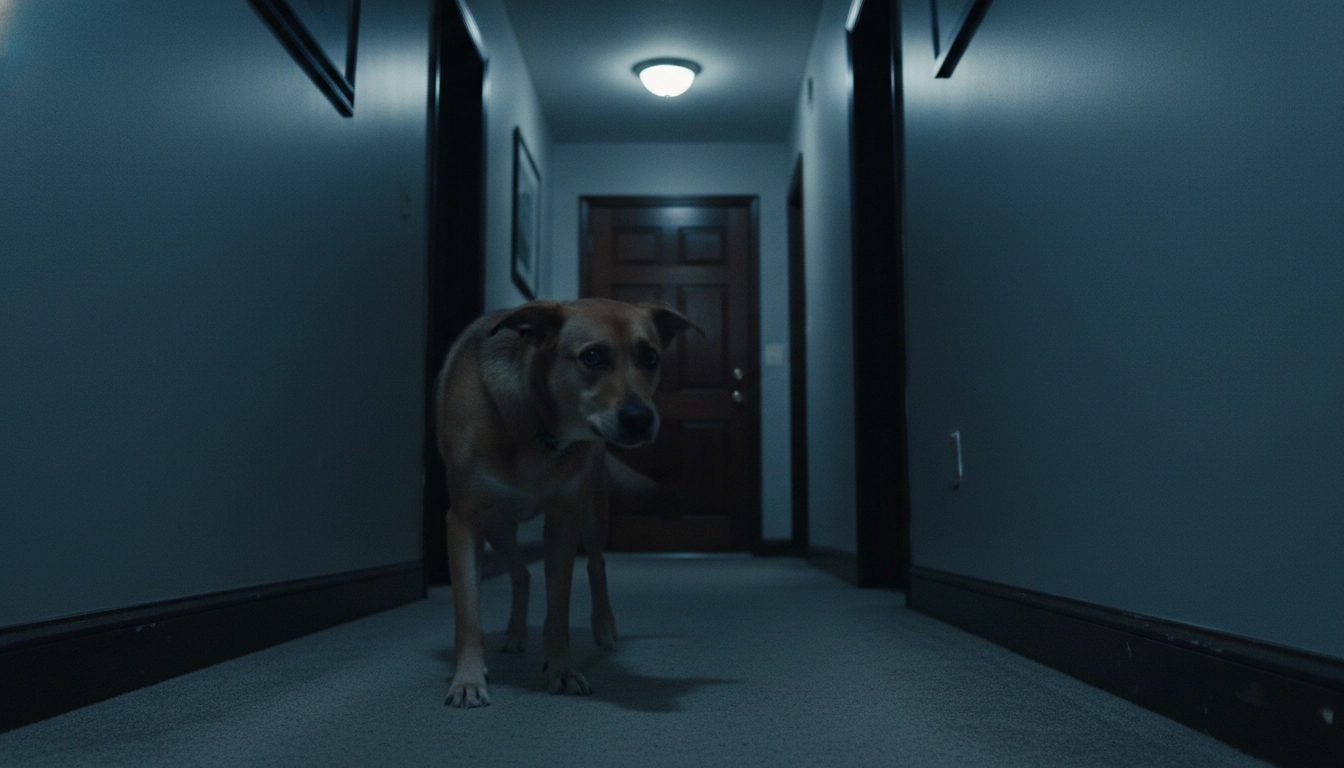
They try to tell you. They really do. But humans are dense.
Pacing near the door is the big one. If the dog is walking in circles near the exit, they are not just practicing their footwork.
They are desperate. Sometimes they just stare. They stare at the handle. They stare at you.
They whine that low, pathetic sound that cuts through my sleep. That is a signal. Move.
Excessive licking can also be a sign of discomfort. Or they might just start acting destructive.
If the dog is chewing on your shoes, maybe it is because they are bored and their bladder feels like a balloon.
And the mysterious dampness is a major red flag. If you find a wet spot on the rug, do not blame the cat.
We are clean. That is a sign that your three times a day plan is a total failure.
You need to adjust the frequency before the house becomes a biohazard.
Dogs are not subtle, yet humans still manage to miss the obvious cues that a disaster is imminent.
| Signal | What It Actually Means | Urgency Level |
|---|---|---|
| Door Staring | I need to go right now | High |
| Whining | I am losing my dignity | Critical |
| Pacing | The rug is in danger | Immediate |
My Take
If you see the pacing, stop typing and start moving because a wet rug is a failure on your part, not theirs.
The Importance of an Established Routine
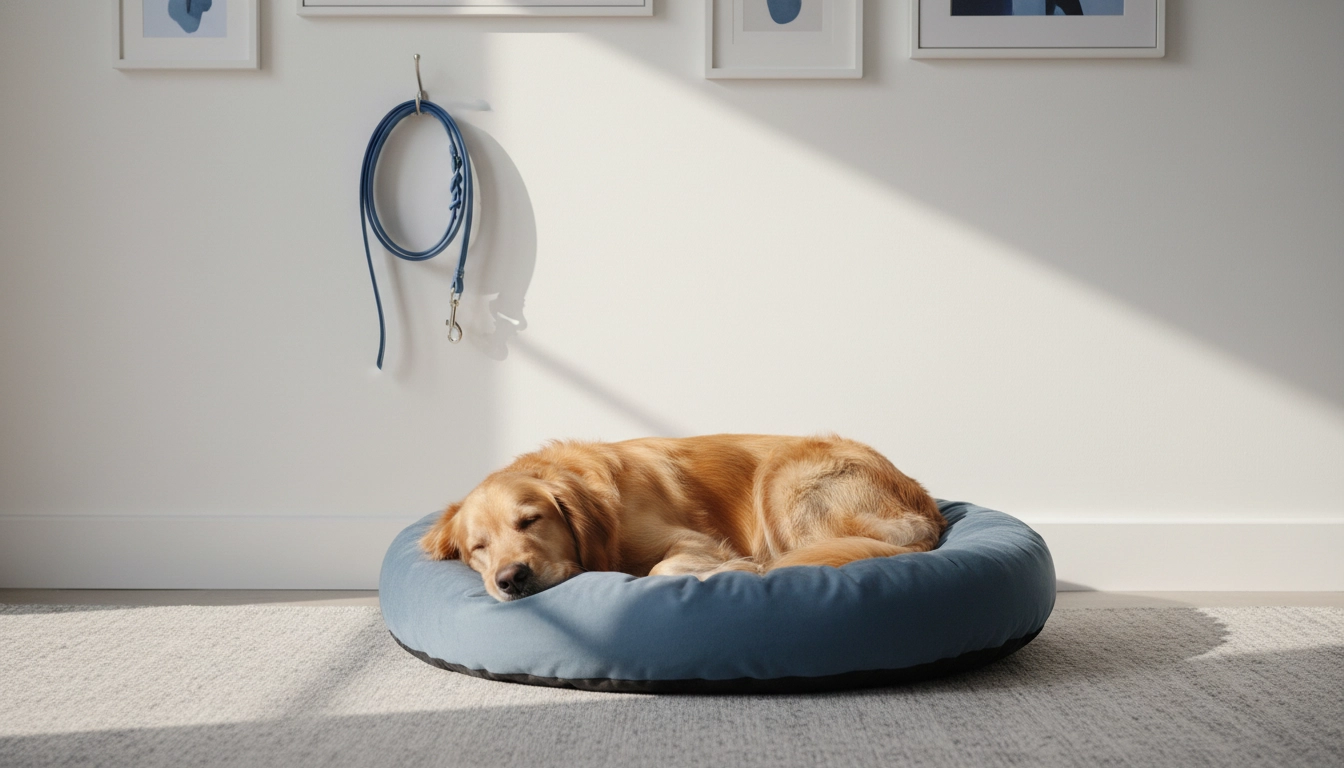
Dogs love a schedule. It makes them feel safe.
When they know that the walk happens at 7 AM, 12 PM, 4 PM, and 9 PM, they can relax. They do not have to pace because they trust the system.
Consistency is everything; it is the Golden Rule for Dogs. If you change it because it is the weekend, you confuse them.
Accidental lapses in training usually happen because the human decided to sleep in. My nap schedule is sacred; their walk schedule should be too.
If you cannot be there, get help. Hire a professional walker.
Do not make the dog suffer because you have a life. Maintaining the sanctuary of the home requires everyone to play their part.
A schedule is the only thing keeping this household from descending into absolute chaos.
My Take
Consistency creates a calm dog, which in turn creates a quiet environment for my very important nap sessions.
Conclusion
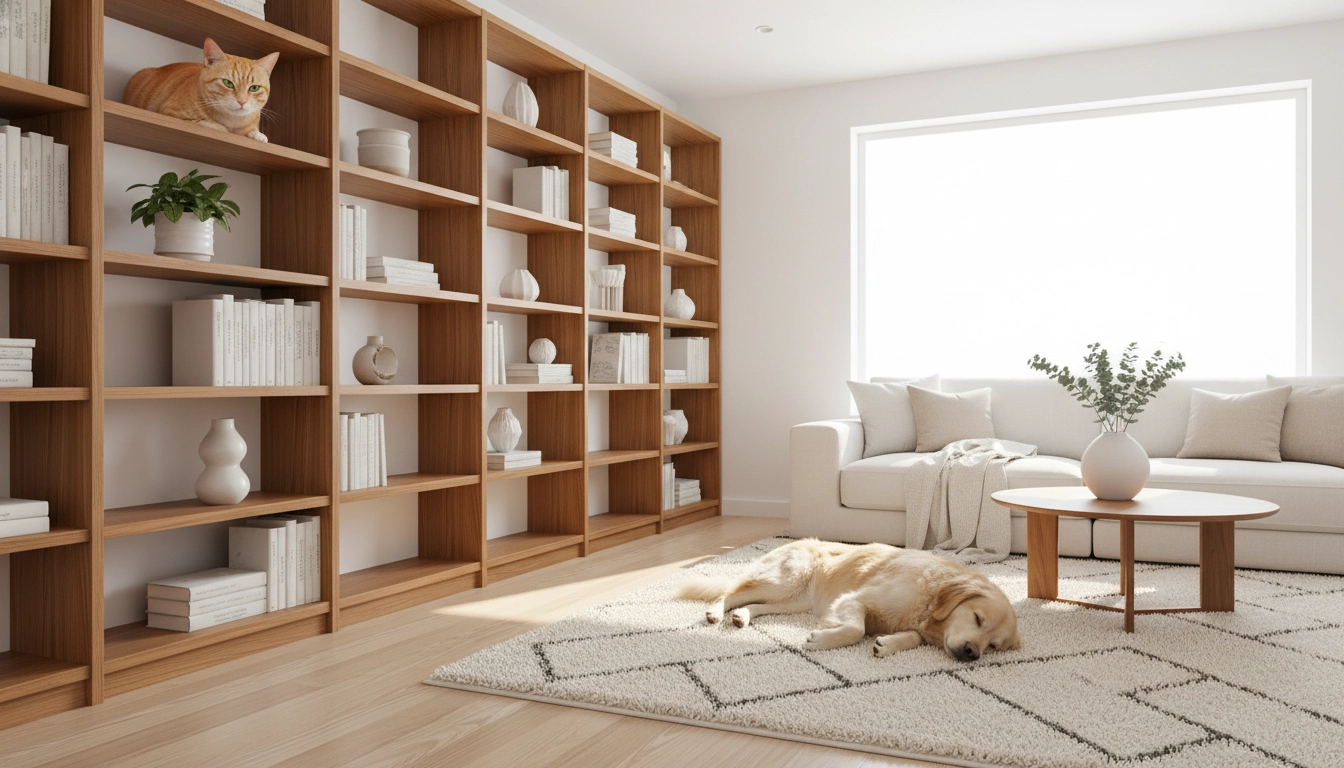
So, Do dogs need to go out three times a day? The answer is that three is the bare minimum for a dog that is basically just surviving.
If you want a dog that is actually happy and a house that does not smell, aim for four or five. Each dog is a little different.
Wesley needs more trips than some big dog on Bridge Road. Watch them. Listen to the behavioral cues.
Do not be the human who waits for a puddle to realize there is a problem. A happy dog is a quiet dog.
A quiet dog does not disturb my quality nap time. That is the ultimate goal here.
Keep the routine. Keep the floors clean. And for the love of everything, do not forget the Red Dot session later.
Adjusting your life for the dog is just part of the deal. If you cannot handle five trips, maybe you should have gotten a fish.
Or better yet, just accepted your role as staff for a superior feline who manages their own business. If you want to succeed, you should look into Mastering Cat Care. Do not settle for the minimum.
Quality of life is not just a phrase; it is a requirement. Now, if you will excuse me, the sun has moved to the other rug and I have an appointment with a nap.