
Look im typing this fast cause i just left a house that smelled like a literal swamp and honestly its getting old.
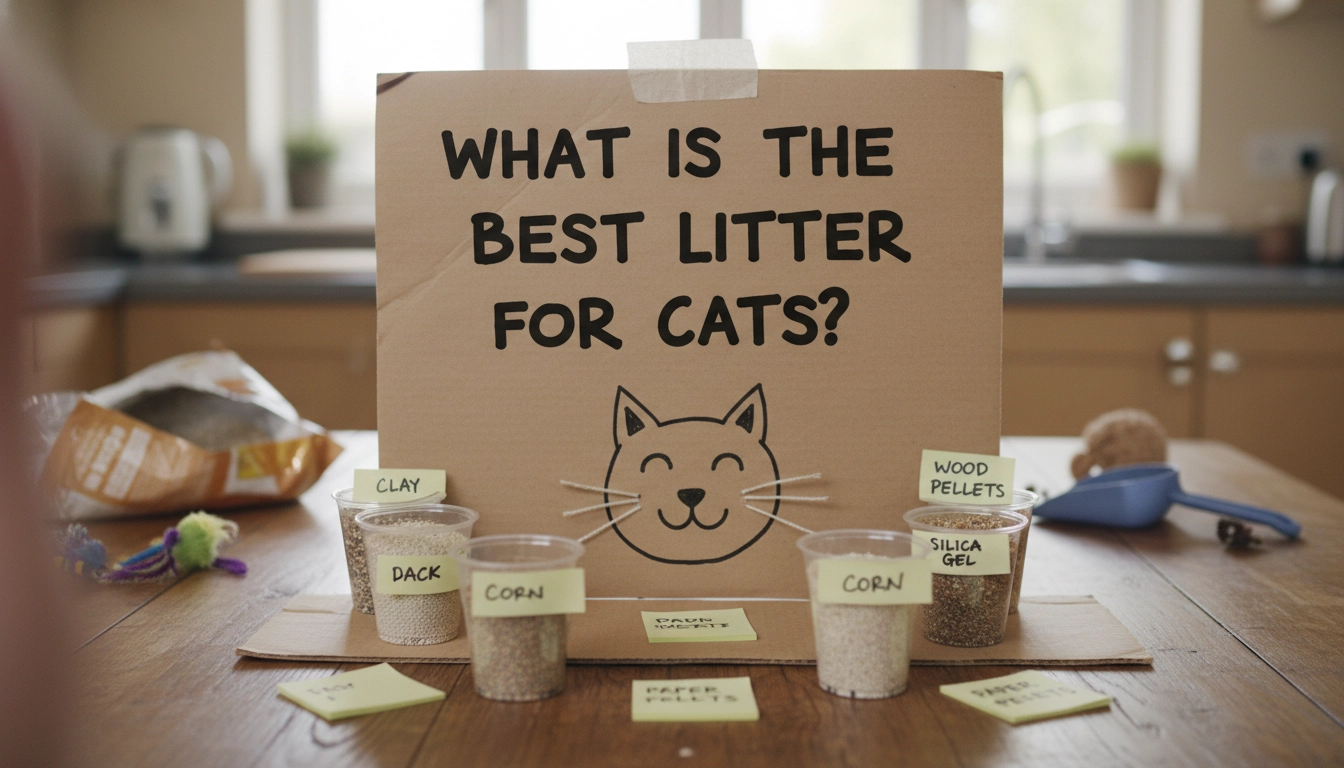
People always ask what is the best litter for cats but they dont really want to hear the truth which is that your cat is probably judging your choices.
My buddy Ron over on Dane St was having this exact issue with his tabby and it was driving him up the wall.
You gotta understand that cats are picky. Like really picky.
If the box feels like walking on glass they just wont go and then you’re cleaning the rug again.
It’s about that balanced bond between you and the animal.
If they’re happy you’re happy. But it takes work.
Patience is everything here. Don’t expect a miracle overnight.
Just try to listen to what the cat is telling you with its feet.
Quick Access
The best litter for cats is generally a high-quality clumping clay for ease of use or silica crystals for maximum odor control. Natural options like corn or pine are ideal for eco-conscious owners. Always choose unscented varieties to ensure feline comfort.
Understanding the Basics of Cat Litter
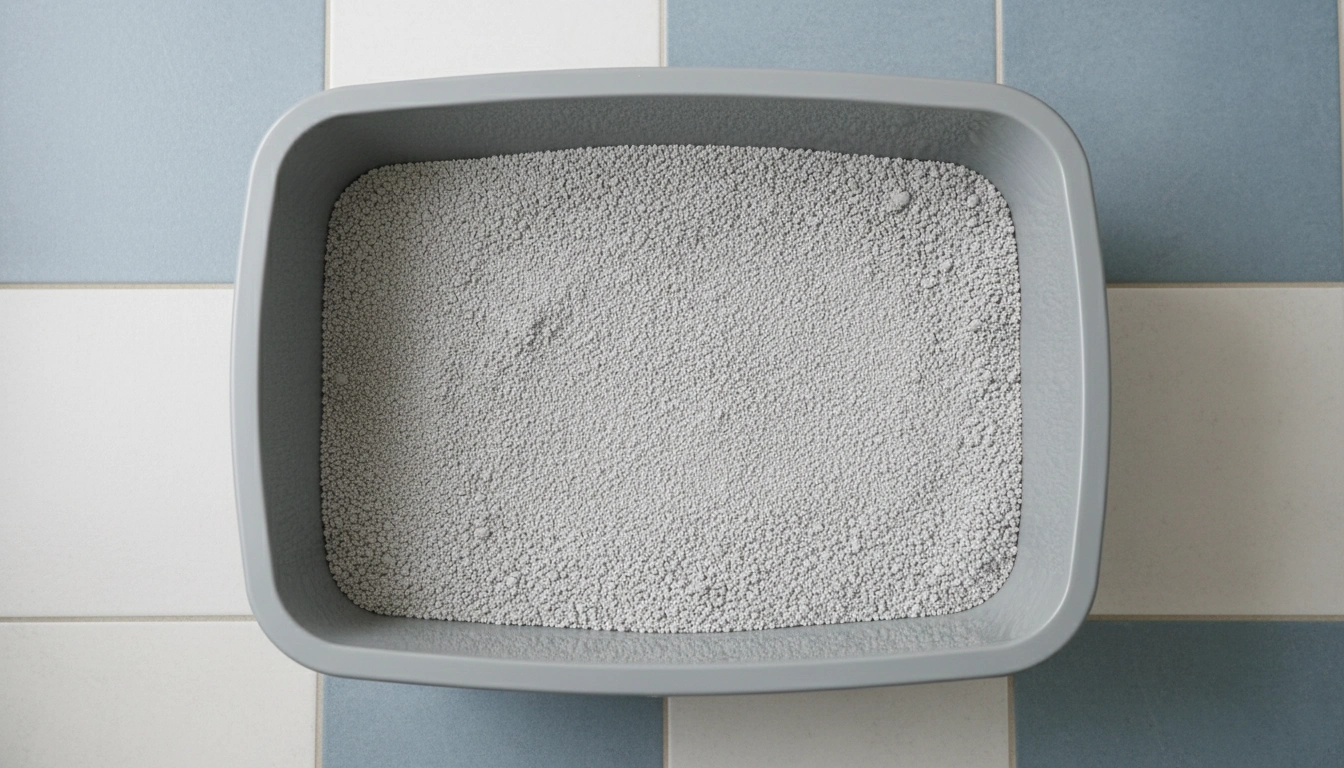
If we go back in time, like way back, people just used whatever was lying around outside.
Sand. Dirt. Sometimes even wood ashes from the fireplace.
It was a mess.
None of that stuff really soaked up the ammonia smell that makes your eyes water when you walk into a room.
It was just a place for the cat to dig.
Things changed around the middle of the last century.
People figured out that certain kinds of clay could actually hold onto liquid.
This was huge.
It meant cats could live inside without the whole house smelling like a barn.
Today, these materials are basically high-tech dirt.
Some are made to turn into hard clumps so you can just scoop the bad stuff out.
Others use fancy crystals that soak up the pee and let the water part evaporate away.
It’s science, but for a bathroom box.
The whole point of this stuff is to give your cat a spot that feels safe.
They have this deep instinct to bury their business so predators can’t find them.
Even if they live in a fancy apartment, that brain wiring is still there.
If the litter doesn’t let them bury it right, they get stressed.
Types of Cat Litter
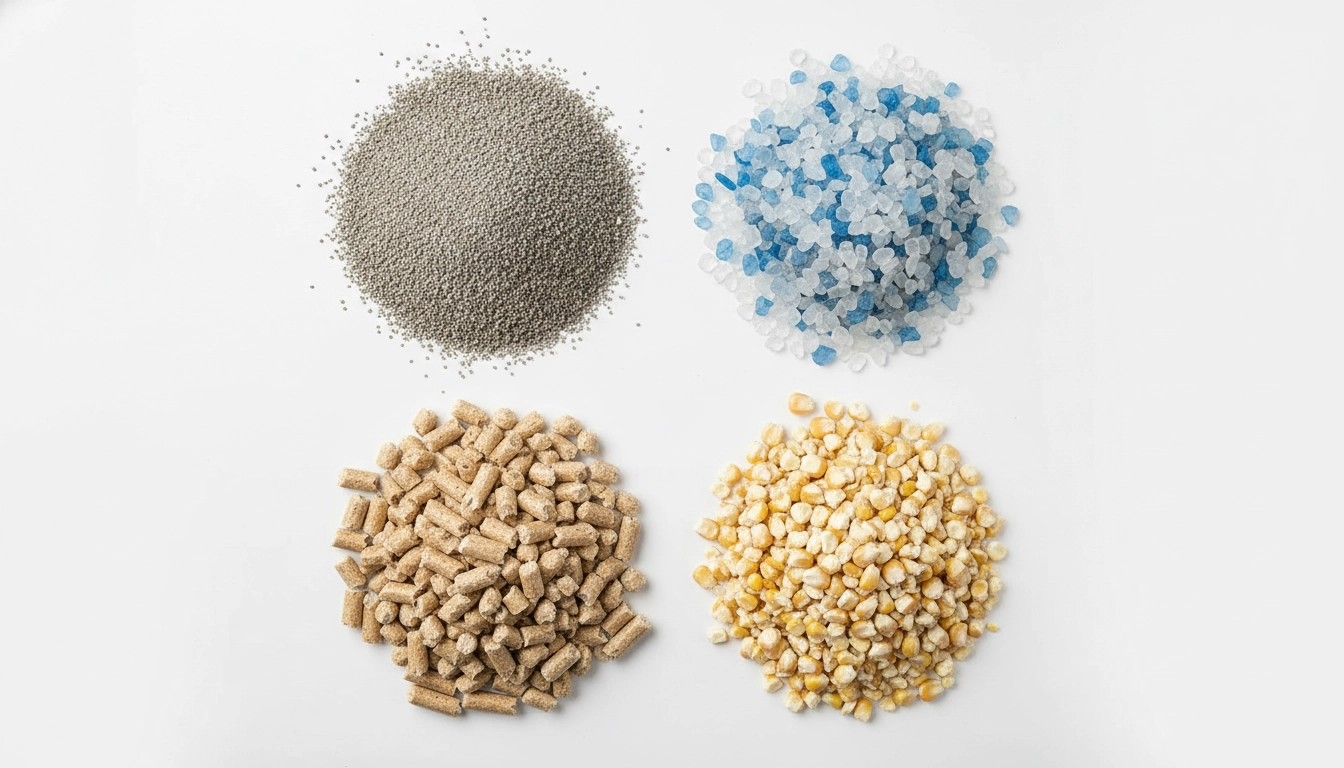
Walk down the pet aisle and you’ll see about fifty different bags.
It’s enough to give anyone a headache.
Clay is still the king of the mountain because it’s cheap and it works.
But there are so many other options now.
You’ve got silica gel which looks like clear beads.
Then there are the natural ones made of corn or wheat or even recycled newspapers.
Each one has a different job.
Some are great at stopping smells.
Others are made so they don’t get stuck in the cat’s fur and track all over your nice clean bed.
I went ahead and laid out the different materials so you can see how they stack up against each other.
| Litter Material | Main Benefit | Texture |
|---|---|---|
| Clay | High Clumping | Sandy |
| Silica | Odor Control | Glassy |
| Pine | Natural Scent | Pellets |
| Corn | Biodegradable | Soft Grain |
My Take
Most cats prefer the feel of clay because it mimics the sand they would use in the wild. If you switch to pellets, do it slowly so their paws can adjust.
Most people stick with clay because it’s familiar.
It’s usually made from sodium bentonite.
That is just a fancy name for a mineral that grows when it gets wet.
When the cat goes to the bathroom, the clay grabs the liquid and grows into a ball.
These balls are what we call clumps.
They make it so you don’t have to dump the whole box every single day.
It saves money, but the bags are heavy.
I mean really heavy.
Plus, clay can be pretty dusty.
If you see a cloud of white smoke when you pour it, that’s the stuff that ends up on your TV and in your lungs.
The History of Litter
Cat litter as we know it was invented in 1947 by Edward Lowe. He suggested using absorbent clay instead of ashes to a neighbor. This discovery revolutionized indoor pet care and allowed cats to become popular household companions.
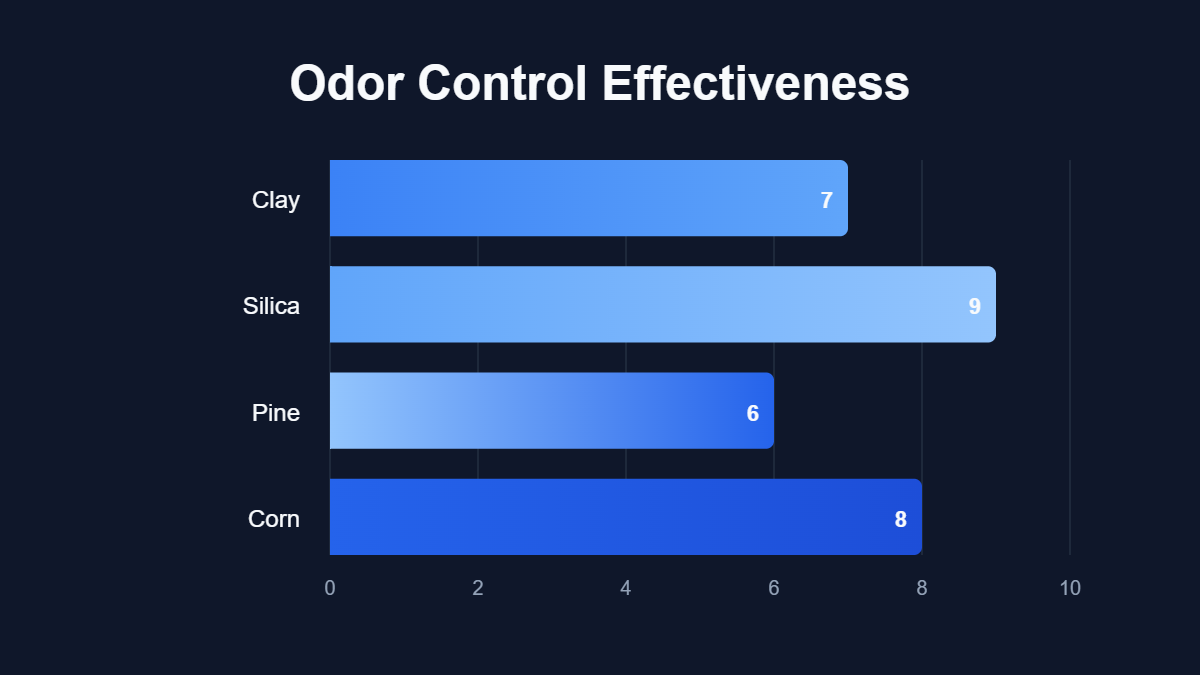
I took a look at how well these different types actually handle the stink in the house.
My Take
Silica is the clear winner for smell, but remember that some cats hate the crunching sound it makes when they step on it.
Clumping vs Non-Clumping Litter
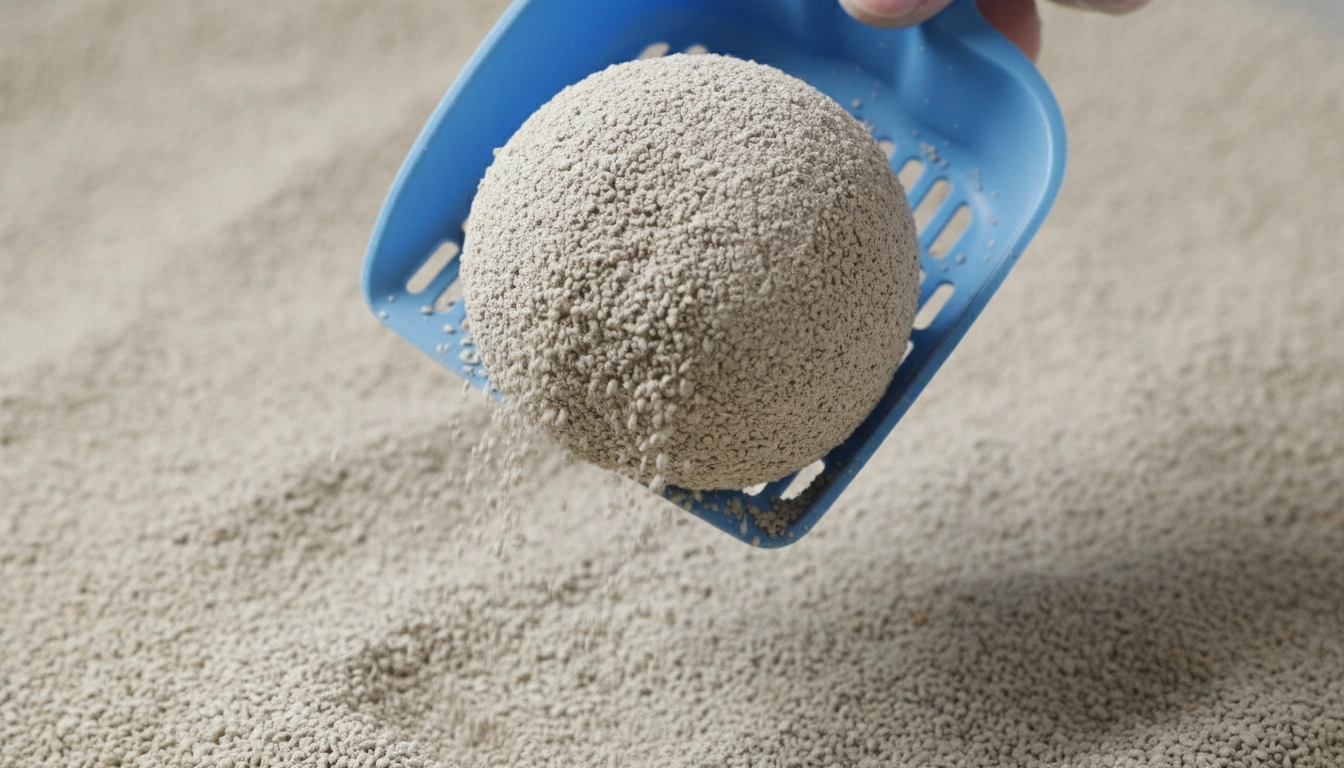
This is the big choice.
Clumping litter is what most people want because it’s easy.
You see a ball, you scoop it out, you’re done.
It keeps the rest of the box fresh for a lot longer.
You still need consistency with the scooping though.
If you leave those balls in there, the box gets crowded and gross.
Then you have non-clumping stuff.
This is usually bigger chunks of clay or paper.
It doesn’t make balls.
The pee just kind of sinks to the bottom.
After a few days, the whole box gets saturated and you have to dump the entire thing out and start over.
People get confused about the difference between these two, so here is the quick breakdown.
| Category | Cleaning Style | Best For |
|---|---|---|
| Clumping | Scoop daily | Adult cats |
| Non-clumping | Full dump weekly | Kittens |
My Take
Stick with non-clumping for kittens under four months old to avoid any stomach issues if they decide to have a snack.
Some folks think this is more hygienic because you’re starting fresh more often.
It’s also usually cheaper per bag.
But it can get heavy and messy if you wait one day too long to change it.
If you have a kitten, listen up.
This is important.
Small kittens sometimes try to eat their litter.
If they eat clumping clay, it can expand in their stomach and cause a blockage.
That is a trip to the vet you don’t want.
For the little guys, non-clumping paper or pine is way safer.
What is the Best Litter for Cats?
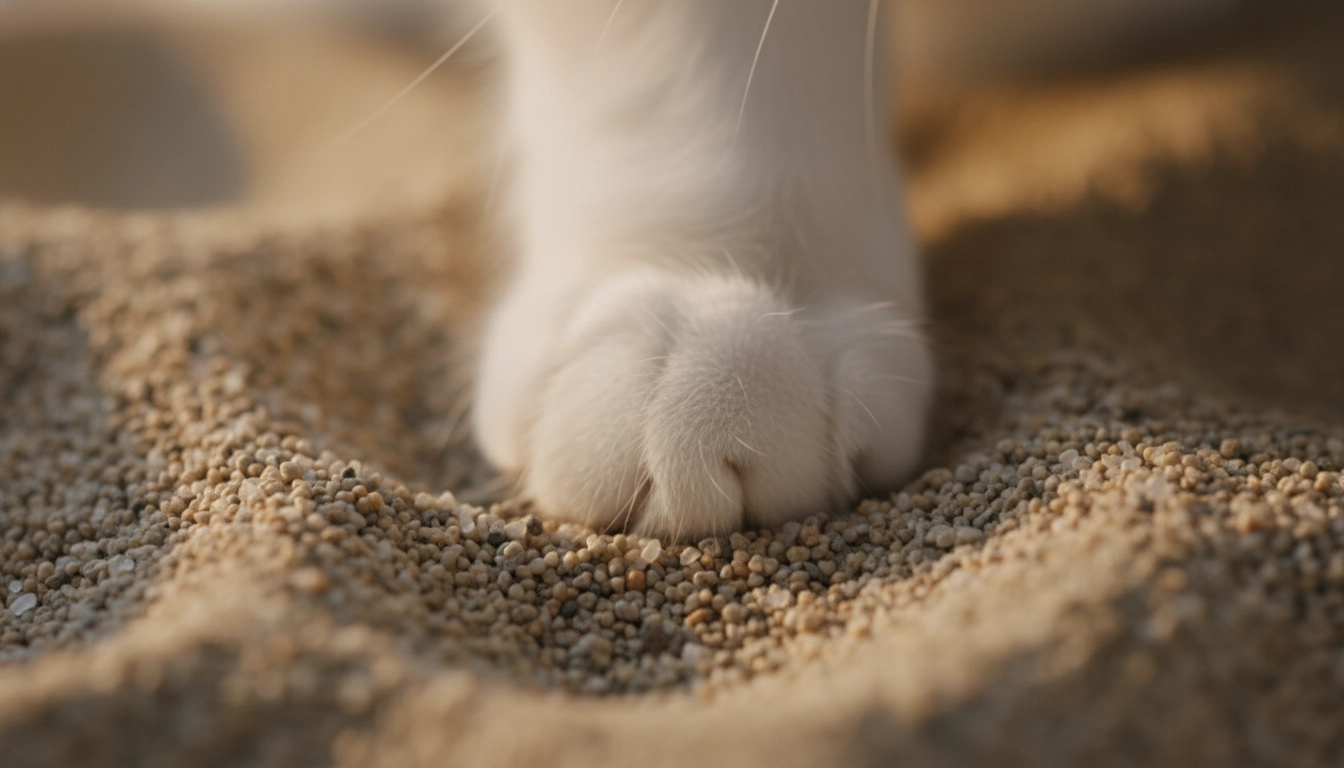
So, look, there isn’t one perfect answer.
It depends on your situation.
If your cat is healthy and doesn’t care about anything, unscented clumping clay is usually the winner.
It feels like real sand.
Cats love that stuff.
But if your cat is sneezing all the time, clay is a bad idea.
You need something dust-free.
That’s when you look at silica or those big paper pellets.
They don’t have those tiny particles that irritate the nose.
If you live in a tiny studio apartment, your main enemy is the smell.
In that case, silica gel is usually the gold standard.
It locks that smell down better than anything else I’ve seen.
It’s worth the extra few dollars if it means your living room doesn’t smell like a locker room.
Silica (Crystal) Litter Benefits
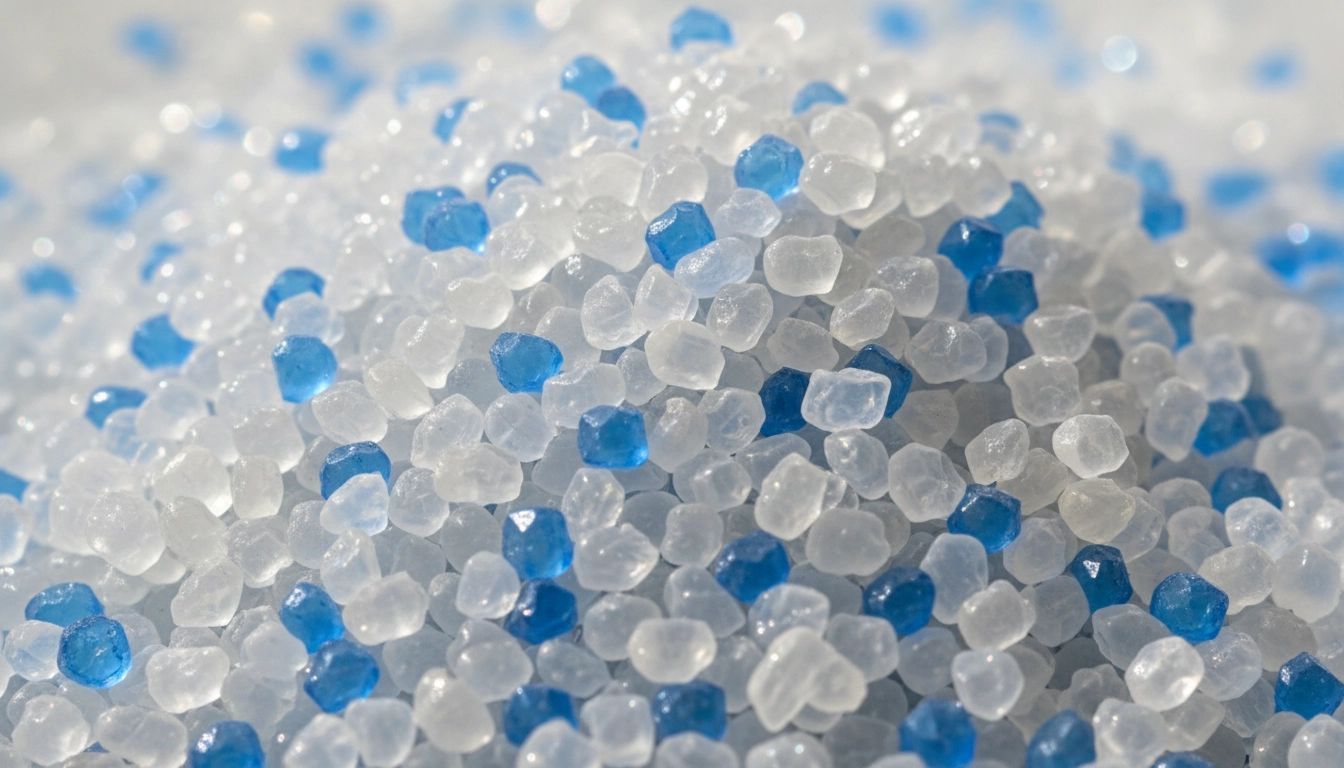
Silica litter is pretty cool.
It’s the same stuff that comes in those little do not eat packets in your new shoes.
It’s designed to suck all the moisture out of the air.
When it’s in a litter box, it sucks the moisture right out of the waste.
The smell is trapped inside the crystal structure.
The water evaporates away, but the stinky stuff stays locked in.
Because of this, the crystals stay dry.
You can go weeks without the box feeling wet.
It’s also incredibly light.
If you’re tired of lugging forty-pound bags of clay up the stairs, silica will feel like a vacation.
A small bag can last a whole month for one cat.
There’s almost no dust with this stuff.
If you have allergies, this is a game changer.
It doesn’t track as much either because the crystals are usually bigger than clay grains.
You won’t find it in your bed as often.
You do have to stir it.
That’s the trick.
You scoop the solid stuff, then you stir the crystals around so the fresh ones can take over.
It’s a different routine, but it works.
It costs more at the store, but since it lasts longer, it kind of even out at the end.
Natural and Eco-Friendly Options
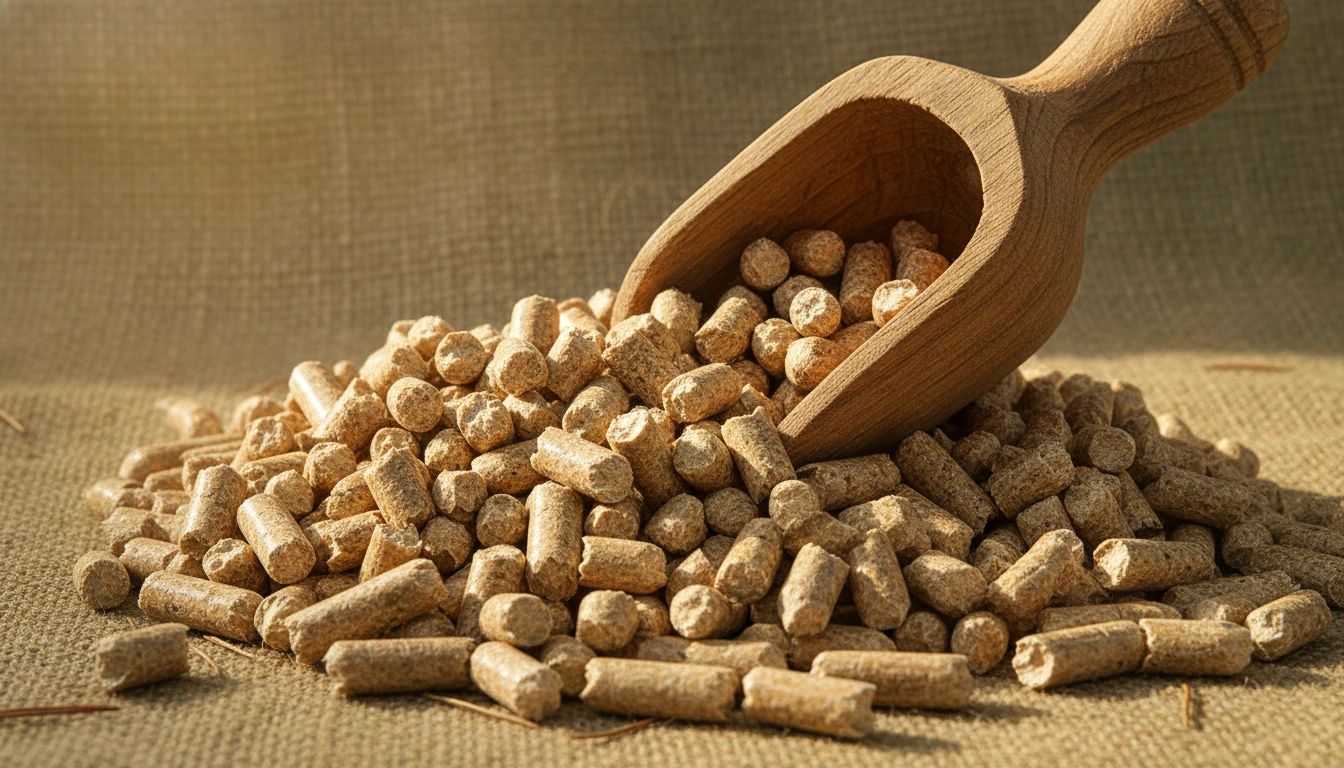
More and more people are moving toward natural litters.
These are made from things that grow in the ground.
Pine trees, corn, wheat, even walnut shells.
They are biodegradable, which is great for the planet.
A lot of these are made from stuff that factories would just throw away otherwise.
Like sawdust from a lumber mill.
It’s a sustainable way to handle cat business.
Pine is a big favorite.
It has a nice, clean smell that isn’t fake.
It doesn’t smell like a floral perfume factory.
It just smells like the woods.
It comes in pellets that turn into sawdust when they get wet, or in a clumping version that’s more like traditional litter.
These options don’t have any of the synthetic chemicals or dyes.
If your cat has itchy paws or sensitive skin, this might be the answer.
Just be ready to have some patience.
Switching a cat to corn or wheat takes time.
They might not like the smell at first.
You have to mix it in slowly.
Don’t just swap it out one day and expect them to be cool with it.
That’s a recipe for an accident on your shoes.
Factors to Consider When Choosing
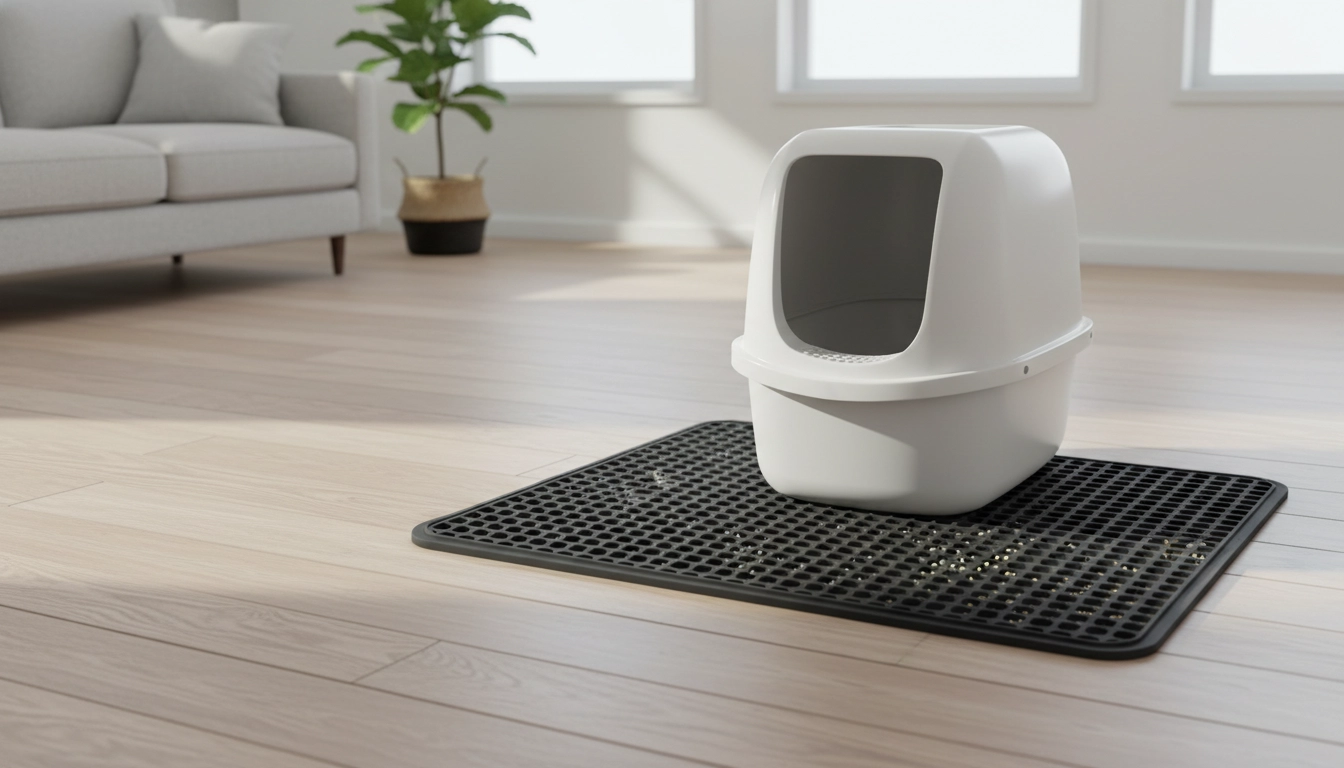
You have to think about your house.
Where is the box?
If it’s in a closet with no air, you need high-power odor control.
If it’s on a hardwood floor, you want low tracking so you aren’t crunching on litter every time you walk to the kitchen.
Texture is a huge deal.
Think about your cat’s paws.
They are soft and sensitive.
If a litter feels like sharp rocks, they are going to hate it.
They might start avoiding the box entirely.
If that happens, you’ve got a real problem on your hands.
I always tell people to buy a small bag first.
Don’t go get the massive warehouse size until you know the cat is on board.
It’s a test and see kind of thing.
Odor control is usually what owners care about most.
Look for things like activated carbon or baking soda in the mix.
These things eat the smells instead of just trying to cover them up with a mountain spring scent.
Be careful with those heavily scented brands.
To us, it smells like flowers.
To a cat, whose nose is like a thousand times stronger, it smells like a chemical explosion.
It can actually drive them away from the box.
Keep it simple.
Unscented is usually better.
Scent Sensitivity
Avoid litters with strong floral or chemical perfumes. While they may smell good to you, the overwhelming scent can drive a cat away from the box and lead to inappropriate elimination habits.
Best Litter for Odor Control
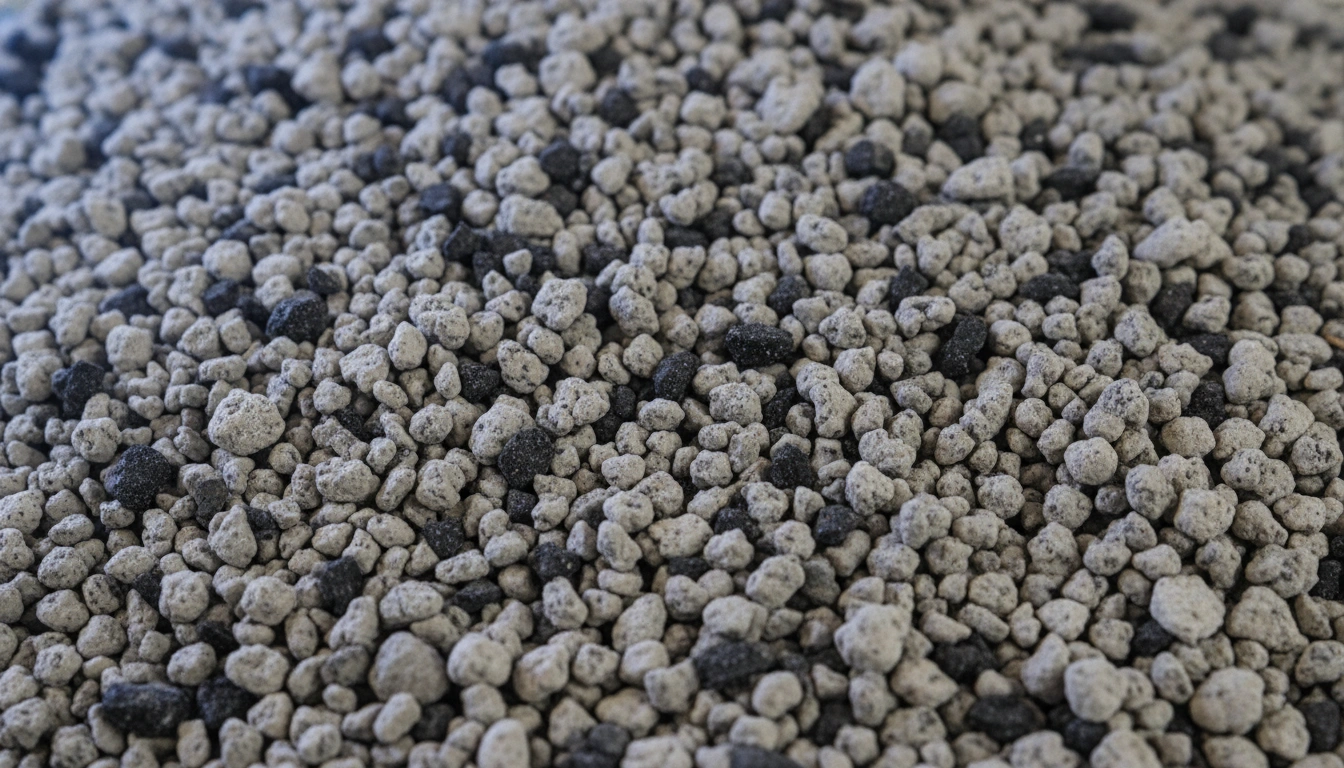
If you really want to kill the ammonia smell, you need the heavy hitters.
Look for bags labeled multi-cat.
Even if you only have one cat, these formulas are usually stronger.
They have more of the odor-fighting ingredients.
High-quality clumping clay and silica are the leaders here.
They grab the moisture fast.
If the pee stays wet, it starts to smell.
If it gets locked into a clump or a crystal right away, the smell doesn’t have a chance to grow.
But here is the real secret: No litter can fix a lazy owner.
You have to scoop.
Every day.
If you don’t scoop, the smell will win.
You also need to wash the actual plastic box once a month.
Plastic can soak up smells over time.
Consistency in your cleaning is the best thing you can do for your house.
It keeps the air fresh and it keeps the cat happy.
A dirty box is the number one reason cats start peeing on the laundry.
Corn-based litters are surprisingly good at this too.
They have a very organic way of trapping smells.
It’s different from clay, but a lot of people swear by it once they make the switch.
Best Litter for Low Dust
Dust is the worst.
It gets on your furniture and it makes you cough.
If your cat has asthma or any kind of breathing trouble, you can’t use the cheap dusty clay.
Many of the premium clay brands say they are ninety-nine percent dust-free.
Some actually are.
Others… well, they try their best.
You might have to try three or four brands to find one that actually stays clean.
Silica and paper are the winners for low dust.
They just don’t break down into that fine powder.
It makes the air in the laundry room much easier to breathe.
Pelleted pine is also great.
The pieces are big, so they don’t float away.
It’s a very clean way to go.
If you keep the box in your main living area, this is something to think about.
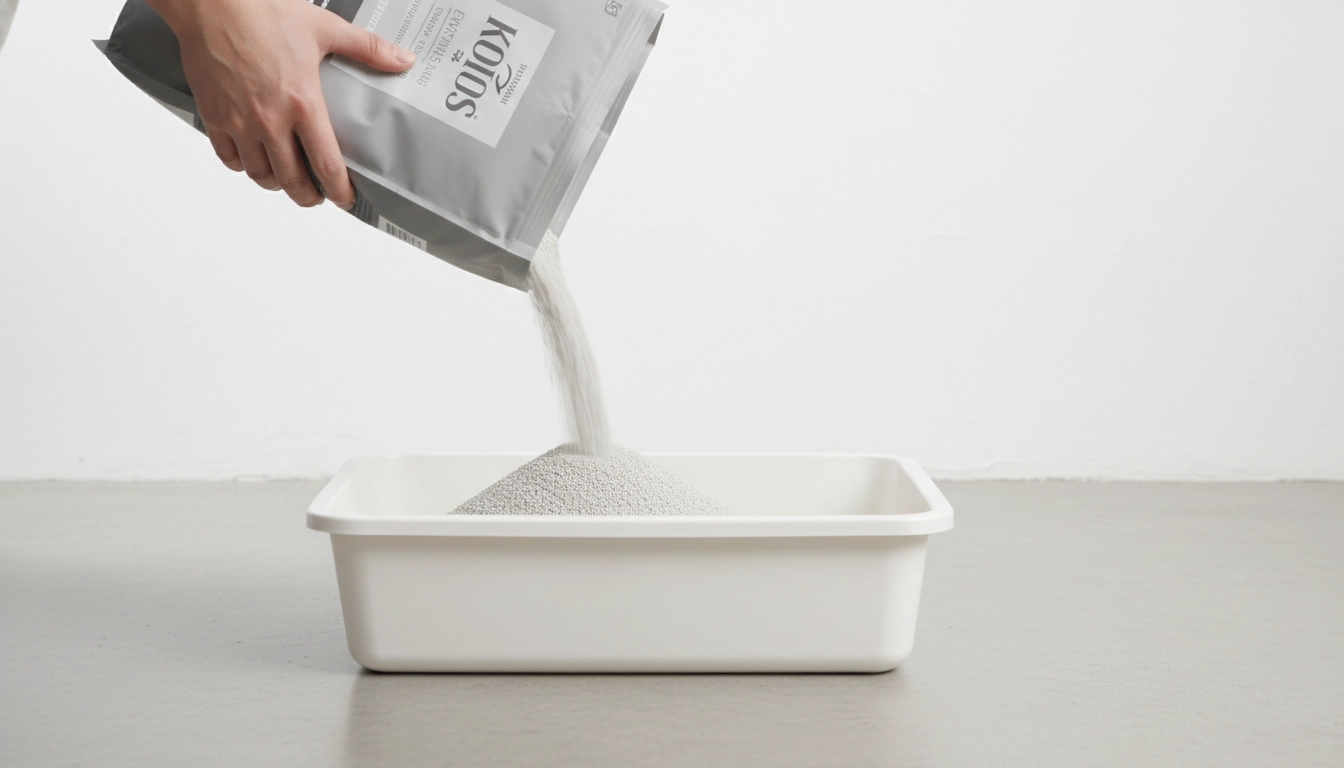
When you’re filling the box, don’t pour it from three feet up.
Hold the bag right against the bottom of the tray.
It makes a big difference in how much dust gets kicked up into your face.
Also, get a tracking mat.
It catches the little pieces before they get to your rug.
Best Litter for Multiple Cats
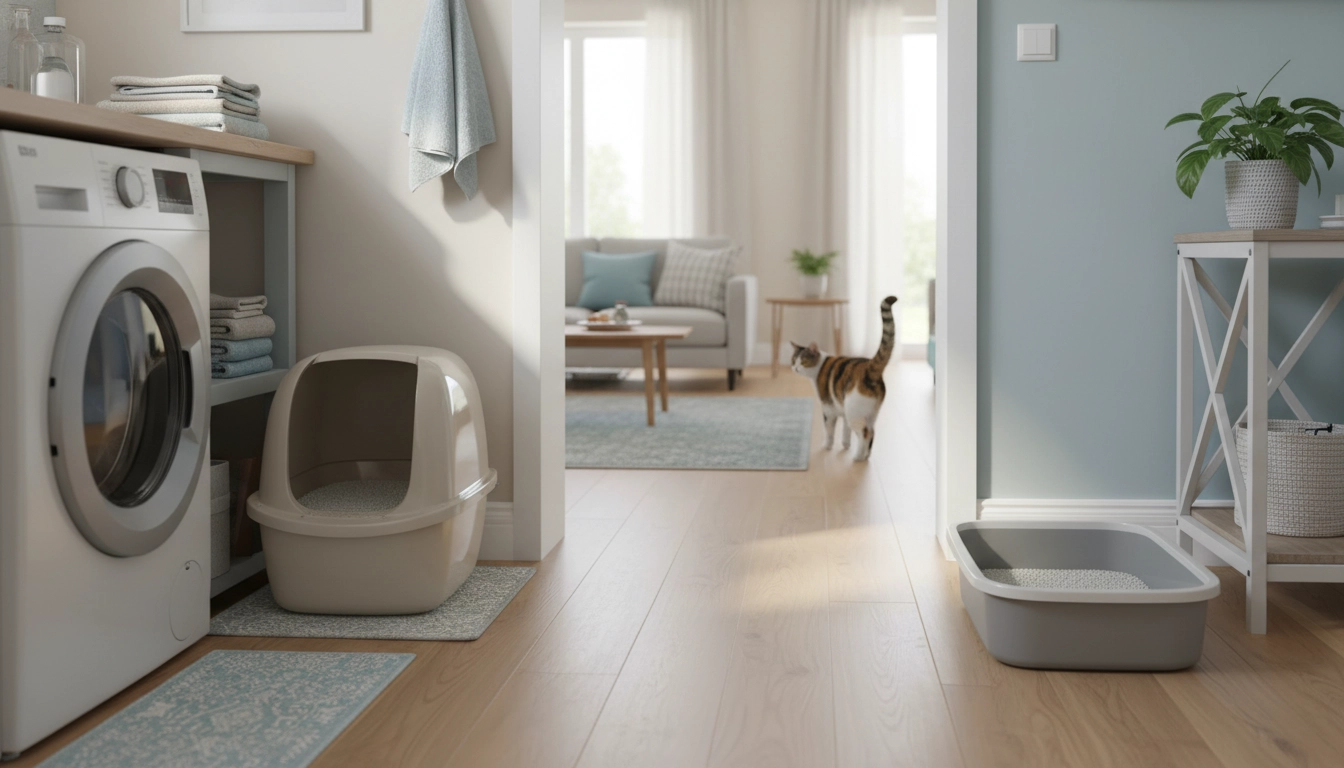
When you have a whole squad of cats, the litter box is a busy place.
You need something that clumps fast and hard.
If the clumps are soft, the next cat will step on them and break them apart.
Then you have a mess that’s impossible to clean.
You need a high-performance clumping clay.
It’s the only thing that can keep up with that much traffic.
It keeps the balanced bond in the house from falling apart because of a stinky box.
Also, remember the golden rule.
You need more boxes.
One for every cat, plus one extra.
If you have three cats, you need four boxes.
It sounds like a lot, but it stops them from fighting over who gets the clean spot.
Put the boxes in different rooms.
If they are all in one corner, one cat might guard them and not let the others in.
Spread them out to keep the peace.
The Depth Factor
Maintain a consistent litter depth of about three to four inches. This ensures there is enough material to absorb liquid before it reaches the bottom of the pan, which prevents sticky messes and lingering odors.
How to Choose the Best Litter for Your Cat
It’s all about watching the cat.
They will tell you if they hate the litter.
If they stand on the edge of the box and try not to touch the grit, it’s too sharp.
If they dig forever, they might be trying to find a better spot.
Patience is your best friend here.
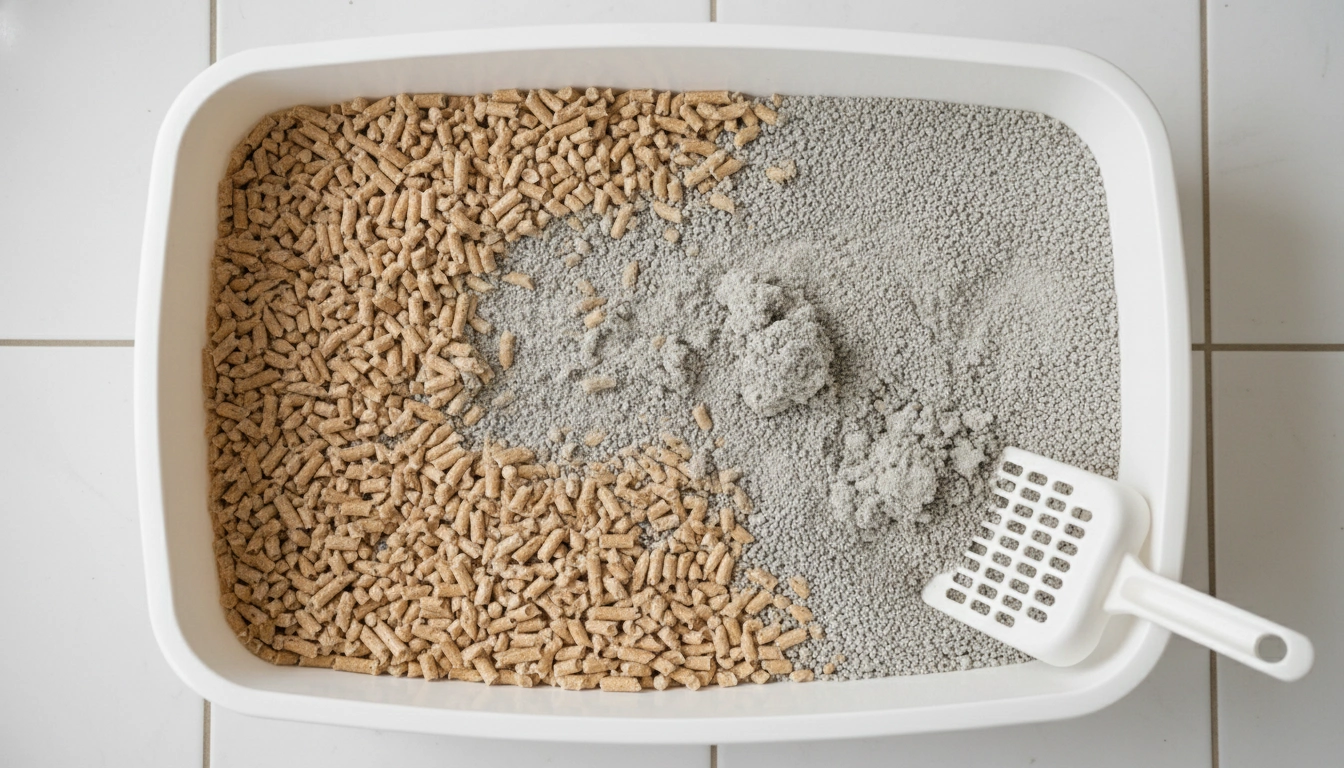
If you want to try a new kind of litter, don’t just dump the old stuff.
Put an inch of the new stuff at the bottom and cover it with the old stuff.
Each day, use a little more of the new stuff.
This slow transition helps them get used to the new smell and the way it feels under their toes.
If you rush it, they might get stressed out.
And a stressed cat is an unpredictable cat.
If your cat is acting up, check this list to see what might be going wrong with your setup.
| Problem | Likely Cause | Fix |
|---|---|---|
| Avoiding Box | Sharp Texture | Use fine grain clay |
| Strong Smell | Not Scooping | Scoop twice daily |
| Dusty Air | Cheap Clay | Switch to silica |
| Tracking | Small Grains | Use a heavy mat |
My Take
Always look at the cat first because they usually have the answer if you pay enough attention.
Don’t think that the most expensive bag is always the best one.
Sometimes the basic store brand clay is exactly what your cat wants.
It’s about their preference, not the price tag.
Just keep it clean and keep it consistent.
Conclusion
So, yeah, finding the answer to What is the best litter for cats? is a bit of a journey.
You’ve got to balance the smell, the dust, and what the cat actually likes.
There isn’t one bag that fixes everything for everyone.
Whether you go with the high-tech silica or the old-school clay or the eco-friendly pine, the goal is a house that doesn’t smell like an animal lives there.
It makes life better for you and for them.
It takes some work and definitely some patience.
But once you find that perfect match, everything gets easier.
Your cat feels secure, your house stays fresh, and that bond you have with your pet stays strong.
Just keep scooping.