honestly just got back from seeing david over on windsor road and his pup was doing that thing where they just blank you. completely. it’s so frustrating right?? like you’re standing there with a pocket full of expensive treats and they’re more interested in a literal piece of trash.
i think we all try too hard to be perfect trainers but dogs dont care about that. they just want to know what the heck we want. anyway i was typing this out fast because it happens to everyone. we think they’re being bad but usually we’re just being confusing.
it’s not about being the boss or whatever that alpha stuff is, it’s just about not being a mess when you’re trying to talk to them. sorry for the typos but i wanted to get this down while it was fresh.
Quick Access
This guide covers consistency, timing, environment, and emotional regulation. Use the sections below to troubleshoot specific behavioral hurdles in your routine.
Establishing a Clear Foundation
So, look. Training isn’t this big scary thing where you have to be a drill sergeant. It’s actually just a way to make sure you and your dog don’t end up hating each other because you can’t communicate.
I see so many people getting caught up in the Mistakes to avoid during training because they think it’s about control. It isn’t. It’s about building a language. If you moved to a country where you didn’t speak the tongue, you’d be stressed too, right? That’s your dog every single day.
When we talk about a balanced bond, we’re talking about trust. If your dog trust you, they want to listen. It’s a conversation. You ask for something, they do it, you give them something they love. Simple. But humans… man, we make it complicated.
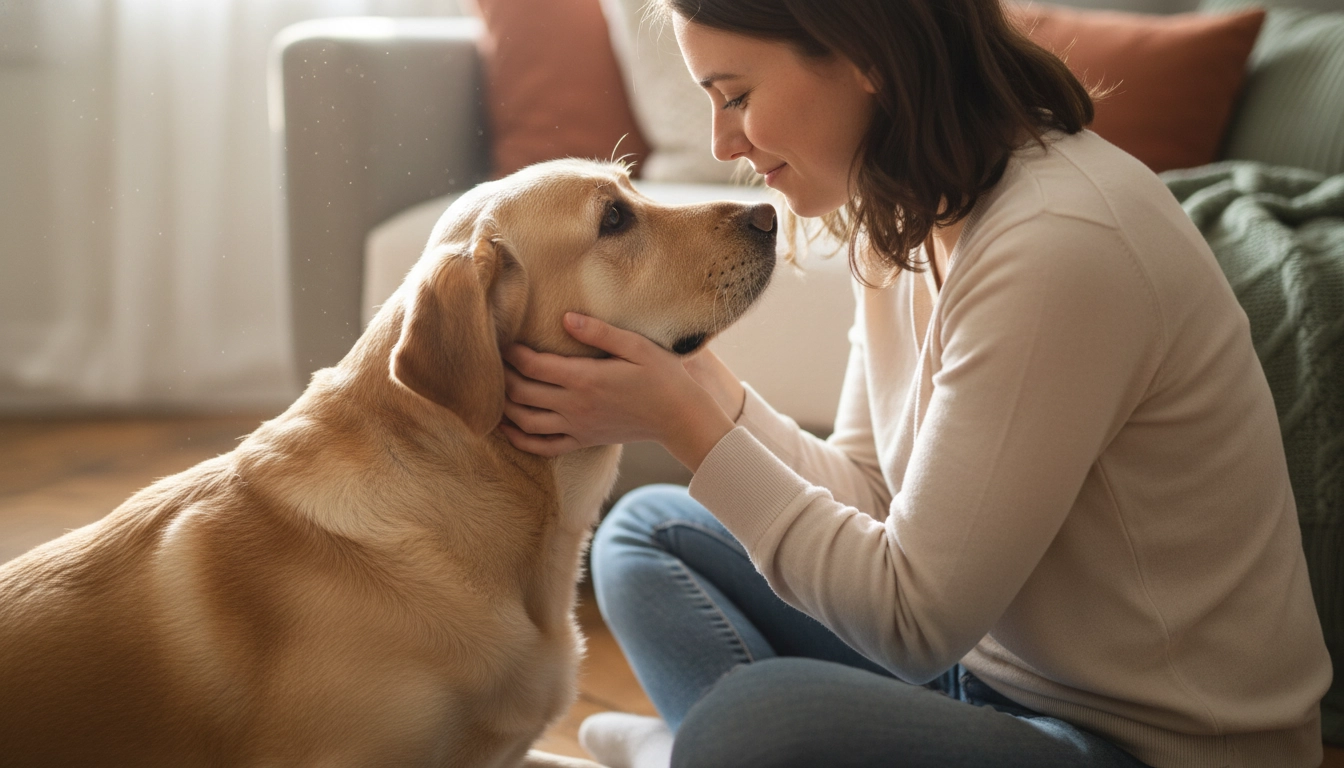
We get annoyed. We change the rules. We expect them to just know things. This foundation is where it all starts, and if it’s shaky, the whole house falls down later. I’ve spent a lot of time just sitting on floors watching dogs. They’re constantly trying to read us.
They watch our hands, our eyes, even how we breathe. If we aren’t clear, they just guess. And usually, they guess wrong. That’s where the frustration creeps in. But if you have Patience, and i mean real patience, not just the i’ll wait ten seconds kind, things start to click.
The Science of Learning
Dogs learn through associations and consequences. If an action leads to a good result, they will do it again. If it leads to nothing or something scary, they will stop.
The Impact of Inconsistent Commands
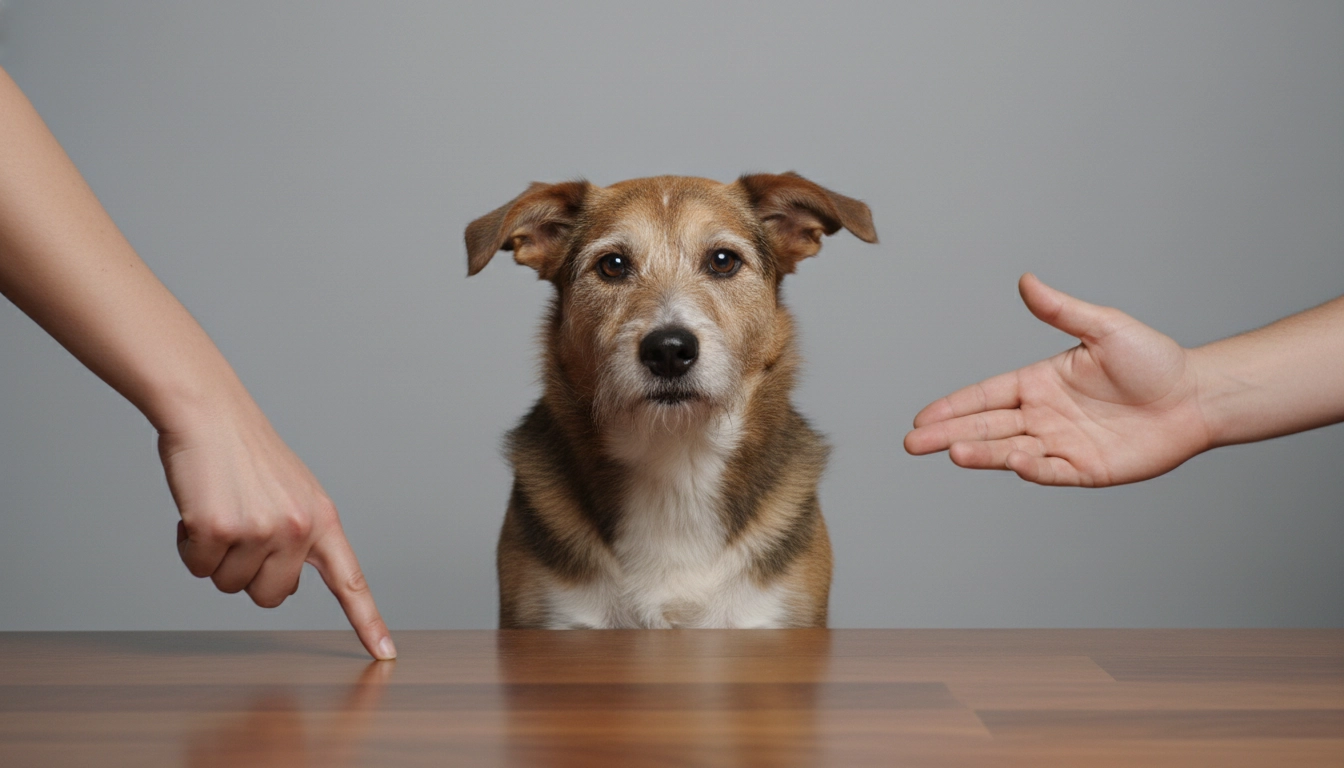
This is a big one. I see it all the time. One person says Sit, another says Sit down, and the kid is yelling Get your butt on the floor! To a dog, those are three totally different sounds.
Imagine if your boss gave you instructions in three different languages on the same day. You’d probably go hide in the breakroom. That’s exactly what a dog does when they get stubborn. They aren’t being jerks; they’re just confused.
Consistency is the only way through this. It’s boring, I know. It’s not exciting to say the exact same word in the exact same tone every single time, but it’s what works. If you want to stop the Mistakes to avoid during training from ruining your progress, you have to get everyone in the house on the same page.
I put together this little cheat sheet to show how simple words can get messy if we aren’t careful.
| Command | Common Mistake | Better Way |
|---|---|---|
| Sit | Sit down | Just say Sit |
| Off | Get down | Use Off for jumping |
| Down | Lay down | Down for the floor |
My Take
Pick one word and stick to it like glue. If you change the word, you change the whole game for your dog.
Sit down with a piece of paper and write the words out. Stick it on the fridge.
- Sit means butt on floor. Always.
- Off means get your paws off the counter.
- Down means lie your whole body down.
- Here means come to me right now.
Don’t mix them up. If you use down for jumping and for lying down, your dog is going to think you’ve lost your mind. They’re trying to please you, really they are. But they aren’t mind readers.
They rely on that one specific sound to know what the win condition is. If you change the sound, you change the game, and they lose.
Managing Expectations and Timelines
We’re all in such a rush. We want the perfect dog by next Tuesday. But dogs are living things, not computers you can just program. One of the saddest Mistakes to avoid during training is when owners give up because it’s taking too long.
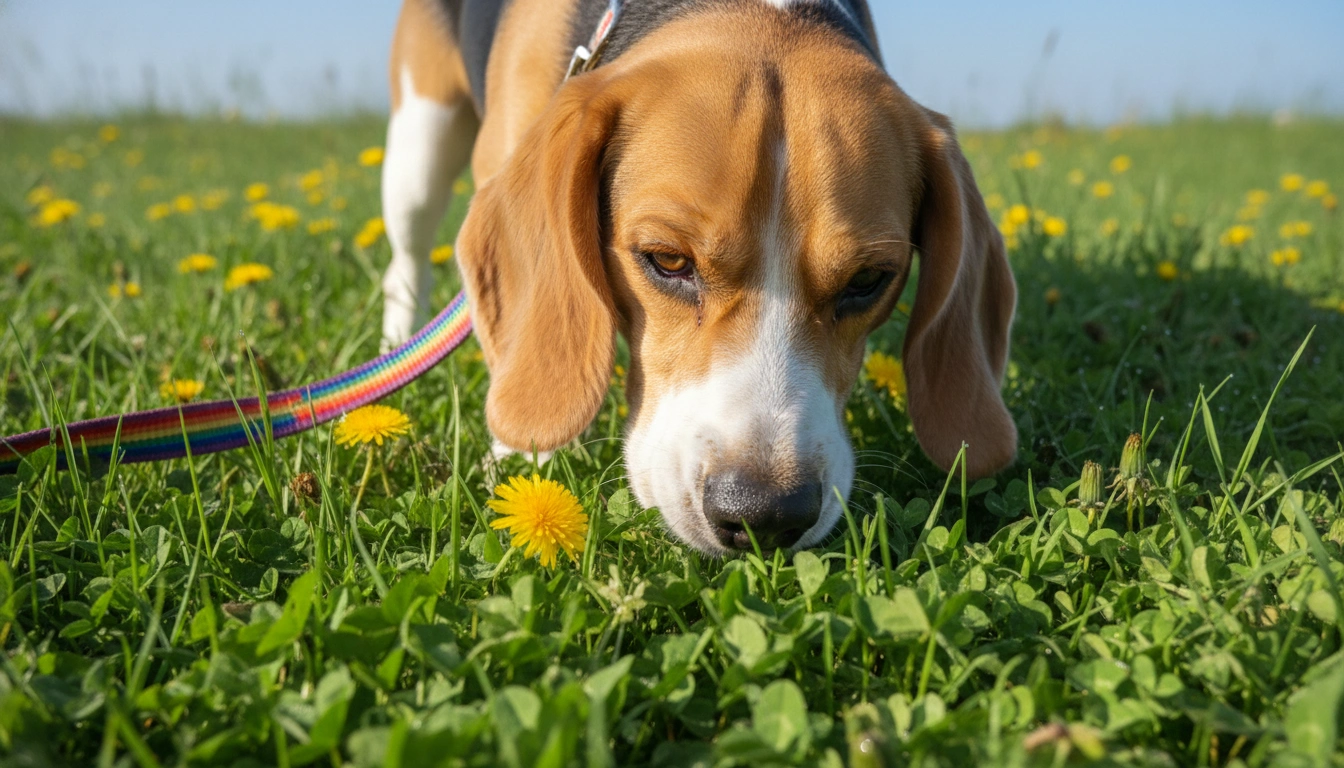
What even is too long? Every dog is an individual. I worked with this Beagle once, her name was Daisy. Beagles are… well, they’re noses with legs. Daisy’s owner was so upset because Daisy wouldn’t stop sniffing the grass during walks.
He wanted her to heel like a German Shepherd in a movie. But Daisy is a Beagle! Her whole world is smells. We had to change the expectation. Instead of a perfect heel, we worked on check-ins. If she looked at him once every minute, she got a win.
You have to celebrate the tiny stuff. If your dog looked at you when you called them today, and they didn’t yesterday? That’s a massive win. Put it in perspective.
Most of us can’t even stick to a gym routine for a week, yet we expect our dogs to be perfect 24/7. Give them a break. Give yourself a break too. Patience is a muscle. You have to work it out.
The Rule of Three
If your dog gets a command right three times in a row, move on to something else to keep their interest high and prevent boredom.
Choosing Reinforcement Over Punishment
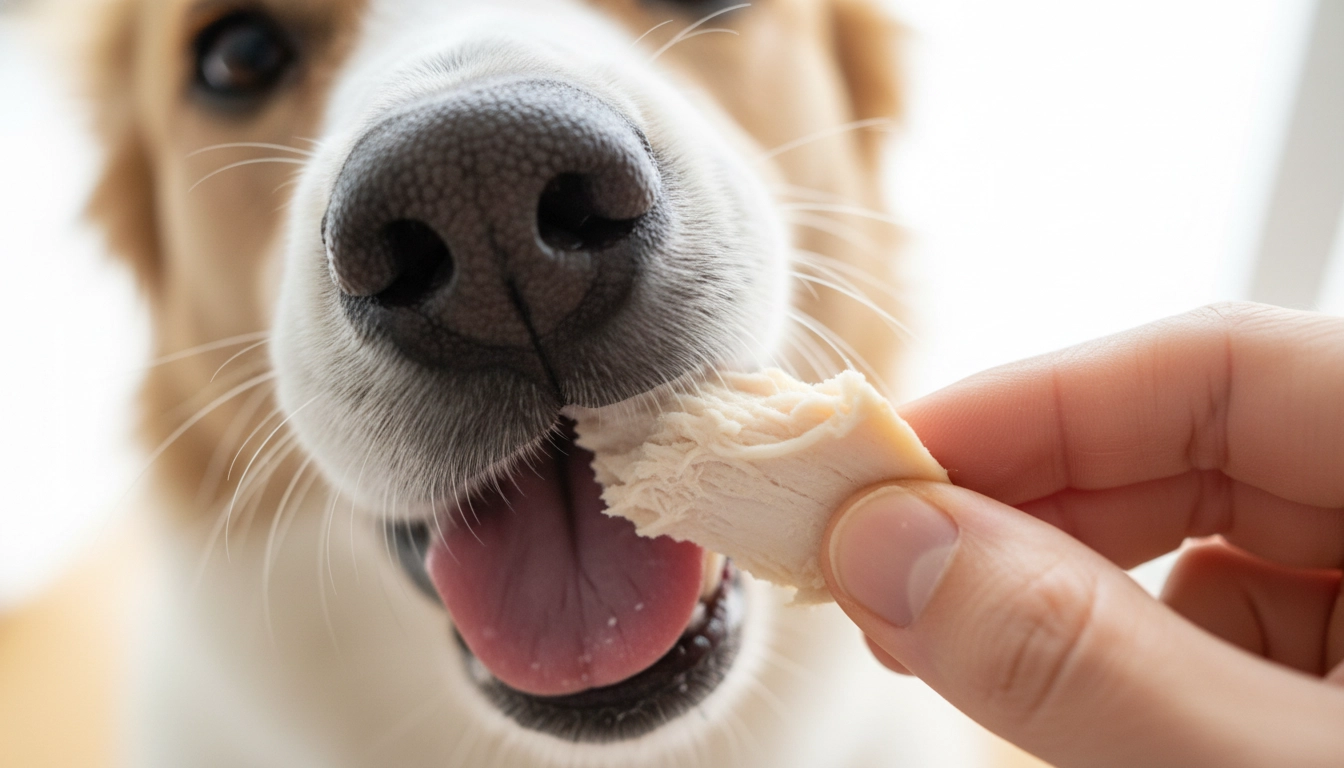
I hate seeing people use fear to train. It just breaks my heart. Using things like alpha rolls or yelling doesn’t make a dog respect you. It makes them afraid of you. And fear is a terrible teacher.
When a dog is scared, their brain literally shuts down. They can’t learn anything because they’re too busy trying to survive. Positive reinforcement is about being the person your dog wants to hang out with.
If you make it a game, they’ll work their heart out for you. Mistakes to avoid during training often involve people thinking they need to be dominant. Trust me, you don’t need to be an alpha. You just need to be the person with the best snacks and the most Consistency.
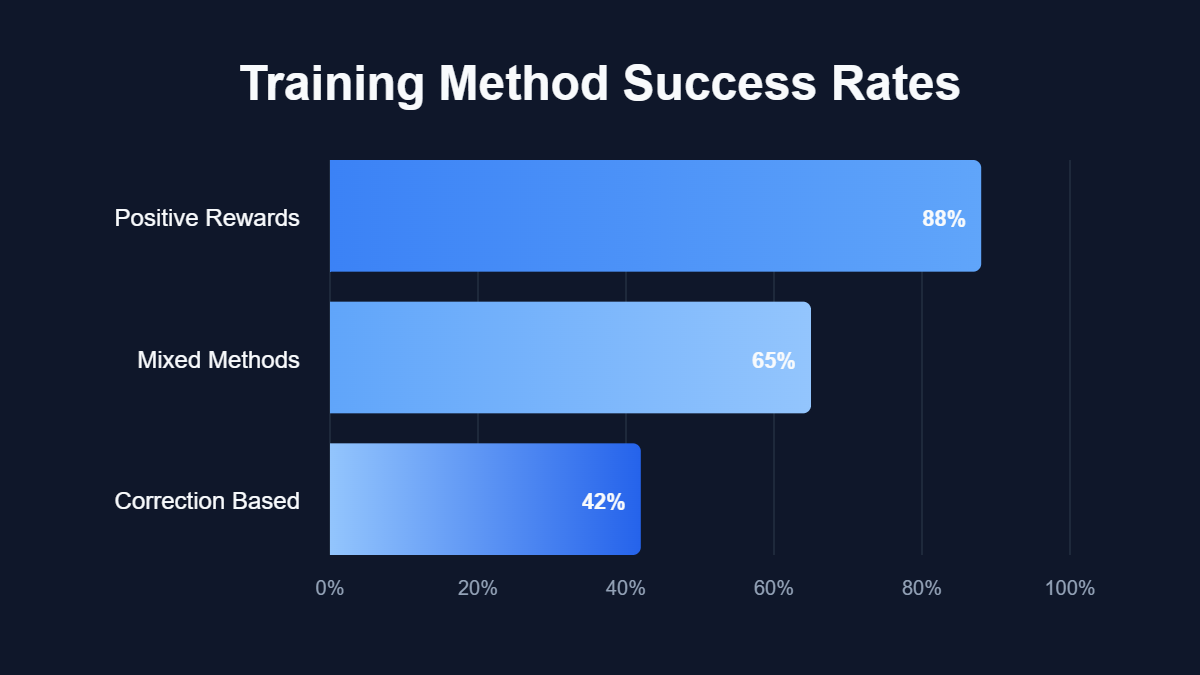
Let’s look at the actual numbers when it comes to how dogs remember what they’ve learned based on how they were taught.
My Take
The data doesn’t lie. When a dog enjoys the work, they remember it much longer than when they are just trying to avoid trouble.
When you reward the good stuff, the bad stuff usually just fades away because it’s not profitable for the dog anymore. Why would I jump on the counter for a crumb when I can sit nicely for a piece of chicken?
That’s the logic we want to build. It’s about making the right choice the easiest choice for them.
Optimizing Session Duration
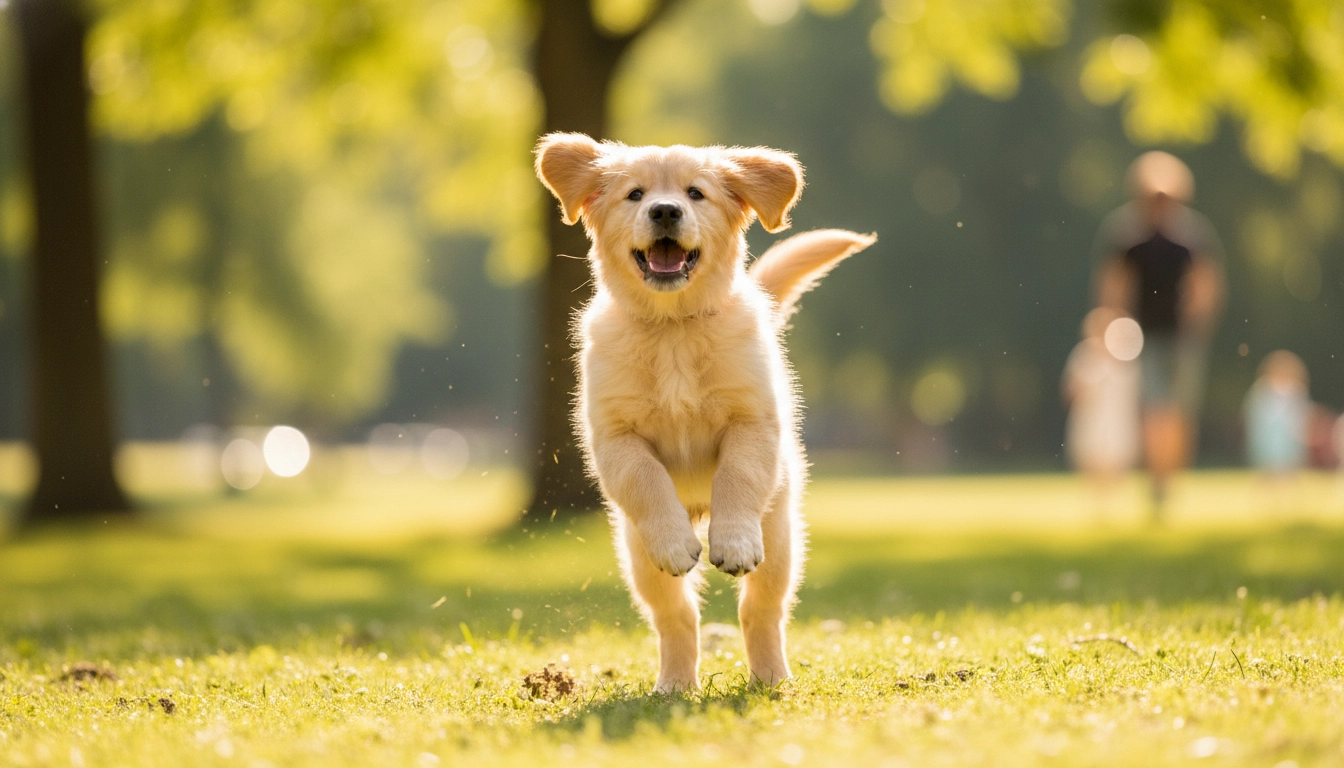
I see people trying to train for an hour straight. Stop. Just stop. Your dog’s brain is fried after ten minutes. Think about how you feel during a long, boring meeting at work.
You start doodling, you check your phone, you zone out. Your dog does the same thing, they just do it by sniffing their paws or looking for squirrels. Short bursts are the secret sauce.
Here is a quick breakdown of how long you should actually be working with your pup based on their age.
| Dog Age Group | Training Time | Focus Level |
|---|---|---|
| Young Puppy | 2 to 5 minutes | Very Low |
| Adult Dog | 10 to 15 minutes | Moderate |
| Senior Dog | 5 to 10 minutes | High but Short |
My Take
Always stop while they are still having fun. It is much better to do two minutes of great work than twenty minutes of struggling.
Five minutes before breakfast. Three minutes while the kettle is boiling. Five minutes after work. That’s all it takes. If you keep it short, they stay excited.
When you see them start to drift—maybe they’re slower to sit, or they’re looking away—just end it. But end it on a win. Ask for something super easy, like a touch or a sit, give them a jackpot of treats, and say all done!
- Adult dogs: 10-15 minutes max.
- Puppies: 2-5 minutes. They’re babies!
- Always, always end with a win.
- If you’re frustrated, stop immediately.
Reading Canine Body Language
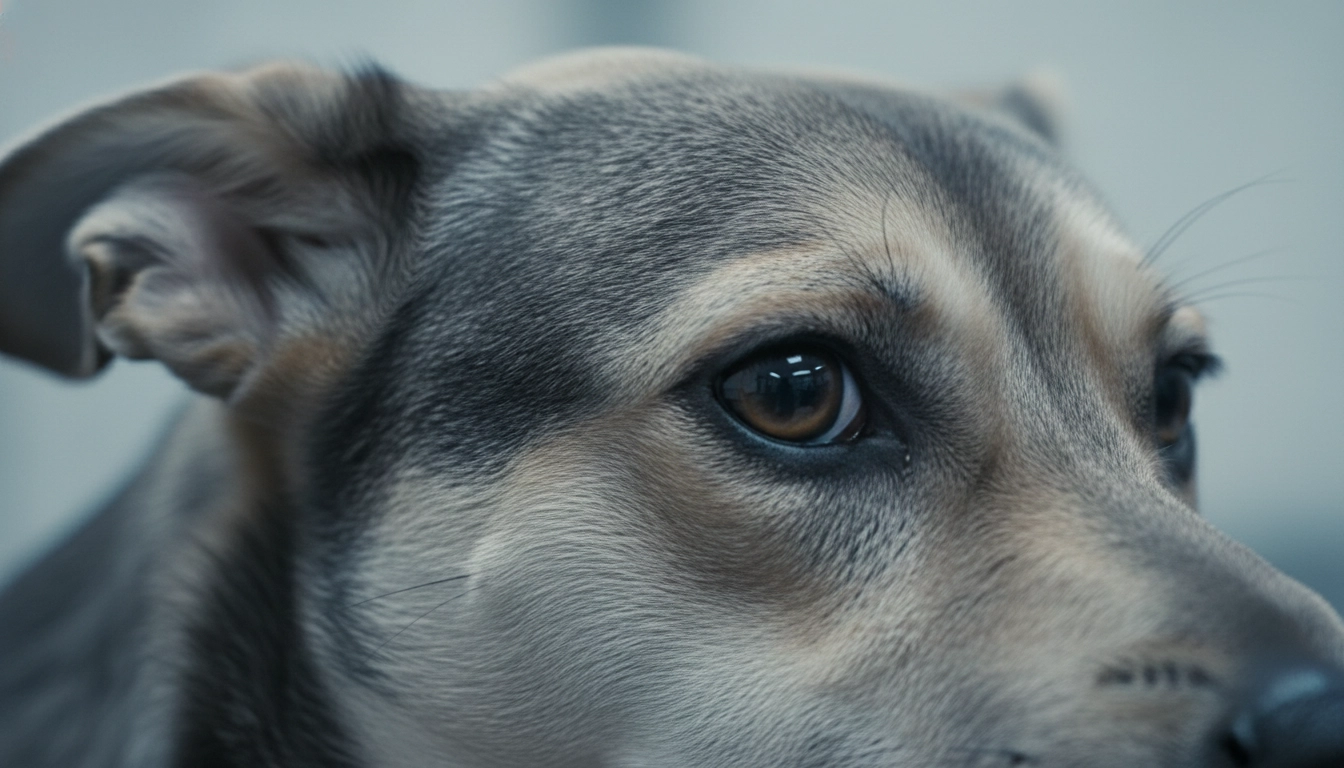
Dogs talk with their whole bodies. If you aren’t looking, you’re missing the whole story. I was watching David with his dog today and the poor pup was licking his lips and looking away. David thought he was being stubborn.
I had to tell him, No, man, he’s stressed. A yawning dog isn’t always tired. Sometimes they’re just trying to deal with the pressure you’re putting on them.
This is a little guide to help you read what your dog is trying to tell you with their body.
| Signal | What it Means | What to Do |
|---|---|---|
| Yawning | Feeling pressure | Take a break |
| Lip Licking | Nervous or unsure | Slow down |
| Whale Eye | Very stressed | Stop immediately |
My Take
If you see these signs, your dog isn’t being bad. They are telling you they have had enough for now.
If you see the whites of their eyes (we call that whale eye), they’re uncomfortable. If you keep pushing when they’re showing these signs, you’re not training; you’re just stressing them out.
Learning to listen with your eyes is the biggest skill you can develop. When you see your dog is relaxed—soft eyes, wiggly body—that’s when the real learning happens.
If they look stiff or frozen, take a step back. Literally. Give them some space. Let them shake it off. Then try something easier.
Avoid the Staredown
Staring directly into a dog’s eyes can be seen as a threat. Keep your gaze soft and friendly to help them feel safe while learning.
The Importance of Precise Timing
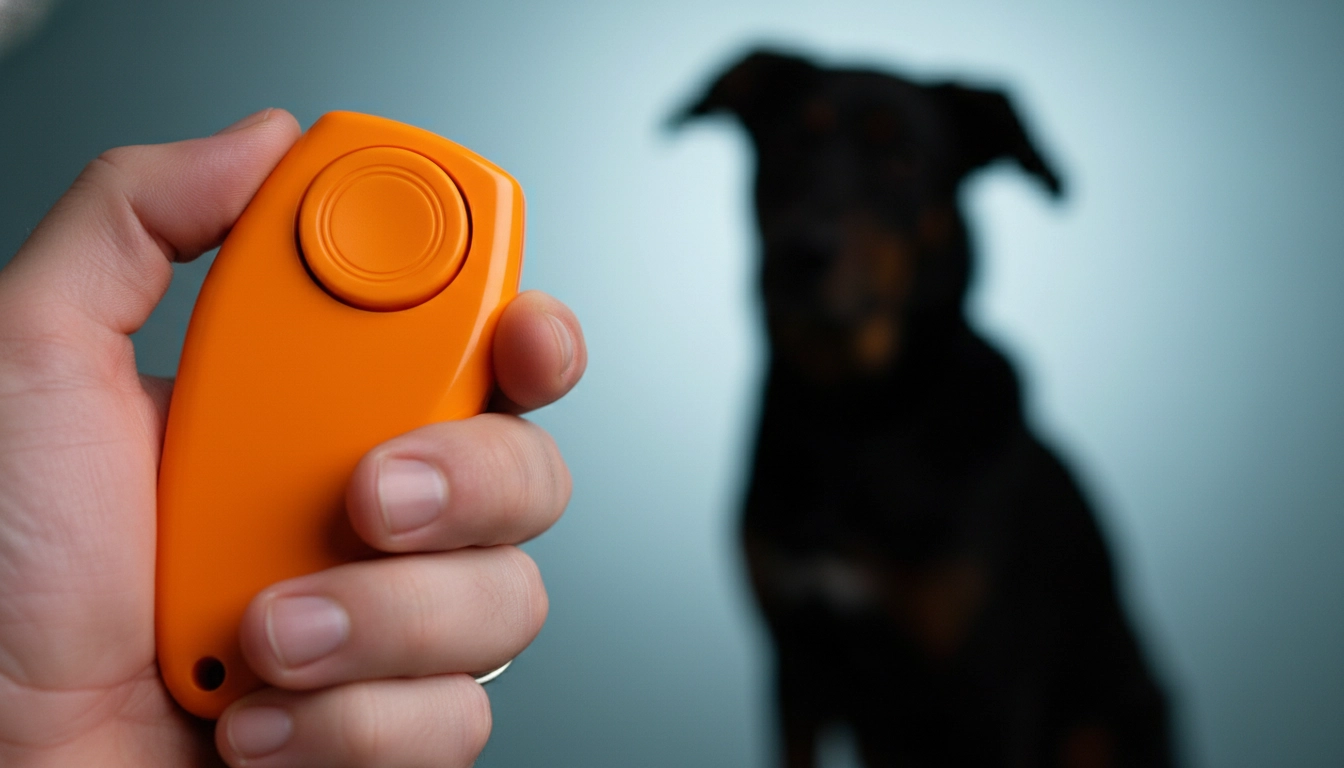
Timing is what separates a good trainer from a frustrated one. You have about a second to tell your dog they did the right thing. One second. That’s it.
If you wait until you’ve fumbled around in your pocket for a treat, they’ve already moved on to thinking about the mailman or a bug on the wall. This is why I love markers. A Yes! or a clicker.
It’s like taking a photo of the exact moment they did what you wanted. The sound tells them That! What you just did right then? That’s what earned the treat.
It’s hard to get right at first. You’ll be clumsy. You’ll click at the wrong time. You’ll drop the treats. It’s fine. We’re humans, we’re messy. But keep practicing.
Your reflexes will get better, and once they do, your dog will start learning at lightning speed because the communication is finally clear.
Eliminating Command Nagging
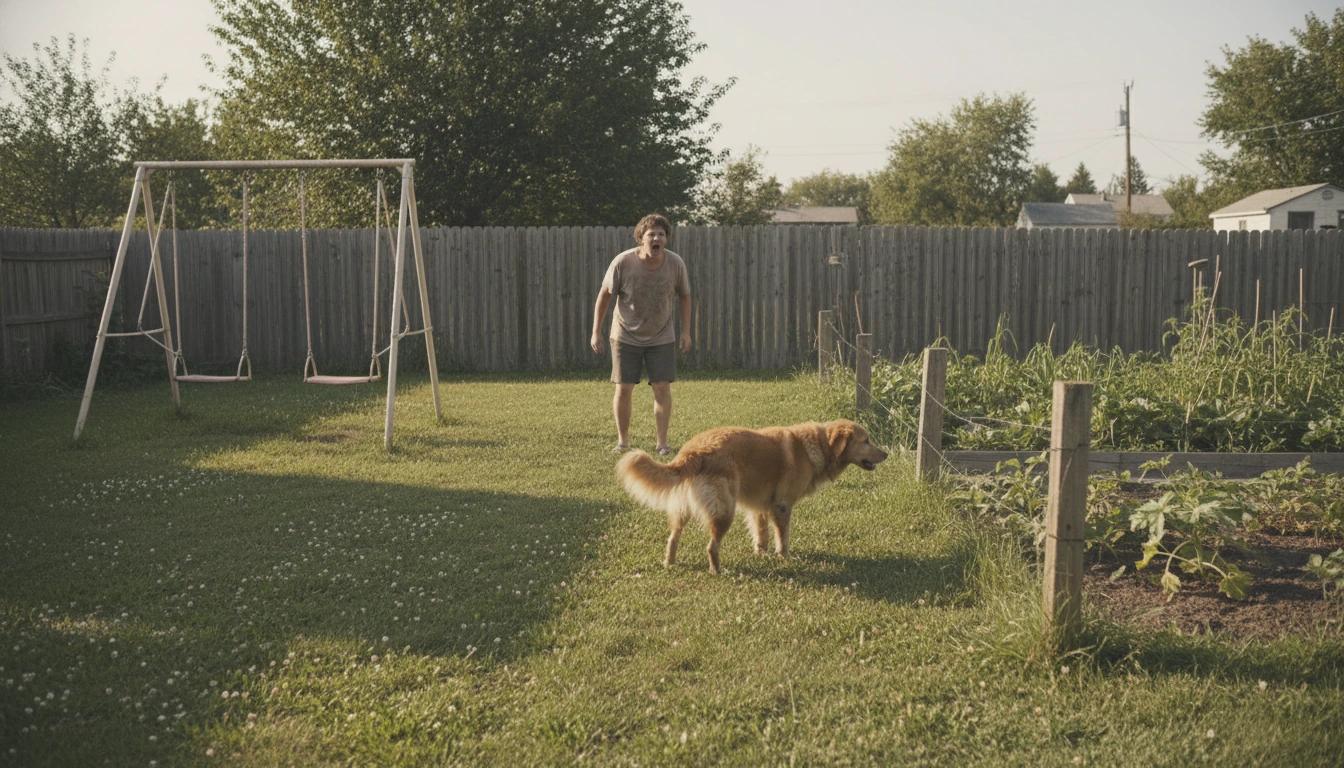
Sit. Sit. Siiiit. David, tell him to sit. SIT! We’ve all been there. It’s called nagging, and it’s one of the most common Mistakes to avoid during training.
When you say a word five times, the dog learns they don’t have to listen until the fifth time. Or worse, they think the command is actually Sit-sit-sit-sit-sit. Say it once. Just once.
Then wait. Give their brain a chance to work. Sometimes it takes them a few seconds to process what you asked. If they don’t do it after three seconds, don’t say it again.
Instead, use a lure or a hand signal to show them what you want. Then reward that. You want to be a person who is worth listening to the first time.
- One word, one time.
- Wait three seconds.
- Help them if they’re stuck.
- No yelling. It doesn’t help.
Managing Training Environments
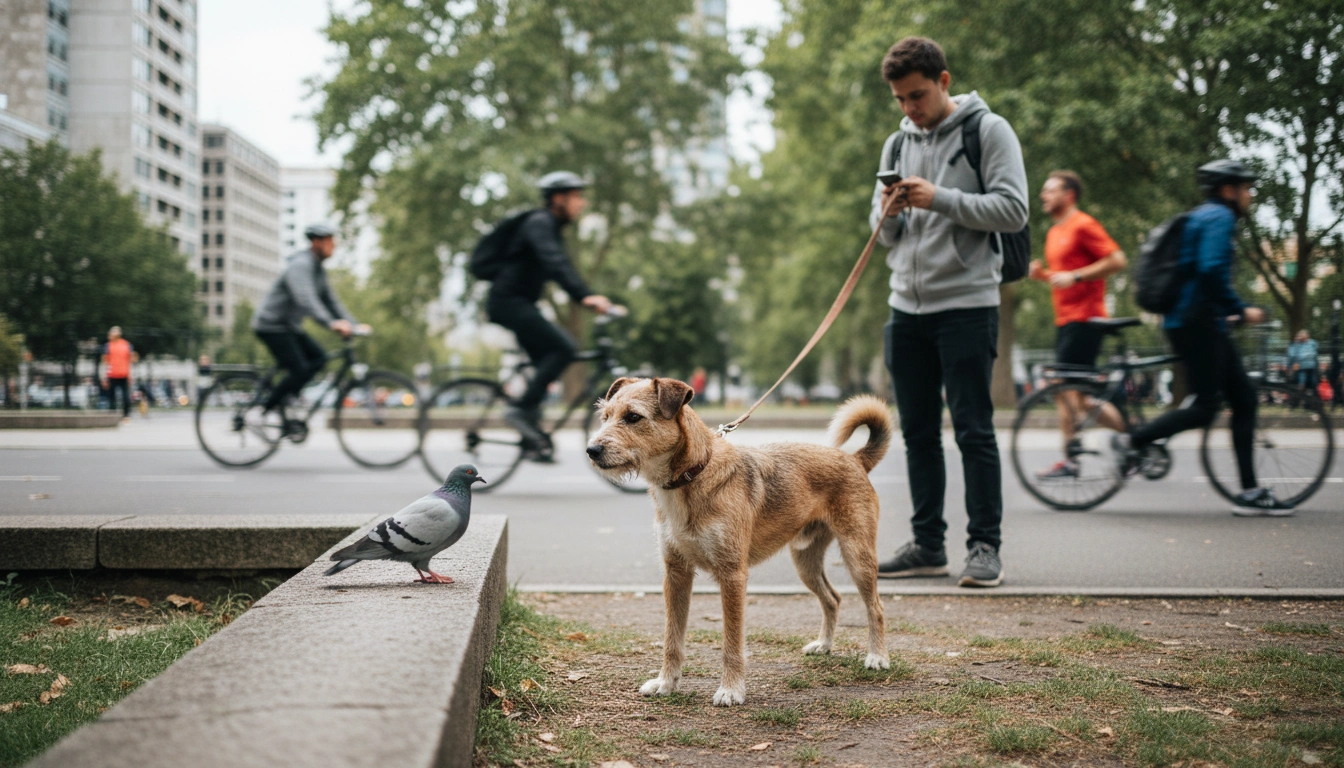
If you’re trying to teach your dog to Stay for the first time while you’re at a busy park, you’re going to fail. Period. It’s too much. It’s like trying to learn calculus at a rock concert.
You have to start where it’s boring. Start in your hallway. Then the kitchen. Then the backyard. Each new place is a huge jump in difficulty for a dog.
They don’t generalize well. Just because they know Sit in the living room doesn’t mean they know it at the vet’s office. I call it the Distraction Ladder.
You have to climb it one rung at a time. If you jump too high, you’ll fall. If they fail at a new place, don’t get mad. Just go back a step. Go back to a quieter spot and build their confidence back up.
The 3 Ds of Training
Distance, Duration, and Distraction. Only increase one of these at a time to ensure your dog stays successful.
Respecting the Learning Ladder
You can’t do the fancy stuff until you have the basics. I know everyone wants the cool dog that can walk off-leash or do backflips, but you have to have a foundation first.
Skipping the boring stuff like Look at me is a huge mistake. If your dog isn’t looking at you, you don’t exist to them. Focus is the most important thing you can ever teach.
If you have their focus, you have everything. If you don’t, you’re just talking to yourself. Think of it like building a house. The foundation is boring. It’s just concrete.
But without it, the pretty curtains and the nice roof don’t matter. Be patient with the basics. Get them so solid that your dog could do them in their sleep. Then move on to the harder stuff.
Emotional Regulation During Training
If you’re having a bad day, don’t train. Seriously. Your dog knows. They can smell the stress hormones on you. If you’re tense, they’ll get tense.
And when they get tense, they make mistakes. And when they make mistakes, you get more annoyed. It’s a nasty cycle. Training should be the highlight of their day.
If you can’t bring good energy to it, just go for a walk instead. Or just sit on the couch and pet them. That’s training too, in a way. You’re building that balanced bond just by being together.
- Check your mood before you grab the treats.
- Smile. Even if it feels fake, it changes your voice.
- Keep things light and silly.
- Remember: they’re just a dog. They aren’t trying to ruin your life.
Avoiding Gear Misuse
I see so many gadgets out there that promise to fix your dog in five minutes. Prong collars, shock collars, choke chains… they’re all just Mistakes to avoid during training wrapped in fancy packaging.
They work by causing pain or discomfort. Sure, the dog might stop pulling if it hurts to pull. But they haven’t learned how to walk nicely. They’ve just learned to be afraid of the leash.
And what happens when that collar comes off? The behavior comes right back, usually worse than before. Use a good harness. Use a long leash. Use your brain and your Consistency.
You don’t need to hurt your dog to teach them. In fact, hurting them makes it harder for them to trust you. And without trust, you don’t have a bond. You just have a hostage.
The Role of High-Value Rewards
Kibble is fine for the house. But if you’re out in the real world, you need the good stuff. Think of it like this: would you work overtime for a handful of dry crackers?
Probably not. But for a steak dinner? You’d be there in a heartbeat. High-value rewards are things like boiled chicken, string cheese, or those stinky fish treats.
They should be tiny—size of a pea—so the dog doesn’t get full or fat. But they need to be exciting. If your dog is struggling, check your rewards.
Maybe they’re bored of the same old treats. Switch it up. Keep them guessing. When they do something really hard—like ignoring a cat—give them a jackpot. Five or six treats in a row.
Understanding Breed-Specific Traits
You can’t treat a Husky like a Pug. You just can’t. One wants to run for fifty miles, the other wants to nap on your face. Understanding what your dog was bred to do will save you so much Patience.
If you have a herding dog, they’re going to want to move things. If you have a hound, they’re going to want to sniff. Instead of fighting those instincts, use them!
Use a sniff break as a reward for a good Stay. Use a game of fetch for a retriever. When you work with the dog’s nature instead of against it, everything gets easier.
They feel understood. And when they feel understood, they’re much more likely to listen when you ask them to do something human like sitting quietly at a cafe.
Conclusion
Look, at the end of the day, you’re both just trying to figure it out. You’re going to make Mistakes to avoid during training and that’s okay.
I’ve been doing this forever and I still mess up sometimes. The important thing is that you keep showing up with Consistency and Patience.
Your dog doesn’t need a professional trainer; they need a friend who is clear about the rules. They want to be part of your world. If you keep the balanced bond as your goal, you’ll get there.
I think about David and his dog on Windsor Road. They were struggling today, sure. but by the time I left, they were both a little more relaxed.
That’s the real goal. Not a perfect sit, but a life where you both understand each other. So, what’s one tiny thing you can change today? Maybe just talk a little less and listen a little more.