look i’m just sitting here on my porch typing this out fast because I just saw Leo—he’s a client of mine over near Green Rd in Warragul—and he was literally being dragged down the street by his lab.
it’s wild how much we overcomplicate this stuff while our dogs are basically screaming at us to just let them sniff a bush for five minutes. everyone wants a fix or some magic gadget.
honestly most of the time the dog is just bored out of its mind and has nowhere to put that energy. it’s not about being alpha or whatever, it’s just physics, man.
if you don’t give them a job they’ll find one, and usually that job involves eating your couch or barking at the mailman until your ears bleed.
i’ve been doing this long enough to know that Patience is the only thing that actually works and most owners are just stressed because they think they’re failing.
you aren’t. you just need a better plan that actually fits your real life, not some textbook version of a dog.
So, let’s talk about that feeling. You know the one. You’re trying to watch a movie and there’s a cold, wet nose shoved against your elbow.
Or maybe it’s the tennis ball of doom being dropped repeatedly on your laptop. It’s annoying, sure, but it’s also a cry for help.
The struggle is real. Finding that perfect amount of movement feels like trying to hit a moving target while wearing a blindfold.
Some days you walk for miles and they still won’t settle. Other days, a ten-minute sniff-session in the yard puts them out for the night.
This guide is meant to stop the guessing game. I want to help you figure out what your specific dog actually needs to be happy, not just what the internet says.
Quick Access
This guide covers life stage requirements, breed-specific needs, and safety tips to ensure your dog stays healthy and happy through proper movement.
I really want you to hear me on this: my goal is to help you build a bond that isn’t based on frustration.
We’re going to look at age, we’re going to look at the genetic engine under the hood of your dog, and we’re going to talk about how Consistency is your best friend.
Understanding the Basics of Canine Activity
When people hear exercise, they usually think of a leash and a sidewalk. But for a dog, activity is way more than that.
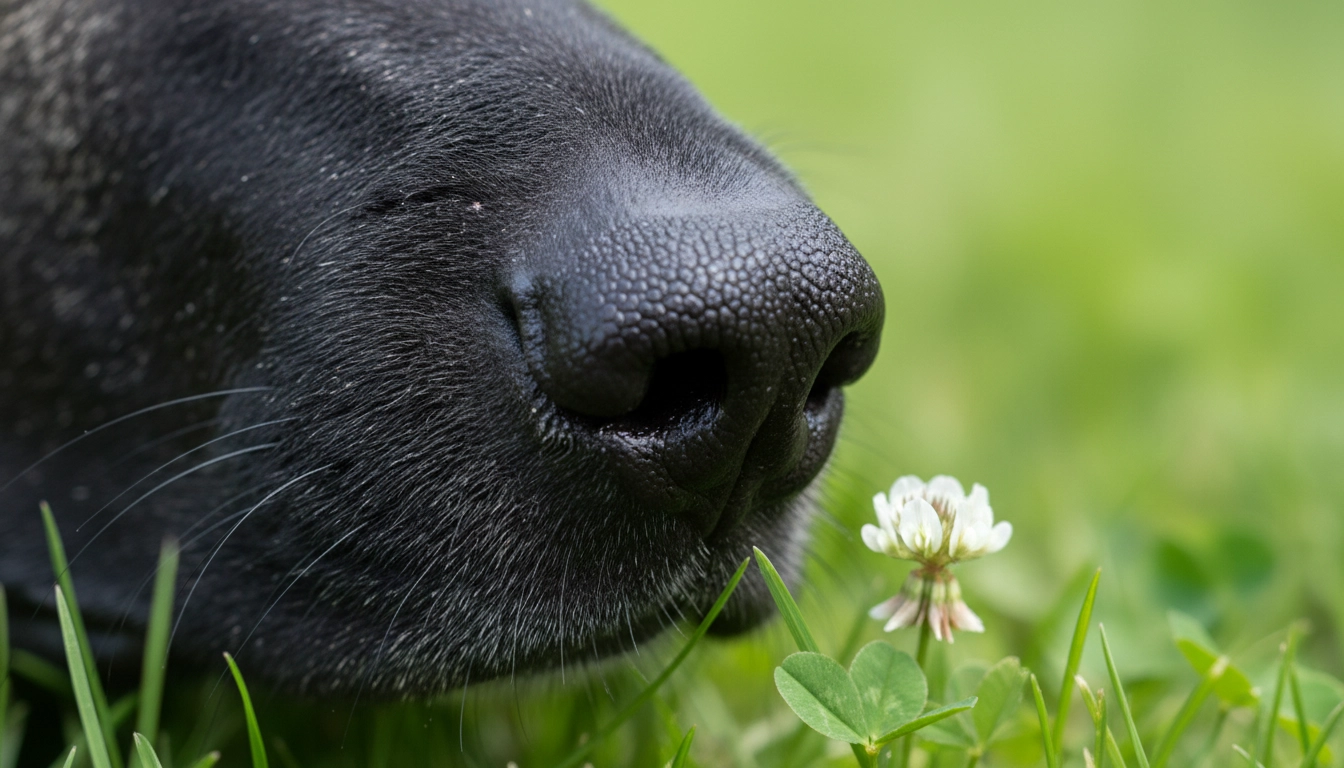
It’s about getting the heart rate up, sure, but it’s also about using their incredible sensory gear to understand the world.
If you just walk them in a straight line on concrete and never let them stop to smell anything, you’re basically taking them to a museum and making them wear a blindfold.
It’s frustrating for them. Every dog is built differently. You’ve got your metabolic athletes and you’ve got your professional loungers.
A dog that was bred to herd sheep for ten hours a day is going to have a much higher baseline for activity than a dog bred to sit on a Victorian lady’s lap.
I put together this quick breakdown because people always ask me what the difference is between a physical workout and a mental one.
| Type of Work | Focus Area | Example Activity |
|---|---|---|
| Physical | Muscles and Heart | Running or Fetch |
| Mental | Brain and Focus | Scent Work or Puzzles |
| Sensory | Nose and Ears | Decompression Walks |
My Take
Don’t just walk in a straight line. Let them use their ‘nose’ and their ‘brain’ to get the full experience of the world.
Exercise shouldn’t be a chore you tick off a list. It should be a challenge that leaves them satisfied.
If they’re coming home and still pacing, you didn’t hit the mark. It’s about finding that physical and mental sweet spot where they can finally just breathe and relax.
I think we forget that dogs have a lot of pent-up frustration just from living in our human world.
They have to wait for us to wake up, wait for us to get home, and wait for us to stop looking at our phones.
Activity is their chance to finally be a dog. It’s the foundation of everything.
The Sniff Factor
Did you know that twenty minutes of active sniffing is as tiring for a dog as an hour of fast walking? Mental work is a core part of any ‘Exercise Guide for Dogs: How Much Activity Do They Need?’ strategy.
Why Exercise Is Essential for a Dog’s Health
Let’s be real for a second—canine obesity is a massive problem. I see it all the time.
An extra couple of pounds on a human isn’t a huge deal, but on a Beagle or a Terrier? It’s a disaster for their joints.
Keeping them lean is the kindest thing you can do for them. It keeps the pressure off their vital organs and ensures they can actually keep playing into their senior years.
Then there’s the heart. A dog’s cardiovascular system needs a workout just like ours does.
If the heart is strong, everything else works better. The blood moves, the brain gets oxygen, and the immune system stays ready for a fight.
But honestly, the biggest reason I push exercise is for the behavioral side of things. Most of the bad dogs I work with aren’t actually bad.
They’re just under-employed. They have all this energy and nowhere for it to go, so it turns into anxiety-based behaviors.
They bark. They dig. They chew the baseboards. When a dog moves, their brain releases these feel-good chemicals called endorphins.
It’s like a natural sedative. A dog that’s had a good run or a long hike is much less likely to freak out when a leaf blows past the window.
It makes them more resilient to the stresses of life.
Consistency Over Intensity
It is much better to provide thirty minutes of exercise every single day than to do a three-hour hike only on Saturdays. ‘Consistency’ is the key to building long-term stamina and health.
Exercise Guide for Dogs: How Much Activity Do They Need?
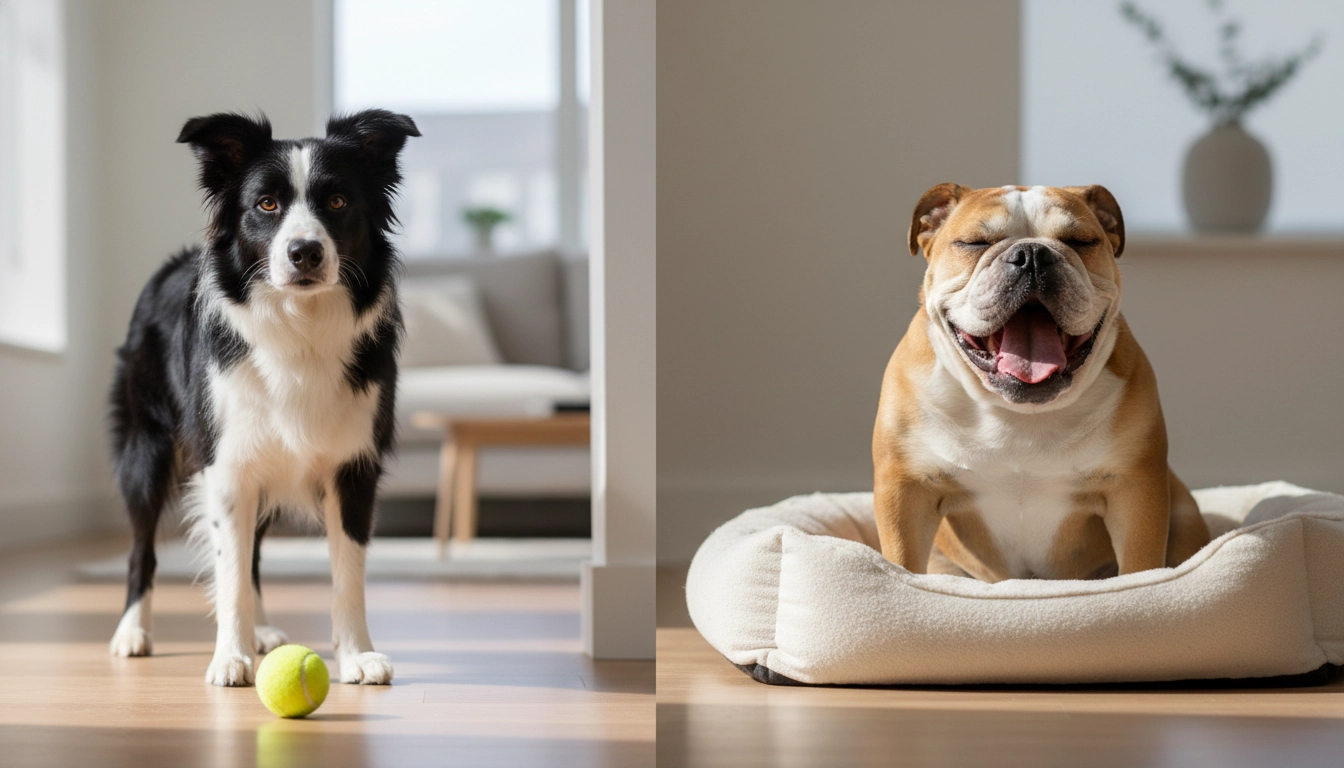
I always tell people to look at their dog’s genetic blueprint. You can’t fight biology.
If you have a Border Collie, you have a high-performance machine. If you have a Bulldog, you have… well, a very cute brick.
Working breeds are the ones that usually get people into trouble. If you’ve got a Shepherd or a Retriever, you’re looking at one to two hours of real work every day.
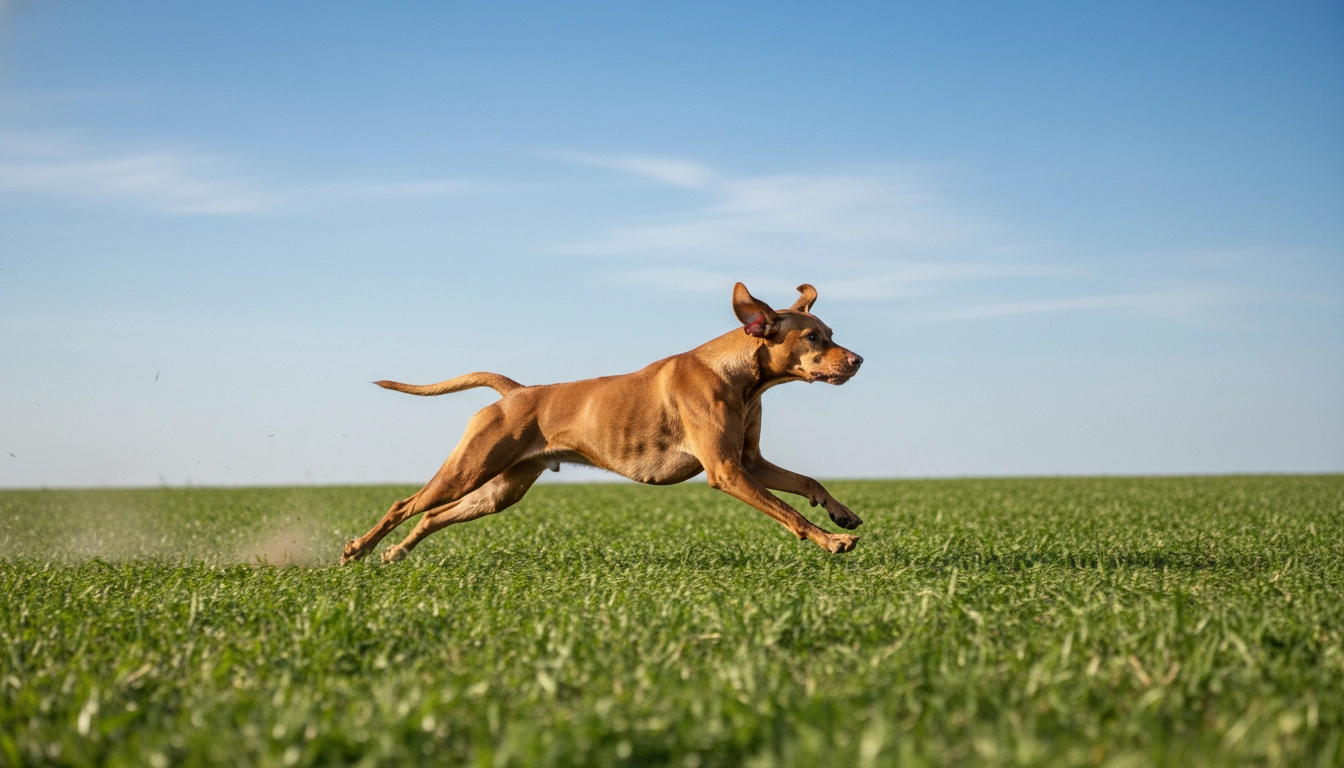
And I don’t mean a slow stroll. I mean running, swimming, or playing a serious game of fetch that makes them use their brain and their body at the same time.
Small breeds are different, but they still need to move. A lot of people think because a dog is small, it doesn’t need to walk.
That’s how you end up with a tiny terror that yaps at everything. Even thirty minutes of walking can make a huge difference for a brachycephalic breed like a Pug.
Age is the other big factor. You can’t treat a puppy like an adult, and you can’t treat a senior like a puppy.
It sounds obvious, but you’d be surprised how often people get it wrong. Puppies have growth plates that are literally made of soft cartilage.
If you run them too hard too early, you’re setting them up for a lifetime of joint pain.
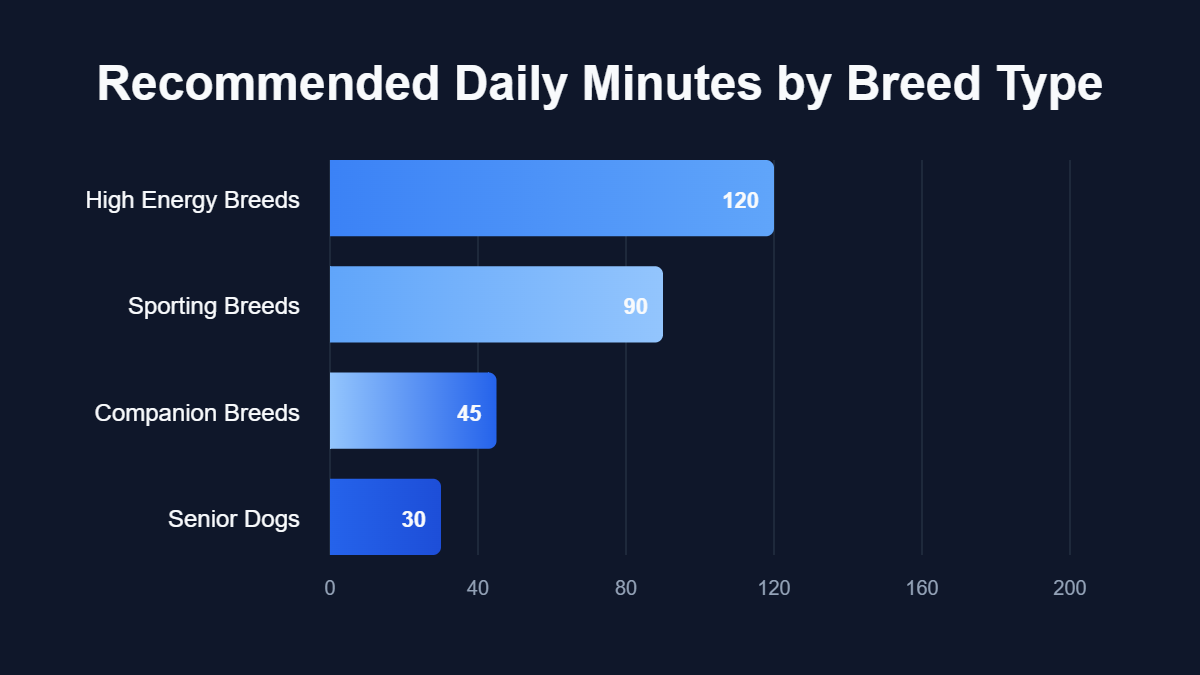
Here is a look at how different engines need different amounts of fuel and maintenance based on their type.
My Take
Remember that these are ‘averages’. Your dog might be an outlier, so watch their energy levels daily to see if they need a bit more or less.
Tailoring Activity to Different Life Stages
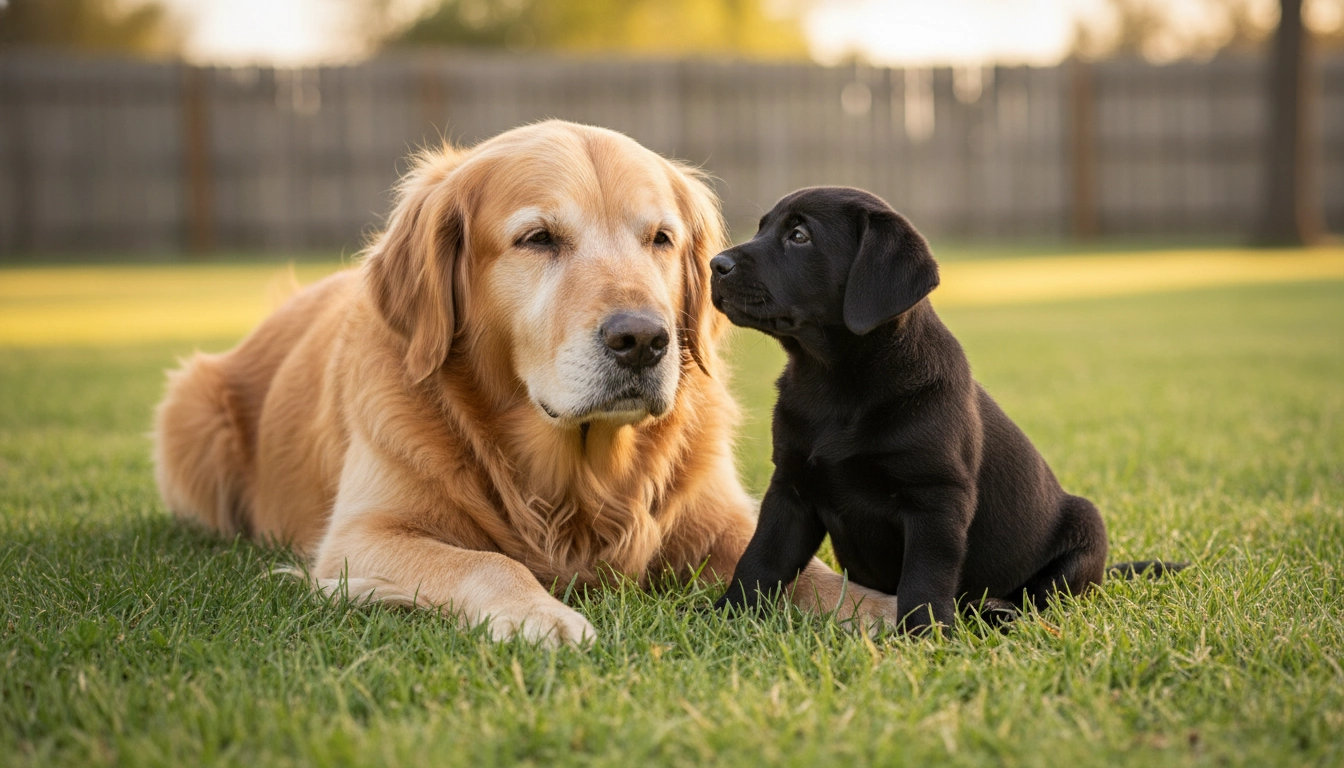
You have to adjust your expectations as your dog grows. What worked six months ago might not work today.
It’s a constant evolution. I think the biggest mistake owners make is staying stuck in a routine that the dog has either outgrown or can no longer handle.
If you pay attention, your dog will tell you when they need more or less. You just have to listen.
Exercise for Puppies
Puppies are basically little chaos engines. They go from zero to sixty in two seconds, and then they collapse and sleep like they’re dead.
It’s hilarious, but it can be exhausting. I usually suggest the five-minute rule—five minutes of structured walking for every month of age, twice a day.
So, if your pup is four months old, they get twenty minutes. That’s it. Don’t push it.
Their bones are still forming, and you don’t want to cause permanent damage by being too intense too soon.
Focus more on socialization walks. Take them to a park and just sit on a bench. Let them see the world.
That’s mental exercise, and it’s just as important. They’re like little sponges, soaking up every new sound and smell.
And seriously, avoid the high-impact stuff. No jumping off high decks and no long runs on pavement until those growth plates are closed.
For most dogs, that’s around a year or eighteen months. Patience here saves you thousands in vet bills later. Trust me.
Exercise for Adult Dogs
This is the golden era. Your dog is in their prime. They can handle the structured stuff now.
This is when you can really start doing the things you’ve been dreaming of, like long hikes or morning jogs.
But please, watch the weather. I can’t say this enough. Dogs are terrible at cooling themselves down compared to us.
If it’s hot out, keep the sessions short. I also like to vary the terrain.
If you always walk on the same sidewalk, your dog’s muscles get used to it. Take them on grass, sand, or a trail with some rocks.
It works different muscle groups and keeps their brain engaged because they have to think about where they’re putting their paws.
If your dog is a high-drive type, look into dog sports. Agility or dock diving isn’t just for professionals.
It’s a great way to give an adult dog a job to do. It builds their confidence and makes your bond way stronger because you’re working as a team.
Exercise for Senior Dogs
Just because they’re getting gray around the muzzle doesn’t mean they should stop moving. They need it to keep their joints lubricated.
If they stop moving, they get stiff, and once they get stiff, it’s hard to get them going again.
But you have to be gentle. Instead of one long walk, do three short bursts.
It’s much easier on their heart and their aging limbs. If you notice them stiffening up the next morning, you know you did too much.
Dial it back. Swimming is the ultimate for seniors. It’s low-impact and supports their whole weight.
They can move their legs and build muscle without any of that jarring impact from the ground. It’s like magic for a dog with arthritis.
Don’t forget the brain, though. As they slow down physically, mental stimulation becomes your best tool.
Use puzzle feeders or hide treats around the house. It keeps them feeling young even when their legs don’t want to cooperate.
Age changes everything, so here is a quick look at how to scale things back or ramp them up as they grow.
| Life Stage | Primary Focus | Main Warning |
|---|---|---|
| Puppy | Socialization | Protect Growth Plates |
| Adult | Stamina and Drive | Watch the Weather |
| Senior | Mobility and Comfort | Avoid High Impact |
My Take
Never rush the ‘puppy phase’. You have years of running ahead of you once they are fully grown, so protect those joints now.
Best Types of Exercises for Dogs
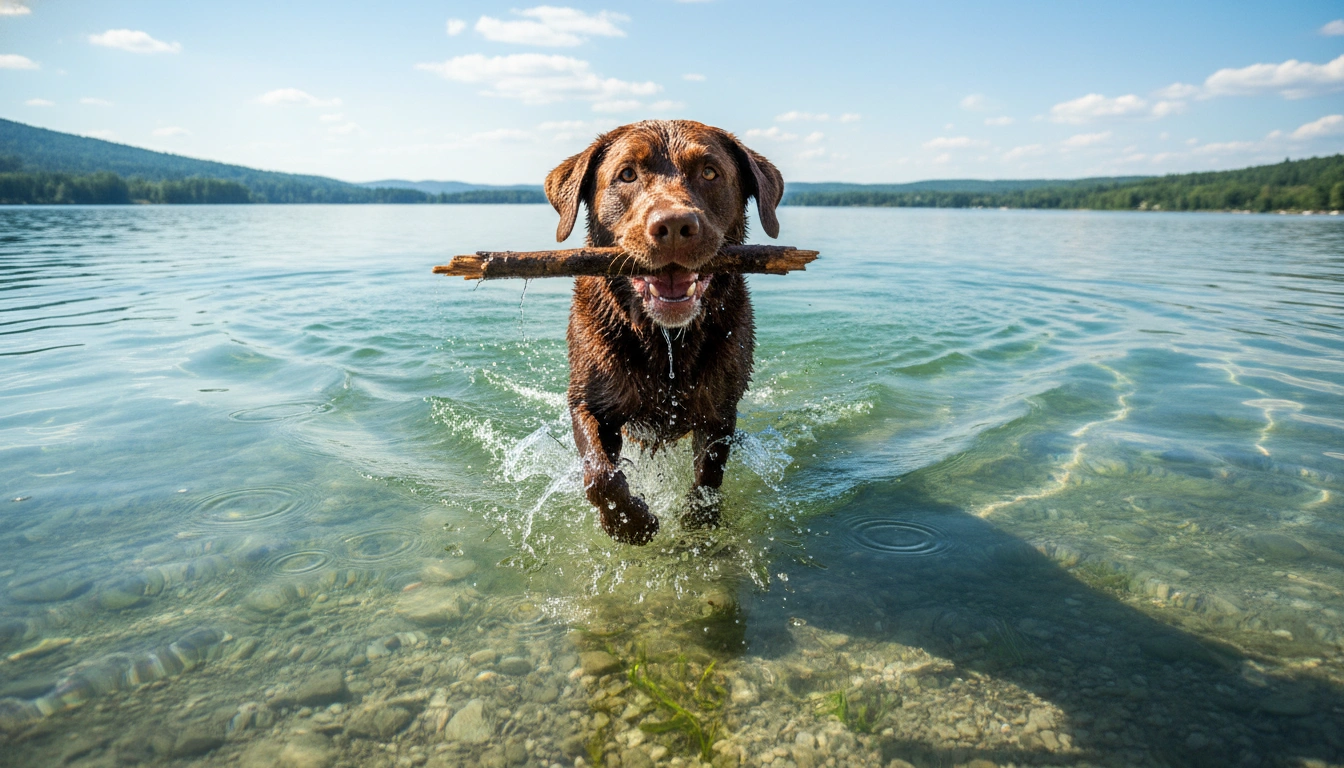
The classic walk is still the king. It’s not just about the legs; it’s about the sensory engagement.
I like to do decompressions walks where I just let the dog lead (safely) and sniff whatever they want. It’s like therapy for them.
Running is great, but only for certain dogs. Make sure they have the physical conditioning first.
You wouldn’t run a marathon without training, right? Same for your dog.
Fetch is the go-to for many, and it’s great interval training. Just be careful with the high-speed stops.
Using a soft disc instead of a hard ball can save their teeth and their neck from getting jerked around too much.
- Hiking on natural trails for varied terrain.
- Controlled swimming—it’s the best full-body workout.
- Hide and seek with treats—keeps the nose working.
- Tug of war—great for building muscle and focus.
- Agility training—even just DIY stuff in the backyard.
- Nose work—the gold standard for mental tiring.
If you are looking for new ideas, here is how I rank the most common activities based on what they actually do for your dog.
| Activity | Physical Effort | Mental Effort | Best For |
|---|---|---|---|
| Scent Work | Low | Very High | Anxious Dogs |
| Fetch | High | Medium | High Drive Dogs |
| Trail Hiking | Medium | High | All-Around Fitness |
| Swimming | Very High | Low | Senior Dogs |
My Take
Mix it up to keep them ‘engaged’ and excited for every outing. Variety is the spice of life for a dog.
Watch the Paws
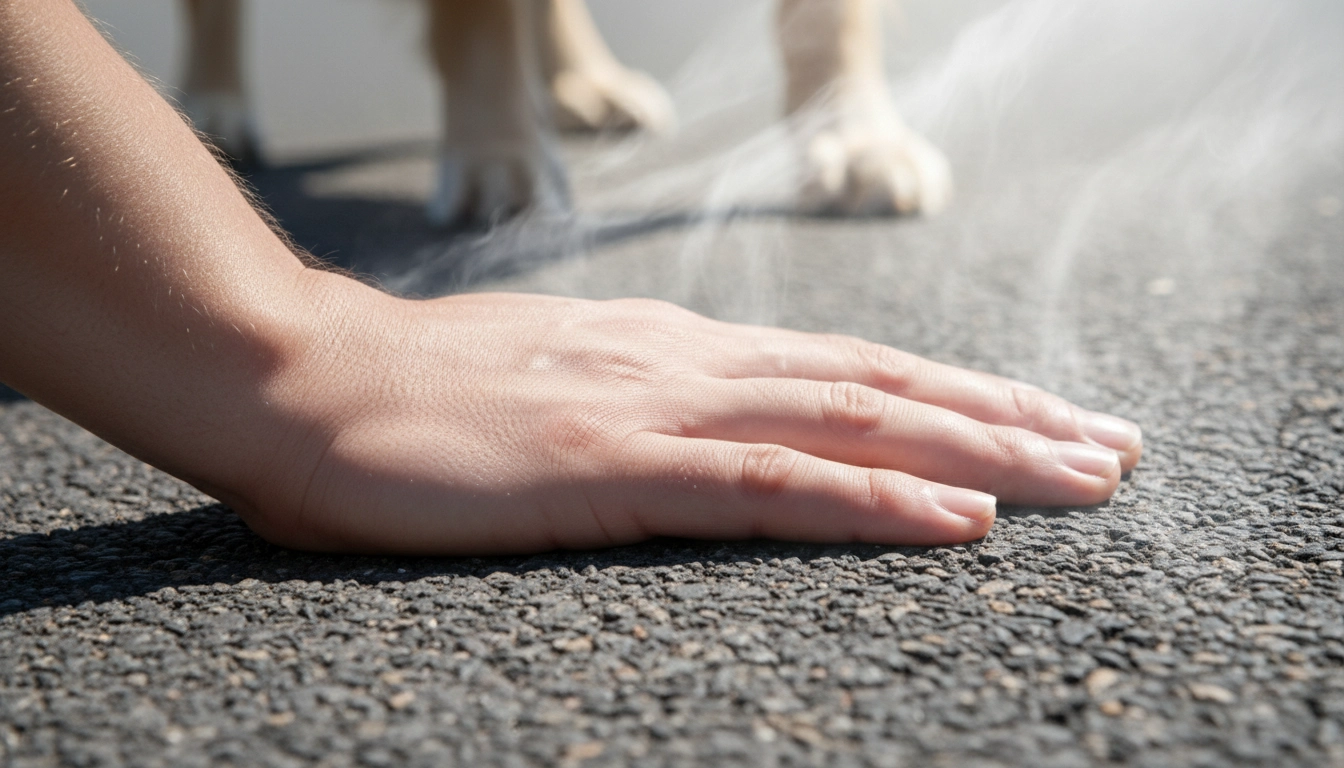
Hot pavement can burn a dog’s paw pads in seconds. If the ground is too hot for your ‘bare hand’ to touch for five seconds, it is too hot for your dog to walk on.
The Role of Mental Stimulation
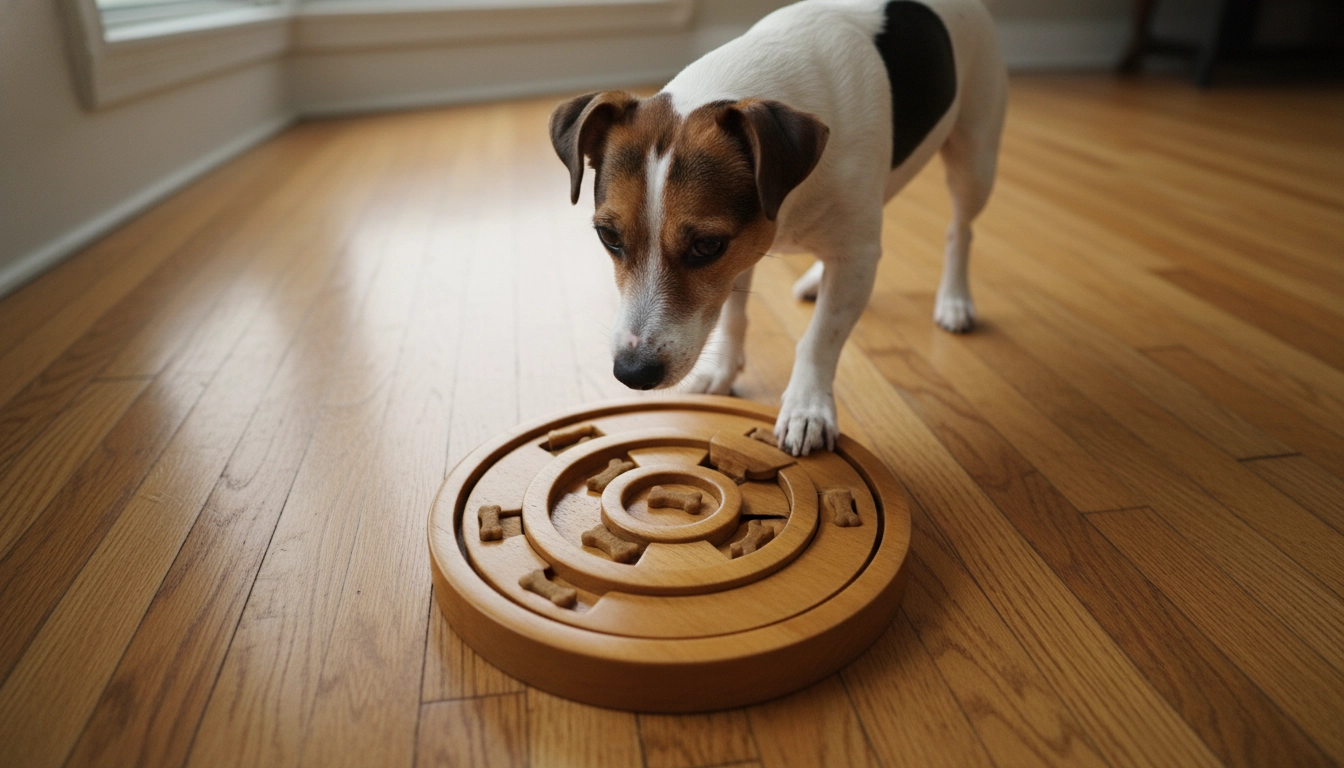
I tell people this all the time: A tired dog is a happy dog, but a mentally tired dog is a miracle.
If you only work the body, you just end up with an athlete who still wants to chew your shoes. You have to work the brain.
Dogs are problem solvers by nature. In the wild, they’d spend all day looking for food.
In our houses, we just drop a bowl of kibble in front of them. It’s boring.
Fifteen minutes of trick training is worth an hour of walking. It makes them focus.
It makes them think. That kind of work is exhausting in the best way possible.
Use interactive toys. If they have to figure out how to get the kibble out of a wobbler or a mat, they’re using their brain.
It mimics that natural foraging and gives them a massive sense of accomplishment. It’s a game-changer for high-energy dogs.
Identifying Signs of Improper Activity Levels
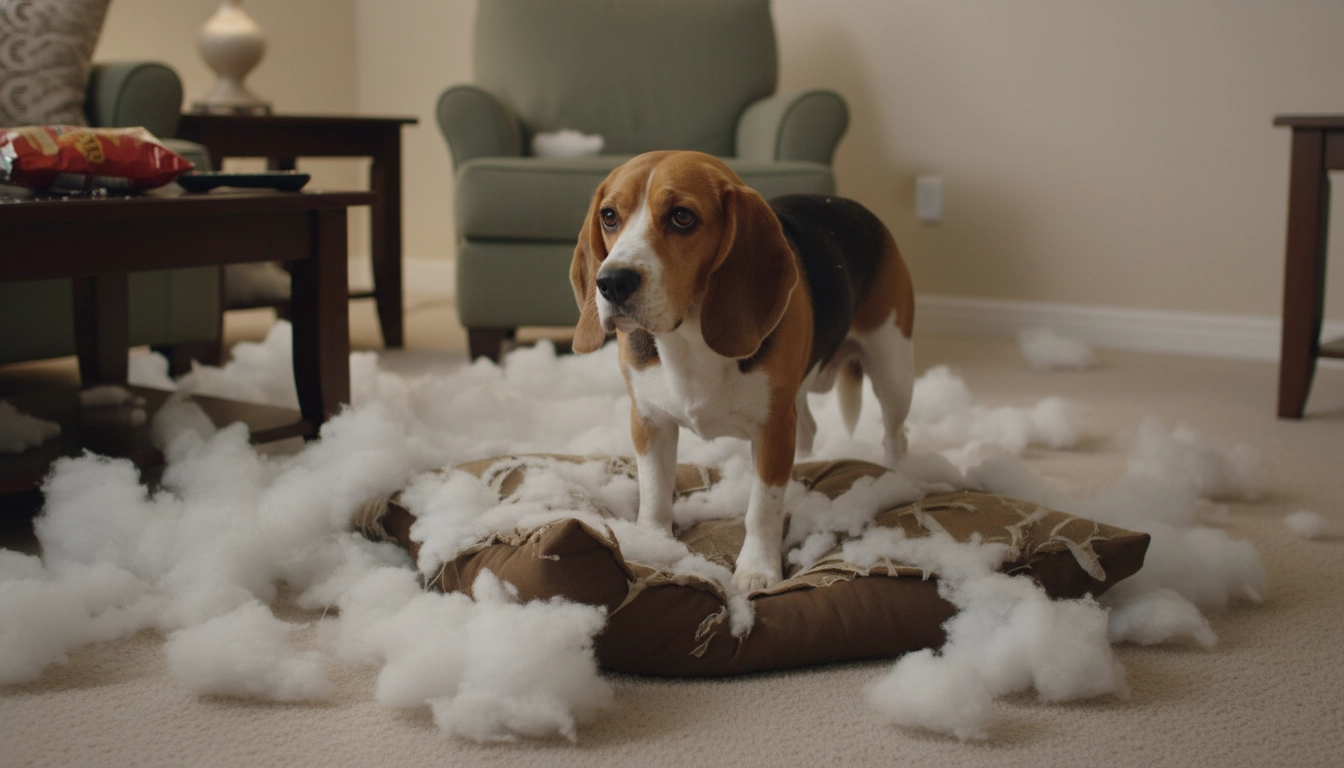
You have to be a detective. If your dog is getting too little exercise, they won’t just sit there and be sad.
They’ll find a way to let you know. Usually, it’s by being destructive.
If they’re pacing or barking at nothing, they’re probably under-stimulated. Weight gain is another big one.
If you can’t feel their ribs without digging through a layer of pudge, it’s time to move more.
But over-exercise is just as dangerous. I’ve seen people push their dogs too hard because they think more is always better.
If your dog is lagging behind or sitting down and refusing to move, listen to them. They aren’t being stubborn; they’re finished.
Heavy panting that doesn’t stop after five minutes of rest is a big red flag.
If their eyes look glassy or they seem confused, stop immediately. They’re pushing past their limit and they could be heading for heatstroke or total exhaustion.
If things feel off, check this list to see if you are hitting the mark or missing it entirely.
| Symptom | Likely Cause | Solution |
|---|---|---|
| Chewing Furniture | Under-stimulation | Add Mental Puzzles |
| Lagging on Walks | Over-exhaustion | Shorten the Route |
| Pacing at Night | Pent-up Energy | Increase Evening Activity |
| Weight Gain | Calorie Imbalance | Increase Physical Movement |
My Take
Your dog is a ‘detective’ and you need to be one too. Watch their body language for the real story.
- Chewing up furniture or shoes.
- Constant pacing and inability to relax.
- Losing muscle definition or getting a potbelly.
- Annoying attention-seeking (nudging, barking).
- Being reluctant to go for a walk.
- Bunny hopping or limping.
Common Mistakes to Avoid
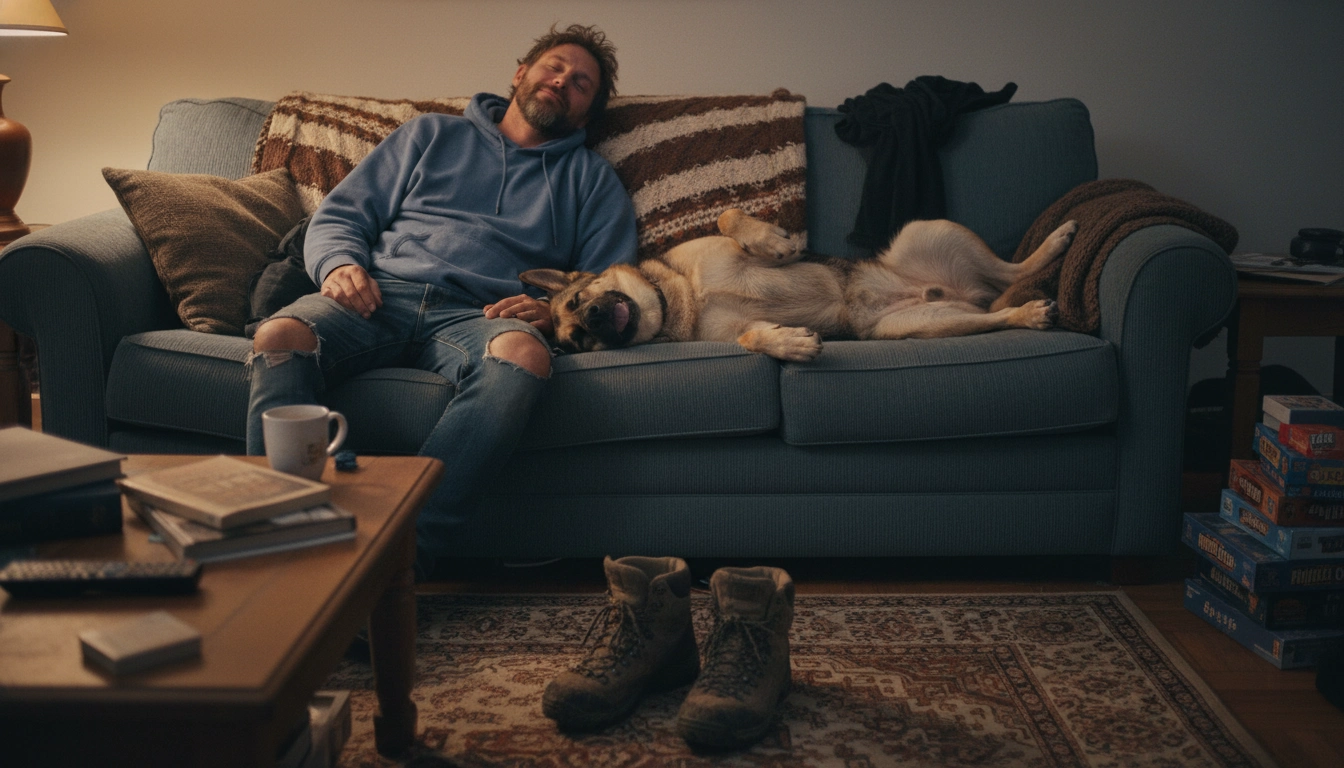
The Weekend Warrior thing is the worst. I get it, you’re busy all week.
But taking a dog that does nothing for five days and making them go on a four-hour hike on Saturday is a recipe for a torn ligament.
It’s too much, too fast. People also skip the cool down.
You shouldn’t just run them until they collapse and then put them in the car. Walk them slowly for a few minutes.
Let their heart rate come down. Also, don’t ignore indoor exercise.
If it’s pouring rain, you don’t have to just give up. Use the hallway for a gentle game of fetch or do some training in the living room.
And please, never punish a dog for having too much energy. If they’re jumping all over you, they aren’t disrespecting you.
They’re just full of beans. The answer is more activity, not a timeout.
Consistency and Patience will solve more problems than a loud voice ever will.
The Post-Walk Nap
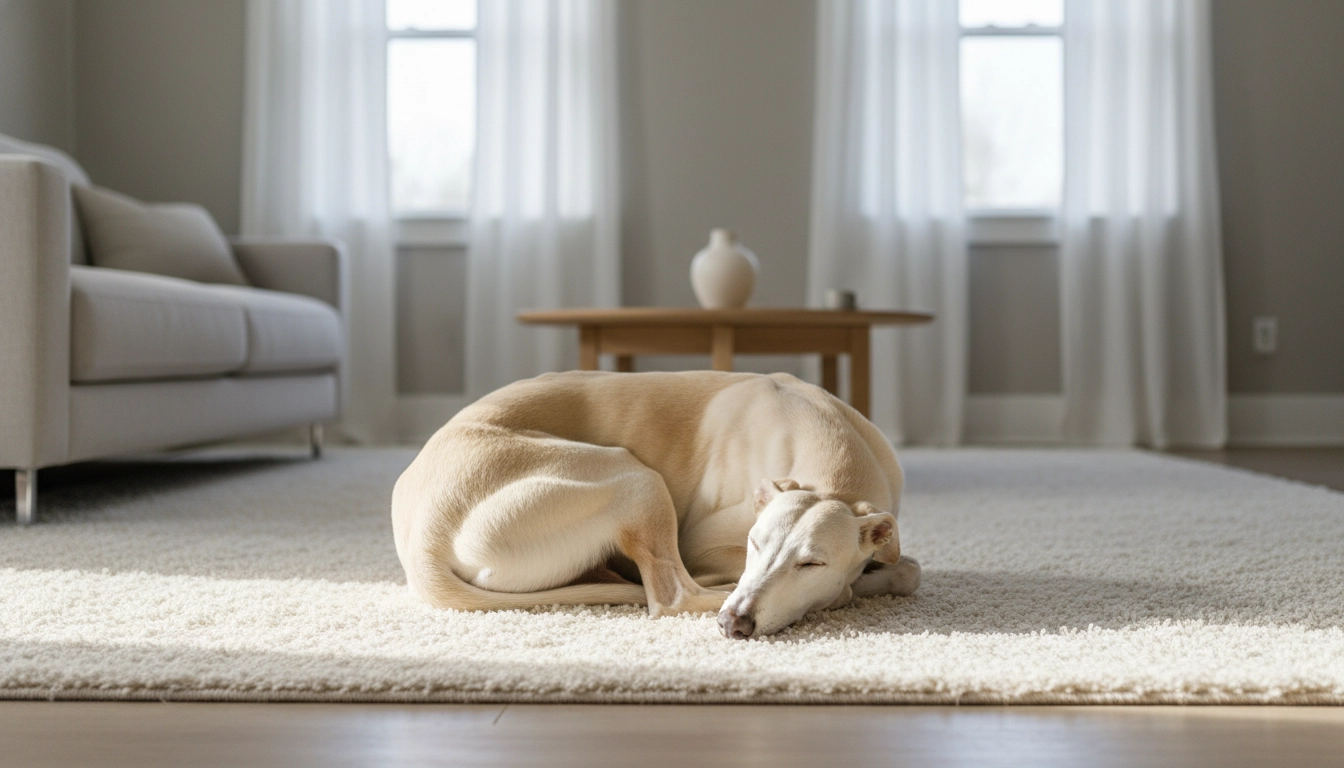
A dog that comes home and immediately sleeps for an hour is perfectly exercised. If they sleep for ‘five hours’ and seem lethargic, you likely overdid it.
Environmental and Seasonal Considerations
The weather changes everything. High humidity is a silent killer for dogs.
They can’t sweat, so they rely on panting to stay cool. If the air is heavy, it doesn’t work. Keep it short.
In the winter, pay attention to the paws. Salt on the roads can burn them, and ice can get stuck between their toes.
Sometimes a quick burst of play in the yard is better than a long walk on frozen ground.
If you live in a city, air quality matters. If you can smell the smog or there’s smoke in the air, your dog is breathing it in even harder than you are.
Stay inside if it’s bad. When you can’t go out, get creative.
I’ve used muffin tins with tennis balls over treats to create a DIY puzzle.
It keeps them busy and moving without needing to face the elements.
Advanced Insights for Active Owners
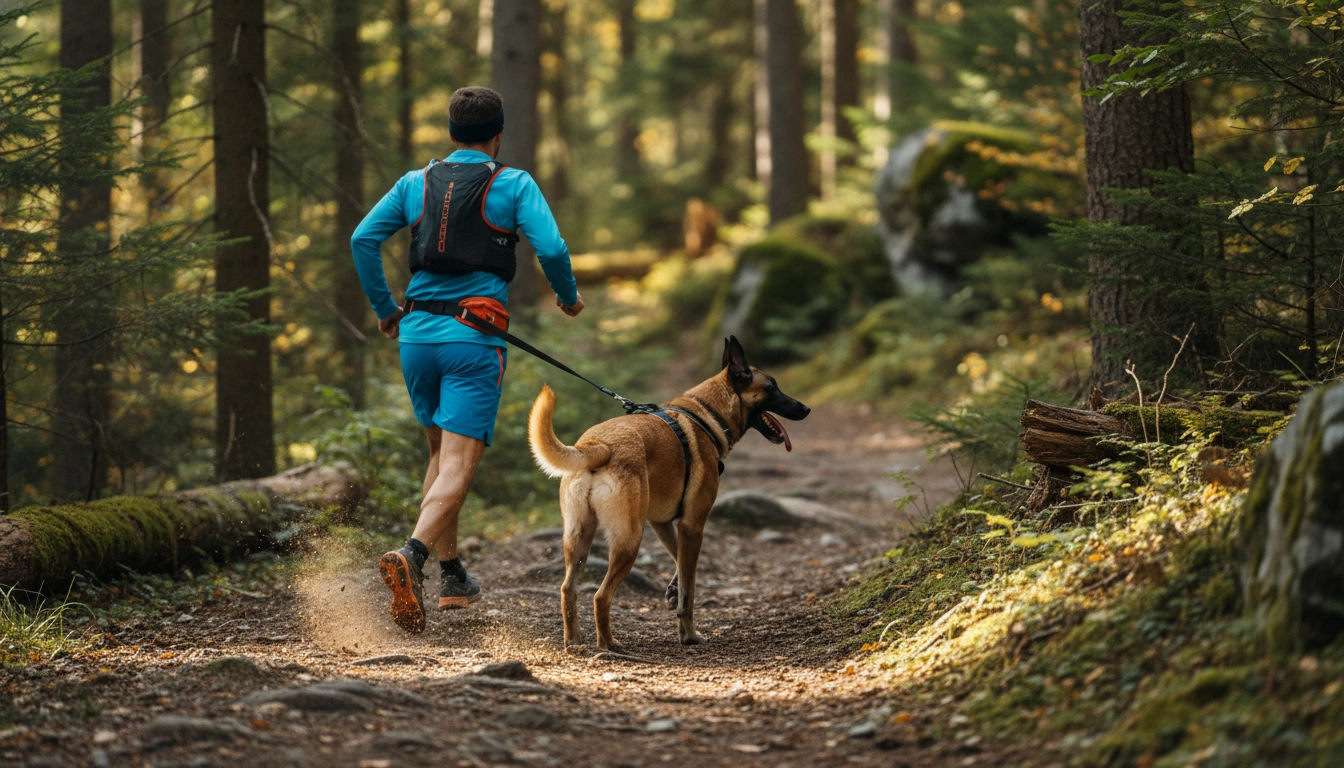
If you have a dog that just won’t quit, look into interval training.
Instead of one speed, go fast for two minutes and then slow for one.
It’s way more effective for burning calories and building real stamina.
Always, always carry fresh water. Even if it’s a short walk.
Dogs can get dehydrated faster than you’d think, especially if they’re excited.
And remember, conditioning takes time. You can’t expect your dog to be a marathon runner in a week.
It’s a slow build. Patience is the key here. Enjoy the journey together.
The bond you build while moving is special. It’s just you and them against the world.
It’s the best part of being a dog owner, honestly.
Conclusion
At the end of the day, there’s no perfect number of minutes.
This Exercise Guide for Dogs: How Much Activity Do They Need? is just a starting point. Your dog is the real expert.
Watch them. Are they happy? Are they calm in the house?
Do they have bright eyes and a good weight? If the answer is yes, you’re doing great.
Just keep at it. Be Consistent. Have Patience.
The reward is a dog that’s not just a pet, but a balanced and peaceful member of your family.
Anyway, I’d love to hear what works for you. Do you have a favorite secret trail or a weird game your dog loves?
Let me know in the comments. We’re all in this together.