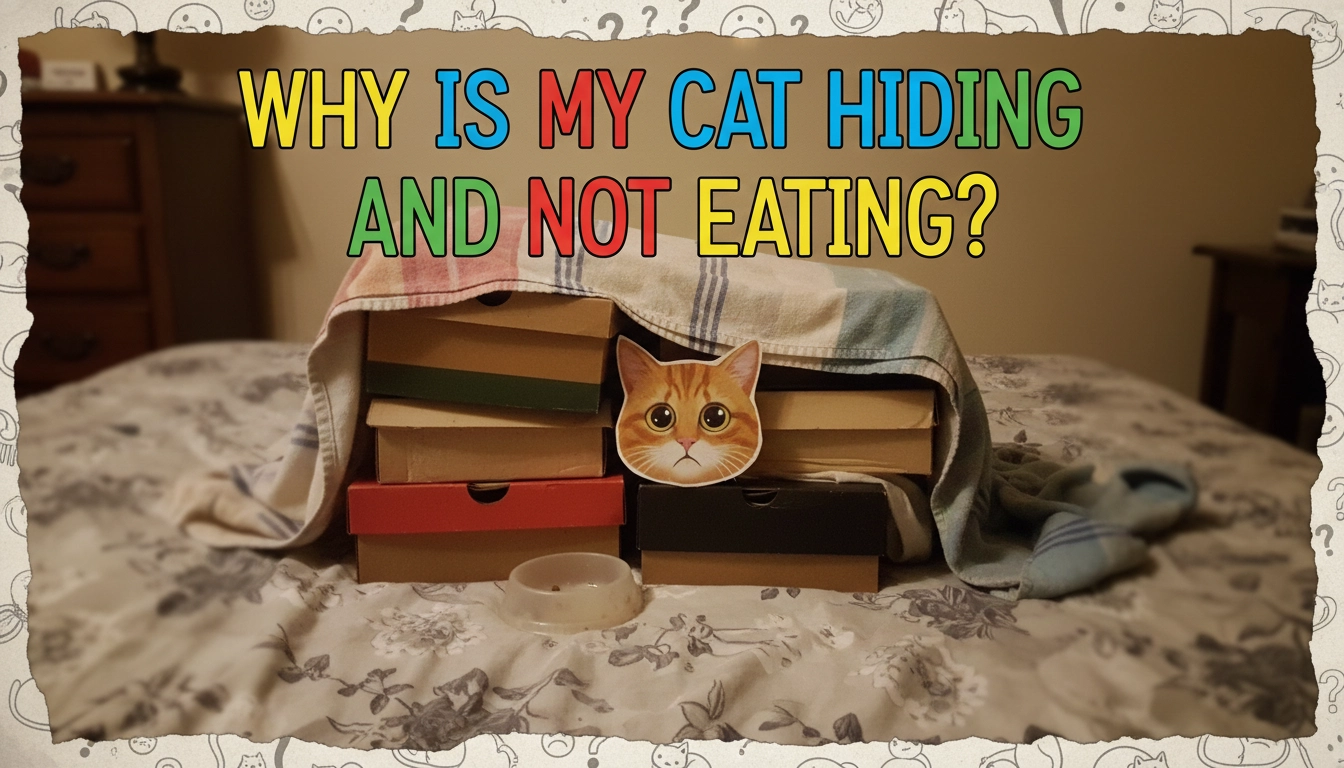

A cat that refuses to eat while jammed into the dark space behind your washing machine isn’t being stubborn; they are dying in slow motion. Neil over on Station Road in Belfast learned this the hard way last week when his tabby went ghost.
I’m typing this on my phone between calls because I’m tired of people thinking this is just a mood. It’s not a mood. It’s a crisis.
My opinion? Most owners wait way too long to take it seriously because they don’t want to bother the vet. They think the cat is just having a diva moment.
It’s not that. It’s never that. A cat hiding and refusing food is basically them screaming in silence.
It’s raw. It’s stressful. You’re standing there with a plate of tuna feeling like a total failure.
But you gotta keep your head and look at the facts.
The house feels wrong when the rhythm of a feline presence just… stops. You walk through the rooms and there is a coldness.
You see the food bowl. It’s still full. The kibble looks like little stones.
Many people find themselves crawling on the floor, looking under the sofa, asking why the cat is hiding. They want a simple answer. They want to hear it’s just a phase.
This isn’t about the cat being difficult. It is a signal.
A loud, heavy signal that the partnership you have with your animal has hit a wall. When a cat retreats, they are using ancient instincts.
They are managing a world that feels too big and too loud. I have spent years watching the way a feline shoulder blade tenses up.
I watch the whiskers. They tell a story of internal pressure that most people miss because they aren’t listening with their eyes.
You have to look past the fur. You have to find the root.
The Biological Roots of Feline Seclusion
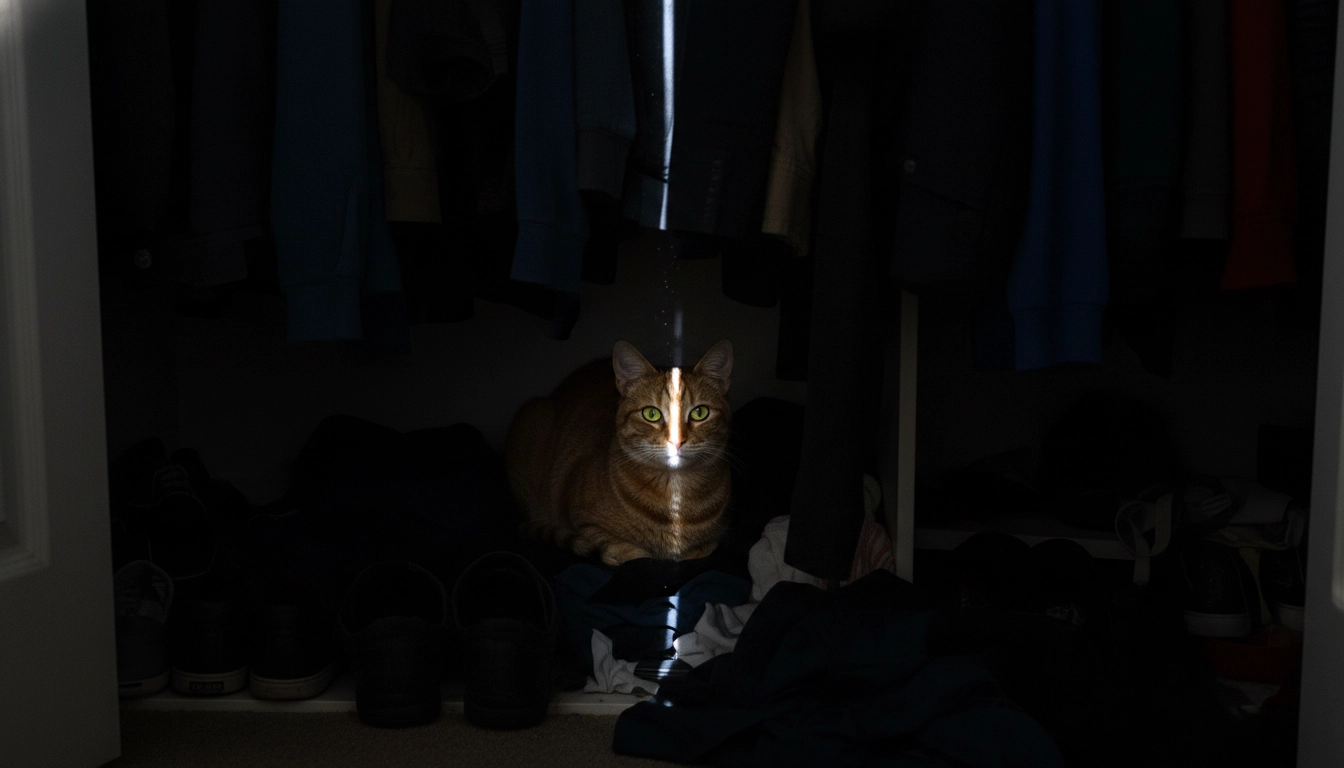
To understand why a cat chooses to vanish, you have to look at where they came from. They are predators, sure. But they are also prey.
In the wild, if you show weakness, you are dinner. It’s a hard rule.
A cat will find a hole when they don’t feel right. They seek a box or a closet because it protects their back.
I have seen how these instincts drive every move a cat makes when they feel the world closing in.
| Behavior | Natural Purpose | Domestic Equivalent |
|---|---|---|
| Deep Hiding | Avoiding Predators | Under the Bed |
| Refusing Food | Conserving Energy | Ignoring the Bowl |
| Silent Watch | Assessing Threats | Staring from Shadows |
My Take
Instinct is a powerful driver that never leaves a cat, even in a safe home. Respect their need for a ‘fortress’ when they feel vulnerable.
The act of hiding is self-preservation. It lets them watch the room from a spot of safety.
But when they stop eating? That is when the rhythm breaks.
A cat who stops eating is shutting down. They are losing the energy they need to heal. It’s a dangerous loop.
Loss of appetite is a weird symptom because it can mean anything. It is the cat’s way of saying something is fundamentally broken.
By hiding and starving, the cat is telling you they can’t cope. They are overwhelmed.
The internal pressure has become too much to carry.
The Survival Instinct
In the natural world, a sick or injured cat is a target for predators. Hiding is a deeply rooted survival mechanism intended to keep them safe while they attempt to recover in private.
Why Is My Cat Hiding and Not Eating? Common Medical Issues
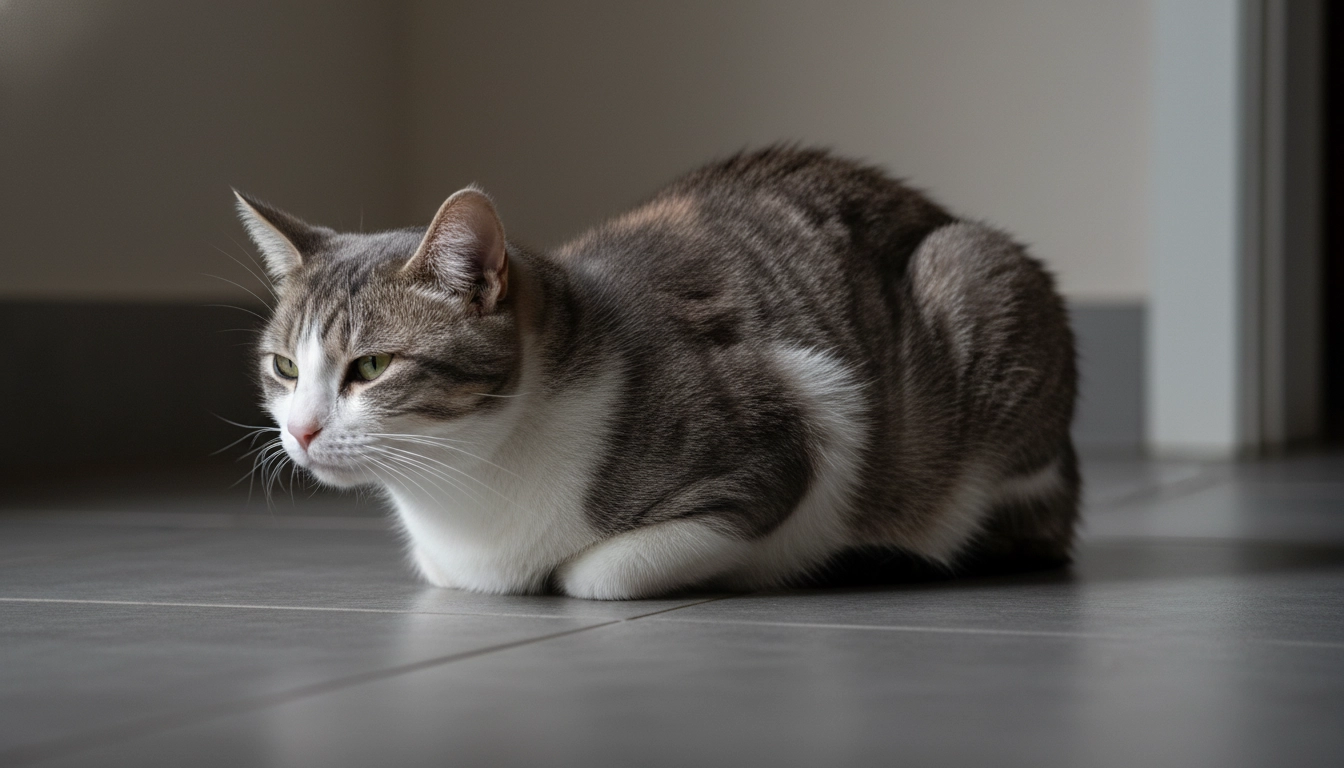
Physical pain is usually the culprit. Cats wear a stoic mask. They are masters of it.
They will hide a fever or a bad kidney until they literally cannot stand up. When you find them tucked away, they might be dealing with something huge.
I often look for the small signs that the body is fighting a battle we cannot see.
| Physical Sign | Potential Medical Issue | Urgency Level |
|---|---|---|
| Hunched Posture | Internal Pain | High |
| Yellowing Skin | Liver Failure | Emergency |
| Drooling | Dental Infection | Moderate |
| Heavy Breathing | Heart or Lung Distress | Critical |
My Take
A hunched cat is a cat in pain. Never mistake a stiff posture for a choice; it is a physical necessity for them.
Look at how they sit. A cat in pain doesn’t look relaxed.
They sit in a hunched way. Paws tucked tight. Head low.
Like they are trying to become a small, hard stone. Their ears might be rotated out.
Not forward, not back, but flat. Like the wings of a plane that is about to crash.
Dental pain is a big one. Imagine having a broken tooth and trying to crunch on a cracker.
You wouldn’t do it. A cat might walk to the bowl, look at it, and then hiss.
They want to eat. But the pain is a wall. So they go back to the closet.
It’s easier to hide than to hurt. Then there are the slow killers.
Kidney disease. Diabetes. These things make a cat feel sick to their stomach.
They get nauseous. They get weak.
People think the cat is just getting old and lazy. No.
The cat is feeling the world slip away and they are looking for a quiet place to deal with the fade.
Watch the Clock
If a cat goes without food for more than twenty-four hours, they are at risk for a serious liver condition. You should never wait more than two days to seek professional medical advice.
Environmental Stress and Behavior Changes
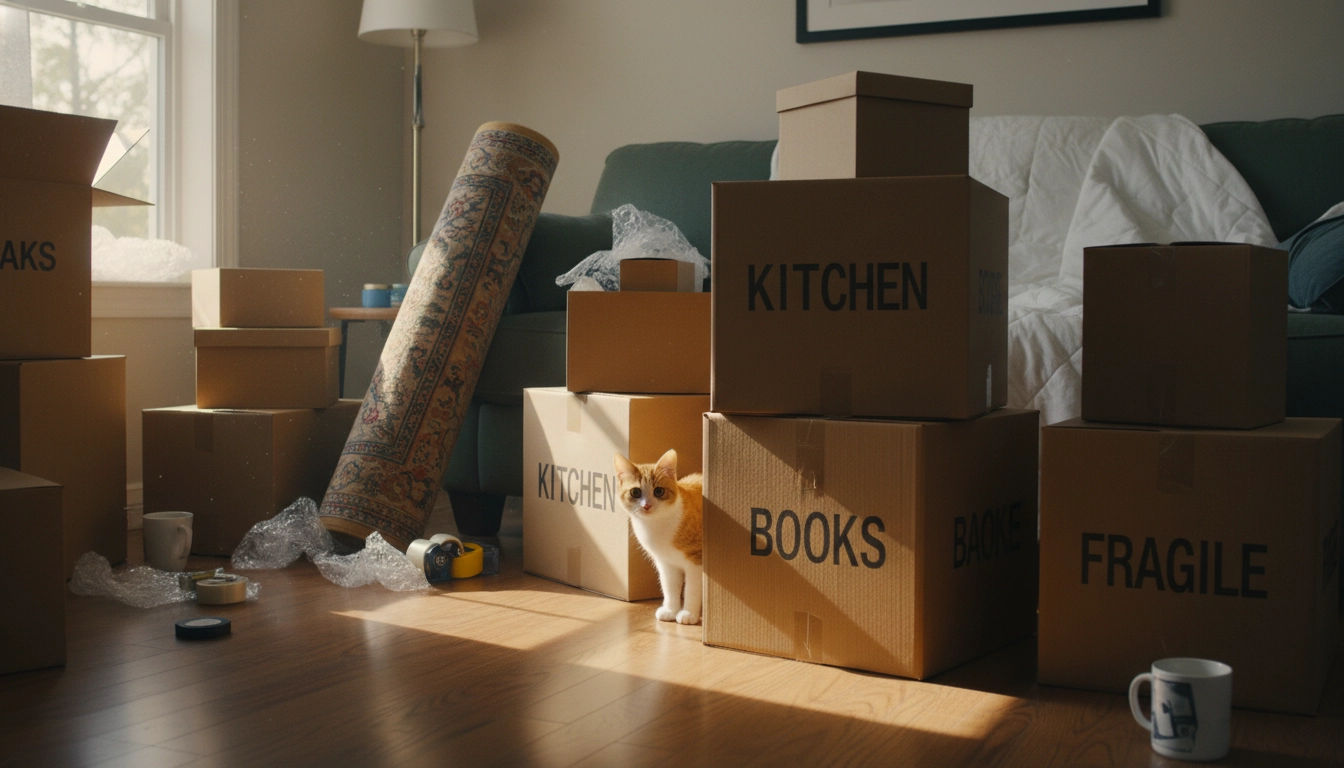
Cats are all about territory. They find safety in the smell of the house and the routine of the day.
Even a tiny change can feel like an earthquake to them. You buy a new rug?
To you, it’s decor. To the cat, it’s a giant, chemical-smelling intruder in their living room.
I have tracked the things that disrupt the peace of a home most often.
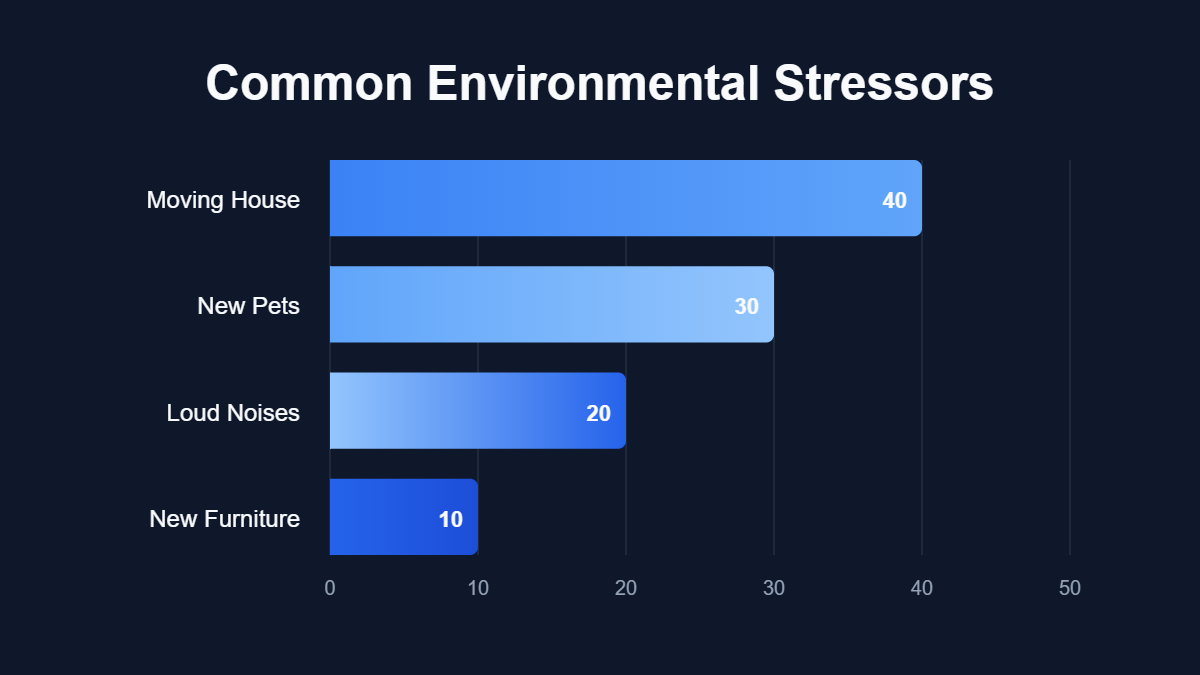
My Take
Routine is the ‘anchor’ for a cat. When you change their world, you must give them time to find their footing again.
Moving house is the worst. Neil saw this when he shifted things around.
The cat feels like its world has been deleted. They retreat to the dark because the light is full of things they don’t recognize.
They wait. They wait for the air to feel familiar again.
Loud noises are a nightmare. A thunderstorm or the neighbor using a drill can send a cat into a tailspin.
If the stress is high enough, the body floods with cortisol. Digestion stops.
The brain says run or hide, not eat. They are in a state of flight.
The food bowl doesn’t matter when you think the ceiling is falling down.
Anxiety and Social Conflict in the Home
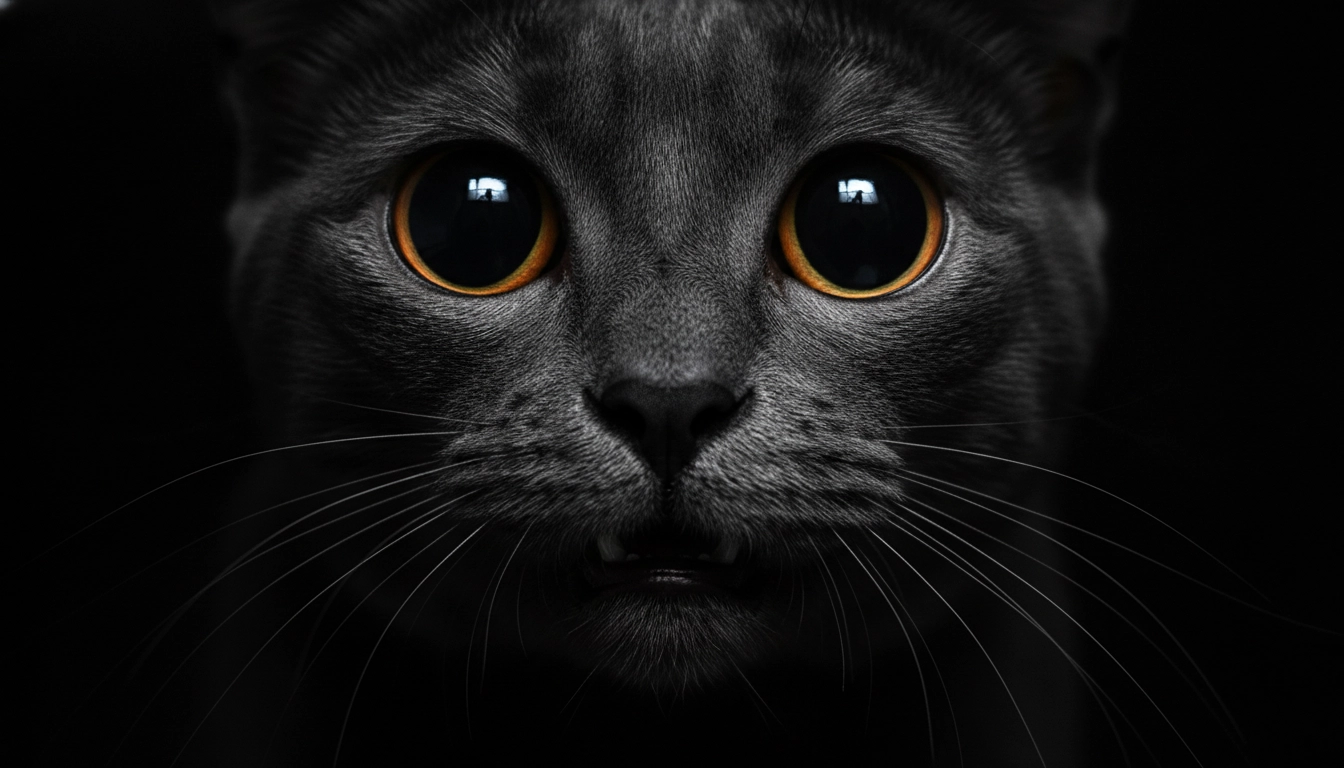
Chronic anxiety is a slow burn. It isn’t a one-time scare.
It’s a constant weight. A fearful cat lives under the bed.
They only come out when the house is dark and the humans are asleep. It’s a lonely way to live.
Inter-cat drama is usually the reason. One cat might be a bully.
It doesn’t have to be a fight. Sometimes one cat just stands in the doorway.
It’s a power move. The submissive cat won’t even try to pass.
They stay in the hiding spot. They give up on the food because the risk of a fight is too high.
You can see the fear in the tail. It’s wrapped tight.
The whiskers are flat against the face. The pupils are huge.
Even in a bright room, the eyes are black pits of terror. They are looking for a way out that doesn’t exist.
Create Vertical Space
Anxious cats often feel safer when they are high up. Providing tall cat trees or wall shelves can give them a sense of security without requiring them to hide in dark corners.
Digestive Problems and Nutritional Concerns
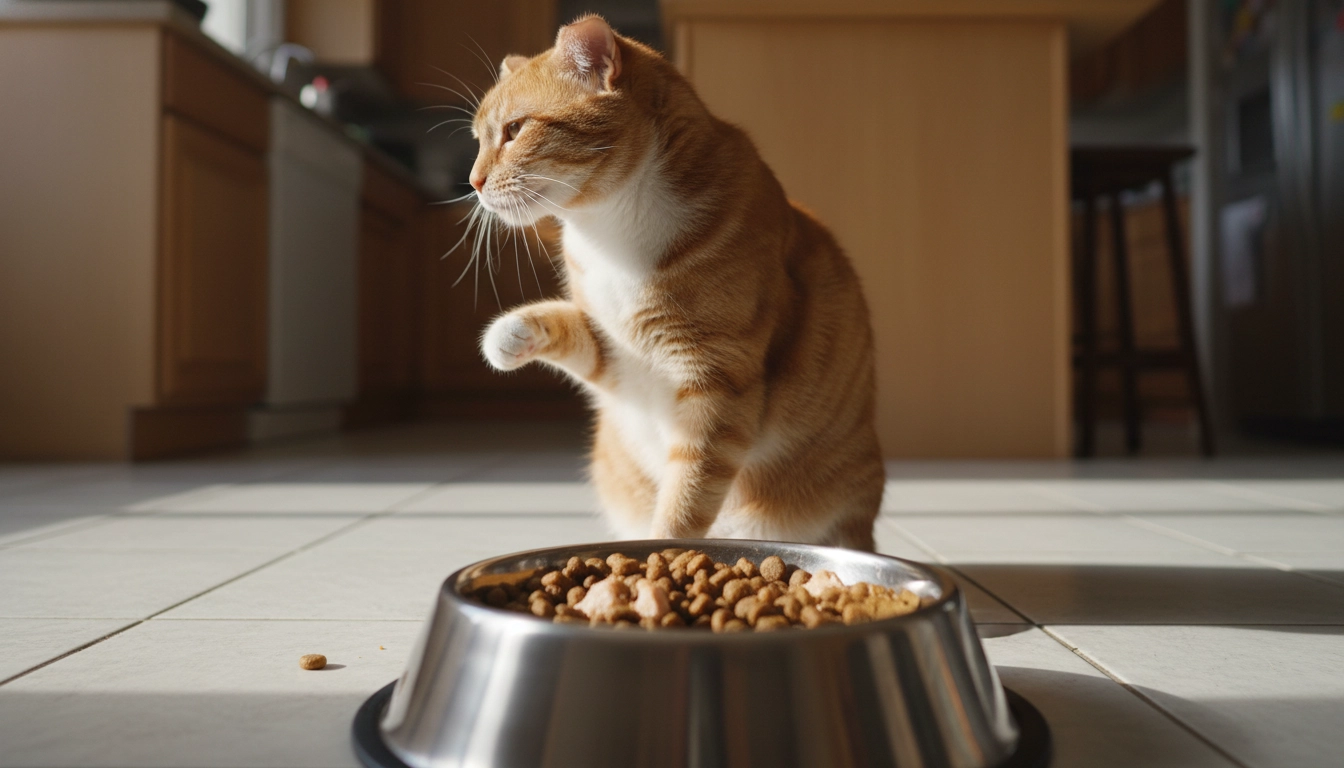
The gut of a cat is a delicate thing. Change the protein, and everything goes sideways.
If a cat eats something bad, they get a negative link to the bowl. They think the bowl caused the pain.
So they avoid the bowl. They hide because they feel like they are vibrating with nausea.
Older cats have it hard. Hyperthyroidism or kidneys.
These things change how food tastes. They change how the body feels after eating.
The cat gets tired. They spend more time in the shadows to save what little energy they have left.
Sometimes the food is just bad. Stale. Rancid oil in the kibble.
But if they are hiding too, it means they are past the point of being picky. They are vulnerable.
Their blood sugar is crashing. That makes them more tired. More hiding.
It is a cycle that ends in a vet clinic if you don’t break it.
How to Safely Check on a Hiding Cat
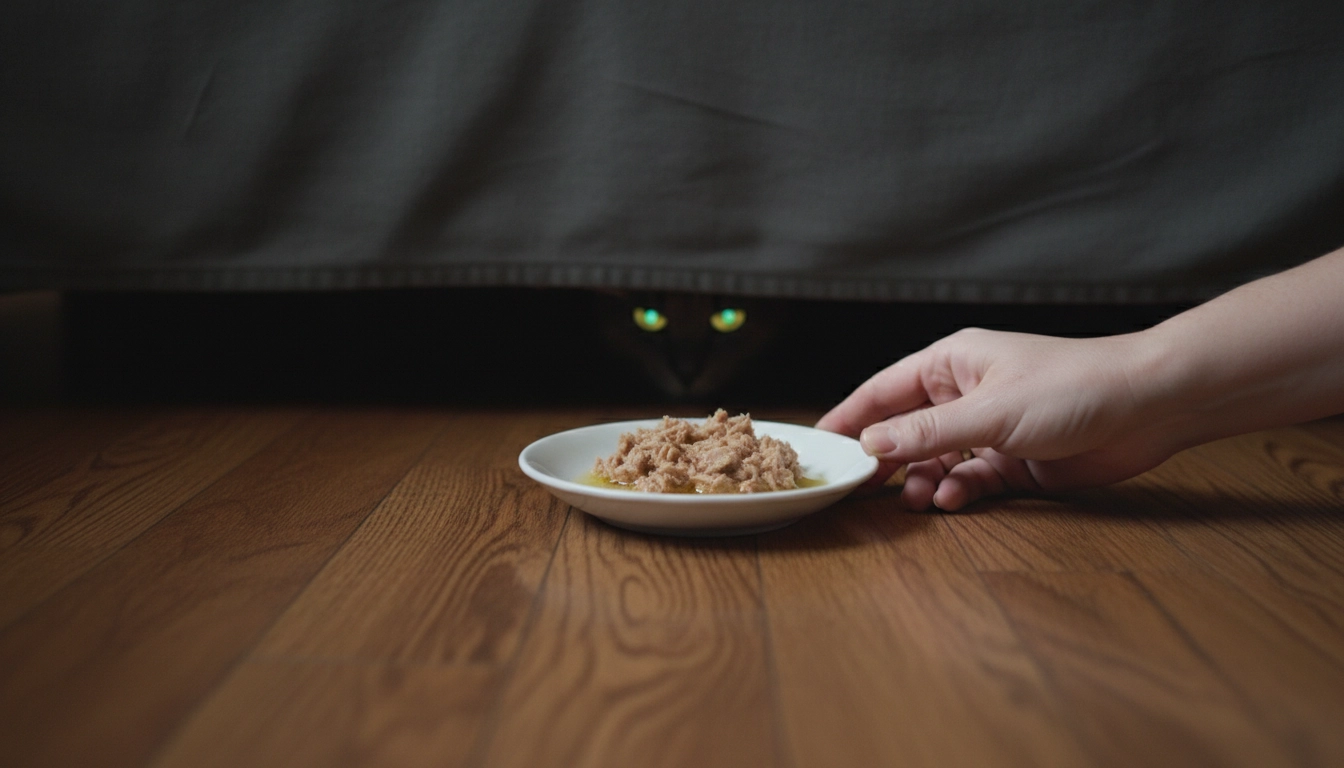
Don’t grab them. I know you want to.
You want to pull them out and hug them. Don’t.
That makes you a predator in their eyes. It breaks the partnership.
You have to be still. Sit on the floor near the hiding spot.
Don’t look at them. Just be there. Talk low.
Not baby talk. Just a steady, grounded voice.
Offer something that smells strong. Tuna. Warmed up baby food.
Put it near the hole. If they won’t come out, just leave it.
Walk away. Give them the choice.
Watch the breathing. Is it heavy? Are the sides of the belly moving fast?
That’s an emergency. If they are panting like a dog, stop waiting.
You have to move. In that moment, the space they need is less important than the air they need.
Creating a Recovery Environment
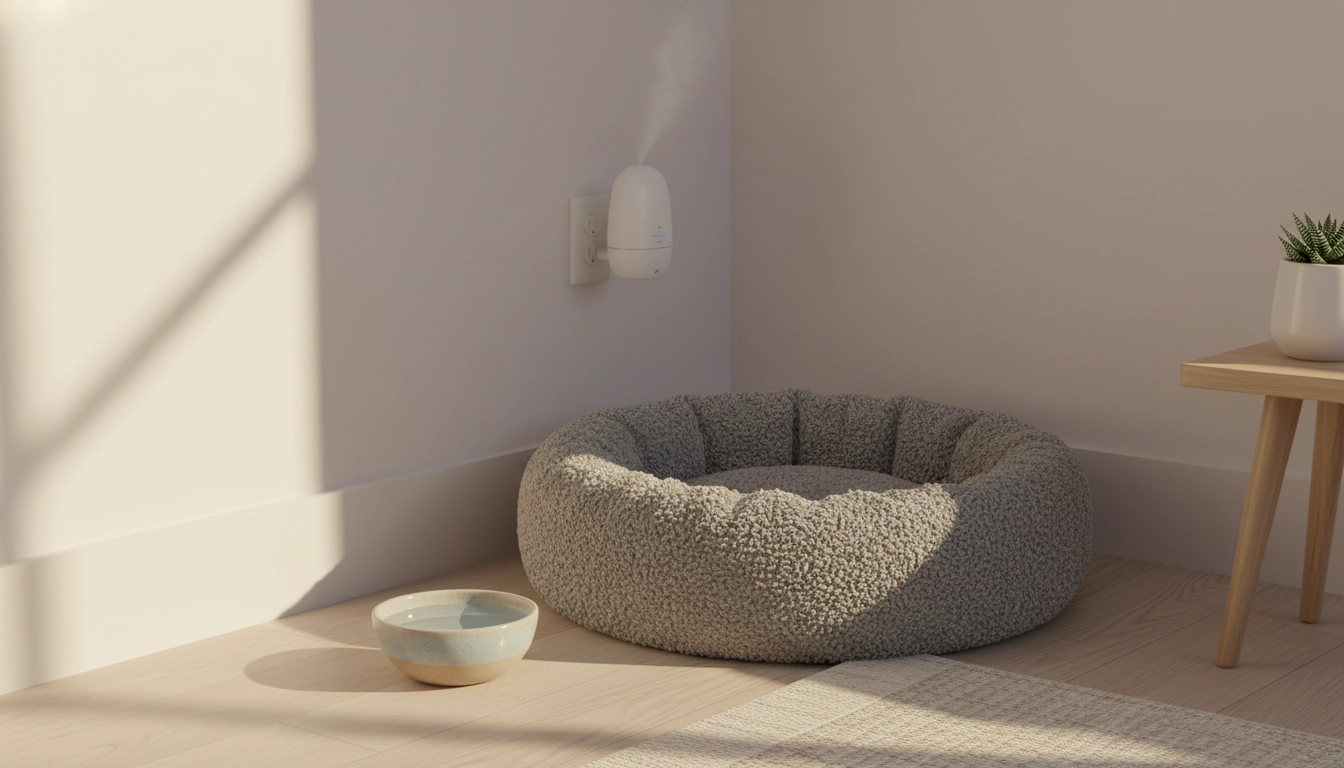
You have to make the house a sanctuary again. Stop the noise.
Keep the other pets away. Routine is the medicine.
If the cat knows what is happening at four o’clock, they feel safe. Chaos is the enemy of the feline mind.
Pheromone diffusers can help. They smell like a mother cat.
It’s a grounded scent. It tells the cat’s brain that the war is over.
It’s a small thing, but it changes the air in the room.
Bring the life essentials to them. Put the water and the box near the bed.
Don’t make them walk across the danger zone of the living room to pee. As they get stronger, you can move things back.
One inch at a time. It’s a slow dance.
I follow a simple set of steps when I am bringing a cat back from the edge.
| Step | Action | Goal |
|---|---|---|
| One | Reduce Noise | Lower Cortisol |
| Two | Scent Control | Establish Safety |
| Three | Close Access | Provide Nearness |
| Four | Strong Scents | Stimulate Appetite |
My Take
Patience is your strongest tool. Moving too fast will only reset the clock on their recovery.
Conclusion
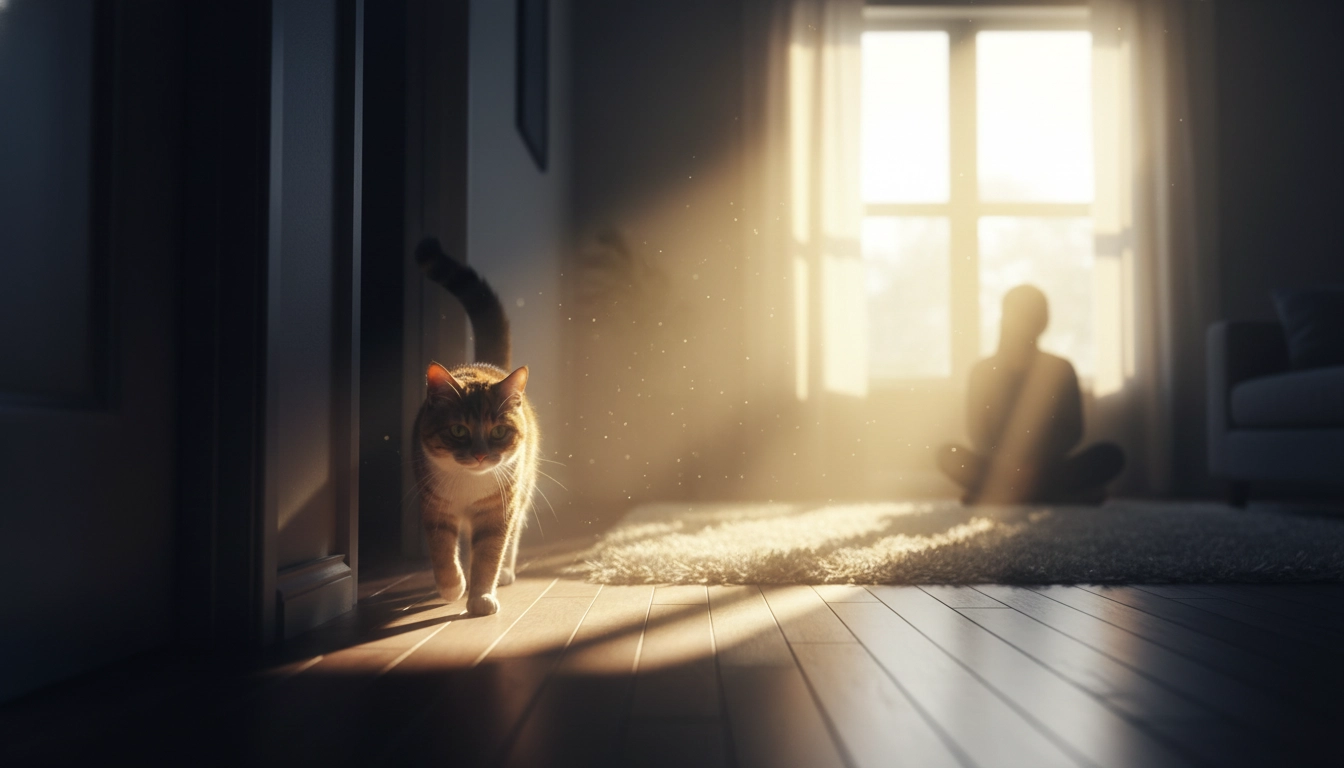
Finding out why the cat is hiding and not eating takes time. It takes a certain kind of patience.
We have to remember they don’t have words. They only have their presence and their absence.
Our job is to be the steady partner. We have to listen to the silence.
Look at the world from their level. See the shadows.
Notice the small shifts in the house that might be a big deal to a ten-pound animal. By being stoic and grounded, you give them the space to come back.
Your attention is the bridge. You lead them from the dark back into the light of the home.
It’s about the bond. It’s about the rhythm.