Vanessa’s big gelding looked off this morning and it’s honestly just a reminder that they’re basically giant glass ornaments waiting to break. I am sitting here watching him and he has got that look. Not a sick look exactly but the light is not hitting his eye right.
People always ask for tips but it is not about some magic powder or a fancy rug. It is just about being there when the sun comes up and actually looking at them. Really looking.
Like, did his ear flick toward the gate or is he just tuned out? If you miss that you miss everything. Honestly forgot my coffee today so if I ramble that is why.
These animals do not need us to be perfect. They need us to be steady. And mostly they just need us to stop overcomplicating things and pay attention to the basics before everything goes south.
Managing horse health tips is not about the shiny stuff you see in catalogs. It starts with a quiet observation. A long time before any vet needs to get involved.
A horse does not have a voice to tell you that his hock feels like it is full of ground glass or that the new batch of hay is making his stomach turn.
They use the tilt of a head. Or the way they put more weight on the off-side hoof. Sometimes it is just the way their coat looks dull under the barn lights.
To really take care of them, you have to learn to listen with your eyes. You have to feel the ground beneath their feet and understand what that vibration means for their skeleton.
True wellness is not some place you get to by ticking boxes on a Tuesday. It is a partnership. It is built on being there when it is raining and when it is freezing.
It is about knowing the biological reality of the animal in front of you.
Every tiny choice you make changes things. It changes how long they stay with us. By staying ahead of the problems, you keep the spirit in them.
You keep them strong.
I want to show you what I look for when I walk into the barn every morning.
| What I See | What It Means |
|---|---|
| Dull Eye | Possible pain or fatigue |
| Shifted Weight | Foot or joint discomfort |
| Tilted Head | Ear or tooth issues |
My Take
Trust your gut. If something looks ‘off’ even if you cannot name it, it probably is.
Understanding the Basics of Equine Wellness
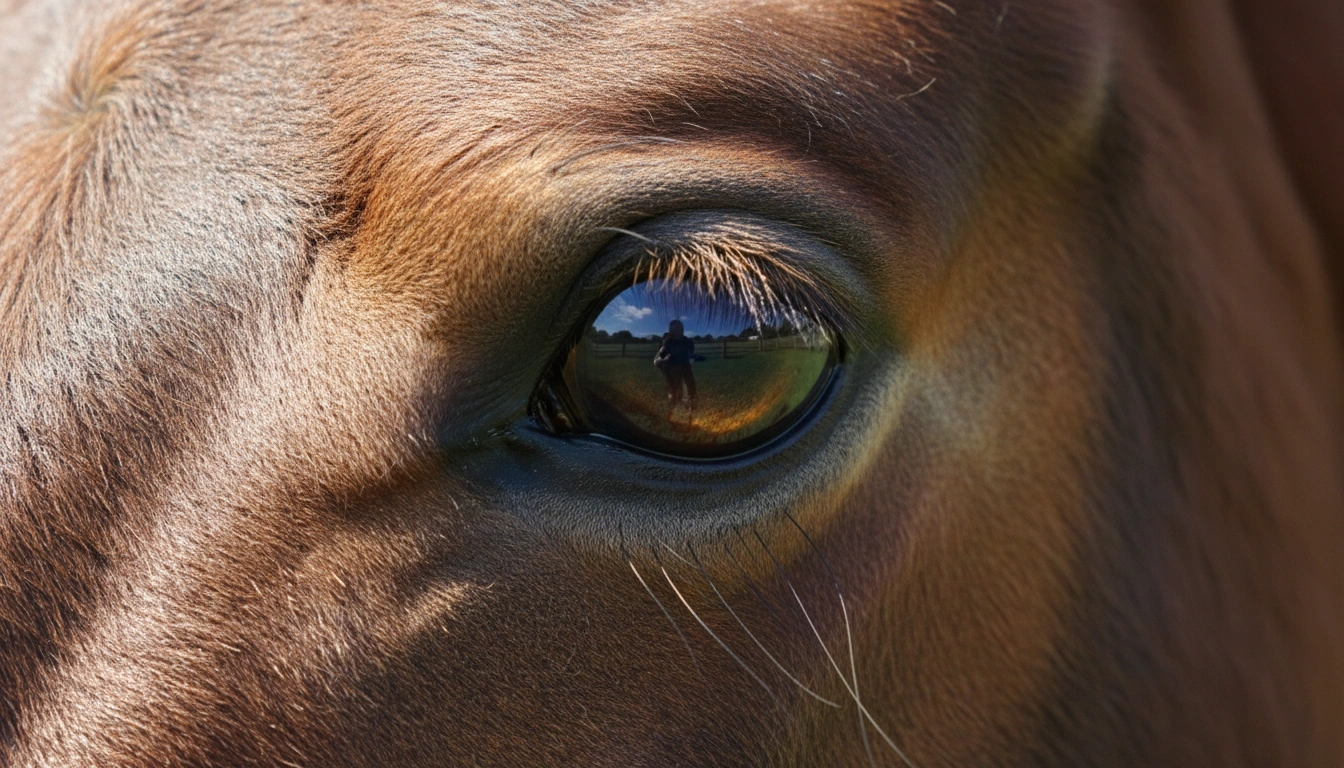
Wellness is just a fancy word for balance. It is the physical and mental state that lets a horse be a horse. It is not just about them not being lame.
A healthy horse has a bright eye. Their hide is supple. They move because they want to, not because you are making them.
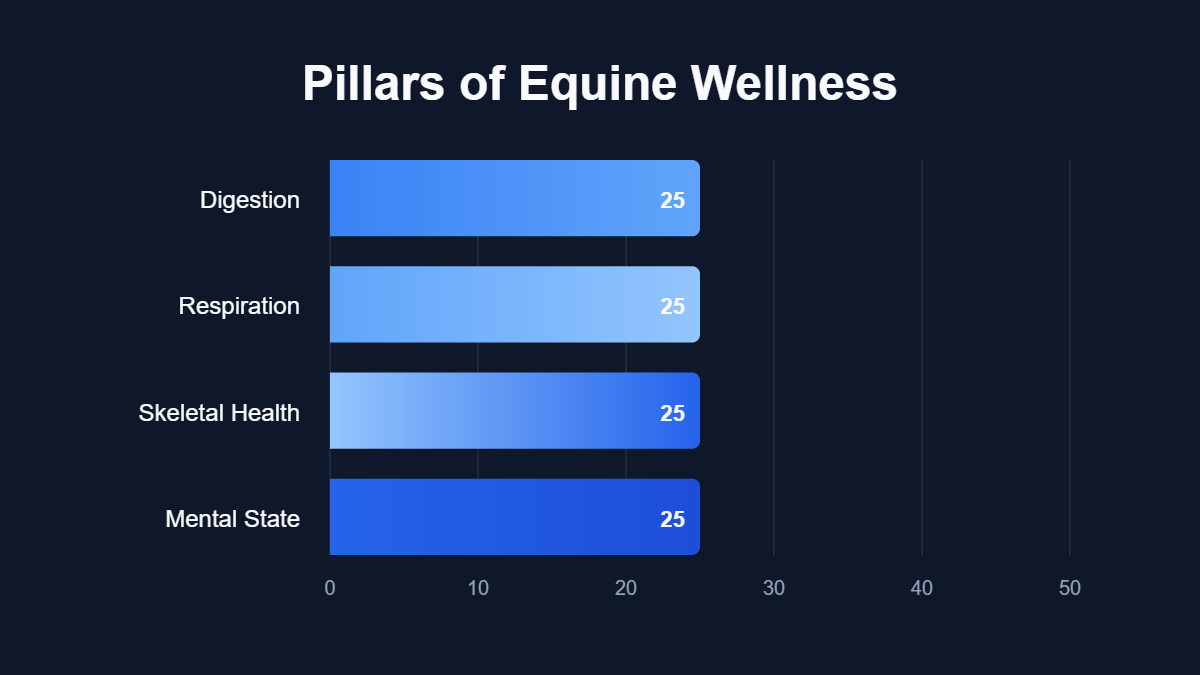
This whole thing sits on a few big pillars. Digestion. Breathing. The way their bones and muscles hold together.
If one of those pillars starts to crack, the whole horse starts to lean. You have to see the lean before the fall. Most people do not notice the drift until it is a crisis.
Mental health matters too. People forget that. A horse that is stressed or stuck in a box away from its friends is going to get sick.
Their body will just start to shut down. So you have to look at the whole thing. Body and mind.
A calm horse has a better immune system. Their gut works better when they are not pacing the fence. It is all connected.
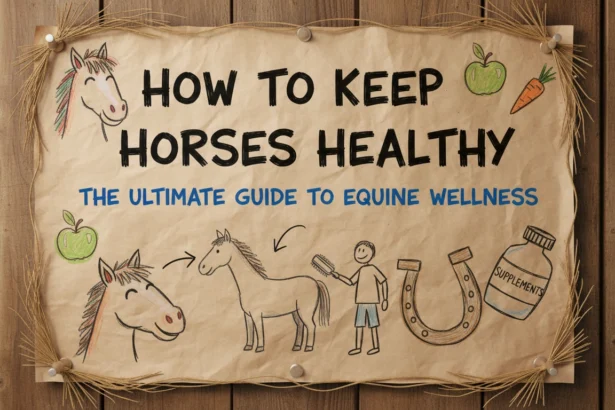
I think of wellness as a structure with four main parts that need to be equal.
My Take
Balance is everything. You cannot fix a ‘lame leg’ if the horse is too stressed to heal.
Equine Heart Rate
A resting adult horse typically has a heart rate between thirty and forty beats per minute. Knowing your specific horse’s baseline is essential for identifying early signs of ‘distress’ or pain.
How to Keep a Horse Healthy Every Day
If you want to keep them vital, you have to look at how they lived before we put fences up. Horses are trickle feeders. They are supposed to walk miles and miles while they eat.
Giving them hay all the time is the biggest thing. It stops ulcers. Their stomachs make acid all day and all night.
If they do not have forage to soak that up, it eats them from the inside out.
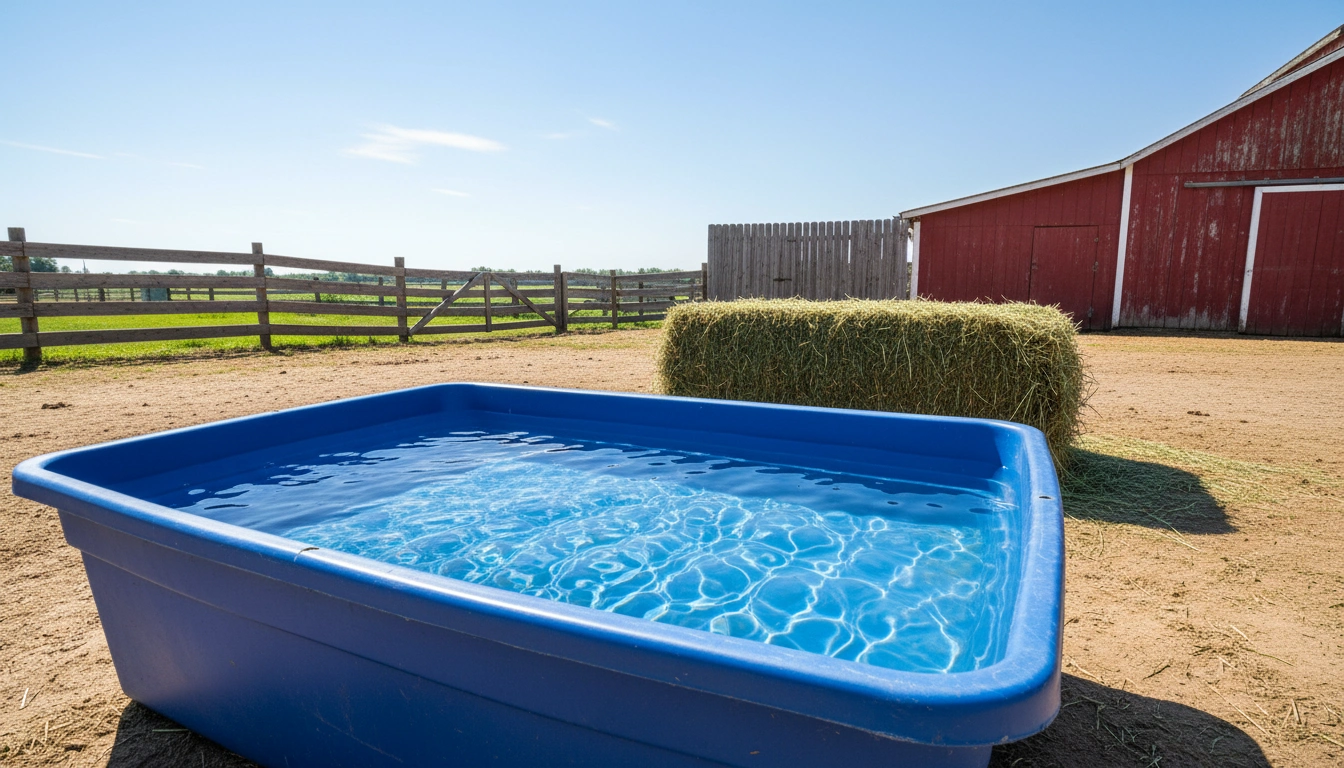
Water is the next big thing. Vanessa and I were talking about the troughs near Chester Road, Glasgow, and how the wind there just freezes everything solid.
You cannot just assume they are drinking. An average horse needs ten gallons. Maybe more when it is hot.
If the water is dirty or has green slime in it, they will not touch it. You have to scrub those troughs. Every week. No excuses.
Then there is movement. A horse that spends twenty hours in a stall is going to have bad legs. Their hooves are like pumps.
They need to move to get the blood back up the leg. Turn them out. Let them walk.
Even a little bit of low-impact movement keeps the metabolic rate where it should be. It keeps the joints from getting rusty.
Keeping them healthy comes down to these three simple daily requirements.
| Resource | Daily Minimum | Why It Matters |
|---|---|---|
| Clean Water | 10 Gallons | Prevents impaction colic |
| Forage | 1.5 to 2 percent of weight | Keeps the gut moving |
| Movement | 2 Hours of Turnout | Promotes circulation |
My Take
Consistency is the best medicine. Do not skip the ‘scrubbing’ of the water trough.
Hydration Check
Dehydration can lead to impaction colic, which is a ‘life-threatening’ emergency. Always perform a skin pinch test on the neck to ensure your horse is properly hydrated.
Essential Horse Health Tips for Longevity
Longevity is about the long game. You are looking at where this horse will be in ten years. Teeth are the thing everyone forgets.
They just assume if the horse is eating, the teeth are fine. Horses have teeth that never stop growing. They get sharp points.
Those points cut into their cheeks. Then they cannot chew. If they cannot chew, they cannot get the nutrition out of the grass.
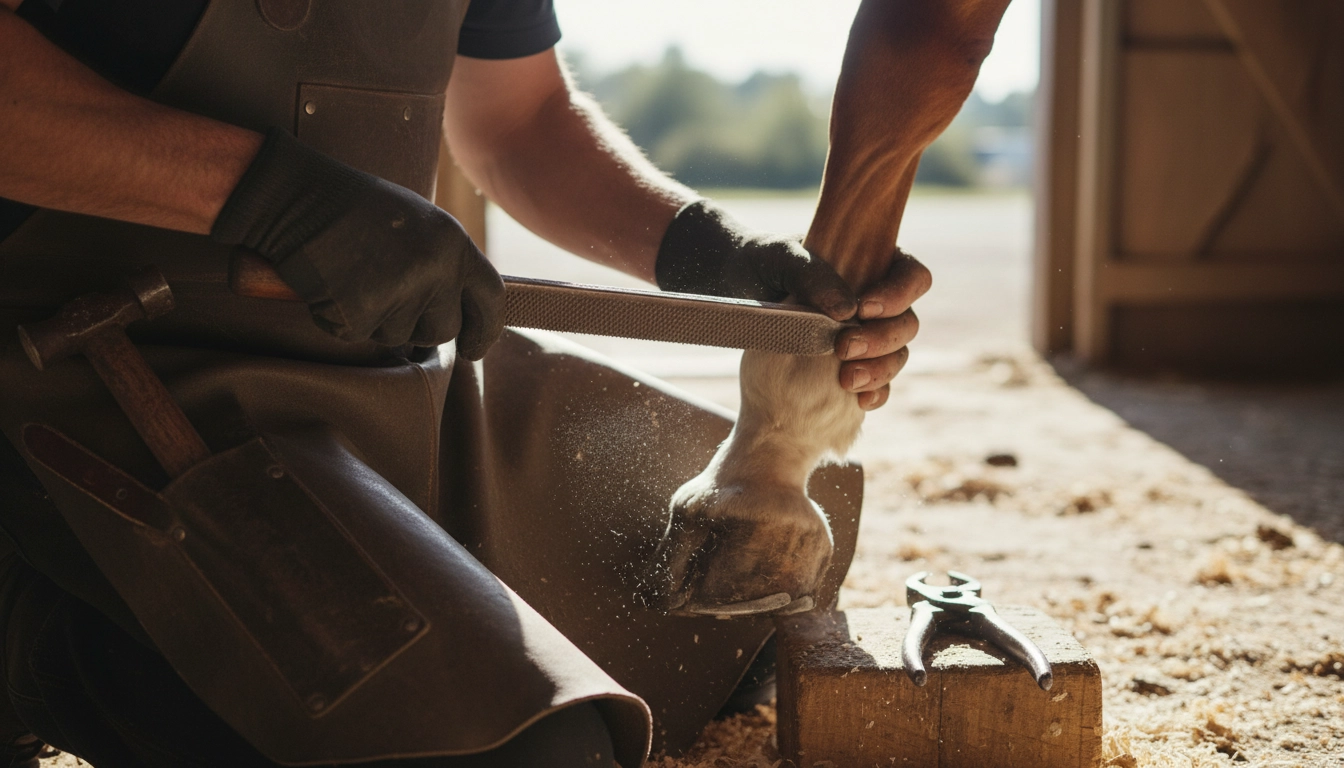
Get a professional to float them. Then there is the feet. Healthy life starts at the bottom.
There is no horse without a hoof. It is a hard truth. You need a farrier every six or eight weeks.
Even if you are not riding. If the feet get out of balance, it pulls on the tendons. It ruins the joints.
It is like you wearing shoes that are two sizes too small and trying to run a marathon. Vaccines and bugs. You need a shield.
Do not just throw chemicals at them because the calendar says so. Use fecal egg counts. This keeps the traditional rotation from making the parasites stronger.
You want to be targeted. Keep the internal system clean without overloading it with drugs they do not need.
Nutrition has to fit the horse. You cannot feed a pony the same way you feed a working hunter.
A horse in a flat paddock does not need the calories that a senior horse needs just to stay warm. Buy a scale. Weigh the hay.
Do not guess by the flake. This one habit stops overfeeding. It stops them from getting fat and getting metabolic diseases that end their careers.
This is the schedule I keep to make sure none of my horses fall through the cracks.
| Service | Frequency | Goal |
|---|---|---|
| Dental Float | Every 12 Months | Proper chewing and weight |
| Farrier Visit | Every 6 to 8 Weeks | Joint and tendon health |
| Fecal Egg Count | Twice a Year | Targeted parasite control |
My Take
A good farrier is worth their weight in gold. Never ‘cheap out’ on the feet.
Horse Care Tips for Beginners
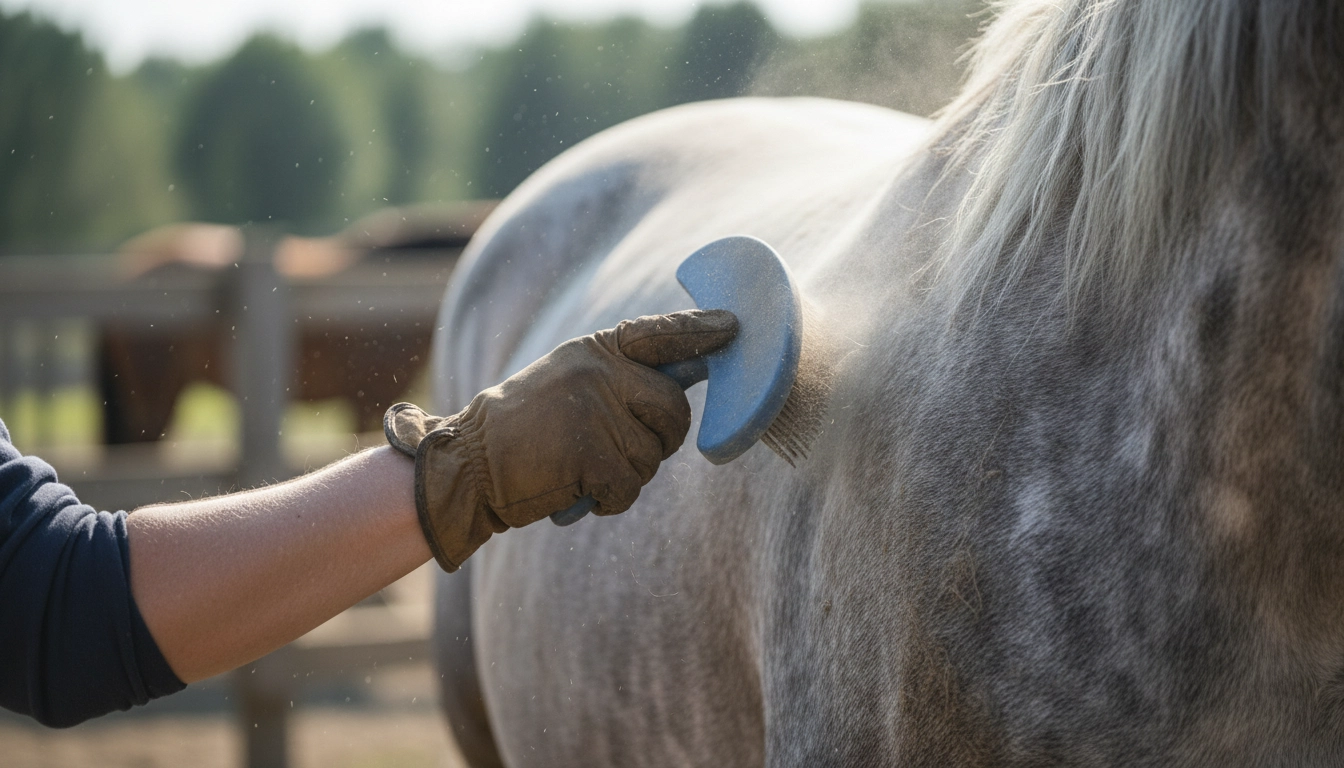
It is a lot to take in when you are starting out. I get it. Just focus on grooming. Do it every single day.
When you run your hands over their body, you find the bumps. You feel the heat in a leg before it becomes a limp.
It is how you catch skin stuff. And it builds that bond. You have to know about colic.
It is the thing that keeps horse owners up at night. If they are pawing the ground or looking back at their belly, call the vet.
Do not wait. Early catch means they live. Waiting means surgery or worse.
If they keep trying to lie down and roll, it is an emergency. Safety is health too. Look at your fences.
If it can trap a leg, fix it. If it has got sharp edges, get rid of it. Keep the stalls dry.
Wet bedding leads to rot in the hooves. It messes with their lungs. A clean barn is a healthy barn. Simple as that.
If you are new to this, keep this list of common warning signs in your pocket.
| Symptom | Potential Issue | Action Step |
|---|---|---|
| Belly Kicking | Colic | Call the vet immediately |
| Heat in Leg | Injury or Infection | Cold hose and monitor |
| Nasal Discharge | Respiratory Infection | Isolate and check temp |
My Take
Grooming is your best diagnostic tool. Your hands will find what your eyes ‘miss’.
The Digital Pulse
Learn to feel for the digital pulse in the lower leg. A strong, ‘throbbing’ pulse is often the first warning sign of laminitis before the horse shows lameness.
Establishing a Healthy Horse Routine
Horses love a schedule. They find peace in it. If they know when the hay is coming and when the gate is opening, their stress goes down.
Routine keeps the cortisol low. It helps the gut work. If you change things fast, you are asking for trouble.
Horses are not big on surprises when it involves their dinner or their friends. Check them every season.
When the leaves fall, they need more food to stay warm. When the flies come out, they need protection.
A horse that is comfortable is not wasting energy. They can use that energy to keep their body running right.
Better forage quality in the winter is a non-negotiable for me. Give them rest. They are not machines.
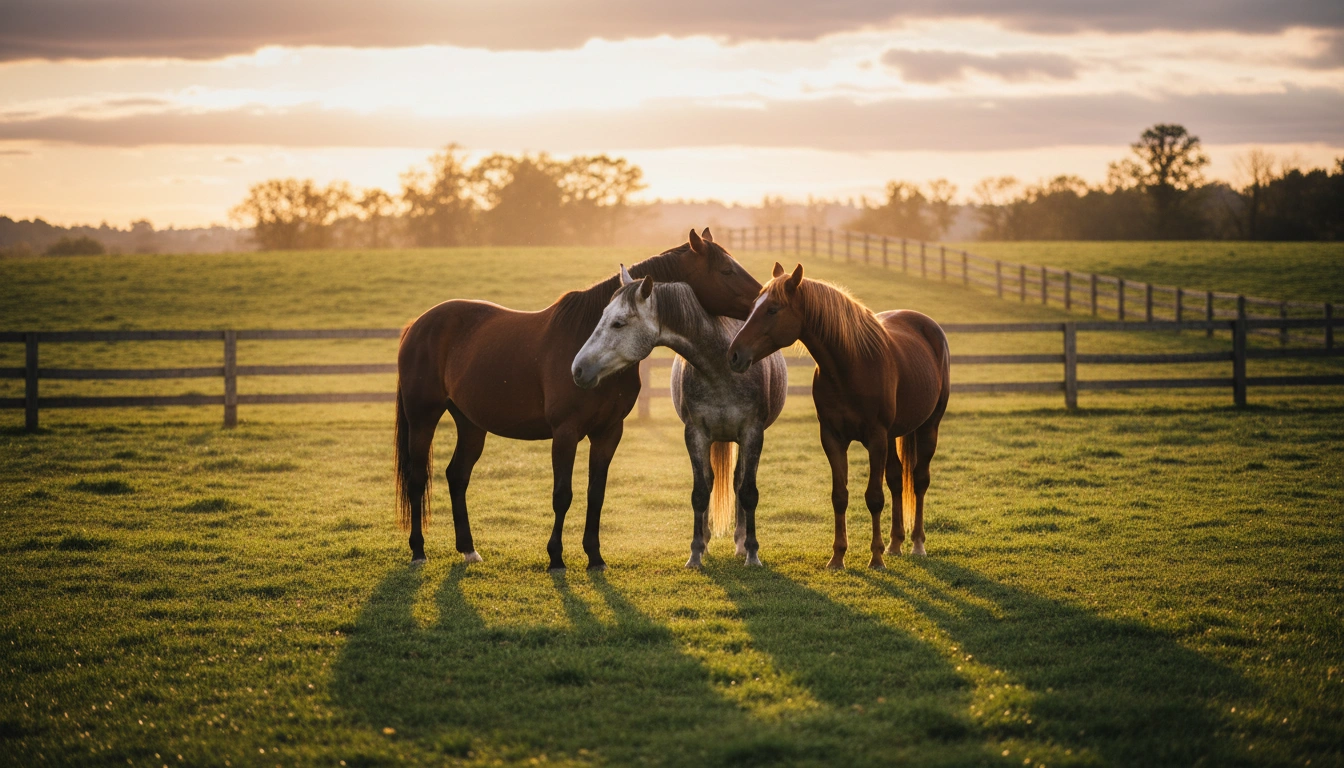
They need days to just be a horse in a field. They need to stand in the sun with their herd. Socializing is a big deal.
They are herd animals. If you lock them away, they get stable vices. They start chewing wood or swaying.
It is a sign their brain is suffering. Keep a book. Write it all down.
When was the last time the farrier was here? When did they get that shot? Having a history makes it easier to see the patterns.
If the vet comes for an emergency, you have the answers ready. It is the professional way to do things.
Every time the weather turns, your focus needs to shift with it.
| Season | Focus Area | Essential Task |
|---|---|---|
| Spring | Grass Management | Monitor for sugar spikes |
| Summer | Hydration | Provide salt and shade |
| Autumn | Weight Check | Adjust feed for winter |
| Winter | Forage Quality | Increase hay for warmth |
My Take
The seasons dictate the work. Listen to the ‘weather’ as much as the horse.
Advanced Nutritional Strategies
Sometimes the basics are not enough. If you have got an athlete or an old-timer, they might need targeted supplementation.
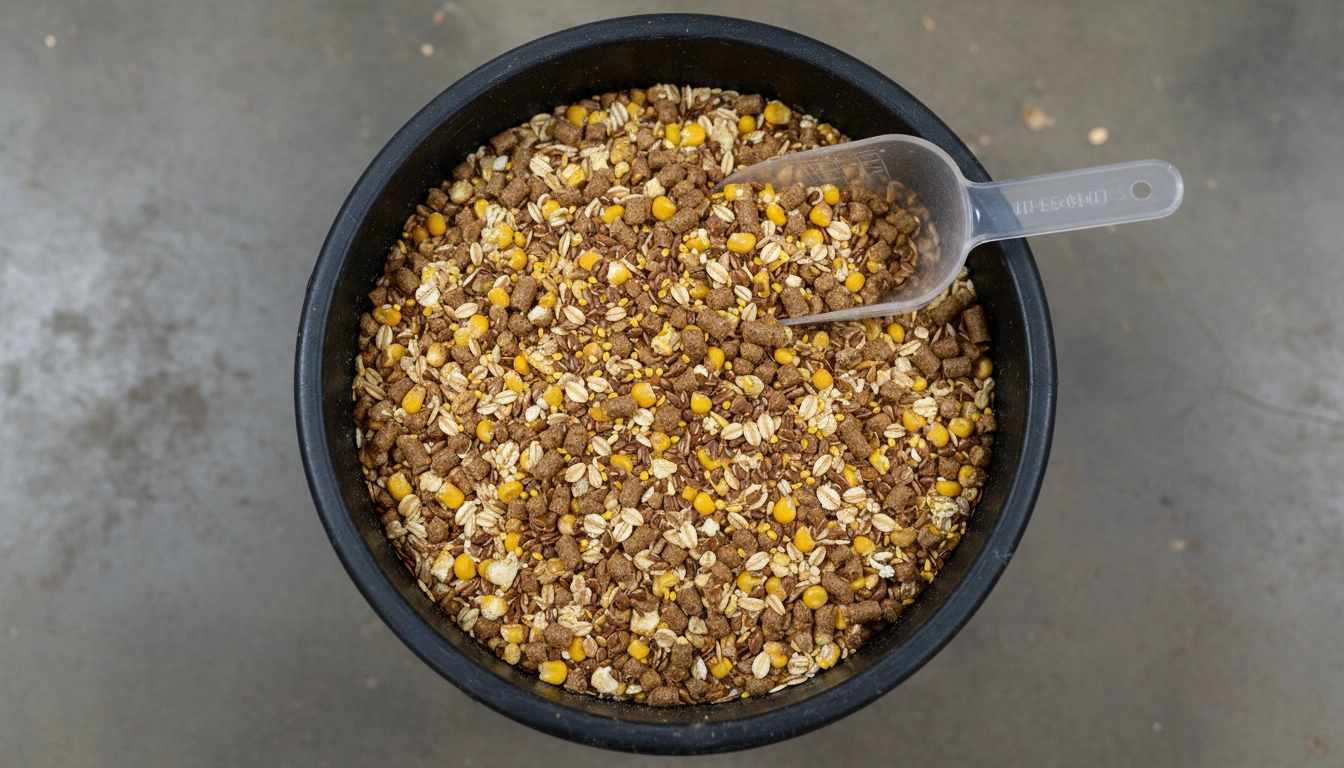
Omega-3s are great for the coat. They help with inflammation too. Flax is the easiest way to do it.
Just a little bit in the bucket makes a difference. Electrolytes are key when it is hot.
Or if they have worked hard and they are sweating. It makes them thirsty. And you want them thirsty so they keep that water intake up.
But do not go crazy. People tend to throw everything at the feed bucket.
Too many minerals can actually block others from working. You end up with an unbalanced diet that does more harm than good.
Talk to someone who knows. A nutritionist or your vet. Find out if they actually need it before you spend the money.
Most of the time, good hay does 90 percent of the work.
If you are looking at the feed store shelf, here is what actually works for specific needs.
| Supplement | Primary Benefit | Best For |
|---|---|---|
| Flax Seed | Omega 3 Fatty Acids | Coat and skin health |
| Electrolytes | Mineral Balance | Hard working athletes |
| Glucosamine | Joint Support | Senior horses |
My Take
Supplements are just ‘extras’. They cannot fix a diet that is built on bad hay.
Conclusion
This life with horses is a long road. It is full of early mornings and the smell of hay and the sound of them breathing in the dark.
By using these horse health tips, you are building something real. They rely on us.
They rely on us seeing the small things. The equine wellness you provide is the only thing they have.
It is the foundation of the whole partnership. Be present. Go to the barn even when you are not riding.
Just sit and watch them. See how they move. See how they interact with the others.
Being a guardian is a heavy job, but it is worth it. A proactive approach is always going to beat trying to fix a disaster after it has already happened.
Tell me what you have seen in your own barn. What are the little signs your horse gives you?
We are all learning. The more we talk, the better we get at this. And the better we get, the better life our horses have.
That is the goal.