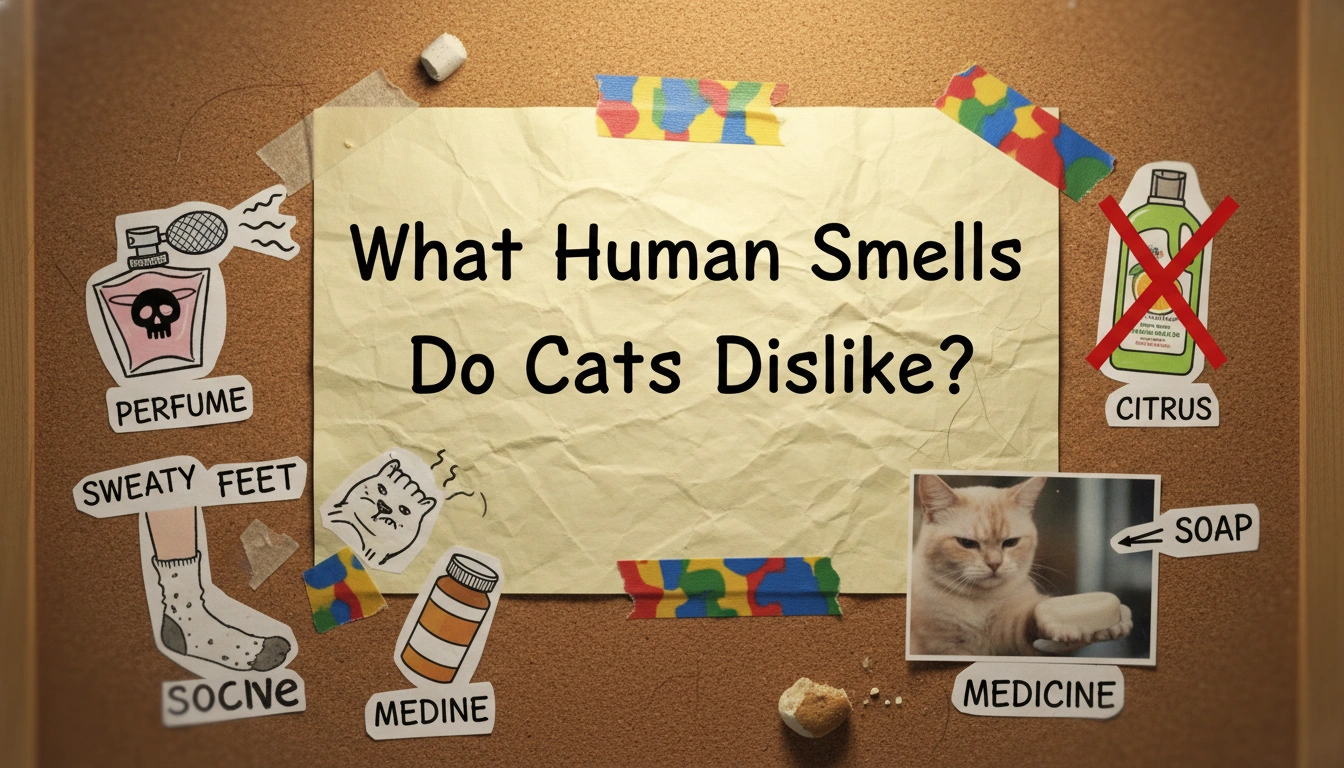

Look I am typing this while heading out to another site but people keep asking the same things over and over. I was over at Arron’s place on Avondale Ave last week and his cat was literally cowering because Arron decided to peel a grapefruit right next to its face. Total disaster.
People think cats are just small dogs or something but their noses are basically high-resolution data processors. 7 Essential Things Every First-Time Cat Owner Needs to Know explains why. If you spray something fresh in your house you are basically punching your cat in the face with chemicals. Seriously.
Stop using those plug-in things. They are trash for animal welfare. You have to start looking at your house like a forensic site because your cat certainly does.
It is not about what you like to smell; it is about what their biology can actually handle. The feline olfactory system is way more than a tool to find a bowl of kibble. Why Is My Cat Not Eating? helps readers understand how scents impact appetite. It is an elite sensory gateway.
It processes the world in layers we cannot even see. When we dump heavy scents into their living space we are just making a massive sensory fog that wrecks their peace.
Doing a forensic audit of where you live is the only way to fix this. You need to find the odors causing the stress. It is about environmental integrity.
This is how we protect high-sensitivity animals. We are going into the weeds on feline scent perception here. It is a lot.
But you need to know it if you want a cat that is not constantly stressed out.
Quick Access
This article explores why cats dislike citrus, vinegar, spicy foods, perfumes, and essential oils. It also covers the biological reasons behind their intense scent sensitivity.
Understanding the Basics of Cat Olfaction
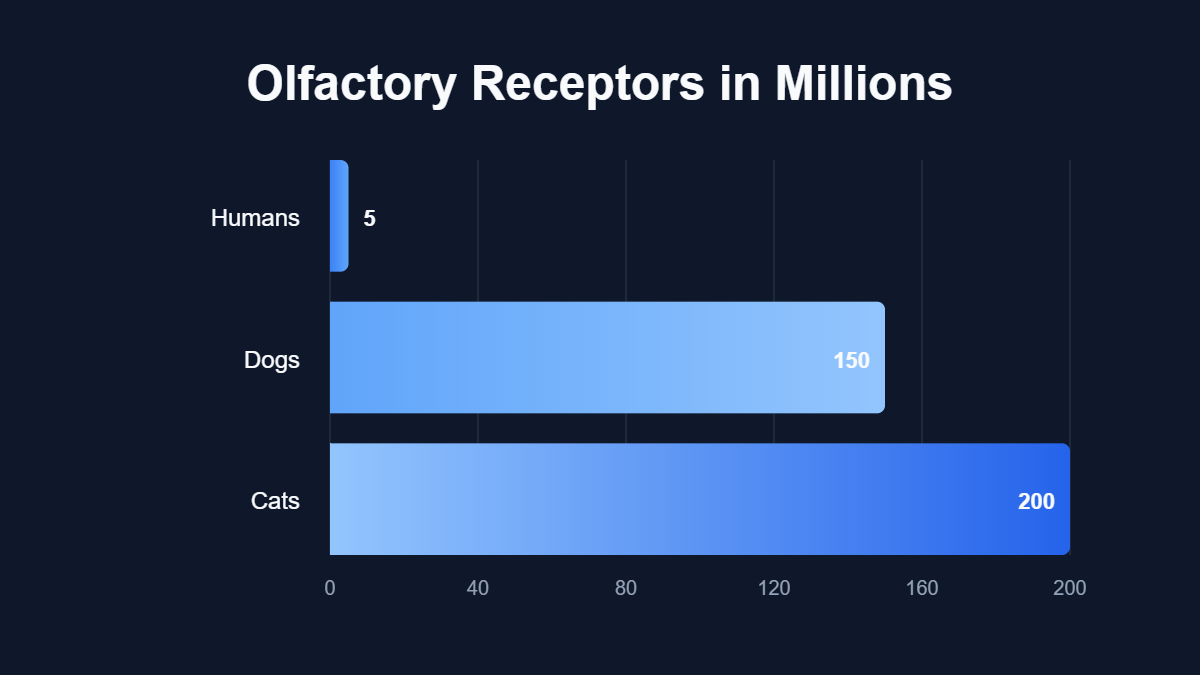
If you want to know why your cat is acting weird you have to look at the Evolutionary Sensory Barrier of the nose. A cat has about 200 million olfactory receptors. Humans have five million.
Think about that math. That massive gap means a smell you think is okay is a total assault for them. Their brain is wired for survival data.
They need to smell things to stay alive. That is why a cat can find a single drop of urine in a room or know a predator is a mile away. It is forensic-level detail.
Then there is the vomeronasal organ. The Jacobson organ. It is in the roof of the mouth. They taste the air.
Pheromones and heavy chemicals get processed there. When a cat hates a smell it is because it is hitting both of these paths at the same time. It is a total system overload.
The Flehmen Response
When a cat holds its mouth open after sniffing something, it is using its vomeronasal organ to direct scent molecules to its internal sensory receptors.
I put together this quick breakdown of the numbers because people usually do not grasp the scale of the difference between our noses and theirs.
| Species | Olfactory Receptors | Sensitivity Level |
|---|---|---|
| Human | 5 Million | Low |
| Dog | 150 Million | High |
| Cat | 200 Million | Extreme |
My Take
Numbers do not lie. When you realize a cat has ‘forty times’ the hardware we have, you start to see why that ‘fresh linen’ spray is actually a nightmare.
What human smells do cats dislike: Citrus
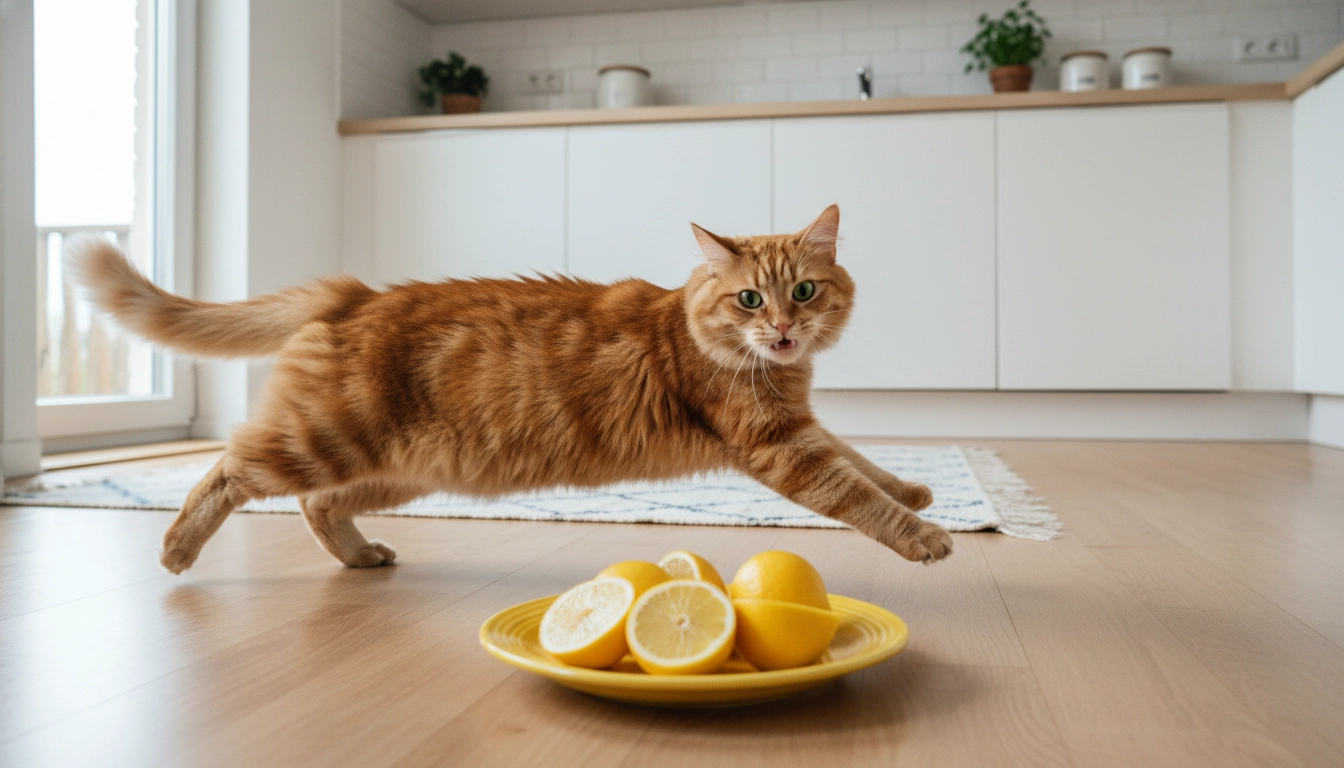
Citrus is the big one. Everyone uses it. But it is a massive deterrent.
Humans think Citrus limon or Citrus sinensis smells like clean and vitality. Cats think it is a biological warning sign. It is an evolutionary thing.
It keeps them away from stuff that is actually toxic. The main problem is d-limonene. This chemical is in the rinds of oranges and lemons.
It is toxic to cats in high amounts. Their hate for it is a survival mechanism. It keeps them away from dangerous oils that their livers cannot handle.
Ever peel a tangerine? Watch the cat. They squint. They run.
The volatile organic compounds—the VOCs—are hitting their membranes like acid. If you use citrus cleaners in a small place you are just keeping your cat in a state of low-level anxiety. It is not fair to the animal.
Vinegar and Acidic Odors
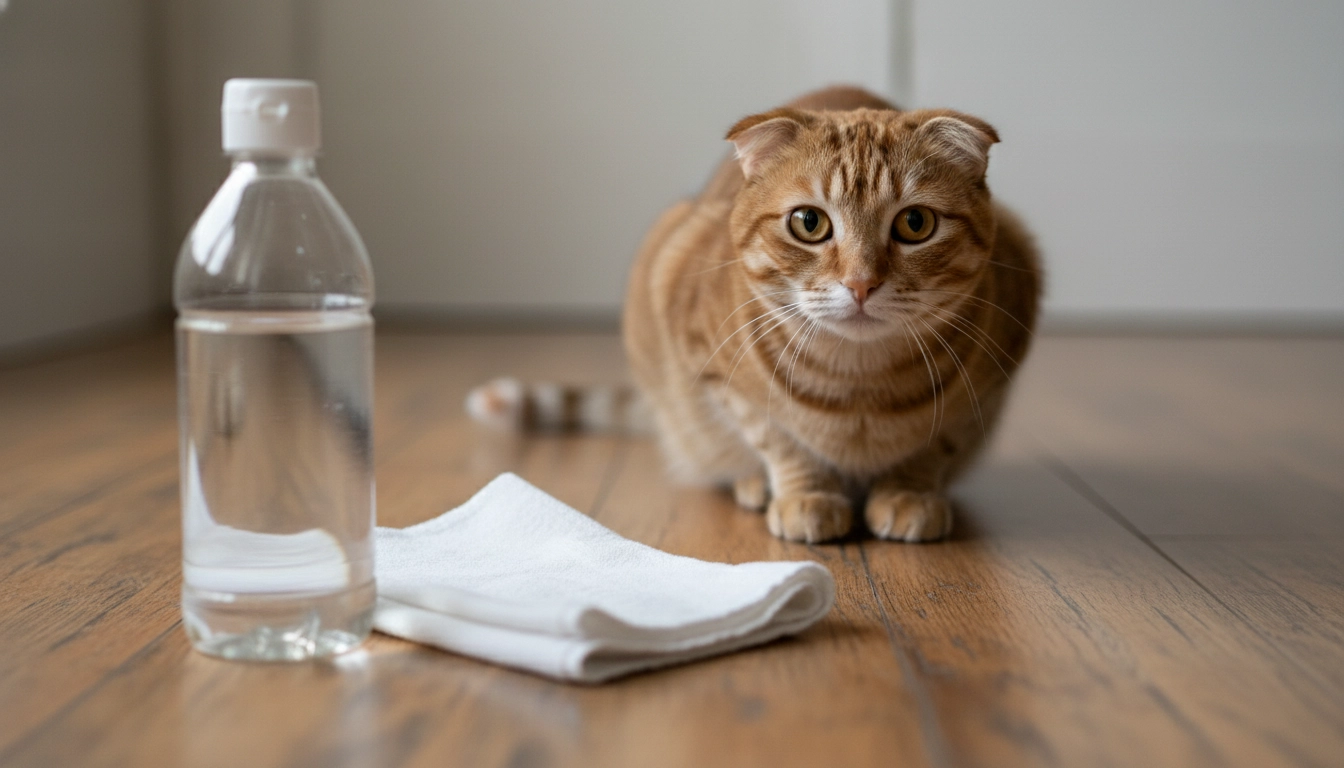
Vinegar is the green choice for cleaning, right? Well, it is a nightmare for Felis catus. Acetic acid is the main thing there.
It is pungent. It is sour. To a cat that smell means rotting organic matter or a rival cat marking the territory.
When you mop with vinegar you are basically painting over the cat’s safety zone with a hostile scent. It leads to behavior problems. Cat Scratching Behavior: A Guide helps owners manage stress-related actions. The cat does not feel safe. What Is the 3-3-3 Rule for Cats? explains the adjustment period for feline pets.
They might even pee on the rug to try and get their own scent back. It is not being bad. It is just trying to feel home again.
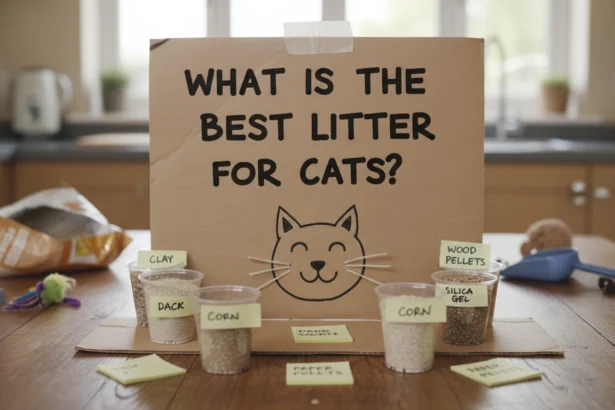
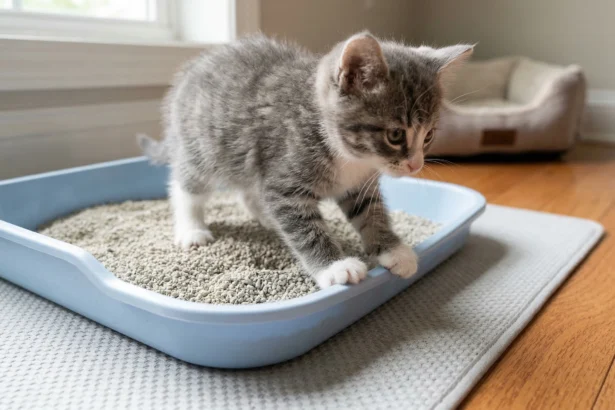
Vinegar stays around. You might not smell it after an hour but the cat does for days. They smell that acidic residue and it stresses them out. If you use it near the litter box area, What is the Best Litter for Cats? can provide more information on keeping that space comfortable.
If you have to use it you better open all the windows. Make sure the cat can get to a different room that does not smell like a salad.
Territorial Stress
Using acidic cleaners near a litter box can cause a cat to abandon the area entirely due to ‘scent confusion’.
Spicy and Pungent Foods

The cat nose is super sensitive to stuff like garlic, onions, and chili peppers. These have organosulfur compounds and capsaicin. These things irritate the lungs and the nose.
Sniffing spicy salsa is basically like getting hit with pepper spray for a cat. Capsaicin is what makes peppers hot. It hits pain receptors.
Even just cooking with it puts particles in the air. The cat sneezes. Their eyes water. It is a protective reflex.
It stops them from eating something that will wreck their stomach. Onions and garlic are not just smelly. They are toxic. Deadly.
The cat’s aversion is their body protecting them. I see cats skip the kitchen entirely when people are cooking this stuff. It is a sensory wall they cannot climb over.
Here is a quick look at why these kitchen staples are more than just a bad smell for your feline roommate.
| Ingredient | Active Compound | Physical Reaction |
|---|---|---|
| Chili Peppers | Capsaicin | Nasal burning and pain |
| Onions | Organosulfur | Respiratory irritation |
| Garlic | Disulfides | Systemic toxicity |
My Take
If you are cooking a spicy meal, put the cat in another room with the door closed. Their ‘mucous membranes’ will thank you for it.
Strong Perfumes and Chemical Fragrances
Human life is full of fake smells. Perfumes. Colognes. Air fresheners.
They are made to last a long time. That is why cats hate them. Most are made with alcohols and synthetic esters.
Stuff that does not exist in the wild. You spray perfume and it is a chemical storm. It lands on the cat’s fur.
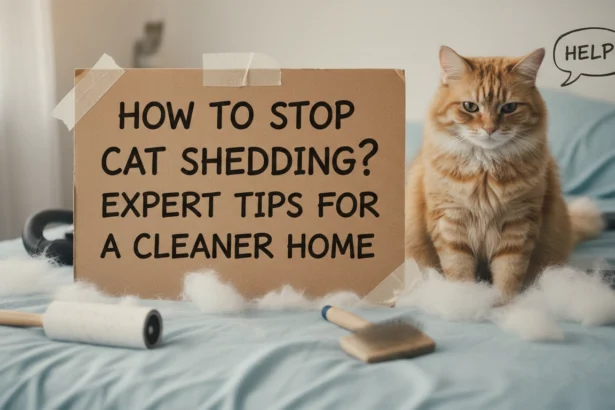
They groom themselves and then they eat the chemicals. How to Stop Cat Shedding? is a resource on coat maintenance. It is a double hit. Foul smell in the air and foul taste on their tongue.
Air fresheners have phthalates. These irritate lungs. I have done audits where a cat was acting lethargic just because of a plug-in scent.
You take it out and the cat wakes up. It is an immediate change. We need to stop poisoning the air for our pets.
Scent Neutrality
Opt for ‘unscented’ laundry detergents and cleaning supplies to maintain a stable sensory environment for your pets.
The Impact of Essential Oils
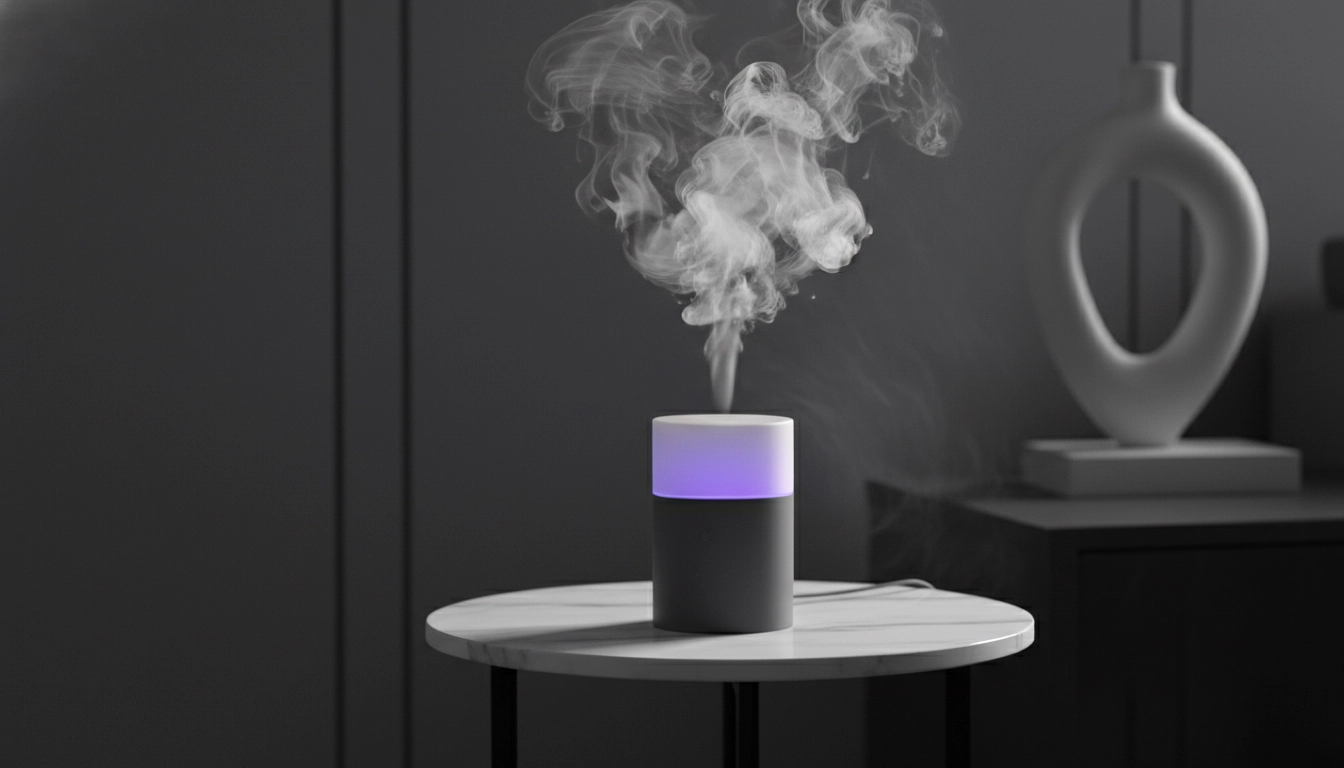
Essential oils are huge now for relaxing. But they are just super-concentrated versions of everything cats hate. Lavender, eucalyptus, tea tree.
These are dangerous. Cats do not have the liver enzymes to break these down. A diffuser makes your room smell like a spa.
For the cat the air becomes unbreathable. Tiny oil drops coat their nose. It is sensory overload.
Most cats will just leave the room. If they cannot leave they suffer. Use these with extreme caution.
Give them an escape route. Never put it on their bedding. That is permanent exposure. It is cruel.
I see people diffusing these all the time without realizing the danger. Here is a list of the high-risk oils you need to watch out for.
| Essential Oil | Risk Level | Common Symptom |
|---|---|---|
| Tea Tree | High | Tremors and lethargy |
| Peppermint | Medium | Intense sneezing |
| Eucalyptus | High | Difficulty breathing |
| Lavender | Chronic | Liver stress |
My Take
Just because it is ‘natural’ does not mean it is safe. A cat’s liver is not built to process these concentrated plant extracts.
Household Hygiene and Personal Care Products
It is not just the expensive perfumes. Deodorant. Soap. Shampoo.
They all have menthol or camphor. That cool feeling we like? It is sharp and nasty to a cat.
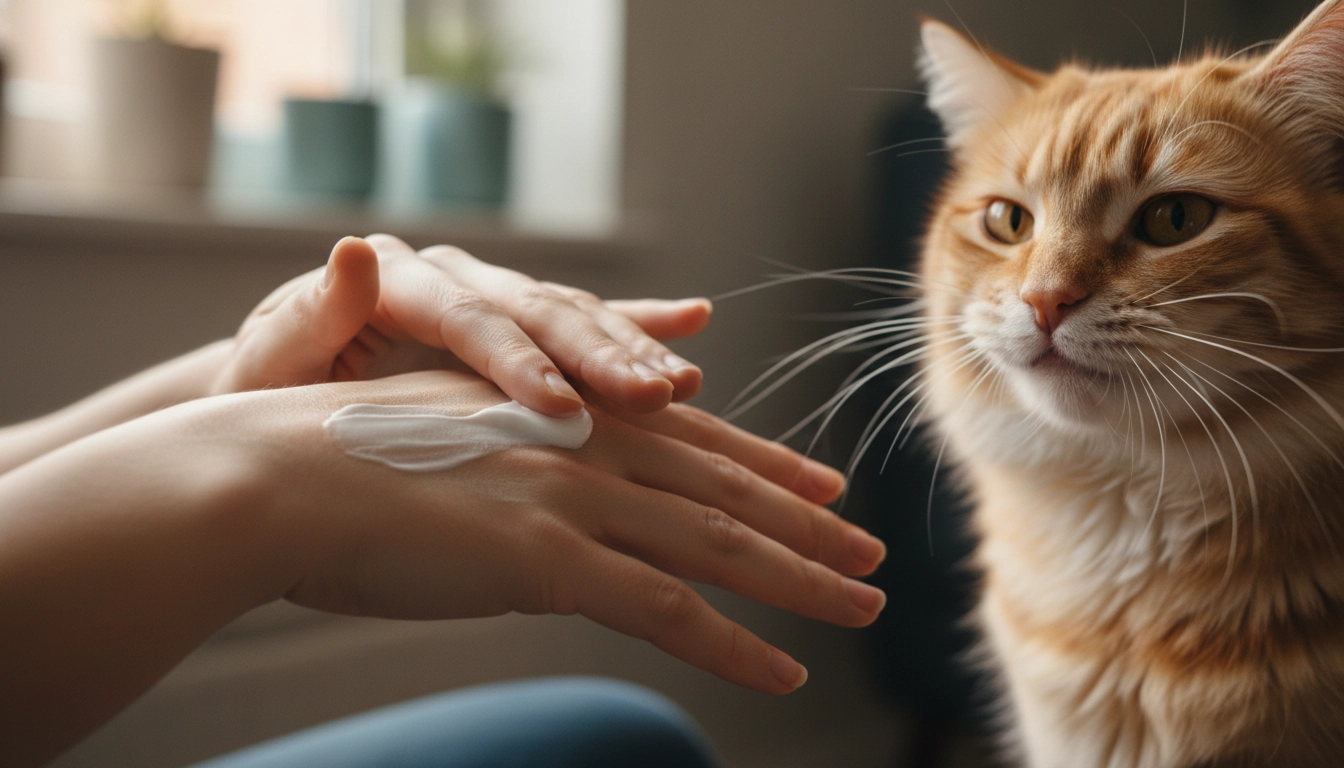
It is an avoidance trigger. You put on lotion and then pet the cat. Now they smell like your lotion.
You are forcing them to deal with a smell they probably hate. It wrecks the social bond. The cat starts to think you smell bad.
They might stop coming to you for pets. Try to use stuff that is fragrance-free. Or wash your hands before you touch them.
Keep your natural scent. That is how they know you are safe. That is how they know you are part of the family.
The Role of Dirty Laundry and Human Sweat
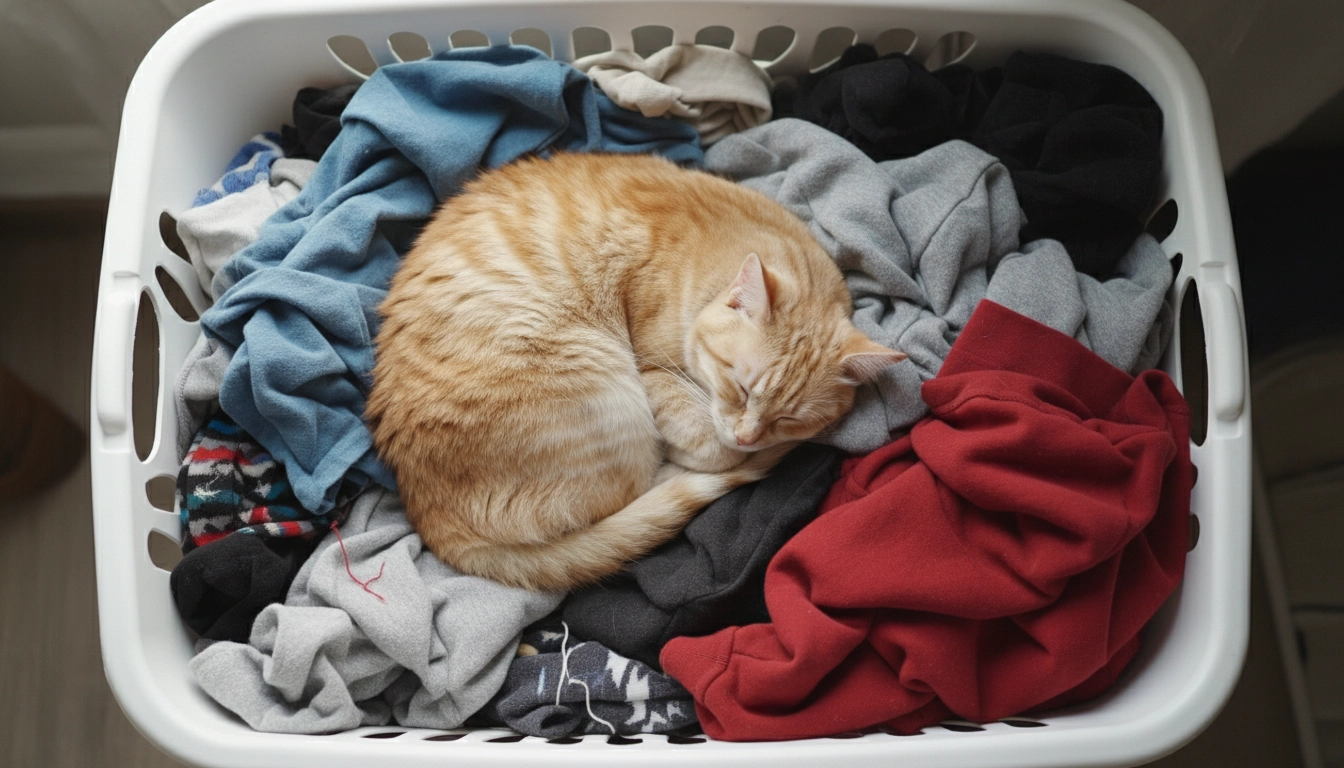
Cats usually like your natural smell. But there is a limit. Super concentrated sweat is a lot.
It has bacteria and hormones. Sometimes it is confusing for them. Sometimes a cat will pee on a pile of laundry.
It is not because they are mad. They are trying to over-mark it. They want to mix their smell with yours.
Group identity. If your smell is too strong—maybe your diet changed or you are sick—the cat feels like they have to fix it.
Put your laundry in a hamper with a lid. Keep the olfactory balance in the house. Don’t let them get overwhelmed by the biological markers in your gym clothes.
It makes the house way more harmonious for everyone.
Conclusion
Making a home that works for a cat’s nose is part of being a good owner. When we ask what human smells do cats dislike? we are really looking at how to share a house with a totally different species.
Less perfume. Less citrus. Less spice. It gives them sensory clarity.
We do not need to live in a vacuum. Just be smart about the chemical footprint you leave. A cat that is not being blasted by bad smells is a happy cat.
They are more confident. They are healthier. Welfare starts with the air.
Look at your house. Really look at it. Are there smells hurting your cat?
Change your routine a little. Give them the environmental integrity they deserve. It is the least we can do for them.