How to Train Your Dog to Sit and Stay (Beginner Guide)
Look, I am literally typing this out on my phone while leaning against my truck on King Street in Canterbury. I just finished a session with a client, Angie, whose Golden Retriever basically tried to climb a delivery driver two minutes after I walked in.
It is wild because people think their dogs are being bad or dominant but honestly? They are just bored and have zero clue what we want from them.
Your front door flies open, your dog lunges, your guest gets mud on their pants, and everyone is just stressed. It sucks. But it does not have to be that way if you just get the basics down.
Forget the alpha talk. That stuff is dated and honestly just makes the bond weirder. You just need to teach them how to actually listen when the world is going crazy around them.
So, getting into How to Train Your Dog to Sit and Stay (Beginner Guide) isn’t just about showing off at the park. It is about not having your dog bolt into traffic or knock over your grandma.
It is the literal foundation of everything else we do. When a dog learns to just… be still? Everything changes.
You start seeing that little lightbulb go off in their eyes. It is a massive moment. I have spent a lot of time watching this happen.
It is about building a language with your pet, much like learning how to take care of pet birds. You are teaching them how to handle their own big feelings. By focusing on this guide, you are putting in the work for a better life together.
It takes Patience. It takes Consistency. Lots of it. But we can get there.
Understanding the Basics: What Does Sit and Stay Mean?
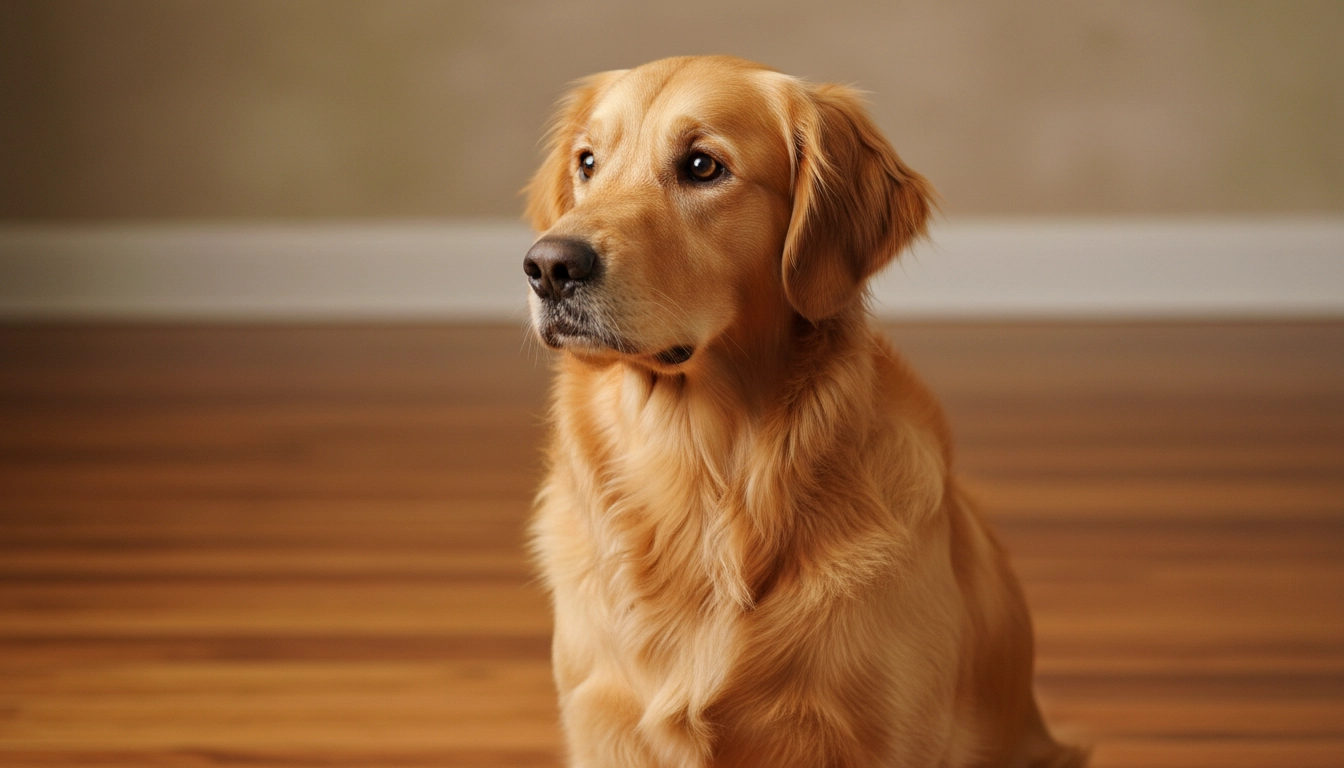
When we talk about this stuff in the dog world, we are looking at a combined cue. It is not just one thing.
You want the dog to put their butt on the floor and—this is the part most people miss—stay there. They have to wait.
They wait until you give them that release word that says, Hey, you are done now. Think of it like a pause button for their body and their brain.
It is about impulse control. If they cannot sit still for a piece of kibble, they definitely are not going to sit still when a squirrel runs by.
A lot of owners think sitting automatically means staying. It does not. Not to a dog.
Sitting is just a shape their body makes. Staying is the mental work. It is the endurance.
Teaching these as two separate bits of information is key. If you do not, the dog just sits for half a second and then pops back up like a toaster pastry.
We want a solid, relaxed seat.
I put together a quick breakdown of how these two ideas actually differ so you can see the mental shift required.
| Command | Physical Action | Mental Goal |
|---|---|---|
| Sit | Hips on the ground | Immediate Response |
| Stay | Holding the position | Impulse Control |
My Take
The ‘Stay’ is actually a separate job for the dog. Do not assume they know to hold the position just because they sat down.
The Science of Stillness
When a dog sits, it naturally lowers their heart rate and shifts their focus from reactive movement to observant listening. This physical position makes it much harder for them to lunge or bolt, which is why it is the primary safety tool for professional trainers.
Why These Commands are Essential for Your Dog
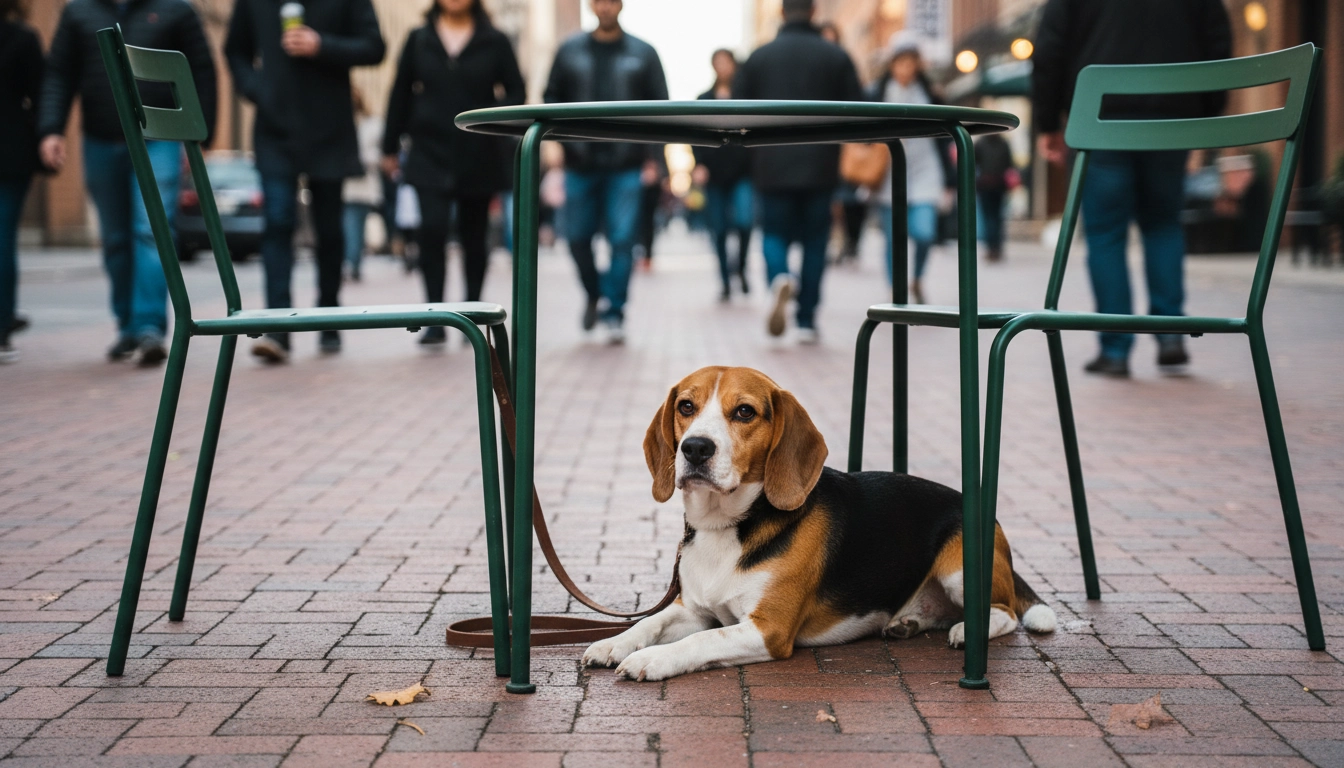
If your dog has a solid sit and stay, they get to do more. Simple as that.
You can take them to the local cafe or walk through a busy market without feeling like your arm is going to get pulled out of its socket.
If you cannot trust them to be still, they end up staying home. And that is a bummer for everyone.
It also gives them a job. Dogs love having a purpose.
When they know exactly what you want, their anxiety levels drop, which is a different instinctual habit than cat scratching behavior. They are not guessing anymore. They are just waiting for the next instruction.
It is a relief for them, really. Patience is not something dogs are born with. Neither are we, usually.
We have to build that muscle, much like the fundamentals in a kitten litter training guide. Every extra second they hold that stay, they are getting better at regulating their emotions.
That means fewer barks at the mailman and a much chiller vibe at home. It is about that balanced bond we are always aiming for.
Preparing Your Training Environment
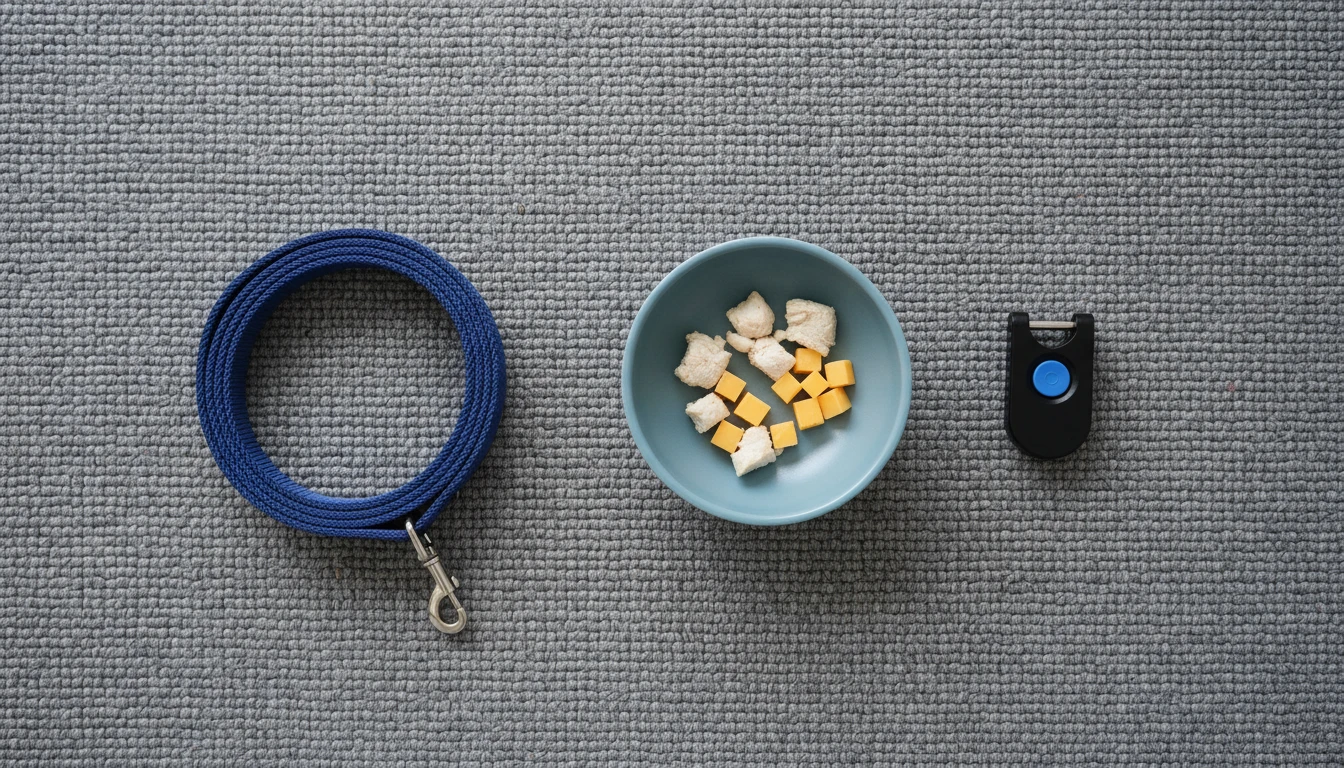
You cannot expect a dog to learn calculus in the middle of a nightclub. Same goes for training.
You need high-value treats. I am talking the good stuff. Plain boiled chicken, maybe some little bits of cheese. For multi-pet households, you might also look for the best cat food for indoor cats.
Whatever makes their tail go crazy. Keep the pieces tiny. Like, pea-sized.
You want them to eat it fast and look back at you for more, not spend five minutes chewing a big biscuit. Find a quiet room.
No kids running around, no other pets. This low-distraction setup is how you win.
Later on, sure, go to the park. But for now? The hallway or the kitchen is perfect.
Just make sure the floor is not too slippery, or they might struggle to get their footing. Keep the calm atmosphere going.
If you are frustrated, they will feel it.
Before you start, make sure you have these three things ready to go.
| Training Essential | Purpose | Expert Recommendation |
|---|---|---|
| High-Value Reward | Motivation | Boiled chicken or small cheese bits |
| Quiet Space | Focus | A room with no other pets or kids |
| Non-Slip Surface | Safety | A rug or carpeted area |
My Take
Preparation is half the battle. If your dog is sliding on tile or distracted by the cat, you are fighting a losing game from the start.
Training Length
Keep your training sessions short and sweet, lasting no more than five to ten minutes at a time. Dogs, especially puppies, have limited attention spans and will become frustrated or bored if the session drags on for too long.
Mastering the Process: How to Train Your Dog to Sit and Stay (Beginner Guide)
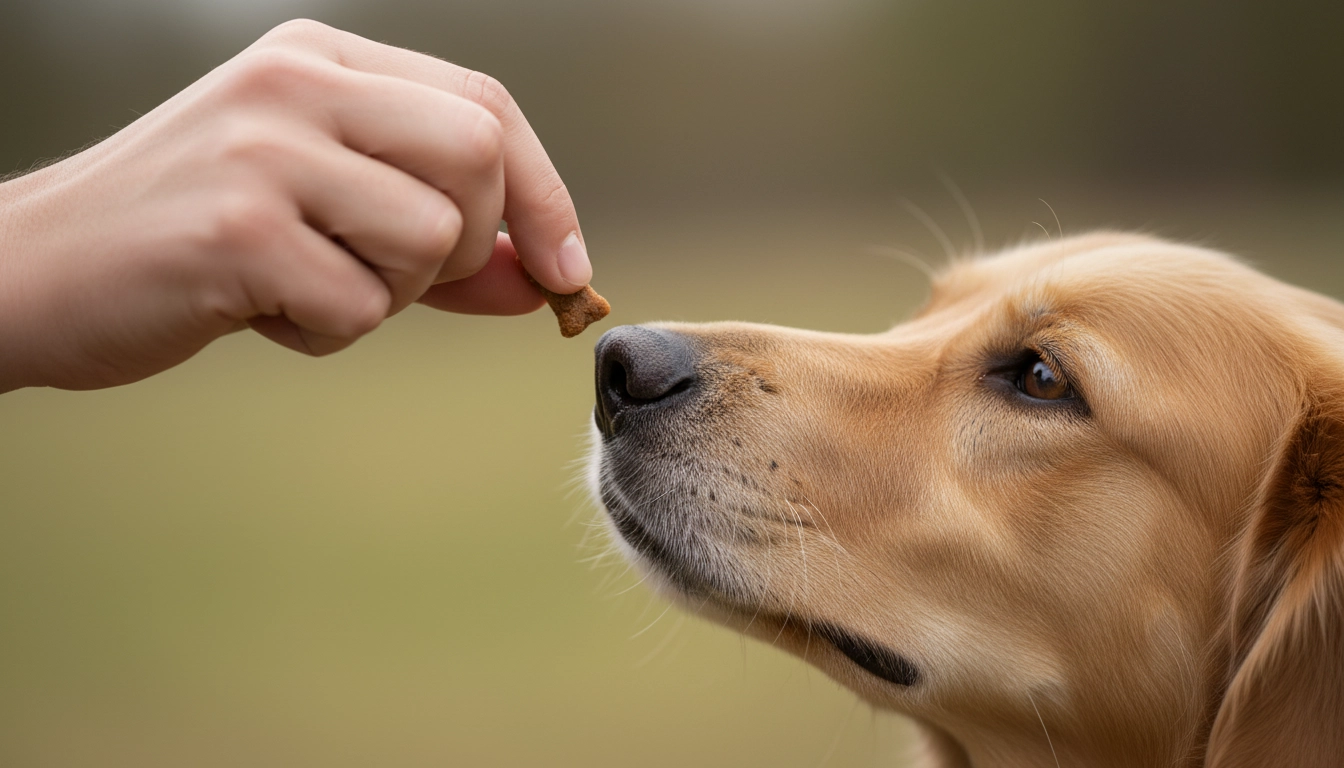
Okay, Step number one is the lure. It is the easiest way to show them what you want without pushing them around.
Take a treat, put it right to their nose. Do not let them grab it yet. Just let them smell it.
Step number two—move your hand back over their head, toward their tail. Their nose follows the treat, their head goes up, and their butt almost always goes down.
It is just mechanics. The second that rear end hits the floor, you say Yes! and give them the treat.
Timing is everything here. If you wait three seconds, they think they are getting rewarded for looking at the ceiling.
Step number three is adding the word. Once they are following your hand every time, start saying Sit as you move your hand.
Do it a hundred times. Maybe more. This repetition builds that muscle memory. You can also learn how to train your dog to sit and down for more command-specific instructions.
You want them to hear the word and have their butt hit the floor before they even think about it.
Moving from Sit to the Stay Command
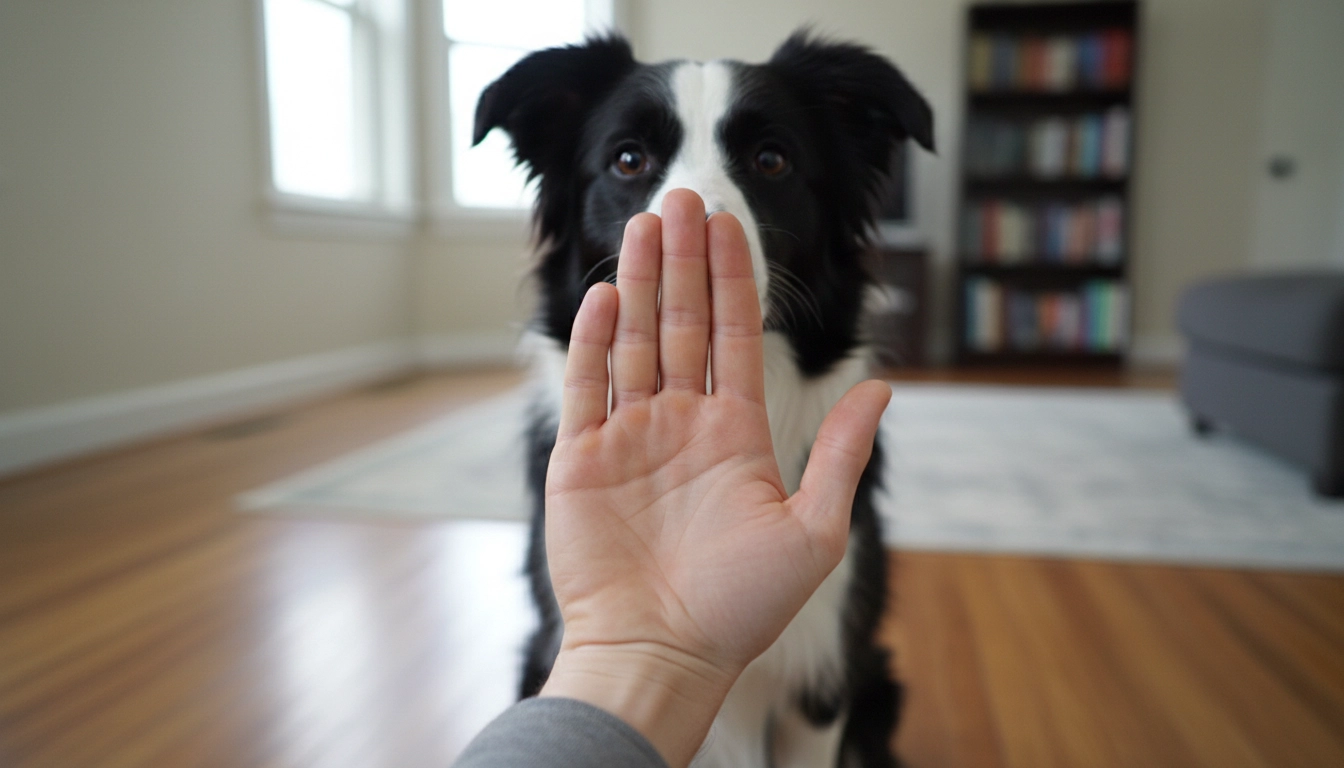
Now for the hard part. The Stay. Get them in a sit first.
Stand right there. Do not move your feet yet. Put your hand up—like a stop sign—and say Stay.
Make your voice clear but not mean. Wait two seconds. That is it. Just two.
Then say Okay or Free and give them the treat. You have to reward them while they are still sitting.
This is a big mistake people make. They wait for the dog to get up, then give the treat. No.
Reward the stillness. If they break and jump up? No big deal.
Just do not give the treat. Reset them. Try again but maybe for only one second.
You want success. You want them to feel like they are winning the game.
Gradually, and I mean really slowly, add a second here and there.
The Three Ds of a Perfect Stay
This is the secret sauce for How to Train Your Dog to Sit and Stay (Beginner Guide). We call them the Three Ds: Duration, Distance, and Distraction.
Most people try to do all three at once and it is a disaster. Duration is just how long they stay.
Distance is how far away you go. Start with Step number one for distance: take one tiny step back.
Then immediately step back in and reward. If you can take five steps away and they stay put? You are doing great.
Never try to increase how long they stay AND how far away you are at the same time. It is too much for their doggy brains.
Pick one. Work on it. Then work on the other.
Distraction is the boss level. That is when you start opening the door or squeaking a toy while they stay.
It takes Consistency to get through this part.
Here is how I prioritize these three elements when I am working with a new dog.
| The D Priority | Focus Area | Goal for Beginners |
|---|---|---|
| Duration | Time spent sitting | Five seconds of total stillness |
| Distance | Space from owner | One small step backward |
| Distraction | Outside noise | Ignoring a single quiet sound |
My Take
Master duration first. If your dog cannot stay for ten seconds while you are right there, they definitely will not do it if you walk away.
The Release Word
Always use a consistent release word to tell your dog the job is finished. This prevents the dog from deciding on their own when the stay is over, which is the most common cause of a failed stay command.
Common Mistakes to Avoid During Training
I see this all the time—people moving way too fast. They think because the dog stayed for five seconds once, they can go do a three-minute stay while they fold laundry.
Slow down. Small, incremental wins are the way to go. And please, skip the punishment-based stuff.
If they mess up, it is usually because they do not get it yet or they are too excited. Yelling just creates anxiety, and an anxious dog cannot learn.
If they break the stay, just start over. It is fine. Another thing? Stop saying Sit, sit, sit, SIT!
If you say it five times, your dog learns that the first four do not count. Say it once.
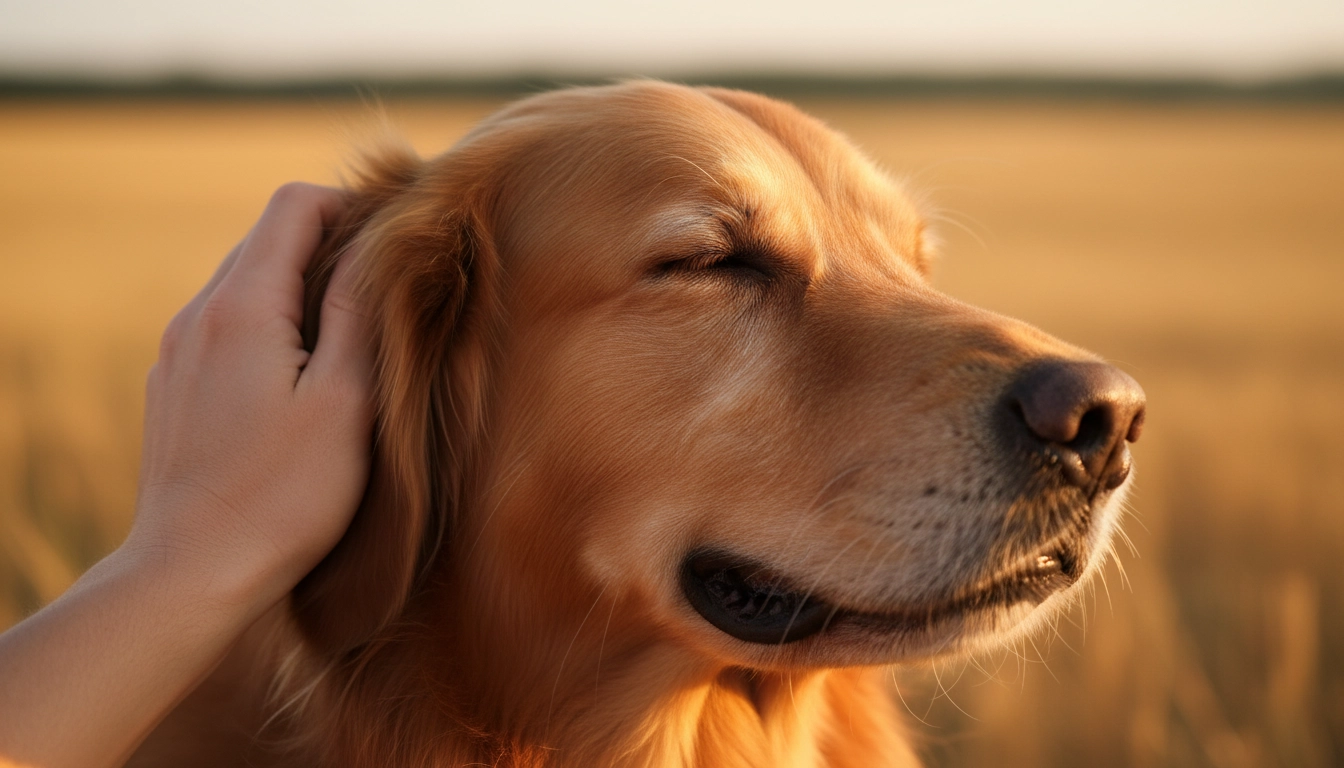
If they do not do it, show them again with the lure. Also, start using praise and head scratches sometimes instead of just food.
You want them to love the work, not just the snack.
Tips for Faster and More Reliable Results
Consistency is everything. I cannot say it enough.
If you practice for five minutes while the coffee is brewing and five minutes before bed, you will see way more progress than one hour-long session on a Sunday.
Short bursts. Keep it fun. Mix up the treats.
Sometimes it is a bit of ham, sometimes it is just a Good boy! and a chest rub. This variable reinforcement keeps them guessing and keeps them engaged.
It is like a slot machine for them. They never know when the big jackpot is coming.
Always end on a win. If your dog is having a rough day and cannot seem to stay for more than a second, go back to a simple sit.
Reward that, then end the session. You want them walking away feeling like a rockstar.
That confidence carries over to the next time.
I have found that success usually comes down to these four main factors in your routine.

My Take
Notice how consistency is the biggest slice of the pie. Doing the work every single day matters more than anything else.
Conclusion
Teaching a dog to sit and stay is a long game. It is a journey.
You need patience and a lot of empathy for your furry friend. By using this How to Train Your Dog to Sit and Stay (Beginner Guide), you are giving them the tools to live in our weird human world without getting overwhelmed.
Every dog is different. Some get it in an afternoon, some take weeks. That is okay.
Focus on the progress and the bond you are building. For those interested in managing larger animals, we have a beginner guide to horse care. A dog that listens is a dog that gets to be part of the family in a much deeper way.
I really hope you start today. Even if it is just for two minutes in your living room.
Stick with the process. With time and effort, you will have a dog that is a joy to be around, no matter what is happening.