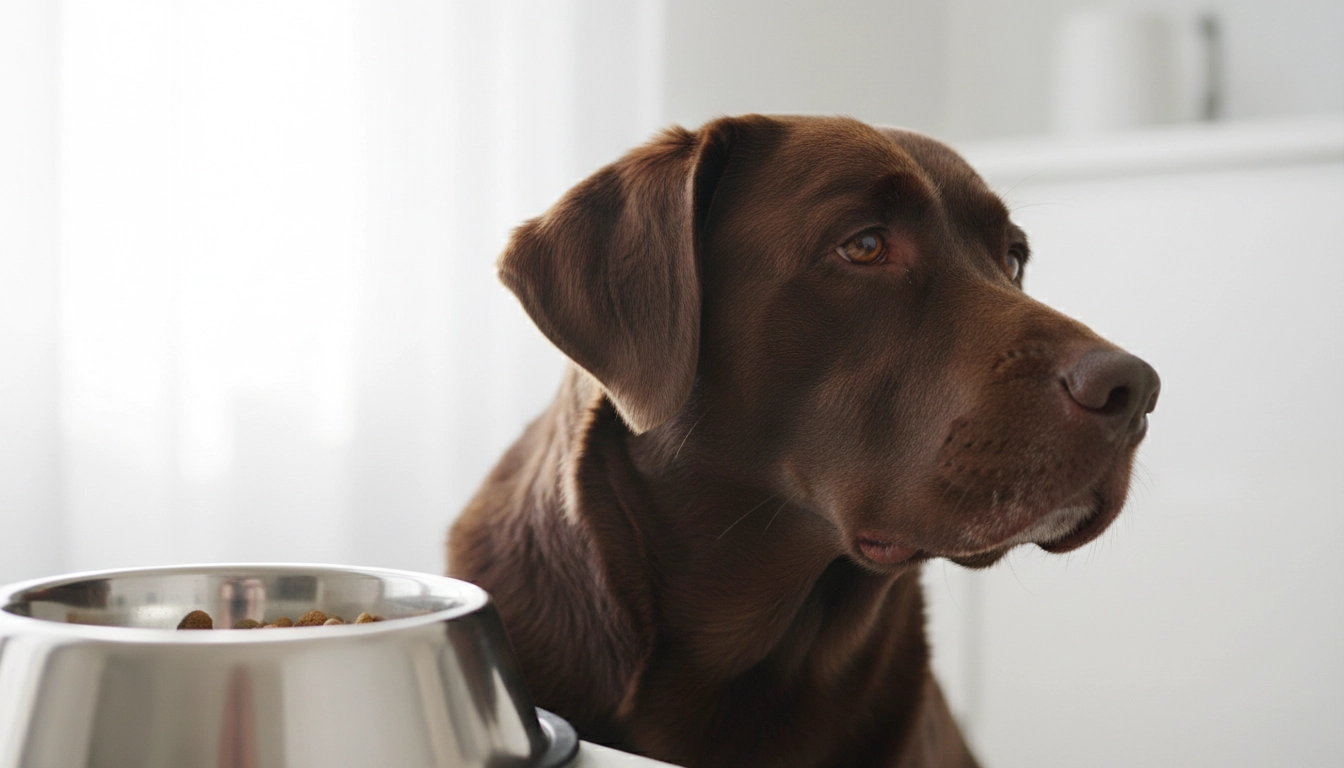
Look it is honestly the worst feeling when you put the bowl down and nothing happens. Usually they are tripping over you but today there is only silence. It is actually terrifying for a second.
I saw this literally yesterday with a client’s lab and it just hits you in the gut. Dogs usually live to eat so when they do not, something is up. Period.
I am typing this fast because I know if you are reading this, you are probably staring at a full bowl right now and panicking. Do not panic yet. It could be something tiny or it could be a real problem but we have to look at the whole picture.
People always think alpha stuff or they think the dog is being bad but that is just not it. Dogs do not use food to spite you. They just do not.
The sound of dry kibble hitting a ceramic bowl usually triggers a frantic dance of paws and wagging tails. When your companion simply looks at the food and walks away, a heavy knot of anxiety often forms in your stomach.
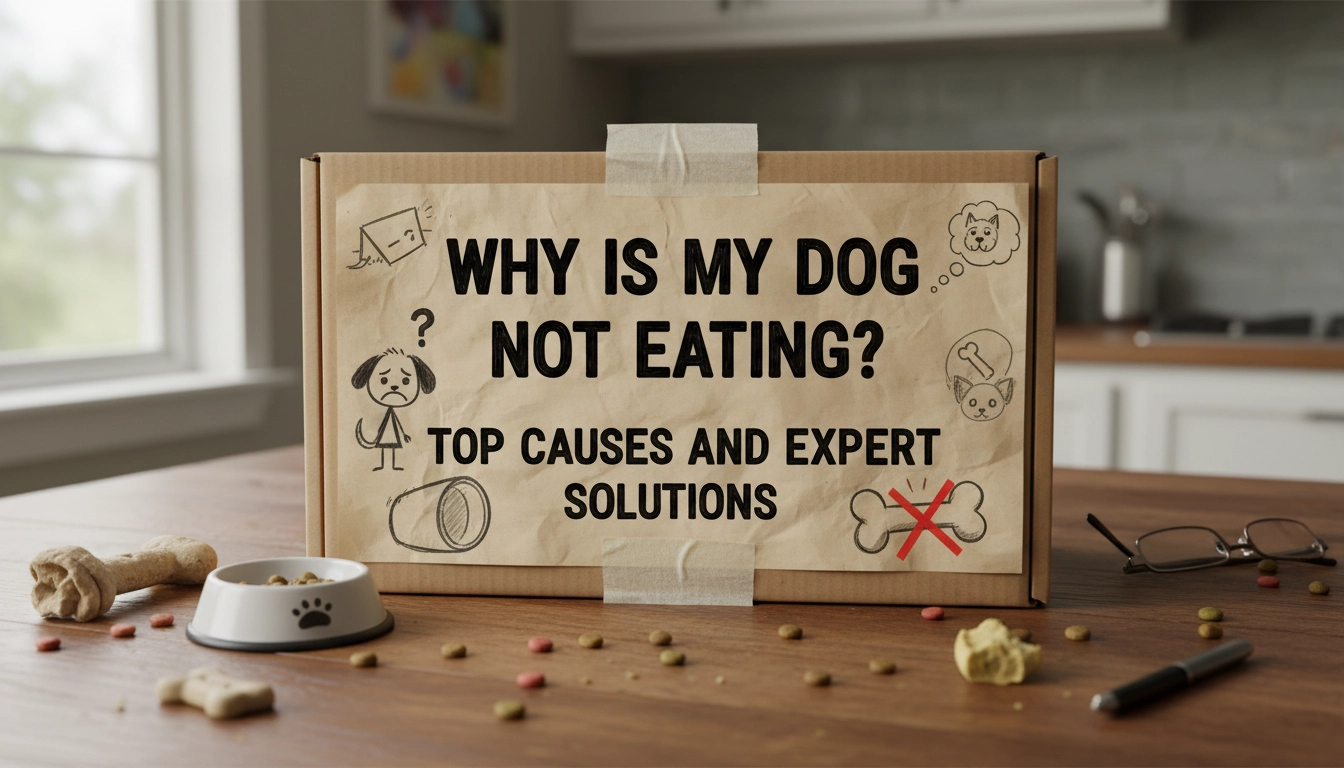
It is a weird kind of quiet that fills the kitchen. You might find yourself wondering, Why is my dog not eating? and worrying about what this sudden change means for their long-term health.
It is a situation I have seen countless times. Every dog is an individual. Their appetite is often a direct reflection of their internal state.
To help them, we must look past the empty bowl and understand the message they are trying to send us through their behavior. Understanding cat scratching behavior can illustrate how animals communicate their internal state. It takes a lot of Patience to sit with them and just observe.
You cannot rush this. If you try to force it, you will just stress them out more.
Understanding the Basics of Appetite
In the world of canine behavior, a complete loss of appetite is known as anorexia. A decreased interest in food is called hyporexia.
These are just fancy words for not hungry or cannot eat. It is important to distinguish between a dog that is physically unable to eat and one that is simply choosing not to.
This distinction helps us understand if the issue is behavioral, environmental, or a medical emergency. I put together this quick breakdown of the terms vets use so you can describe exactly what is happening when you call them.
| Term | What It Means | Severity Level |
|---|---|---|
| Anorexia | Complete refusal of all food | High |
| Hyporexia | Eating much less than normal | Moderate |
| Partial Appetite | Only eating treats or human food | Low to Moderate |
My Take
If your dog has a ‘Partial Appetite’, they are likely feeling ‘off’ but not in a full crisis. It usually means they are being picky or have a minor tummy ache.
A dog might have a partial appetite, where they will eat treats or human food but refuse their own kibble. This happens all the time.
It often points toward pickiness or a minor upset rather than a total system shutdown. A complete lack of interest in any food is a much more serious signal.
This situation requires immediate attention and investigation to make sure your pet stays hydrated.
The Survival Instinct
Dogs are scavengers by nature and are evolutionarily programmed to eat when food is available. A refusal to eat is a significant deviation from their natural biological drive.
Common Medical Reasons Why My Dog Is Not Eating
Physical health is often the first place to look. Many internal conditions can lead to a sudden loss of interest in food.
It could be anything. Kidney failure and liver disease are two conditions that frequently cause nausea.
When the body cannot filter toxins effectively, the dog begins to feel unwell and associates food with discomfort. It is a sad cycle.
Gastrointestinal blockages are another critical concern. This is huge for dogs that like to chew on random stuff like socks or tennis ball fuzz.
If an object is stuck in the digestive tract, the body naturally shuts down the urge to consume more. It is a physical wall. Learning how to reduce hairballs in your feline shows how other pets manage digestive discomfort. It helps to know what specific signs to look for so you can tell if it is a mouth issue or something deeper inside.
| Issue | Physical Sign | Behavioral Change |
|---|---|---|
| Dental Pain | Dropping food or bleeding gums | Whining at the bowl |
| Blockage | Bloated belly or straining | Pacing and restlessness |
| Infection | Warm ears or dry nose | Lethargy and hiding |
My Take
If you see your dog ‘whining’ at the bowl, it is almost always physical pain. They want to eat but the ‘ouch’ is stopping them.
Dental Pain and Oral Issues
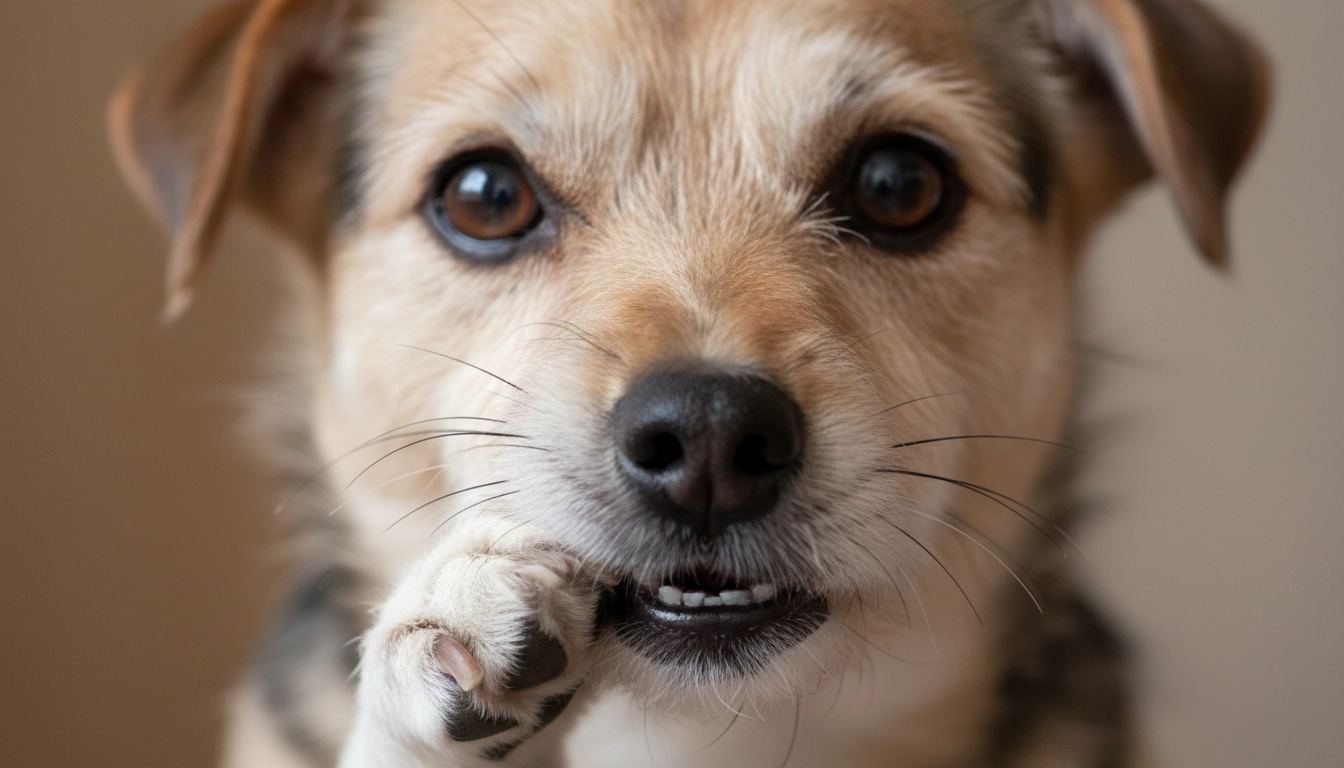
Dental pain is a hidden culprit. If you notice your dog approaching the bowl but dropping the food, they may have a broken tooth or gum disease.
I have seen dogs try to eat, yelp, and then back away shaking. In these cases, the desire to eat is there, but the physical act of chewing has become a source of intense pain.
You might see them whining at their bowl. Or pawing at their mouth. It is frustrating for them because they are starving but it hurts to fix it.
Systemic Infections and Fever
When a dog is fighting an infection, their body redirects energy toward the immune system. This process often results in a fever.
A fever naturally suppresses the appetite. The body is busy healing.
If your dog feels warm to the touch and seems uninterested in their favorite snacks, an underlying virus or bacteria could be the cause. Monitoring their temperature is a big deal right now.
Behavioral and Environmental Factors
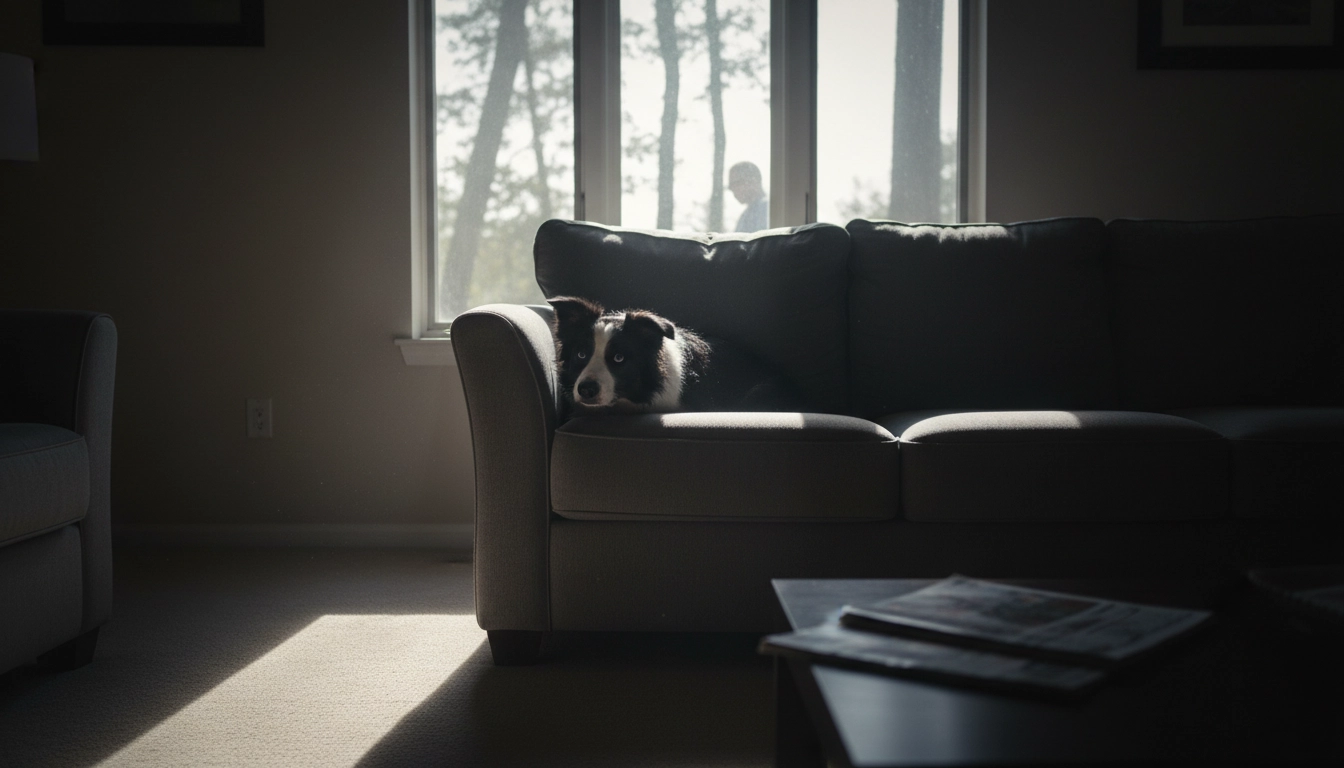
Stress is a major factor that people often overlook. Just like humans, dogs can lose their appetite when they feel anxious.
Maybe you moved houses. Maybe there is a new baby. Environmental changes, like a new pet requiring kitten litter training, can explain potential causes of stress and disrupt their sense of security.
This disruption makes mealtime feel like a low priority. I was talking to Caroline about this recently.
She lives over on Bruce St in Bundaberg. Her dog, a sweet mix named Toby, just stopped eating out of nowhere.
We looked at everything. Turned out, the neighbors had started a major landscaping project and the sound of the machinery was vibrating through the ground.
Toby felt like the world was ending every time he stood over his bowl. We had to move his feeding area to a quiet back room.
Once we did that, he went right back to his kibble. Consistency in their environment is so important, and learning how to train your dog to sit and down can help emphasize the importance of routine.
Sudden Transitions
Switching food brands overnight can cause stomach upset and lead to a negative association with the new meal.
Dietary Changes and Food Quality
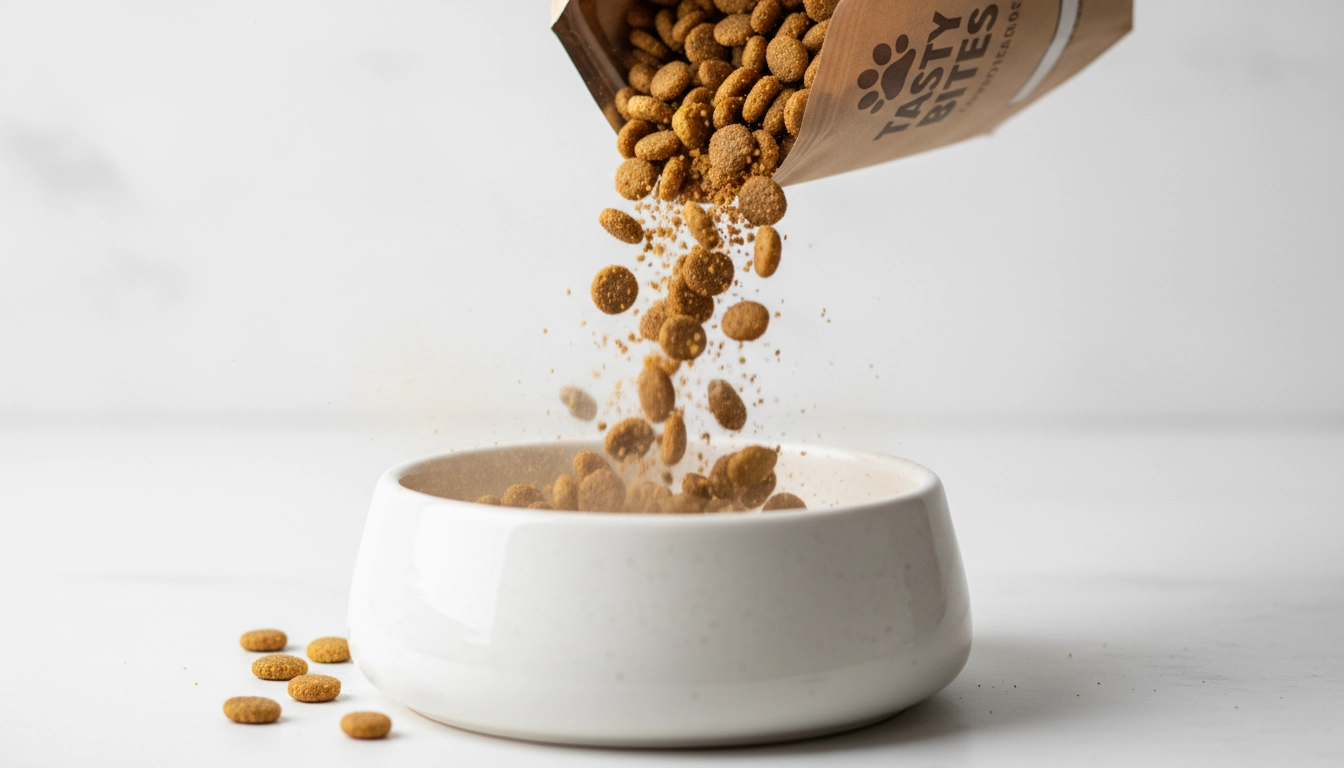
Dietary changes can also cause a sudden strike at the food bowl. If you have recently switched brands without a gradual transition, your dog might be experiencing digestive confusion.
Some dogs are more sensitive to the smell and texture of their food than we give them credit for. Looking at the best cat food for indoor cats can provide a comparison for nutritional standards. A simple change in the shape of the kibble can be enough to make a picky eater suspicious.
Spoiled food is another possibility. If a bag of kibble was not sealed correctly, the fats can turn rancid.
Dogs have incredible noses. They can smell that something is off long before we can. It is their way of staying safe.
When to Worry About Your Dog
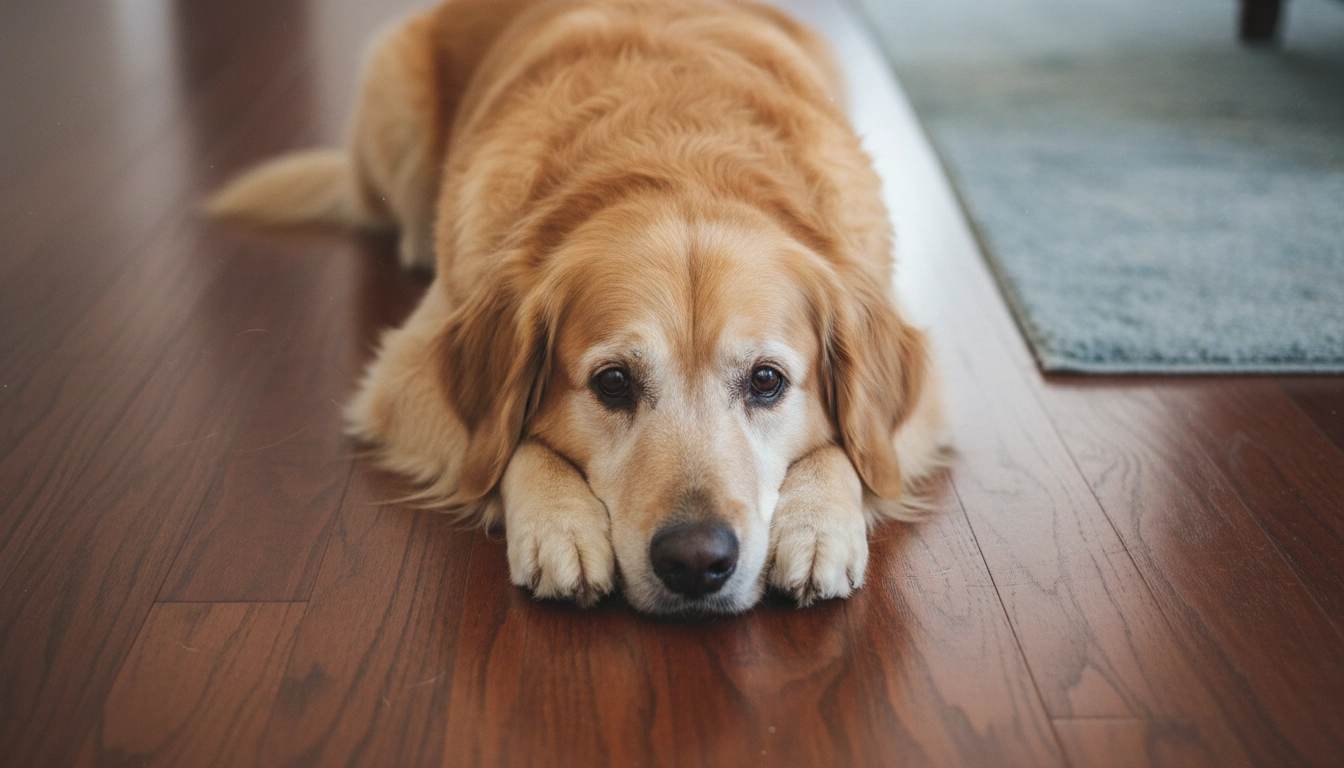
If your dog skips a single meal but remains energetic, you usually have some time. Do not freak out immediately.
However, if the lack of appetite is accompanied by lethargy or vomiting, the situation becomes urgent. These symptoms suggest that the body is fighting an internal struggle.
Age-related changes can also play a significant role. Senior dogs often experience a decline in their sense of smell and taste.
This decline makes their once-favorite meals seem bland. Joint discomfort can also make the physical act of bending down to a floor-level bowl a painful chore.
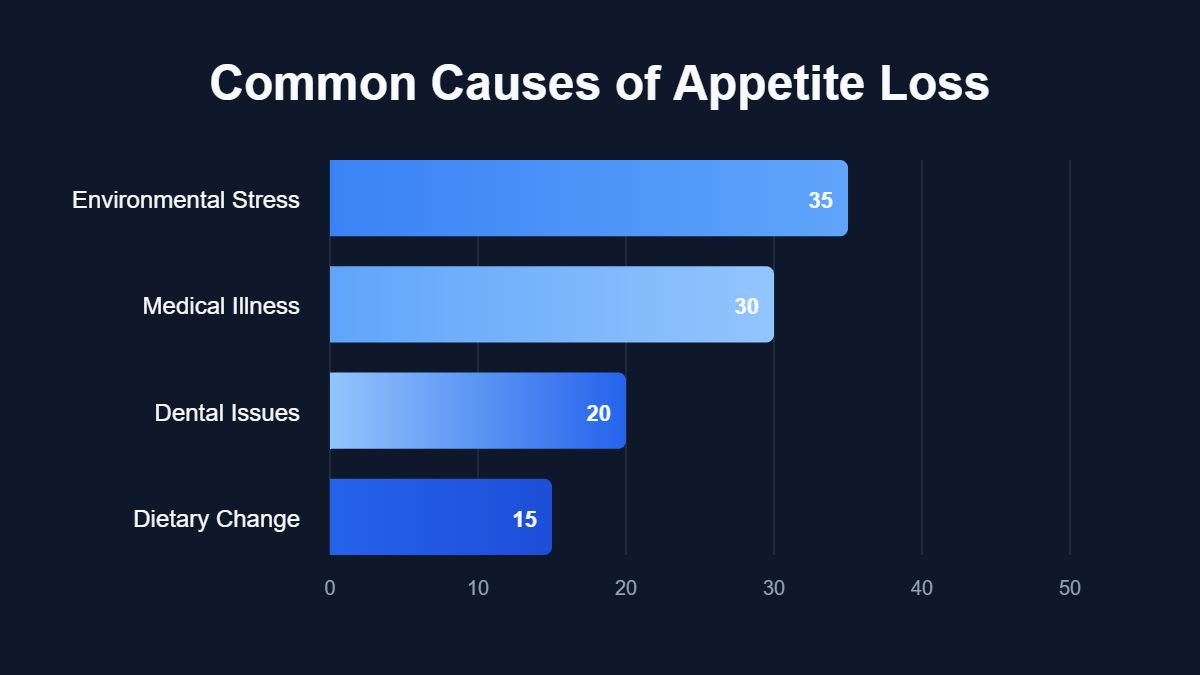
Sometimes they just need a raised bowl. Simple fix, but it makes a world of difference. This chart shows how different factors usually stack up when we look at why dogs stop eating.
My Take
Notice how stress is the biggest slice of the pie. Before you assume the worst, think about any ‘noise’ or ‘changes’ in your home lately.
How to Fix Mealtime Struggles
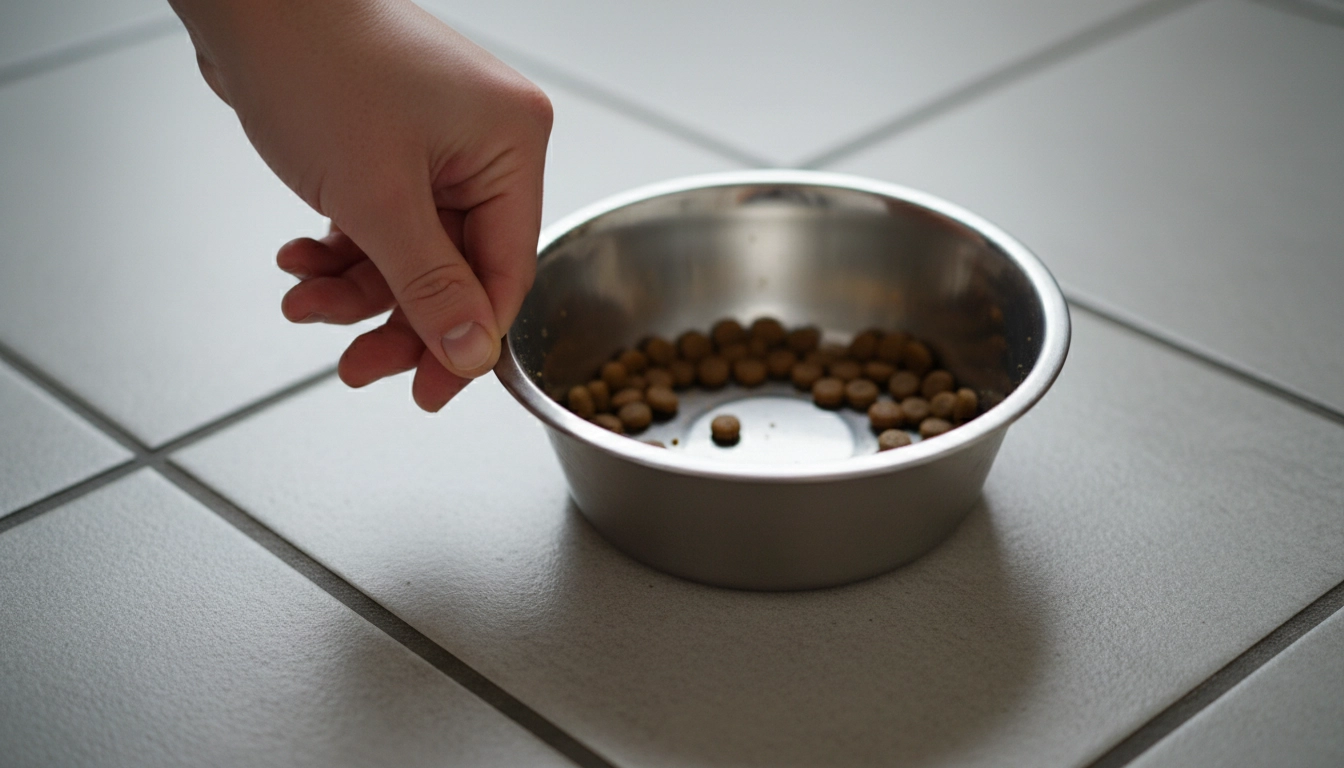
Consistency is the foundation of a healthy feeding routine. Try to serve meals at the same time every day.
This helps regulate your dog’s internal clock. If you leave food out all day, your dog might lose interest because the resource is always available.
This free-feeding method can make food feel less special. Patience is your best tool.
Avoid the temptation to hand-feed every bite. This can create a long-term dependency.
You want them to eat because they are hungry, not because you are begging them. Instead, offer the food for twenty minutes and then quietly remove it.
This helps establish a clear boundary. It sounds tough, but it works. Here is a simple checklist of things you can try right now to see if we can get them interested in their dinner again.
| Strategy | How To Do It | Why It Works |
|---|---|---|
| Add Warmth | Mix in warm water or broth | It releases strong aromas |
| Change the Bowl | Use a flat plate or ceramic dish | Removes scary noises or whisker fatigue |
| Texture Swap | Mix in a little wet food | Makes the meal higher value |
My Take
The ‘warm water’ trick is my number one recommendation. It is free and works about half the time for simple cases of pickiness.
The Power of Play
Try using a puzzle toy or a slow feeder to turn mealtime into a game, which can stimulate a dog’s natural foraging instincts.
Enhancing the Appeal of the Meal
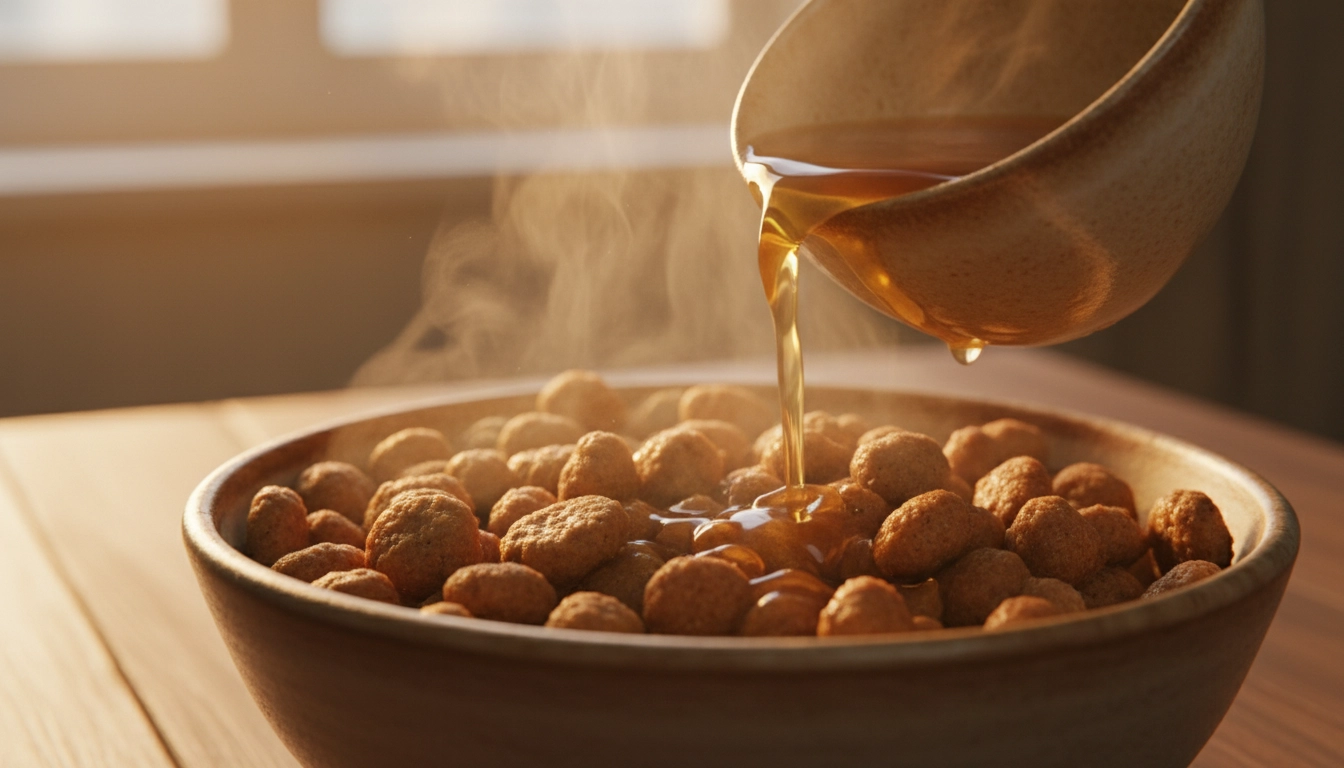
You can try enhancing the meal to make it more enticing. Adding a small amount of warm water or low-sodium broth can release the fats and aromas.
It makes the kibble smell way better. Sometimes, simply using a different style of bowl can help.
A shallow plate might be better for dogs who are nervous about their whiskers touching the sides. You may also try mixing in a small amount of wet food to change the texture.
The increased moisture and stronger scent often trigger the natural scavenging drive. It is about making it hard to resist.
When to Visit a Veterinarian
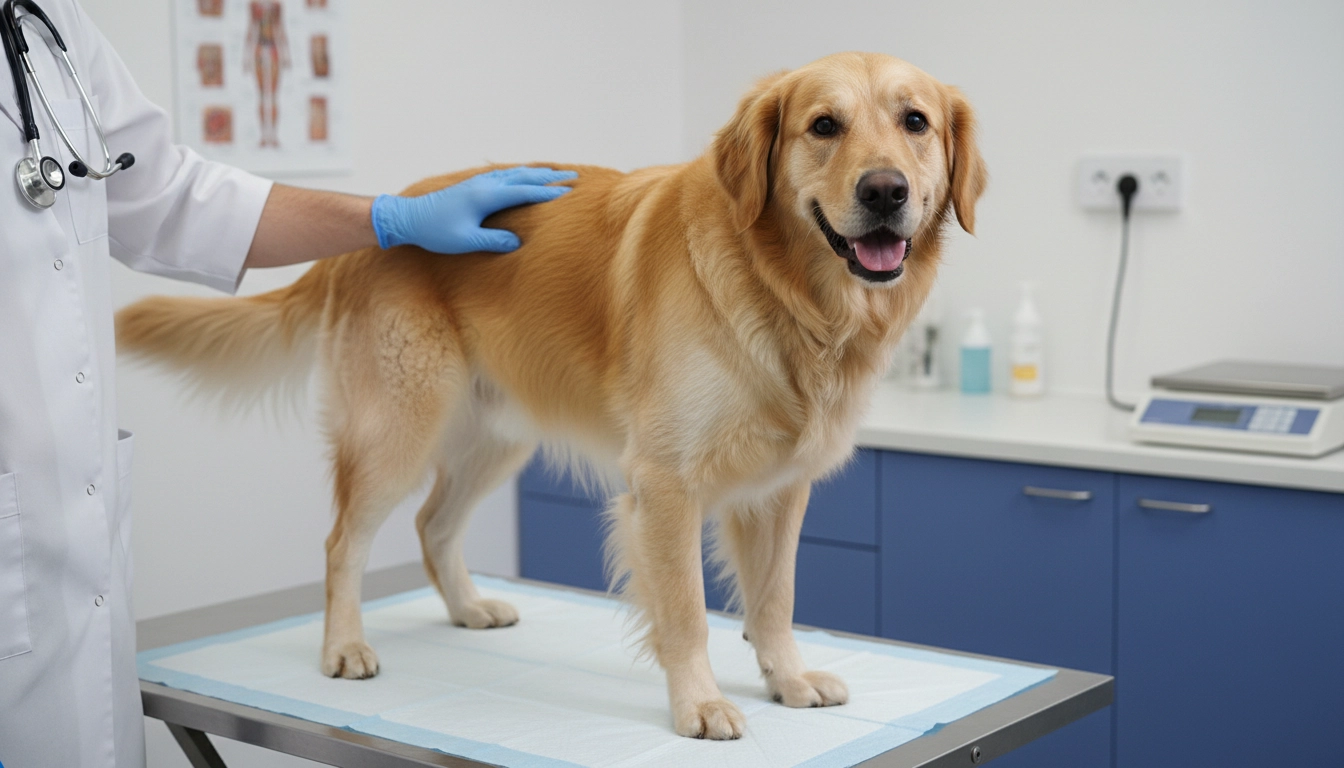
A visit to the clinic is non-negotiable if your dog has refused food for more than twenty-four hours. For puppies or senior dogs, this window is even shorter. They do not have the reserves. Dehydration can set in quickly. Knowing how to train a puppy at home can help owners establish a consistent feeding schedule. It is always better to be cautious.
Be prepared to tell your vet about any other changes. Mentioning a new neighbor or a change in your work schedule can be very important.
These details help the professional determine if the issue is psychological or physiological in nature. Accurate information leads to a faster diagnosis.
If your dog is also refusing to drink water, this is a medical emergency. Lack of fluid intake leads to organ strain very quickly. Don’t wait. Just go.
Conclusion
Watching your pet refuse a meal is heartbreaking. I know. But staying calm is the best thing you can do for them.
By investigating Why is my dog not eating? with a clear head, you can identify the root cause. Your dog relies on your patience and consistency to get through this.
Remember that a solid partnership is built on understanding their needs and providing steady support. If you stay observant and act quickly when things feel wrong, you will help your dog return to their happy self.
Every meal is a chance to connect.