
The biology is non-negotiable: a cat’s thirst drive is about as reliable as a human’s ability to catch the Red Dot. It doesn’t exist.
I was talking to Hilda—she’s down on Saddle Dr in Warrnambool—and she couldn’t understand why her feline associate wasn’t using that expensive ceramic fountain she bought.
It’s because we are hardwired to get our fluids from what we kill, or in the modern case, what you peel the lid off of.
If you’re staring at a bag of dry kibble and wondering why your cat is lethargic, you’re missing the forest for the trees.
I’m typing this on my phone while waiting for my 2 PM nap in the guest room, so let’s get straight to the point without the fluff. Seriously, if the food isn’t wet, the cat is basically a slow-motion raisin.
That sound. You know the one. It’s the shuck of a lid or the pop of a pull-tab. It can wake me from the most intense dream about a giant moth in three seconds flat.
For most of my kind, that sound is the only thing that matters in a twenty-four-hour cycle.
But I see humans standing in the pet food aisle all the time, looking confused. They stare at the crunchy pellets and then at the glistening pate and they wonder if they are just being manipulated by a marketing team.
They aren’t. They’re being told the truth by the cat’s DNA.
Quick Access
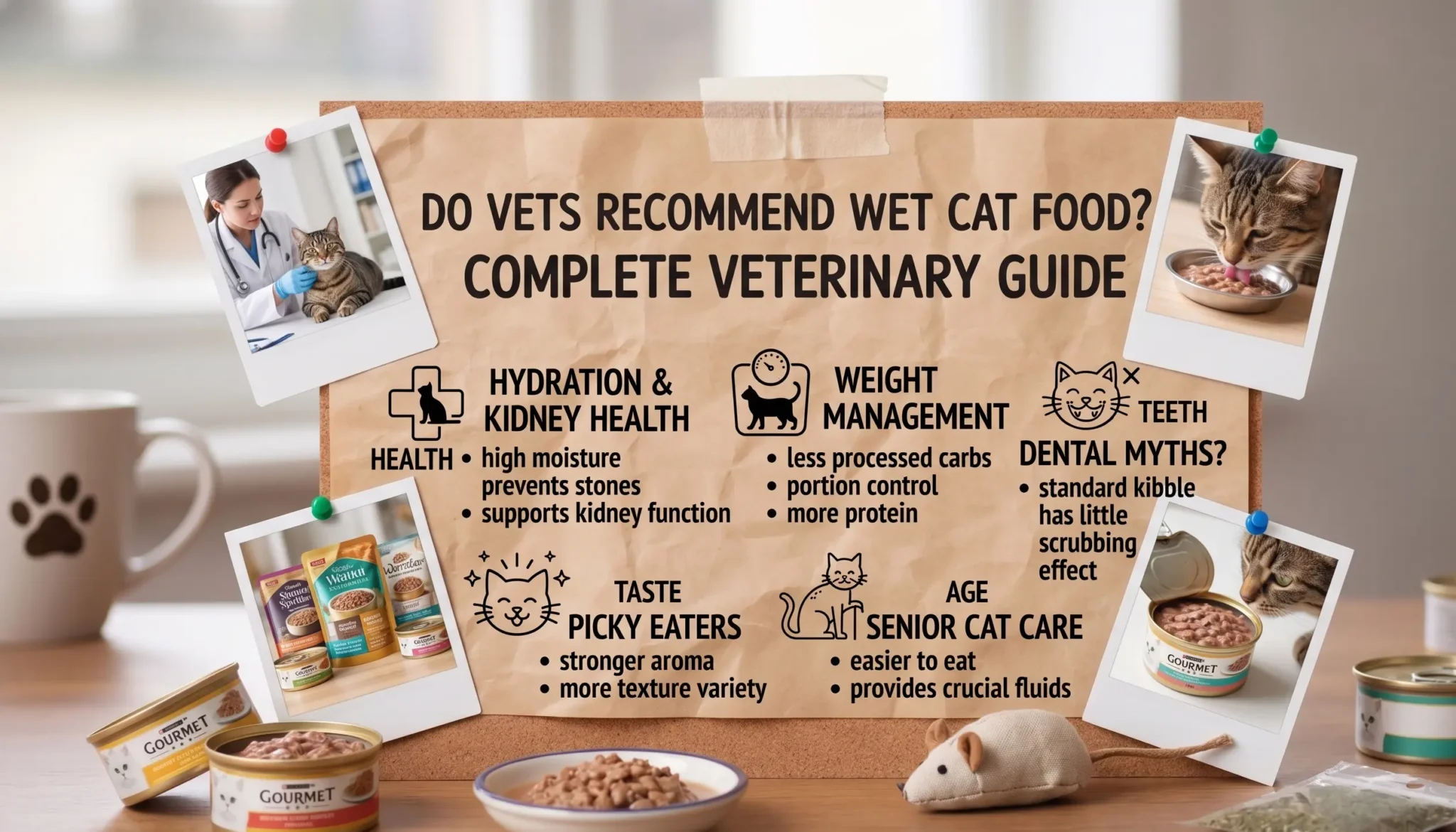
This guide explores why veterinarians advocate for wet food, its role in preventing chronic kidney disease, and how to choose the highest quality brands for your cat’s specific life stage.
When you ask do vets recommend wet cat food?, you are asking about the difference between survival and thriving. Most humans don’t understand that we are a desert species.
We don’t feel thirsty until we are already in trouble. The veterinary community has shifted. They used to think dry food was good for the teeth. They were wrong.
Now, they see the biological reality of what happens when a predator eats bird-seed-style crackers. It isn’t pretty.
In this guide—which I am writing while occasionally glancing at a very suspicious beetle near my paw—we will talk about why the medical people have finally caught up to what cats have known since the Pharaohs.
We’ll talk about kidney health and metabolic stress. By the time you finish reading this, you’ll understand why that little can of fish or turkey is the most important tool in your cabinet.
You’ll be ready to make a choice that doesn’t involve your cat becoming a frequent flyer at the emergency clinic.
Understanding the Basics of Feline Nutrition
We need to talk about the phrase obligate carnivore. It’s not just a fancy title I use to get better treatment. It is a biological prison.
Our bodies cannot take a detour into eating plants. We don’t have the machinery for it. Humans can eat a salad and feel great. If I eat a salad, I am just wasting time.
My liver is a protein-processing machine. It needs animal fat and animal tissue to keep the lights on. If you give me corn or wheat, my body just stares at it, confused.
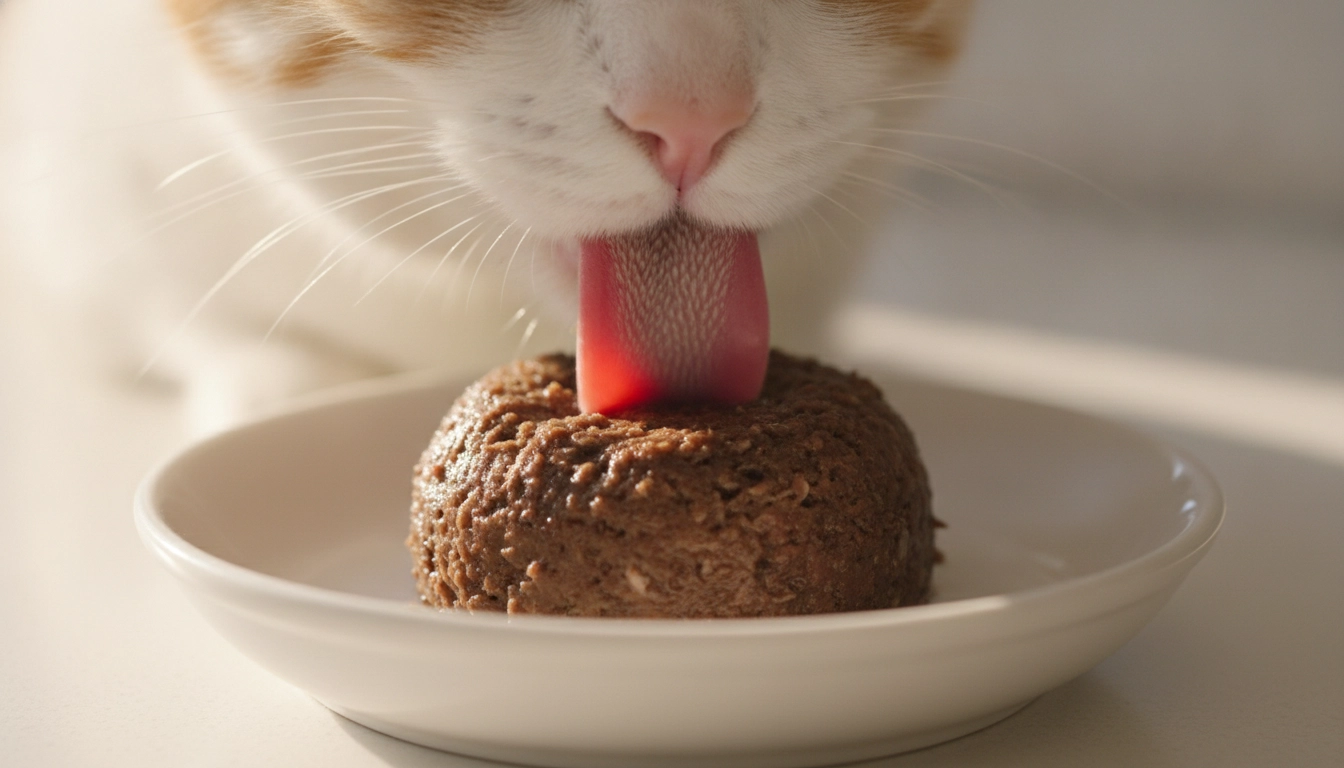
Wet cat food is about seventy-five to eighty-five percent water. This is the magic number. It matches the moisture profile of a bird or a mouse.
I put together this little breakdown of what our bodies actually crave versus what usually ends up in those big yellow bags of dry food.
| Nutrient | Biological Requirement | Typical Dry Food Level | Typical Wet Food Level |
|---|---|---|---|
| Animal Protein | Very High | Moderate to Low | High |
| Moisture | 70 to 80 Percent | Less than 10 Percent | 75 to 85 Percent |
| Carbohydrates | Less than 5 Percent | 30 to 50 Percent | Less than 10 Percent |
My Take
If the label looks like a science experiment gone wrong with more corn than meat, put it back on the shelf and walk away slowly.
Dry food is a desert. It has less than ten percent water. If you eat a bowl of crackers, you get thirsty. If we eat a bowl of dry food, we just get dehydrated.
We don’t always remember to drink to make up the difference. It’s a design flaw from our ancestors.
The Desert Ancestry
Domestic cats descended from the Near Eastern wildcat, a desert-dwelling creature that obtained most of its hydration from the moisture found in its prey rather than standing water.
I saw a water fountain once that looked like a flower. It was decoratively offensive. I ignored it for three days just on principle.
This is why wet food is so vital. It sneaks the hydration in while we are busy enjoying the aroma.
A quality wet food has a macronutrient profile that makes sense. It’s high in protein. It’s moderate in fat. It doesn’t have fillers.
Vets like it because it works with the metabolism rather than against it. It keeps the blood sugar stable. It keeps the plumbing moving.
If you want a cat that doesn’t just sit around like a piece of furniture, you have to fuel the predator.
Why Do Vets Recommend Wet Cat Food for Health?

When you ask do vets recommend wet cat food?, the yes you get is backed by years of seeing broken kidneys. Vets see the end result of a life spent eating dry food. They see the inflammation.
Wet food is preventative medicine. It’s like a daily tune-up for the internal organs. Most of the problems we face in middle age are caused by chronic dehydration.
Imagine your blood is like a thick syrup instead of a flowing river. That’s what happens when you don’t get enough water.
Your heart has to work harder. Your kidneys have to struggle to filter the gunk. Wet food changes the glycemic load.
Dry food is packed with starch. Starch is just sugar in a trench coat. It ruins the pancreas.
It’s also about the bladder. We need to flush the system. If we don’t, things get stagnant. Stagnant things grow crystals.
This mechanical flushing is the only thing standing between a male cat and a life-threatening blockage. I’ve seen it happen. It’s not something you want to experience on a Tuesday night or any night for that matter.
Temperature Matters
To make wet food even more appealing, try warming it to ‘prey temperature’ (about 101 degrees Fahrenheit) to release the natural aromas and oils.
The Primary Health Benefits of a Moisture-Rich Diet
You can see a wet food cat from across the room. The coat is different. It’s shiny. It doesn’t feel like old straw. It feels like velvet.
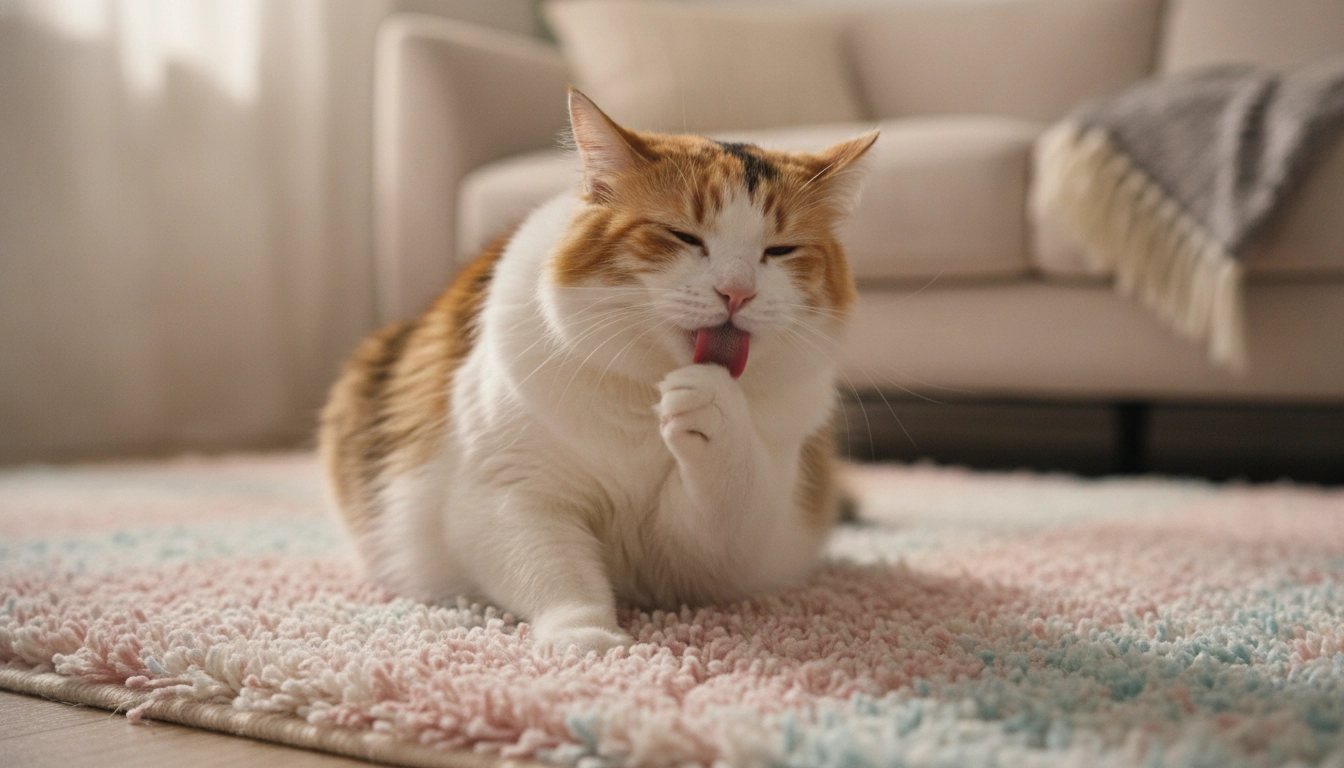
Hydration makes the skin supple. If the skin is dry, we itch. If we itch, we over-groom. Then you have to deal with hairballs on your nice rug. Nobody wins in that scenario.
Then there is the lean muscle mass. This is a big deal. As we get older, we start to waste away if the protein isn’t bioavailable.
Wet food is packed with animal proteins. It has taurine. It has arginine. These aren’t optional extras. They are requirements.
Without enough taurine, our hearts get weak. Our eyes get dim. We can’t see the Red Dot as clearly. That is a catastrophe in my book.
Also, if we are feeling under the weather, wet food is the only thing that smells tempting. If I have a cold and can’t smell my food, I won’t eat.
Wet food has those oils and aromas that cut through the fog. It gives the immune system the energy it needs to fight back.
It’s about cellular repair. It’s about keeping the athletic frame intact even if the only exercise we get is jumping on the kitchen counter when you aren’t looking.
How Wet Cat Food Supports Essential Hydration
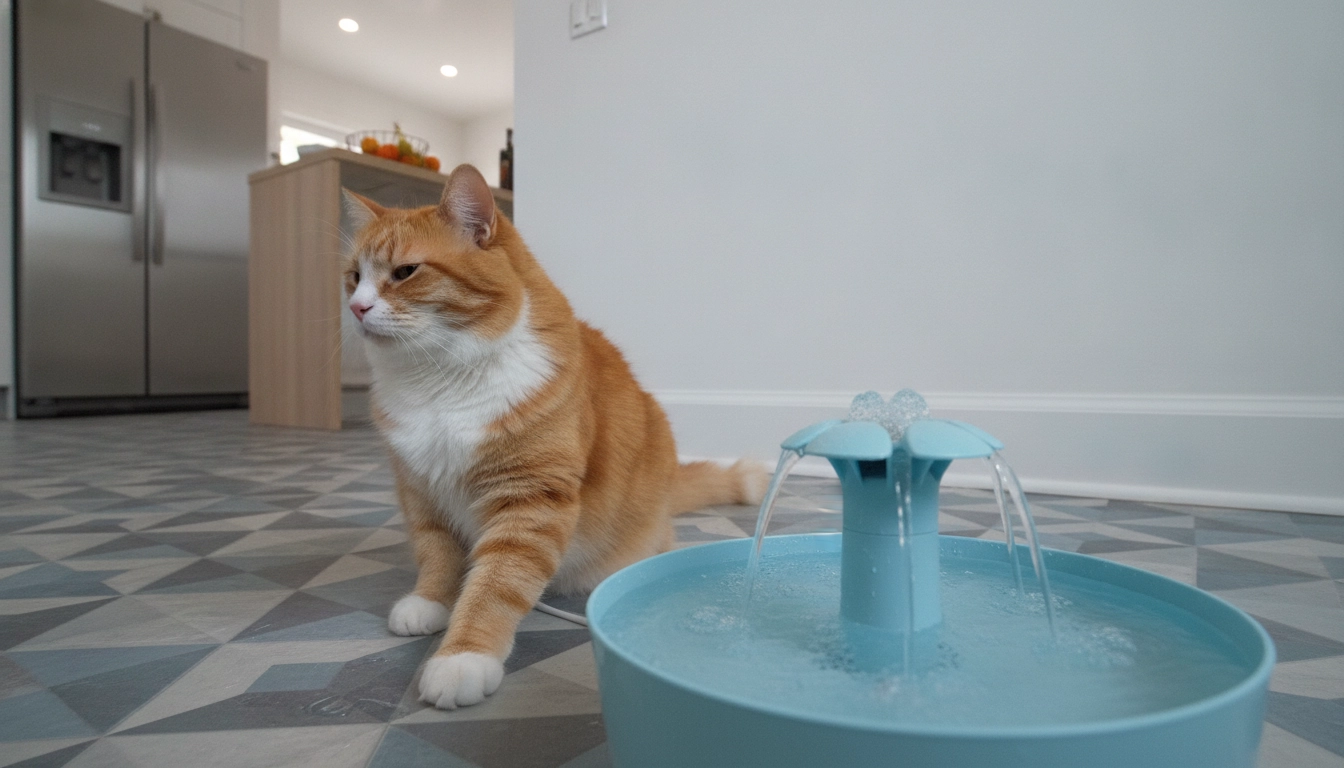
We have a low thirst drive. It’s a biological fact. We didn’t evolve to sit by a lake. We evolved to catch things in the brush.
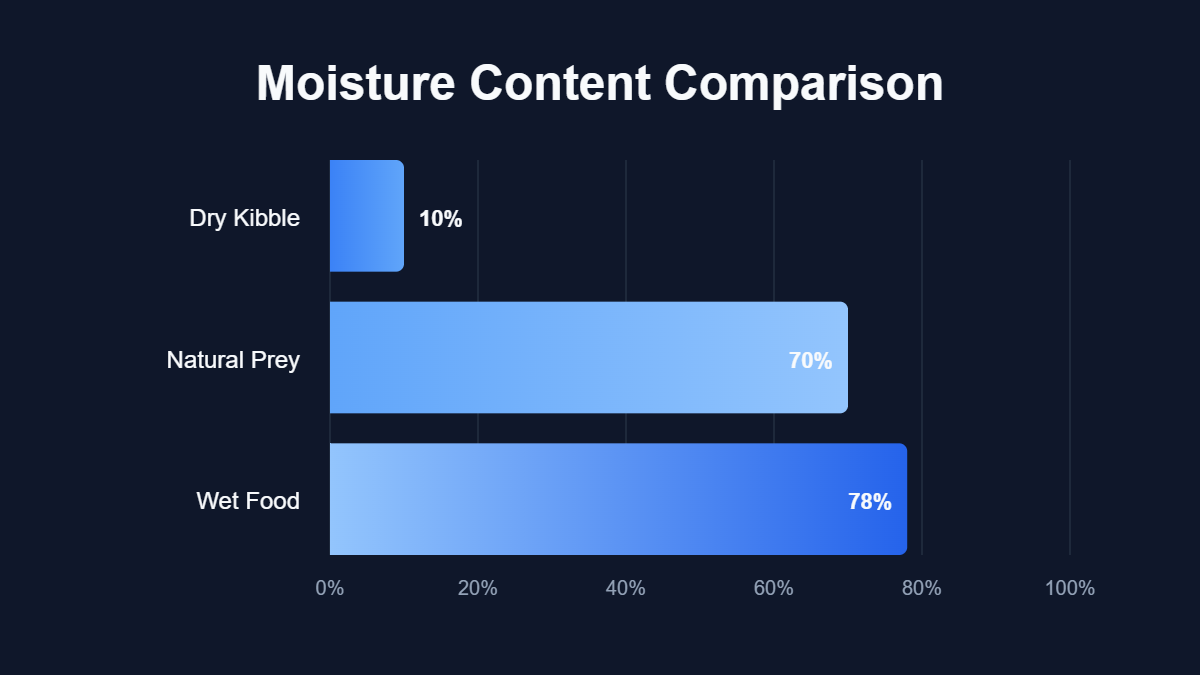
A mouse is basically a water balloon with fur. Seventy percent water. That’s the gold standard for a meal.
When you give us dry food, you are asking us to calculate our own hydration needs. We are good at many things—like judging your outfit—but we are bad at math. We don’t drink enough.
This leads to chronic subclinical dehydration. It’s a state where the body is just barely hanging on. It’s stressful.
Wet food fixes the math problem. It integrates the water into the meat. We don’t have to think about it.
Every bite is a drink. It keeps the blood volume where it should be. It supports the lymphatic system. It’s like a continuous car wash for our insides.
I made a chart to show you just how much of a desert that kibble really is compared to what we actually need to stay hydrated.
My Take
The numbers do not lie; eating dry food is like trying to survive a marathon while only eating saltine crackers.
Wet Cat Food vs Dry Cat Food: The Clinical Debate
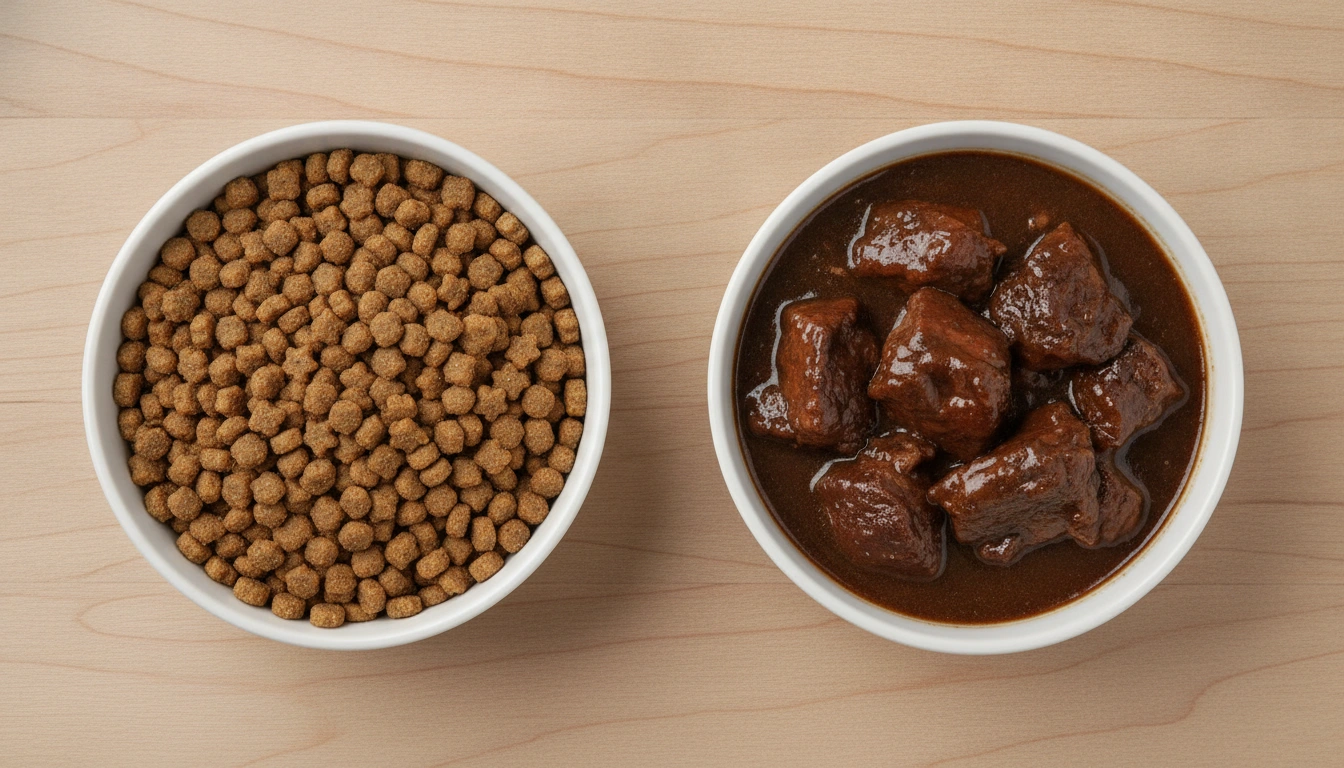
The dental health argument is a fairytale. People used to think the crunch cleaned the teeth. It doesn’t.
It’s like saying eating pretzels is the same as brushing your teeth. Vets know better now. Most cats just swallow the kibble whole anyway. Or they shatter it. It doesn’t scrape anything.
Dry food is made by extrusion. To get those little shapes, you need starch. You need binders. It’s like feline glue.
These carbohydrates make us round. And not in a cute way. In a diabetes-risk way. Wet food is cooked in the can. It doesn’t need glue.
Sometimes a mixed feeding approach is what people do because wet food is expensive. I get it. Good food isn’t cheap.
But the wet portion is the priority. It’s the hydration insurance policy. The goal is to get as much animal protein as possible.
I put together this table to help you see the real differences when you are standing in that pet store aisle feeling overwhelmed.
| Feature | Dry Kibble | Wet Food |
|---|---|---|
| Main Ingredient | Often grains or fillers | Animal protein |
| Hydration Level | Very Low | Very High |
| Carbohydrate Load | High | Low |
| Dental Benefit | Negligible | None |
| Convenience | High | Moderate |
My Take
While dry food is convenient for your schedule, wet food is what actually keeps our internal systems from grinding to a halt.
Avoid empty calories. If the first ingredient is corn gluten meal, put it back. That’s just padding.
It’s like a beige sofa made of cheap polyester. It looks okay for a week, then it falls apart.
Is Wet Cat Food Better for Senior Cats?
As we get vintage, our kidneys start to get tired. Chronic Kidney Disease (CKD) is the shadow that follows many of us.
For a senior cat, wet food is a lifeline. It’s the difference between a comfortable afternoon and a nauseous morning.
The extra water helps dilute the stuff the kidneys can’t filter anymore. It makes us feel lighter. It gives us energy.
If the kidneys are failing, the blood gets toxic. That makes us feel sick. Wet food helps wash those toxins away.
Then there are the teeth. Many seniors have lesions. Or sore gums. Trying to eat dry kibble when your mouth hurts is torture.
The soft texture is kind. It allows us to maintain weight. If we can’t eat, we lose muscle. Then we get frail.
Nobody wants to be a frail predator. It’s undignified.
Why Vets Recommend Wet Food for Growing Kittens
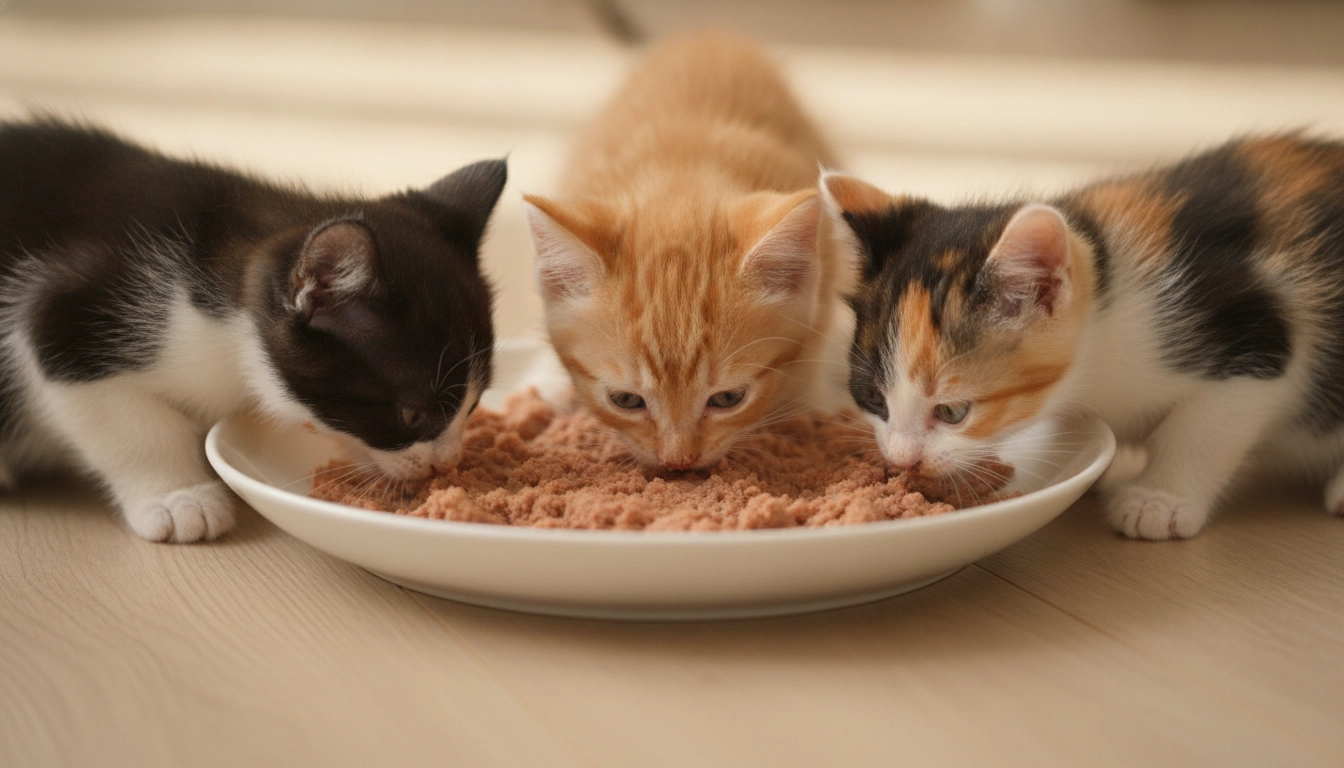
Kittens are chaos with fur. They are building everything at once. Bones. Brains. Attitude.
Vets want kittens on wet food early. It’s about flavor imprinting. If we only eat one texture as kittens, we become food snobs later.
Kittens have tiny stomachs. But they have huge energy needs. They need nutrient density.
Wet food is easy to digest. It doesn’t have fillers taking up valuable space. It’s high-octane fuel.
It also sets the tone for hydration. If a kitten thinks food equals moisture, they won’t struggle as much with dehydration later in life.
It prevents them from becoming kibble addicts. Once a cat is hooked on the sugar-high of dry food, it’s hard to switch them.
Start right and you save a lot of trouble later.
Can Wet Cat Food Help With Weight Management?
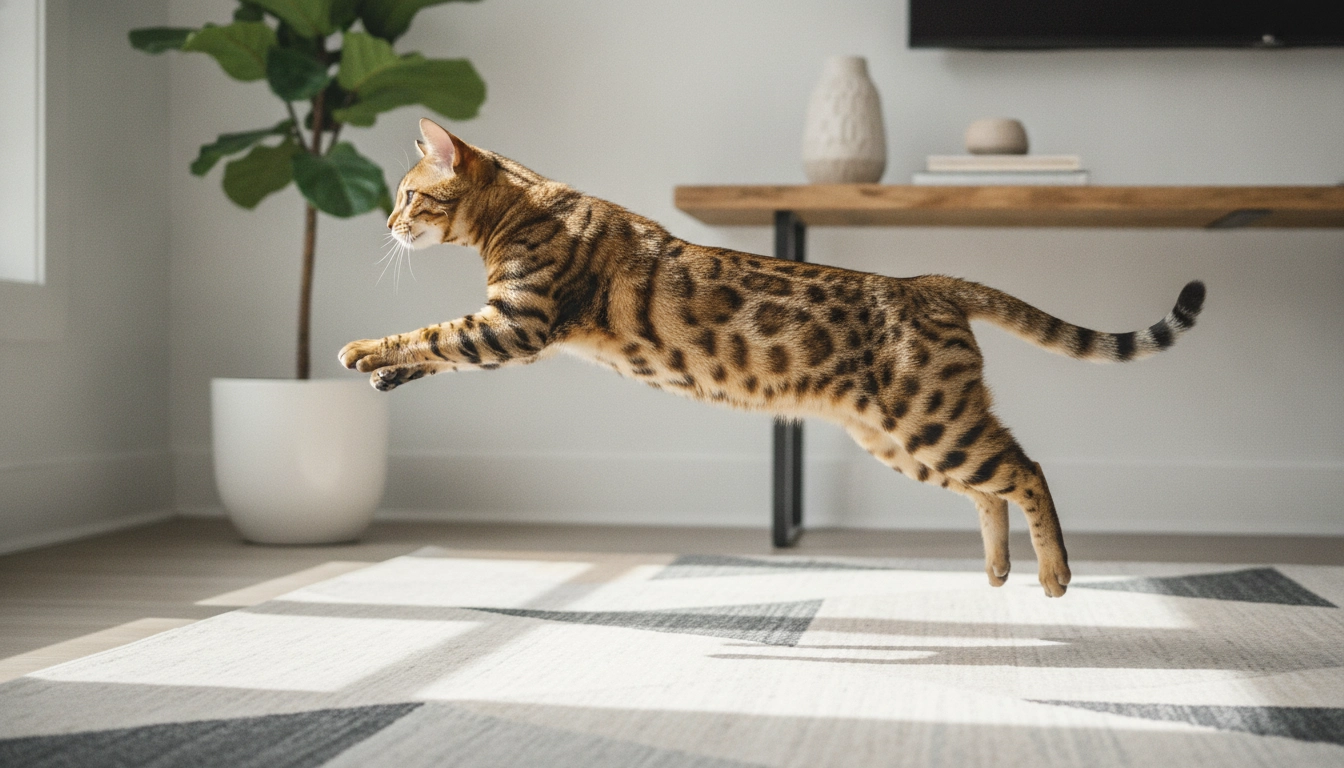
Obesity is a disaster. It’s usually caused by free-feeding. Humans leave a bucket of dry food out and then wonder why the cat looks like a watermelon.
Wet food is magic for weight loss. It has high volume. But low calories.
A bowl of wet food looks huge to us. It makes us feel full. It’s the satiety factor.
It stops the begging. If I feel full, I might actually let you sleep until 6 AM. Maybe.
Also, the protein boosts the metabolism. It takes energy to burn protein. It takes almost nothing to store fat.
This helps us burn calories even when we are resting in a sunbeam. It keeps the muscles firm. It keeps the fat away.
The Grazing Trap
Never leave wet food out for more than four hours. It can harbor bacteria that may cause digestive upset or lead to food aversion in sensitive cats.
The Impact of Wet Food on Urinary Tract Health
If there is one thing that makes a vet stern, it’s urinary health. Feline Lower Urinary Tract Disease is a nightmare.
It’s about concentration. If the urine is too thick, minerals clump together. They make crystals.
These crystals are like tiny shards of glass in the bladder. It hurts. Wet food dilutes the urine.
It’s math. More water in equals more water out. For male cats, this is critical.
Their anatomy is narrow. A blockage can happen in hours. A wet-only diet is the gold standard.
It keeps the pipes clear. It prevents accidents on the laundry basket. It makes for a happy household.
Common Concerns Vets Have About Wet Cat Food
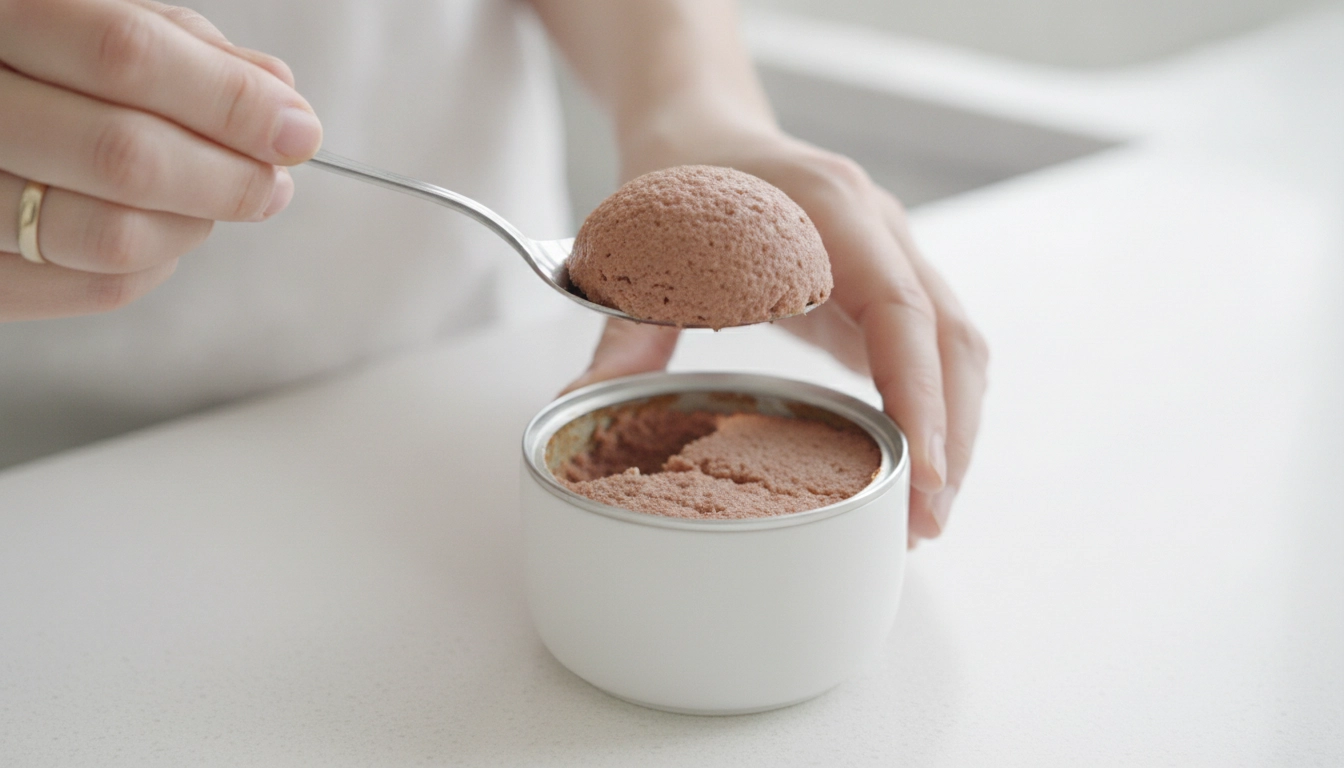
Vets aren’t blind to the issues. One is portion control. Because wet food is delicious, we will overeat if you let us.
You have to measure. Don’t just guess. My stomach is bigger than my brain sometimes.
Then there is oral hygiene. If you don’t brush our teeth, wet food might leave more plaque.
But most vets think the kidneys are more important than the scraping effect of dry food. You can brush teeth. You can’t fix a dead kidney.
Also, the quality of cheap cans is a worry. Some have carrageenan. Or guar gum.
These can make our stomachs grumpy. Or give us soft stools. You want high-quality ingredients. Not industrial thickeners.
How Often Should Your Cat Eat Wet Food?
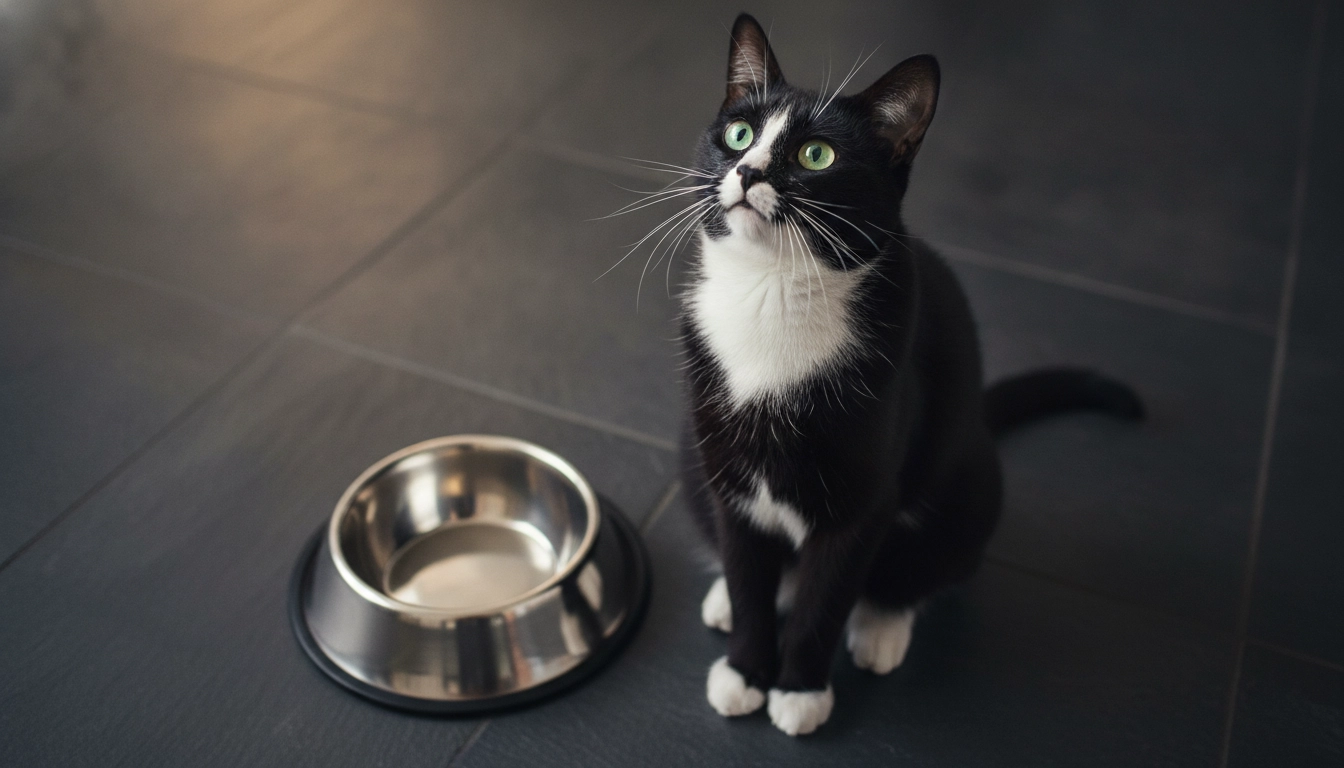
Frequency matters. Most vets say twice a day. That’s the minimum.
I prefer small, frequent meals. It’s more natural. In the wild, we catch many things. Not just one big thing.
Consistency is peace. We are creatures of habit. If the bowl is empty at the wrong time, there will be complaints.
Scheduled feeding lets you see how we are doing. If I don’t run to the bowl, I might be sick.
If you work all day, try a hybrid. Wet food in the morning. Wet food at night.
Maybe a puzzle feeder for a little dry food during the day. It keeps the mind sharp. It keeps us from destroying the curtains out of boredom.
Choosing the Best Vet-Recommended Wet Cat Food
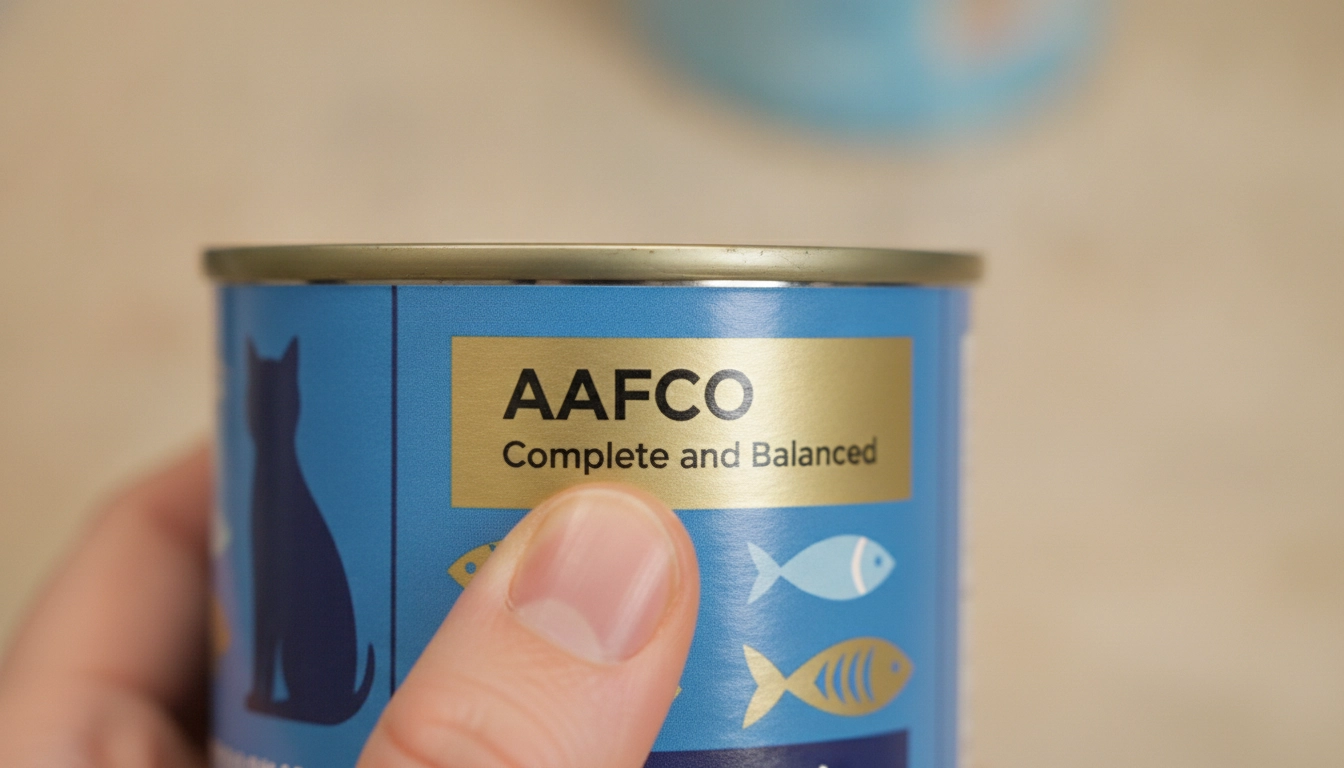
Look for the AAFCO Statement. It’s the seal of approval. It means the food is complete.
Without that, it’s just a snack. We can’t live on snacks. We need balance.
Vets want named proteins. Chicken. Beef. Lamb. Generic terms like meat by-products are suspicious.
It’s like a mystery meat casserole at a bad cafeteria. No thanks. Avoid grains. Avoid soy.
We don’t need them. They are cheap fillers. They don’t have the amino acids we need.
They just make the bag heavier and the manufacturer richer. I have drafted a quick checklist for you to use when you are inspecting those cans.
| Label Item | What to Look For | Verdict |
|---|---|---|
| First Ingredient | Named meat (e.g., Turkey) | Excellent |
| AAFCO Seal | Complete and Balanced | Mandatory |
| Thickeners | Carrageenan or Guar Gum | Avoid if possible |
| Grain Content | Corn, Wheat, or Soy | Not recommended |
My Take
If the first ingredient is something you cannot pronounce or looks like it belongs in a woodshop, your cat probably should not be eating it.
Signs Your Cat May Benefit From Wet Food
If your cat is constipated, they need wet food. Hard stools are a cry for help from the colon.
Look at the coat. Is it dull? Does it stand up? That’s dehydration.
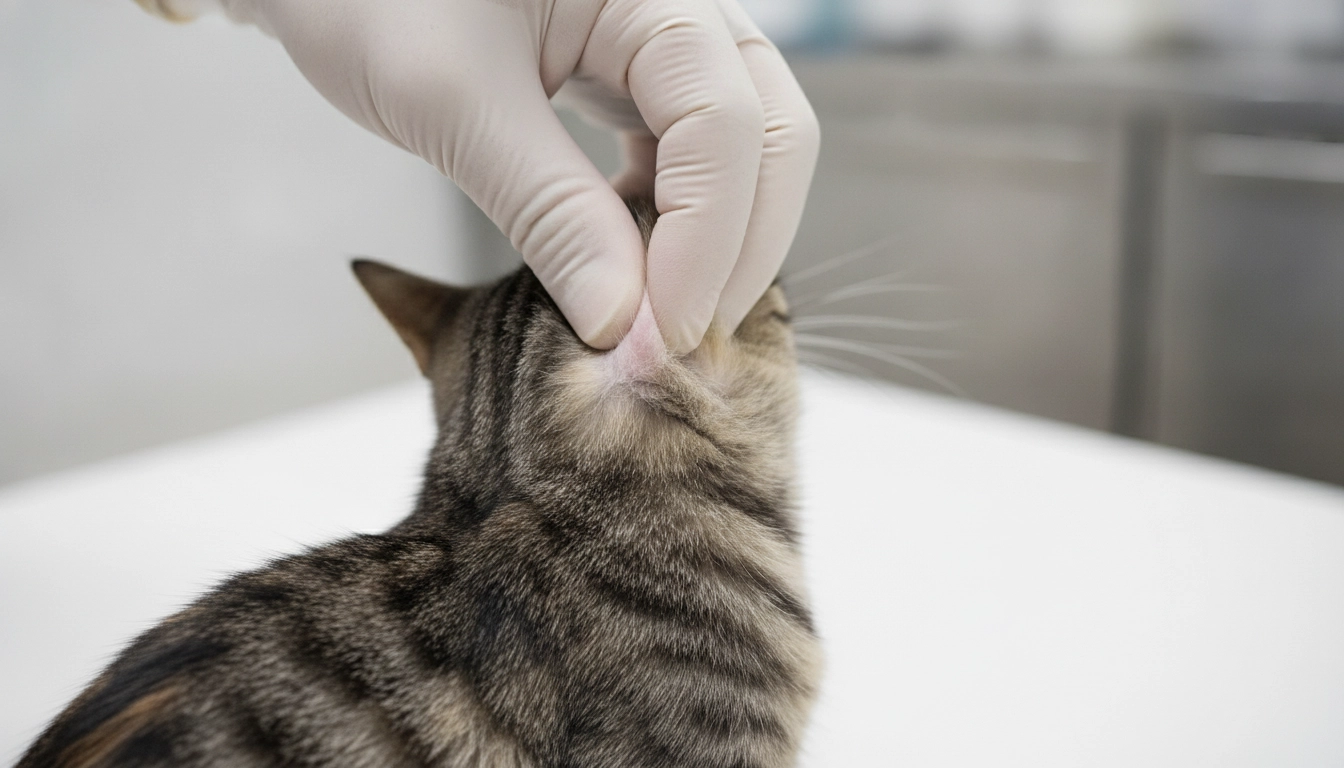
Try the skin tent test. Pick up the scruff. Does it snap back?
If it lingers, we are dry. We need fluids immediately. Lethargy is another clue.
High-carb diets make us sleepy. Not good sleepy. Heavy sleepy.
Switching to protein gives us an energy boost. You might see us running through the house at 3 AM again. You’re welcome.
Is a Wet-Food-Only Diet Safe for Cats?
The myth that we need dry food is dead. We don’t.
A nutritionally complete wet food is perfect. It has everything.
Many specialists want all cats on 100% wet food. It’s the best way to live.
It protects the bladder. It protects the kidneys. It keeps us lean.
The only downside is cost. And smell. And cleaning the bowl.
But from a biological perspective, it’s ideal. It’s the closest thing to nature in a can.
What Veterinarians Look for in Quality Wet Cat Food

Vets read the guaranteed analysis. They want high protein. They want low fiber.
We aren’t cows. We don’t need roughage. They check the ash content.
Too much mineral can be bad. Quality brands balance the minerals.
They protect the system. Feeding trials are the gold standard.
It means real cats ate the food. And they did well. It’s not just a computer model.
It’s real-world data. That’s what experts trust.
Label Literacy
Ingredients are listed by weight. Ensure a specific animal protein like ‘Turkey’ or ‘Beef’ occupies the top spot on the list for maximum nutrition.
Common Mistakes to Avoid When Feeding Wet Food
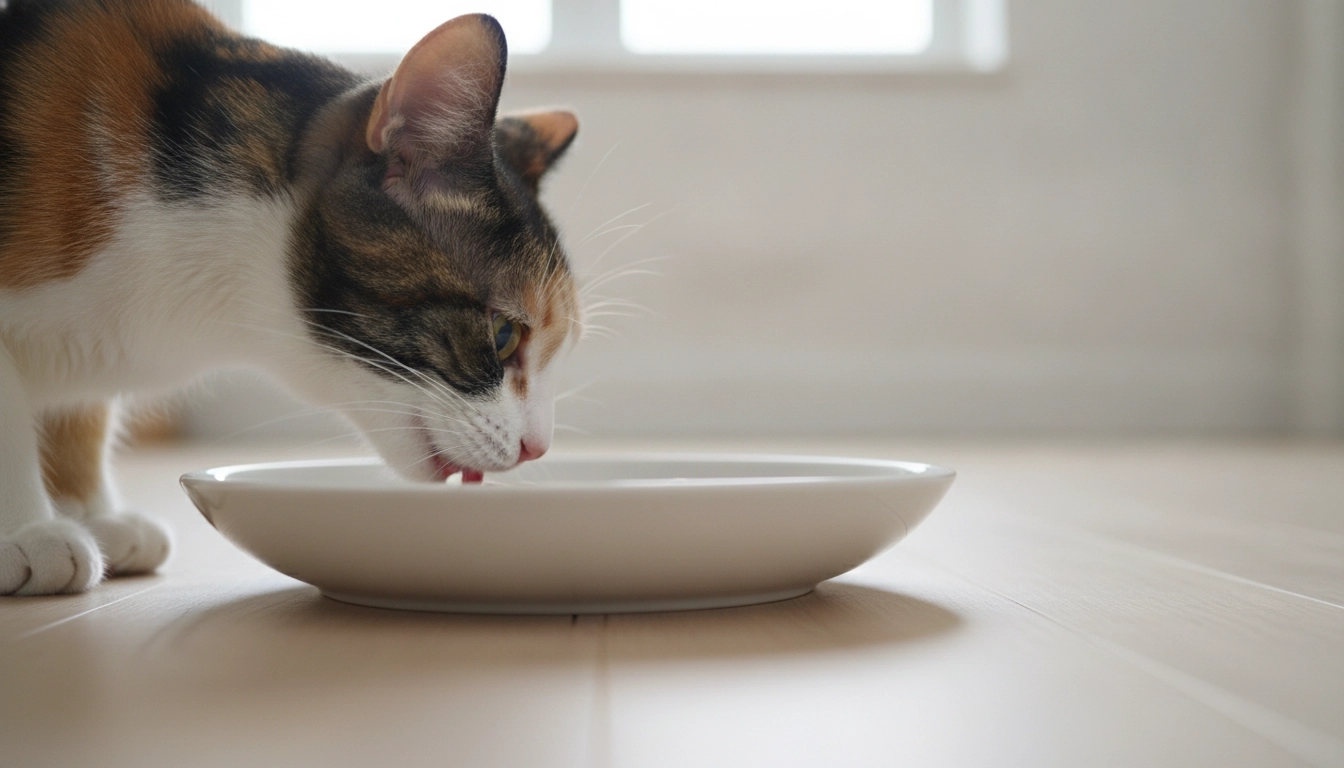
Don’t serve it cold. It’s unpleasant. It hurts the stomach.
Cold food has no smell. If it has no smell, it’s not food. Let it warm up.
Don’t switch too fast. Our gut bacteria are sensitive.
Change the food over ten days. Bit by bit. Otherwise, the litter box will be a disaster.
Watch out for whisker fatigue. If the bowl is deep, it hurts our whiskers.
Use a flat plate. Or a wide bowl. It makes dinner more elegant. And painless.
Expert Tips for the Ultimate Feline Dining Experience
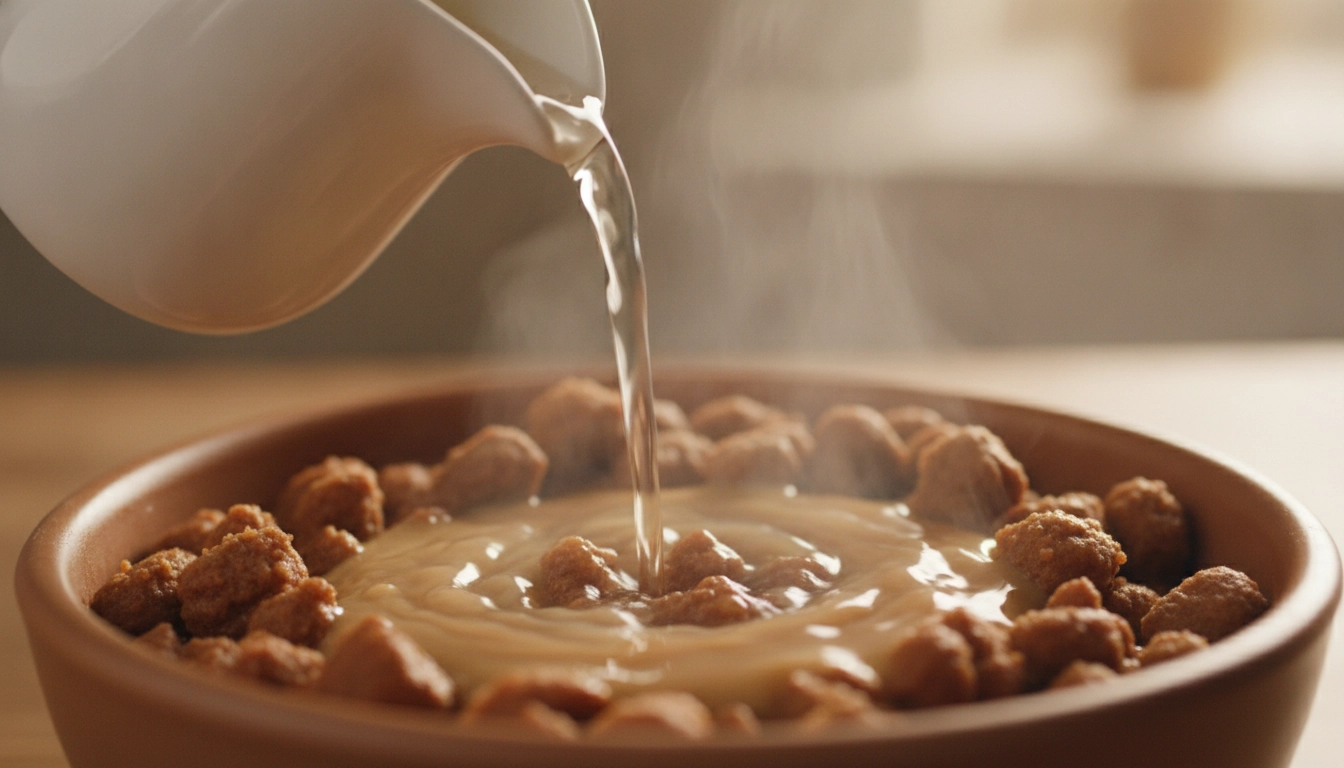
Add warm water. Make a gravy. It feels fancy. And it adds hydration.
Vets love this trick. Rotate textures. Pate. Minced. Gravy.
We get bored. A variety keeps us interested.
Use a silicone lid for leftovers. Keep the fridge smell out.
We can smell everything. If it smells like onions from the fridge, we won’t touch it.
Conclusion
The vet community is in agreement. When you ask do vets recommend wet cat food?, the answer is a yes.
It’s about water. It’s about protein. It’s about long-term health.
Whether it’s for Hilda’s cat on Saddle Dr or your friend on the sofa, wet food is the key. It’s the foundation.
Choosing food is stewardship. It’s taking care of the hunter in your home.
Talk to your vet. Make a plan.
Think about how much better your cat could feel. What has your journey been like with wet food?