
Most people think dogs end up in shelters because they bit someone or they are broken. That is just not the reality I see on the ground.
I am typing this fast on my phone while waiting for a client. It has been weighing on me lately.
I just saw Nelson the other day. We talked about how his neighbor gave up a pup because the landlord changed the rules.
It is brutal. People want a quick answer but the truth is about looks and energy levels.
It is a human problem more than a dog problem. I am being real with you here.
Quick Access
This guide explores the data behind shelter surrenders and identifies the specific breeds most affected by housing laws and behavioral misunderstandings.
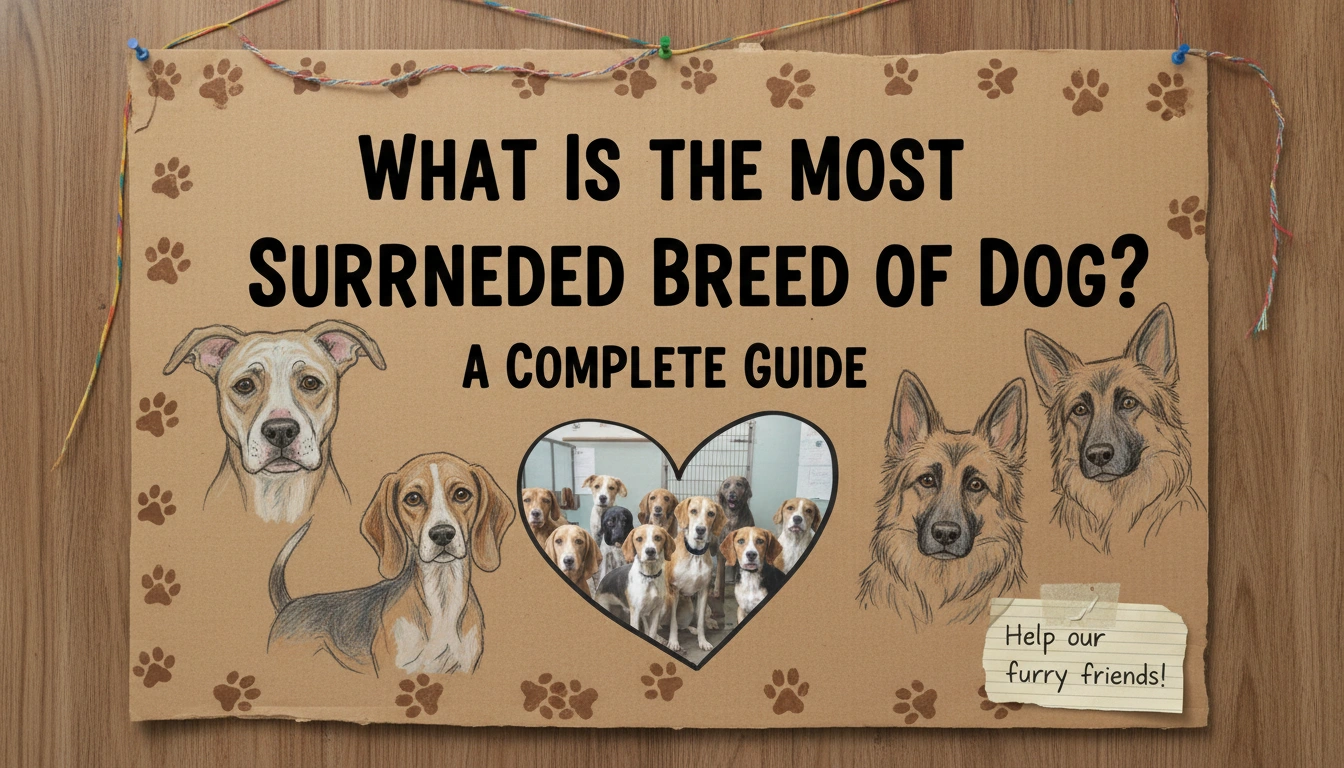
What is the most surrendered breed of dog?
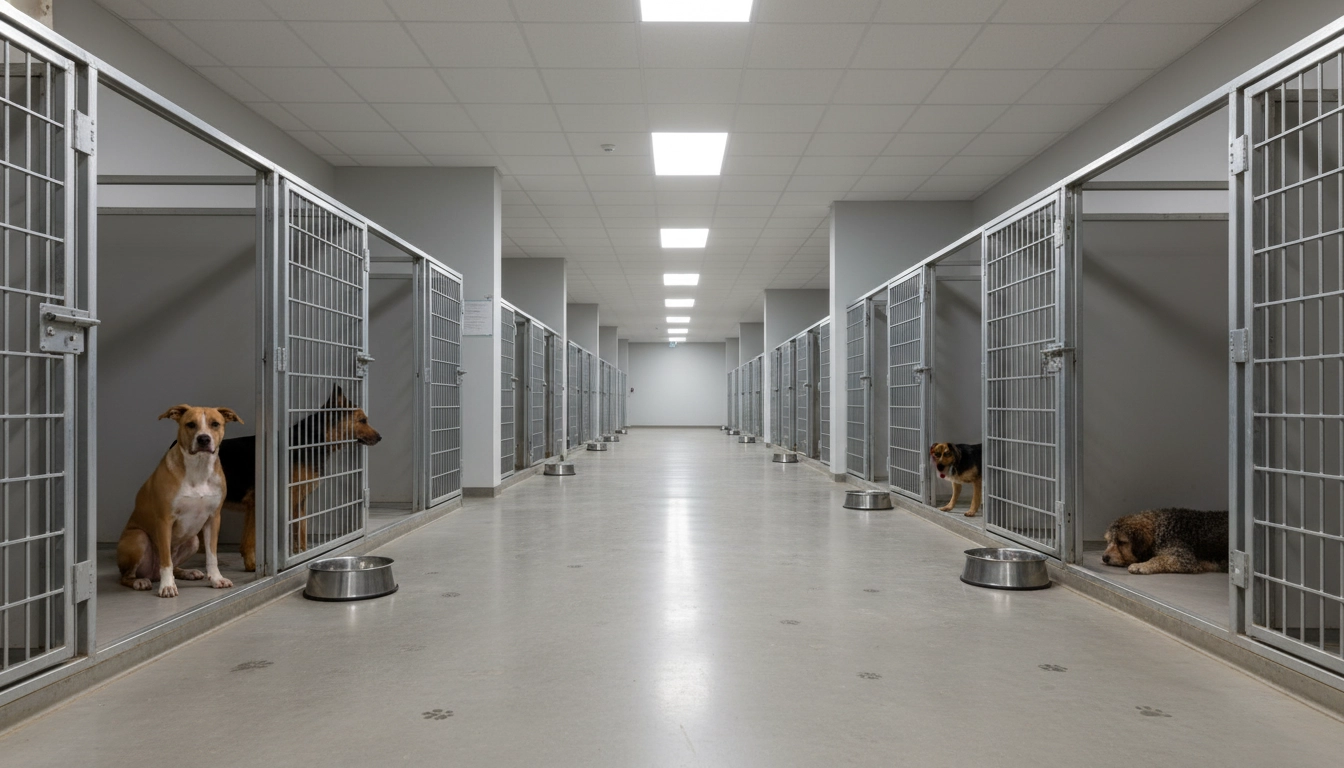
If you walk into a big city shelter, you are going to see a lot of blocky heads and short coats. The data does not lie here.
Pit Bulls and Pit Bull mixes are far and away the most common dogs you will find behind those chain-link gates. It is a massive percentage of the population.
But here is the thing. The term Pit Bull is not even a real breed for a lot of these dogs.
It is just a label. People see a muscular dog with a square jaw and they just check a box.
You could have a dog that is half Lab and half Boxer, but if it looks scary, it gets labeled a Pit. This messes up the stats big time.
I have seen it happen. A dog comes in, looks a little tough, and suddenly it is unadoptable in some people’s eyes.
I wanted to put some numbers to what I see every day. This table shows which breeds are most likely to end up in a kennel.
| Breed Category | Estimated Shelter Presence | Primary Reason |
|---|---|---|
| Pit Bull Mixes | Very High | Housing Restrictions |
| Chihuahuas | High | Overpopulation |
| German Shepherds | Moderate | High Energy Needs |
My Take
The ‘label’ on the kennel card is often just a guess based on how the dog looks rather than its actual genetics.
When we talk about surrender, it is usually because that balanced bond we talk about has just snapped. It is rarely about the dog being bad.
It is about the fact that the world is not built for big, energetic dogs anymore. Life gets expensive.
Space gets tight. And the dog pays the price every single time.
The Labeling Problem
Many dogs in shelters are visually identified as certain breeds without DNA testing. This often leads to an overrepresentation of ‘Pit Bulls’ in data because any dog with similar features is given that specific label.
Why Pit Bulls Face High Surrender Rates
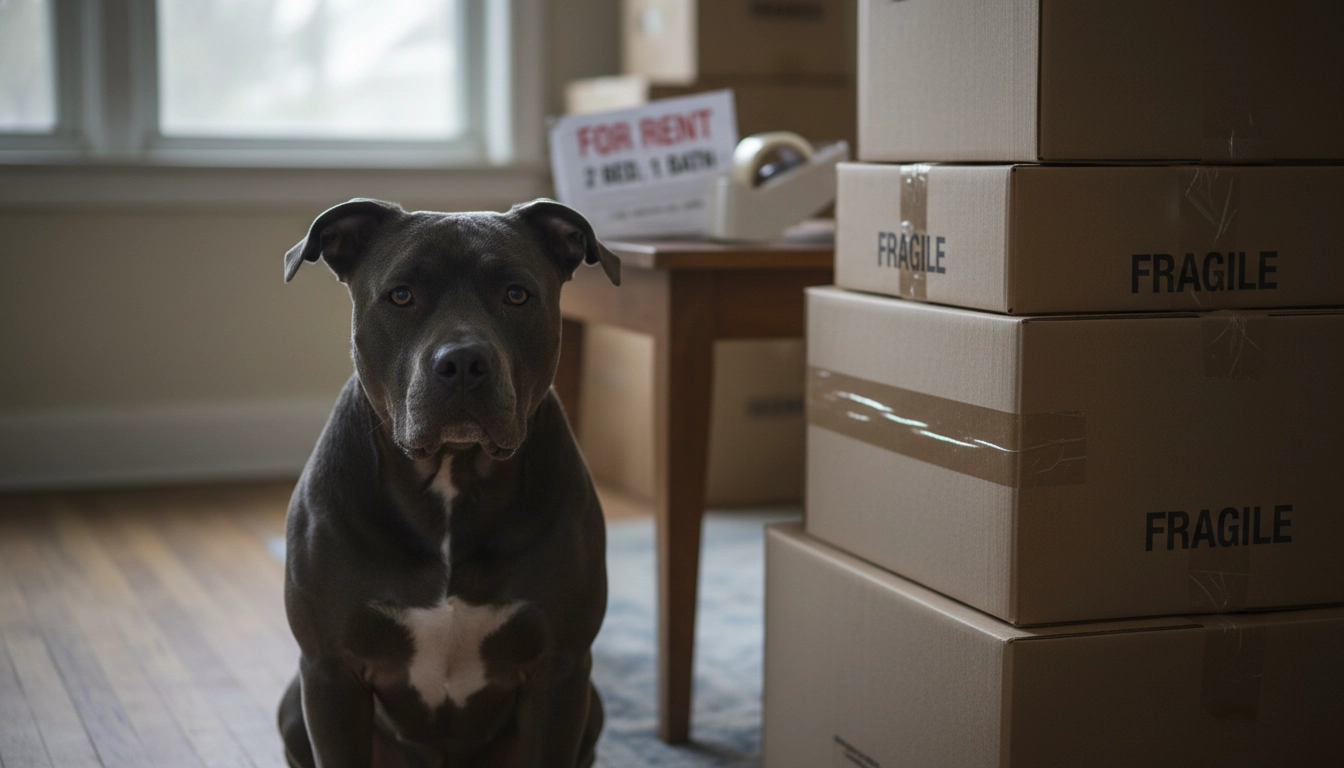
The housing thing is the biggest deal breaker for most owners. I can not tell you how many times I have seen a family crying in a parking lot.
Their new apartment will not let them bring their dog. It is called breed-specific legislation, or just plain old landlord bias.
It is a mess. You find a place to live, but the fine print says no bully breeds.
What are you supposed to do? Stay on the street?
No. You take the dog to the shelter and hope for the best.
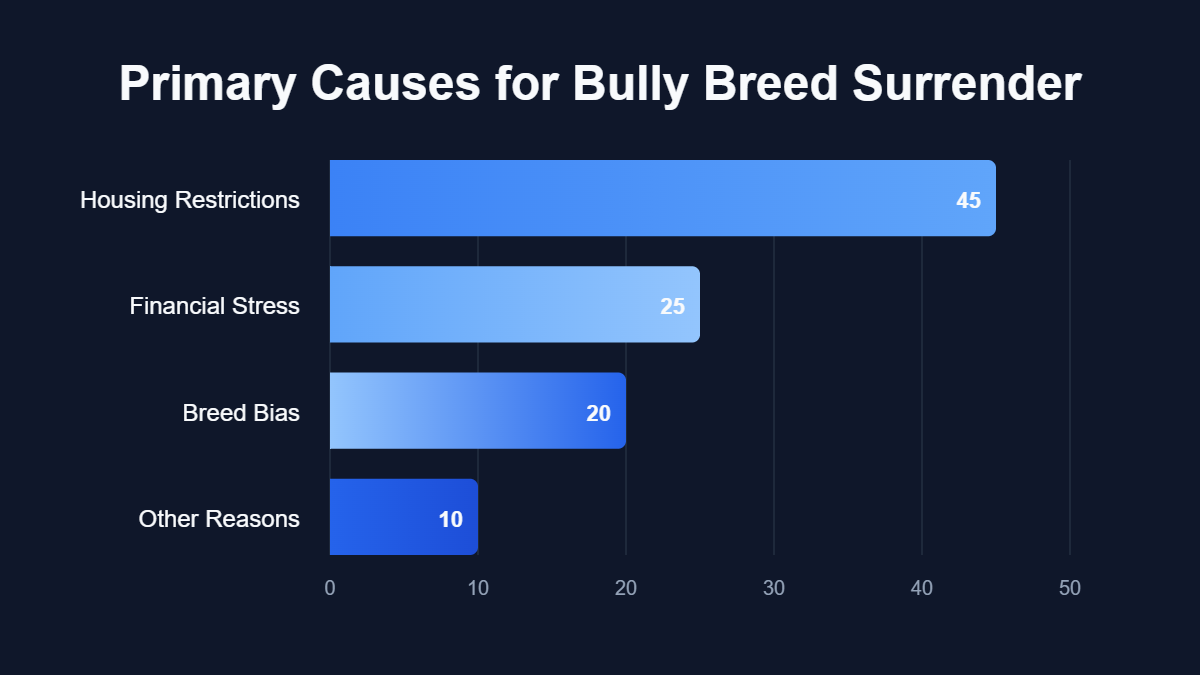
Looking at why people give up their dogs helps us stop the cycle. This chart shows the common reasons these specific dogs lose their homes.
My Take
If we fixed housing laws and landlord bias, we would keep thousands of good dogs out of shelters every year.
Insurance companies are just as bad. They will jack up your homeowners’ rates or just drop you entirely if you have a restricted breed.
It is a financial trap. It forces people to choose between a roof and their best friend.
Then you have the popularity factor. These dogs are everywhere because they are easy to find.
Often they come from people who are not breeding for health or temperament. So you get a high-energy dog in a house where no one has time to walk it.
That is a recipe for disaster. Without consistency in training, a big dog becomes a handful.
They are not mean. They are just bored and strong.
If you do not have patience, you are going to struggle. People run out of that quick when a couch gets chewed up.
The Role of Chihuahuas in Shelter Statistics
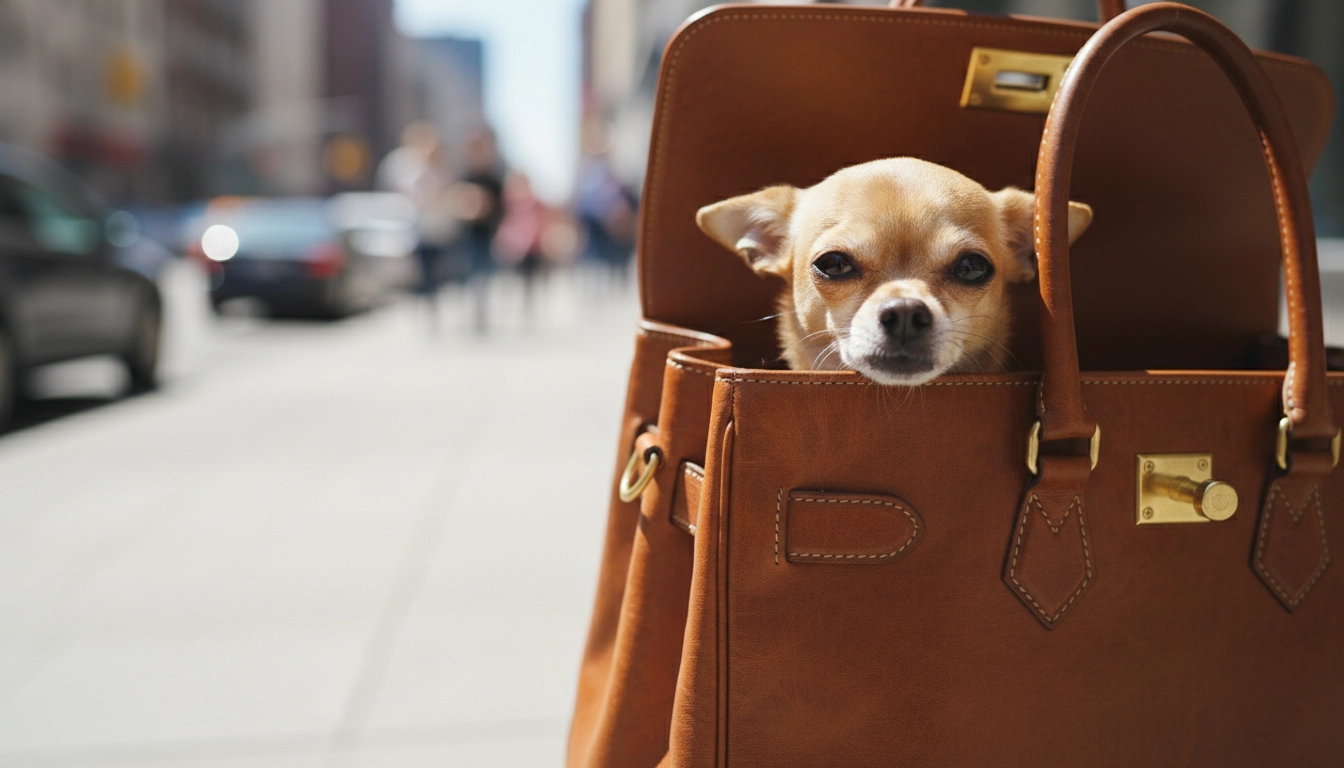
Now, if you go to a shelter in California or Texas, you are going to see something else entirely. Chihuahuas.
They are easily the number two most surrendered breed. It is kind of funny because they are the opposite of a Pit Bull in size.
But they end up in the same spot. Why?
Because people treat them like toys. They do not give them guidance because they think it is cute when the dog growls.
Small dogs have their own set of unique problems that lead to surrender. I broke them down here.
| Issue | Result |
|---|---|
| Poor Socialization | Biting and Nipping |
| Constant Barking | Noise Complaints |
| Backyard Breeding | Massive Surplus |
My Take
Treating a small dog like a toy is the fastest way to create a behavior problem that leads to surrender.
It is not cute. It is a lack of structure.
Then the dog starts biting ankles or barking at every leaf that falls. The neighbors in the apartment complex start complaining about the noise.
Suddenly, the lap dog is a liability. There is also just too many of them.
In some parts of the country, there is a massive surplus. That is why you see those transport programs where they fly small dogs to different states.
It is a regional problem. Too many dogs, not enough homes.
Because they are small, people think they do not need work. They do.
Every dog needs a job. Even if that job is just being a well-behaved companion.
High Energy Breeds and the Commitment Gap
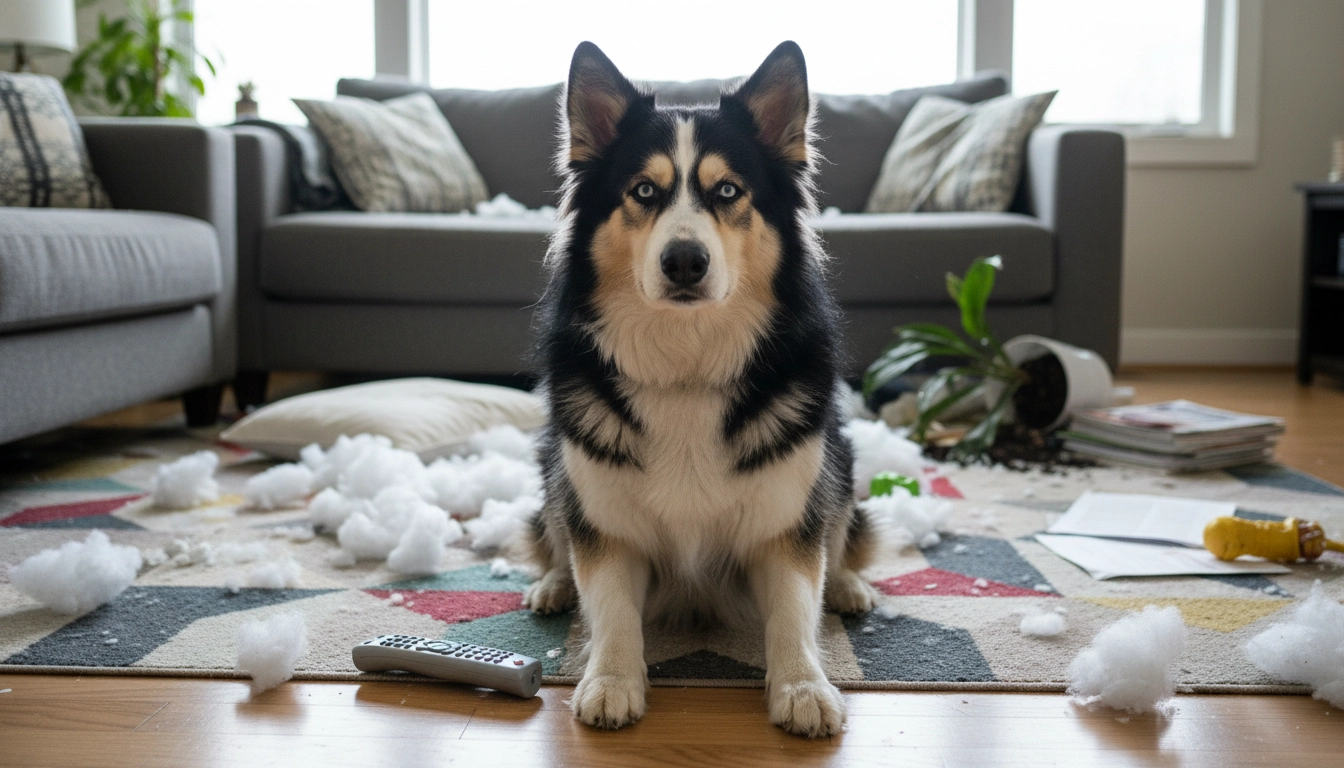
Then you have the working dogs. German Shepherds and Labs show up in shelters all the time.
People love the look of a German Shepherd. They want that protector vibe.
But they do not want the shedding. Or the vocal nature of a dog that needs to tell you every time a mail truck drives by.
Here is a look at why working dogs struggle in typical suburban homes when their needs are not met.
| Breed | Instinct | Common Problem |
|---|---|---|
| Husky | Running | Escaping Yards |
| GSD | Guarding | Excessive Barking |
| Lab | Retrieving | Destructive Chewing |
My Take
A bored working dog will always find a job. You probably will not like the job they choose for themselves.
If a German Shepherd does not have a job, it will find one. Usually, that job involves redesigning your drywall with its teeth.
Labs are the same but in a different way. They are America’s dog, right?
But a young Lab is like a hurricane with a tail. They need to run.
Huskies are another big one lately. Everyone wants a Direwolf until they realize the dog can jump a six-foot fence.
The dog will scream like a human if it is bored. The vocal nature of a Husky is no joke.
It is loud and it is constant. If you live in a quiet suburb, your neighbors are going to hate you within a week.
This mismatch is why the shelter is full of beautiful, two-year-old dogs. They hit that teenage phase and the owners get frustrated.
It is sad. They just needed more patience and a long walk.
Energy Mismatch
Adopting a dog based on looks rather than energy levels is a leading cause of surrender. Always ensure your daily activity level matches the ‘inherent needs’ of the breed you are considering.
Financial Barriers and Veterinary Costs

Let us talk about money. It is the elephant in the room.
Everything is getting more expensive. Food, rent, and especially the vet.
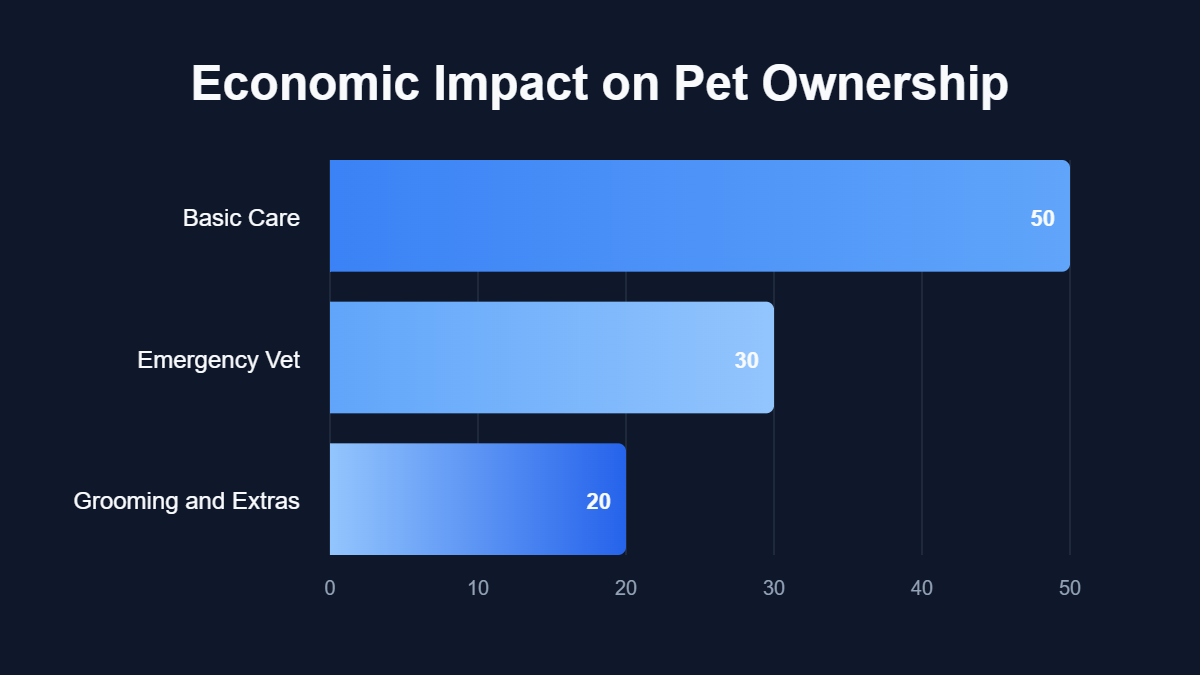
If your dog needs emergency surgeries or even basic dental work, you could be looking at thousands of dollars. For a lot of families, that is it.
They can not do it. It is called economic surrender.
It is probably the most heartbreaking thing I see. The owner loves the dog and the dog loves the owner.
But the dog has a heart condition or a broken leg. The owner is staring at a bill they can not pay.
I looked at the data for what really hits the wallet the hardest for pet owners.
My Take
Economic surrender is not a failure of love. It is a failure of our support systems to help families in crisis.
They think if they leave the dog at the shelter, the shelter will fix it. Sometimes they can, but usually they can not.
It is a safety net that is unfortunately full of holes. Even the basic stuff adds up.
Grooming for a big Poodle mix? That is a hundred bucks every six weeks.
If you lose your job, that is the first thing to go. Then the dog gets matted and uncomfortable.
How to Reduce Dog Surrenders and Improve Adoption Rates
So how do we fix this? It starts with being real with people before they take the dog home.
We need to stop selling guaranteed quick fixes. There are not any.
If you want a balanced bond, you have to put in the time. Consistency is not a buzzword; it is a lifestyle.
We also need to fight for better laws. No one should have to choose between their house and their dog.
I have summarized the main actions we can take to keep families together.
| Action | Goal |
|---|---|
| Training | Better Communication |
| Advocacy | Fair Housing Laws |
| Support | Community Pantries |
My Take
Focus the first few weeks on building a ‘foundation’ of trust rather than just teaching commands.
If a dog is well-behaved, who cares what its head looks like? Communities need to step up too.
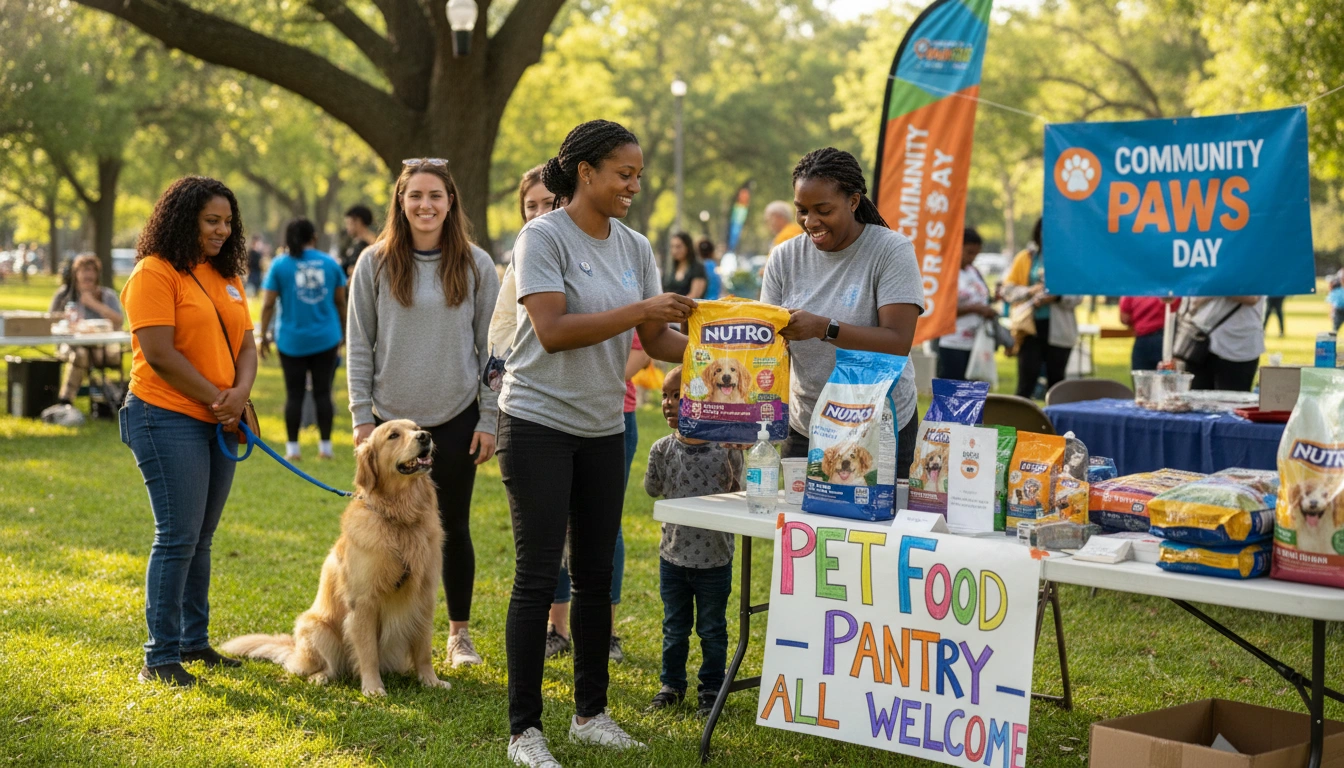
Low-cost clinics and pet pantries are a huge help. If you can give a guy a bag of dog food, you might keep that dog out of a kennel.
And patience. I keep saying it because it is true.
Most bad behaviors are just communication. The dog is trying to tell you something.
If we learn to listen, we can solve the problem. Build a foundation of trust.
Don’t worry about sit and stay as much as just being a calm presence for your dog. A dog that feels safe is a dog that stays home.
Focus on Foundation
Spend the first few weeks after adoption focusing on ‘relationship building’ rather than complex commands. A secure dog is much more likely to settle into a new home successfully.
Conclusion
The whole what is the most surrendered breed thing is complicated. Yeah, the numbers say Pit Bulls and Chihuahuas.
But the why is what matters. It is about housing, money, and a lack of understanding.
Every dog in that shelter is an individual. They are not just a stat.
We can do better. By choosing to adopt and by sticking it out when things get frustrating, we change the story.
It takes consistency and it takes patience. But the balanced bond you get at the end is worth every bit of the struggle.
Let us try to make those shelter halls a lot quieter. One dog at a time.