
Why can’t dogs have cooked carrots? honestly i’m just sitting here on my kitchen floor typing this on my phone because my own dog just tried to mug me for a piece of carrot i dropped. it’s funny how much noise people make about this stuff online.
just yesterday i saw a guy named Taylor—he’s a regular down at the local park near king street—and he looked absolutely terrified because his retriever pup snagged a bit of a steamed carrot off his dinner plate.
he actually asked me if he needed to call the emergency vet. i had to tell him to just breathe. people get so caught up in these toxic food lists that they lose their minds.
the short answer? your dog is fine. actually, they’re better than fine. but everyone’s always looking for a reason to worry. i think it’s because we want everything to be perfect for them.
we want that perfect bond. but honestly? carrots are just carrots. as long as you didn’t dump a bunch of salt or garlic butter on them, you’re good.
let’s just get into the real dirt on this because there’s a lot of bad info floating around.
Understanding the Basics of Canine Nutrition
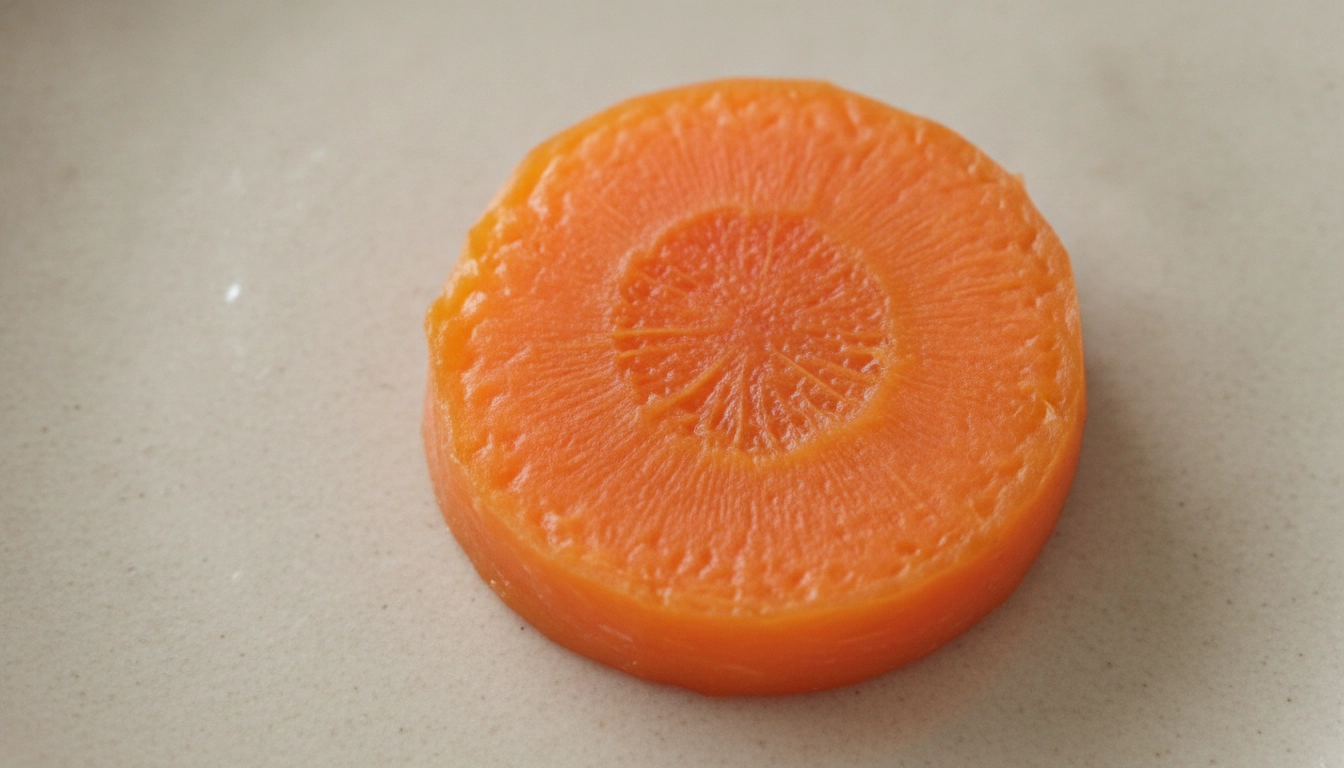
Most people don’t think about it, but carrots are basically just storage units for the plant. They’re root vegetables. They sit in the ground and suck up all the goodness.
For us, they’re just a side dish. For a dog, they’re this weird, crunchy, sweet thing that doesn’t smell like meat but somehow still tastes interesting.
I’ve spent years watching how dogs react to different textures. Carrots are a big deal because of beta-carotene. You’ve heard that. Everyone knows the carrots help you see in the dark thing.
It’s mostly true for dogs too. When we talk about cooking them, we’re talking about heat. Boiling. Steaming. Roasting. Whatever. This process changes things. It breaks stuff down.
Plants have these tough walls. Cellulose. Dogs aren’t really built to crack those walls open with their spit and stomach acid alone.
When you cook a carrot, you’re basically doing the hard work for them. You’re pre-chewing it, in a chemical sense. Some vitamins might drop off a little when you boil them. That’s life.
But other stuff becomes way easier for their body to actually grab and use. I’ve seen dogs that eat raw carrots and those carrots come out the other end looking exactly like they did when they went in.
I put together a quick look at how cooking actually changes what your dog gets out of a carrot.
| Preparation Style | Main Benefit | Gut Impact |
|---|---|---|
| Raw | Great for teeth | Hard to digest |
| Steamed | Highest nutrients | Very easy to digest |
| Boiled | Hydrating | Easy to digest |
My Take
Go for the steam. It is the perfect middle ground for keeping nutrients while making them easy on the gut.
Cooking fixes the digestion issue. It makes the nutrients bioavailable. That is just a fancy way of saying the dog can actually use what they eat.
The Beta-Carotene Boost
Beta-carotene is a precursor to Vitamin A, which is essential for maintaining your dog’s vision and immune system. Cooking actually helps break down the tough plant cell walls, making this nutrient more accessible.
Why can’t dogs have cooked carrots? The Myths Debunked
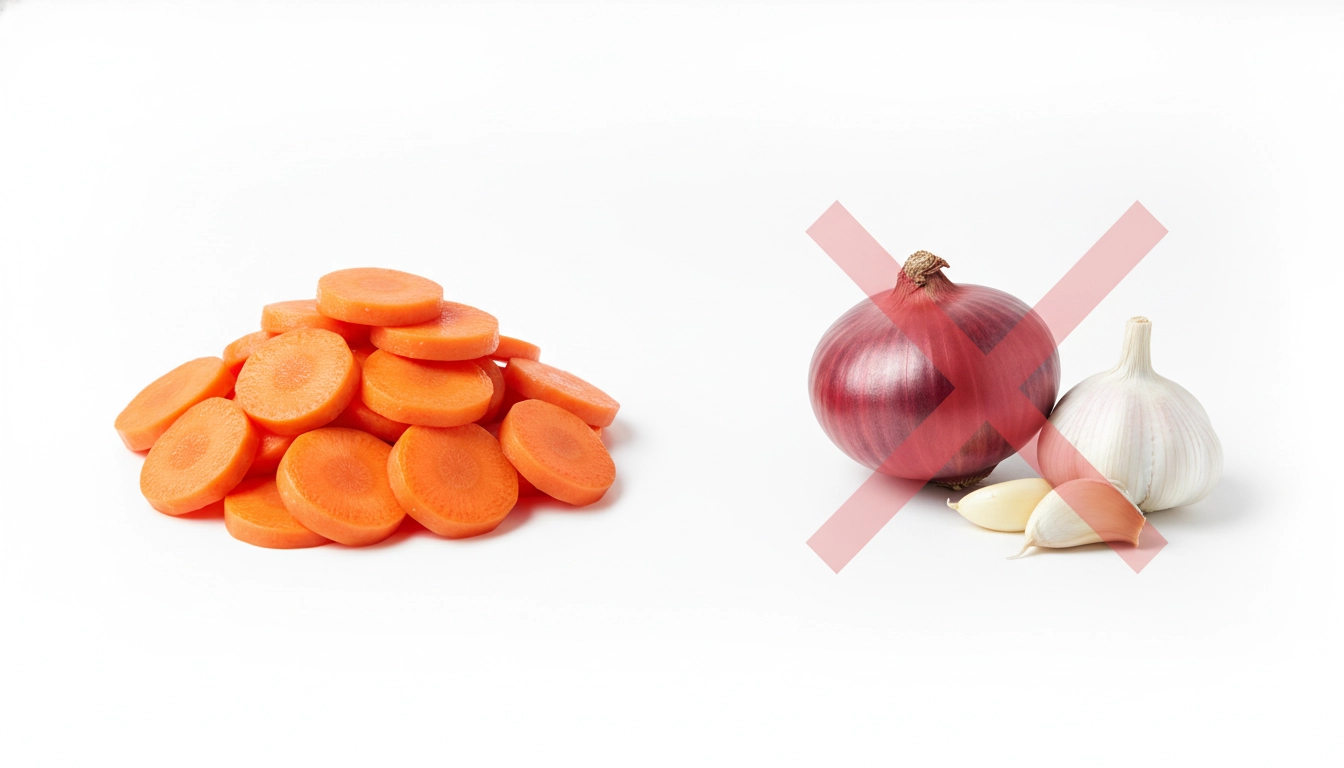
So where does the can’t come from? It drives me crazy. Usually, it’s not the carrot. It’s the chef.
Taylor, the guy I mentioned earlier, he was eating honey-glazed carrots with onions. That’s the problem. Onions will mess a dog up. Garlic too.
They cause this thing where the red blood cells just give up. It’s scary. If you’re looking at a plain carrot and wondering if it’s dangerous, the answer is no. It’s a myth.
Maybe some people think the sugar is too high? Carrots are sweet, sure. But they aren’t candy bars. A healthy dog can handle the natural sugars in a carrot without a problem.
I think we’ve become a bit paranoid as pet owners. We see one no list and we apply it to everything. But you have to have some Patience with the learning process.
It takes Consistency to figure out what works for your specific dog. If you’re just tossing a plain, boiled carrot into the bowl, you’re doing great.
You’re building a bond. You’re sharing a healthy lifestyle. Don’t let the internet scare you into thinking a vegetable is a poison.
Are Cooked Carrots Good for Dogs?
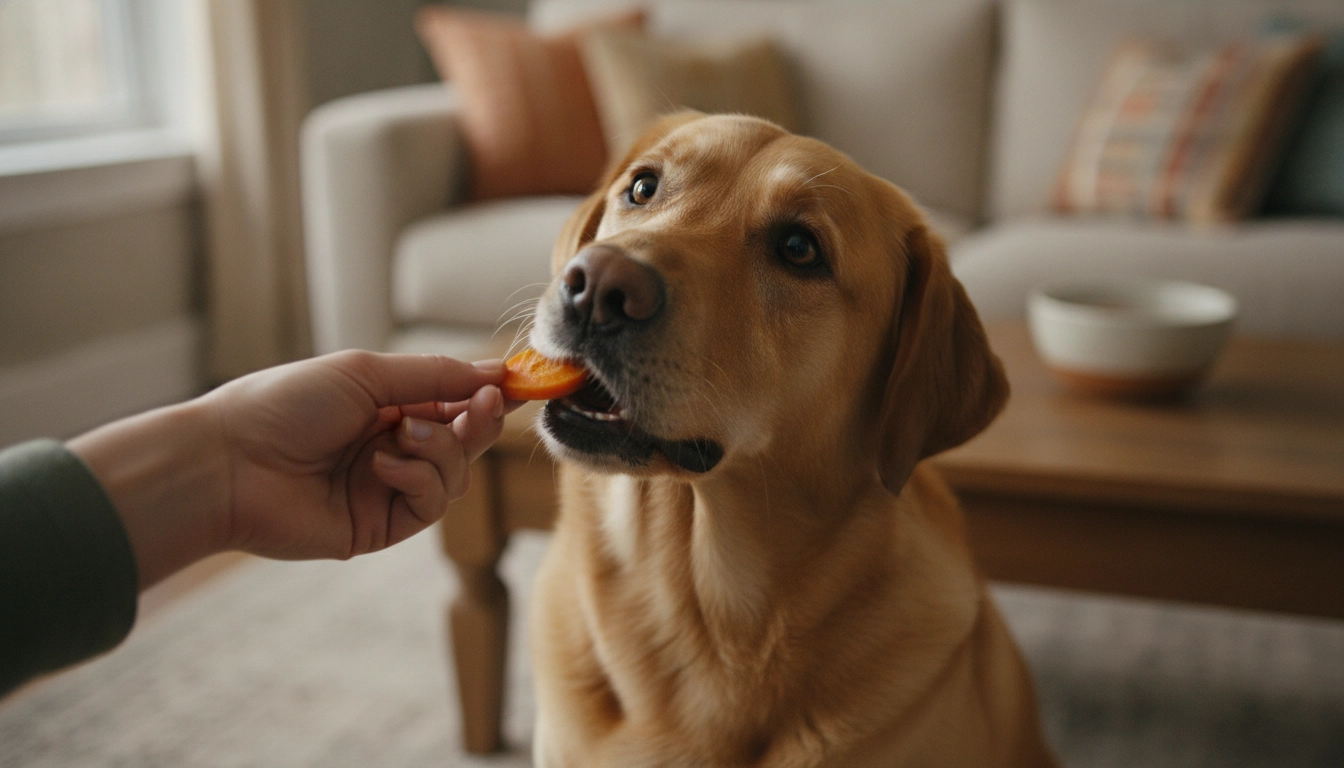
Yeah, they’re great. They’re low calorie. Most of the treats you buy at the big box stores are just fillers and fat. They’re the fast food of the dog world.
A carrot is a whole food. The cooking process is the key though. It softens the cellulose. That’s the structural stuff in plants.
Dogs don’t have the enzymes to really hammer through raw plant fiber like a cow does. By cooking it, you’re making it bioavailable.
I always tell my clients that if they want their dog to get the vitamins, they should steam them. If you want the dog to just have a fun time chewing, give them a raw one.
But for nutrition? Cooked wins every time. It’s about the balanced bond. You want them healthy so they stay around longer. Simple as that.
The Benefits of Feeding Cooked Carrots to Dogs
Eye health is the big one. Vitamin A keeps the retina working. As dogs get older, their eyes start to get cloudy. They get that bluish tint.
Anything we can do to support their vision is a win. Then there’s the immune system. Carrots have antioxidants. They fight the rust inside the body.
Free radicals. Whatever you want to call them. It’s about longevity. Fiber is also a huge plus. If your dog has messy bathroom trips, cooked carrot can help.
It can firm things up. Or if they’re constipated, it can help move things along. It’s like a regulator. I’ve seen it work wonders for dogs that are always hungry.
The fiber in the carrots fills up their stomach. It makes them feel satisfied without making them fat. And let’s not forget Lycopene. It’s good for the heart.
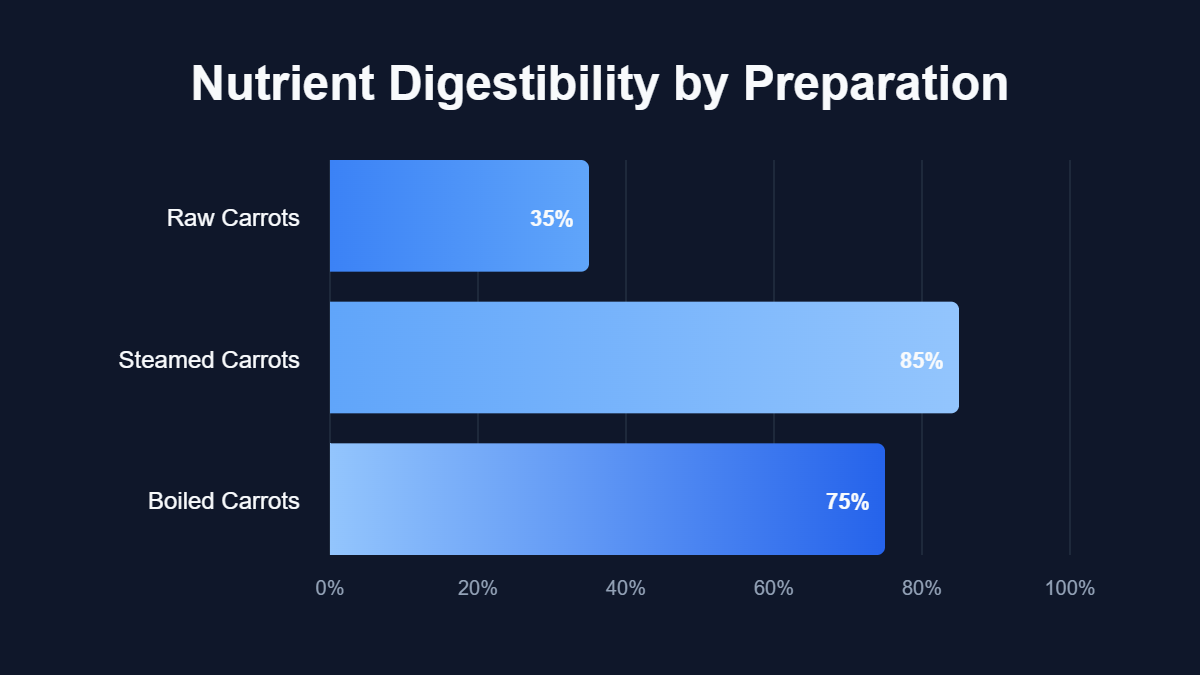
I made a little chart to show you the difference in how much nutrition your dog actually absorbs based on how you prep the carrot.
My Take
The jump from raw to steamed is huge. That is why I always tell people to cook them if they want real health gains.
When Cooked Carrots Can Be Harmful to Dogs
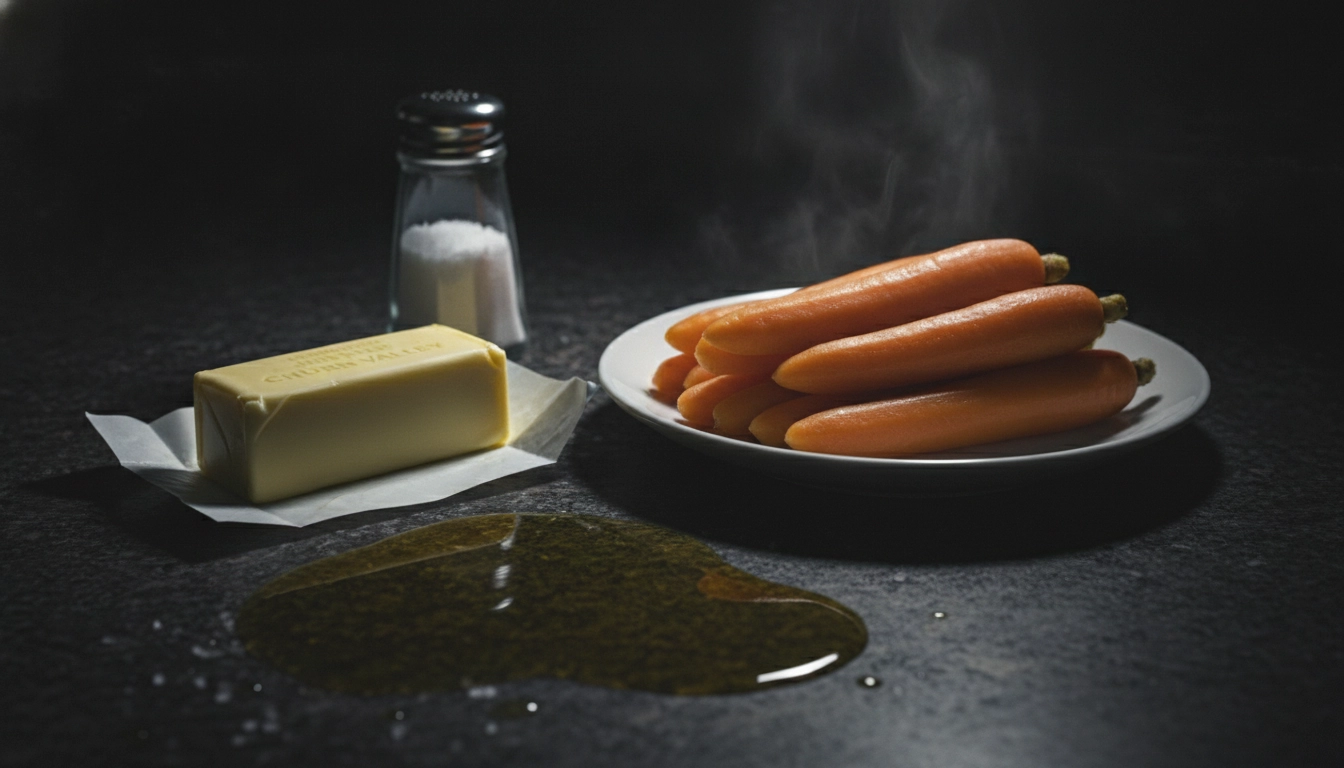
Look, I’m not saying you should just dump a whole pot of carrots in the bowl. The additives are the killers. If you’re sharing from your plate, stop. Just stop.
Butter. Salt. Pepper. Onion powder. These are all things that don’t belong in a dog’s stomach. Salt makes them thirsty, but too much can actually be toxic.
And sugar? If you’re making those candied carrots for Thanksgiving, keep them away from the dog. Sugar leads to weight gain.
Weight gain leads to joint pain. It’s a cycle. Pancreatitis is another thing. It’s an inflammation of the pancreas. It’s painful and expensive to treat.
High-fat oils can trigger it. So if you roast carrots in a lot of oil, you’re playing with fire. Also, watch out for those frozen medley bags.
Sometimes they have tiny bits of leeks or onions hidden in there. Check the labels. Always.
Here is a simple breakdown of what is safe to add and what you should keep far away from the bowl.
| Ingredient | Is it safe? | The Expert Reason |
|---|---|---|
| Plain Water | Yes | Perfectly safe and hydrating |
| Chicken Broth | Yes | Only if it is low sodium |
| Garlic | No | Toxic to canine blood cells |
| Onions | No | Can cause severe anemia |
| Salt | No | Leads to dehydration and thirst |
My Take
If you are ever in doubt, just keep it plain. Your dog does not need the extra flavor to be happy.
Avoid Seasoning
Never feed your dog carrots that have been cooked with onions or garlic. These belong to the Allium family and can cause oxidative damage to a dog’s red blood cells.
How to Prepare Cooked Carrots for Your Dog
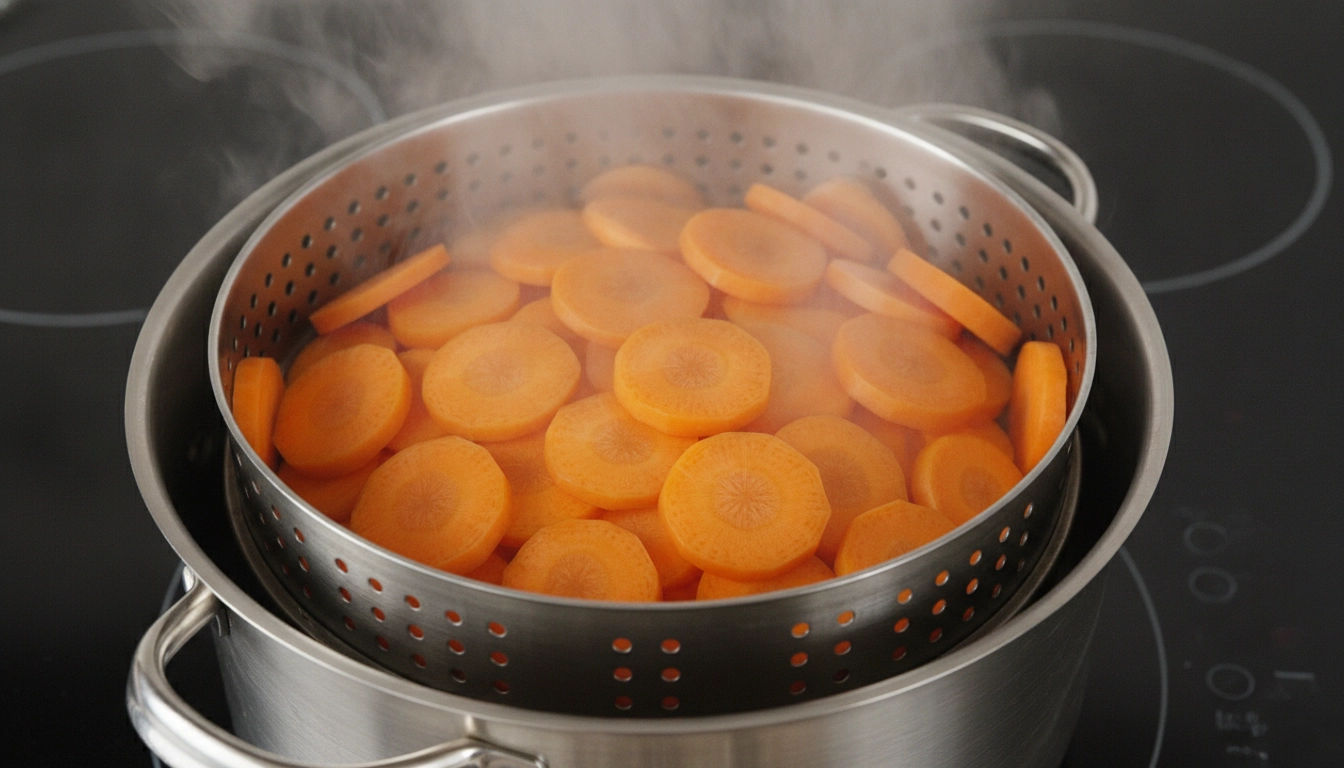
Keep it simple. Seriously. Steaming is my go-to. It’s fast. It keeps the color bright orange. That means the nutrients are still in there.
Just slice them into little rounds. Bite-sized is the rule. If you have a big dog, maybe bigger chunks are fine. If you have a tiny one, dice them small.
Boiling is fine too. If you do boil them, don’t throw the water away! That carrot juice has vitamins in it. Let it cool down and pour it over their food.
They’ll love it. It’s like a cheap, healthy gravy. Don’t fry them. No one needs fried carrots. If you want to use a slow cooker, go for it.
It makes them super soft. The goal is to make them easy to mash with a fork. If you can mash it with a fork, your dog’s stomach can handle it.
Raw vs. Cooked Carrots: Which Is Better for Dogs?
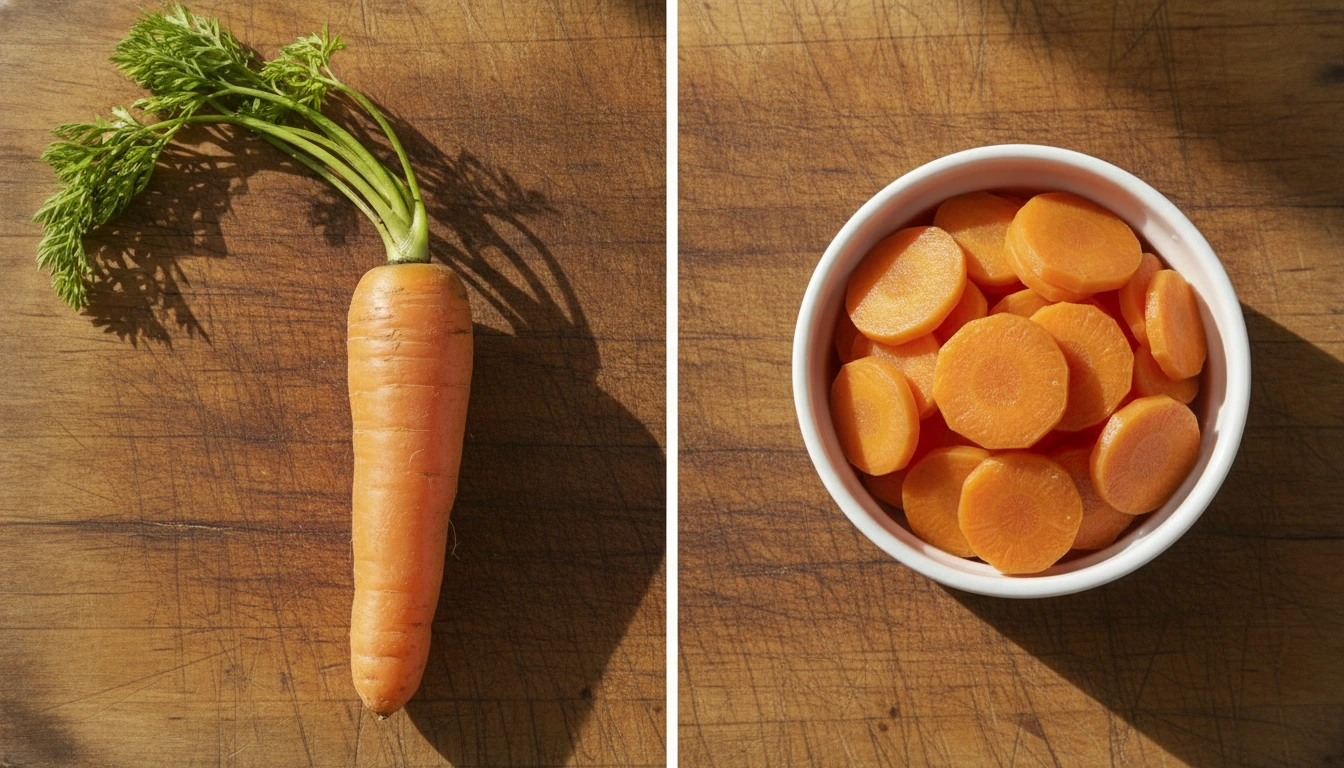
It depends on what you’re trying to do. Raw carrots are basically chew toys you can eat. They’re great for cleaning teeth.
The crunch scrapes off the gross stuff. But they aren’t great for vitamins. Cooked carrots are for health. For the inside stuff.
I usually tell people to do both. Give them a big raw carrot to keep them busy while you’re watching TV. It keeps them from chewing on your shoes.
Then, put some cooked ones in their dinner for the actual nutrition. If your dog is getting older, stick to cooked. They might have dental issues.
You don’t want them breaking a tooth on a hard raw carrot. That’s a bad day for everyone. It’s about being an empathetic owner.
Can Puppies Eat Cooked Carrots?
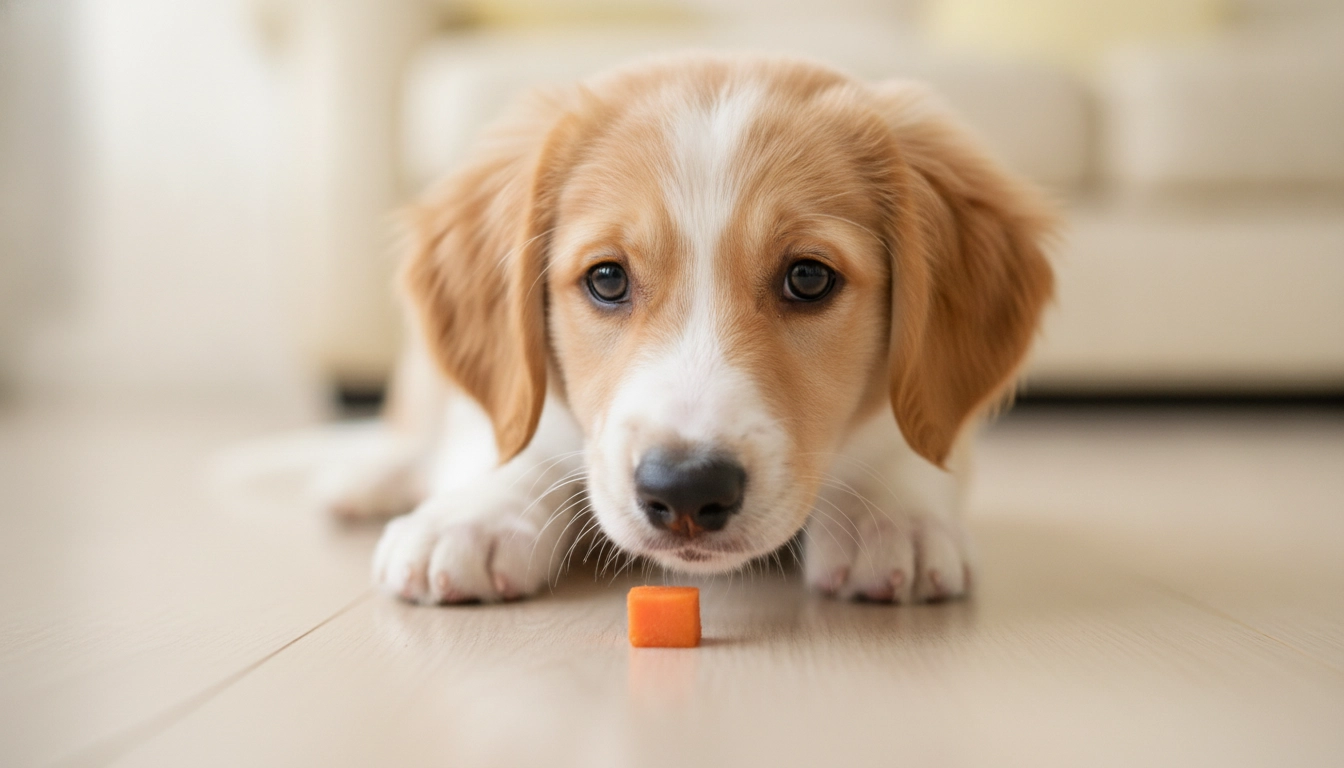
Yeah, but wait until they’re on solid food. Puppies are like toddlers. They try to swallow everything whole.
A raw carrot is a massive choking hazard for a puppy. They get excited, they gulp, and then you’re doing the puppy Heimlich. It’s not fun.
Cooked carrots are much safer. They’re soft. If a puppy swallows a chunk of a soft, steamed carrot, it’s going to go down way easier.
Plus, their little stomachs are still figuring things out. Soft food is just kinder. Start with one tiny piece. See how their output looks the next day.
If everything is normal, you’re good. The Vitamin A is actually really good for their growing bones and eyes. It’s like fuel for their development.
How Many Cooked Carrots Can Dogs Eat?
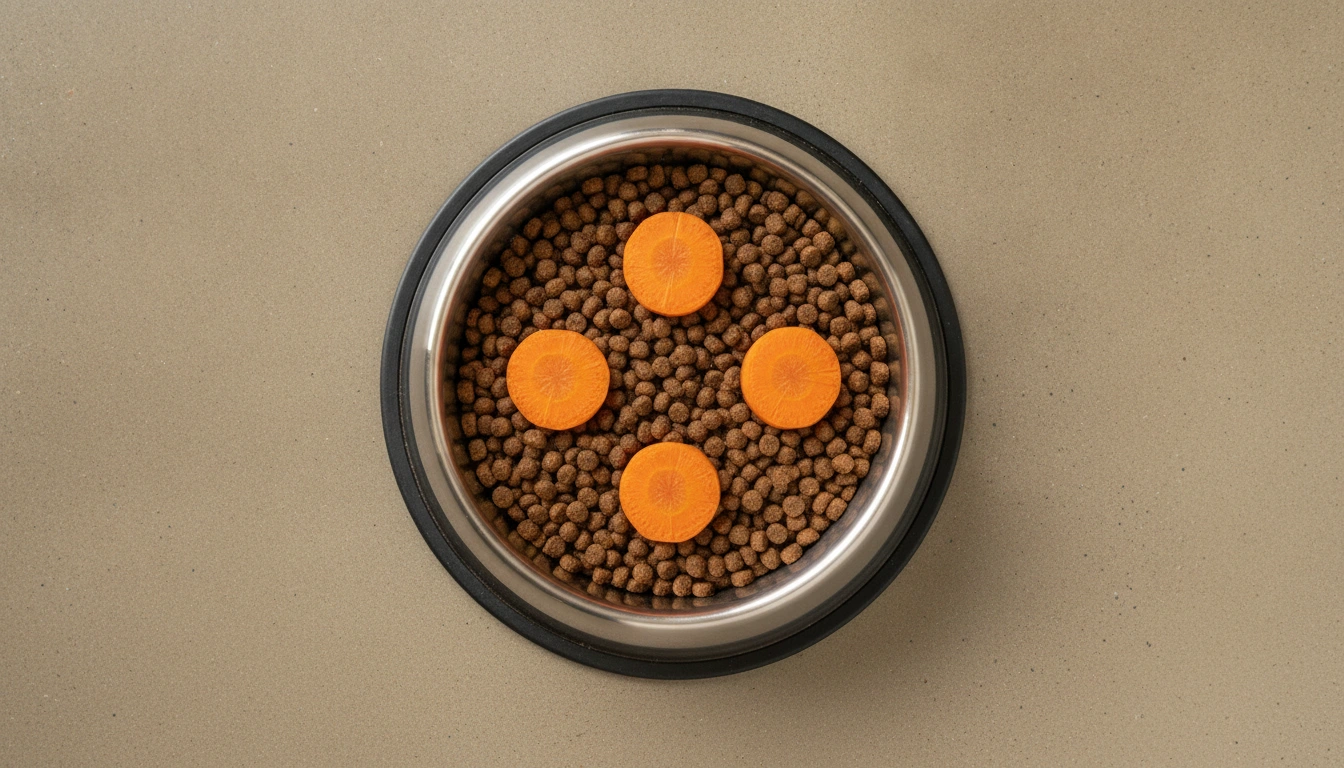
Don’t overdo it. Carrots shouldn’t be the meal. They’re the accessory. The Ten Percent Rule is what I live by.
If your dog eats 1000 calories a day, only 100 should come from extras. For a medium dog, a few slices is plenty.
If you give them too many, you’re going to see some weird stuff in the backyard. Too much fiber leads to urgent bathroom breaks.
And even though it’s natural sugar, it’s still sugar. Keep them lean. A lean dog is a happy dog.
People always ask me exactly how much to give, so I broke it down by dog size.
| Dog Size | Example Breed | Daily Serving Size |
|---|---|---|
| Small | Chihuahua | 1 to 2 slices |
| Medium | Beagle | 3 to 4 slices |
| Large | Retriever | 5 to 6 slices |
| Giant | Great Dane | Half a cup |
My Take
These are just limits. You do not have to hit the max every day. Less is usually more.
It takes Consistency to keep their weight in check. Don’t let those puppy eyes break your resolve.
The Ten Percent Rule
Always calculate treats as part of the total daily calories. If you give a handful of carrots, reduce the evening kibble slightly to maintain a healthy balance.
Signs Your Dog May Not Tolerate Carrots
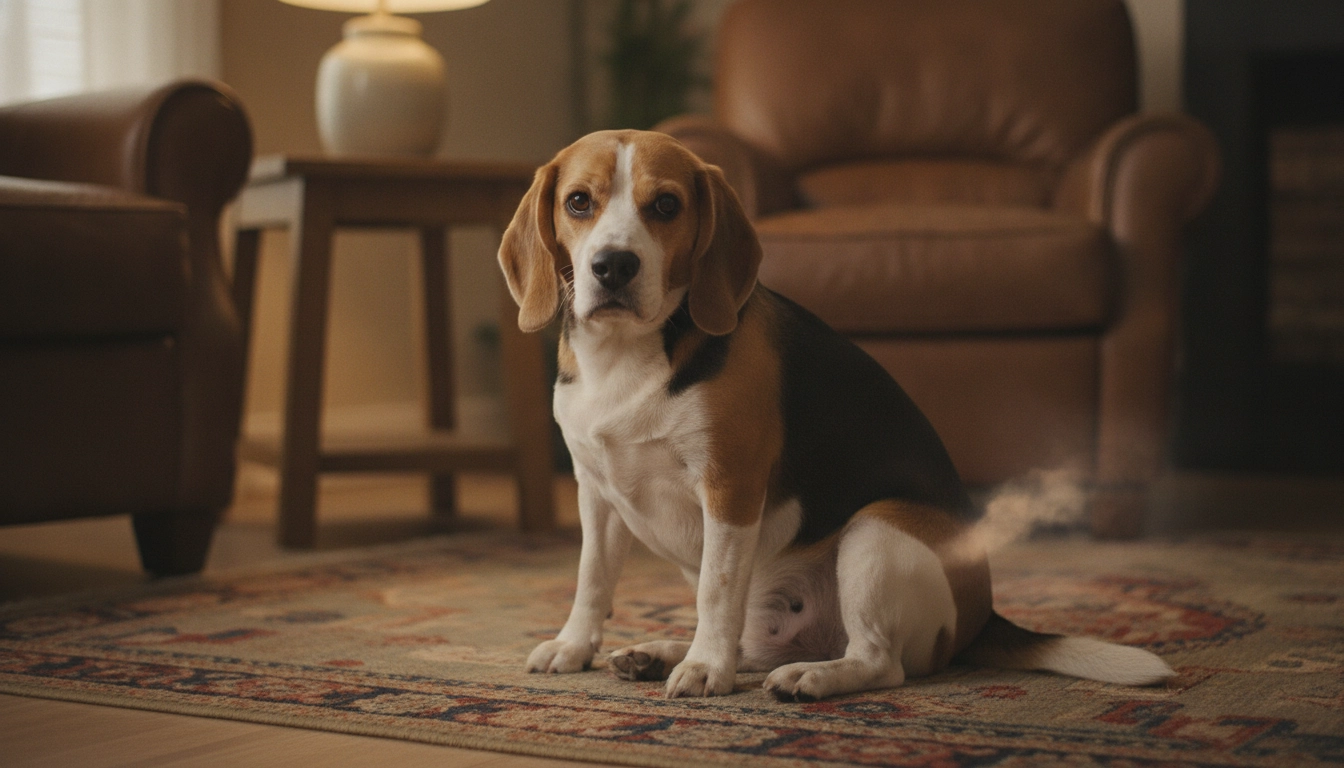
Some dogs are just weird about food. It’s rare, but some just don’t do well with carrots. If your dog gets really gassy, maybe cut back.
Loose stools are the most common sign. It just means the fiber was too much for them. Allergies are super rare. I’ve almost never seen a dog truly allergic to a carrot.
But if they start scratching their ears or getting red skin, talk to a vet. Vomiting usually means the pieces were too big or they ate them too fast.
Try mashing them next time. It’s easier on the stomach. If they still have trouble, just stop. There are plenty of other vegetables in the garden.
Healthy Ways to Serve Cooked Carrots to Dogs
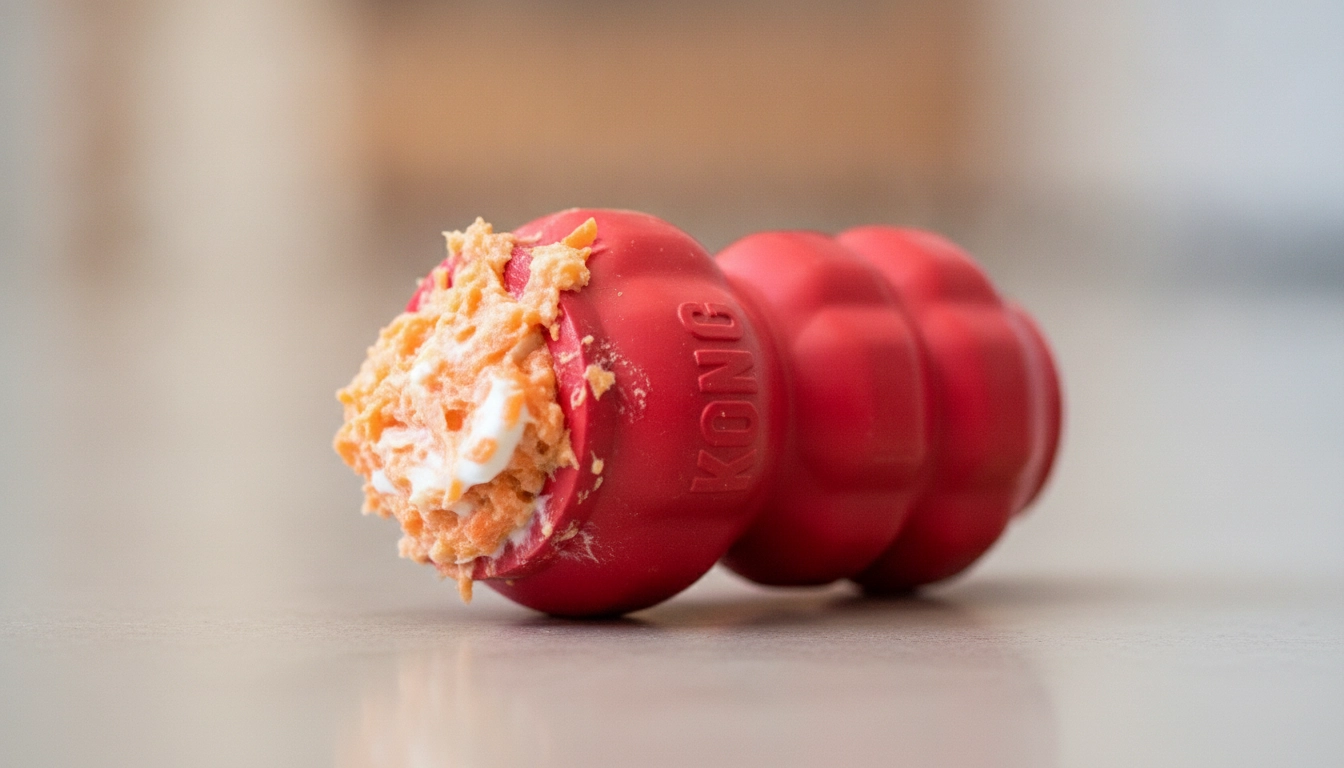
Get creative. I like to mash them up and put them in a Kong or one of those rubber toys. Freeze it. It takes them forever to lick it out.
It’s great for when you have a call and need them to be quiet. You can also mix them with some plain yogurt. Not the flavored stuff!
If your dog is a diva and won’t eat their kibble, some warm cooked carrots on top usually does the trick. It’s about the aroma.
Warm carrots smell better to a dog than cold ones. I’ve even made puppy popsicles with carrot puree and water. It is a great way to cool them down.
Common Myths About Dogs and Cooked Carrots
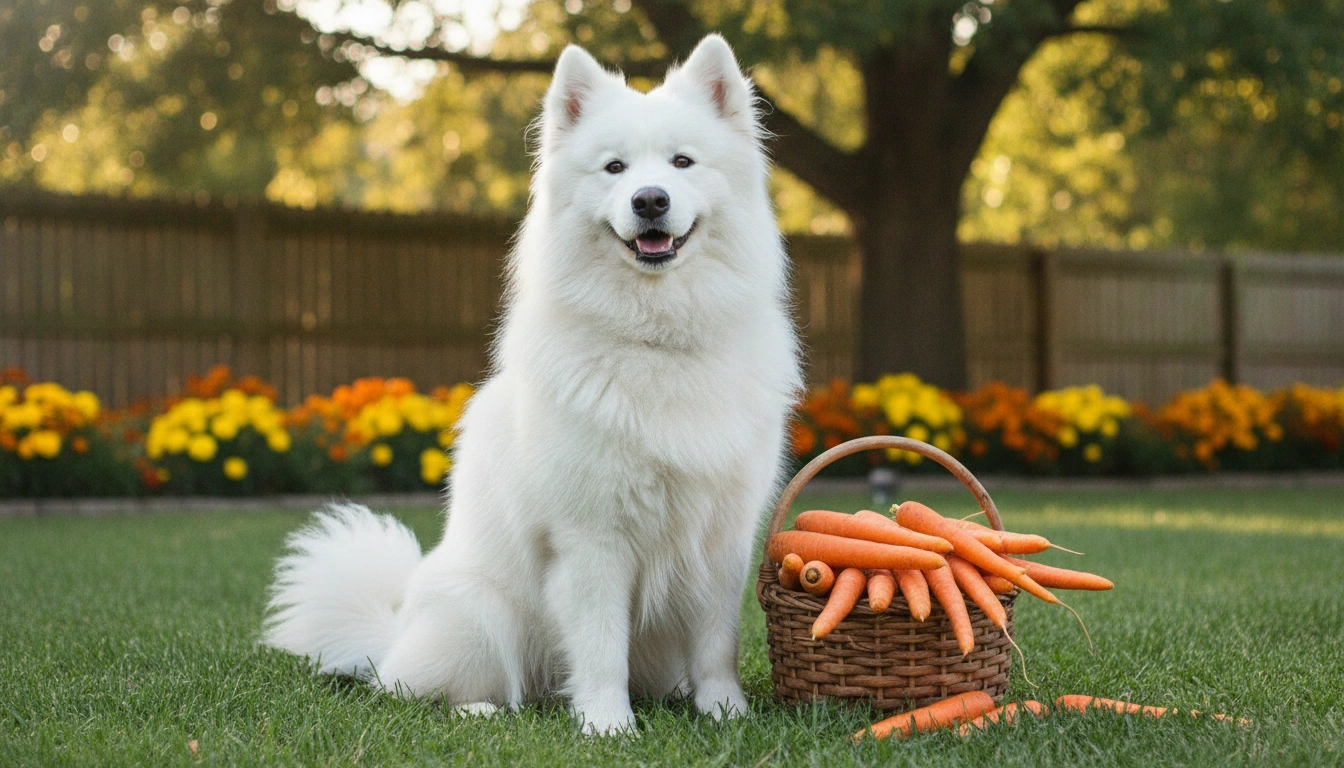
The orange fur thing makes me laugh. People think if their white dog eats too many carrots, they’ll turn orange.
Technically, if they ate about 500 pounds of carrots, maybe? But no. It’s not going to happen. Then there’s the cooking kills the nutrients crowd.
Look, we already talked about this. It’s not true. It actually makes the nutrients more unlocked. And the carrots cure worms myth?
Please. If your dog has worms, go to the vet. Get the real medicine. A carrot isn’t going to scare away a parasite.
Finally, the diabetes thing. Carrots are okay for most diabetic dogs in very small amounts, but you must talk to your vet first.
Are Cooked Carrots Easier for Dogs to Digest?
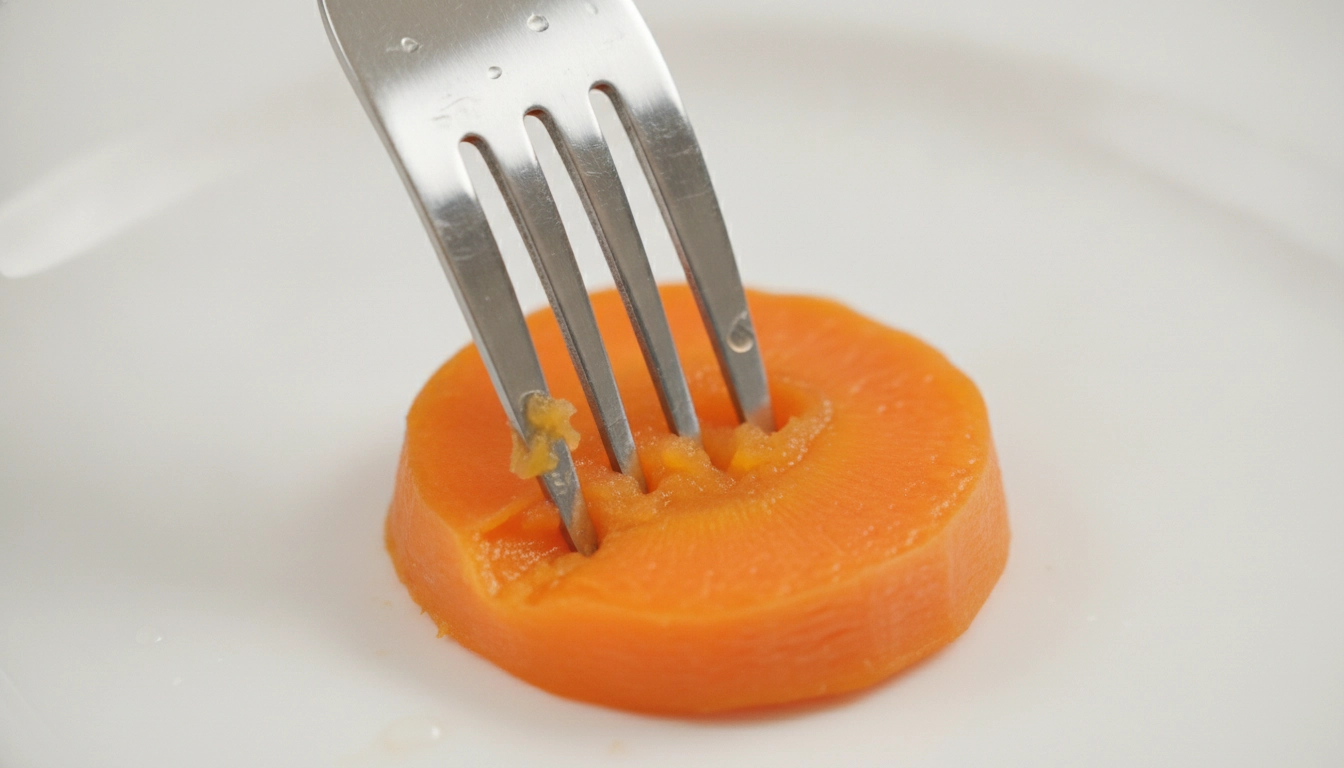
Absolutely. Dogs have short guts. Food goes in and comes out pretty fast compared to us. They don’t have time to break down pectin.
When you apply heat, you’re doing the heavy lifting. You’re softening the structure. This is huge for senior dogs.
Their bodies get less efficient as they age. They need all the help they can get to pull vitamins out of their food.
If you see carrot chunks in the poop, that’s a sign. It means the dog’s body just gave up and passed it through. Cook them longer next time.
Nutritional Value of Cooked Carrots for Dogs
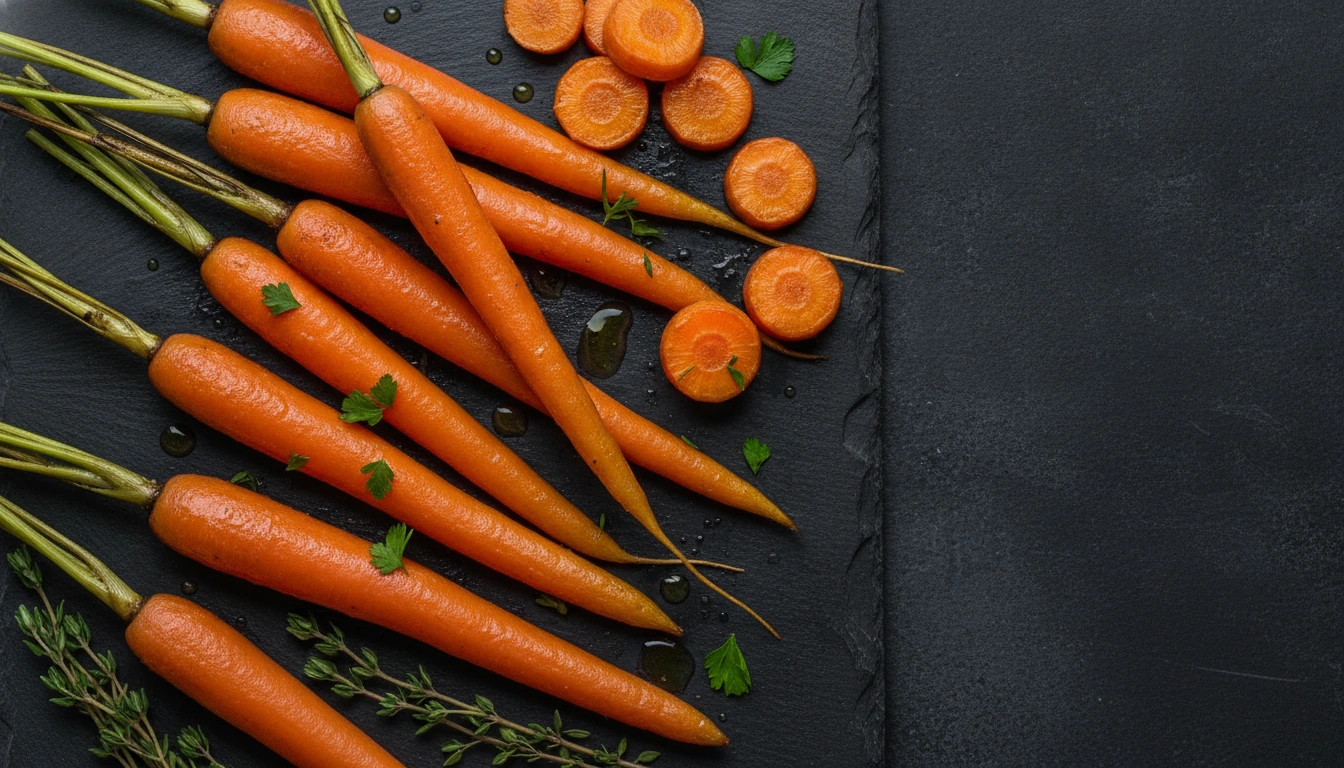
It’s like a multi-vitamin in a vegetable. Vitamin K is good for bones and blood. Vitamin B6 helps their brain and their energy levels.
Potassium keeps their heart pumping right. And Biotin is the one for the coat. If you want a shiny dog, Biotin is your friend.
It’s so much better to get these from a real food than from a pill. The balanced bond is about providing the best you can.
Carrots are a cheap way to do that. You don’t need fancy, expensive supplements if you’re using whole foods correctly.
Can Dogs Eat Cooked Carrots Every Day?
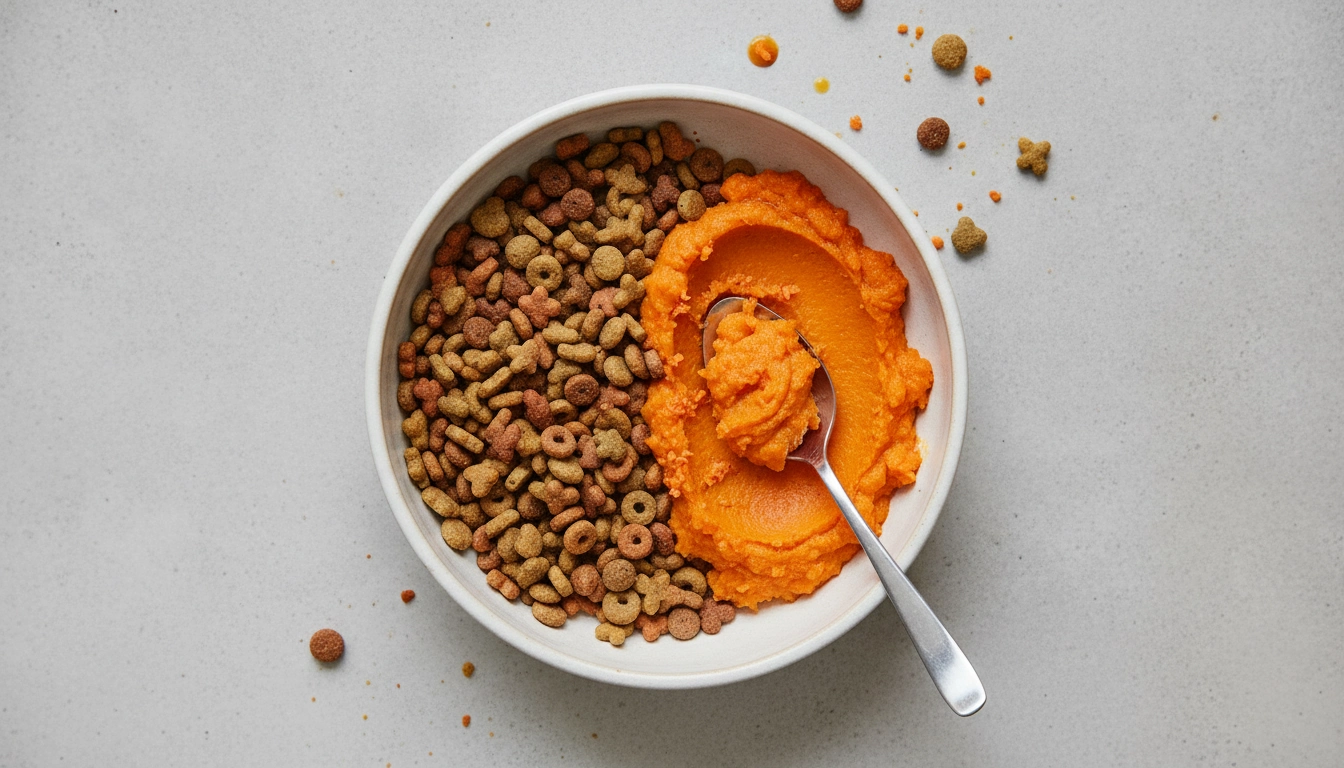
Yeah, why not? I know some owners who put a spoonful of carrot mash in every single meal. It’s fine as long as you aren’t ignoring the real food.
I like to rotate, though. Maybe carrots this week. Maybe green beans next week. Variety is the spice of life, even for a dog.
It gives them a broader range of nutrients. And it keeps them interested in their bowl. If your dog is on a diet, daily carrots are a lifesaver.
They help the dog feel full so they don’t spend the whole day begging. It takes Patience to get the amounts right.
Common Preparation Mistakes to Avoid
Canned carrots. Don’t do it. Most canned vegetables are swimming in salt. It’s a preservative. It’s bad for dogs.
If you have to use canned, rinse them under the tap for like two minutes. But fresh or frozen is way better. Also, watch the temperature.
I’ve seen dogs burn their mouths because the owner was too impatient to let the carrots cool down. Dogs don’t blow on their food.
They just inhale it. Wait until they’re room temp. And wash them! Even if you’re peeling them. Pesticides are real. Just give them a good scrub.
Expert Tips for Picky Eaters
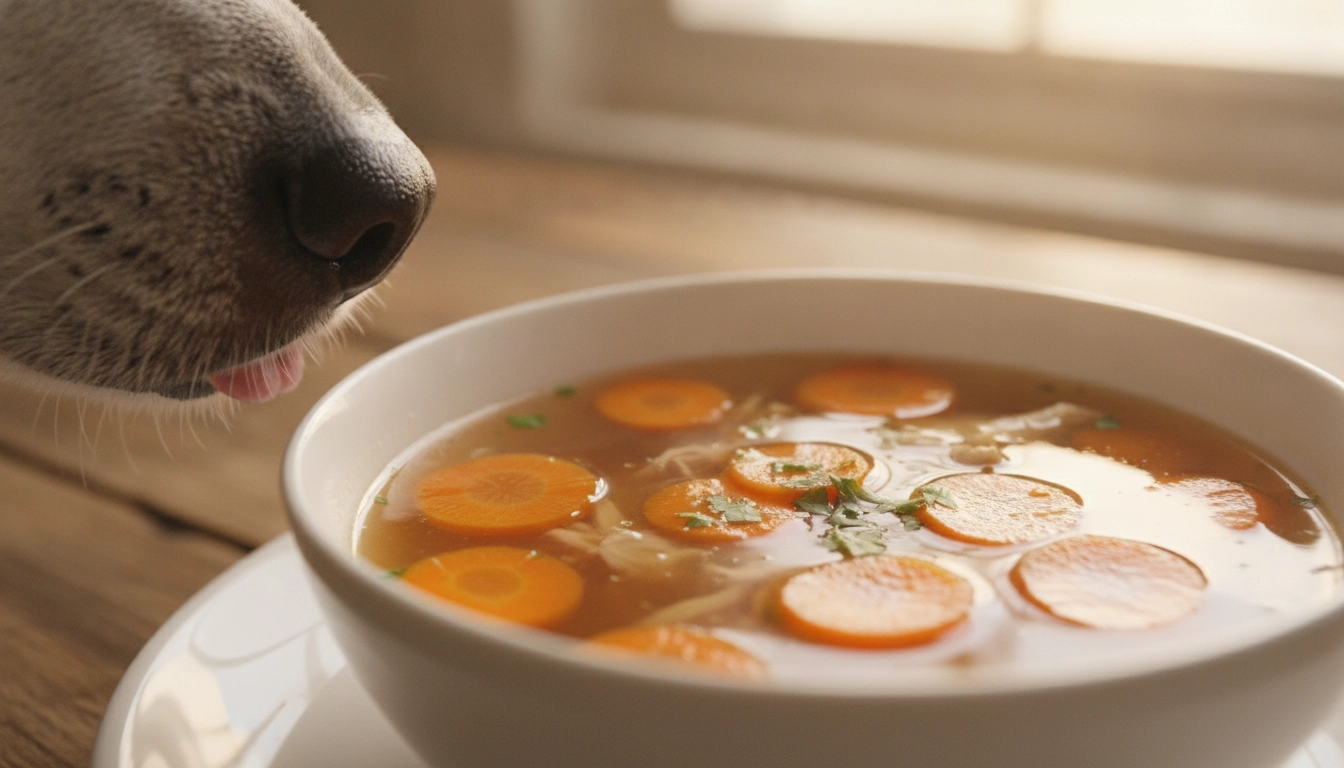
If your dog thinks carrots are boring, try flavor hacking. Steam them in some low-sodium chicken broth. The carrots soak up that meaty smell.
Or mash them and mix in a tiny bit of salmon oil. Texture is a big deal for dogs. Some hate the mush but love the snap.
Some want it pureed into a liquid. You have to be a bit of a detective. Patience is key here. Don’t get mad if they don’t like it the first time.
Try again in a week with a different texture. And if they really hate them? Fine. Try some cooked pumpkin or squash instead.
Advanced Insights on Canine Fiber
Fiber is about more than just poop. It’s about the microbiome. That’s the colony of good bacteria living in the gut.
Fiber is what they eat. It’s a prebiotic. A happy gut means a happy dog. There’s a direct link between the stomach and the brain.
If their digestion is smooth, their mood is usually more stable. Also, the anal gland thing. No one likes to talk about it.
But if your dog is scooting on the carpet, they might need more fiber. The fiber makes the stool bigger and firmer.
This naturally pushes the glands empty when they go. It saves you a trip to the vet for a manual expression. Carrots can help.
The Impact of Cooking Temperature on Nutrient Density
Don’t overcook them until they’re gray and lifeless. You want fork-tender. If you boil them for 45 minutes, you’re giving them wet cardboard.
The vitamins are all gone. 10 to 15 minutes is usually the sweet spot. Steaming is best because the vegetable never actually touches the water.
The nutrients stay locked in. If the carrot still looks orange, you’re doing okay. If it looks pale and sad, you went too long.
It’s a learning curve. You’ll get it. Just keep an eye on the clock while you are in the kitchen.
Conclusion
So, next time you’re in the kitchen and your dog is doing the carrot dance, don’t stress. They can absolutely have them.
Why can’t dogs have cooked carrots?—they can. The whole danger thing is mostly just about how we cook them, not the carrot itself.
Keep them plain. Keep them soft. Keep them in moderation. It’s one of the easiest ways to be a good partner for your dog.
You’re giving them something healthy and sweet. It helps them live a longer life. It’s about that balanced bond.
Start small. Maybe just a couple of slices tonight. Watch how they like it. It’s the little things that make the biggest difference.