
Domestic cats don’t care about your schedule or your need for eight hours of uninterrupted sleep. They are small, efficient predators that have figured out exactly how to manipulate the one creature that provides them with premium salmon and those little springy toys.
I was just talking to Eliza about this. She is over in Brighton and Hove. Her feline basically runs the house through sheer volume. It is not about being chatty. It is a calculated tactical decision to get what they want when they want it.
Listen. We aren’t just making noise for the sake of it. Well, mostly. If you are currently being yelled at by a four-legged ball of fur while you are trying to read this, you are experiencing a specialized cross-species communication system.
Most humans are a bit slow. We have had to adapt. I am Alixes. I handle quality control around here, which mostly involves judging your choice of curtains and making sure the nap spots are up to code.
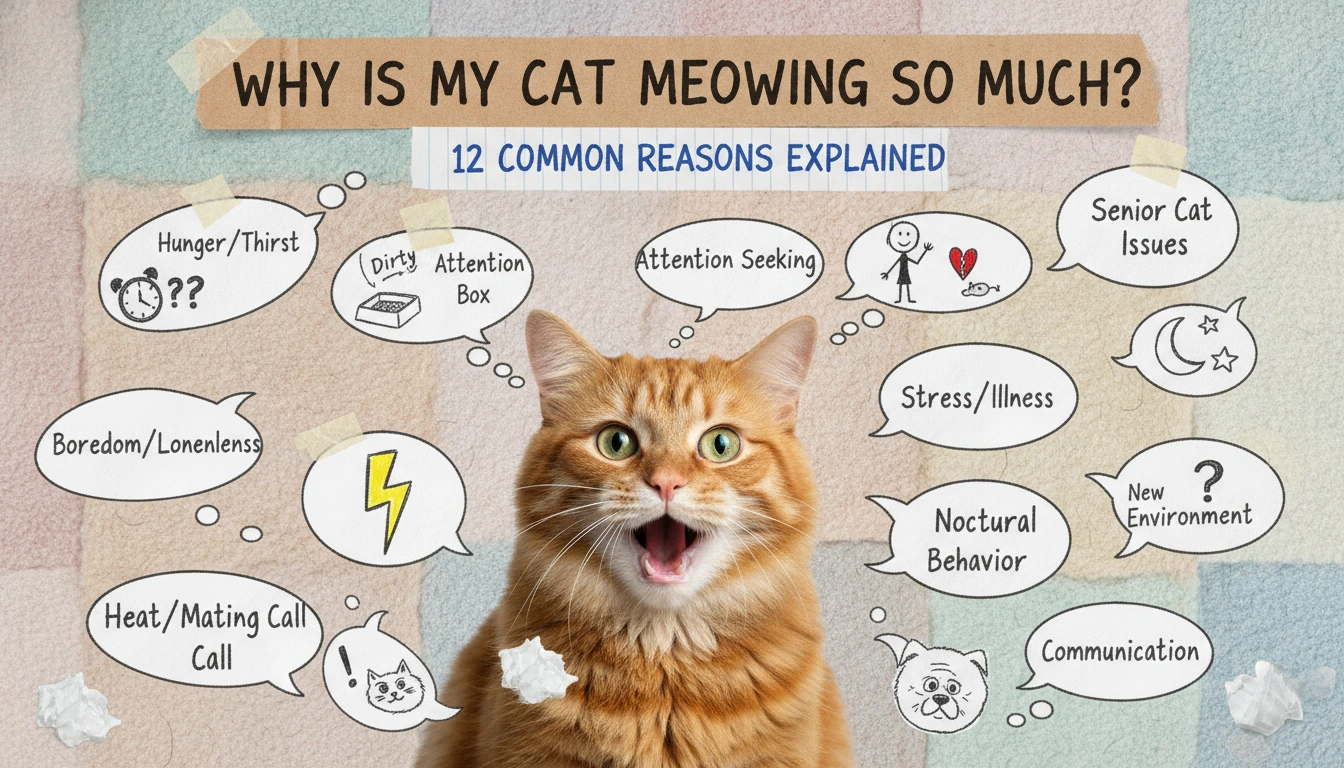
This guide on Why Is My Cat Meowing So Much? 12 Common Reasons Explained is basically a translation manual for the bewildered human staff.
Quick Access
This guide covers hunger, stress, medical issues, and behavioral reinforcement to help you understand your cat’s vocal needs.
Understanding Why Is My Cat Meowing So Much?
Look, cats think you are just a big, weird, hairless version of them. You don’t have tails that twitch correctly. Your ears are pathetic. So we meow. It is a bridge.
Think of it as a custom-built language just for you. Why Is My Cat Meowing So Much? 12 Common Reasons Explained isn’t just a title, it’s a window into our tactical operations.
We know you can’t smell the boundaries we have marked. You need noise. To help you understand the different types of noise we make, I have put together this simple breakdown of our vocal range.
| Sound Type | Human Translation | Priority Level |
|---|---|---|
| Short Chirp | Hello, I see you. | Low |
| Mid-Pitch Meow | I would like a snack. | Medium |
| Long Yowl | This is a major crisis. | High |
| Hiss or Growl | Stay away from me. | Critical |
My Take
Pay attention to the pitch. A high-pitched chirp is usually a friendly greeting, while a low-frequency yowl means something is seriously bothering us.
Did You Know?
Adult felines rarely vocalize at each other except during territorial disputes or mating rituals. Most verbal communication is specifically directed at humans to bridge the species communication gap.
The Psychology of Feline Vocalization
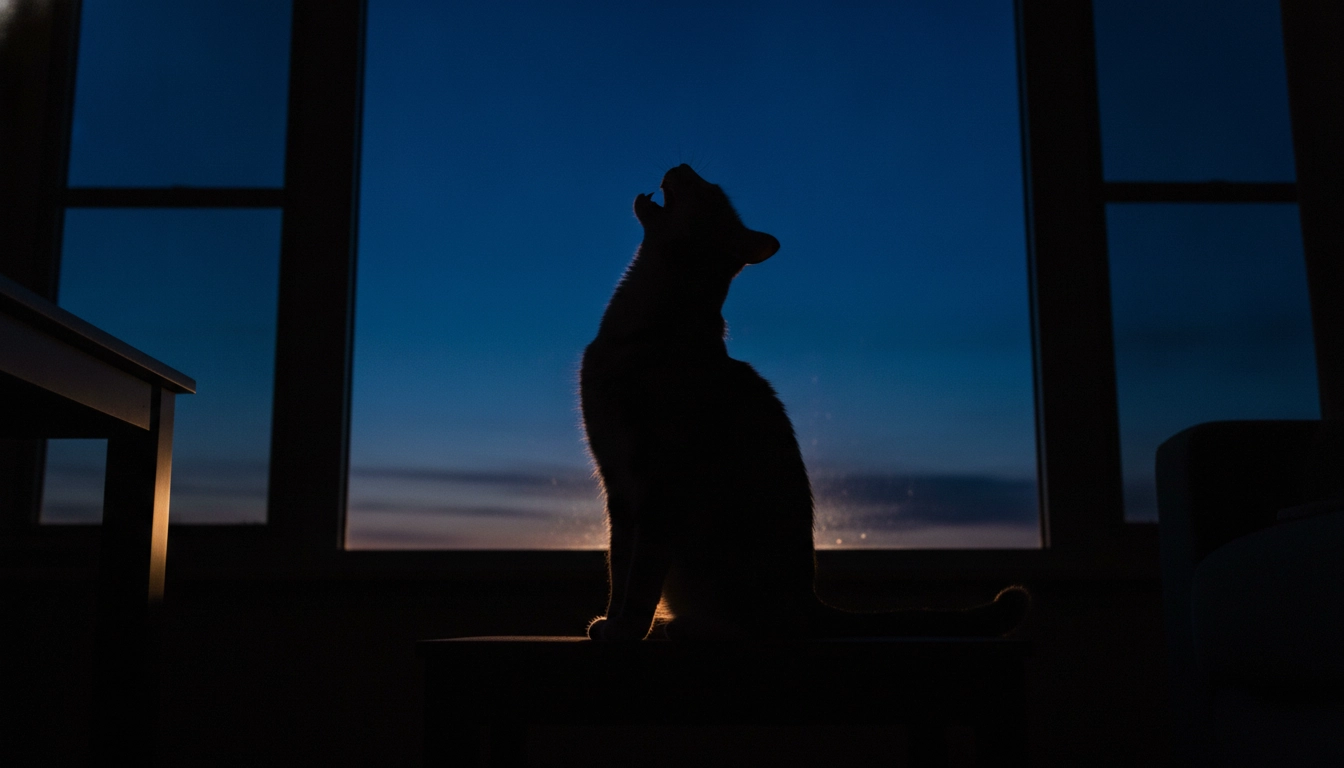
We are crepuscular. That is a fancy word for saying we like the dark. While you are dreaming about spreadsheets, we are ready for the hunt.
If The Red Dot isn’t appearing on the floor, we are going to let you know about it. Loudly. Pitch matters. A little trill? That is a hey, glad you are back.
A deep, rhythmic yowl? That is an existential crisis or a demand for immediate intervention. You have to learn the difference. It saves everyone a lot of time.
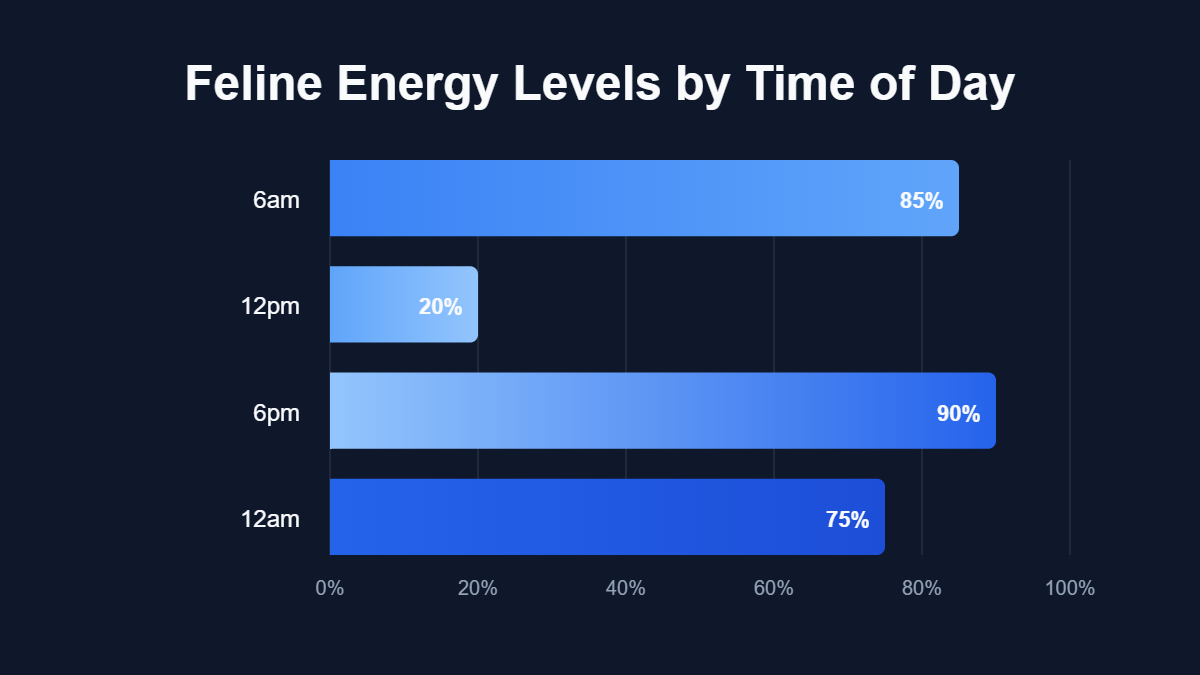
Context is everything. If I am staring at the cabinet where the tuna lives, I am not singing. I am demanding the tribute. Since we are most active when you are trying to sleep, here is how our energy peaks.
My Take
We are naturally more vocal during our peak energy hours at dawn and dusk. If you want us quiet at night, you need to wear us out before you go to bed.
Why Is My Cat Meowing So Much? 12 Common Reasons Explained
Figuring out the why is like being a detective, but with more fur on your clothes. Here is the breakdown of why we are currently screaming at you.
1. The Search for Sustenance
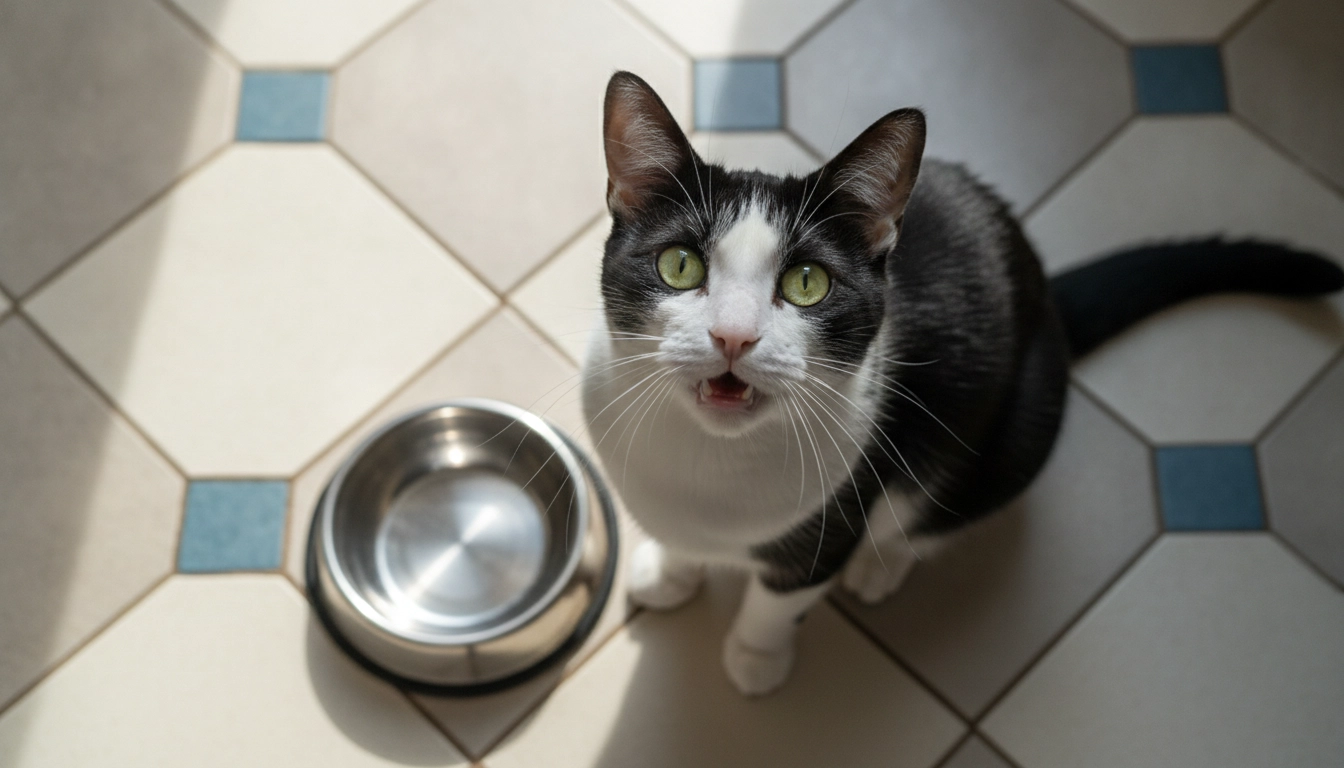
This is the big one. Hunger is a 2 a.m. emergency. We have internal clocks that are far more accurate than your phone.
If the bowl is even slightly showing the bottom, it is a disaster. We will alert the authorities. You are the authorities. Sometimes it is just begging.
We know you are soft. One specific, heart-wrenching sound and suddenly a piece of ham falls from the sky. We aren’t stupid.
2. A Demand for Attention
Stop looking at that glowing rectangle in your hand. I am right here. Sometimes we just need you to acknowledge our superior presence.
A quick glance or a chin scratch usually satisfies the requirement. Until it doesn’t. If you keep rewarding the noise with pick-ups, we are going to keep doing it.
It is a simple trade. Noise for cuddles. I will take that deal any day of the week.
3. The Frustration of Boredom
An indoor life is safe, sure. But it can be incredibly dull. If I haven’t chased anything in three days, I am going to start narrating my boredom.
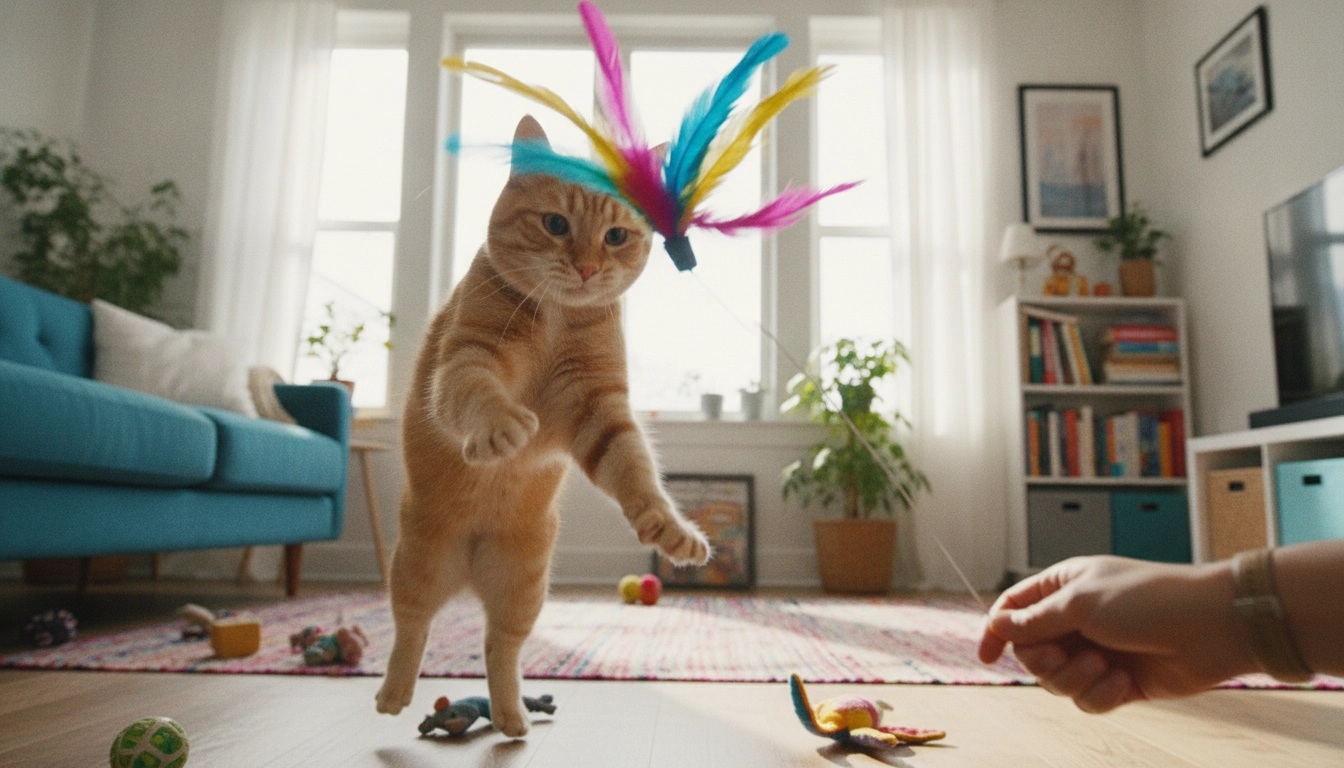
We need things to do. If you aren’t moving the feather wand, I will find something else to break. Indoor territory needs enrichment.
That is a human word for stuff I can climb and kill. Without it, we get loud. It is pent-up energy that has to go somewhere.
4. Territorial Anxiety and Stress
Did you move the couch? Why? It was perfect. We hate change.
A new person in the house or a stray feline outside the window is a direct threat to our peace. We will yowl to reassert our dominance over the rug.
Eliza mentioned a new neighbor moving in next door on Brick Kiln Road and her cat went absolutely mental. It is about security. We need to know our borders are safe.
5. Physical Pain or Discomfort
We don’t like to show weakness. It is a survival thing. But if it hurts too much, we will let out a warning.
If we are shouting in the litter box, that is not a critique of the brand of sand you bought. It is a cry for help.
Arthritis or dental issues can make us grumpy. If the noise is sudden and sharp, get the carrier. We won’t like it, but we need it.
6. Cognitive Decline in Seniors
Aging is a mess. Sometimes the brain just gets a bit fuzzy. Older cats can get disoriented. I have seen it happen.
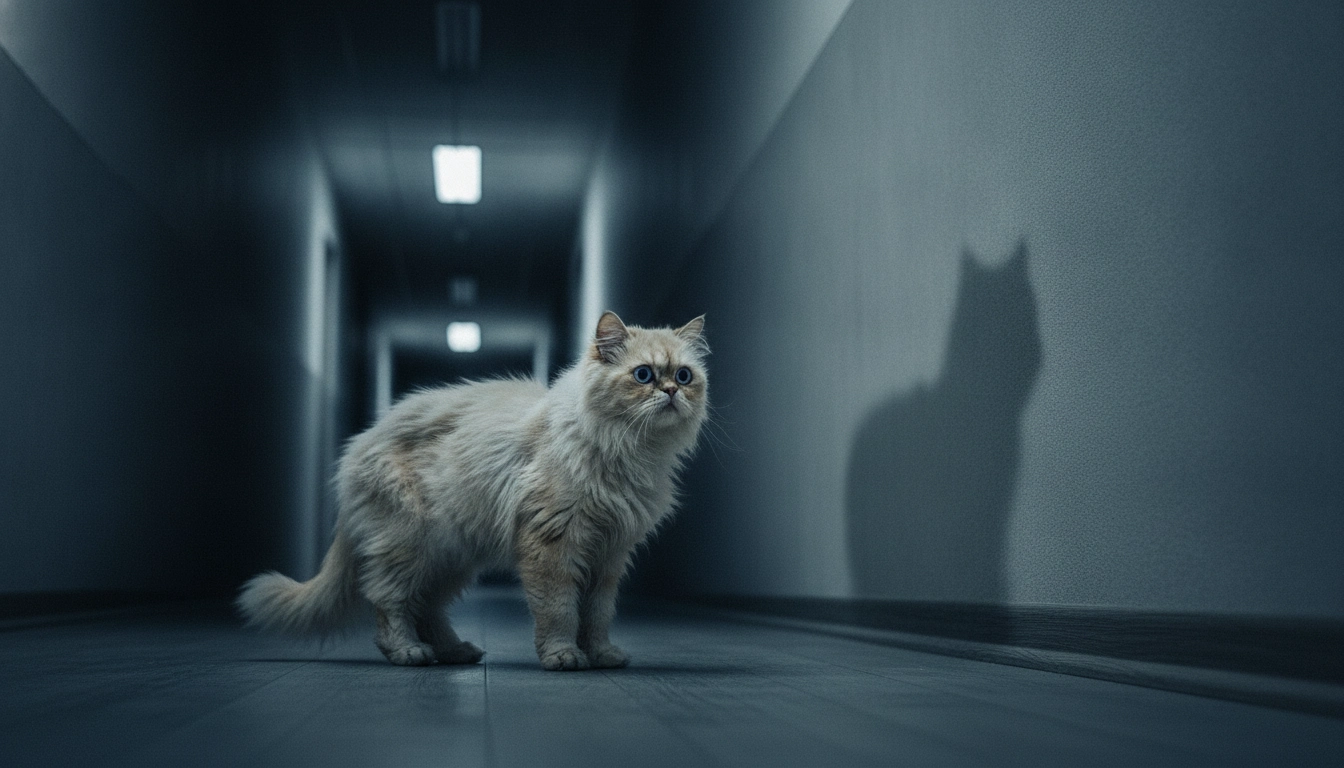
They will stand in a hallway and forget where the bedroom is. The resulting shout is hollow and honestly a bit sad. It is like being lost in your own home.
If your senior is yelling at the shadows, they probably just need a little light and a reassuring word. I have listed the signs of age-related vocalization below.
| Age Sign | Description | Recommended Action |
|---|---|---|
| Night Yelling | Loud yowling after dark. | Use nightlights. |
| Aimless Meowing | Vocalizing at walls. | Gentle redirection. |
| Startled Cries | Shouting when touched. | Visit the vet. |
My Take
Senior cats often lose their way in the dark. A few strategically placed lights can stop the midnight opera sessions.
7. The Biological Urge to Mate
If we haven’t been fixed, nature takes over. It is loud. It is primal. A female in heat makes a sound you will never forget.
It is not a meow. It is a caterwaul designed to be heard three blocks away. It is hormonal. You can’t train that out.
The only fix for this is a trip to the vet for the big snip. Otherwise, get used to the opera.
8. A Simple Greeting
Sometimes we are just being polite. Surprisingly. A quick chirp when you walk through the door is just us saying Oh, the staff is home.
It is a sign of a good bond. We are acknowledging that you exist and that we are moderately pleased about it.
It is usually short. Sweet. No drama. Just a hello before we go back to napping on your favorite sweater.
9. Sensory Loss and Compensation
If my hearing goes, I can’t tell how loud I am. So I will just crank the volume to eleven. Fading eyesight makes the world scary.
We use our voices like sonar. We shout, you answer, and then we know where you are. It is a safety net.
Older cats do this a lot. They just want to make sure the world is still where they left it.
10. Breed Specific Tendencies
Some of us are just born with a lot to say. Siamese? They never shut up. If you got a vocal breed, that is on you.
They will comment on your dinner, your choice of movies, and the weather. It is not a bug, it’s a feature. They want a conversation.
If you don’t talk back, they will just get louder until you do. Some breeds are definitely more talkative than others.
| Breed | Vocal Intensity | Typical Voice |
|---|---|---|
| Siamese | Very High | Raspy and loud. |
| Birman | Low | Soft and chirpy. |
| Bengal | High | Wild and demanding. |
| Russian Blue | Very Low | Quiet and shy. |
My Take
If you want a quiet house, do not get a Siamese. They have an opinion on everything from your laundry to your life choices.
11. Environmental Dissatisfaction
Clean the box. Seriously. If the litter is dirty, I am not going in there. I will stand next to it and scream until you fix the situation.
We have standards. We are fastidious. The same goes for our premium nap spots.
If you put a pile of laundry on my favorite chair, expect a formal verbal complaint. We like things just so.
12. The Reinforcement Loop
You have trained us. You probably didn’t mean to, but you did. If you give me a treat every time I yell at the cupboard, I am going to yell at that cupboard forever.
It is called conditioning. You are the one being conditioned. Breaking this is hard. You have to learn to ignore the noise.
Which is difficult when I am screaming in your face at 6 a.m. But that is the game.
Avoid Punishment
Never scold or spray a feline for vocalizing. This only increases our stress and damages the bond of trust between us, often making the noise worse in the long run.
How to Tell If Your Cat’s Meowing Is Normal
Every cat has a baseline. Some are quiet. Some are sirens. Normal is when the noise matches the routine.
If I always yell when the sun goes down, that is just meow o’clock. It’s fine. Don’t overthink it. The warning signs are changes.
If a quiet cat starts screaming at the wall, something is wrong. If a loud cat goes silent, that is even scarier.
Context matters. Shouting at a fly? Normal. Shouting at nothing in a corner? Maybe not so much.
When Excessive Meowing Could Be a Medical Problem
Sometimes the noise is a symptom. Our bodies are complex. Hyperthyroidism is a common one. It makes us feel like we have had too much caffeine.
We can’t sit still, we are always hungry, and we yowl because we are agitated. Blood pressure is another silent issue. Or not so silent, actually.
It can make us feel dizzy and weird, leading to more vocalizing. Pain is the big hidden driver. If my hips hurt, I am going to tell you about it when I try to jump onto the bed.
Pro Tip
If your senior feline is shouting at night, try leaving a nightlight on. Improved visibility can reduce the disorientation that often leads to nocturnal vocalization.
How to Stop Your Cat from Meowing Too Much
You want peace? You have to work for it. First, fix the basics. Is the water fresh? Is the litter box spotless?
If those are done, we move to the brain stuff. Play more. Use The Red Dot. Tire us out before you go to bed.
A tired cat is a quiet cat. It is simple physics. If it is for attention, you have to be strong. Don’t look. Don’t talk.
Only acknowledge the silence. It is a war of wills. We usually win, but you can try. If you are struggling, use this checklist to restore the peace.
| Goal | Action Step | Why It Works |
|---|---|---|
| Stop Hunger Cries | Use an auto-feeder. | It removes you from the equation. |
| End Boredom | New vertical space. | Provides mental stimulation. |
| Reduce Stress | Pheromone diffusers. | Mimics natural calming scents. |
| Night Peace | Hard play at 9 p.m. | Drains excess hunting energy. |
My Take
Consistency is your only weapon. If you give in once at 3 a.m. to make the noise stop, you have just signed a contract for another month of yelling.
- Keep the food schedule strict. No midnight snacks.
- Vertical space is key. Let us climb things.
- Puzzle feeders are great. Make us work for the kibble.
- Protect our premium nap spots.
- Go to the vet. Just to be sure.
- Feliway or other pheromones can help chill the vibe.
What You Should Avoid Doing
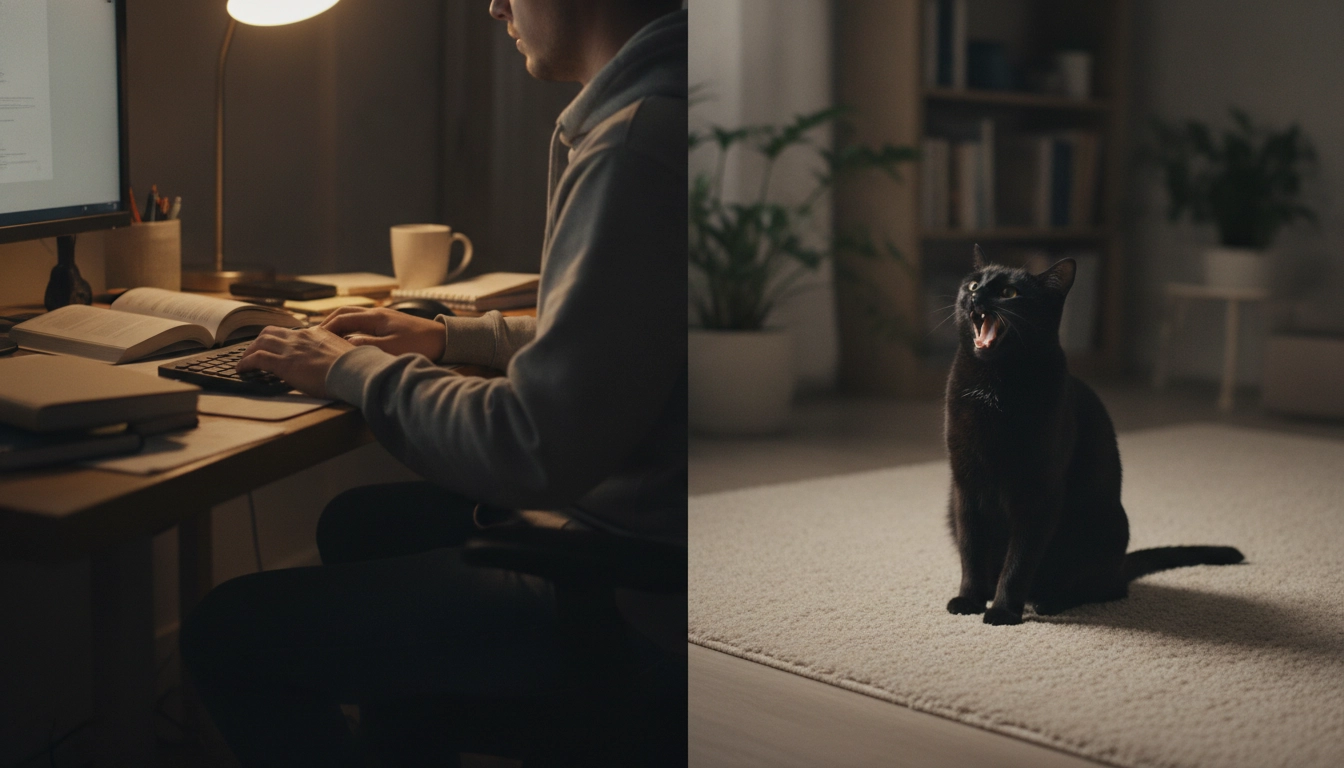
Don’t be a vending machine. If you feed the noise, you get more noise. Ignore the shouting.
Even yelling shut up is attention. We like attention. Any kind. Negative attention is still a win in our book.
Never, ever use a spray bottle. It just makes us hate you. It doesn’t solve the hunger or the boredom.
It just adds human is being mean to the list of problems. Be consistent. If you give in once, we will remember it for three years.
When to Take Your Cat to the Veterinarian
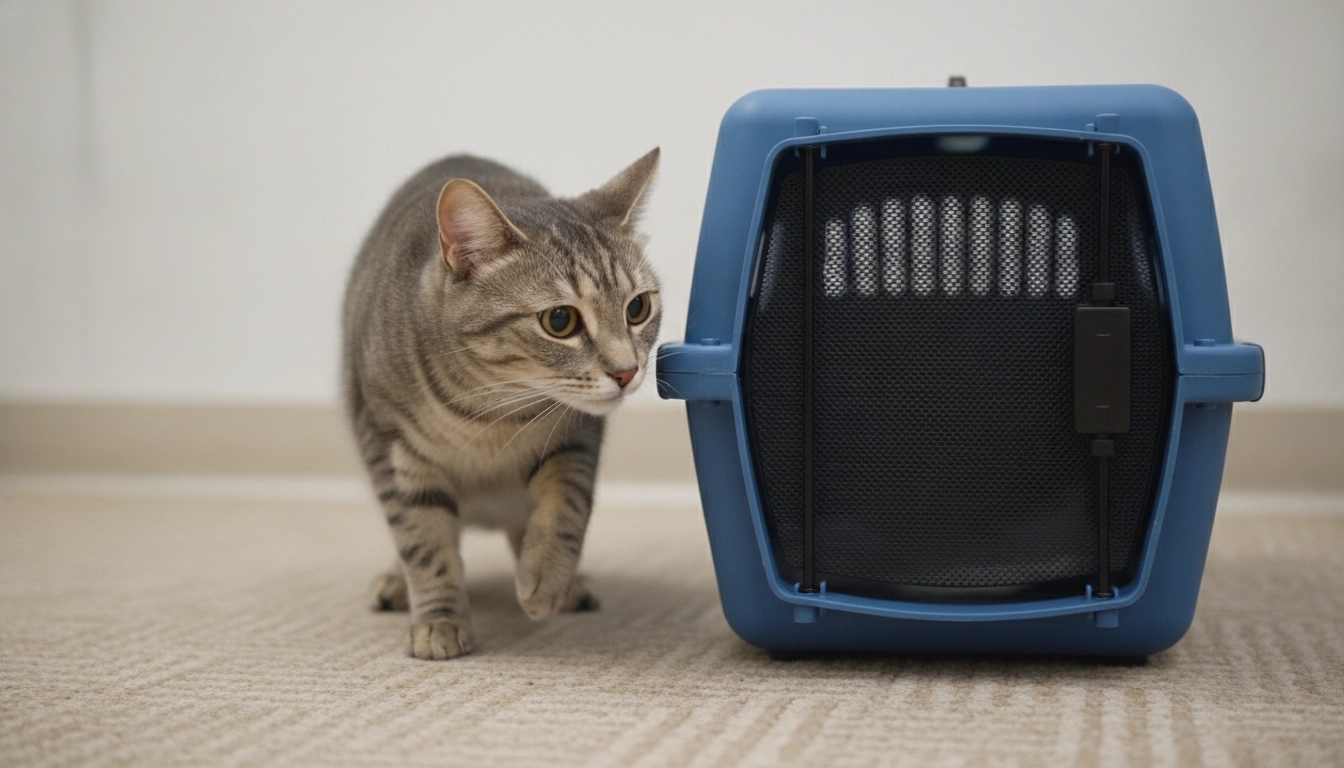
If the noise feels wrong, it probably is. Trust your gut. Any cat over seven who starts yelling should get a blood panel.
It is the only way to catch things like kidney issues or thyroid problems before they get bad. If we are losing weight but screaming for food, that is a medical red flag.
Don’t wait. A vet can also help with the senile stuff. There are meds that can quiet the brain down so everyone can get some sleep.
Final Thoughts on Why Is My Cat Meowing So Much?
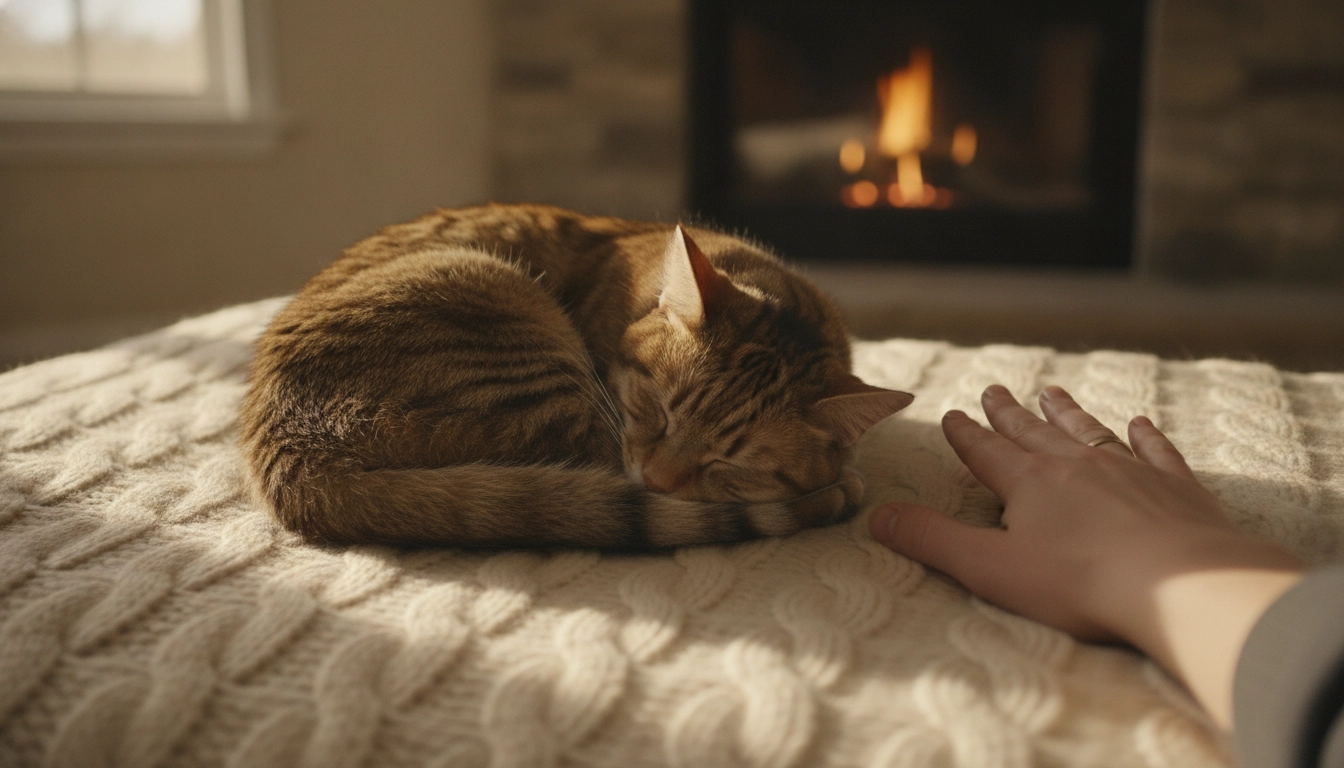
We are just trying to live our best lives. Usually, that involves you doing things for us. Understanding Why Is My Cat Meowing So Much? 12 Common Reasons Explained is about empathy.
We aren’t trying to be annoying. We are just trying to get our point across. Provide the routine. Keep the The Red Dot handy.
Keep the box clean. Do that, and the volume should stay at a manageable level. A quiet house is nice, but a house with a happy, communicative cat is better.