How to stop a dog from barking honestly most people get a dog and then act shocked when it makes a noise like they bought a broken toaster or something. its a dog. it barks. its what they do.
I was just talking to Nellie about this the other day because her house sounds like a kennel some mornings and she was about ready to pull her hair out. barking is just information. thats it.
stop looking for a mute button because it doesn’t exist and you’re just going to stress yourself out trying to find it. the reader—you—probs just wants five minutes of peace to drink a lukewarm coffee. i get it.
but we gotta look at what the dog is actually saying before we start yelling shut up into the void. it’s about a bond. a balanced one. not a power struggle. Understanding vocalization is as essential as knowing how to take care of pet birds.
That sharp, rhythmic sound of a bark echoing through your living room isn’t just noise. It’s a vibration. It hits the walls, bounces off your eardrums, and totally kills your focus.
You look at your dog. You feel frustrated. Maybe a little defeated. Learning how to stop a dog from barking? starts when you stop seeing it as a nuisance.
See it as a chat. Every single bark is a tiny data point. A piece of info your dog is desperate to share. They aren’t being mean.
They aren’t trying to ruin your day. Whether they’re spooked by a leaf or want a snack, that sound is their only tool. To fix it, you need a cool head.
I’ve watched thousands of these interactions over the years. Trust me. Patience is the big one here.
Dogs don’t bark to be spiteful. They bark because it works. It gets a reaction. Every time.
Understanding the Basics of Canine Vocalization

Barking is how they talk. It’s a versatile vocal tool. It can be a get away from my house alarm or a hey I missed you greeting.
Sometimes it just means they’re feeling a bit anxious or totally bored out of their minds. Before we change things, we have to admit it’s a natural instinct, much like cat scratching behavior.
We aren’t going to kill the instinct. We’re going to manage it.
Vocal Variety
Dogs have different pitches and rhythms for their barks to convey specific emotions like fear or excitement.
I put together this quick breakdown to help you spot what your dog is actually trying to tell you when they open their mouth.
| Type of Bark | The Sound | The Meaning |
|---|---|---|
| Alert Bark | Sharp and rapid | I see something new |
| Play Bark | High pitched and bouncy | I want to engage |
| Boredom Bark | Monotone and repetitive | I am looking for a job |
| Distress Bark | High and thin | I am scared or alone |
My Take
If you listen close enough, they really are telling you exactly what they need in that moment.
When your dog is barking, their brain is basically on fire. High arousal. They are locked onto something. Their internal alarm is screaming.
If we understand this physical state, we can stop being mad. we can move toward actual training. The goal isn’t a silent dog. That’s creepy.
That’d be like telling a person they can’t speak. Ever. Instead, we want to show them better ways to get what they need.
Boundaries help. They make a home feel like a home instead of a battleground.
Identifying Triggers and Learning How to Stop a Dog From Barking?
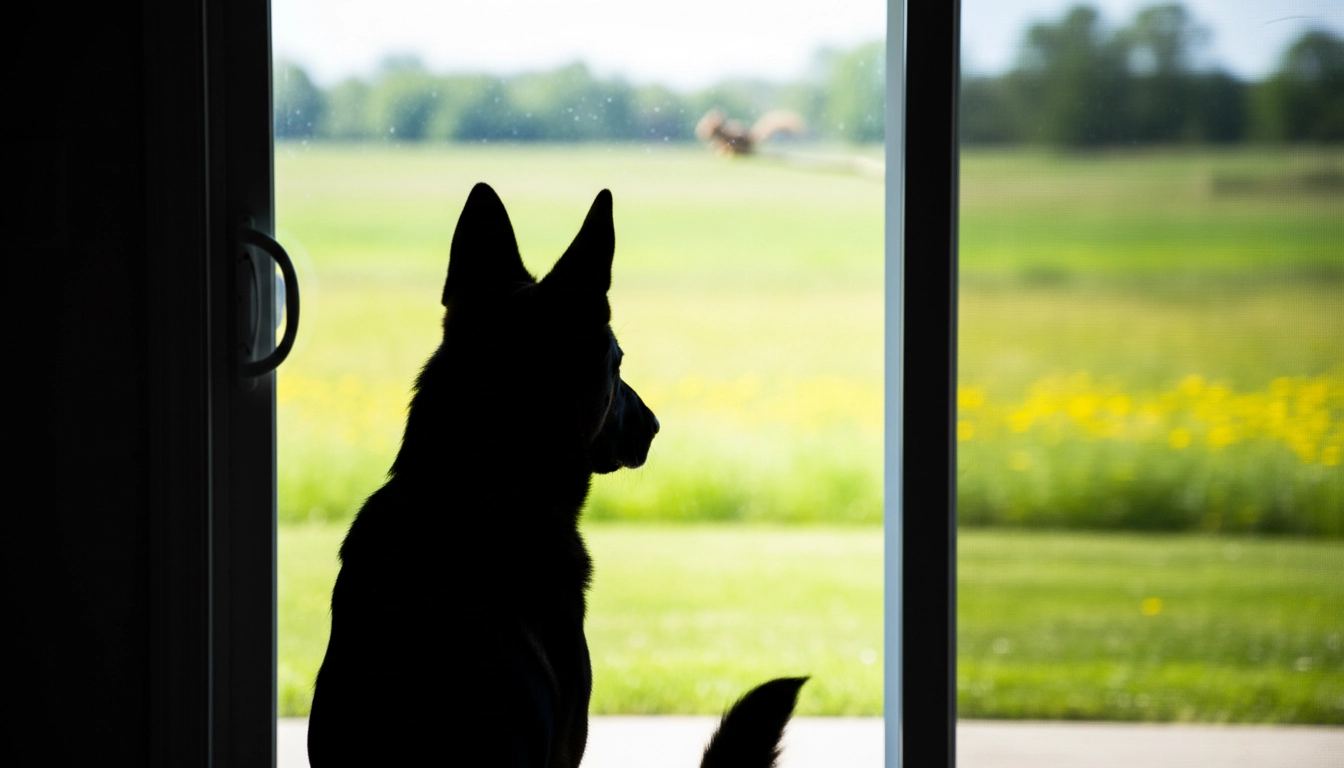
Dogs notice everything. Things we miss. A change in the air. A scent. A squirrel three blocks away.
A truck on Mockingbird Ln might be nothing to you, but to them, it’s an intruder. These external triggers cause most of the noise.
Identifying them is the first step in how to stop a dog from barking?.
Trigger Stacking
Multiple small stressors throughout the day can build up and lead to an explosive barking episode later on.
Fear is a huge driver. If a dog feels small or scared, they use their voice to push the world away. They think barking makes the scary thing vanish.
Social frustration is another big one. They see a dog through the glass. They can’t get to it. They bark. It’s just pent-up energy bubbling over.
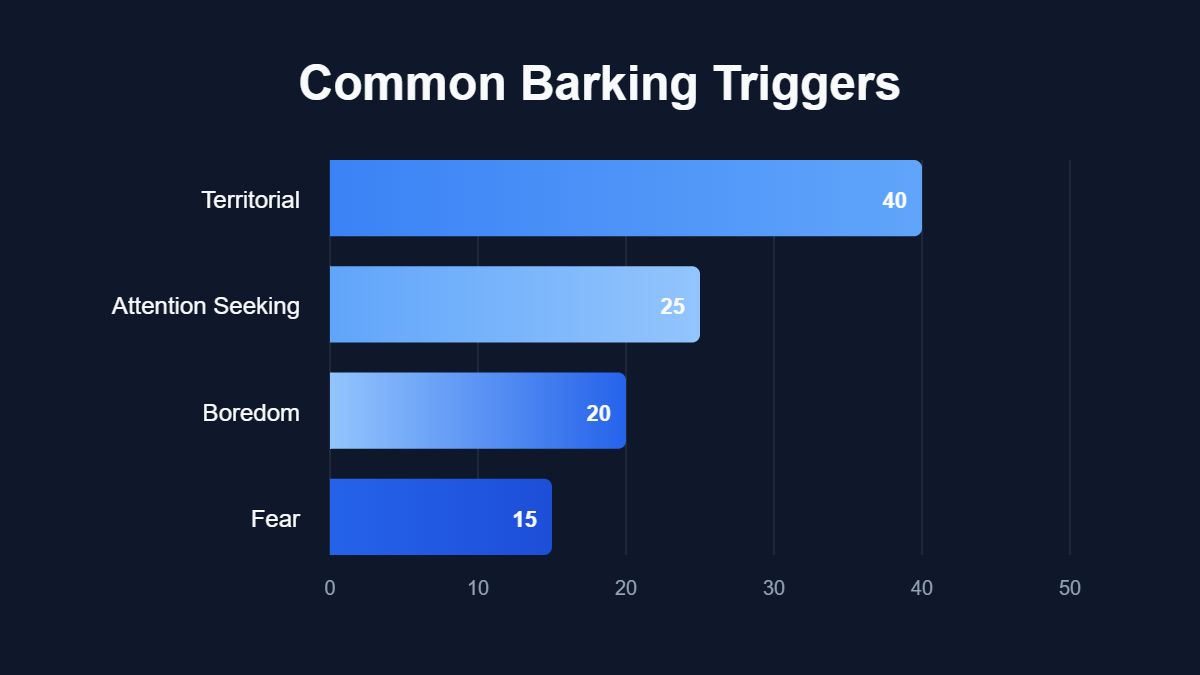
I looked at the numbers from my last few hundred cases to see what usually sets dogs off the most.
My Take
Most barking is just a dog trying to protect their space or get you to look at them.
How to Stop Attention Seeking Barking
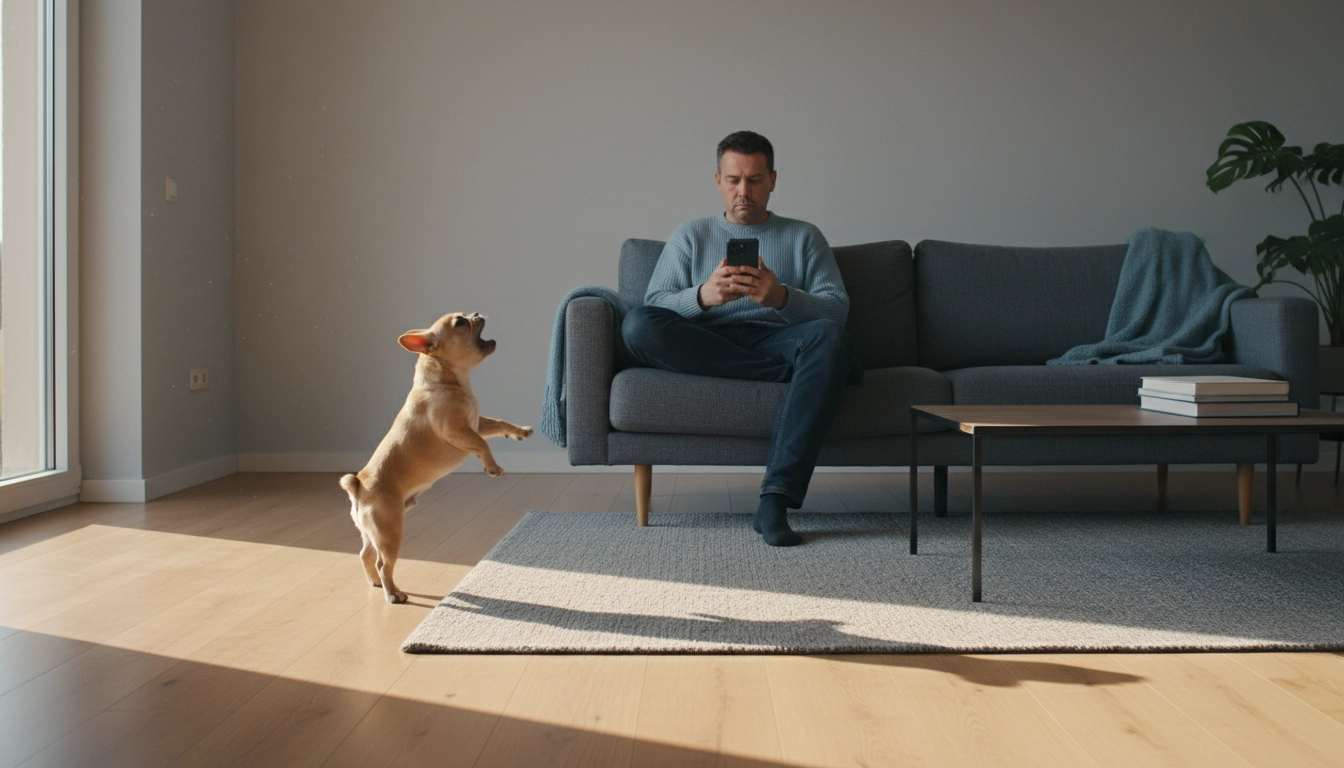
This is the classic. The dog barks. You look. They win. We accidentally reward this all the time.
Even yelling is a reward because you’re looking at them. It’s social interaction. You have to learn to ignore it.
Planned ignoring. It’s hard. Really hard when they’re right in your face. Don’t look. Don’t touch. Don’t say a word.
Consistency is the only way. Much like kitten litter training, you have to show them that noise is a dead end. Then, you reward the quiet.
The second they stop to catch their breath? That’s when you give the treat. Use a high-value snack or some soft praise.
You’re teaching them that being chill is the actual secret to getting your attention. It takes time. Don’t rush it.
How to Stop Boredom Barking with Mental Stimulation

A bored dog is a noisy dog. They’ll find something to bark at just to feel something. It’s a sign they need to use their brain.
They might need a walk. Or just a job. Especially if you have a working breed. Those dogs need to feel useful.
Mental Work
Fifteen minutes of sniffing or puzzle work can be as tiring for a dog as a long walk in the park.
Try interactive toys. Food puzzles. Things that make them think. It moves their focus away from the window.
A tired dog is a quiet dog. Usually. They have less juice for the drama. Having a set routine helps too.
It lowers the stress of not knowing what’s next. Build a life that covers their needs. If they’re fulfilled, they don’t need to shout about it.
Effective Training Techniques and the Quiet Command

The quiet command is a life-saver. Start early. Find a spot where they usually bark.
Wait for the gap. One second of silence is enough. Say quiet and hand over a treat. Make it a good one. Something they really want.
The Quiet Command
Wait for your dog to stop barking to take a breath before saying the command and giving a reward.
Desensitization works wonders. If the doorbell sets them off, record it. Play it back quiet. Really quiet. Give them treats while it plays.
Slowly turn it up over days or weeks. They start to think the bell means snacks, not a threat. Consistency is everything. It’s also helpful to learn how to train your dog to sit and down to establish a foundation of basic obedience.
If they start barking again, you went too fast. Back up. Keep them in a state where they can succeed.
I put together this simple checklist to help you stay on track while you are teaching the quiet command.
| Step | Action | Goal |
|---|---|---|
| Trigger | Identify the noise | Know the starting point |
| Gap | Wait for a breath | Find the silence |
| Command | Say quiet clearly | Label the behavior |
| Reward | Give high-value treat | Reinforce the peace |
My Take
Timing is everything here so make sure that treat hits their mouth the second they stop making noise.
Useful Tools and Products for Noise Control

Change the environment. It’s easier than changing the dog sometimes. Window film is great. It blurs the world outside.
No intruders, no barking. White noise is a blessing. A fan or a machine can mask the sounds of the street.
It helps those sensitive dogs stay in their bubble. It creates a buffer. I don’t like punishment stuff.
Shock collars are a bad idea. They might stop the noise, but they leave the fear behind. That’s not a fix.
Focus on tools that make them feel safe. Safety equals silence.
Here is a quick look at the gear I actually recommend to my clients to help manage the noise.
| Tool | Benefit | Best For |
|---|---|---|
| Window Film | Removes visual triggers | Territorial barkers |
| White Noise | Masks outside sounds | Sound-sensitive dogs |
| Snuffle Mat | Provides mental work | Boredom barkers |
| Puzzle Toy | Redirects focus | Attention seekers |
My Take
Tools are just there to support the training so do not expect them to do all the work for you.
Common Mistakes to Avoid in Barking Training
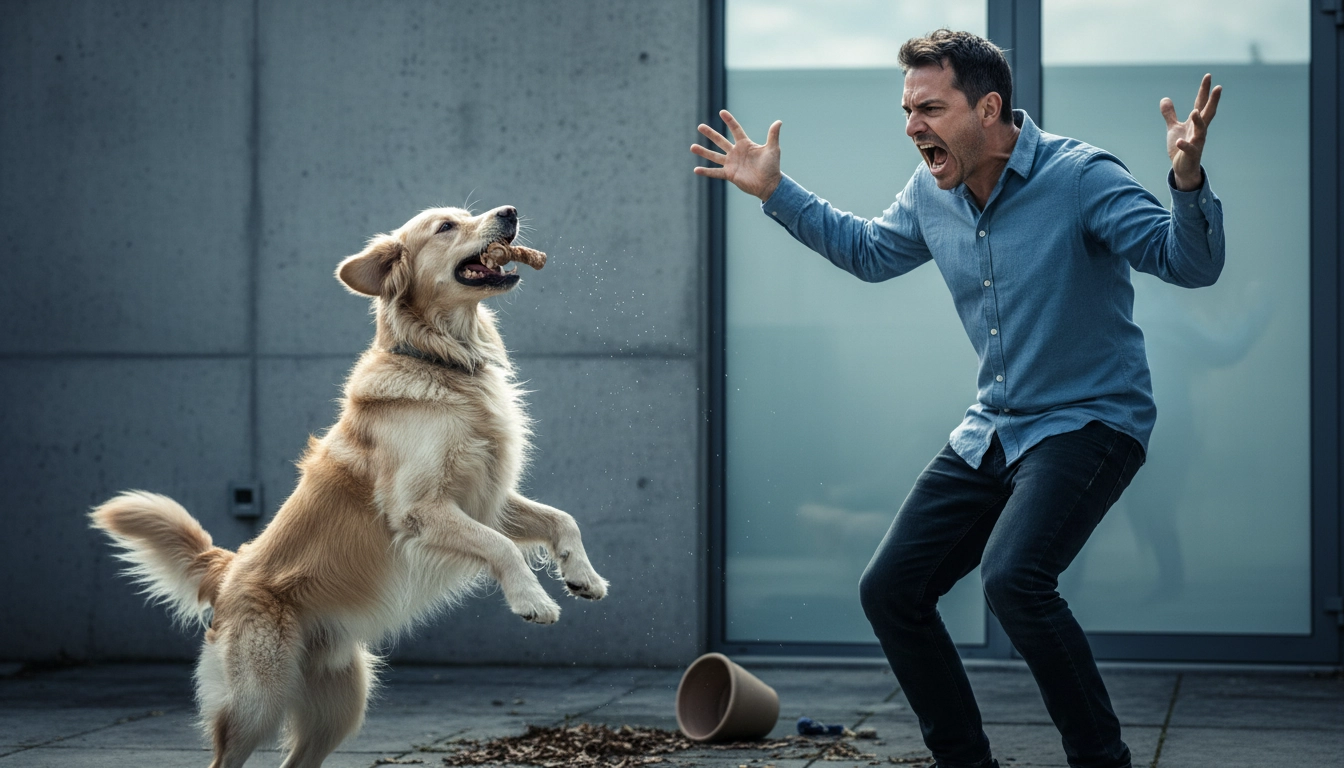
Don’t yell. Seriously. To a dog, yelling is just you barking along with them. They think you’re joining in.
Yeah! Get that mailman, Dad! It makes them bark louder. Another big mistake is changing the rules.
If they can bark at the cat but not the guests, they get confused. Dogs like clear lines. Stable boundaries make them feel secure.
They need to know the deal.
Safety First
Never ignore barking that sounds like it is caused by physical pain or sudden illness.
Don’t wait until it’s a huge problem. Start training now. Learning how to train a puppy at home is the best way to emphasize the value of early training. Even if they’re mostly quiet. Calmness is a skill that needs practice.
When Barking Indicates a Deeper Psychological Problem
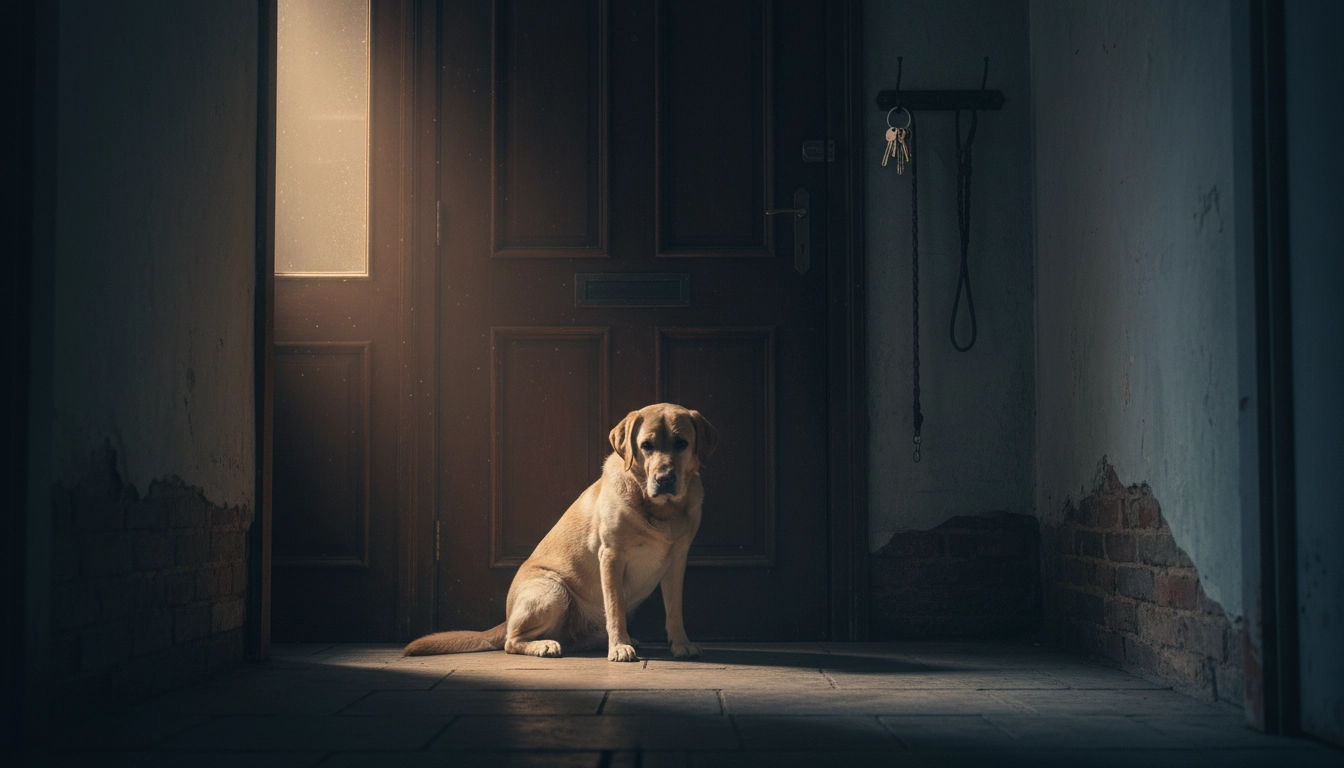
Sometimes it’s not just a habit. Separation anxiety is real. It’s a panic attack. Barking, chewing, scratching at the door.
It’s heartbreak in a fur coat. Compulsive barking is another one. They bark at nothing for hours.
They get in a trance. It’s usually stress or extreme boredom. It’s hard to break through when they’re like that.
If your life is suffering because of the noise, you have to act. Don’t get discouraged. It happens.
When to Seek Professional Guidance
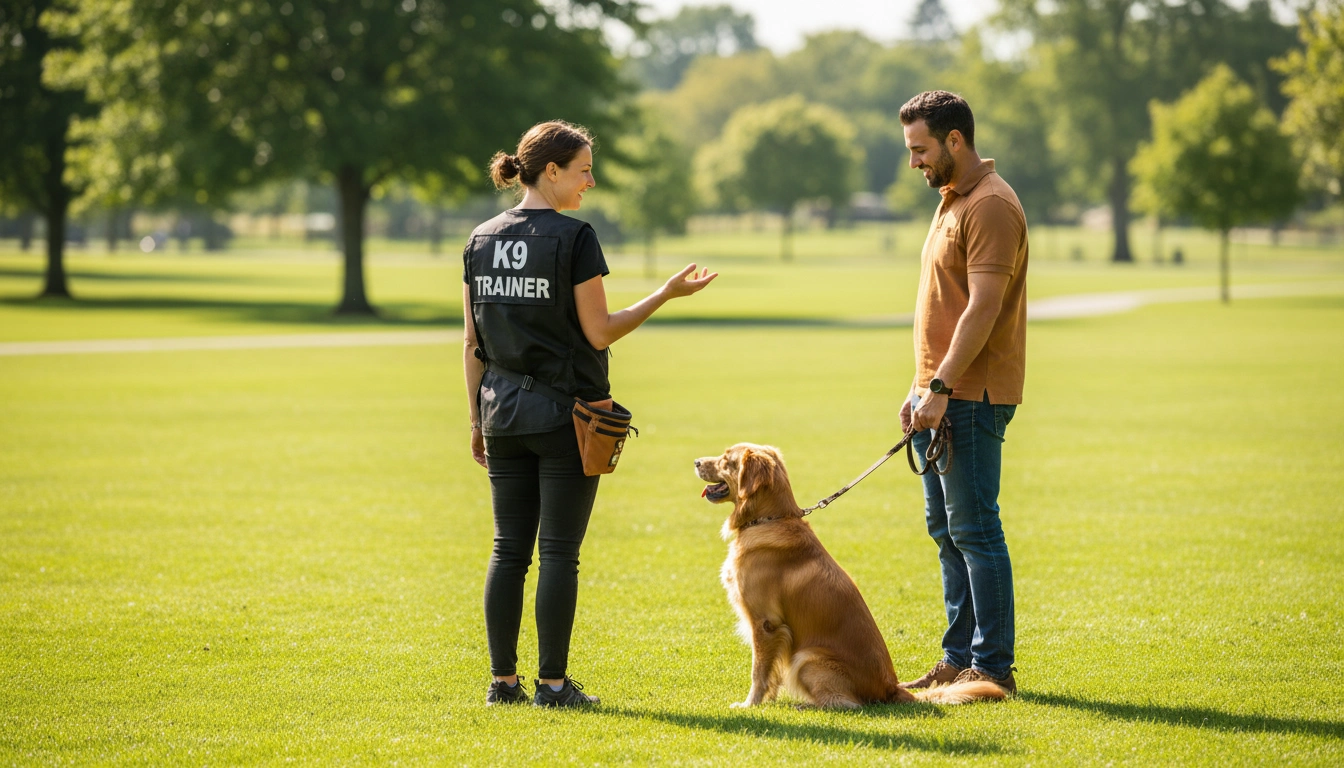
If you’re stuck, find a pro. A behaviorist can see things you might miss. Sometimes you’re too close to the problem.
They can tell the difference between I’m bored and I’m terrified. They have the protocols. It’s an investment in your sanity.
Check their background. Make sure they’re humane. Science-based stuff only. Your bond is worth it.
A good trainer works with you, not just the dog. It’s about trust.
Conclusion: Mastering How to Stop a Dog From Barking?

Getting a handle on how to stop a dog from barking? is all about patience. Understanding their nature. Finding the triggers.
Give them an outlet for all that energy. Every win counts. Even a small one. Use empathy. Don’t be a drill sergeant.
They want to learn. They want to fit in. Create a shared language. Reward the quiet. Meet the needs.
What can you change right now? Today? Your next talk with your dog is where it all starts.