
Cats have zero receptors for sweetness. It is a total biological void. So when you see us hovering over your dessert, it is not the sugar we want.
It is the butter, the fat, or just the sheer audacity of you eating without offering a tribute. I was just messaging Clara about this exact thing.
She is in a flat over on Bourke St in Sydney. Her cat was eyeing a glazed donut. People just do not get it.
We are not small dogs. Our livers are basically high-precision chemical plants that only take one kind of fuel: meat. If you mess that up, the whole system crashes.
Anyway, I am typing this fast. There is a very important sunbeam hitting the rug in five minutes and I need to be there.
Most people are clueless about what actually goes into a bowl. It is honestly exhausting to explain but here we are. Stop giving us bread.
It is useless. Stick to the protein or leave the kitchen. Knowing what foods can cats eat is the only way to get through these daily negotiations.
Do it without a trip to the emergency room. You might think you are in charge, but the moment the fridge door opens, the power dynamic shifts.
This guide is your blueprint for sharing a snack with the actual head of the house. Do it without causing a disaster in the litter box.
Your decor choices are already questionable. That lime green rug? A choice. But your feline’s diet should not be a gamble.
We are going to look at the boundaries of the palate. We will cover the meats we actually need and the plants that are basically poison.
It is about time someone set the record straight. This comes from the perspective of the one actually doing the eating.
Quick Access
This guide covers safe proteins, fruits, vegetables, and toxic items. Use the sections below to find specific dietary answers for your feline.
Understanding the Basics of Feline Nutrition
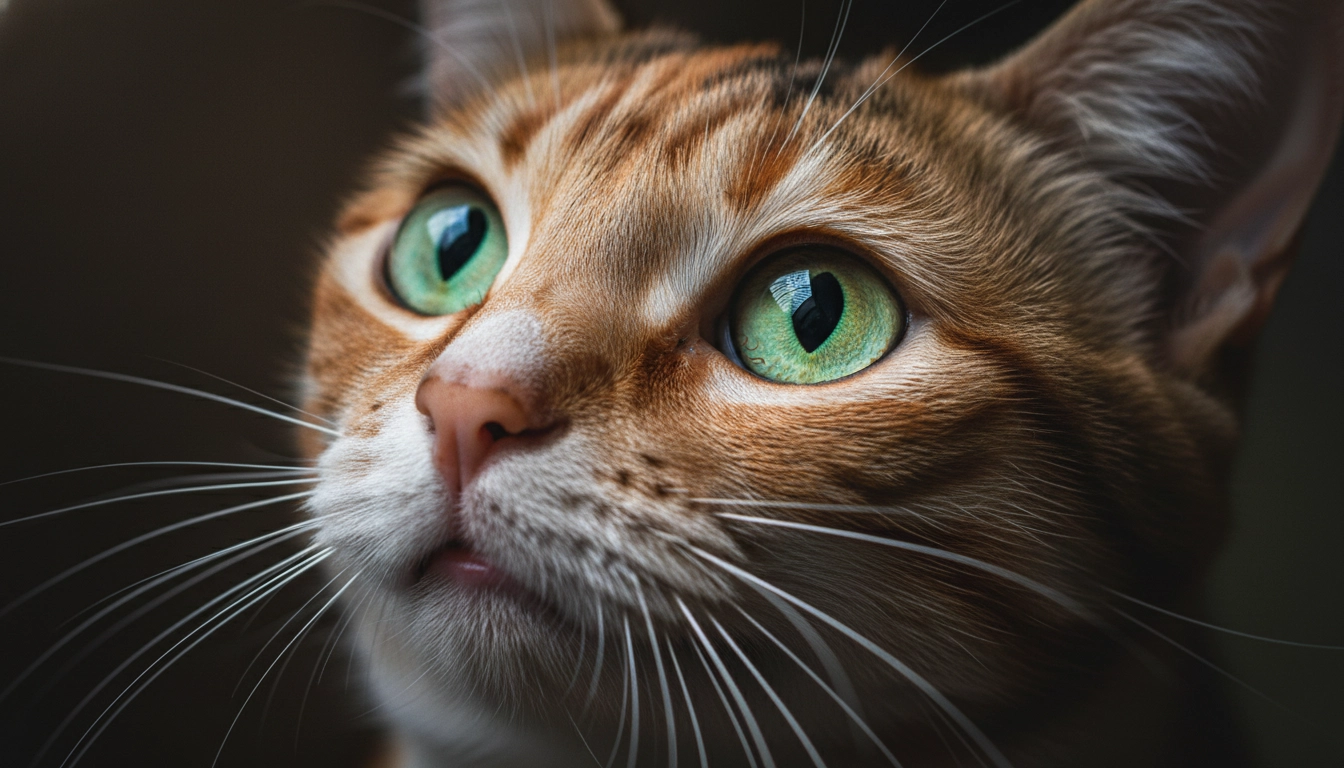
We are obligate carnivores. This is not a lifestyle choice or a trendy diet. It is biological destiny.
Our systems are wired to process animal tissue. Anything else is mostly just filler that slows us down.
Unlike humans, who seem to eat anything that is not nailed down, our bodies do not have the tools to handle a bunch of carbs.
I decided to map out exactly what my body needs versus what you think I need so we can stop having these kitchen floor arguments.
| Nutrient | Requirement | Why It Matters |
|---|---|---|
| Taurine | Mandatory | Keeps the heart beating and eyes sharp |
| Animal Protein | Essential | Fuels muscles and critical liver enzymes |
| Animal Fats | High | Provides energy and helps absorb vitamins |
| Carbohydrates | Minimal | Not needed and hard for us to digest |
My Take
If the food bag has more corn or soy than actual chicken, I am going to look at you with deep disappointment.
Our liver enzymes are tuned for high protein. It is a precision instrument. When you are wondering what foods can cats eat, remember that our requirements are not up for debate.
We need specific stuff. Taurine, for example. Without it, our hearts stop working and our eyes go dim.
That would make tracking the laser phantom across the wall almost impossible. And that is a tragedy no one wants.
The Obligate Carnivore Reality
Because cats are obligate carnivores, they lack the sweet taste receptors that humans possess. We are not interested in your cookies for the sugar, but rather for the fat content.
Our digestive tracts are short. Efficient. Built for speed. We are not like cows, standing around fermenting grass all day.
If you give us a piece of broccoli, it is mostly just passing through for the scenery. It does not do much for our muscles.
Think of us as high-performance sports cars. You would not put cheap vegetable oil in a Ferrari. We need premium fuel.
Anything less is an insult to our heritage. Understanding this is the first step toward not failing as a roommate to a feline.
Understanding What Foods Can Cats Eat Safely
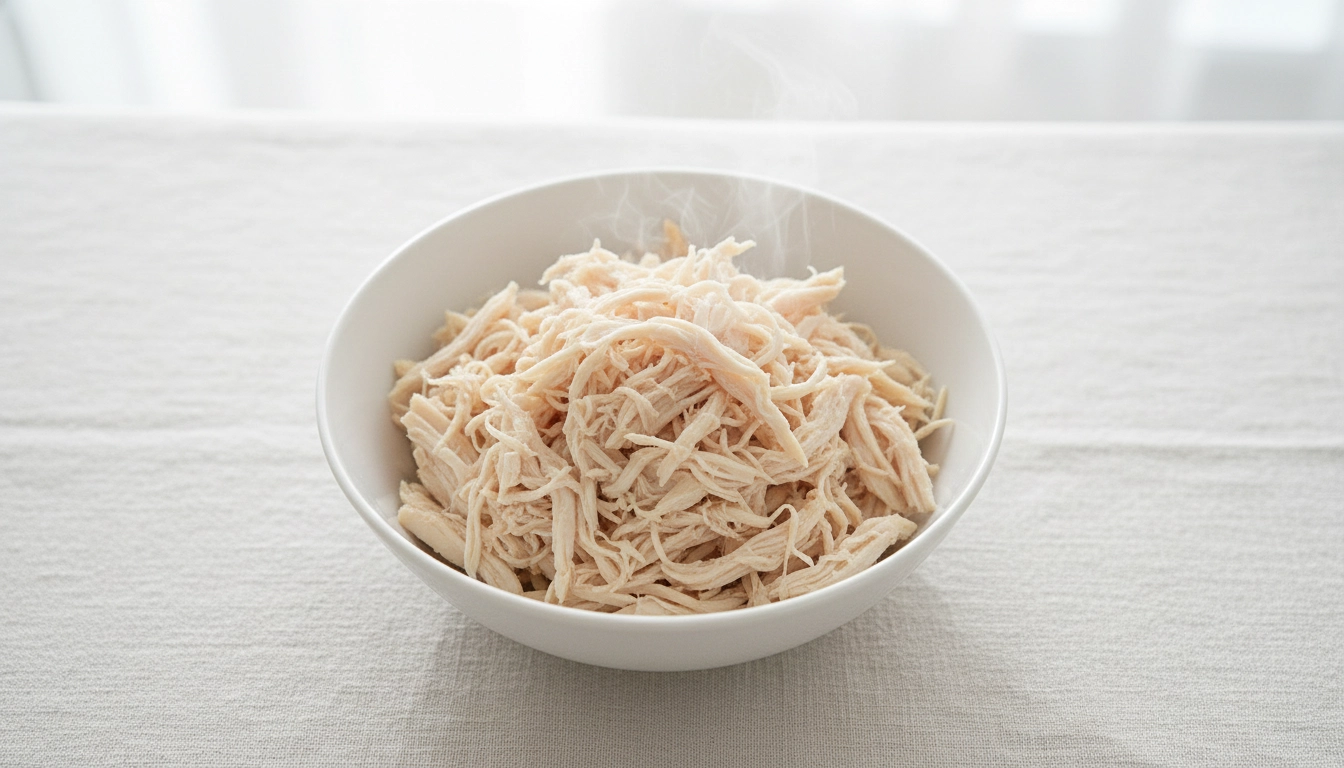
Figuring out what foods can cats eat requires you to ignore your own cravings. Safe foods are plain.
No salt. No pepper. No fancy garlic butter. Garlic is an enemy. Anything in the allium family is basically a biological weapon to us.
Most human snacks are only safe in tiny, microscopic amounts. They should never be the main event.
If you want to be a hero, stick to the basics.
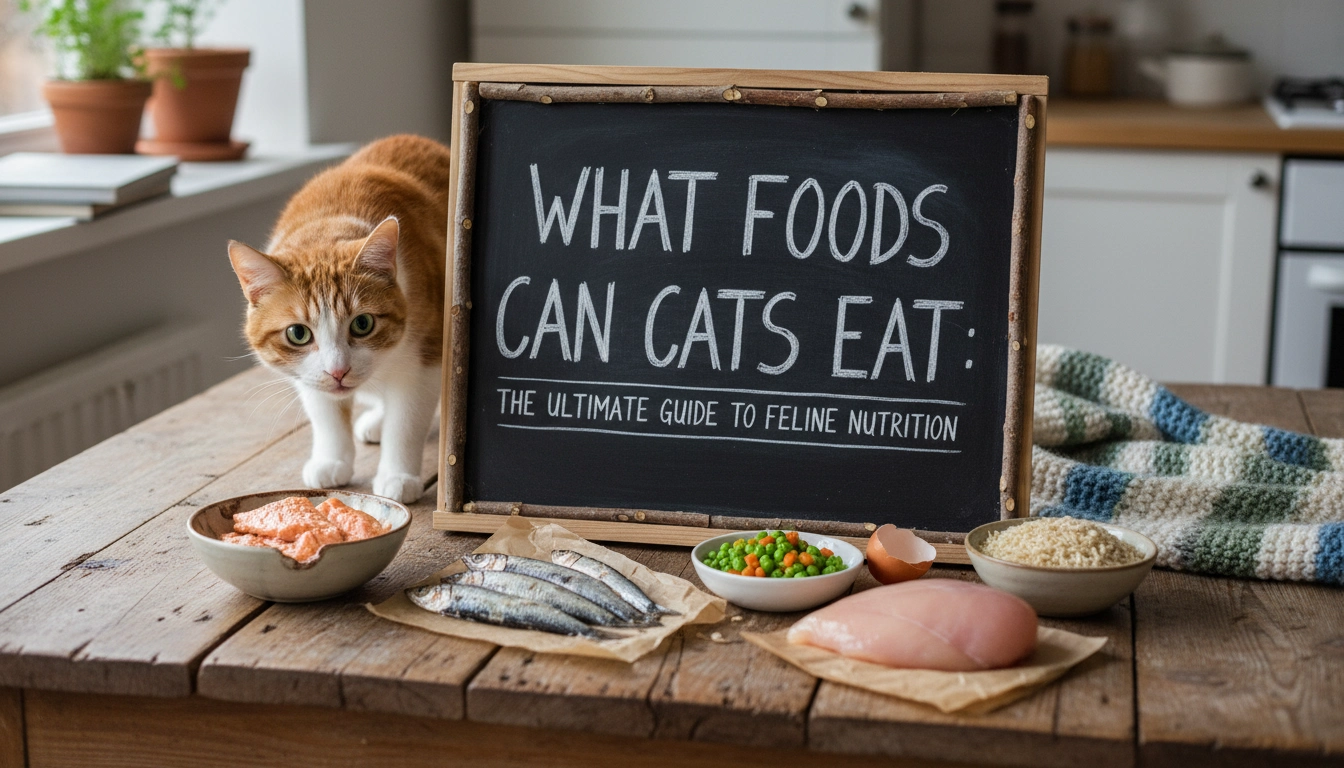
- Plain, cooked chicken. No skin. No bones. No excuses.
- White fish that has been steamed until it is flaky.
- Turkey. Plain. Not the deli stuff full of nitrates.
- Eggs. Fully cooked. Scrambled is fine, just leave out the butter.
- Green beans. Steamed. Good for the crunch, I suppose.
- Apples. No seeds. No skin. Just a tiny slice.
- Meat treats that have not been touched by preservatives.
Sharing is a social thing. We get it. But you have to be careful.
Even safe stuff can cause an upset stomach if you just dump it in the bowl. We might act like we have not eaten in three decades.
Do not believe the drama. Our systems are sensitive to change. Stick to the plan.
Safe Human Foods for Cats
Your pantry is a minefield. Only a few things in there are actually fit for consumption by a refined feline palate.
The best stuff is high in moisture and packed with protein. It needs to feel right.
It needs to smell right. And it definitely should not have been sitting on the counter since lunch.
If you must share your lunch, at least consult this list so I do not end up with a stomach ache that you have to clean up later.
| Human Food | Preparation | Benefit |
|---|---|---|
| Lean Beef | Ground or diced and cooked | High iron and protein |
| Salmon | Steamed or baked | Omega-3 for a shiny coat |
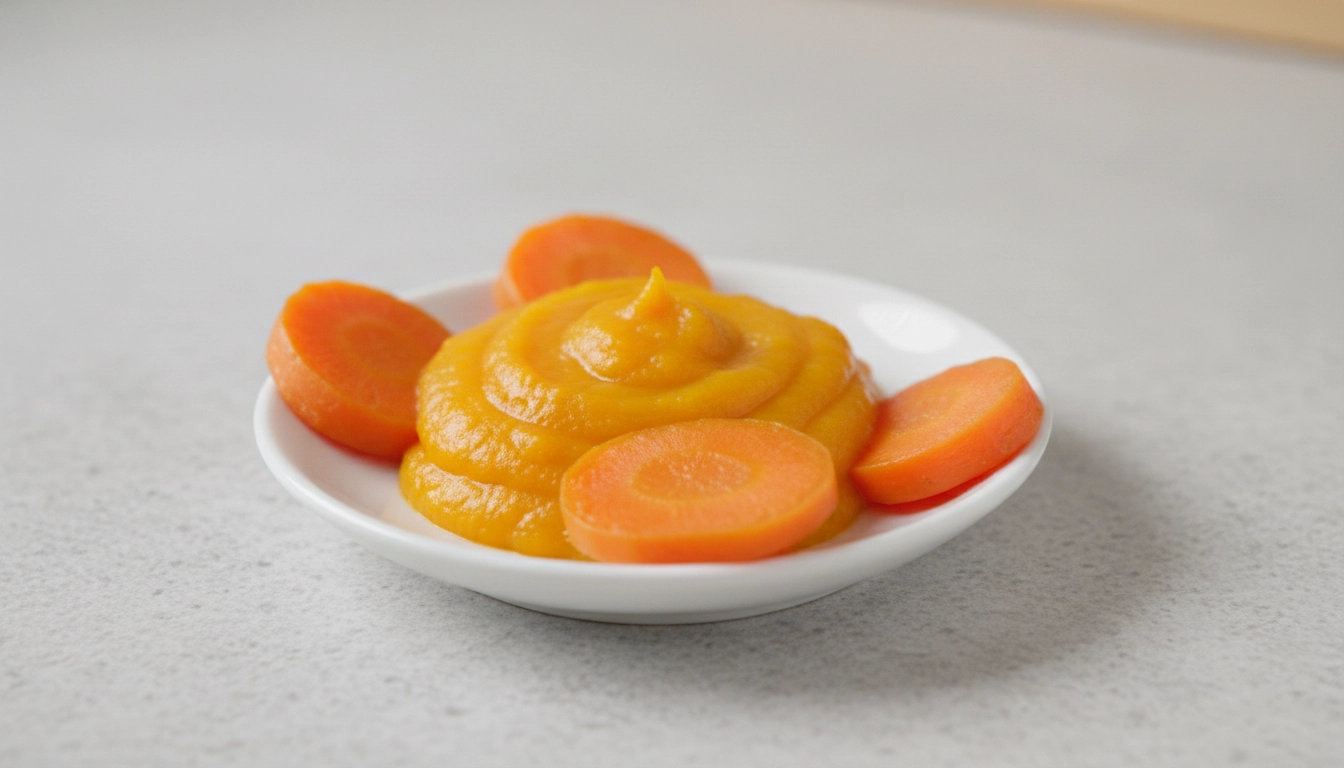
| Pumpkin | Plain puree only | Great for digestive health |
| Carrots | Mashed and cooked | Added fiber and vitamins |
My Take
Steam it or boil it, but for the love of everything, keep your spice cabinet closed when you are cooking for me.
- Lean beef. Ground up or diced. Cooked through.
- Lamb. Very small pieces. It is a bit greasy for some.
- Tuna in water. Not oil. And only once in a while.
- Salmon. Great for the fur. Makes us look even more majestic.
- Pumpkin. Just the plain puree. It helps when things get… backed up.
- Carrots. Mashed. Easier to swallow.
- Cantaloupe. Tiny cubes. No seeds.
Seasoning Alert
Never share food that has been cooked with onions, garlic, or chives. These ingredients are extremely toxic to felines and can cause life-threatening anemia.
Stop thinking that because you like it, we should too. We do not need your salads.
We do not need your spiced roasts. A simple piece of meat is the peak of culinary achievement.
Keep it simple. That is how you keep us around to judge your life choices for another fifteen years.
What Fruits Can Cats Eat?
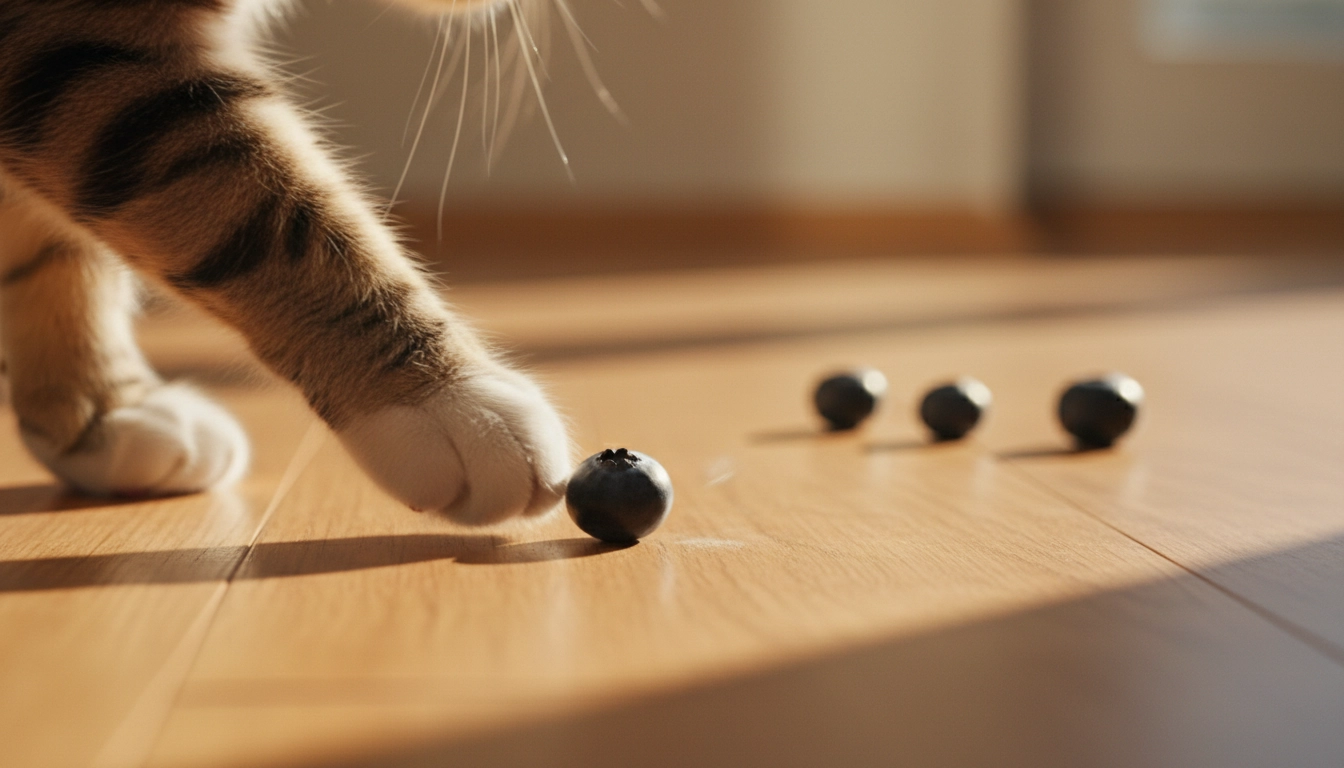
We cannot taste the sweet stuff, but sometimes the texture is interesting. Or maybe we are just bored.
If you are going to offer fruit, you better do it right. Pits out. Seeds out. Skins gone.
Those things are choking hazards or worse. Fruit is a novelty. A weird little side quest in our diet.
- Blueberries. Fun to bat around before eating.
- Strawberries. Diced small.
- Bananas. Some of us hate the mush. Some like the potassium.
- Apples. Peeled. Keep the core away from us.
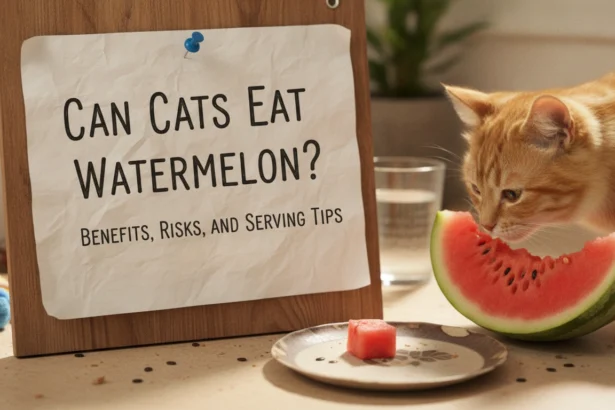
- Watermelon. Great when the house is too hot and the AC is failing.
- Cantaloupe. It smells like meat to some of us. Do not ask why.
Most of us will just sniff it and walk away to find a better nap spot. Do not take it personally.
Our ancestors were not out there gathering berries. If we do take a bite, keep it tiny.
Like, the size of a fingernail. Too much sugar makes for a very bad time in the litter box later.
What Vegetables Can Cats Eat?
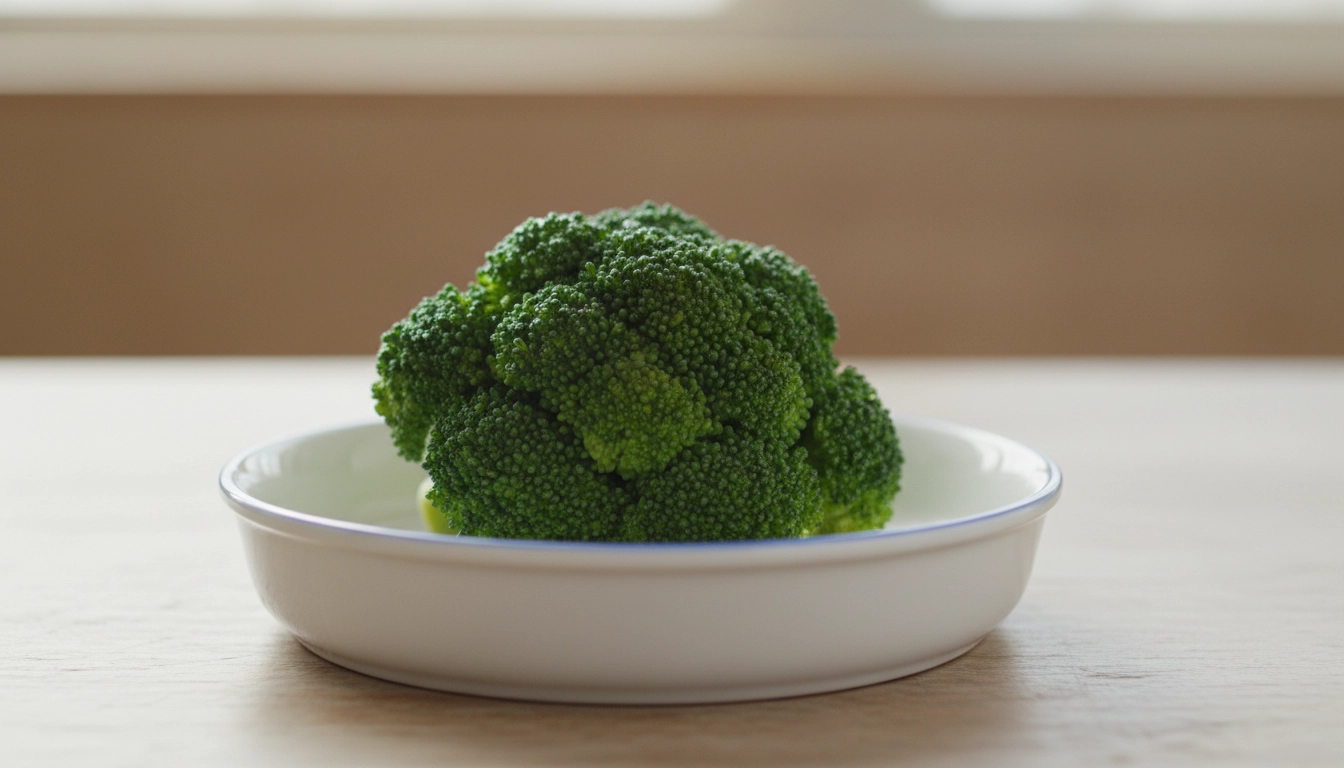
Some felines like the roughage. It helps with the hairballs. While we do not technically need greens, the crunch can be satisfying.
Steamed is always better. It breaks down the plant walls. Our guts are not built to handle raw stalks.
- Broccoli florets. Steamed until soft.
- Spinach. Just a leaf or two.
- Peas. They are already in half the canned food anyway.
- Zucchini. Shredded. Good for hydration.
- Winter squash. Mashed up.
Stay away from leeks. Stay away from shallots. Those are dangerous.
And raw potatoes? Forget it. They have solanine. That is a no-go.
If you catch us chewing on your spider plant, maybe offer a green bean instead. It might save your decor.
Or at least save the plants you keep trying to grow in the window.
What Meats Can Cats Eat?
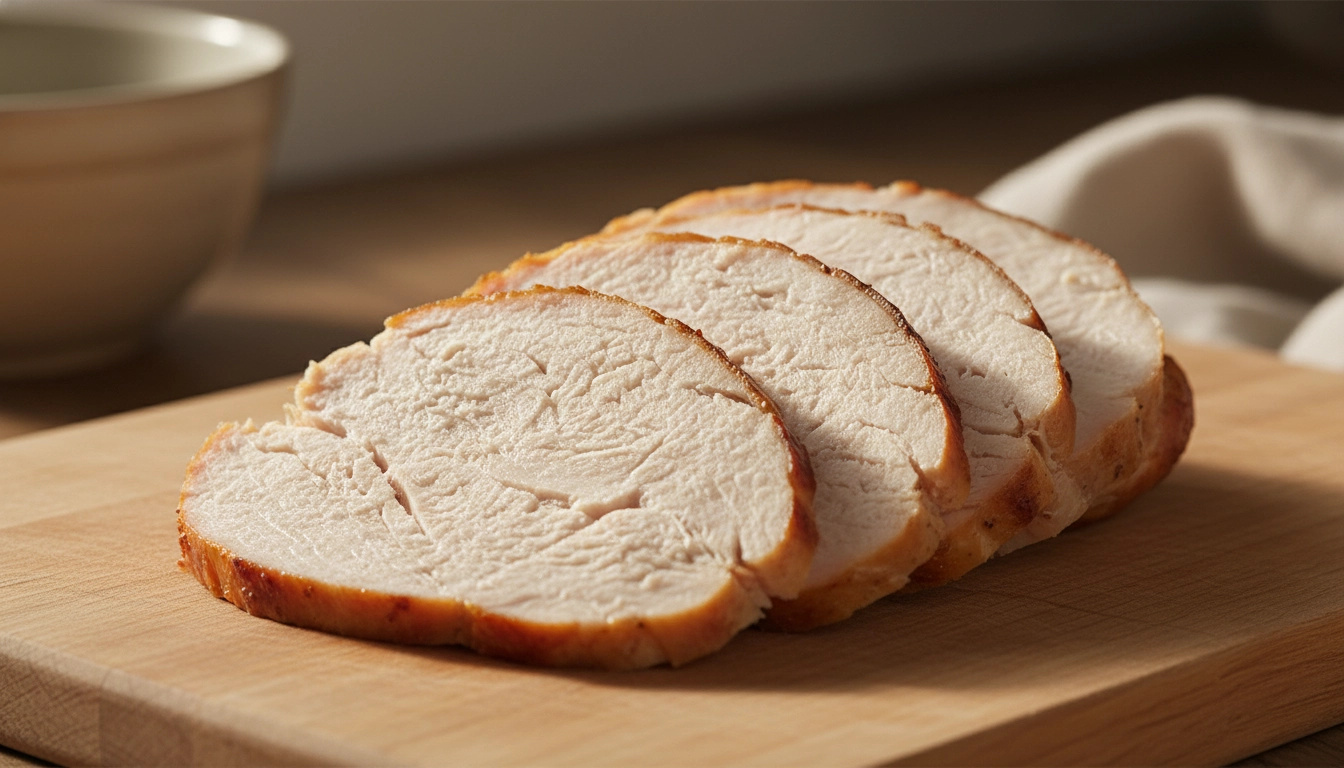
Meat is the whole point. It is the answer to the question what foods can cats eat that actually matters.
It keeps the muscles tight and the energy high. We need it for when we sprint through the house at 3 AM.
But do not just throw anything at us. Some meat is trash. Some is dangerous.
- Chicken. The gold standard.
- Turkey. A solid runner-up.
- Beef. Good for the iron.
- Lamb. High quality, but watch the fat.
- Venison. For the sophisticated palate.
Temperature Matters
Always let cooked meat cool to room temperature before offering it to your cat. Our mouths are sensitive and hot food can cause burns.
The whole raw meat thing is risky. Salmonella is real. E. coli is real.
It is not just bad for us; it is bad for you. Lightly cooked is the way to go.
No oils. No butter. Your feline will appreciate the effort.
Even if we pretend we did not notice you spent twenty minutes in the kitchen.
What Foods Are Toxic to Cats?
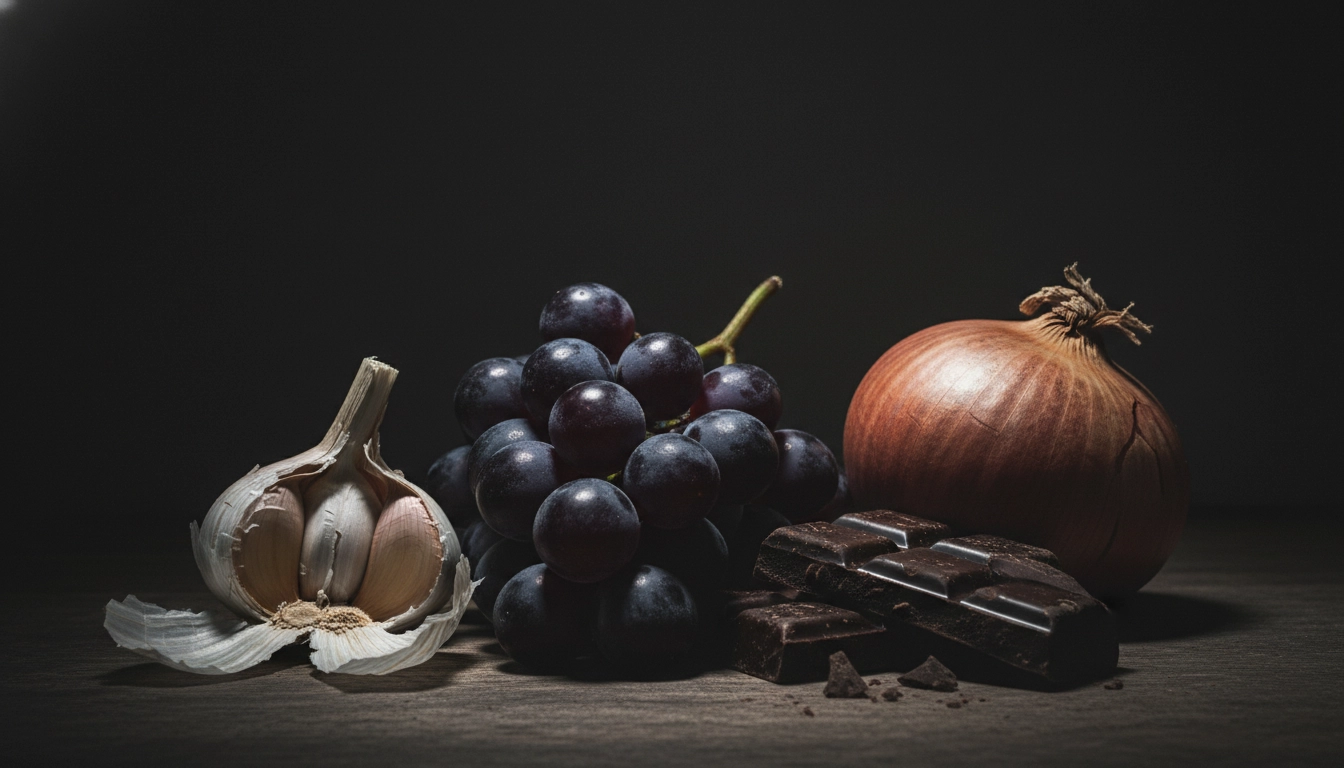
There are things in your kitchen that are basically poison. As the one in charge of quality control in my house, I am telling you: keep this stuff locked up.
Ignorance is a bad excuse. If you are going to live with us, learn the rules.
I have charted out the danger zones so you can avoid a very expensive trip to the clinic.
| Poison | Danger Level | Effect |
|---|---|---|
| Garlic & Onions | Extreme | Destroys red blood cells |
| Grapes & Raisins | Fatal | Sudden and total kidney failure |
| Chocolate | High | Heart arrhythmias and seizures |
| Caffeine | High | Extreme restlessness and heart failure |
| Xylitol | Fatal | Liver failure and drop in blood sugar |
My Take
Grapes are small but they pack a kidney-killing punch. Keep them in the fridge and off the floor.
- Grapes. They kill our kidneys. Fast.
- Chocolate. Theobromine is a heart stopper.
- Alcohol. Just do not. It leads to respiratory failure.
- Caffeine. We are already high-strung. We do not need a heart attack.
- Xylitol. It is in gum and some peanut butters. It is lethal.
- Yeast dough. It expands in the stomach. That is a rupture waiting to happen.
If we get into this stuff, do not wait. The laser phantom will not help you now.
Get us to a vet. Immediately. Speed is everything when we have eaten something like a raisin or a piece of dark chocolate.
Can Cats Eat Dairy Products?
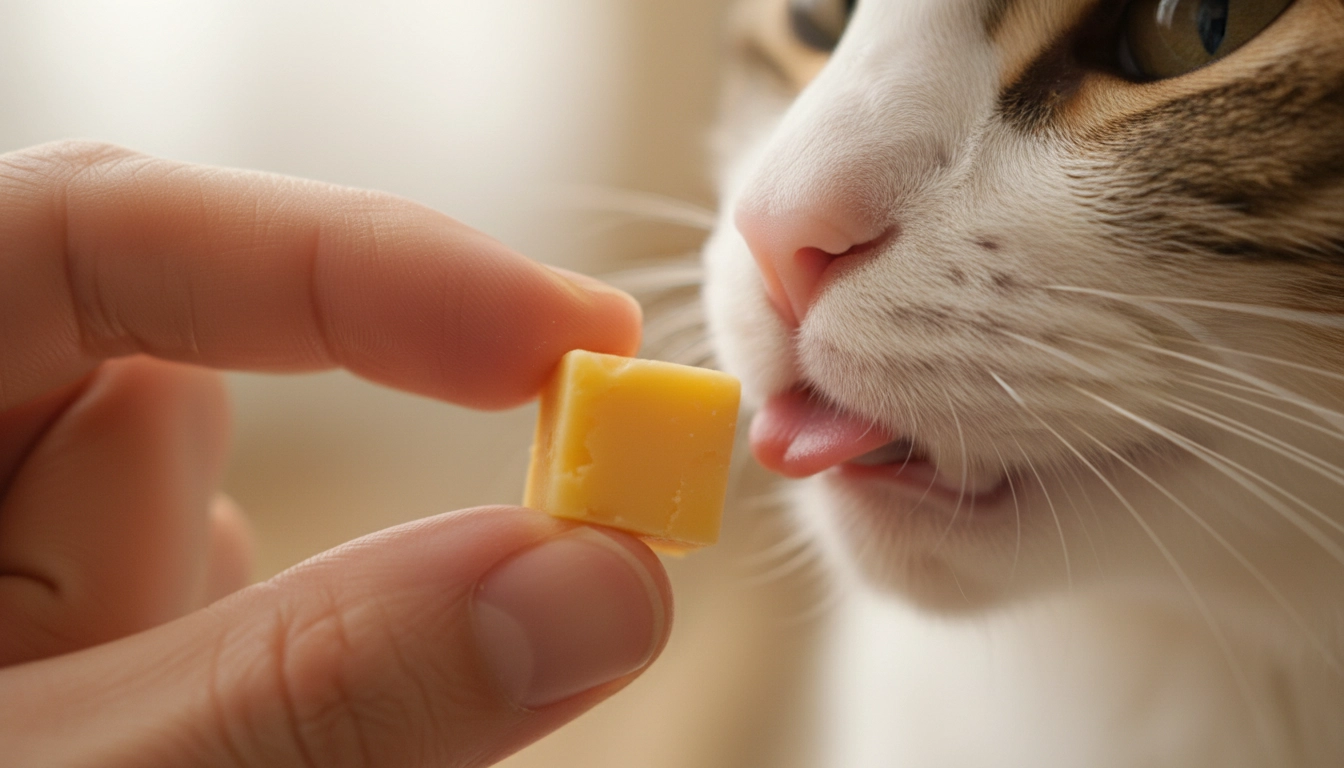
The whole cat with a bowl of milk thing is a lie. Most of us are lactose intolerant once we grow up.
We lose the enzymes. Cow’s milk just leads to gas and bloating.
And trust me, nobody wants to be in the room when that happens.
Since you keep asking about milk, I put the facts in a tidy little grid for your convenience.
| Item | Lactose Level | Recommendation |
|---|---|---|
| Cow Milk | High | Avoid entirely |
| Hard Cheddar | Low | Tiny pieces only |
| Plain Yogurt | Medium | Small spoonful is okay |
| Goat Milk | Medium | Easier on gut but still a risk |
My Take
Just because we lick the bowl doesn’t mean our stomachs won’t regret it ten minutes later.
- Yogurt. Plain. Unsweetened. Sometimes the cultures help.
- Cheddar cheese. A tiny cube. It has less lactose.
- Cottage cheese. Bland and okay in small doses.
- Goat’s milk. Slightly easier on the gut, but still risky.
If you have to give in to the begging, keep it micro. A pea-sized piece of cheese is plenty.
If there is a mess in the box later, that is your sign to stop. Water is better.
Filtered water is even better than that.
Can Cats Eat Eggs and Fish?
Eggs and fish are great. But they need prep. Raw eggs have avidin.
It messes with our B vitamins. That leads to bad skin and a dull coat.
Fish is good, but it cannot be the only thing we eat. It is missing stuff.
It is not a complete meal.
- Scrambled eggs. No milk. No butter. Just egg.
- Hard-boiled eggs. Chopped up.
- Sardines. In water. Not oil. Great for the brain.
- Salmon. Cooked. Great fats.
Watch out for bones. Fish bones are like needles. They get stuck.
They cause damage. Check every piece twice. Fish is a luxury.
An occasional treat. Too much leads to mercury problems and internal imbalances. Keep it special.
Human Foods Cats Should Avoid Completely
Beyond the poison list, there is stuff that is just plain bad. It makes us fat.
It makes us sluggish. You have to be the adult here.
Even if we are screaming at your feet.
- Deli meats. Too much salt. Too many nitrates.
- Crackers and chips. The salt is a killer for our kidneys.
- Cookies. No point. Just calories and sugar.
- Fried food. Our pancreases cannot handle that much fat.
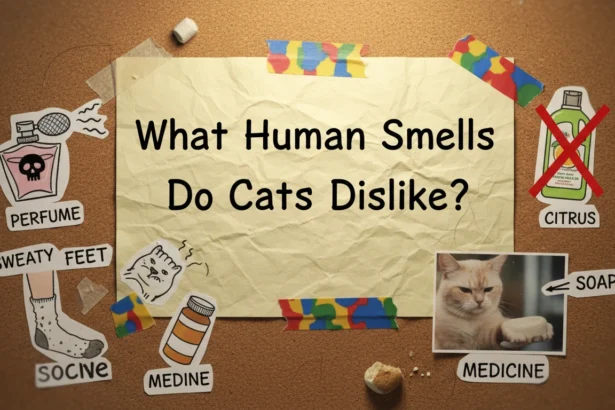
- Citrus. Most of us hate the smell anyway. It upsets the stomach.
The Salt Trap
Felines have a very low tolerance for salt. Even a few salty crackers can lead to excessive thirst and potential kidney strain.
Stay lean. It is better for the joints. Every extra ounce makes it harder to jump onto the top of the fridge.
We need to judge you from above. Stick to treats made for us.
They have the stuff we actually need to stay agile.
How to Safely Introduce New Foods to Cats
Do not just switch it up overnight. Our guts are full of specific bacteria.
They like routine. A sudden change is a recipe for disaster.
It makes us miserable. It makes your floor messy.
- Start with a piece the size of a pea.
- Wait a full day. See what happens.
- Watch the energy levels. Watch the litter box.
- One new thing at a time. Do not mix it up.
- Talk to the vet if your feline is already dealing with health issues.
If we do not want it, do not force it. We know what we like.
Sometimes a piece of zucchini is just an insult. Respect the boundaries.
We are the ones who have to live with the stomach ache.
How Much Human Food Can Cats Eat?
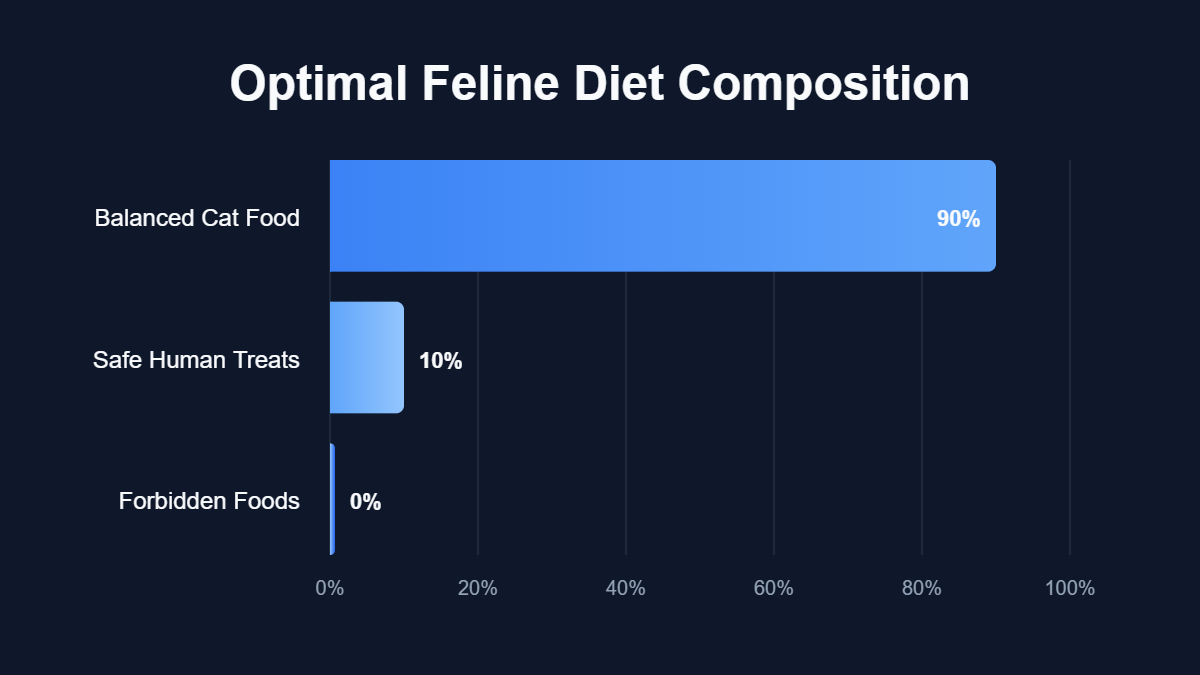
Ten percent. That is it. That is the limit.
The rest has to be actual cat food. Balanced food has the vitamins.
Human snacks are just the garnish. They do not have the foundation.
I made a little visual for you because I know how much you like looking at shapes while you drink your morning coffee.
My Take
Treats are the garnish, not the main course, no matter how much I protest at the kitchen door.
Obesity is a real problem. A single slice of cheese for us is like three burgers for you.
It adds up fast. Keep the portions tiny.
We want to stay sleek. We want to be able to chase that flickering wall-light without getting winded.
Signs Your Cat Ate Something Unsafe
Accidents happen. A piece of onion falls. A grape rolls under the table.
You need to know what a problem looks like. If we look off, do not ignore it.
- Vomiting. Over and over.
- Lethargy. Not just a nap, but a total lack of interest.
- Diarrhea.
- Drooling. More than usual.
- Shaking or trouble walking.
- Pale gums.
Do not try to fix it yourself. Do not make us throw up.
You might make it worse. Just get us to the clinic.
Let the experts handle it. They can get us back to our usual self.
Best Alternatives to Human Food for Cats
If you want to treat us, get stuff meant for us. It is safer.
It is easier. There are plenty of ways to keep things interesting.
Do it without risking a hospital bill.
- Freeze-dried liver or chicken. It is basically feline crack.
- Catnip. A classic for a reason.
- Silvervine. For those of us who think catnip is boring.
- Cat grass. Good for the digestion.
- Food puzzles. Makes us work for it.
These things satisfy the hunt. They give us the variety we want without the fat we do not need.
It keeps us away from your plate. And that is better for everyone.
The Role of Hydration in a Feline Diet
Water is a big deal. Our ancestors got their water from their food.
We are not big drinkers by nature. You have to make it easy for us.
Multiple bowls. Fresh water.
- Filter it. We can taste the chemicals.
- Fountains. The moving water is more interesting.
- Broth. Unsalted. A nice little hydration boost.
- Wet food. It is mostly water anyway.
No juice. No soda. No sweet drinks.
That is just asking for diabetes. Move the water bowl away from the food.
We do not like our water source near our kill. It is an instinct thing.
Age-Specific Considerations for Feline Diets
Kittens are different. They are growing fast. They need more of everything.
Seniors are different too. Things slow down. The metabolism changes.
The needs shift.
- Kitten food for the little ones. Lots of protein.
- Adult food for the maintainers. Watch the calories.
- Senior food. Easy on the kidneys.
- More moisture for the older crowd.
Talk to the vet when the birthdays start piling up. They can help you adjust the plan.
Keep an eye on the weight. Once we get fat, it is hard to lose it.
And nobody likes a diet.
Final Guide: What Foods Cats Can and Cannot Eat
Living with a cat is about knowing the limits. You are the one with the thumbs.
You control the pantry. Make good choices.
It impacts our whole life.
- Meat first. Always.
- Treats are tiny.
- No onions. No garlic. No grapes. No chocolate. Period.
- Watch for reactions.
- Keep the water flowing.
Knowing what foods can cats eat is part of the job. We are lounging here in the premium nap spots because we trust you.
Do not let us down. We might even let you sit on the sofa later. Maybe.
Conclusion
It is a journey of mutual respect. We act like we want everything, but we need you to say no sometimes.
Keep us healthy. Keep us happy. That is how we stay together for a long time.
The best gift is a solid diet. It fuels the 3 AM sprints.
It keeps the coat shiny. If you are not sure, do not feed it to us.
We will find something else to complain about.