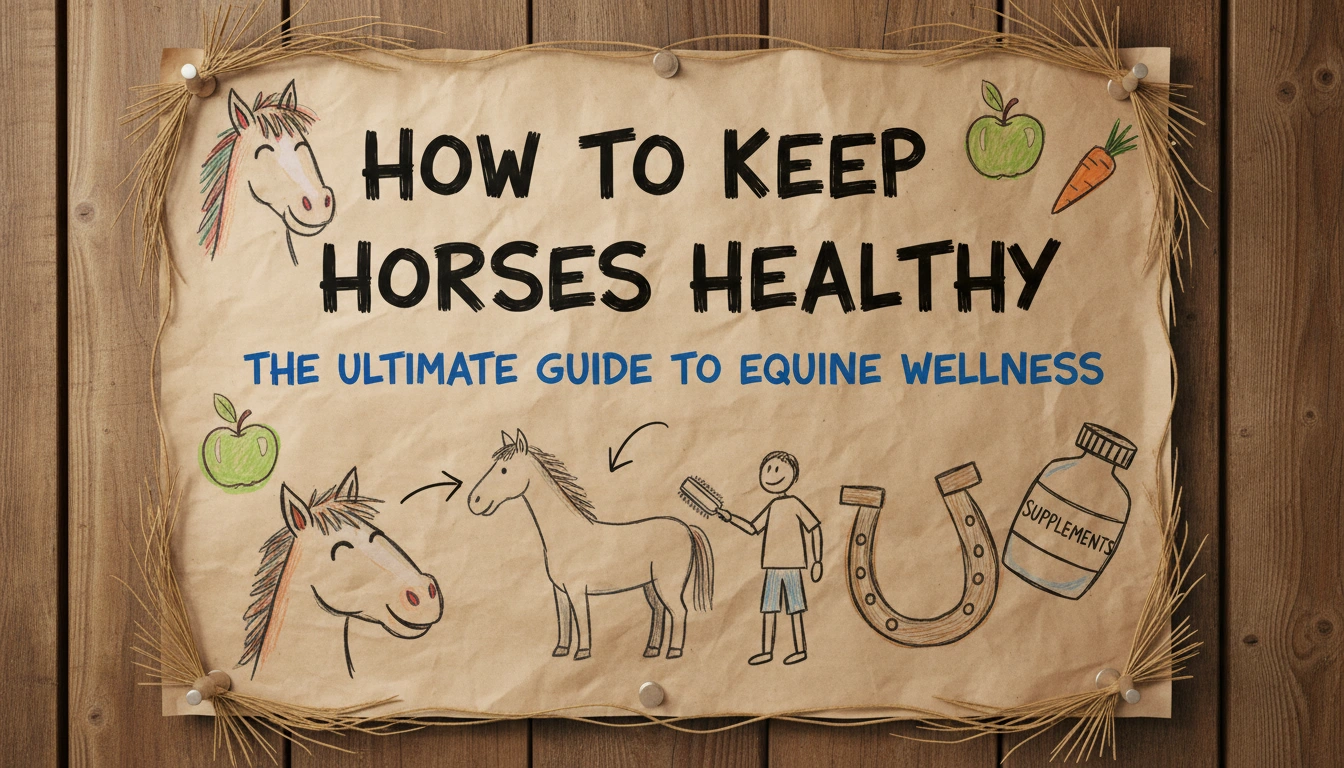
Honestly, typing this on my phone while I am out in the paddock because I see so many people getting this wrong lately. It is not about fancy trailers or those expensive supplements that smell like fake cherries.
Horse health is basically just trying to stop a twelve-hundred-pound animal from finding new, creative ways to hurt itself. I was up at Forest Ln in Mackay last week with Hailey and her new gelding, and she was stressing over every little thing.
I told her, look, just breathe. If you are stiff, he is stiff. Stop looking for a magic solution in a bucket and start looking at the horse. Really looking.
It is about the partnership, not the manual. Most of the experts make it sound like rocket science but it is mostly just common sense and dirt under your fingernails. Anyway, here is the actual reality of it.
Understanding how to keep horses healthy starts way before you ever get in the saddle. It is in the quiet. It is how they stand when they think nobody is watching.
You have to learn to see the world through their eyes, which are always searching the horizon for a reason to bolt or a reason to relax. This is about the pillars.
The stuff that actually keeps them upright and breathing properly for twenty or thirty years if you are lucky. To keep horses healthy, you need to quit overthinking.
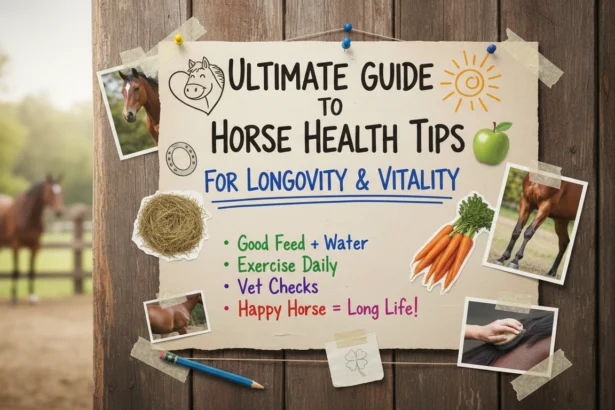
Give them good grass or hay. Give them water that you would actually be willing to drink yourself. Let them move.
If you lock a horse in a box, you are breaking their spirit and their body at the same time. You need a vet who does not mind a stupid phone call at 2 AM and a farrier who actually likes horses. That is the foundation.
Understanding The Basics Of Equine Wellness
When we talk about health, I am not talking about a lack of a cough. I am talking about that rhythmic balance where everything just clicks.
Think of it like a herd. If one horse is out of sync, the whole group feels the tension. A horse’s body is the same.
The gut, the lungs, the legs—they all have to talk to each other. If the hooves are sore, the back gets tight. If the back is tight, the digestion gets wonky.
I like to look at the whole picture, so I put together a simple way to tell if your horse is in that sweet spot of health.
| Body Part | What To Look For | Why It Matters |
|---|---|---|
| Eyes | Clear and bright | Shows mental and physical alertness |
| Coat | Natural shine | Reflects internal health and nutrition |
| Ears | Moving and responsive | Indicates the horse is engaged |
| Stance | Balanced on all four | Shows lack of pain or strain |
My Take
If one of these is off, do not panic. Just start watching closer. The horse will tell you what is wrong if you give them the time to speak.
It is all connected. You see it in the coat first, usually. A healthy horse has a shine that looks like it is coming from the inside, not from a spray bottle.
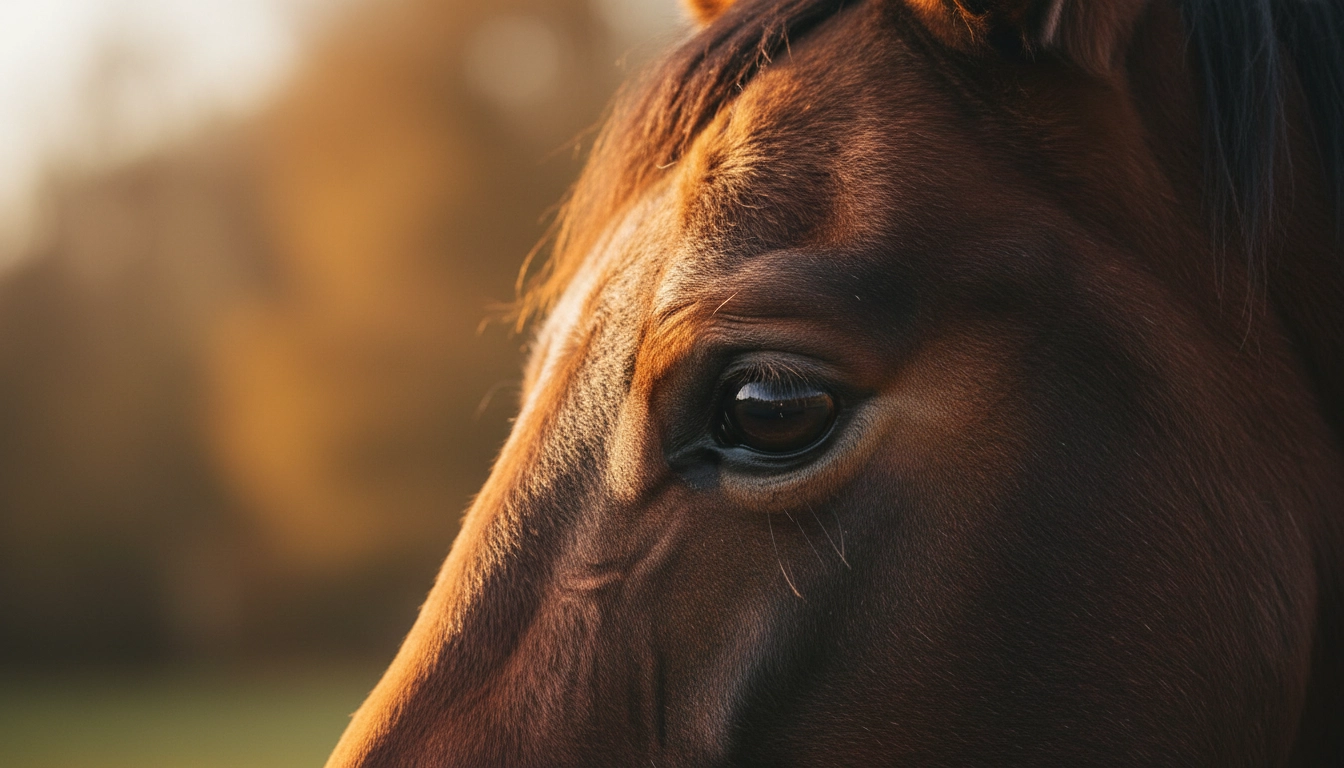
Their eyes are clear. They do not look checked out. You have to listen with your eyes to hear what they are not saying.
A healthy horse has an internal fire. Not a crazy fire, but a steady one. They want to move with the herd.
They want to engage with you. If they are standing in a corner with their head down and their ears flopped to the side like wet rags, something is wrong.
You have to know their normal before you can spot the weird.
The Natural State
Horses are trickle feeders designed to move up to twenty miles a day while grazing on varied grasses.
Proper Nutrition For Horses
The gut is the engine. And it is a weird engine. It is huge but also incredibly fragile.
It is designed to have a constant trickle of fiber moving through it. Imagine a conveyor belt that never stops. If it stops, you have a disaster on your hands.
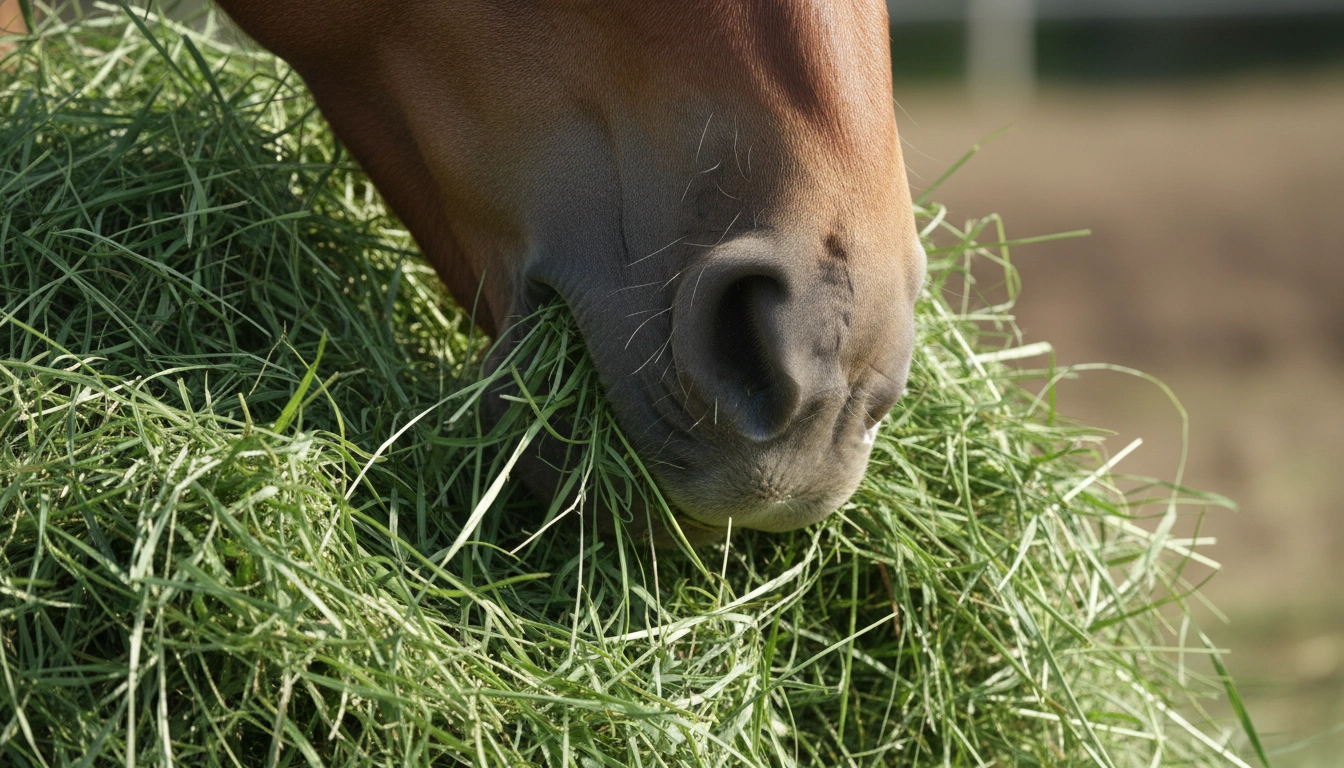
That is why forage—real, long-stem fiber—is the only thing that matters at the end of the day.
People get confused by all the bags at the feed store, so let’s look at what actually fills the belly and what just adds fuel.
| Feed Type | Purpose | How Much |
|---|---|---|
| Grass Hay | The foundation | Most of the daily diet |
| Fresh Pasture | Natural grazing | As much as the land allows |
| Grains | Extra energy | Only if they are working hard |
| Salt Block | Minerals | Always available |
My Take
Keep it simple. Most horses just need good grass and a clean place to stand. The rest is usually just for our own peace of mind.
You need hay that does not make you sneeze. If it is dusty, their lungs are going to pay the price.
I have seen so many people try to save twenty bucks on a bale of hay only to spend two thousand on a vet bill later. It makes no sense.
This nutritional foundation is literally the difference between a horse that thrives and one that just survives.
Grains are for work. If your horse is just sitting in a field looking pretty, they probably do not need a bucket of sugar twice a day.
It makes them hot in the head and sore in the feet. Overloading them with starch is a shortcut to laminitis, and that is a nightmare nobody wants to walk through.
Use a scale. Do not just guess with a coffee can. A scoop of one grain weighs way more than a scoop of another.
It is about the weight. And keep the meals small. Their stomachs are tiny compared to their total size.
They are not dogs; they cannot just eat one big meal and call it a day.
Feed Changes
Never change a horse’s diet abruptly as this can trigger a colic episode by disrupting the gut flora.
Importance Of Clean Water Supply
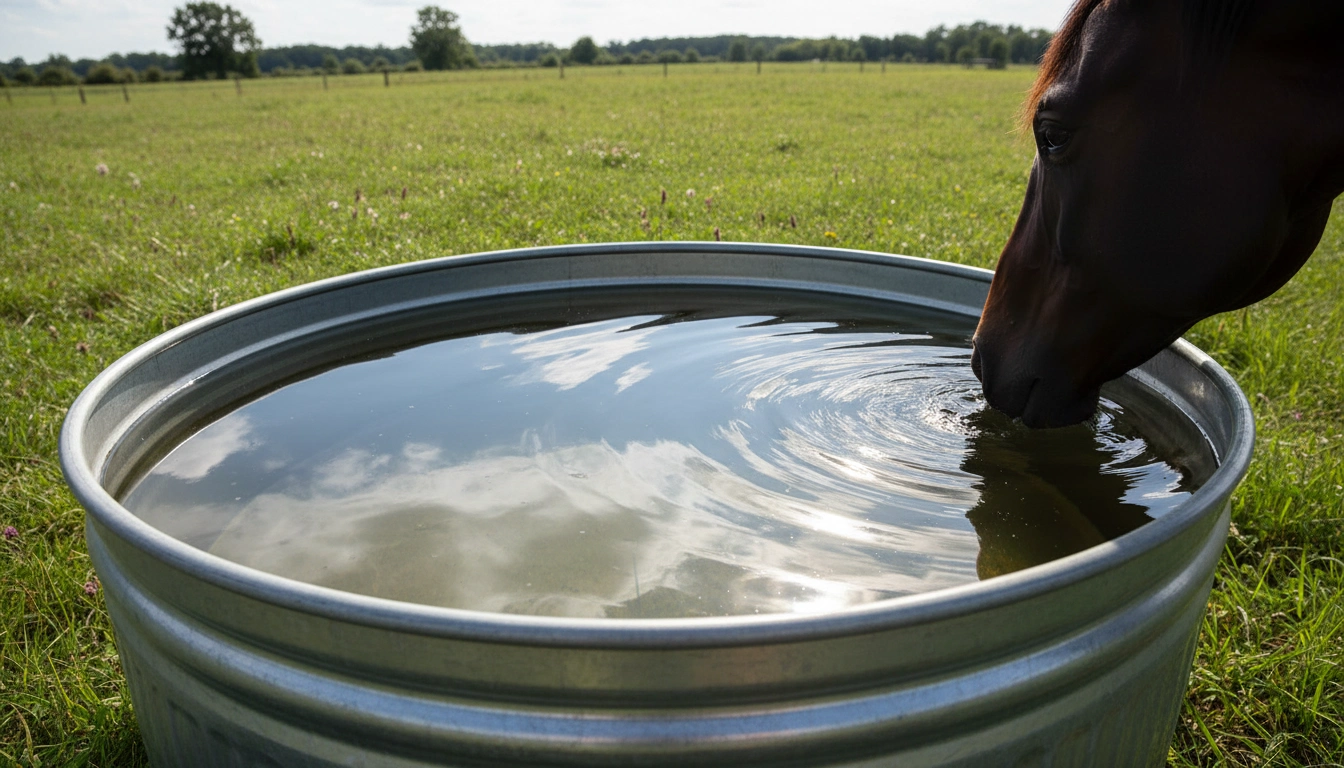
Water is the big one. People forget. They see a trough with a layer of green slime and think it is fine, they are animals.
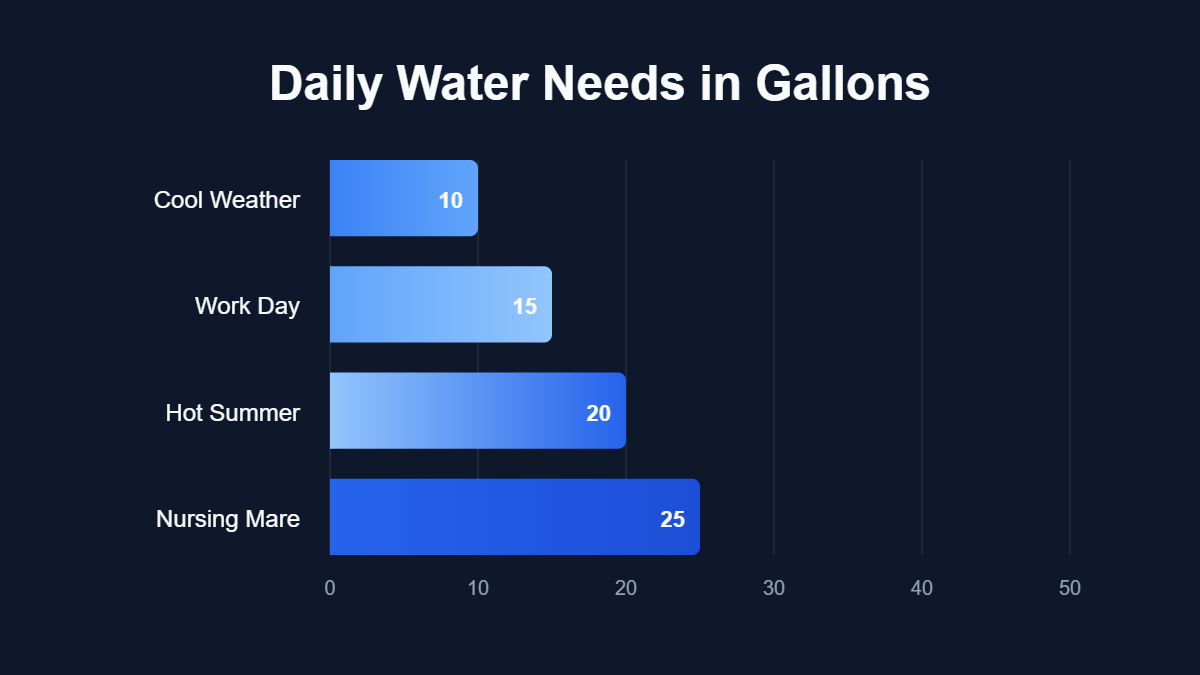
No. If you would not dip a cup in there and take a sip, why should they? A big horse can put away fifteen gallons a day.
If it tastes like iron or rot, they will stop drinking.
Most people do not realize how much water a horse actually drinks until they have to haul the buckets themselves.
My Take
Water is the cheapest medicine you will ever buy. If the bucket is empty or dirty, you are asking for a big vet bill.
And then you get impaction colic. Basically, the food gets stuck because there is no moisture to move it along.
It is a slow, painful way for a horse to go. Scrub the buckets. It is annoying work, but it is the most important thing you will do all day.
In winter, it is even harder. I hate breaking ice. Everyone does.
But if that water is near freezing, they will not drink enough. Get a heater.
Make it easy for them to stay hydrated. A hydrated horse is a horse that can regulate its own temperature.
Regular Exercise And Physical Activity
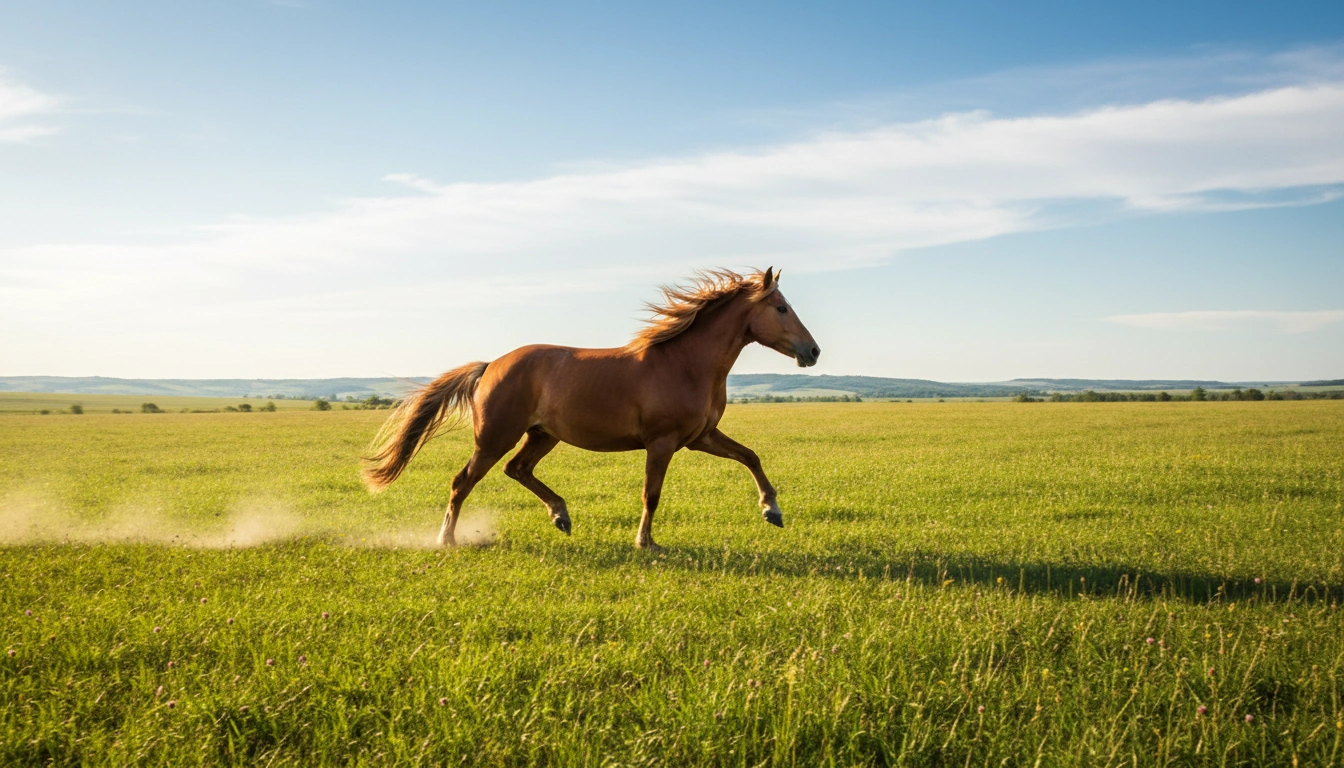
A horse is a creature of the horizon. They are not meant to stand still.
Movement is what pumps blood up from their hooves back to their heart. It is what keeps the gut moving.
When they walk, they are literally massaging their internal organs.
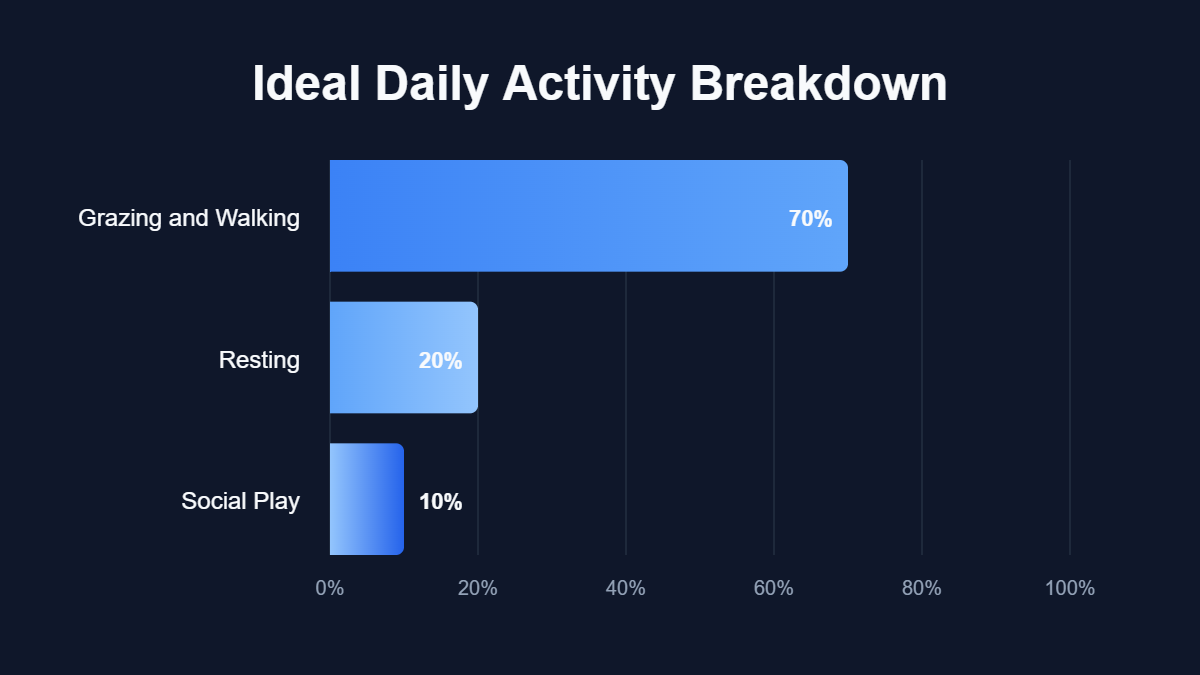
Movement is life for a horse, and here is how they should ideally spend their time if we let them be natural.
My Take
A horse standing still is a horse getting stiff. Even if you do not ride, get them moving in the field.
If they have to live in a stall, you owe it to them to get them out. Every single day.
This active lifestyle is not a luxury. It is a biological requirement. It keeps the joints lubricated.
Think about how you feel after a long flight—stiff, cranky, swollen. That is a stalled horse, every day.
Turnout is best. Let them be horses. Let them run and buck and be idiots for a while.
It prevents those stable vices like chewing on the wood or pacing back and forth. A tired horse is a happy horse. A bored horse is a destructive horse.
How To Keep Horses Healthy? Through Routine Veterinary Care
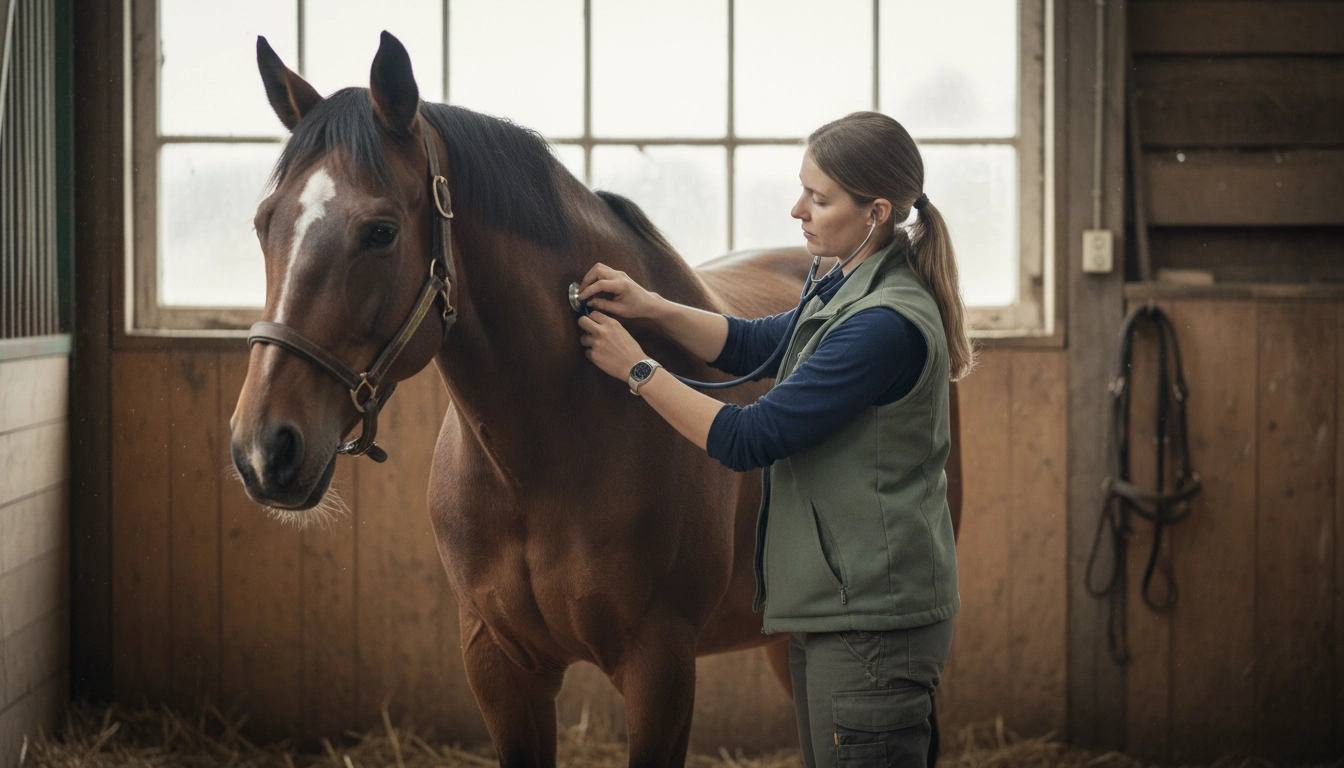
Your vet should be your partner. This is the Partnership Ethos I always talk about.
You should not only see them when the horse is bleeding or dying. You want them there when things are boring.
An annual checkup is like a baseline.
You need to know what normal looks like before the vet arrives, so you can give them the right information over the phone.
| Vital Sign | Normal Range | How To Check |
|---|---|---|
| Heart Rate | 30 to 40 beats | Use a stethoscope behind the elbow |
| Temperature | 99 to 101 degrees | Use a digital rectal thermometer |
| Respiration | 8 to 15 breaths | Watch the flank for movement |
My Take
Write these numbers down on a card and staple it to your tack room door. You will not remember them when you are stressed.
It is about catching the little things. Maybe a heart murmur that is just starting, or a slight hitch in their stride that you have become blind to because you see it every day.
The vet has fresh eyes. They see the stuff we miss.
They will check the vitals. They will listen to those gut sounds—that gurgling that sounds like a storm in their belly.
That is the sound of a healthy horse. No sound is bad news.
Spend the money on the exam now so you do not spend it on the emergency later.
Vaccination And Deworming Schedule
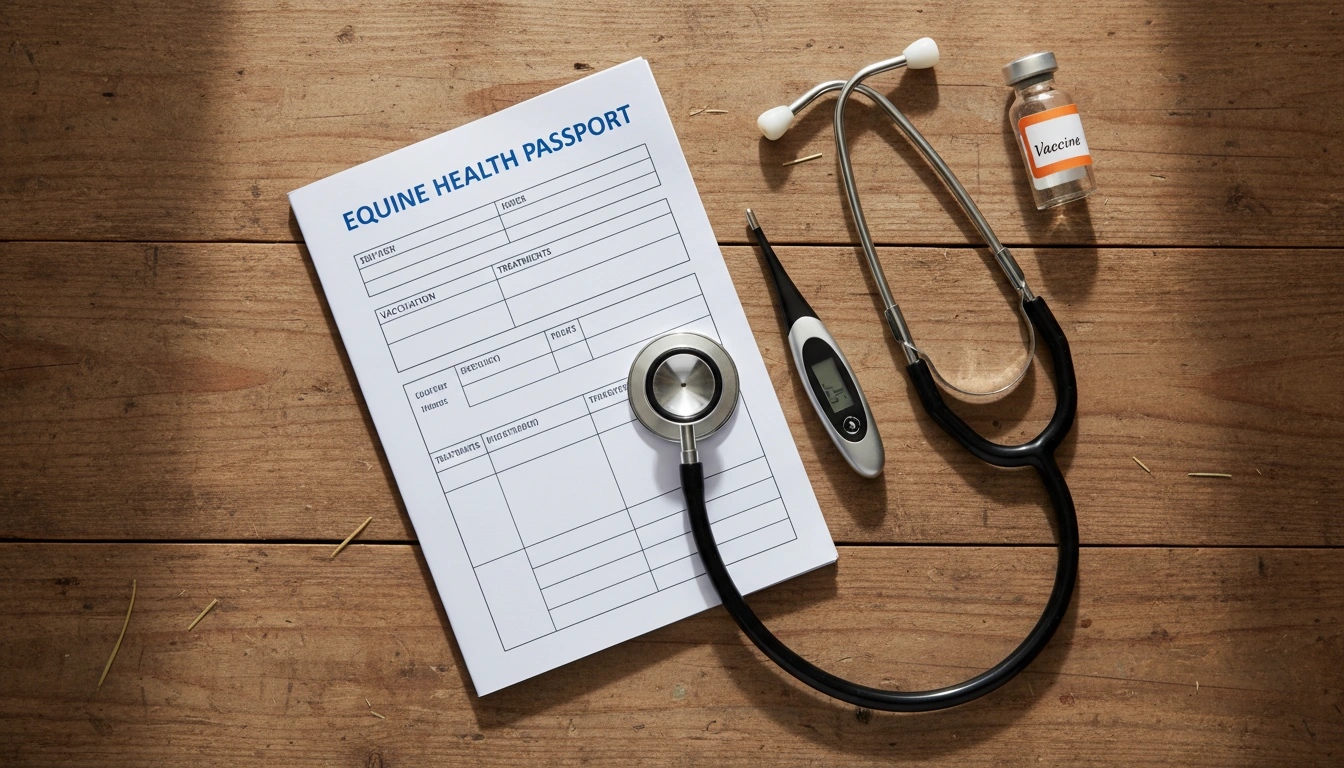
Vaccines are not a suggestion. Tetanus is everywhere in the dirt. Rabies is real.
You do not want to play games with these. Your schedule depends on where you live and if you are hauling the horse to shows or just keeping them at home.
And deworming has changed. We used to just paste them every few months. Now we know better.
The worms are getting smart and resistant to the drugs. You have to do fecal counts.
Work with the vet to see who is actually wormy and who is not.
This parasite management is the only way to keep the pastures clean and the horses healthy without over-medicating them. It is about being precise, not just loud.
Hoof Care And Farrier Visits
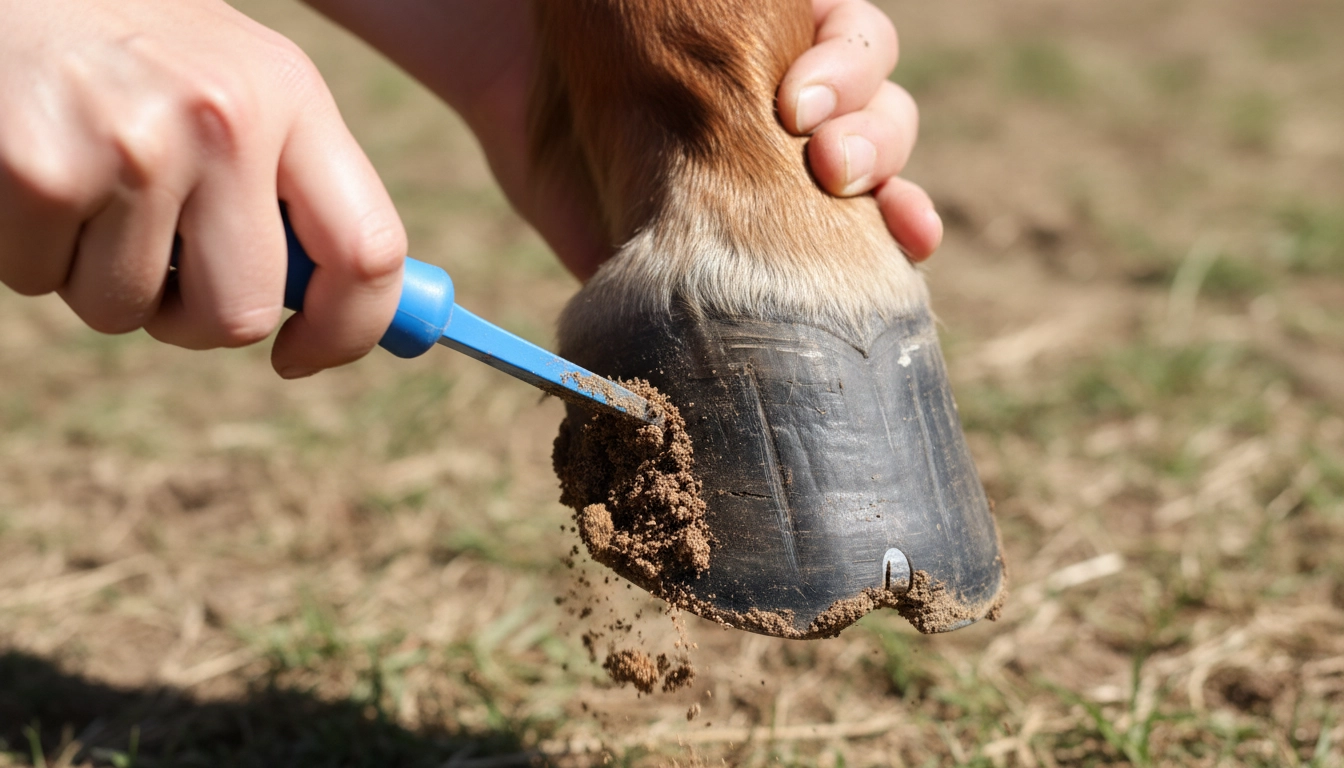
No foot, no horse. It is an old cliché because it is one hundred percent true.
Those four hooves are carrying half a ton of weight. If they are long, or unbalanced, or cracking, the whole structure starts to fail.
You need a farrier every six weeks or so. Even if they do not have shoes.
The hooves grow just like your fingernails, and they need to be trimmed to keep the angles right.
I’ve seen a lot of feet in my time, and keeping them right is a team effort between you and your farrier.
| Task | Who Does It | How Often |
|---|---|---|
| Cleaning | The Owner | Every single day |
| Trimming | The Farrier | Every six weeks |
| Balancing | The Farrier | Every visit |
| Checking for Heat | The Owner | Every morning |
My Take
Your farrier is your best friend. Pay them on time and keep the horse’s legs clean before they show up.
If the toe is too long, it puts a massive strain on the tendons in the back of the leg. It is like walking in flippers all day.
Pick the feet out. Every time you see the horse. Check for rocks.
Check for thrush—that black, stinky rot that happens in wet weather. If you are not looking at the bottom of the foot, you are not really looking at the horse.
Daily Hoof Check
Use your hand to feel for heat in the hoof wall which can indicate an underlying bruise or infection.
Maintaining A Clean And Safe Stable
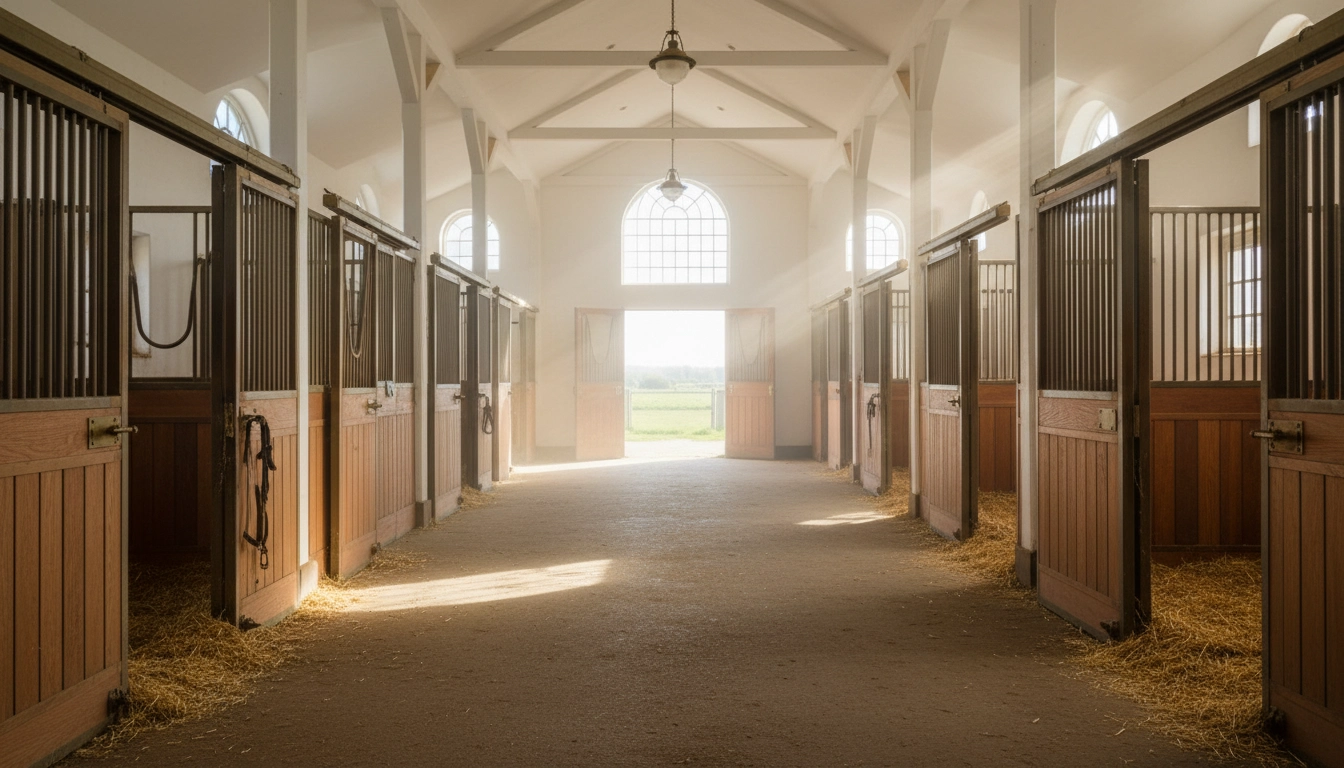
If you keep them inside, the air is everything. Ammonia from urine is like acid for their lungs.
You cannot just mask the smell with fresh shavings. You have to get the dirty stuff out. Every day. No exceptions.
Good ventilation is non-negotiable. A barn should never smell like horse.
It should smell like fresh air and maybe a little hay. If it is buttoned up tight, the moisture and the dust just sit there, and that is how you get heaves.
Walk your fences. Look for the widow-makers—loose wires, broken boards, or nails sticking out.
Horses are accident magnets. If there is a way for them to get stuck or cut, they will find it. It is their superpower.
Grooming And Skin Care
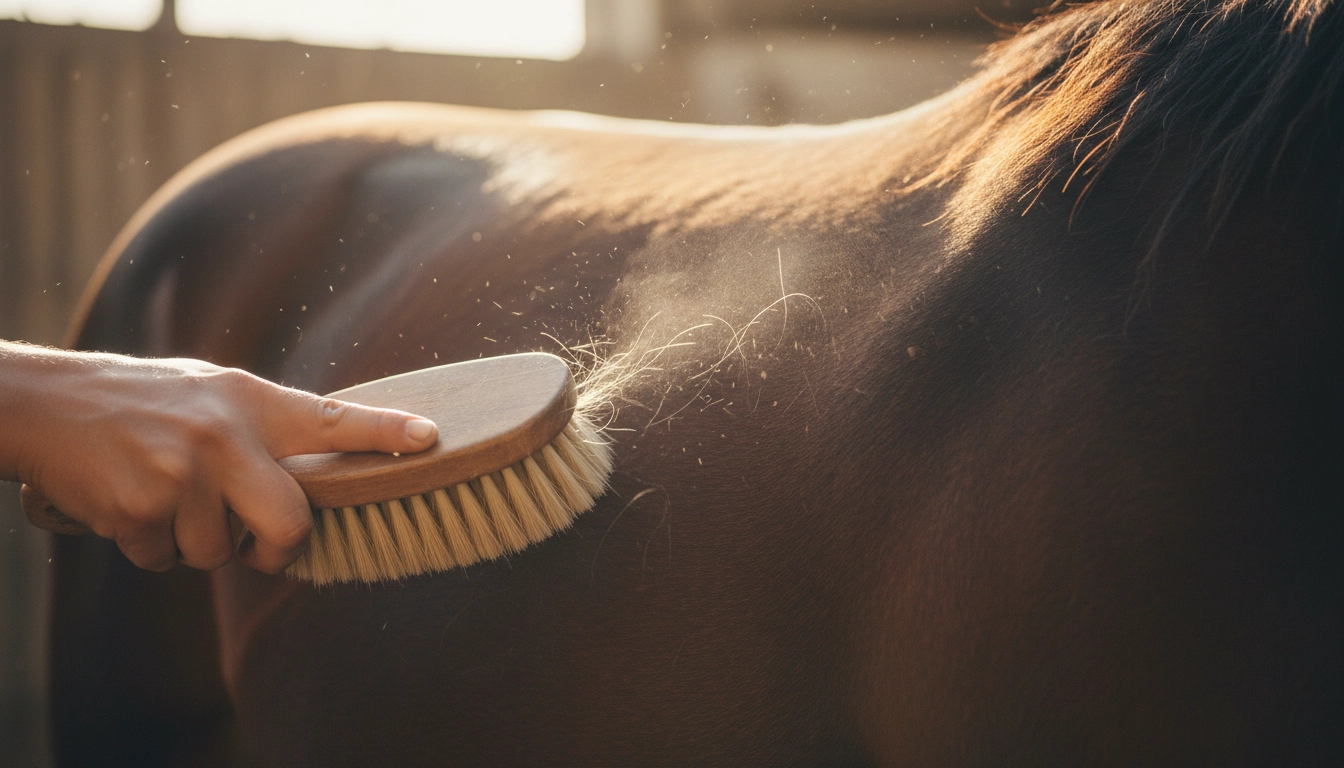
Grooming is not just for beauty. It is an inspection.
When you run a curry comb over them, you are feeling for heat, for bumps, for ticks. You are noticing if they flinch when you touch their girth area.
It is also social grooming. In the herd, they bite and scratch each other to bond.
When you brush them, you are acting like a herd mate. It builds trust. It tells the horse you are paying attention.
Pay attention to the skin. Rain rot, scratches, fungus—these things start small.
If you catch them when they are just a little crusty patch, they are easy to fix. If you wait, you will be fighting a losing battle for months.
Monitoring Horse Behavior And Health Signs
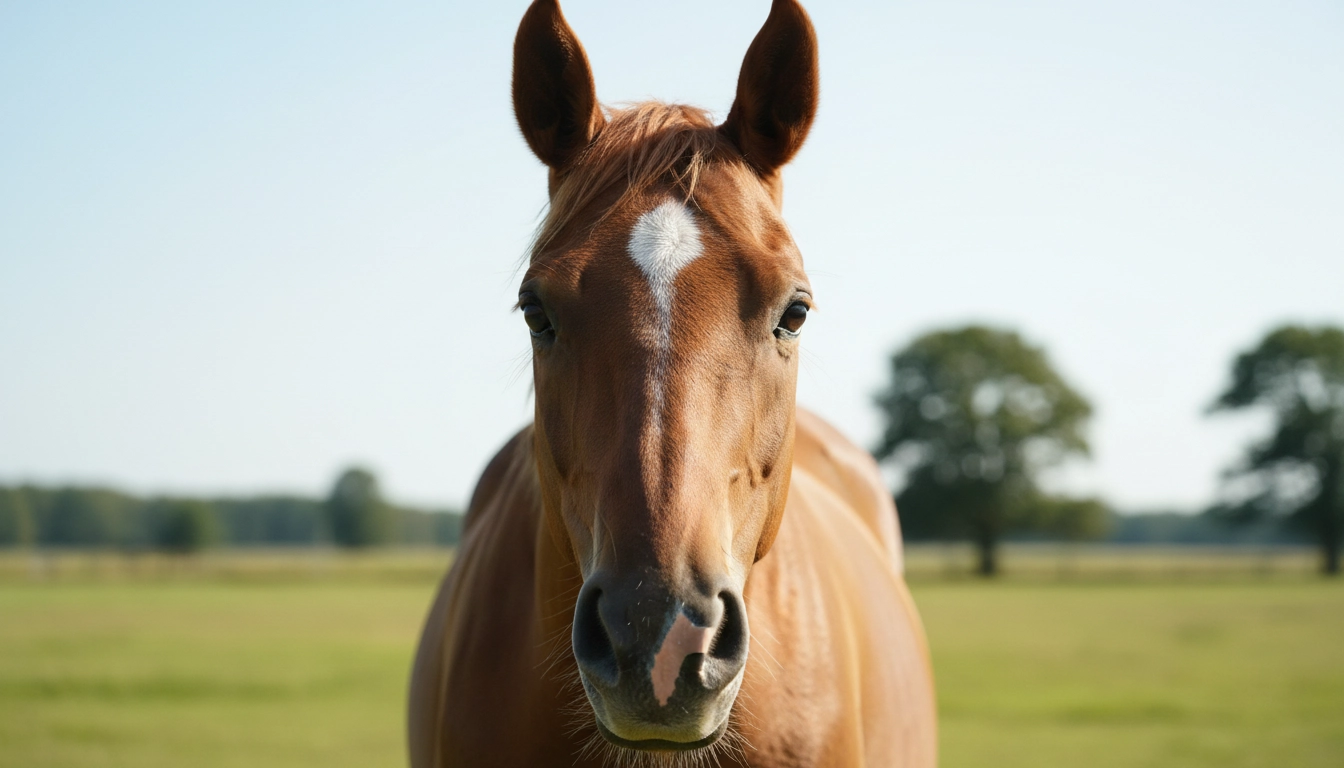
You have to know your horse’s language. Their ears are like satellite dishes.
If they are pinned back hard against the neck, they are angry or in pain. If they are floppy and pointing out to the sides, they are relaxed.
If one is back and one is forward, they are listening to the conversation between you and the environment.
Watch how they stand. If they are pointing a front toe, that foot might be sore.
If they are tucked up in the belly, they might be colicking. You are the expert on your horse. Not the vet. Not me. You.
Take their temperature sometimes when they are fine. It is good practice.
If you know what normal feels like, the abnormal will jump out at you like a neon sign.
Dental Care For Horses
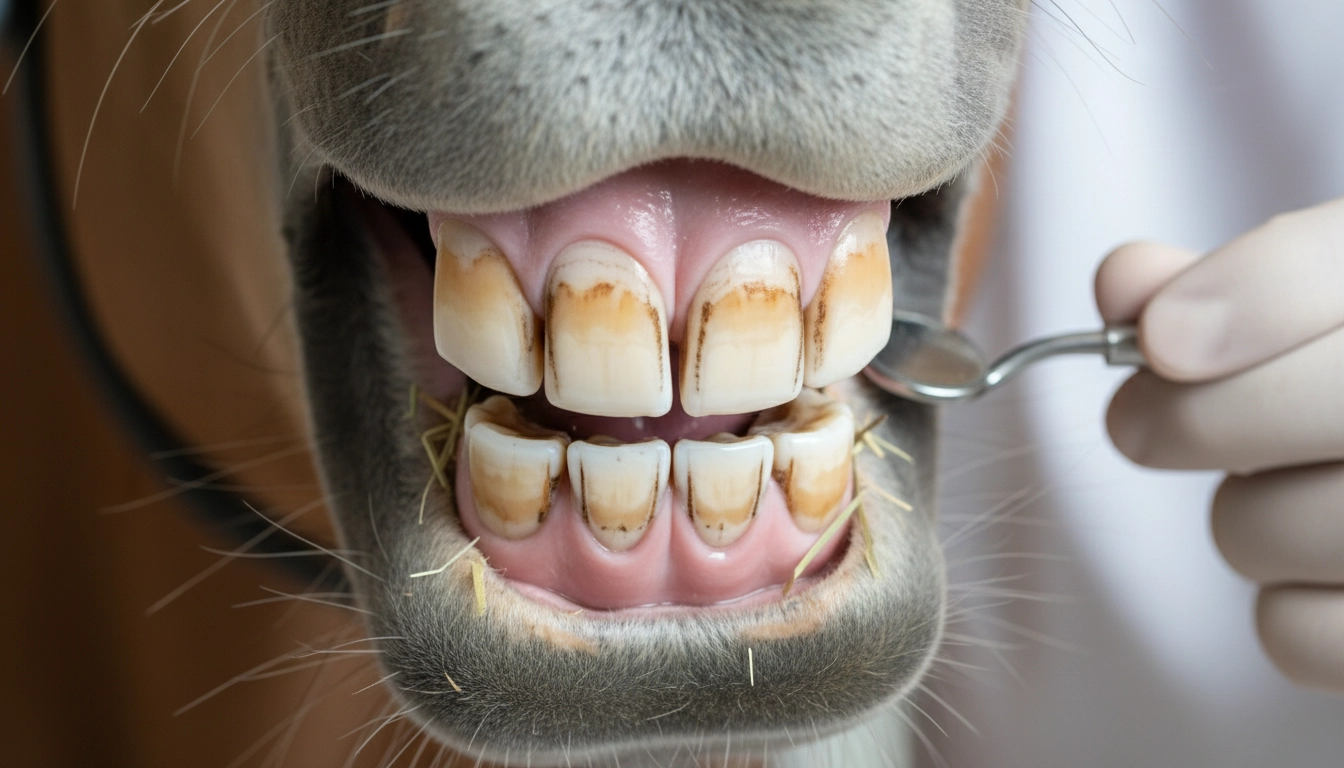
Horses chew in a circular motion. Their teeth grow forever, and they wear them down into sharp points on the outside of the top and the inside of the bottom.
Imagine having a mouthful of razor blades. That is what it is like for them if you do not float their teeth.
They will start quidding—dropping little balls of half-chewed hay. Or they will fight the bit because it is pushing their cheek against a sharp tooth.
Once a year, get the dentist or the vet out to rasp those points down. It makes a world of difference in how they hold their weight.
Parasite Control And Prevention
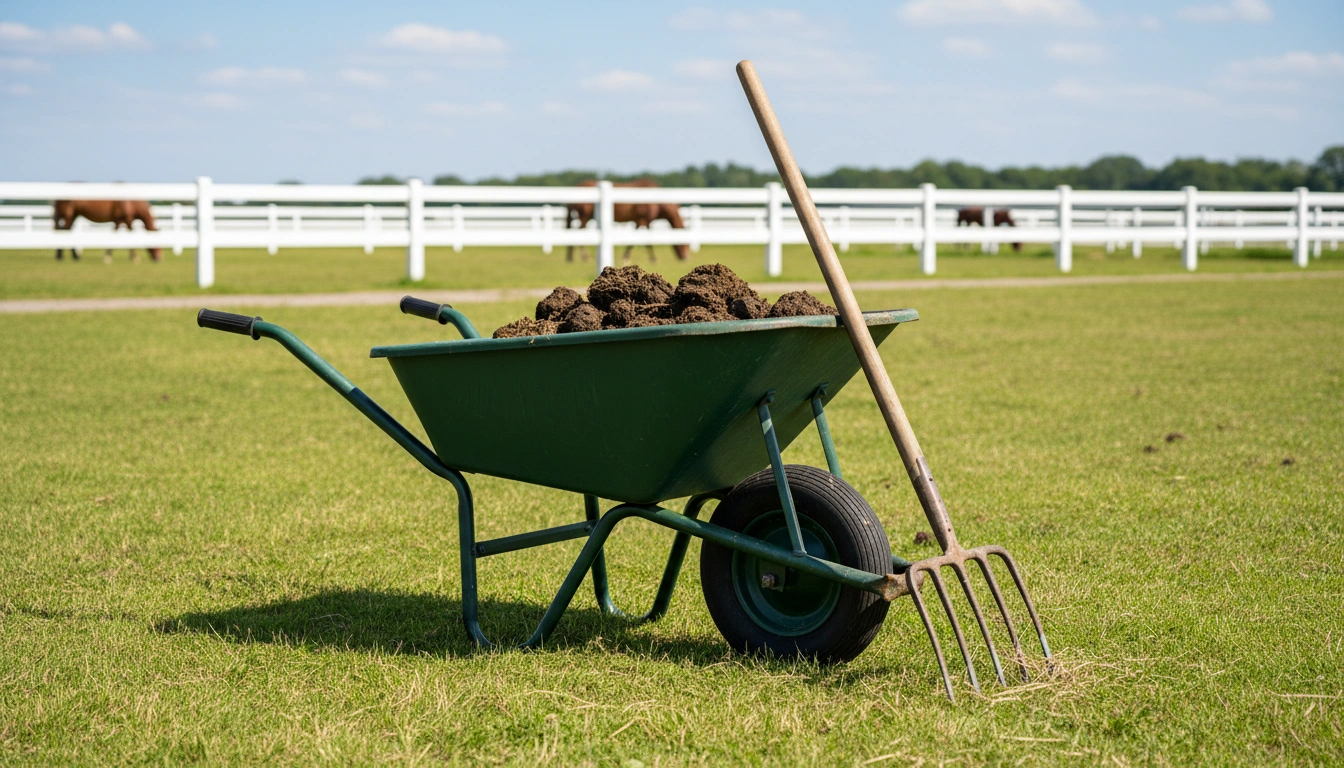
It is not just about the paste. It is about the poop.
If you have a small paddock, you have to pick it up. If you leave it there, the larvae hatch, crawl up the grass, and the horse eats them again. It is a cycle.
Rotate your fields. Give the grass a break.
If you can, run some cattle or sheep through after the horses. They eat the horse parasites and the parasites die in their gut.
It is a natural vacuum cleaner. Do not overstock your land. Too many horses on too little dirt is a recipe for a parasite explosion.
Providing Mental Stimulation And Social Interaction
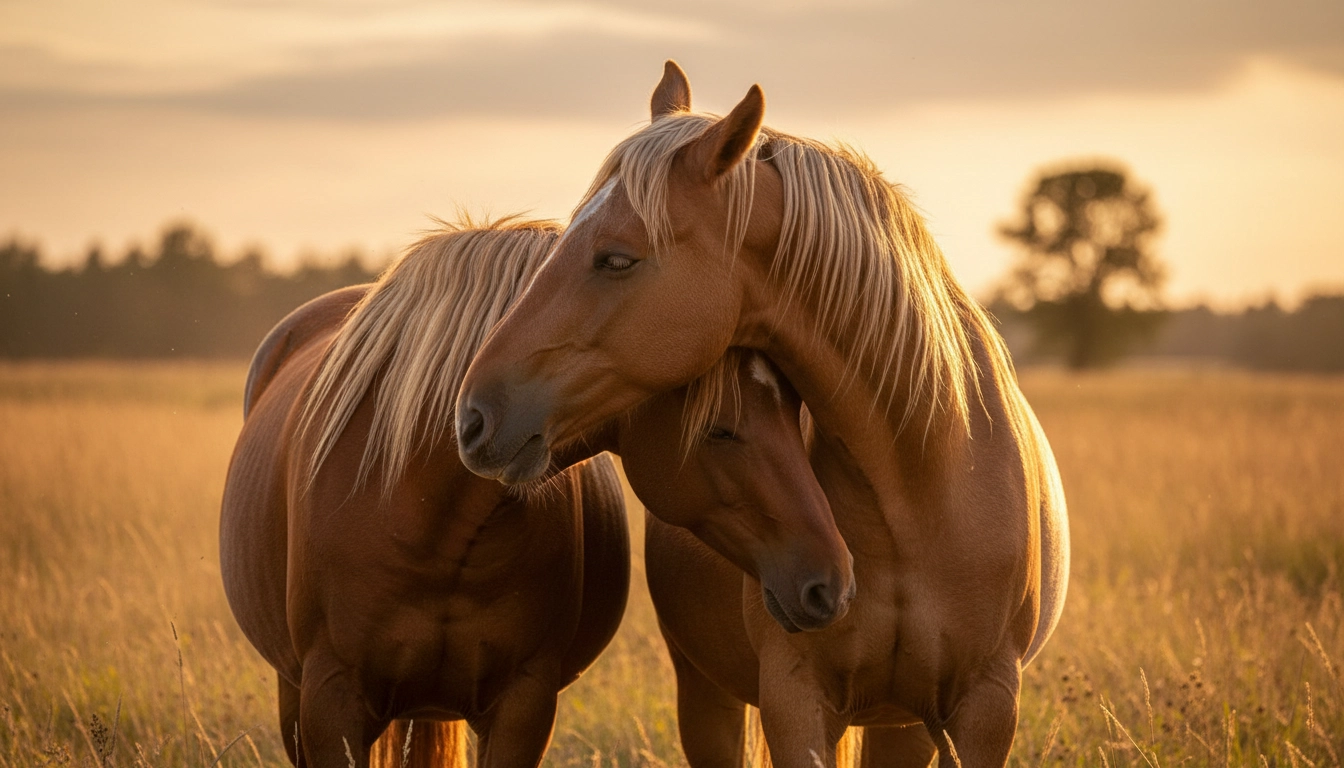
Horses are herd animals. Period. Keeping a horse alone is a slow kind of cruelty.
They need someone to talk to. Even if it is just a pony or a goat.
They need that social grooming and the herd dynamic to feel safe.
A lonely horse is a stressed horse. And stress kills.
It shuts down the immune system. If they cannot be in a group, at least let them see and smell other horses over the fence.
Give them things to do. A slow feeder bag for hay keeps them occupied for hours.
Change up your riding routine. Take them on a trail. Let them see something other than the same four walls.
Seasonal Care Tips For All Weather
Summer is about the bugs and the heat. Give them shade.
If they are white-faced, they might need sunblock on their nose. Seriously. Horses get sunburned too.
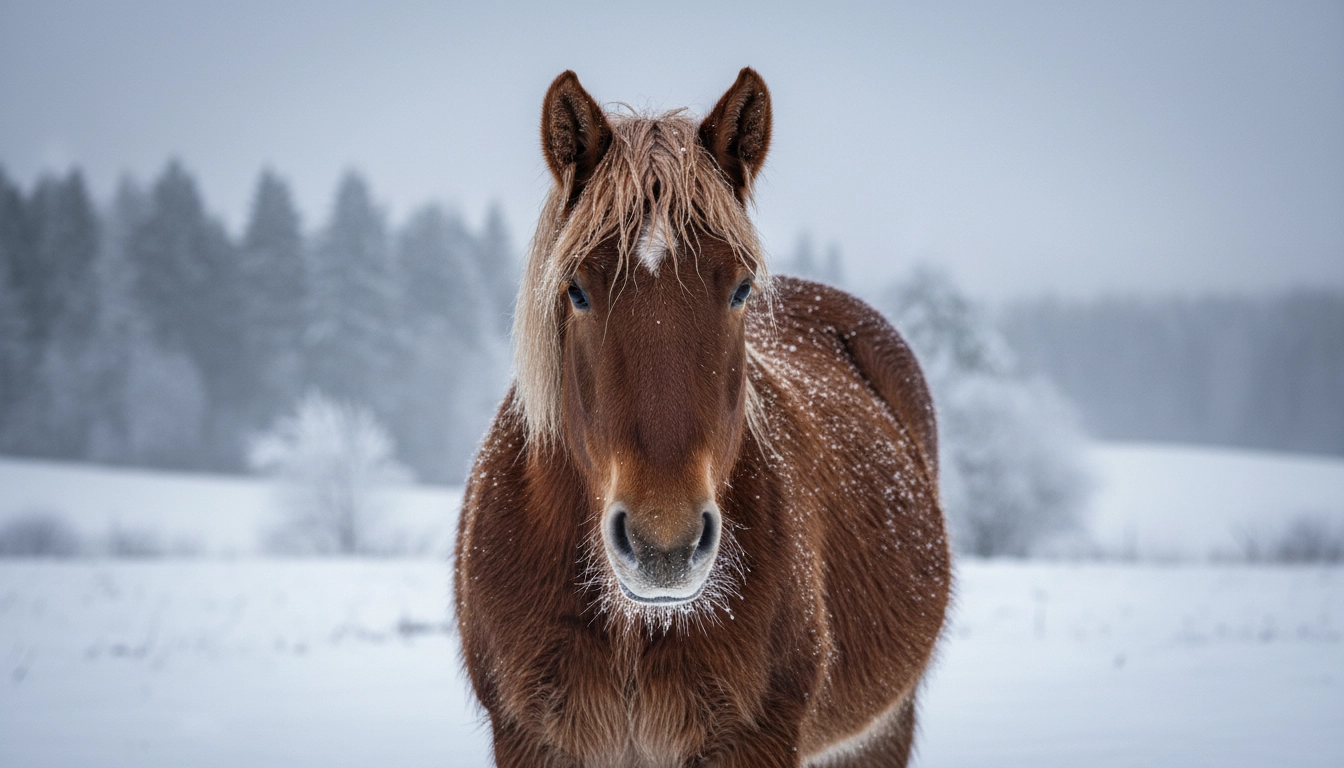
Winter is about fuel. Digesting hay creates internal heat. It is like a furnace.
If it is freezing, give them more hay, not more grain. Blankets are a maybe.
Some need them, some do not. If they have a thick coat and a full belly, they are usually fine. But watch the seniors—they struggle to keep weight on when it is cold.
Recognizing Early Signs Of Illness
If your horse does not come running for breakfast, something is wrong. That is the golden rule.
A dull eye or a droopy lip are the first signs. Maybe they are just off. Trust that feeling.
When things go wrong, they usually go wrong in one of these ways, so keep this list in your head.
| Problem | Common Sign | Action Level |
|---|---|---|
| Colic | Rolling or biting at sides | High Emergency |
| Lameness | Limping or head bobbing | Call the vet soon |
| Choke | Food coming out of nose | High Emergency |
| Fever | Lethargy and heat | Call the vet today |
My Take
If you have a ‘bad feeling’ in your gut, trust it. Horses have a way of telling us things before the symptoms even show up.
Colic is the big killer. Pawing, rolling, looking at their sides—those are the loud signs.
The quiet signs are just a lack of appetite or fewer manure piles than usual. Do not wait. If you think it is colic, it probably is.
When To Call A Veterinarian
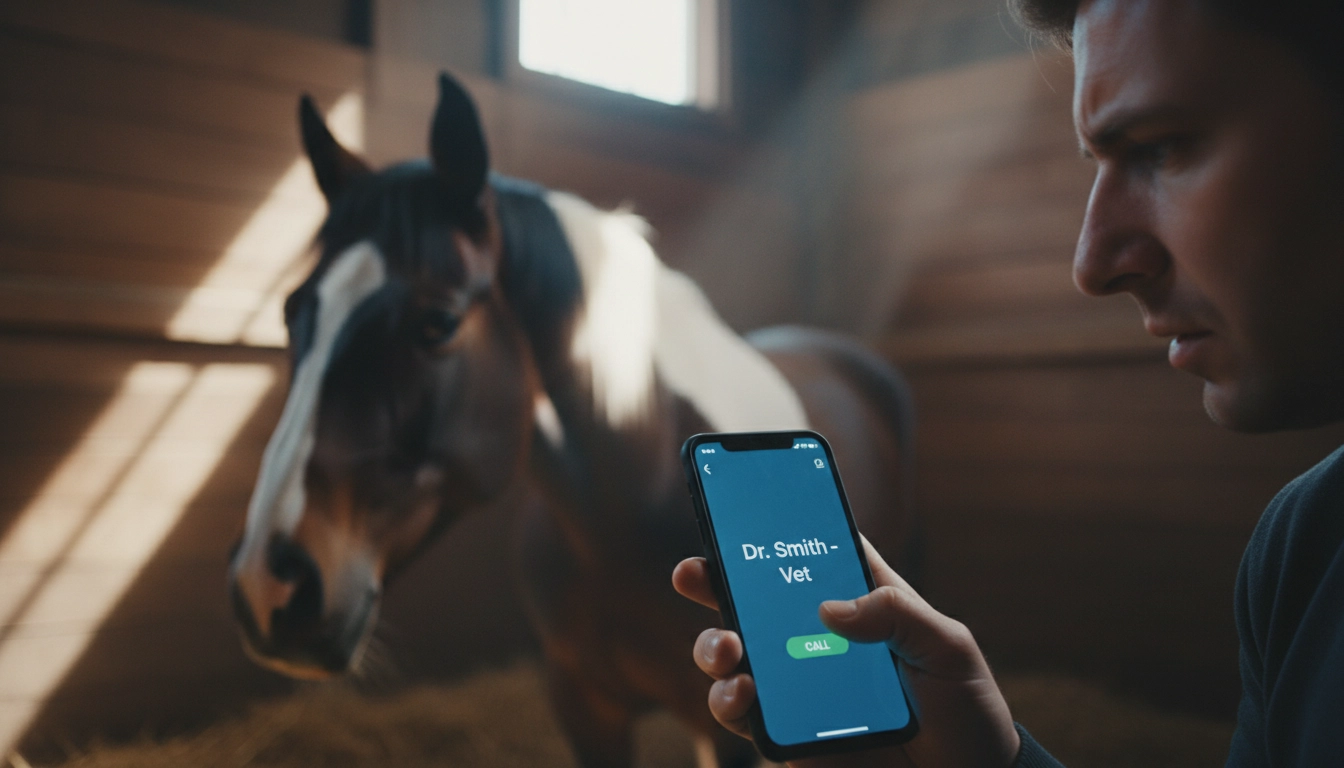
Do not be a hero. If there is blood spurting, or if they cannot put weight on a leg, call.
If the eye is squinty or cloudy, that is an emergency. You can lose an eye in twenty-four hours if you do not treat it.
If their temperature is over one hundred and two, call. It is better to pay for a false alarm than to bury a friend because you waited just to see.
Trust your gut. You know the horse. You know when the partnership feels off.
The end of the day, keeping a horse healthy is just about showing up. Every day.
Looking. Listening. Being there.
It is a big responsibility, but they give it all back to you ten times over.