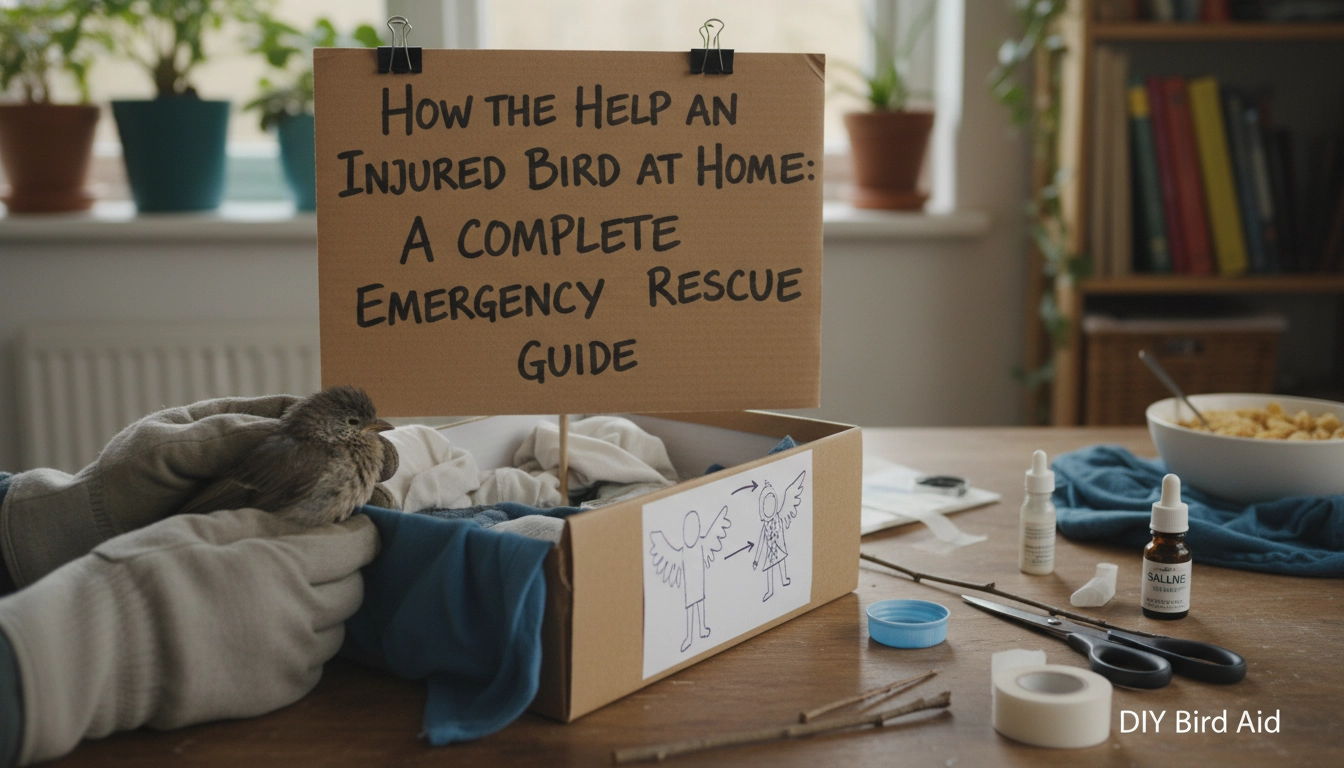
Look, I am typing this as fast as I can on my phone because Nina just called me from College St. She found a sparrow that hit her window and she is totally spiraling.
Most people do exactly that. They see a tiny thing suffering and they panic. But here is the cold truth: your panic is a predator’s energy.
If you want that bird to live, you have to be the most boring, still thing in the world. I told Nina to just put a box over it and walk away for a second.
It sounds mean, but it is the only way. You are not being a vet right now. You are being a temporary safe zone.
If you are reading this because you have a bird in your yard that is not moving, stop. Take a breath. Patience is the only thing that works here.
Finding a hurt animal in your yard is a stressful experience that requires immediate, calm action. The sight of a small, delicate bird lying motionless on the ground can trigger a sense of panic.
It feels heavy. Like the world stopped for a second. You might see a wing held at an awkward angle or notice the bird is unable to fly away as you approach.
Knowing how to help an injured bird at home begins with your ability to remain observant during those first critical minutes. You need to look without staring too hard.
Your quiet energy is the most important tool you have to prevent the bird from spiraling into a state of fatal shock. This guide provides the professional steps needed to stabilize a wild bird.
It is about a balanced bond even with a wild creature. Respect its space.
Quick Access
If you have an immediate emergency, place the bird in a dark, ventilated box and keep it in a quiet, warm room. Do not provide food or water until you speak with a licensed rehabilitator.
Understanding the Basics of Avian First Aid
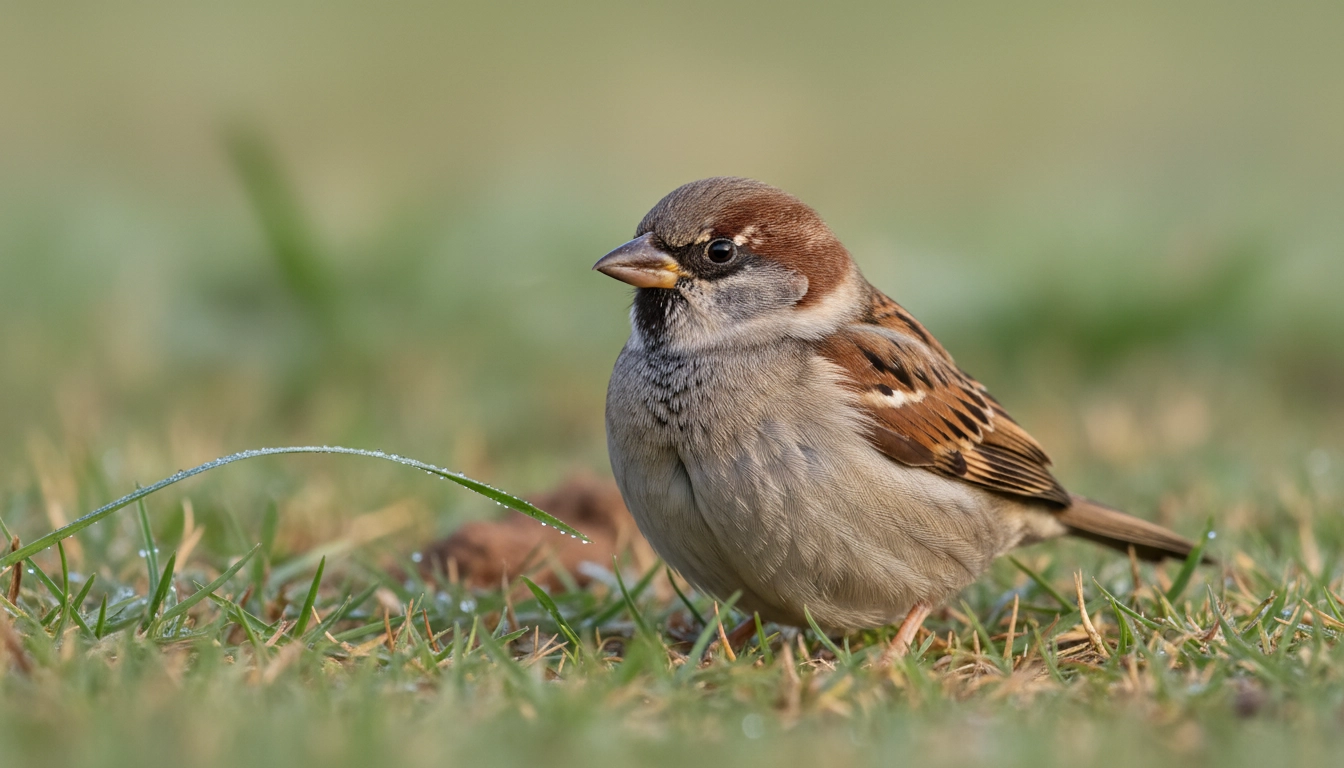
Before you reach out to touch a bird, you must understand that they are incredibly fragile creatures with a unique physiological response to stress.
Birds are high-metabolism animals that can succumb to capture myopathy very quickly. It is basically their body shutting down because they are too scared.
Capture myopathy is a condition where extreme stress leads to muscle damage and organ failure. This can result in death even if the physical injury is minor.
This is why every action you take must be deliberate and swift. Don’t fumble around. Helping a bird at home is not about playing the role of a veterinarian.
It is about providing stabilization and temporary sanctuary until a professional can take over the case. Think of yourself as a bridge.
Your goal is to reduce external stimuli like light, noise, and temperature fluctuations. By creating a controlled environment, you allow the bird’s body to focus its energy on survival.
It is about Consistency. Keep the environment the same. Dark. Quiet. Still.
How to Identify if a Bird Is Injured
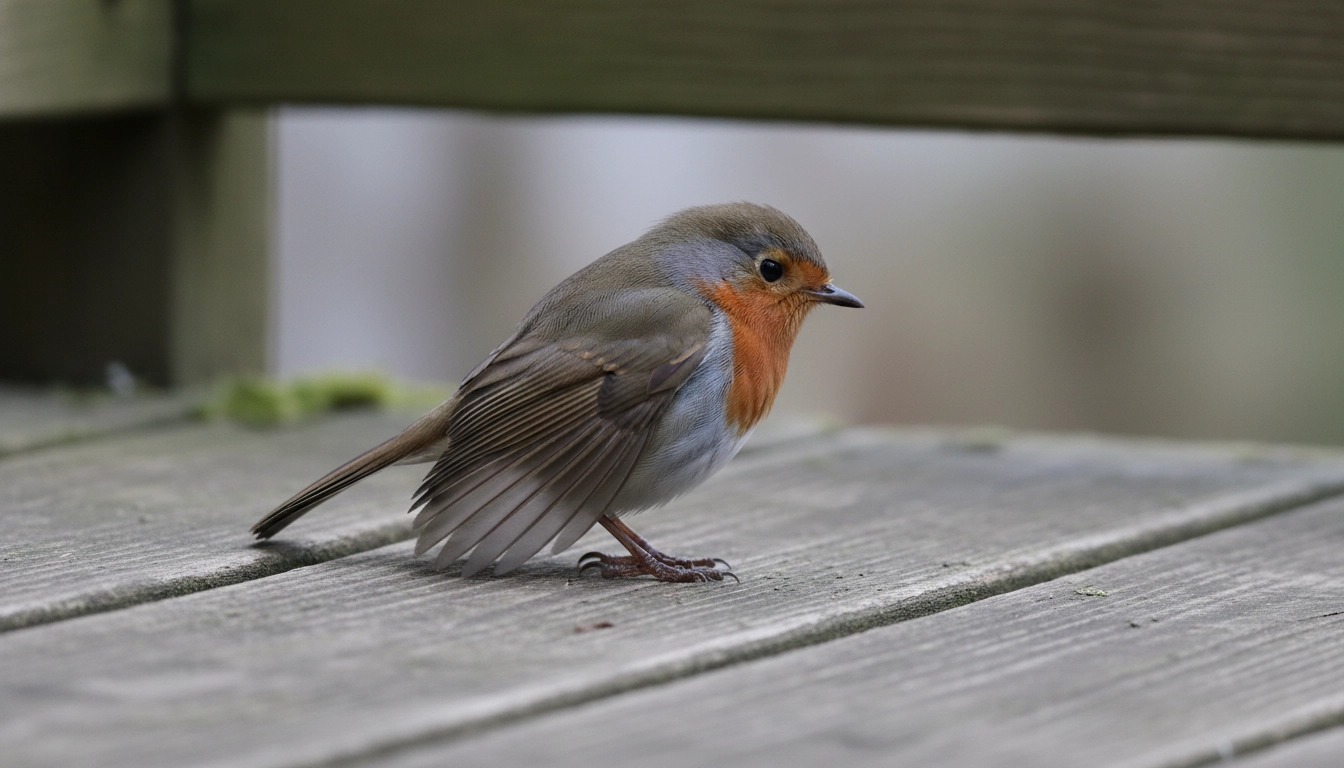
Not every bird on the ground needs your intervention. Misidentifying the situation can lead to unnecessary stress for the animal.
You should look for obvious signs of physical trauma such as blood or drooping wings. I remember one time a neighbor thought a bird was dying, but it was just sunbathing.
A bird that is shivering, squinting its eyes, or tucking its head under a wing for long periods is likely in shock.
If the bird does not fly away when you get within three feet, something is definitely wrong. Usually, they would be gone in a heartbeat.
Window Strikes
Birds that fly into windows often suffer from concussions and may appear stunned for up to an hour before they recover and fly away.
If a bird has hit a window, it may just need a quiet place to recover its equilibrium. However, if the bird is lying on its side or gasping for air, immediate care is required.
This happened to Nina last week in Norfolk. The bird looked okay, but it could not stand up straight.
I put together this quick breakdown because when you are staring at a bird, it is hard to tell if it is just chilling or in real trouble.
| What You See | What It Means | Action Needed |
|---|---|---|
| Drooping wing | Possible fracture | Secure in box |
| Closed eyes/Shivering | Severe shock | Warmth and quiet |
| Open mouth gasping | Respiratory distress | Immediate rescue |
| Hopping away quickly | Healthy fledgling | Leave it alone |
My Take
If you are unsure, wait ten minutes. A stunned bird often recovers on its own, but a truly injured one will stay exactly where it is.
Assessing the Severity of the Injury
Check for asymmetry in how the bird holds its body. If one wing is dragging while the other is tucked, there is likely a fracture.
If the bird is spinning in circles, it may have neurological damage. It looks weird. It looks wrong.
Observe the bird’s breathing from a distance. Rapid, open-mouthed breathing is a sign of extreme respiratory distress or overheating.
Keep your distance while making these initial observations to avoid adding more stress. Don’t hover. No one likes a hoverer.
Common Signs of Avian Shock
- Fluffed feathers while the environment is warm.
- Slow or non-existent blinking and dull eyes.
- Inability to stand or maintain an upright posture.
- Extremely slow movements or complete lethargy.
Providing the Best Care: How to Help an Injured Bird at Home
When you decide to intervene, you must approach the bird from behind. Stay out of its direct line of sight as much as possible to avoid appearing like a predator.
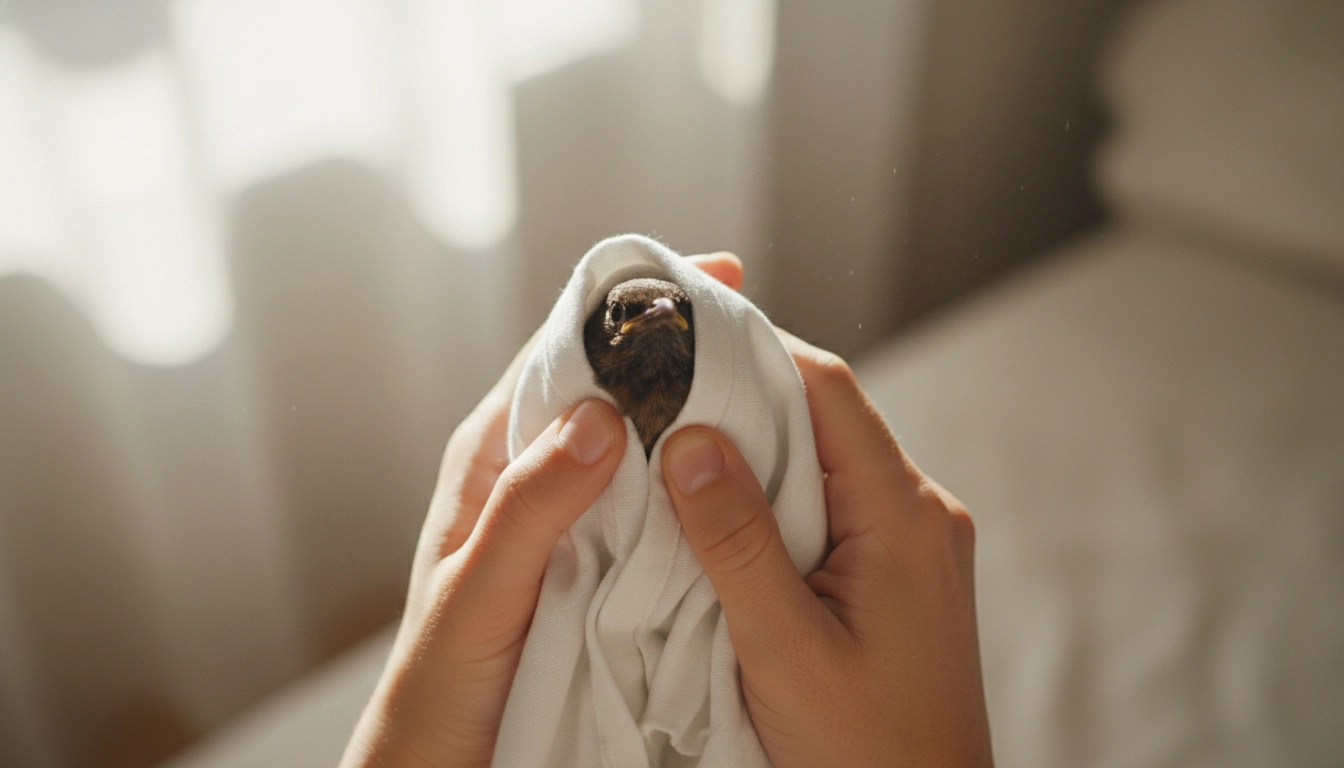
You are a giant to them. A scary, featherless giant. Use a soft towel or a lightweight cloth to gently drape over the bird’s entire body.
The darkness provided by the towel will often trigger a natural calming response in the bird. It is like a weighted blanket for us.
It prevents them from seeing you and reduces their urge to struggle or flap their wings. This is essential to prevent them from worsening any existing bone fractures.
If they struggle, they break more things. Pick the bird up gently by placing your hands over the towel.
Make sure the wings are held securely against the body. Do not squeeze, as birds have a unique respiratory system that requires their chest to expand freely.
If you squeeze, they cannot breathe. It is that simple.
How to Place the Bird in a Safe Box
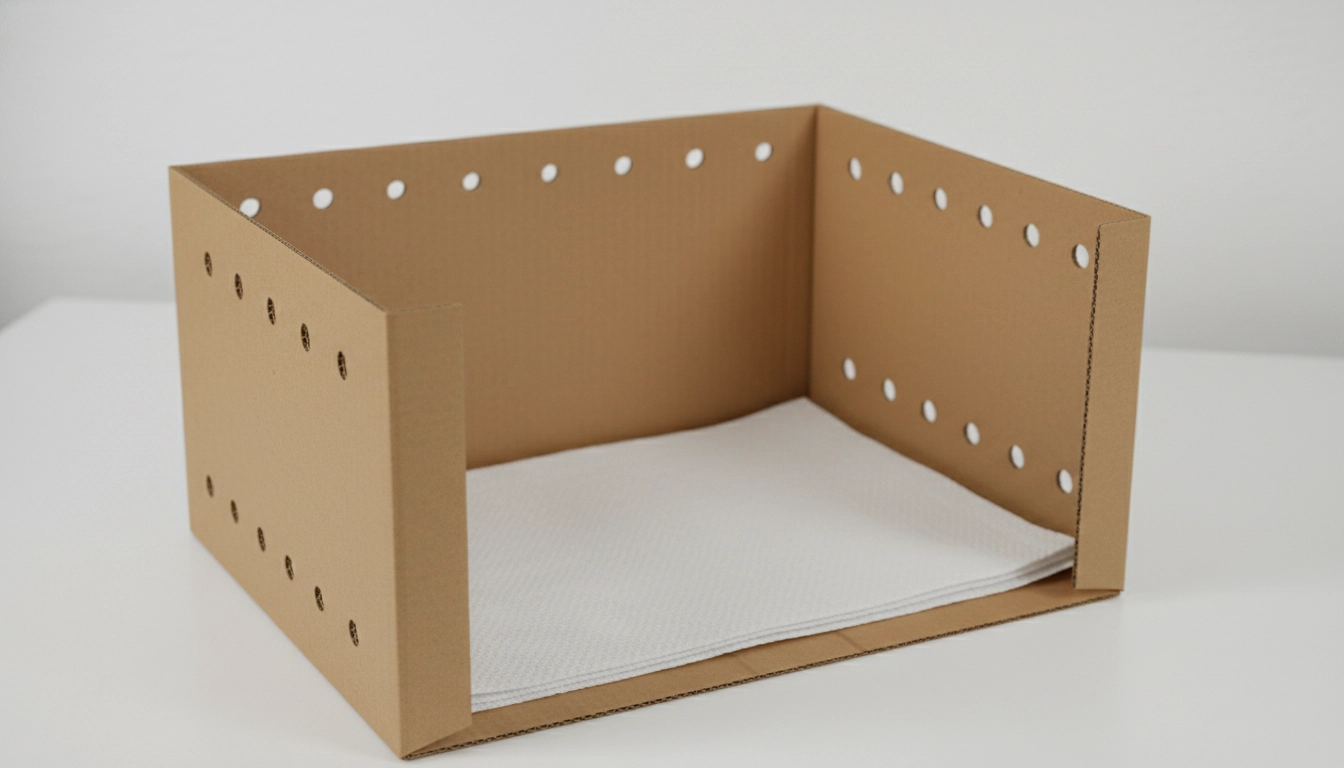
Once you have secured the bird in the towel, you need a temporary home that is secure and ventilated.
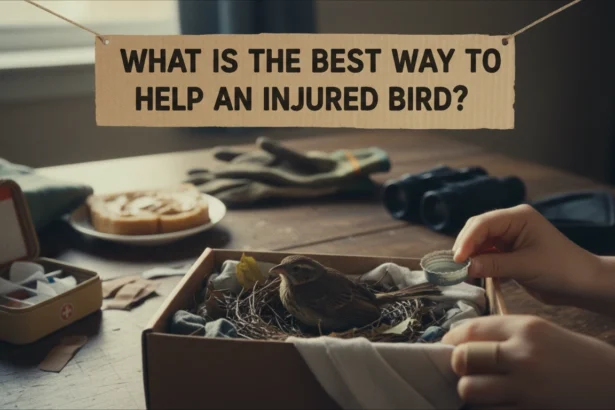
A cardboard box is the gold standard for this situation because it is dark and breathable. Do not use a cage.
Before putting the bird inside, poke several small air holes in the sides of the box. Do this from the outside in so the sharp edges of the cardboard do not poke the bird.
Nina used a pencil to make holes in a shoe box. It worked fine. Line the bottom of the box with a paper towel or a thin, flat cloth.
Avoid using cloths with loose loops or threads like terry cloth. Birds can easily get their tiny claws caught in these loops.
Then they panic. Then they get hurt more. Place the bird gently in the center of the box and secure the lid with a small piece of tape.
You want to make sure the bird cannot push the lid open, but you also need to be able to open it easily. Patience here is key. Don’t rush the taping.
Before you go out there, make sure you have your gear ready so you are not fumbling around while the bird is panicking.
| Rescue Tool | Why You Need It |
|---|---|
| Cardboard box | Provides dark security |
| Soft towel | Calms and secures wings |
| Paper towels | Safe floor lining |
| Masking tape | Secures the lid |
My Take
Keep a small rescue kit in your car or garage. A shoebox, a clean rag, and some tape can save a life when you are in a rush.
Choosing the Right Size Container
- For small songbirds, a shoebox is usually sufficient.
- For medium birds like crows, use a medium shipping box.
- Make sure the bird has enough room to stand but not enough to fly around.
- The container should be tall enough that the bird’s head does not touch the ceiling.
How to Keep the Bird Warm and Calm
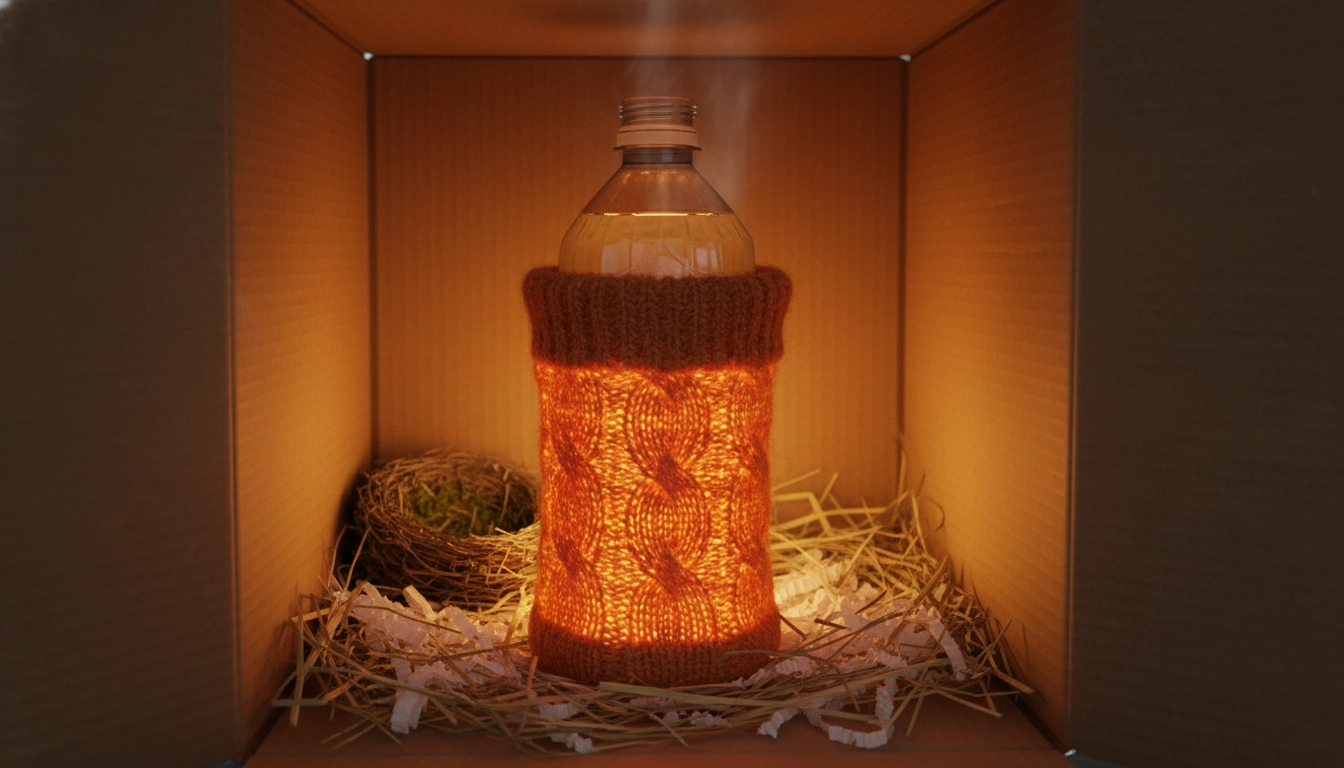
Temperature regulation is a life-saving step when managing bird injuries. An injured bird loses body heat rapidly.
Maintaining a warm environment helps prevent them from going deeper into shock. If they get cold, it is over.
You can create a simple heating element by filling a plastic bottle with warm water. Wrap it in a thin sock and place it inside the box.
Make sure the bird can move away from it if it gets too hot. You do not want to cook the poor thing.
Avoid Direct Heat
Never place a bird directly on a heating pad or under a high-intensity lamp because they can easily overheat and dehydrate.
Keep the box in a completely quiet room away from the household noise. This means keeping children, curious dogs, and loud televisions far away from the bird.
Even a barking dog in the next room can be enough to kill a bird in shock. Silence is just as important as warmth.
In the wild, noise usually signifies the presence of a predator. A quiet room tells the bird’s nervous system that it is finally in a safe place to rest.
It gives them a chance to breathe.
Should You Give Food or Water to an Injured Bird?
One of the most common mistakes people make is trying to feed or hydrate an injured bird. You should never force-feed a bird.
Do not try to drip water into its beak with a syringe. I know you want to help, but do not.
Birds have a small opening at the base of their tongue called the glottis. This leads directly to their lungs.
If you force water into their mouth, it will likely cause the bird to choke or develop pneumonia. It is a horrible way to go.
Wait for Experts
Most injured birds are too dehydrated or stressed to digest food, and feeding them the wrong diet can cause fatal metabolic issues.
An injured bird’s digestive system often shuts down as the body redirects blood flow to vital organs.
Introducing food during this time can cause the food to rot in the crop, leading to a deadly infection. It is like trying to eat a steak while running a marathon.
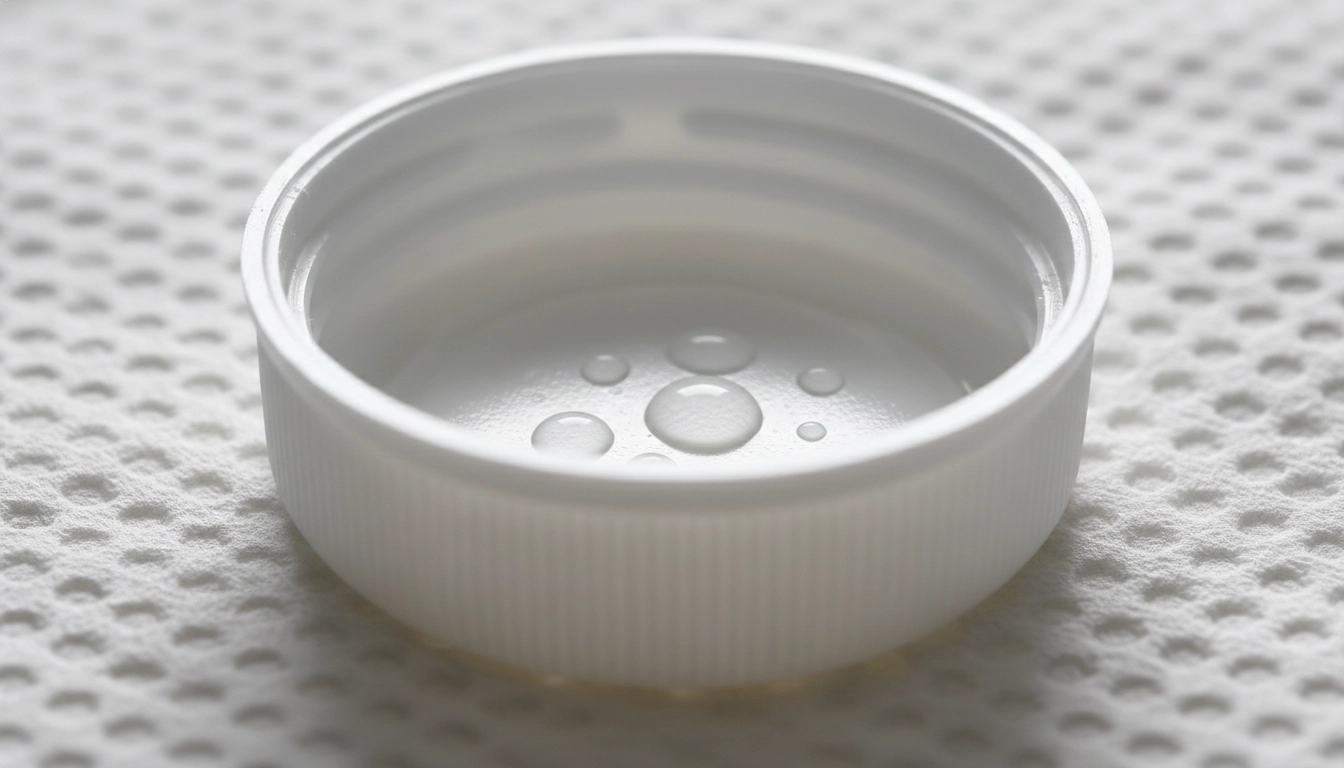
If the bird is alert and you must keep it overnight, you can place a very shallow dish of water in the corner.
However, make sure it is so shallow that the bird cannot accidentally drown if it falls into the dish. We are talking bottle-cap shallow.
What Not to Do When Helping an Injured Bird
It is tempting to want to check on the bird every few minutes. However, constant checking is one of the worst things you can do.
Every time you peek, they think they are about to be eaten. Every time you open the lid, you let in light and noise.
This spikes the bird’s heart rate and uses up the energy it needs for healing. Treat the box like a black hole for at least two hours. Just leave it alone.
Do not try to splint a broken wing or perform any kind of home surgery. Without professional training, you will cause excruciating pain.
You are not a surgeon. Avoid using wire cages for temporary housing. A panicked bird will flap against the wires.
This can shred their flight feathers and make it impossible for them to be released back into the wild later. Cardboard is your friend.
When to Take the Bird to a Wildlife Rescue Center
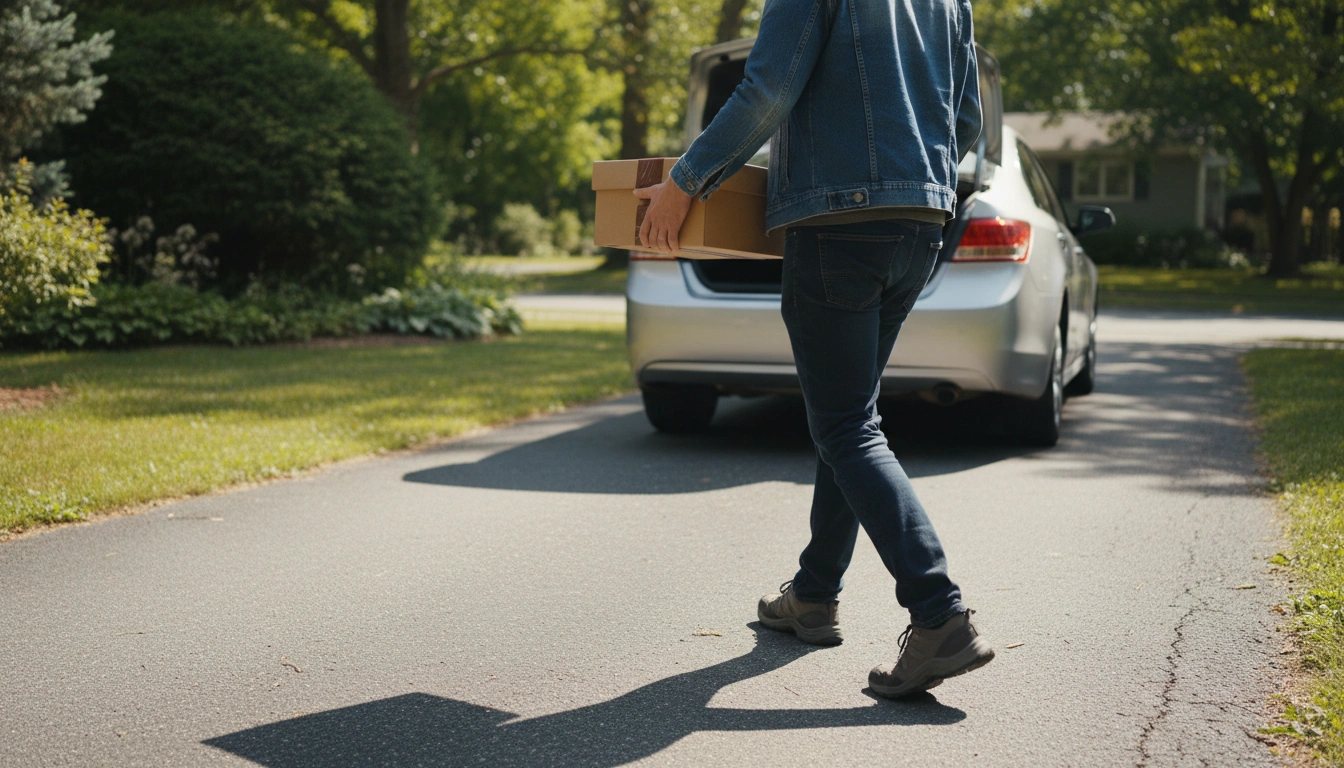
Your home care is only a bridge to professional medical attention. If the bird has not recovered and flown away within two to four hours, it needs help.
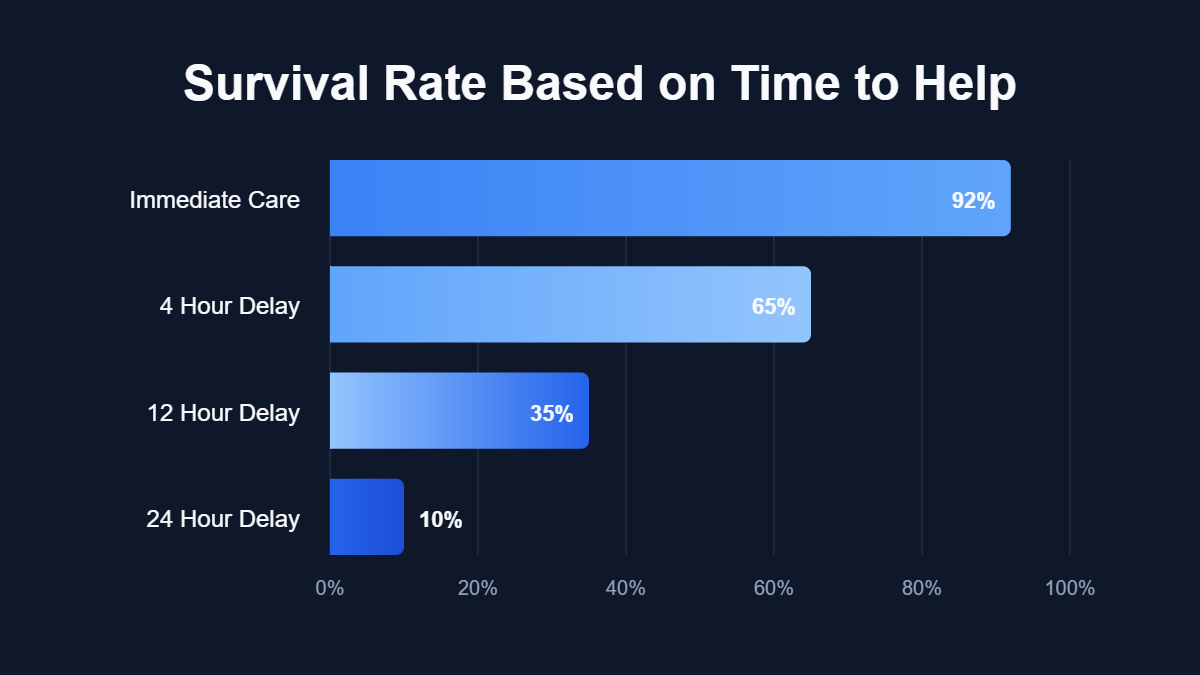
Time is moving fast. Numbers do not lie, and with birds, every hour you wait drops their chances of making it back to the sky.
My Take
Speed is your best friend here. Do not wait for the morning if you find a bird at night; find an emergency vet or rehabber immediately.
As the chart above shows, the window of opportunity for saving an injured bird closes rapidly.
Professional centers have specialized equipment and medications needed to treat internal injuries. They have the stuff you do not.
Search online for wildlife rehabilitators near you or contact your local animal control.
Most of these organizations operate on donations and are staffed by experts who dedicate their lives to avian health. They are good people.
How to Help a Baby Bird That Fell from the Nest
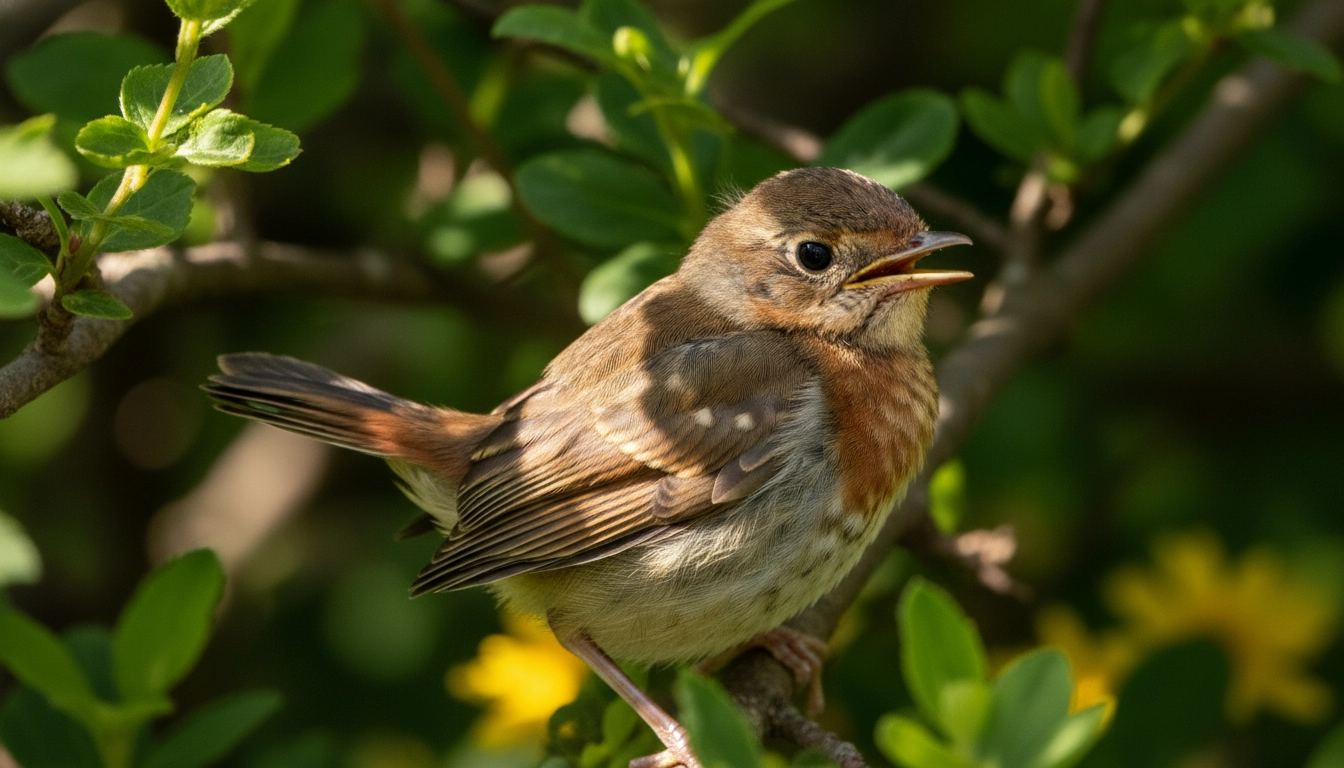
Finding a baby bird requires a different approach than finding an injured adult. First, determine if the bird is a nestling or a fledgling.
Nestlings are featherless and cannot hop or perch. They look like little pink aliens. If you find a nestling, try to return it to the nest.
It is a myth that parent birds will reject a baby if it has been touched by humans. They just want their kid back.
People get these two mixed up all the time, and it usually results in a bird being kidnapped when it was doing just fine.
| Feature | Nestling | Fledgling |
|---|---|---|
| Feathers | Bald or downy | Fully feathered |
| Movement | Wriggling only | Hopping and perching |
| Location | On ground under nest | In bushes or grass |
| Intervention | Needs rescue | Usually fine |
My Take
Think of a fledgling like a teenager. They look a bit awkward and messy, but they need to be out in the world to learn how to survive.
Fledglings have most of their feathers and can hop around on the ground. These birds are supposed to be out of the nest as they learn how to fly.
It is like a teenager phase. If a fledgling looks healthy and is not in immediate danger, leave it alone.
Its parents are likely nearby, and interfering will disrupt the natural learning process vital for survival. Just watch from a window.
How to Protect Yourself from Diseases
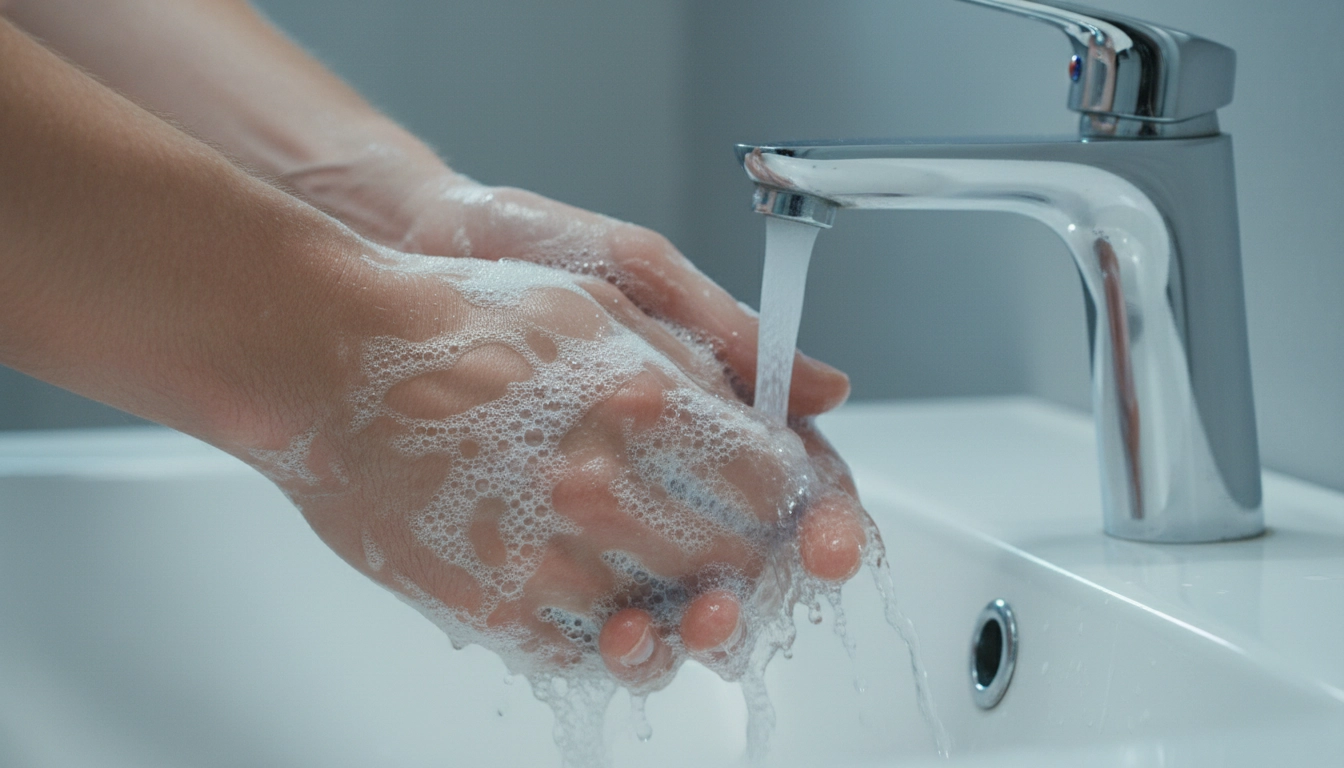
While your focus is on the bird’s health, you must also consider your own safety.
Birds can carry zoonotic diseases such as salmonella or various mites that can be transmitted to humans. You do not want that.
Always wash your hands thoroughly with hot, soapy water after handling a bird or its container.
Use a disinfectant to clean any surfaces that the bird or its box may have touched. Be Consistent with your cleaning.
If you have pet birds at home, keep the wild bird in a completely separate building like a garage.
This prevents the spread of airborne pathogens that could potentially infect your companion birds. Do not risk your pets.
Never bring a wild bird near your face. While it may seem like a comforting gesture, it increases the risk of disease transmission.
It also serves to further terrify the animal. They do not want a kiss.
Safety Equipment for Rescue
- Lightweight garden gloves or disposable latex gloves.
- A clean, dedicated towel used only for wildlife.
- Hand sanitizer for immediate use after the rescue.
- Eye protection if you are handling large birds with long beaks.
Creating a Bird-Safe Environment at Home
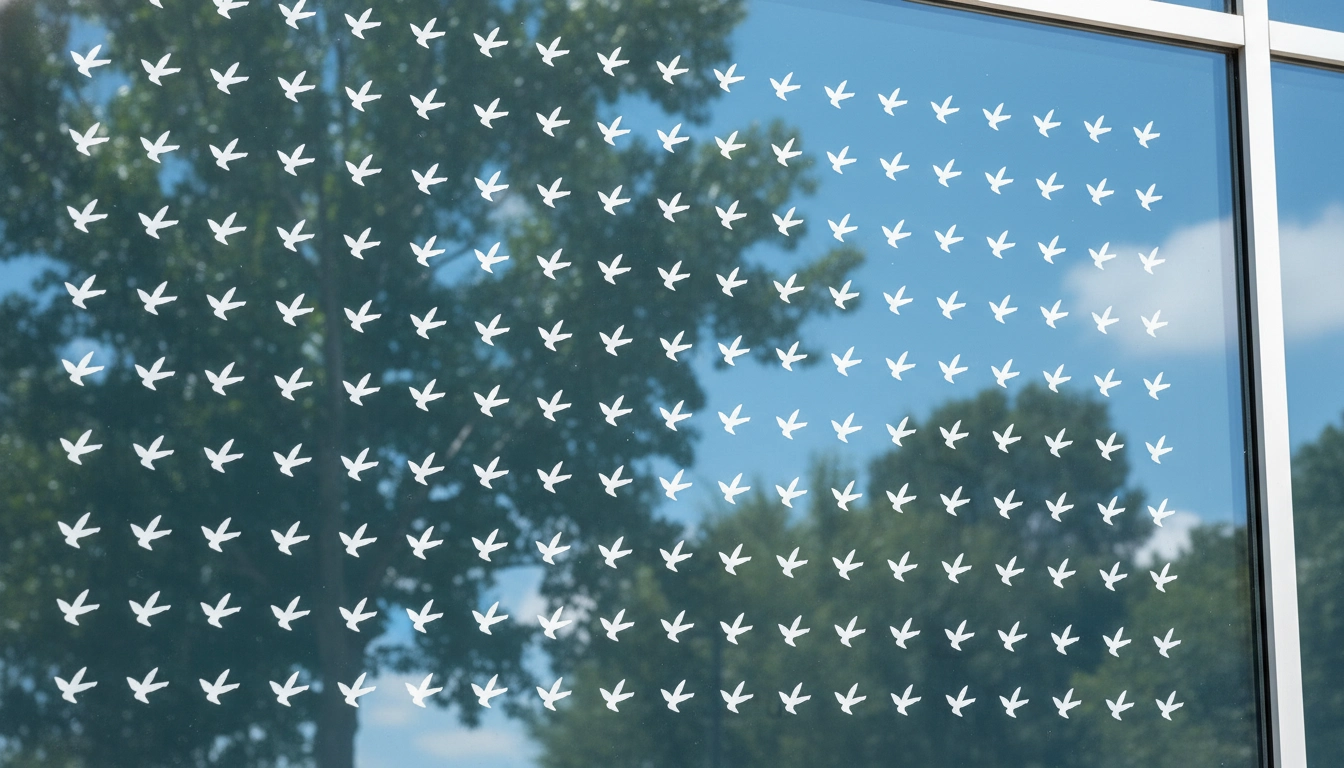
Preventing injuries is just as important as knowing how to treat them. Most bird injuries are caused by window collisions or domestic pet attacks.
We can fix some of this. You can reduce window strikes by applying decals or UV-reflective tape to the outside of your glass.
This helps birds see the window as a solid object rather than a reflection of the sky. It breaks the illusion.
Keep your domestic cats indoors, especially during the spring and summer when fledglings are on the ground.
Cats are responsible for the loss of billions of birds every year globally. I love cats, but they are tiny tigers.
If you have bird feeders, place them either within three feet of a window or more than thirty feet away.
This prevents birds from building up enough speed to cause a fatal injury if they do hit the glass. It is about physics.
Conclusion
Learning how to help an injured bird at home is a profound act of compassion.
By providing a warm, dark, and quiet space, you give these resilient creatures the best possible chance to overcome their injuries.
It is not about being perfect. Remember that your primary role is that of a temporary guardian.
Your success is not measured by your ability to heal the bird yourself, but by your ability to safely transport them to experts. Be the bridge.
Patience and consistency in your quiet approach will always yield the best results for the animal.
If you found this guide helpful, please share it with your community to ensure more people know how to respond.
Nina is doing better now. The bird is in the box, and we are waiting.