Look, I’m literally standing in the parking lot right now but I just saw Catherine’s Amazon and the state of that grate was a total disaster.
People always ask me about a Daily Bird Care Routine like it’s some optional hobby but it’s literally the only thing keeping your bird from a respiratory collapse.
Honestly if you can smell the cage, you’re already behind the eight-ball. It’s not about making things look pretty for guests it’s about the bio-load.
My thumbs are killing me but I’m gonna lay this out because I’m tired of seeing sick birds that didn’t have to be.
If you see a metallic tang or that weird damp smell, your ecosystem is already failing. It’s nasty.
The Importance of a Daily Bird Care Routine
When we talk about a Daily Bird Care Routine, we aren’t just tidying up. We are performing a clinical intervention and learning how to take care of pet birds.
Think of it as managing the microbial pressure in a confined space.
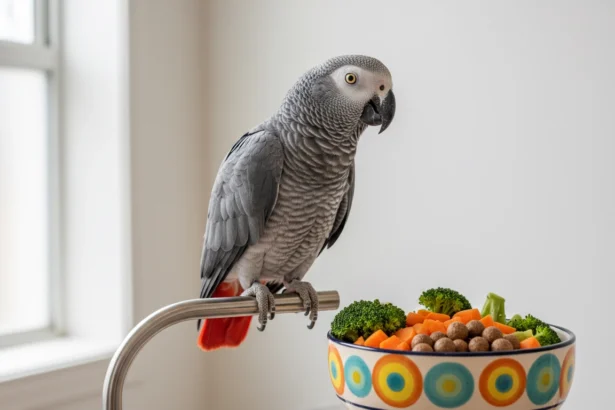
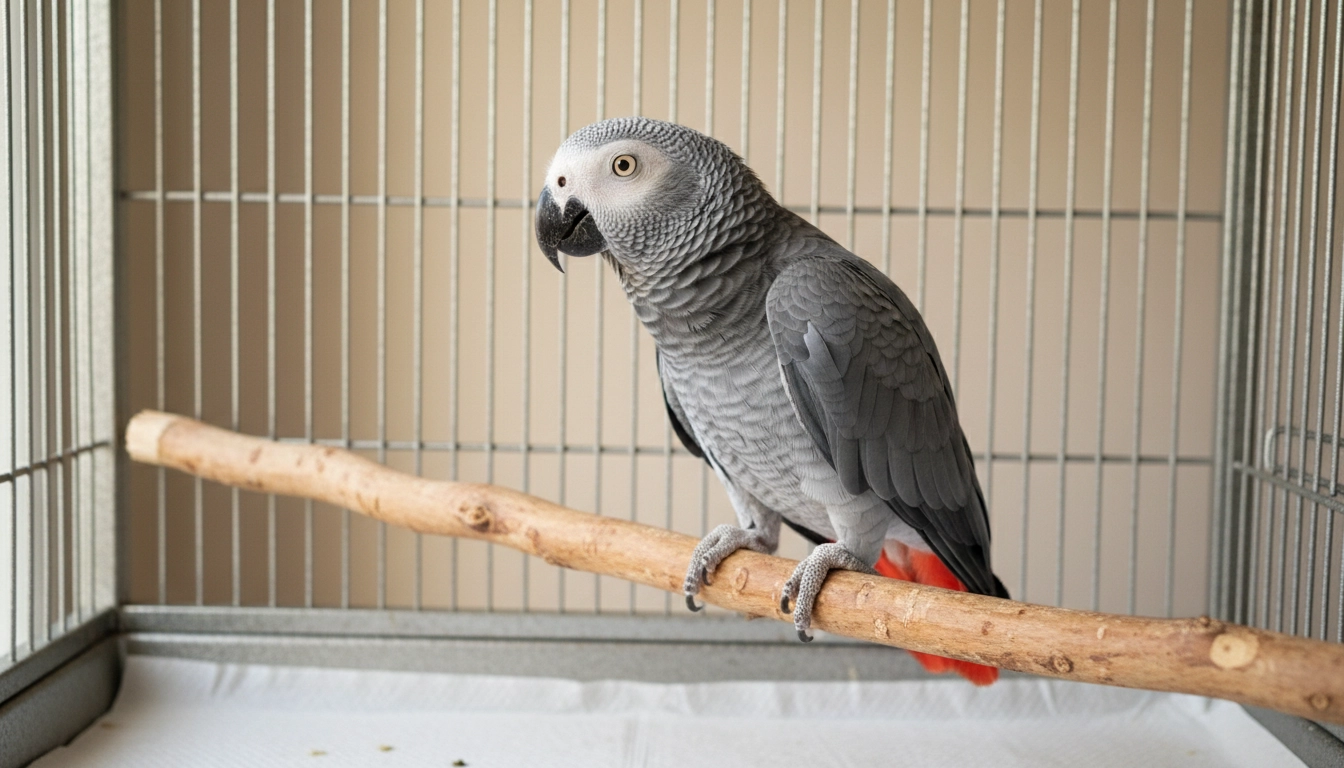
If you have a Psittacus erithacus (African Grey) sitting in a room, that bird is basically a high-output dust factory.
Their lungs are incredibly efficient, which is a curse when they are trapped with their own waste.
The goal here is simple: kill the path of Aspergillus and Salmonella before they take root.
In the wild, a bird flies miles. They aren’t sitting over a tray of their own feces for twelve hours.
In your living room? They are.
This creates what I call the Biological Mirror.
If the tray is a swamp, the bird’s blood chemistry will eventually look like a swamp. It’s that simple.
You have to break the cycle. Ammonia buildup is a silent killer.
It burns the mucosal linings. You don’t see it happening until the bird is fluffed up and it’s too late.
A daily routine is your only defense against this atmospheric toxicity.
The Biological Mirror
This concept suggests that the health of an avian subject is a direct reflection of its immediate environment. If the enclosure is toxic, the bird’s internal systems will eventually mirror that toxicity.
I put together a quick breakdown of how these pathogens stack up against your bird if you get lazy with the tray.
| Pathogen Name | Common Source | Threat Level | Primary Impact |
|---|---|---|---|
| Aspergillus | Damp bedding | High | Respiratory system |
| Salmonella | Old food bits | Moderate | Digestive tract |
| Ammonia | Dried waste | High | Mucosal linings |
My Take
Bacteria does not take a day off. If you skip a cleaning, you are essentially inviting these pathogens to set up a permanent ‘camp’ in your bird’s lungs.
Understanding the Basics of Avian Hygiene
Bird hygiene is a whole different beast compared to a dog or a cat and species-specific maintenance like how to reduce hairballs in your feline.
A bird’s respiratory system involves air sacs that permeate their entire body.
They absorb everything.
If there is mold on a piece of fruit at the bottom of the cage, those spores are going straight into the bone marrow essentially.
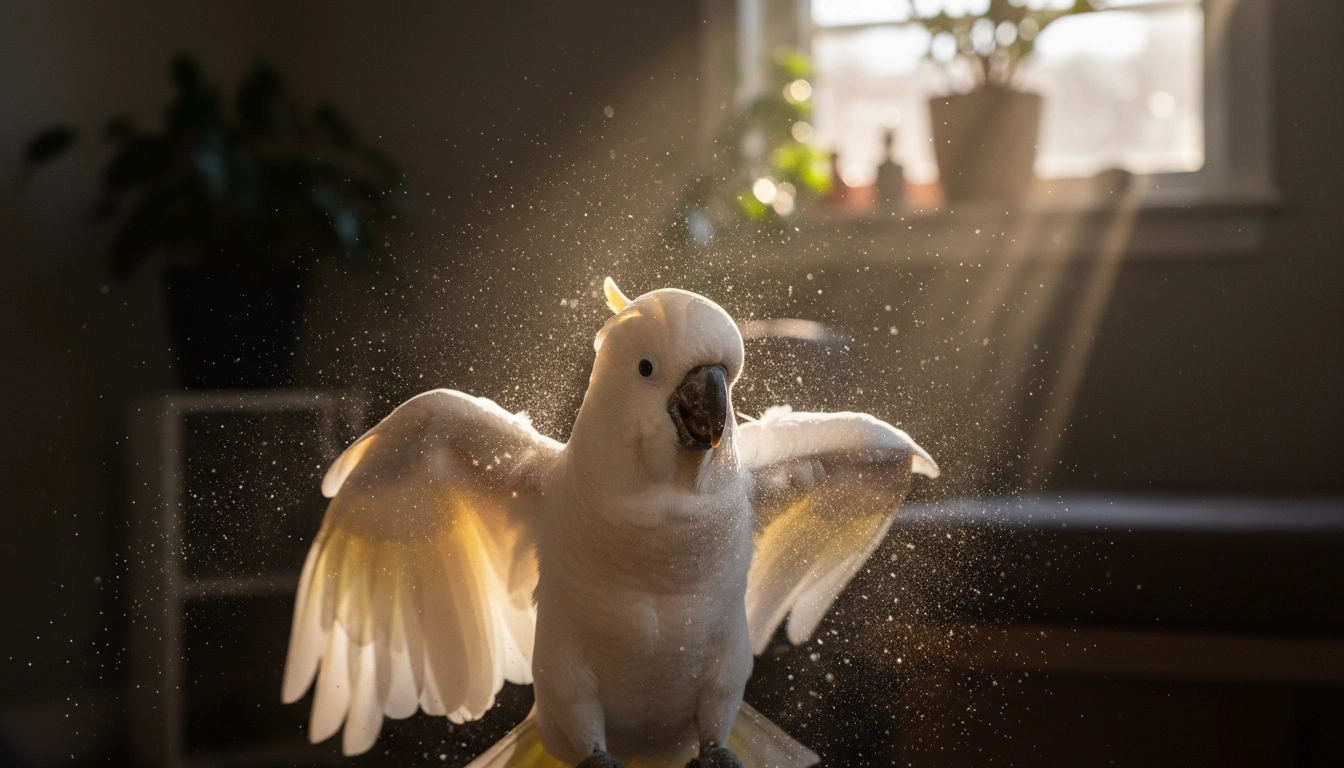
A solid Daily Bird Care Routine keeps the powder down from becoming a thick fog.
People get allergies, sure, but the bird gets granulomas in their lungs. It’s a mess.
Hygiene also impacts the brain. A bird is a genius.
A genius stuck in a filthy closet starts ripping its own feathers out. It’s displacement behavior.
If they feel unclean or the air is heavy, they stress. Stress drops the immune system.
Then the Biological Mirror kicks in and you’re at the vet spending three grand on tests.
How Often Should You Clean a Bird Cage
Frequency isn’t a suggestion. It’s a mandate based on biomass, similar to how different animals require specific environmental management in a beginner guide to horse care.
If you have a Cacatua alba (Umbrella Cockatoo), you are dealing with a massive amount of white powder and large-scale waste.
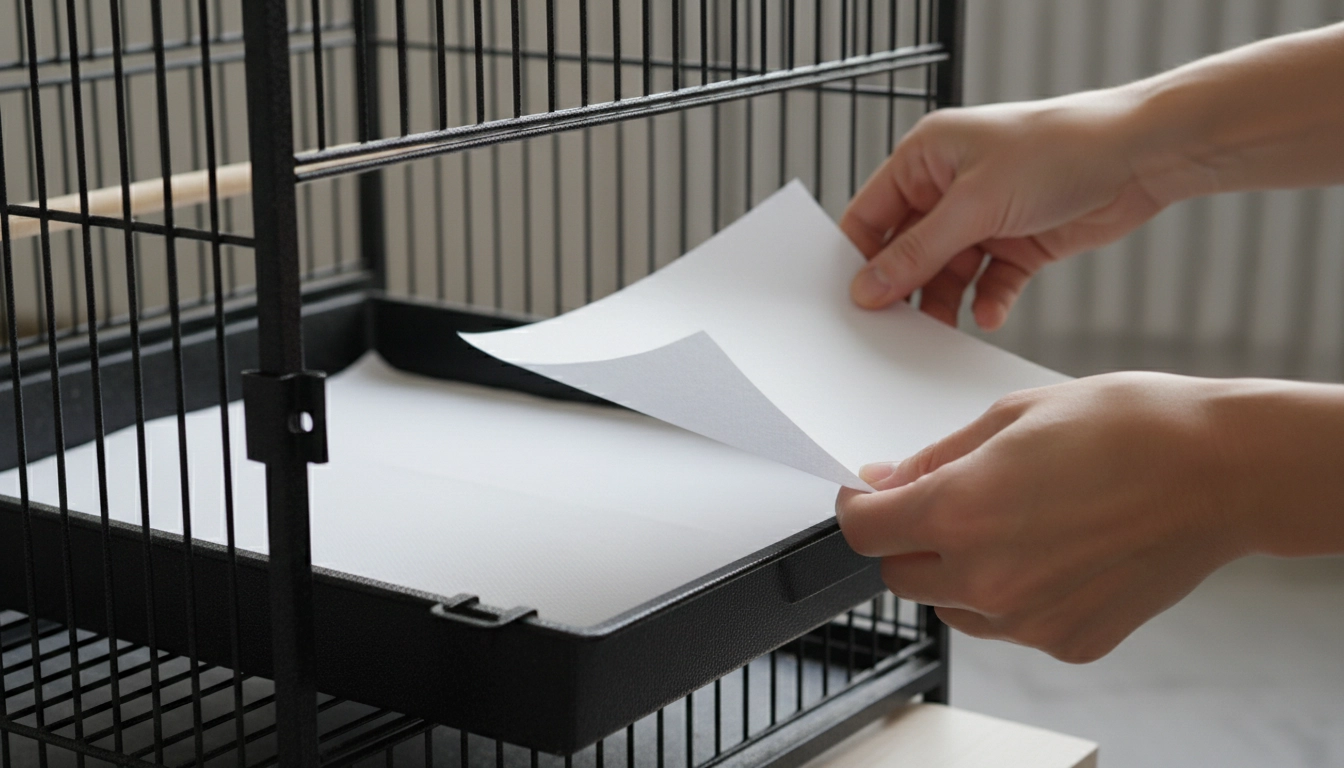
You change that liner every day. Period. No excuses. I don’t care if you’re tired.
Smaller birds like Nymphicus hollandicus (Cockatiels) might seem easier, but they produce a finer dust that’s actually easier to inhale.
You do a surface-level purge every single morning. You have to.
If you leave droppings to dry, they become aerosolized the moment the bird flaps its wings.
Now you’re breathing it. Catherine learned this the hard way when her bird started sneezing constantly.
Refresh everything. Every day. Water, food, substrate.
If you miss a day, you’re letting the bacteria count double. Exponential growth is a nightmare.
Look at this chart to see how the dust levels change depending on the species you are housing in your home.
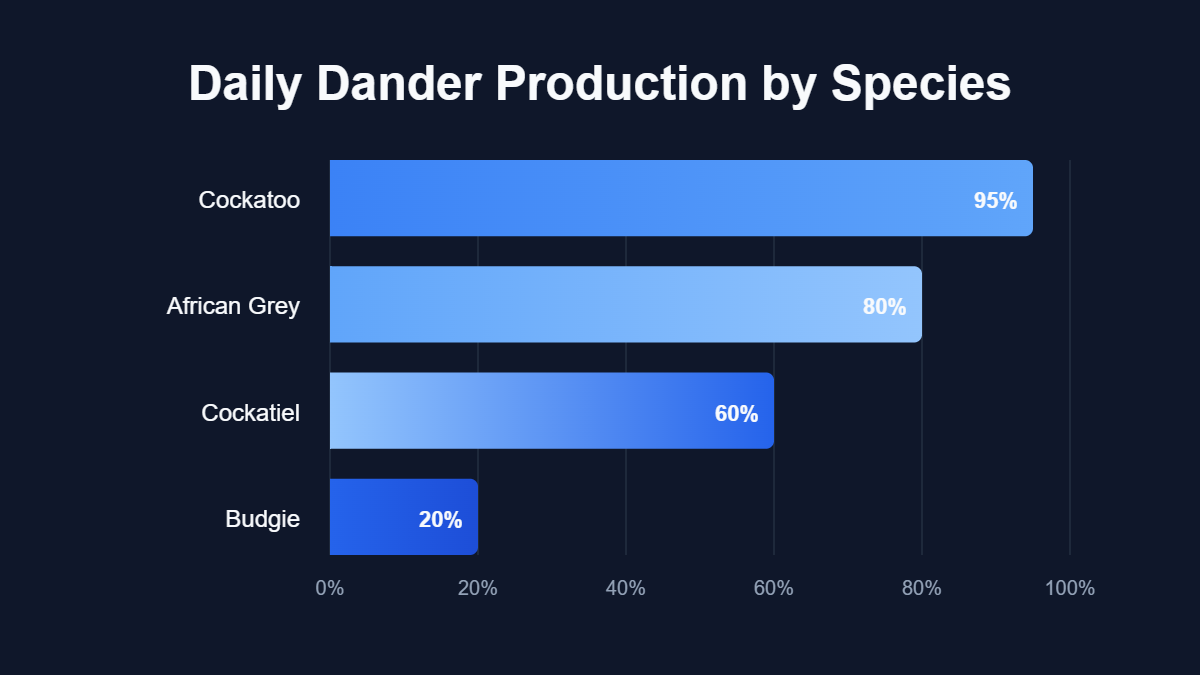
My Take
The bigger the bird, the bigger the ‘bio-load’. Don’t think a small bird means you can slack off because their waste is just more concentrated.
Step-by-Step Guide to Cleaning a Bird Cage
First, the liner. Get it out.
Don’t use that corn cob stuff or walnut shells. It’s garbage.
It hides the truth. You need to see the droppings.
Use paper. Pull the tray out slowly—don’t create a draft that sends a cloud of dander into your lungs.
That’s how you get Bird Fancier’s Lung. Keep it level.
Second, the forensic audit. This is where you actually look at what your bird is telling you.
Look at the feces. Is the urate white? Is there too much liquid?
If you see a change, that’s your early warning system.
Once you’ve done your audit, toss the paper. Daily waste management for indoor animals is as important as a kitten litter training guide. Use unprinted paper.
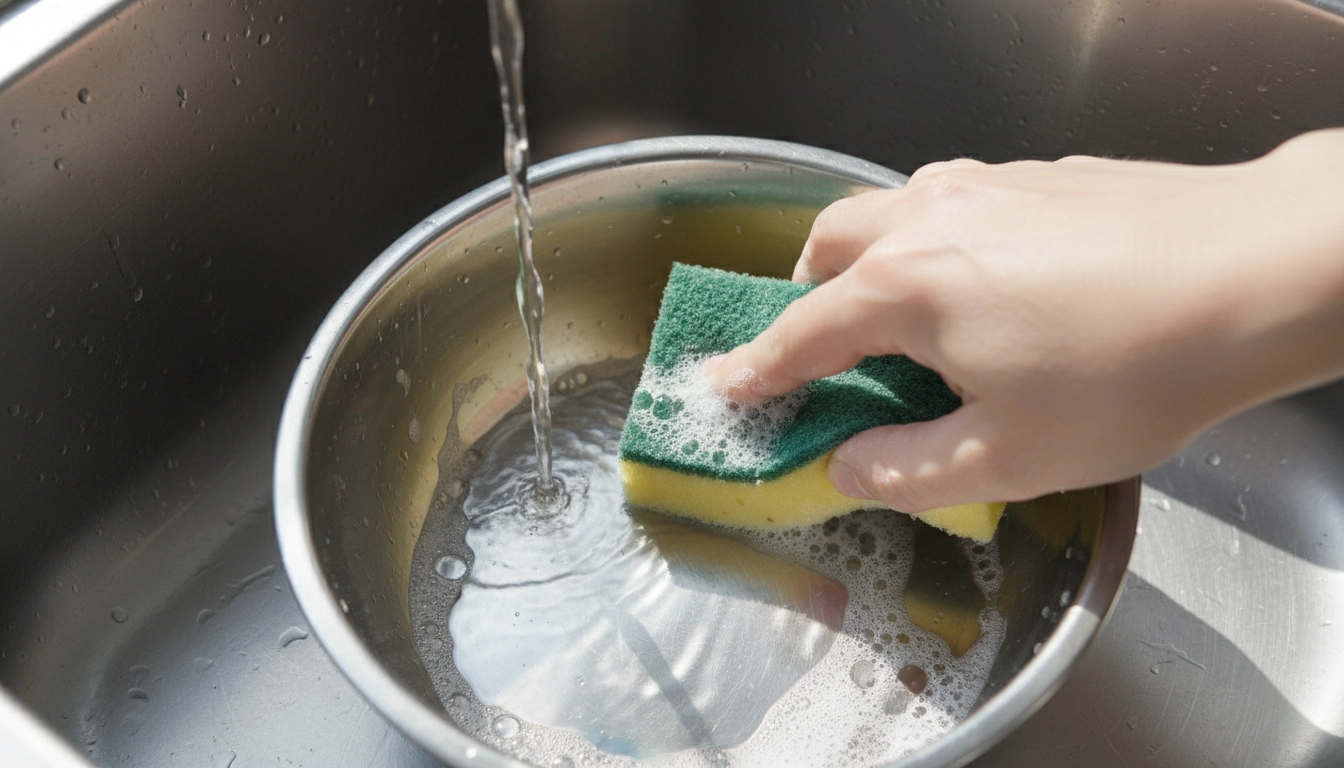
Third, the bowls. This is where most people fail.
They just top off the water. Disgusting.
You have to take the bowls to the sink. Use hot, soapy water.
Bacteria like Pseudomonas love to build a biofilm.
It’s a slimy, invisible shield. You can’t just rinse it off.
You have to scrub it. Break that matrix.
If the bowl feels slick, it’s contaminated.
I prefer running them through a high-heat dishwasher cycle if you have spares. It’s the only way to be sure.
Biofilm Dangers
Simply rinsing a water bowl is insufficient because ‘biofilm’ acts as a protective shield for bacteria. You must use friction to remove this slimy layer every day.
Here is a quick checklist for your morning workflow so you do not miss the critical spots.
| Task Step | Required Action | Daily Frequency |
|---|---|---|
| Tray Liner | Replace with unprinted paper | Once daily |
| Food Bowls | Scrub with hot soapy water | Every morning |
| Perch Check | Wipe off fresh droppings | As needed |
| Cage Grate | Check for stuck debris | Every morning |
My Take
Efficiency is key here. If you have a system, you won’t view this as a chore. It becomes ‘muscle memory’ after a week.
Best Products for a Daily Bird Care Routine
Stop using Windex. Stop using bleach.
If you can smell it, it’s probably killing your bird’s air sacs.
A Psittacus erithacus has a respiratory tract that is hyper-sensitive.
One whiff of concentrated ammonia from a cleaning spray can cause acute distress.
Use avian-safe stuff. Or stick to the basics.
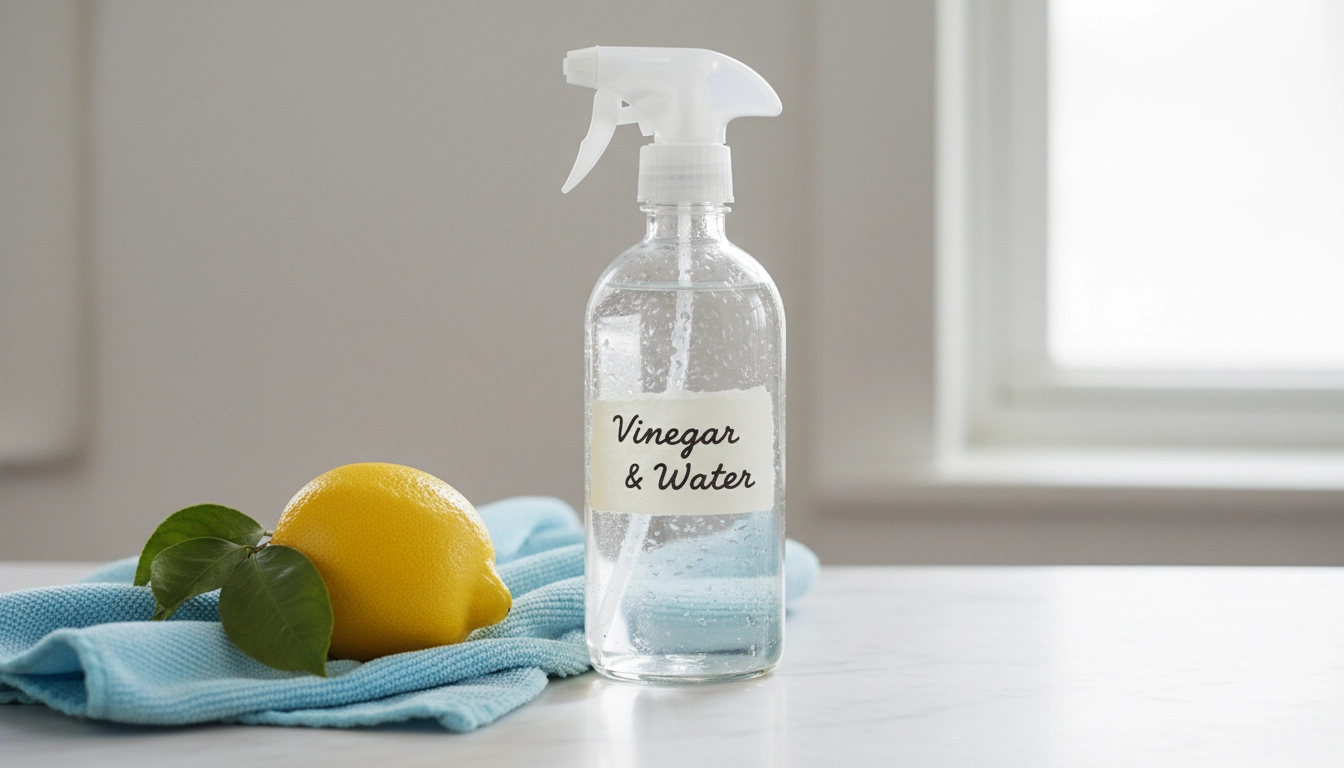
Distilled white vinegar is my go-to. It’s cheap and it works.
It cuts through the calcium in the droppings like a knife.
Mix it with water. Spray it on a stubborn spot on a perch, let it sit for a minute, and it’ll wipe right off.
No toxic fumes. No residue.
For the heavy stuff, look for enzymatic cleaners. They basically eat the waste.
Just make sure you rinse the area after.
You don’t want the bird licking the enzymes, even if they say they’re safe.
Natural Solutions
A mixture of three parts water to one part white vinegar is a powerful, non-toxic tool for daily ‘spot cleaning’ of perches and cage bars.
How to Disinfect a Bird Cage Safely
Disinfection is different from cleaning. Cleaning is removing the dirt.
Disinfecting is the scorched earth policy for germs.
If your bird is sick, or if you just brought a new one home, this is mandatory.
Get the bird out of the room. I don’t care if the bottle says safe for pets.
Fumes are fumes. Move them to a different zone entirely.
Use a veterinary disinfectant—something like F10.
It’s the gold standard for killing Psittacosis.
You have to let it sit. This is called contact time.
If the bottle says ten minutes, you wait ten minutes.
If you wipe it off early, you’re just giving the bacteria a bath, not killing them.
Follow the label or don’t bother doing it at all.
You need to know the difference between cleaning and disinfecting or you are just wasting your time.
| Method Type | Core Purpose | Safe with Bird Present? |
|---|---|---|
| Basic Cleaning | Removing visible waste | Yes |
| Disinfecting | Killing microscopic pathogens | No |
| Steam Cleaning | Deep sterilization | No |
My Take
Never cut corners on ‘contact time’. If the label says ten minutes, set a timer on your phone and walk away from the cage.
Managing Environmental Enrichment and Safety
The Daily Bird Care Routine isn’t just about poop.
It’s an audit of the entire enclosure. Check the toys.
Are there long threads hanging off that cotton rope? Cut them.
Better yet, throw the rope away and buy sisal.
I’ve seen too many birds with crop impaction because they ate bits of a cheap toy.
Check for rust. Check for loose cage bars.
Birds use their beaks like a third hand. If there’s a sharp edge, they’ll find it.
Rotate the toys while you’re in there.
It keeps their brains from turning to mush. Mental engagement is as vital as knowing how to train your dog to sit and down.
A bored bird is a self-mutilating bird.
Change the landscape every time you do a deep clean.
It’s like moving the furniture for them. Keeps them sharp.
Consistency in Your Daily Bird Care Routine
You have to be a machine about this.
Morning: change liner, scrub bowls, quick wipe of the poop perches.
It takes twenty minutes. Max.
If you make it a habit, the bird knows what to expect. A structured pet schedule is as necessary as knowing how to train a puppy at home.
It lowers their stress.
If you’re inconsistent, the waste builds up, the smell starts, and the Biological Mirror starts reflecting a very dark image of your bird’s health.
Consistency is the difference between a bird that lives thirty years and one that dies at seven from a fungal infection.
It’s your choice. Be a forensic steward of their environment.
Conclusion
Your bird’s health isn’t a coin flip. It’s the result of your work.
That Daily Bird Care Routine is the most important thing you do.
Forget the fancy treats. Forget the expensive talking training.
If they can’t breathe clean air, none of that matters.
Look at the cage. Is it a mirror of a healthy life, or a mirror of neglect?
Catherine’s bird is doing better now because she finally stepped up.
You should too. Observe the environment with a forensic eye.
Act like a scientist. Your bird will live longer and actually be happy, which is the whole point of this, right?
Start today. Don’t wait until the vet tells you it’s too late.