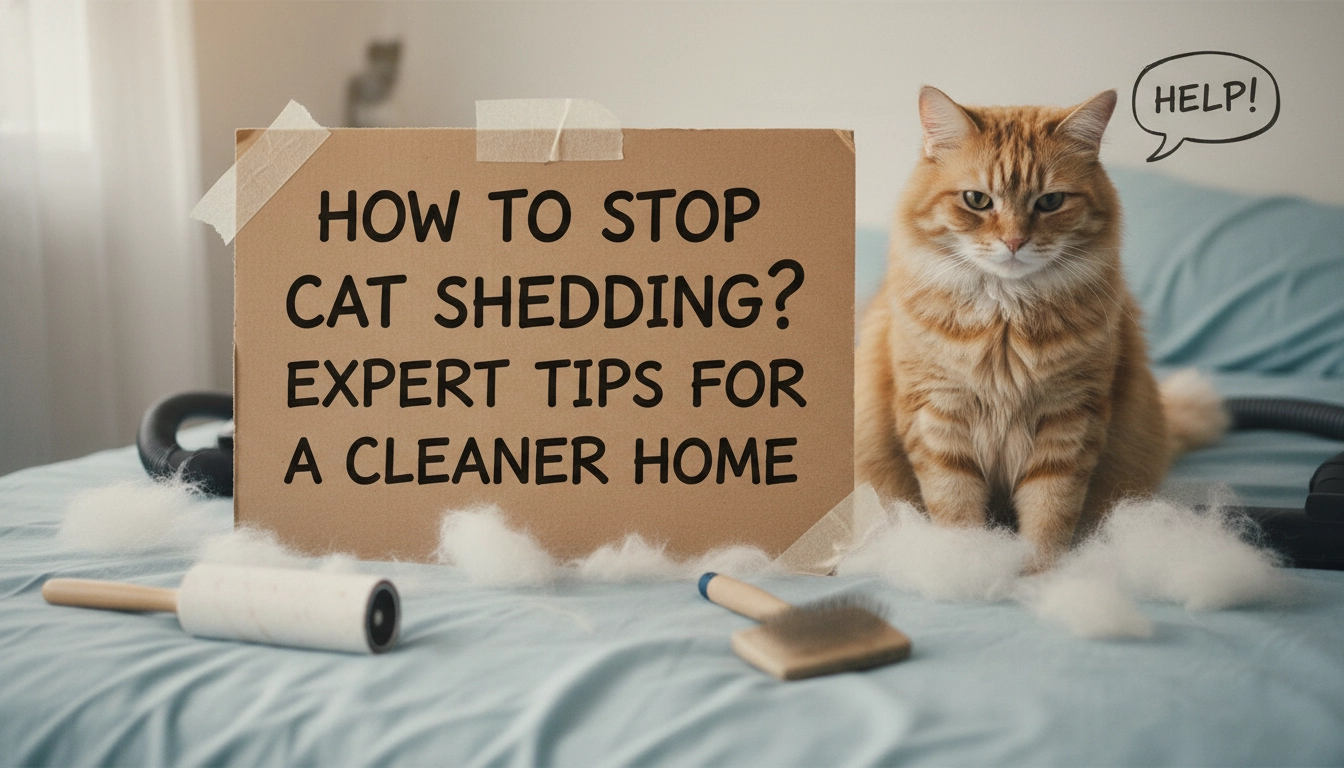

So look the reality is you are never actually stopping a cat from shedding unless you get one of those hairless ones that look like a thumb. It is just biology.
I was literally just talking to my friend Enrique over on Country Club Road about this. His place is basically a warehouse for orange cat fluff right now even though he tries his best.
It is a losing game if you think you are going to win it 100 percent but you can manage it. Sorry if there are typos. I am typing this fast on my phone while waiting for a client.
You have to focus on the bond and just being chill about the mess while you fix the root stuff. Patience is everything here. Seriously.
People get so stressed about their furniture but your cat is just living their life. We can fix the volume of hair but you have to accept a little bit of the glitter that comes with owning a pet.
Anyway here is the actual breakdown of what works and what is just noise. You probably know the feeling of grabbing a clean shirt and realizing it is already covered in fur.
It is annoying. I get it. But shedding is how your cat stays healthy. It is their body’s way of getting rid of the old stuff to make room for the new.
When we talk about how to stop cat shedding, we really mean how do we keep it from taking over your life. It is about balance.
If you can understand the rhythm of your cat’s coat, you can stay ahead of the tumbleweeds. The whole process is mostly about internal health and a bit of external elbow grease.
If the cat is healthy inside, the hair stays put longer. If they are stressed or eating junk, it falls out. Simple as that.
We are going to look at why this happens and how you can actually make a dent in the mess without losing your mind.
Understanding the Basics of Feline Shedding
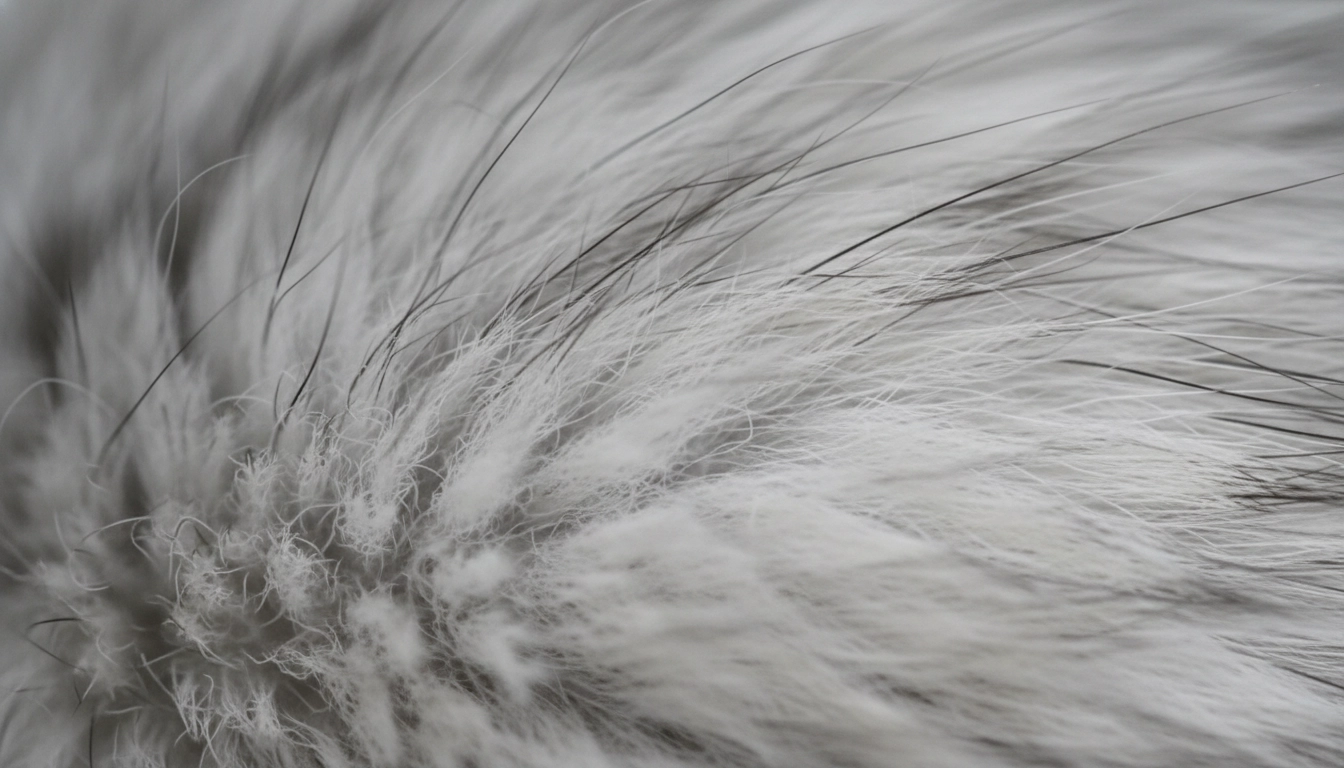
To actually fix the problem, you have to know what you are looking at. Shedding is not a problem to be solved, it is a function.
Cats lose hair so they do not overheat and so their skin stays protected. It is a cycle. New hair grows, old hair dies and falls out.
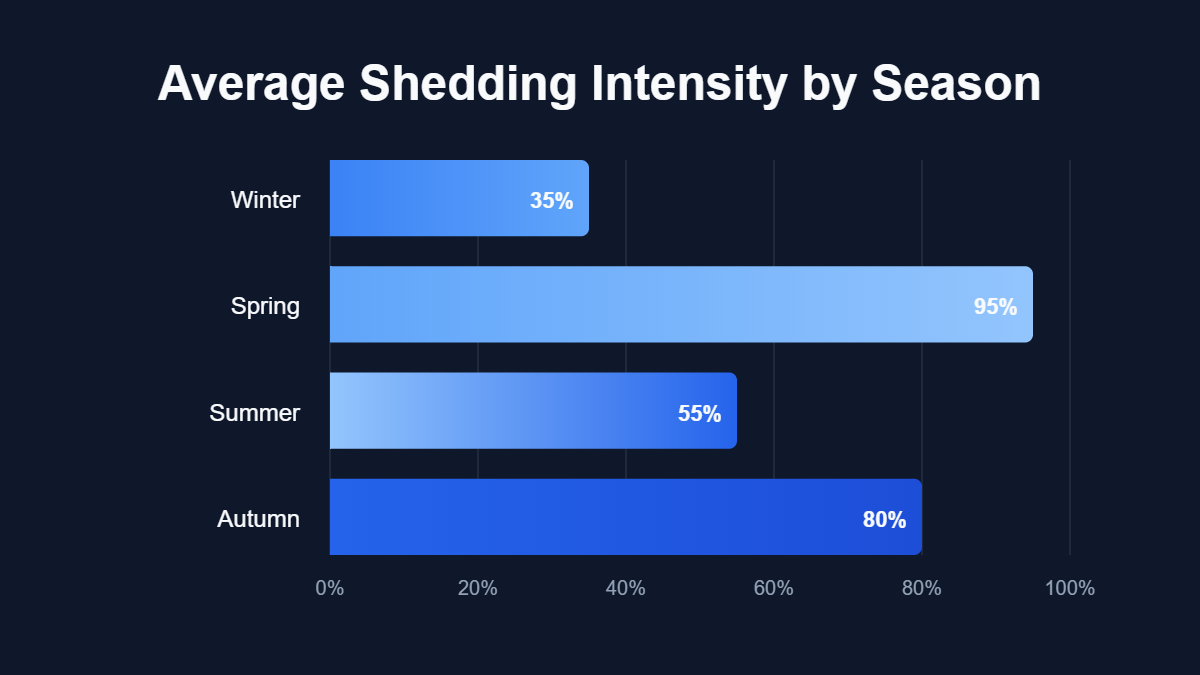
If that old hair does not get caught in a brush, it gets caught on your couch. Most people notice a huge spike twice a year. Spring and autumn.
This is the blow out phase. The cat’s body is reacting to the light outside. Even if they stay indoors all day, their system knows when the days are getting longer or shorter.
It is pretty wild how that works. Indoor cats might shed a bit more steadily all year because we keep our houses at 70 degrees and leave the lights on until midnight. Their bodies get a little confused.
I put together a quick breakdown of how your cat’s hair actually works so you can see why it falls out when it does.
| Hair Phase | What Is Happening |
|---|---|
| Anagen | This is the active growth stage where the hair is firmly rooted |
| Catagen | The hair stops growing and the follicle starts to shrink |
| Telogen | The hair is just resting and waiting to be pushed out by new growth |
My Take
Understanding these cycles helps you realize that shedding is just a natural ‘clock’ ticking away on every single hair follicle.
The Growth Cycle
Cat hair grows in three distinct phases known as anagen, catagen, and telogen, which determine when a hair is ready to fall out naturally.
Every single hair has a clock. When that clock runs out, the follicle lets go. If your cat has a thick undercoat, that loose hair gets trapped.
That is where mats come from. And mats are painful. So, when you see hair on the floor, just remember it is better there than tangled in their skin.
It takes a lot of patience to keep up with it, but your cat will feel a lot better for it.
Common Causes of Excessive Shedding
Sometimes the shedding goes off the rails. You might notice it is way more than usual. Stress is a huge factor here.
I have seen cats lose clumps of hair just from a trip to the vet or because a new neighbor moved in with a barking dog. Their nervous system is tied directly to their skin.
It is like how some people get hives when they are nervous. Diet is the other big one. If the food is low quality, the hair is going to be weak.
Think about it. If you only ate crackers, your hair and skin would look pretty rough too. Cats need specific nutrients to keep those hair follicles strong.
Without them, the hair just breaks or falls out before it is supposed to.
If you are seeing way too much fur on the floor, it usually boils down to one of these three things right here.
| Main Factor | The Impact | Quick Fix |
|---|---|---|
| High Stress | Causes hair to drop instantly as a defense mechanism | Create a quiet safe space with pheromone diffusers |
| Poor Diet | Leads to brittle hair that snaps and sheds early | Switch to a high protein food with real meat |
| Dry Air | Dries out the skin and weakens the hair roots | Use a humidifier in the main living areas |
My Take
Always look at the food first because that is the ‘easiest’ thing to change and usually has the biggest impact on coat strength.
Stress Shedding
If your cat sheds excessively during a vet visit or a loud thunderstorm, it is likely a physiological response to acute anxiety.
Then there is the house itself. In the winter, we crank up the heat. The air gets dry.
The cat’s skin gets dry. And dry skin does not hold onto hair very well. It is a snowball effect.
You have to look at the whole picture. The food, the stress levels, and the air they are breathing.
Proven Methods for How to Stop Cat Shedding Naturally
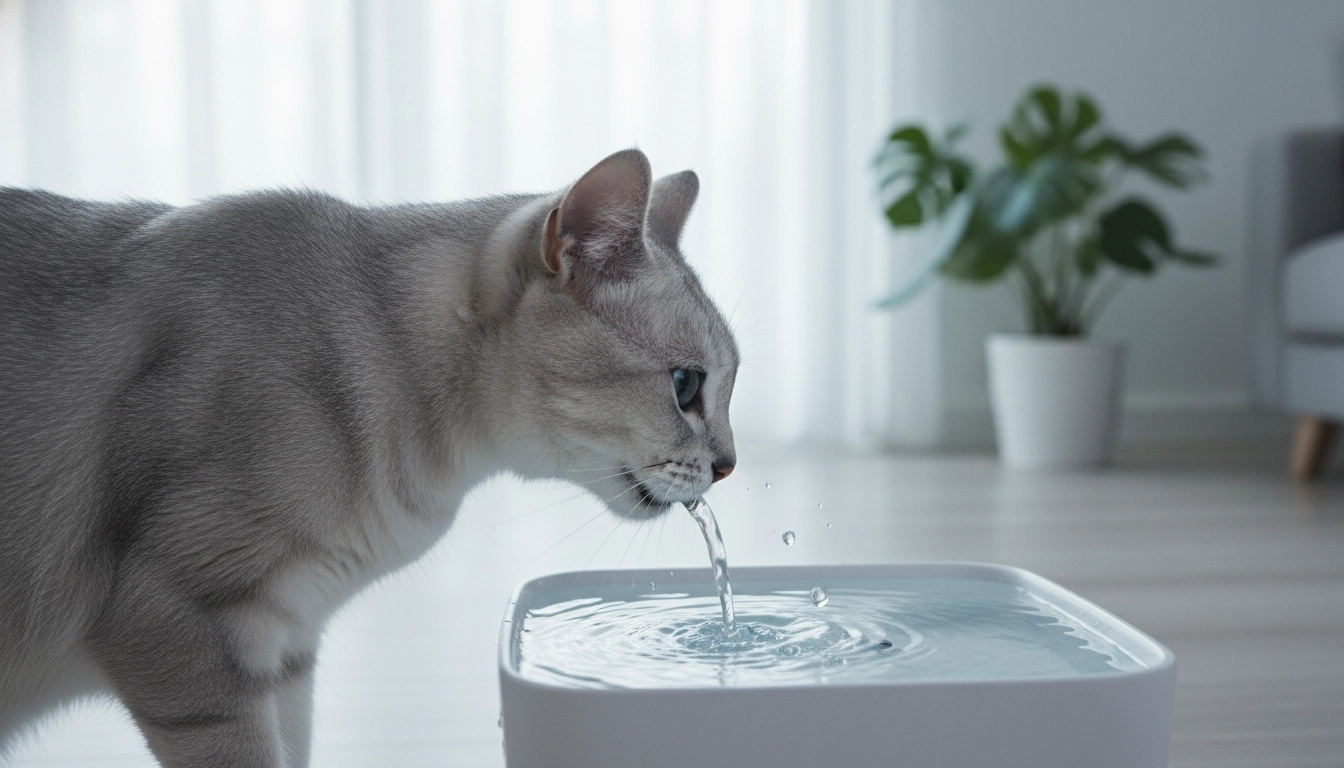
If you want to handle this without a bunch of chemicals or expensive treatments, start with water. Hydration is huge.
Most cats do not drink enough. They are evolved from desert animals, so they have a low thirst drive, but their skin needs that moisture.
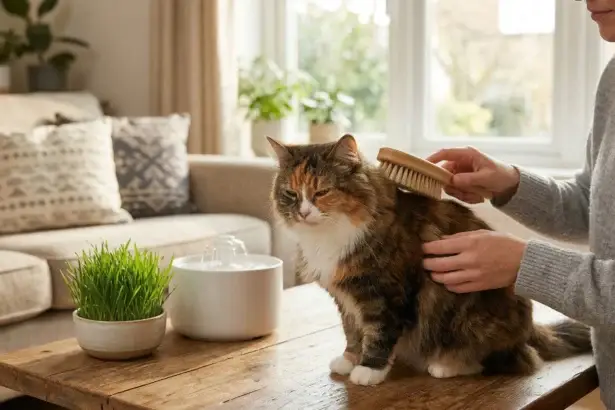
A hydrated cat has bouncy skin. That skin holds the hair better. Try a fountain.
Enrique actually got one for his cat and said it changed everything. Cats love moving water.
It is an instinctual thing because in the wild, still water is often gross. More water equals better skin, which equals less hair on your black pants. It is a direct line.
Humidity Matters
Using a humidifier in the rooms where your cat sleeps can prevent skin dryness and reduce the volume of brittle hair loss.
Also, just be there for them. Play with them. A cat that is having fun and burning off energy is a relaxed cat.
Relaxed cats do not stress shed as much. It is about building that bond. Spend ten minutes a day with a feather wand.
It helps more than you would think. Consistency in their routine makes them feel safe, and safety leads to a healthier coat.
Best Grooming Practices for Success
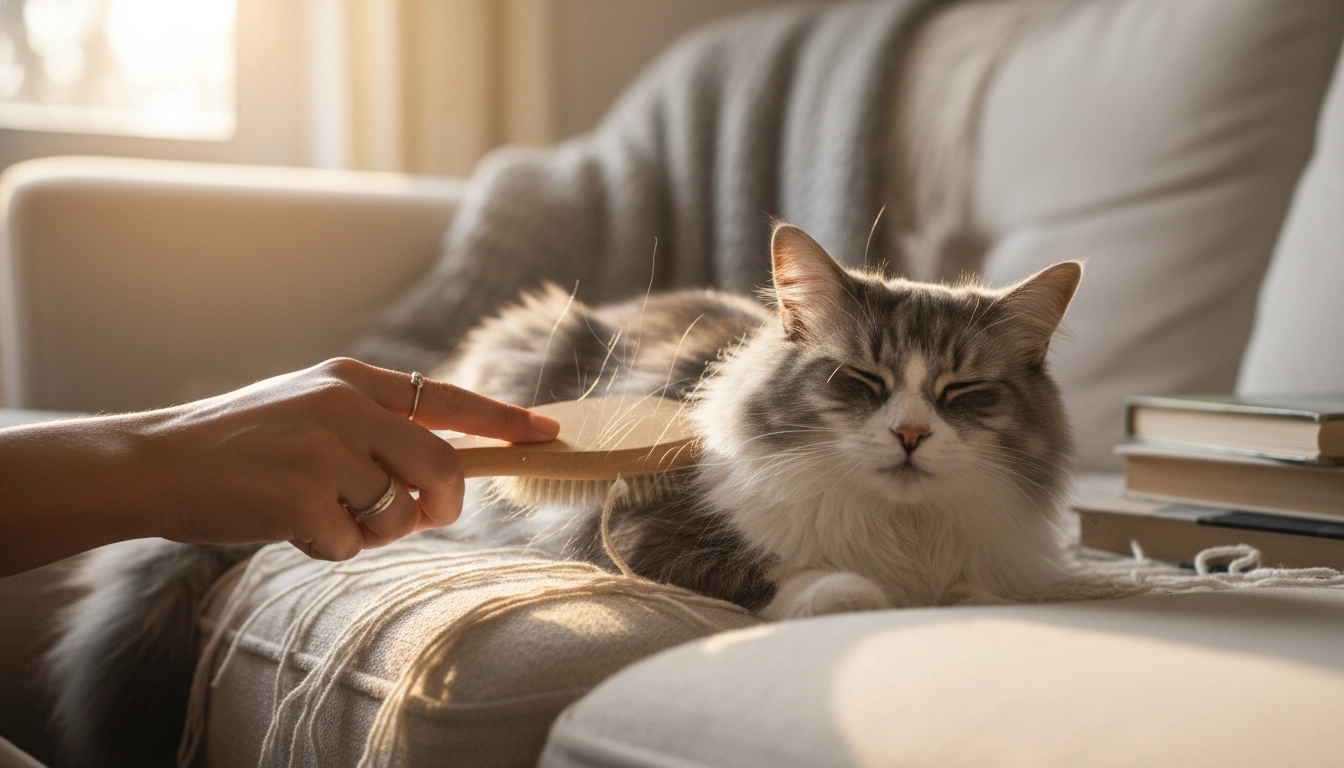
You have to brush them. There is no way around it. If you do not do it, the cat has to do it, and then you get hairballs.
Or the floor does it, and you get a mess. I tell people to make it a hang out session.
Do not just grab the cat and start hacking away. Sit with them. Use a gentle touch.
The tool you pick matters a lot. You would not use a rake on a lawn that needs a trim, right?
Short-haired cats are easy. A rubber brush or even a wet cloth can pick up a lot of that loose surface hair.
Long-haired cats are a different beast entirely. They need tools that can get deep into that undercoat where the real mess lives.
You will notice that the mess in your house changes with the seasons, and this chart shows exactly when you need to be ready.
My Take
Spring is the real ‘heavy hitter’ so that is when you should double up on your brushing sessions to keep the house clean.
Go with the grain. Always. If you hit a knot, do not pull. That is how you lose the cat’s trust.
Use your fingers to tease it apart. If it is too bad, you might need a pro to help.
But for the day-to-day stuff, a little bit of patience goes a long way. If you can get five minutes of brushing in every day, you will see a massive difference in a week.
Advanced Tool Selection for Different Coats
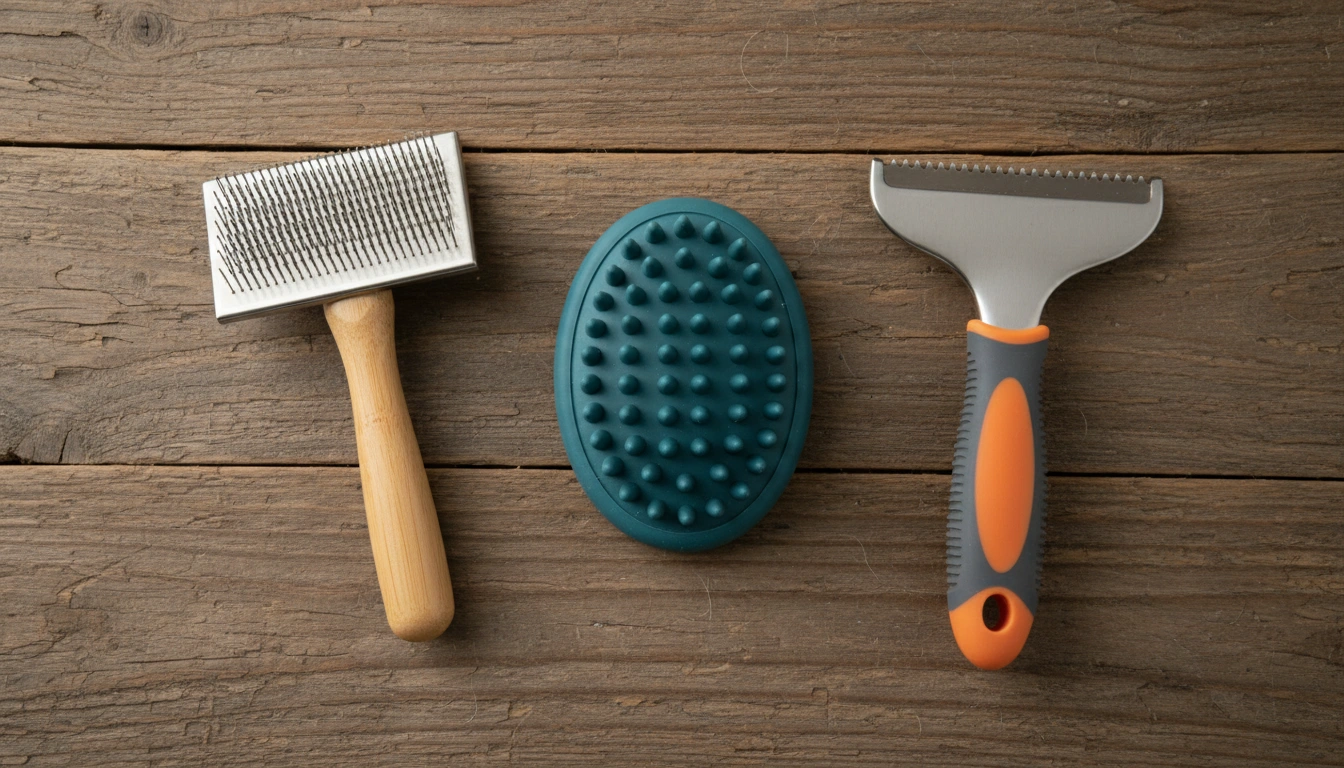
Do not just buy the first brush you see at the grocery store. For the short-haired guys, those rubber curry combs are great because they massage the skin.
It feels good to them, so they actually want to participate. It is like a spa day.
Slicker brushes are the workhorse for medium hair. They have those tiny wire teeth.
They are great for grabbing loose fur, but you have to be careful. If you press too hard, you can scratch them.
I always tell owners to try the brush on the back of their own hand first. If it hurts you, it hurts them.
Then there are the de-shedding tools. The big guns. These are amazing but use them sparingly.
Maybe once a week. They reach down and pull out the dead undercoat before it can even think about falling out.
If you use it right, you can reduce the hair in your house by like 90 percent. Just do not overdo it or you will make them bald in spots.
Picking the right tool is half the battle, so I made this guide to help you choose what actually works for your specific cat.
| Coat Type | Recommended Tool | Core Benefit |
|---|---|---|
| Short Hair | Rubber Curry Brush | Massages skin and grabs loose surface hair |
| Medium Hair | Wire Slicker Brush | Reaches through the top layer to pull out loose fur |
| Long Hair | De-shedding Tool | Extracts the dead undercoat before it mats up |
My Take
Always test a new brush on your own skin first to make sure it is not too ‘scratchy’ for your cat’s sensitive body.
Diet Tips for Healthy Fur

What is in the bowl is what is in the coat. Cats are carnivores. They need meat.
If your cat’s food is mostly corn or meal, their coat is going to suffer. Look for real protein.
Chicken, fish, beef—whatever, as long as it is the main ingredient. Fat is actually your friend here.
Not the kind that makes them overweight, but healthy fats. Omega-3s. These are like oil for the hair.
It keeps everything shiny and flexible. If the hair is flexible, it does not snap off.
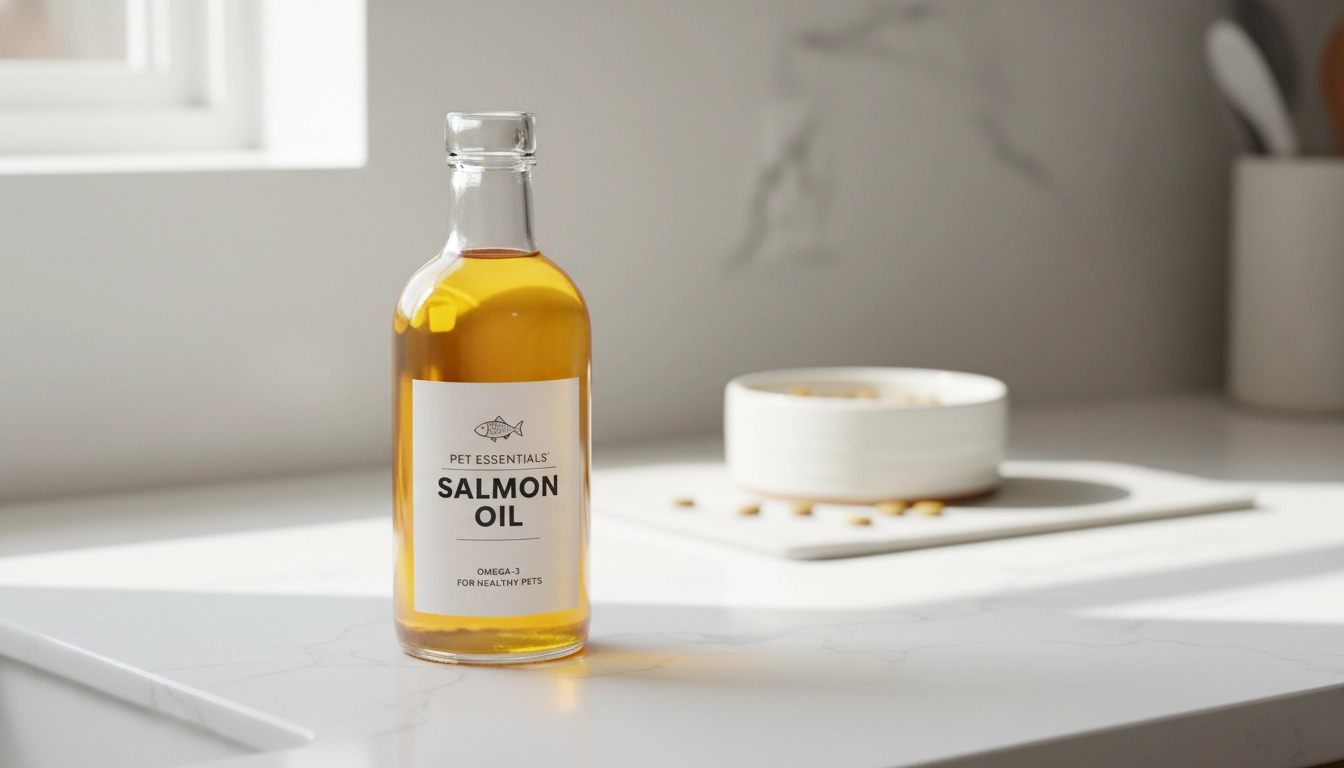
You can get salmon oil to pump onto their food. Most cats think it is a treat anyway.
If you want that coat to stay shiny and strong, you need to make sure these specific things are in the food bowl every day.
| Key Nutrient | Benefit for Cat | Natural Source |
|---|---|---|
| Animal Protein | Builds the actual structure of the hair | Chicken or Turkey |
| Omega-3 Fats | Keeps the skin hydrated and the coat shiny | Salmon or Sardine Oil |
| Moisture | Prevents dry skin and brittle hair | Wet food or water fountains |
My Take
Adding a little bit of salmon oil is the ‘fastest’ way to see a visible change in how much hair stays on the cat.
Protein Power
Hair is made almost entirely of protein, so a diet with at least thirty percent protein is ideal for coat maintenance.
Keep it consistent. Do not swap brands every other week because it was on sale.
Cats have sensitive stomachs, and a stressed gut leads to a stressed coat. If you are going to switch, do it slow.
Like, really slow. Mix a little of the new stuff in with the old and increase it over a couple of weeks.
The Role of Vitamins and Minerals
Sometimes the food is okay but the cat needs a little extra boost. Vitamin A is the big one for skin.
If they are low on it, their skin gets scaly and the hair falls out. Zinc is another one.
It keeps the hair stuck in the follicle better. Biotin is also something to look at.
People use it for their own hair and nails, and it works for cats too. It strengthens the whole structure.
But do not just go dumping human vitamins into their bowl. Talk to a vet.
They can tell you exactly how much your specific cat needs based on their weight. If you get the nutrition right, you will notice the coat feels different.
It will be softer. Less dusty. That is the sign that you are winning.
It takes time—usually about a month—to see the change, so do not give up after three days.
Home Cleaning Tips for Cat Hair
Okay, so some hair is still going to get out. It happens. You need a good vacuum.
One with a HEPA filter so you are not just blowing the dander back into the air. I try to hit the high-traffic spots a couple of times a week.
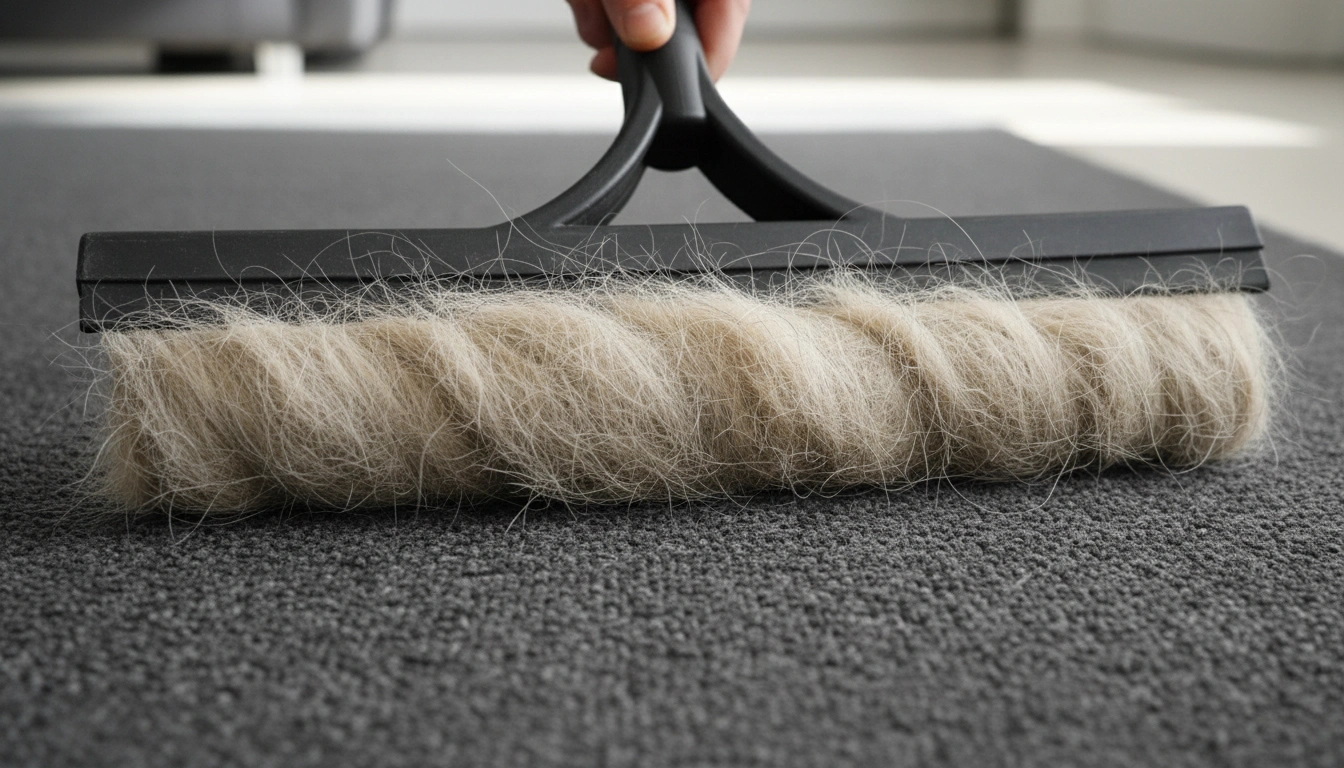
It keeps the tumbleweeds from forming under the fridge. For the couch, those sticky rollers are okay for a quick fix, but a rubber squeegee is actually better.
I know it sounds weird. But if you run a squeegee over your rug or your sofa, the friction pulls the hair up into a neat little pile.
It is weirdly satisfying to watch. Clean their beds too.
If the bed is full of old hair, the cat is just going to pick it back up every time they take a nap. Throw the bedding in the wash.
Use hot water. It breaks down the oils and lets the hair wash away.
Cleaning up the hair is a full time job, but these specific tricks make it a lot easier on your back and your vacuum.
| Target Surface | Best Cleaning Tool | Why It Wins |
|---|---|---|
| Rugs and Carpets | Rubber Squeegee | Uses friction to pull deep hair to the surface |
| Hard Floors | Microfiber Mop | Grabs the hair instead of blowing it around |
| Furniture | Damp Rubber Glove | Hair sticks to the rubber like a magnet |
My Take
The ‘squeegee trick’ sounds crazy until you try it and see a massive pile of hair come off a clean looking rug.
Managing Your Laundry Routine
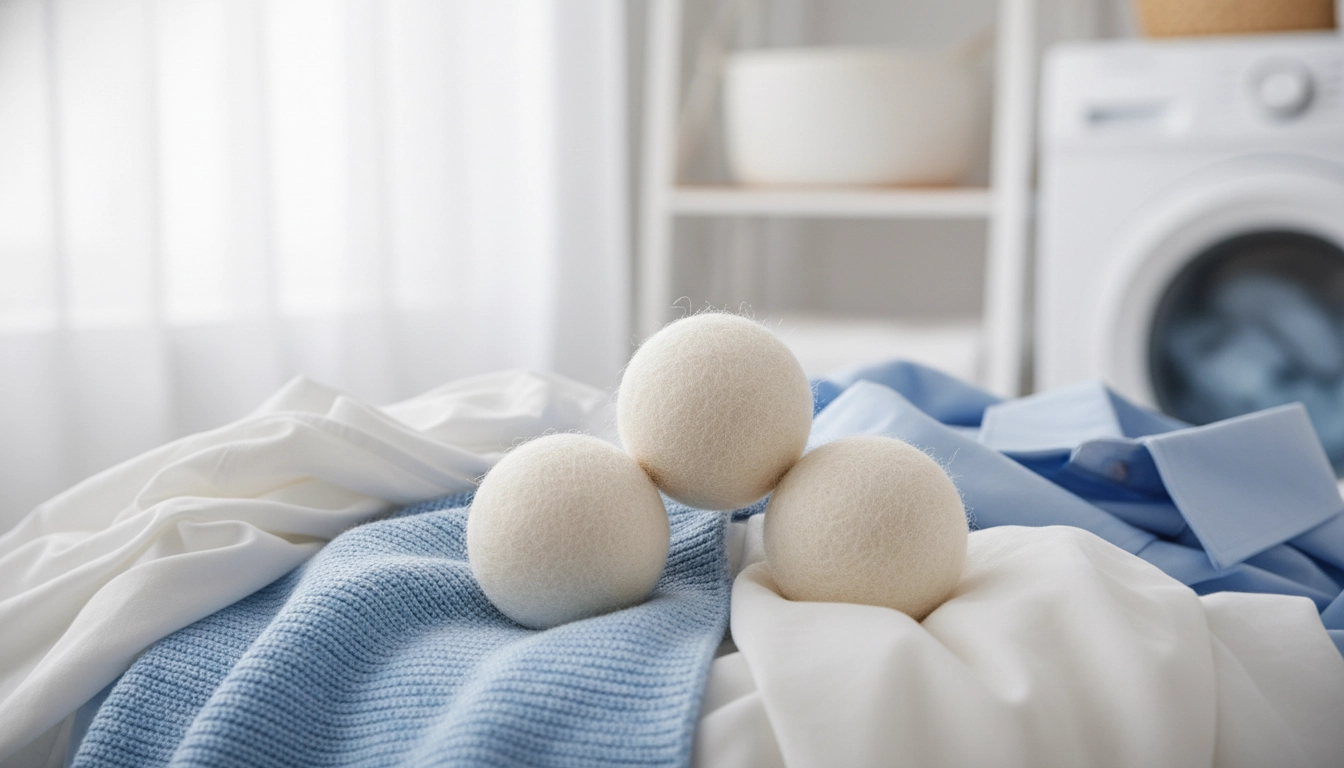
Laundry is the worst part. Fur gets woven into the fabric and it is a nightmare to get out.
Here is a pro tip. Put your hairy clothes in the dryer on air fluff for ten minutes before you wash them.
The lint trap will catch a good chunk of the fur while the clothes are dry. Add some white vinegar to the wash.
It is cheap and it works. It helps the fabric fibers relax so the hair can slide off.
Plus, it kills that cat smell if things have been sitting for a bit. Do not worry, your clothes will not smell like a salad once they are dry.
Dryer balls are another big help. They bounce around and knock the hair loose.
Use the wool ones. They are quiet and they do a better job than the plastic ones.
This stuff sounds like a lot of work, but once you get into the habit, it is just part of life.
Mistakes to Avoid During the Process
The biggest mistake is over-bathing. People think a bath will wash away the shedding. It will not.
It just dries out their skin and makes them shed more. Unless they got into something gross or they are a senior cat who cannot reach their own back, just skip the bath.
Cats are self-cleaning ovens for the most part. Do not use the wrong brush.
If you have a cat with very thin hair, do not use a heavy metal de-shedder. You will hurt them.
Start light and see how they react. If they are flinching or trying to run, you are being too rough or using the wrong tool.
Never Shave
Do not shave your cat to stop shedding as it can interfere with their ability to regulate body temperature and may cause the hair to grow back poorly.
And for the love of everything, do not use human shampoo. Our skin is acidic, theirs is not.
You will give them a rash and then you will have a much bigger problem than just a little fur on your rug. Stick to stuff made for cats.
When to See a Vet
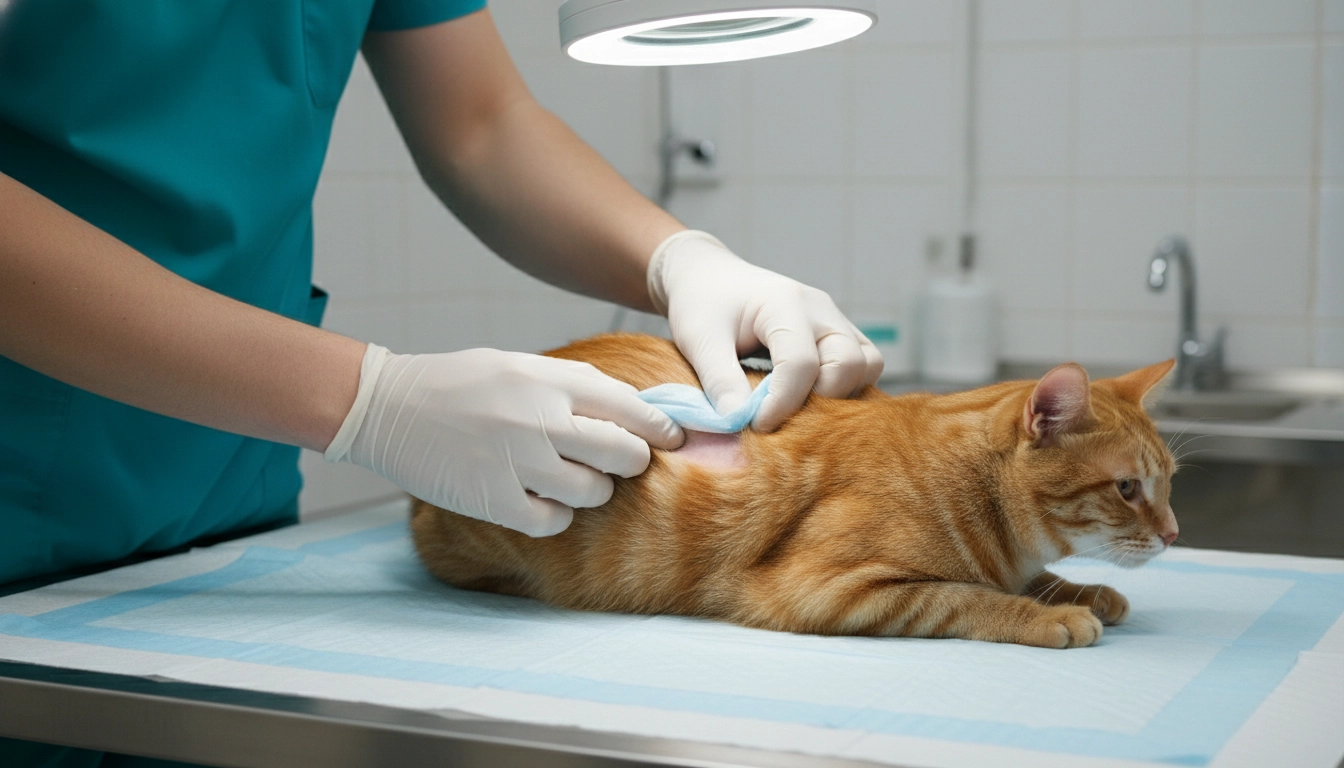
If your cat is getting bald spots, that is not shedding. That is a medical issue.
Could be allergies, could be fleas, could be something internal like their thyroid acting up. If they are licking themselves raw in one spot, they are likely in pain or really anxious.
Watch for changes in how the skin feels. If it is oily or if it smells off, go get a checkup.
A healthy cat should not smell like anything really. If you catch these things early, they are usually easy to fix with a quick change in diet or some meds.
Do not ignore the signs. If you have tried the brushing and the food and they are still losing clumps, it is time to call in a pro. Better safe than sorry.
Sometimes the shedding is actually a cry for help, so watch out for these specific red flags that mean a vet visit is needed.
| Physical Sign | Possible Problem | Necessary Action |
|---|---|---|
| Total Bald Spots | Parasites or severe allergies | Schedule a skin scrape at the vet |
| Red or Scabby Skin | Infection or over-grooming | Keep the cat from licking and call the pro |
| Thinning Tail Hair | Hormonal imbalance | Get a full blood panel to check thyroid levels |
My Take
Never ignore a bald spot because it almost always means the cat is in some kind of physical or mental distress.
Conclusion
At the end of the day, managing cat hair is just part of the deal. It takes patience.
It takes consistency. If you keep up with the grooming and make sure they are eating the good stuff, you will find that you are not reaching for the lint roller nearly as often.
Just remember that your cat is not doing it on purpose. It is just how they work.
Treat the grooming sessions as a way to bond, not a chore you have to get through. When you approach it with a calm vibe, your cat will pick up on that.
You will both be a lot happier. Anyway, go check on your cat.
Maybe give them a quick brush. Your vacuum will thank you later.
It is a process, but you have got this.