
Look, I’m typing this on my phone and the sun is hitting the screen weird so if there’s a typo, deal with it. Here’s the deal. Your cheese is not the gift you think it is.
My associate Franklin—he lives over on Spring St, Shreveport—literally spent three hours in his litter box yesterday because his human thought a tiny bit of Brie was a good idea. It wasn’t. It was a disaster.
Honestly, humans see us looking at their food and think we need a taste. We don’t. We just want to know what you’re doing. It’s a curiosity thing, not a please ruin my intestinal tract thing.
Stop projecting your snack habits onto us. It’s annoying and, frankly, smells terrible later. The sound of that plastic crinkling is basically a siren song. You think it’s love. It’s actually a calculated assessment of your resource management.
But just because we want to see what you’re eating doesn’t mean our bodies are actually prepared to handle it. The short answer is that while a tiny crumb won’t kill us immediately, it’s not exactly a superfood.
Most of us are actually lactose intolerant once we grow up and realize that the world doesn’t revolve around milk. If you give us dairy, you’re basically asking for a biohazard situation in the living room.
As a Senior Consultant who actually cares about quality control, I’m telling you: put the cheddar down.
Quick Access: Key Facts
Most cats lack the ‘lactase enzyme’ needed to process dairy. While cheese is not toxic, it is high in fat and salt, making it an unhealthy snack for regular consumption.
Can Cats Eat Cheese Safely?
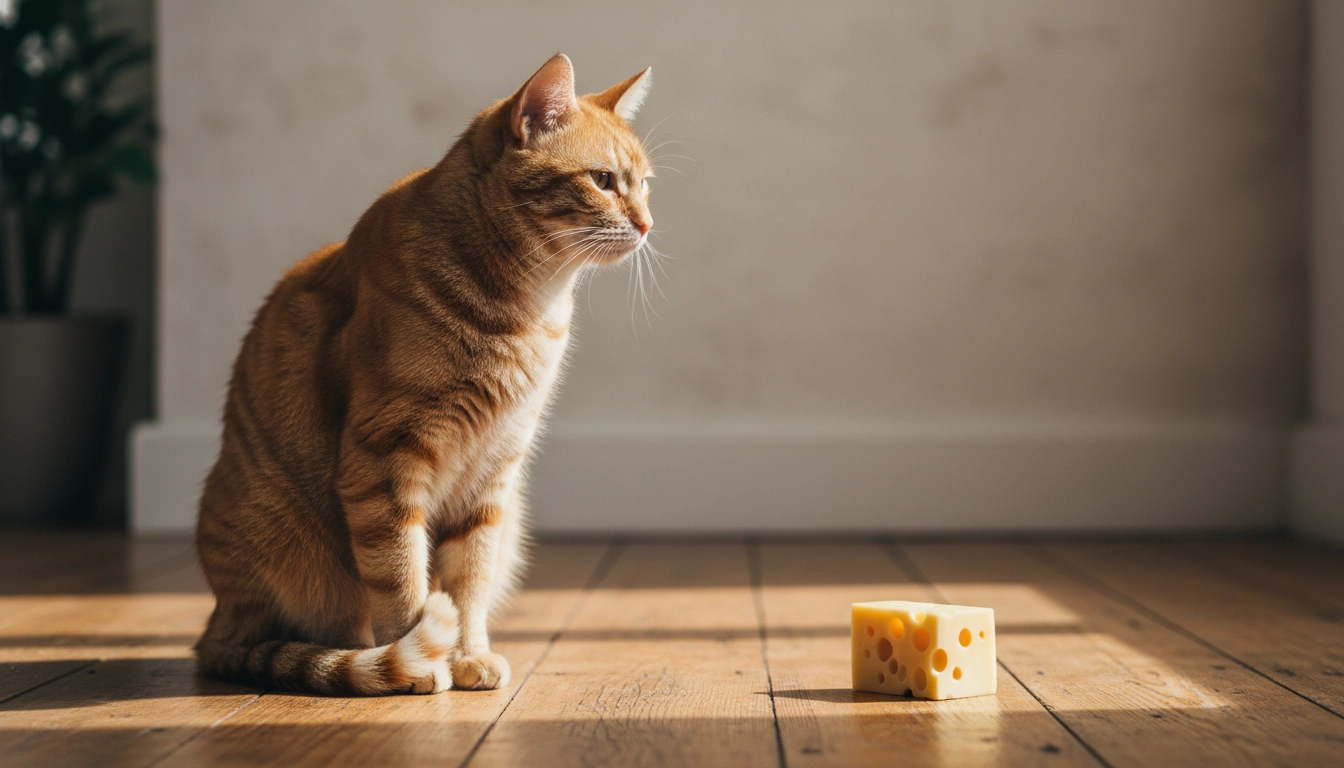
Safety is a relative term when you’re talking about biological machines like us. We are obligate carnivores. That means we eat meat. Not grass. Not soy lattes.
And certainly not fermented cow secretions shaped into blocks. Our bodies are built for high-protein, moderate-fat diets that come from actual prey. You know, things that move.
Things that aren’t The Red Dot—which, by the way, I am still trying to catch, and I suspect you are controlling it. In the wild, do you see a cougar hunting a wheel of Gouda? No.
I put together a quick comparison to show you how far off the mark cheese is from our actual biological needs.
| Nutrient Type | Natural Prey (Mouse) | Cheddar Cheese |
|---|---|---|
| Protein | Very High | Moderate |
| Fat | Moderate | Very High |
| Lactose Sugar | Zero | Trace Amounts |
| Sodium Content | Low | Extremely High |
My Take
We are designed to hunt things with hearts and lungs, not things that come in a wax rind. Stick to the biology and keep the snacks meat-based.
Cheese is also incredibly dense in calories. You think it’s just a little treat, but for someone our size, it’s a massive hit of energy we don’t need.
Most indoor cats are already living a sedentary lifestyle—mostly because your choice in rug texture is excellent for napping—and we don’t need the extra padding.
Sodium Alert
A single cube of cheddar for a cat is the caloric equivalent of a human eating ‘two whole cheeseburgers’ in one sitting.
Understanding the Feline Digestive System
Our insides are basically a high-speed acid bath designed to melt through protein and bone. It’s a work of art, really. Our tracts are short because we don’t need to sit around fermenting plants.
We eat, we process, we move on. But this efficiency comes with a trade-off: we don’t have a backup plan for foods we didn’t evolve with.
Once we stop being kittens, our bodies basically pull the plug on lactase production. That’s the enzyme that handles milk sugar. Without it, the lactose just sits there.
The Kitten Exception
Kittens possess the enzyme lactase to digest their mother’s milk, but this production ‘drastically decreases’ as they are weaned onto solid proteins.
If you insist on feeding us cheese, you’re essentially forcing that lactose to travel all the way to the colon without being broken down. It starts to ferment in places it shouldn’t.
I’ve seen humans look surprised when their cat has a stomach upset after a piece of pizza crust. What did you expect? We aren’t garbage disposals with fur.
Why Most Cats Are Lactose Intolerant
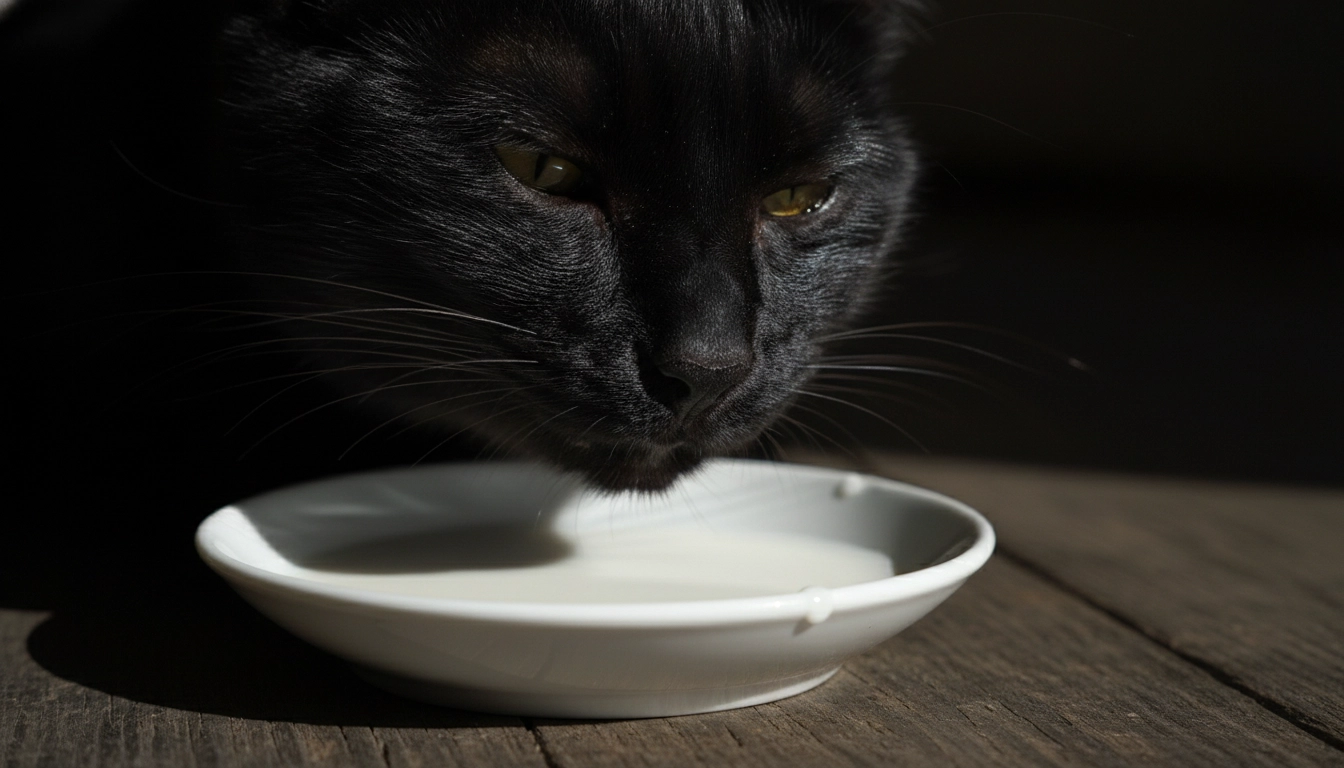
That whole cat with a saucer of milk thing? Total fiction. Propaganda. Probably started by the dairy industry or people who don’t have to clean the litter box.
We like the smell of the fat, sure. We have excellent noses. But our bodies are staging a protest the second that stuff hits the stomach lining.
Lactose intolerance isn’t a condition for us—it’s the factory setting. When those sugars don’t get broken down, they cause all sorts of internal drama.
- Diarrhea is usually the first sign.
- Gas and bloating make us lethargic.
- Vomiting occurs if the cheese is too fatty.
- Skin issues can arise from milk protein allergies.
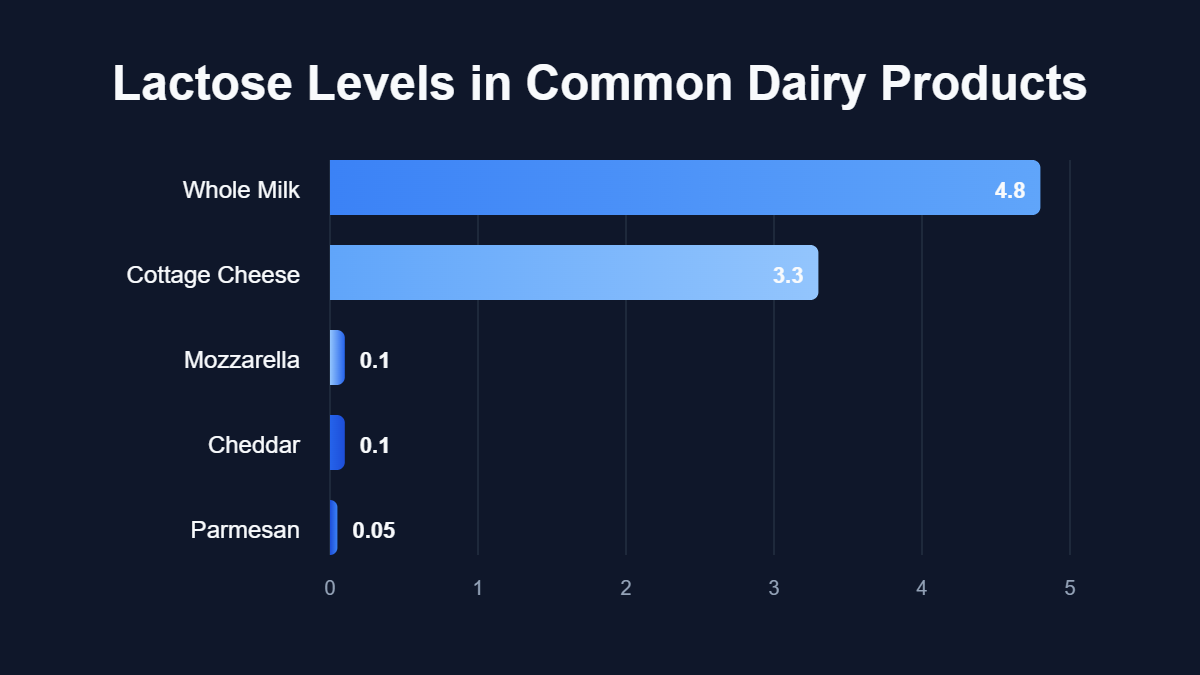
Look at these numbers and tell me you still think milk and soft cheese are a good idea for our gut health.
My Take
The higher that number goes, the faster I am going to ruin your favorite carpet. Stick to the low-lactose options if you must be stubborn.
Honestly, if you think you’re being nice by sharing your snack, you’re wrong. You’re just making us feel like garbage for your own entertainment.
Franklin’s human does this all the time and then wonders why Franklin spends the whole night screaming at the wall. It’s because he’s in pain, Brenda. Stop giving him the cheese.
Common Risks of Feeding Cheese to Cats
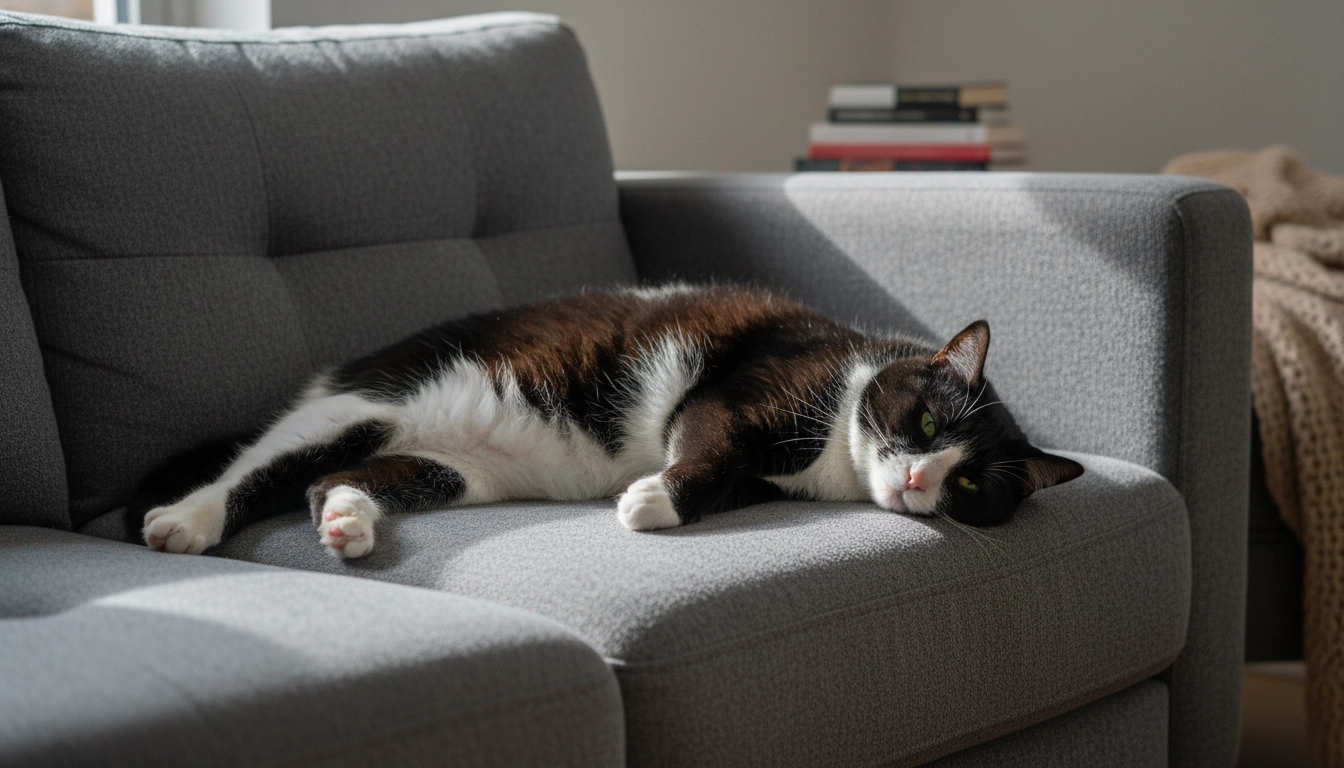
Let’s talk about the long-term stuff. Obesity is a real problem. I see it all the time. Cats who can’t even jump onto the kitchen counter anymore.
Cheese is packed with salt and fat. It’s basically feline junk food. And don’t even get me started on the stuff you fancy people put in your cheese.
Garlic? Onion? Those are literally poison to us. They destroy our red blood cells. If you’re eating some artisan herb-crusted goat cheese, keep it to yourself.
- High fat equals pancreatitis.
- Salt is a nightmare for our small kidneys.
- Moldy cheese like blue cheese has mycotoxins.
- Soft cheeses are lactose bombs.
High Sodium and Kidney Stress
Our ancestors lived in the desert. We are built to conserve water. This means our kidneys are working overtime to keep things concentrated.
When you dump a bunch of salt from a piece of feta into our system, it’s like throwing a wrench into a clock. A little bit of salt to you is a massive dose for us.
Obesity and Caloric Density
Think about the math. I’m about ten pounds. You’re… more than that. An ounce of cheese to me is like you eating a couple of whole pizzas.
Weight gain leads to diabetes and joint pain. It makes us less effective hunters of The Red Dot. It’s a downward spiral. Keep us lean. Keep us mean.
A Breakdown of Different Cheese Types
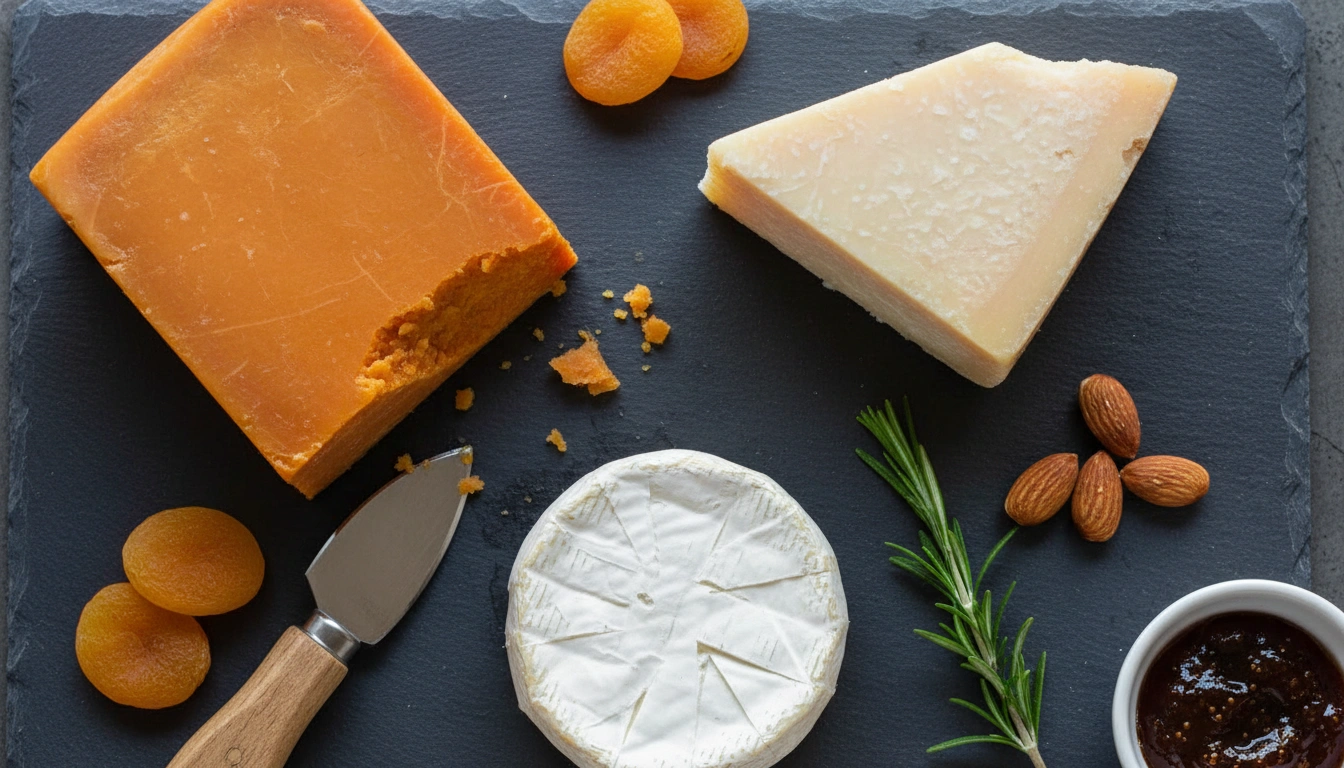
If you’re going to ignore my advice—which humans usually do until there’s a mess to clean up—at least pick the least bad option.
Generally, the harder and older the cheese, the less lactose it has. The fermentation process eats the sugar. But less lactose doesn’t mean healthy.
Since you’re likely going to do it anyway, here is the hierarchy of bad choices ranked by risk.
| Cheese Variety | Lactose Level | Sodium Level | Risk Assessment |
|---|---|---|---|
| Extra Sharp Cheddar | Very Low | High | Lowest Risk |
| Hard Parmesan | Trace | Dangerous | Kidney Concern |
| Swiss Cheese | Low | Moderate | Moderate Risk |
| Mozzarella | Moderate | Moderate | High Risk |
| Brie or Camembert | Very High | High | Avoid Entirely |
My Take
Just because a cheese is ‘low lactose’ doesn’t make it a health food. It’s still a salt lick that will make us thirsty and bloated.
Processed cheese? Those weird orange slices wrapped in individual plastic? That’s not even cheese. It’s a chemical experiment.
I wouldn’t let my worst enemy—the neighbor’s golden retriever—eat that stuff. It’s full of emulsifiers and oils that have no business being in a feline body.
When Cheese Can Be Used as a Tactical Treat
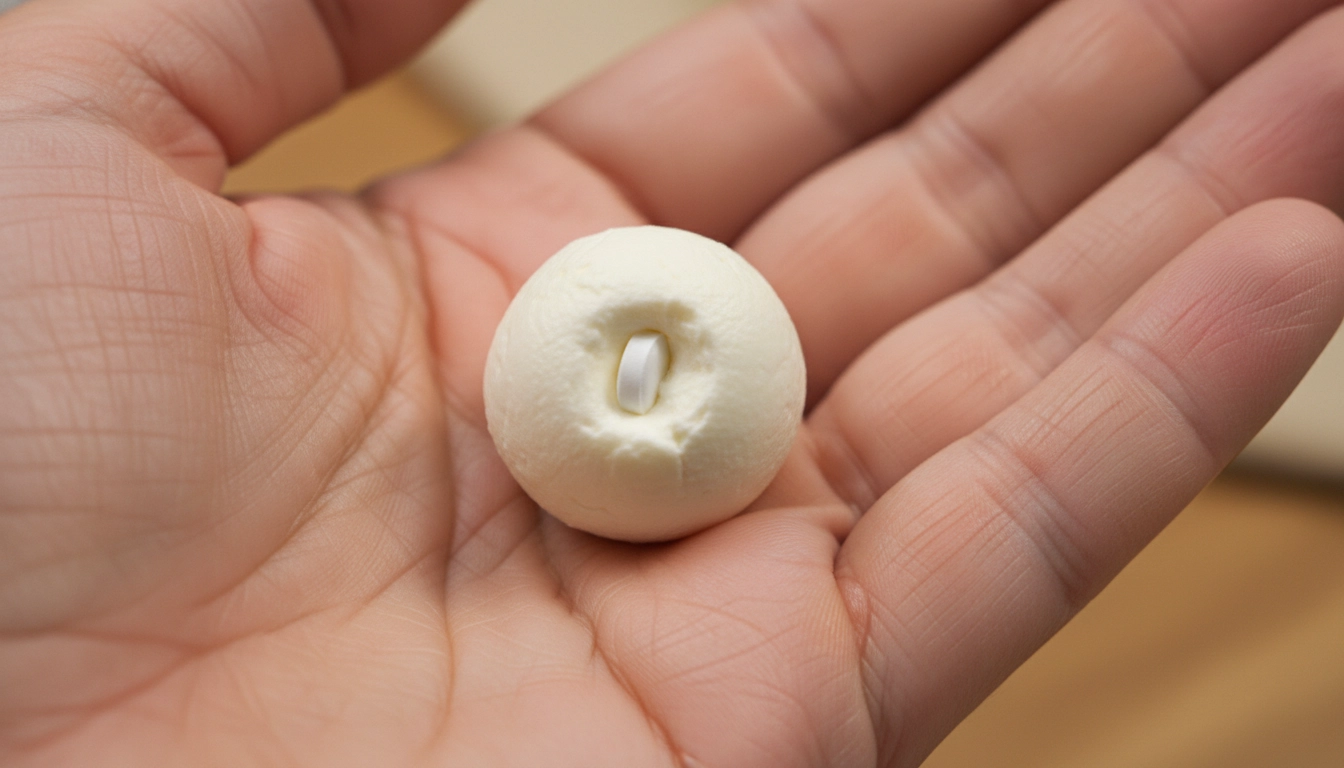
Okay, there is one time I’ll allow it. Medicine. Humans are notoriously bad at giving us pills. You try to shove it down our throats, we scratch you, everyone is unhappy.
In this case, a tiny bit of cream cheese or a soft cheese pocket can be a lifesaver. The smell is strong enough to mask the chemical scent of the pill.
- Use a piece the size of a pea. No larger.
- This is for emergencies only.
- Watch us for a day to check for reactions.
- Talk to your vet first about drug interactions.
Better Alternatives
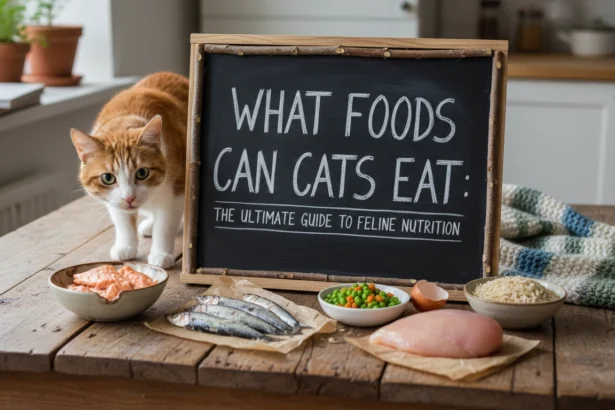
If you want to spoil your cat, try ‘freeze-dried chicken’ or a small piece of plain, cooked salmon. These provide the protein they crave.
Conclusion: So, Can Cats Eat Cheese?
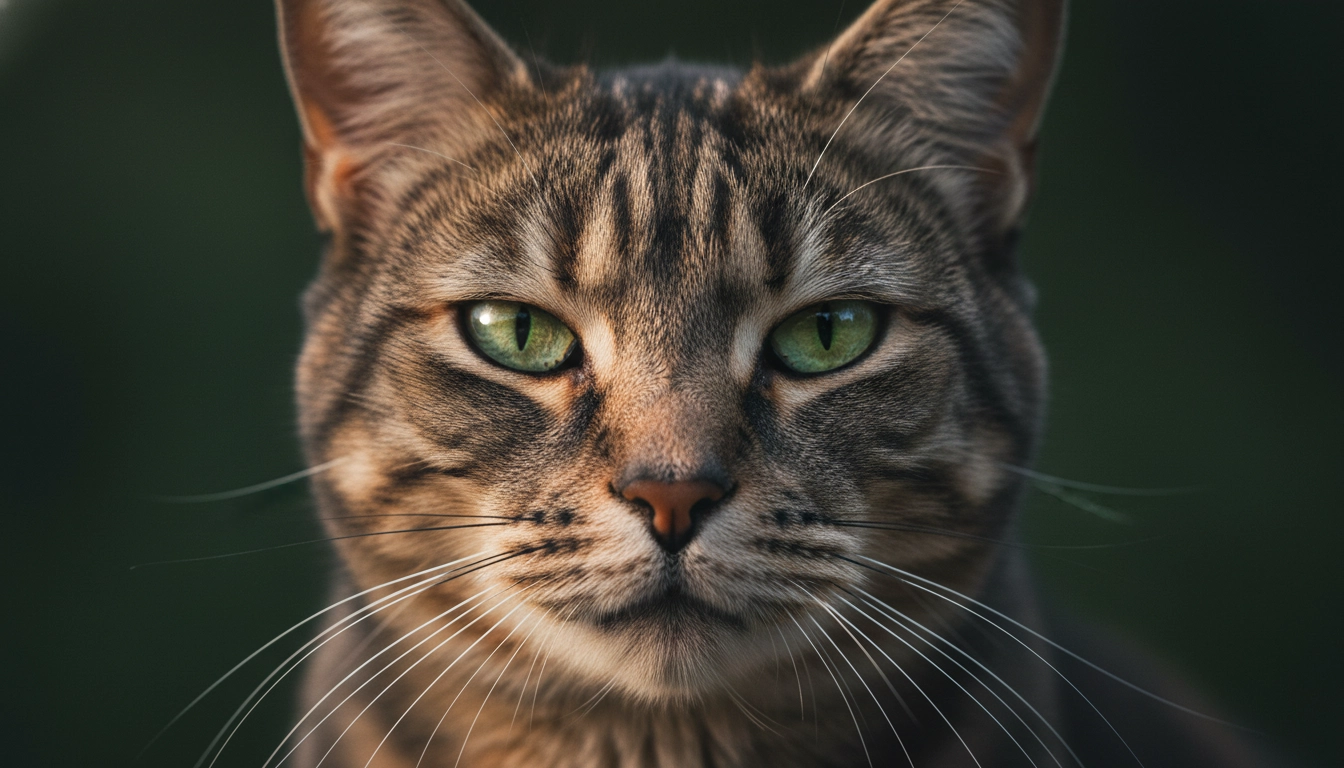
Look, can we? Yes. Should we? Not really. It’s like you eating a whole tub of frosting. You can do it, but you’re going to regret it.
We are hunters. We are refined. We deserve treats that actually fit our biology. If you really love us, stop trying to turn us into little humans.
We don’t want your cheese, we want your respect. And maybe a better spot for the scratching post. It’s currently in a drafty corner. Move it.